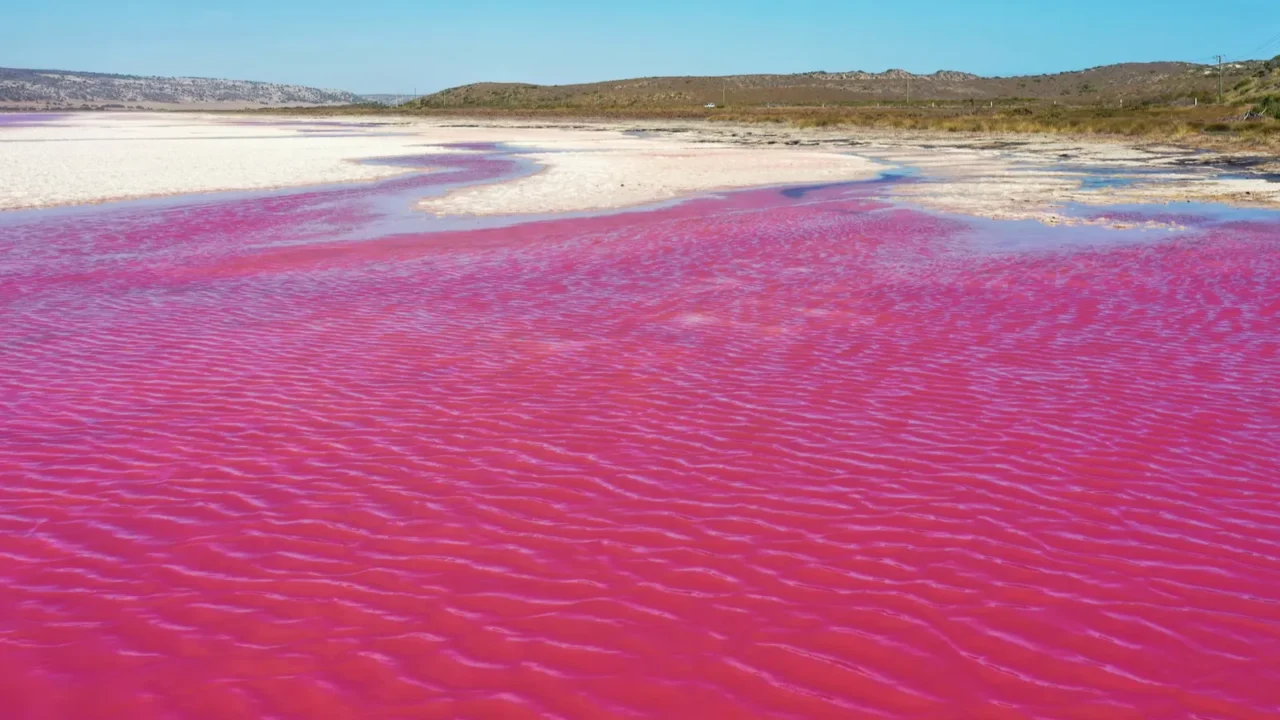
Pink lakes spark wonder
Certain lakes in Tanzania take on a striking pink hue during key times of the year, creating a scene that feels almost unreal at first glance. The color spreads so widely that water and shoreline seem to disappear beneath waves of moving birds. Travelers often pause in disbelief, wondering how nature creates something so bold.
This striking sight is the result of one of Africa’s most fascinating wildlife movements. Millions of flamingos arrive together, changing the look and energy of the landscape. The reason behind this transformation is both delicate and powerful. Let’s dive in!
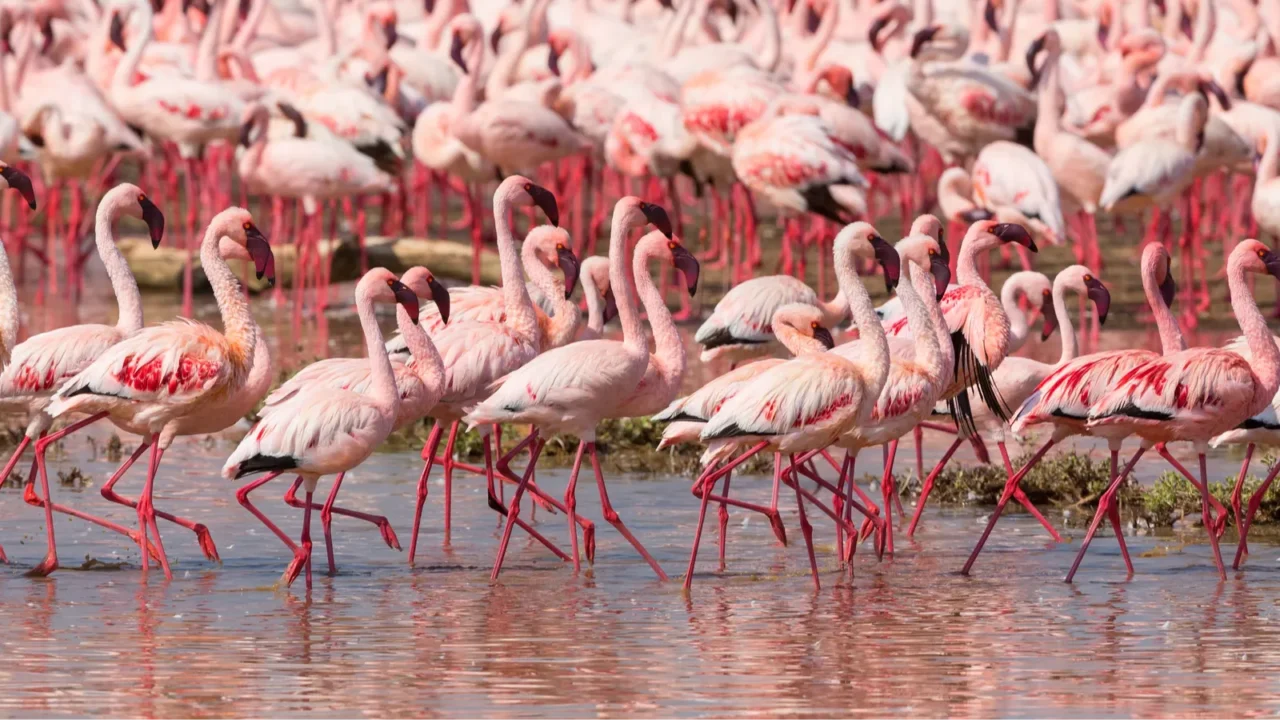
Flamingos arrive in millions
Flamingos migrate into Tanzania in massive numbers during certain times of the year. They move together as flocks, searching for lakes that provide the right balance of food and safety. When conditions align, the birds gather so densely that the water beneath them fades from view.
This movement is not random or sudden. It follows seasonal patterns that have repeated for generations. The sheer number of birds is what turns calm lakes into bright pink spectacles.
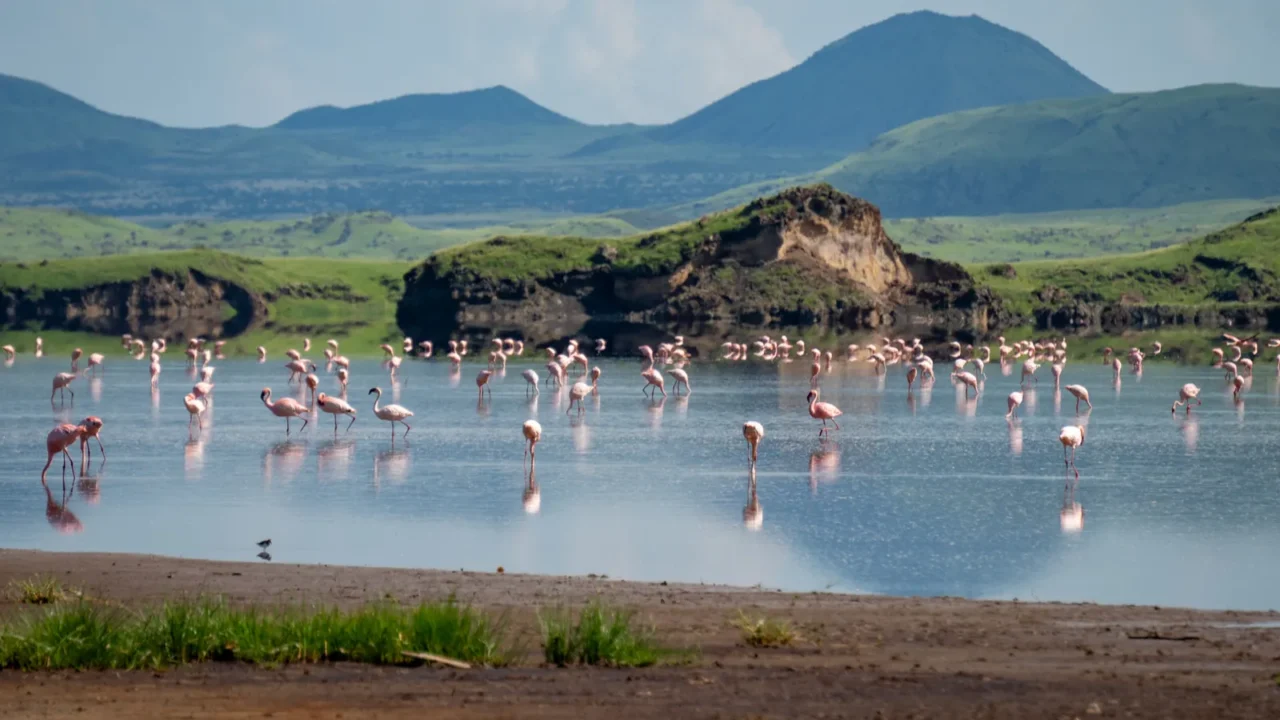
Alkaline lakes draw flamingos
The lakes that attract flamingos in Tanzania are highly alkaline and rich in minerals. These conditions may seem harsh, but they create the perfect environment for the birds’ main food sources. Few other animals can survive in these waters, giving flamingos a natural advantage.
Because predators struggle in alkaline lakes, flamingos feel safer feeding and nesting there. The environment offers protection without fences or barriers. Nature itself creates the sanctuary.
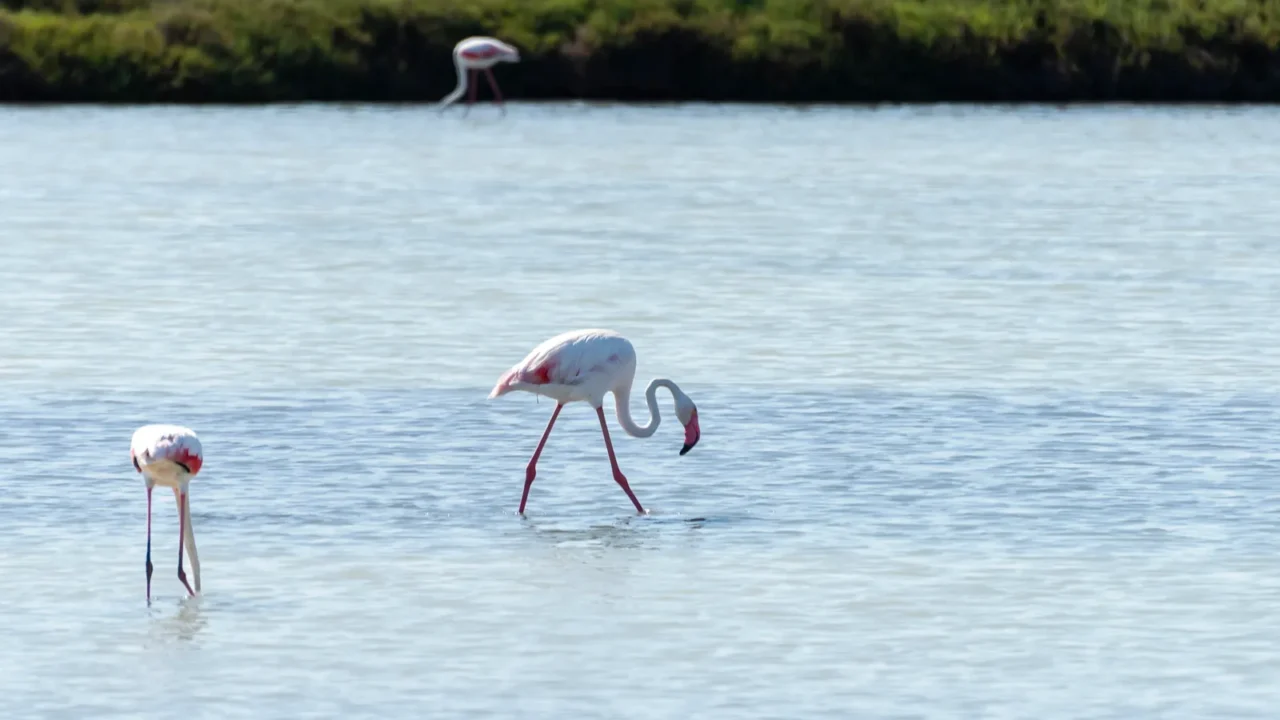
Diet creates pink color
Flamingos are not born pink, and their color comes directly from what they eat. Algae and tiny organisms in alkaline lakes contain pigments that slowly color the birds’ feathers. As flamingos feed daily, those pigments build up and deepen their pink tones.
The richer the food supply, the brighter the birds appear. This direct link between diet and color makes the lakes look painted when flocks gather. The birds and the water reflect the same vibrant energy.

Lake Natron’s importance
Lake Natron plays the most important role in Tanzania’s flamingo migration cycle. It offers shallow waters and mineral-rich conditions that are ideal for feeding and breeding. Millions of lesser flamingos rely on this lake each year.
The lake’s chemistry also helps protect nesting sites from predators. This safety allows flamingos to raise their young with minimal disturbance. For many travelers, Lake Natron becomes the heart of the pink phenomenon.
Seasons guide migration timing
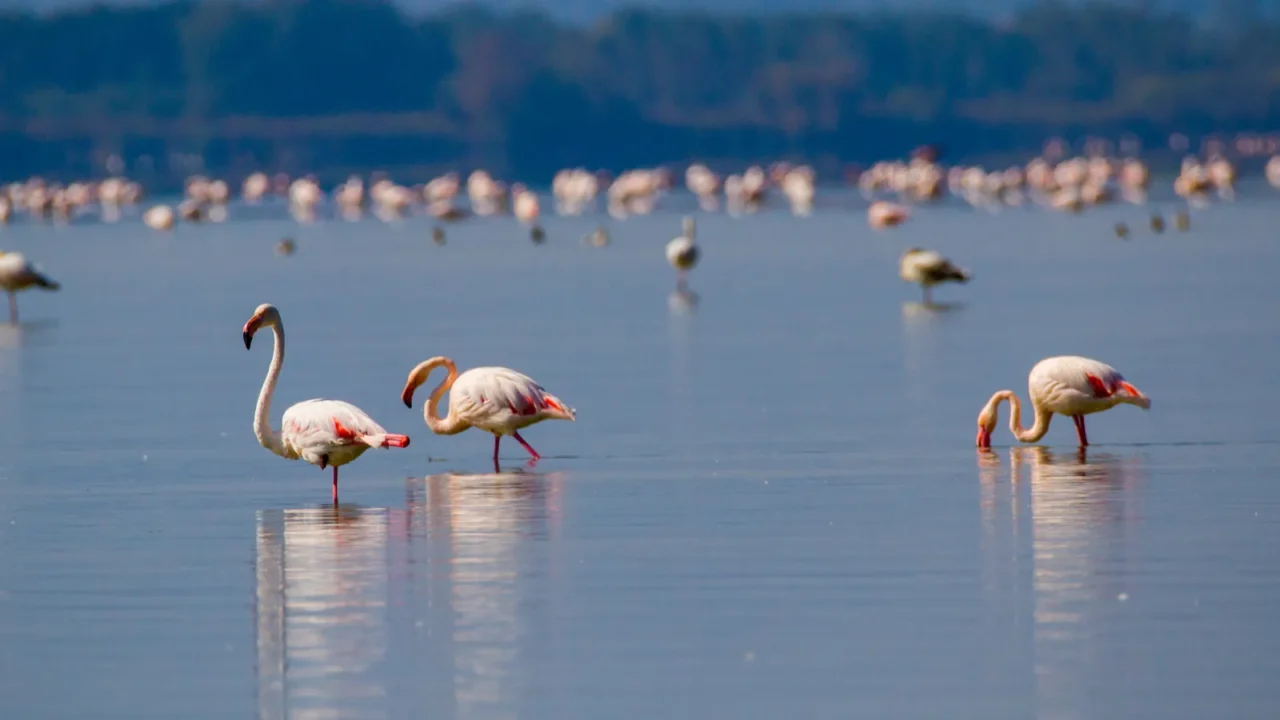
Rainfall and dry periods strongly influence where flamingos gather. When water levels rise or fall, food availability changes across different lakes. Flamingos respond quickly, moving to areas where conditions are most favorable.
This seasonal movement explains why lakes appear pink at some times and quiet at others. The birds follow nature’s signals with remarkable precision. Their timing keeps the spectacle alive year after year.

Algae fuels the spectacle
Microscopic algae thrive in warm, shallow, alkaline waters. These organisms multiply quickly under sunlight and form the foundation of the flamingo food chain. Without them, the migration would not happen.
As flamingos feed, they stir the water and concentrate color across the lake surface. The connection between algae growth and bird movement is seamless. Together, they create the iconic pink view.
Lakes work as a network
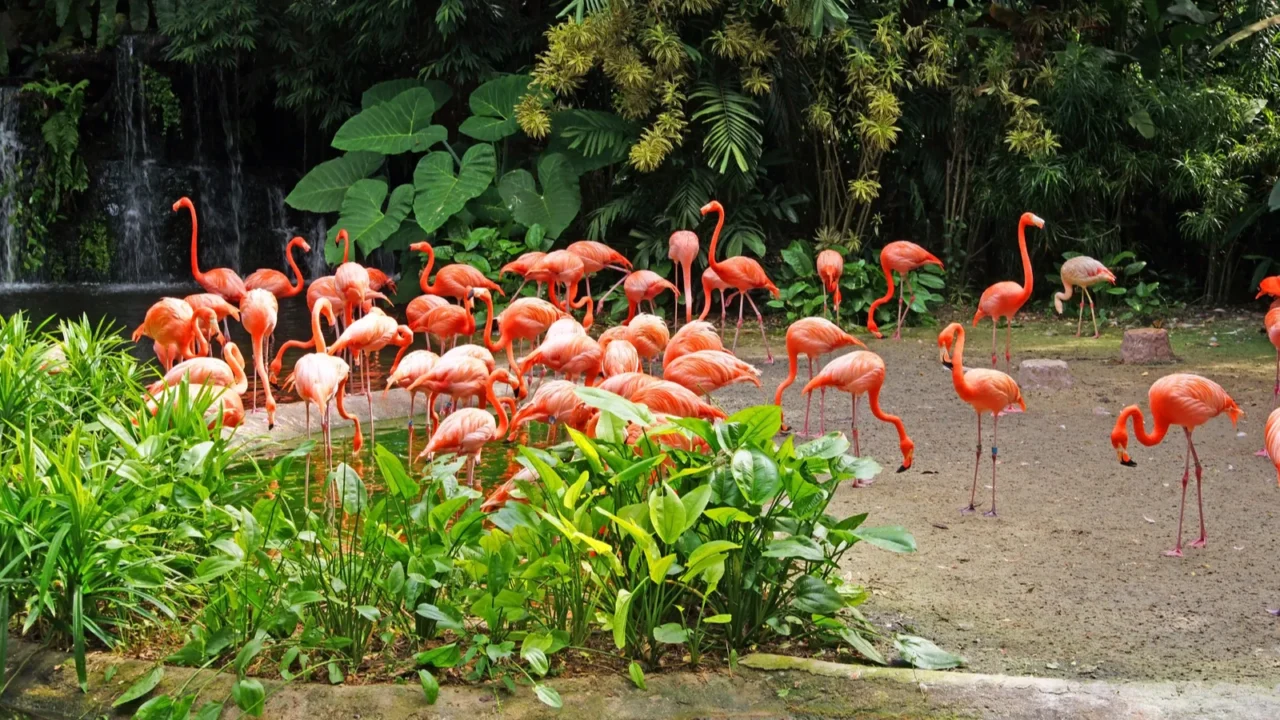
Flamingos do not rely on a single lake throughout the year. They move between several lakes in Tanzania as conditions change. This movement forms a natural network of feeding and breeding grounds.
When one lake becomes less suitable, another takes its place. This flexibility supports large populations over time. It also means travelers may see flamingos in different locations across seasons.
Why the color feels endless
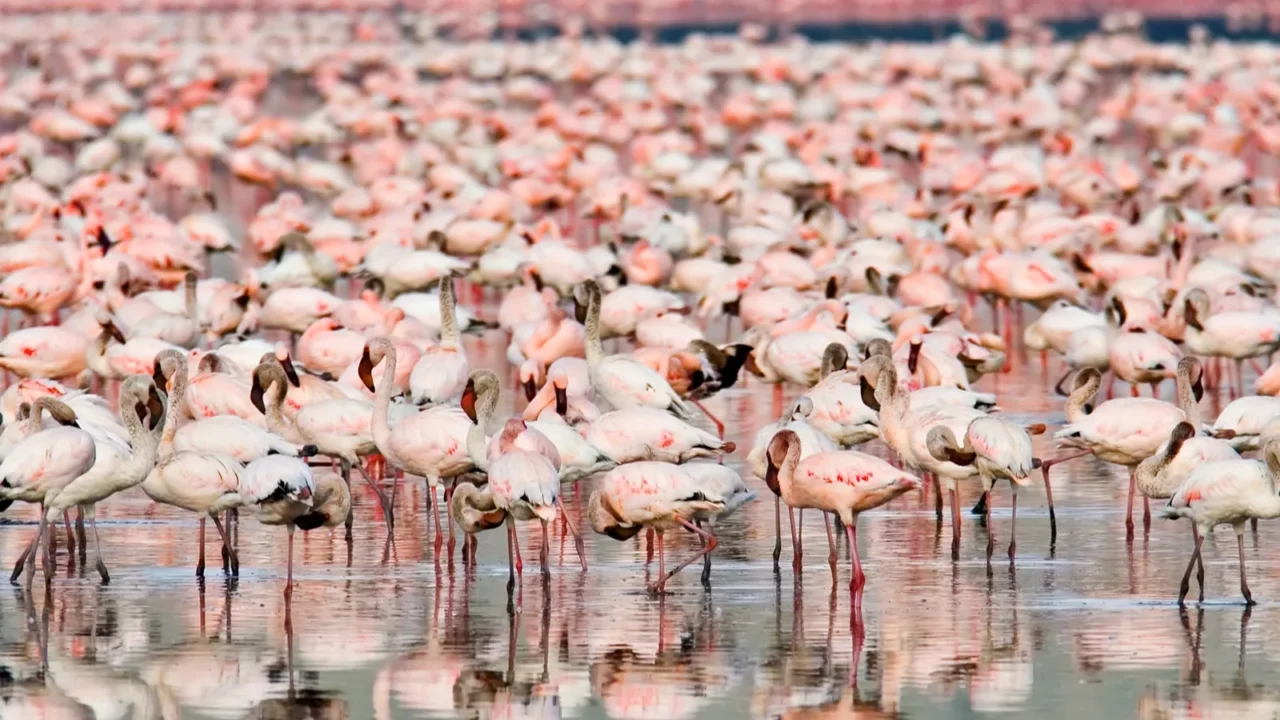
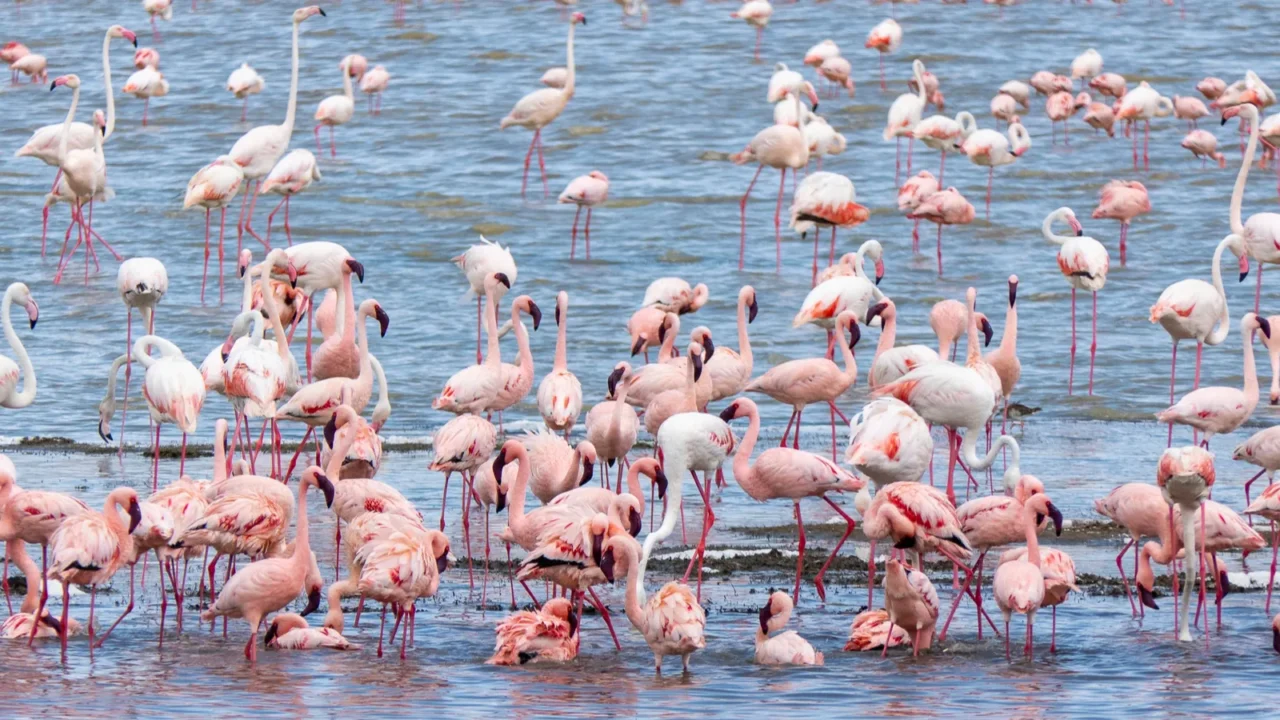
When millions of flamingos gather closely together, individual birds blend into a continuous mass of color. From a distance, the lake appears fully pink rather than dotted with birds. The illusion feels endless and immersive.
Movement adds to the effect as flocks shift and ripple across the water. Light reflects off feathers and shallow surfaces at the same time. The result feels alive and constantly changing.
Light intensifies the scene
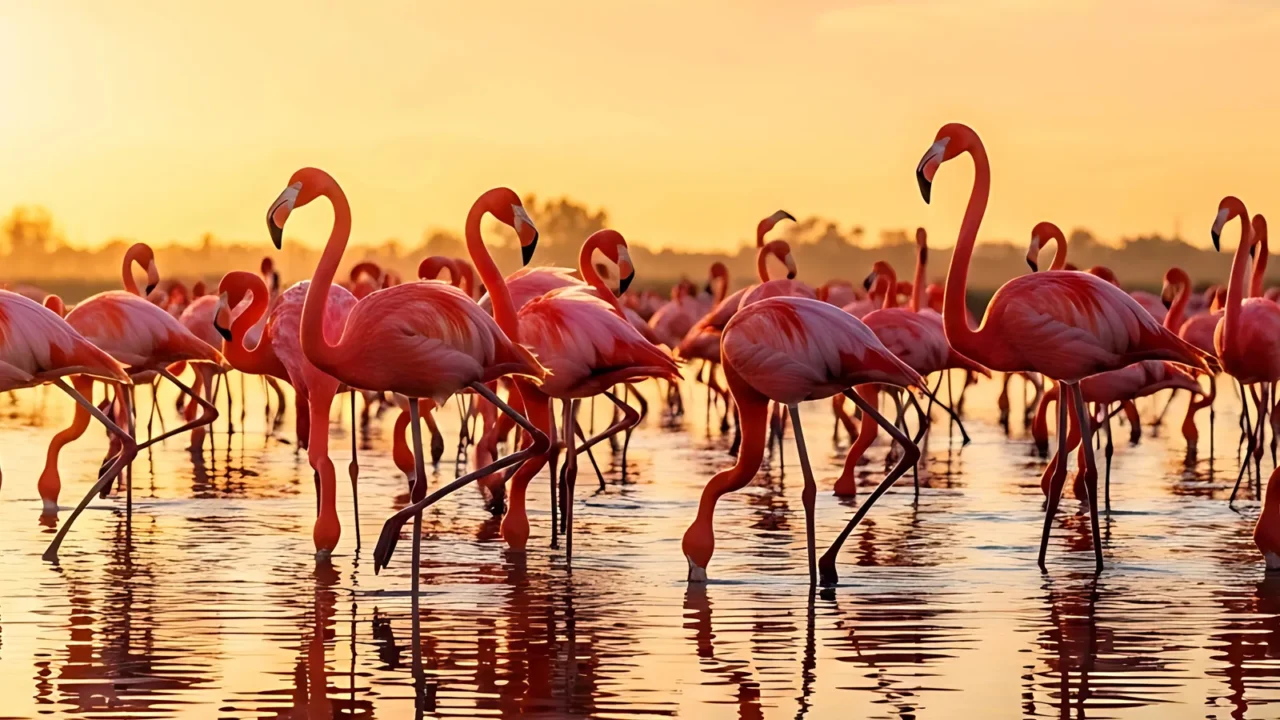
Early mornings and late afternoons make the pink color appear stronger. Soft light enhances reflections and deepens contrasts between birds and water. These moments often create the most memorable views.
Shadows and gentle movement give the scene depth and texture. Travelers often describe these hours as magical rather than dramatic. The lake seems to glow naturally.
A balance of beauty and risk
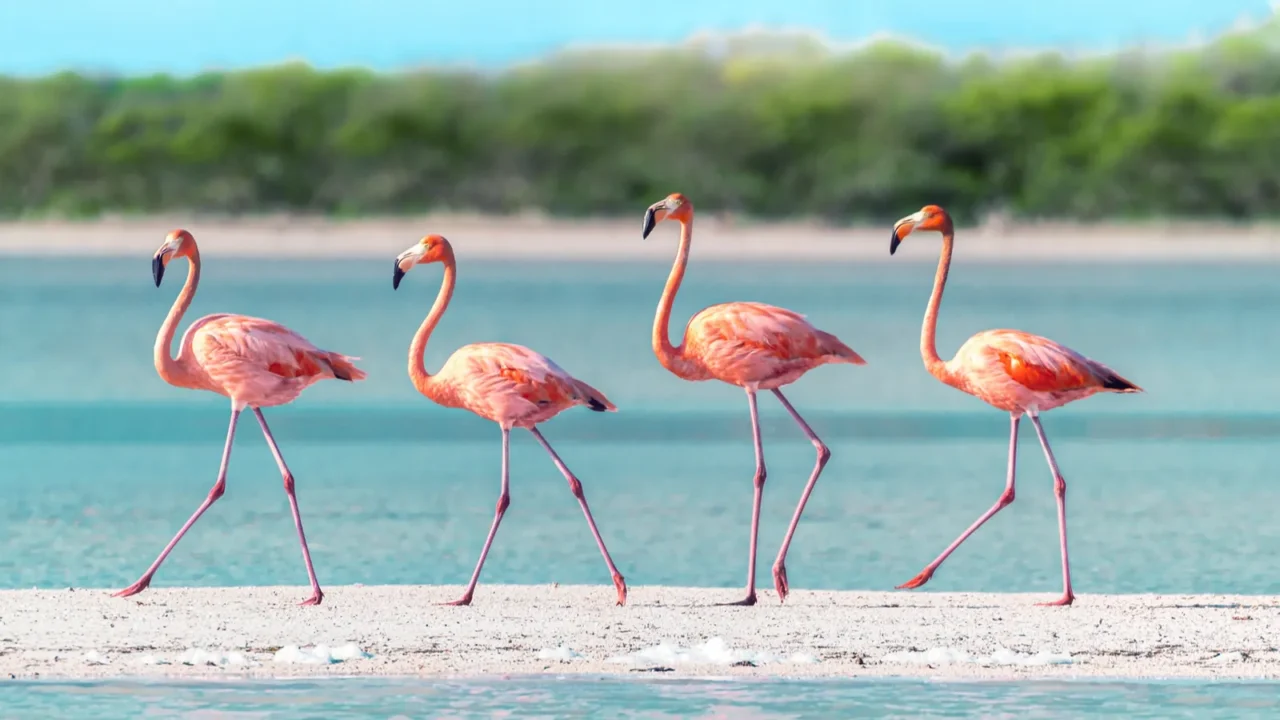
This migration depends on precise environmental conditions. Changes in water levels or food availability can affect where flamingos gather each year. The spectacle is beautiful, but also fragile.
Because the birds rely so closely on specific lake systems, any disruption matters. This reality adds meaning to the sight beyond its visual appeal. Visitors often leave with a deeper respect for nature’s balance.
A signature Tanzanian experience
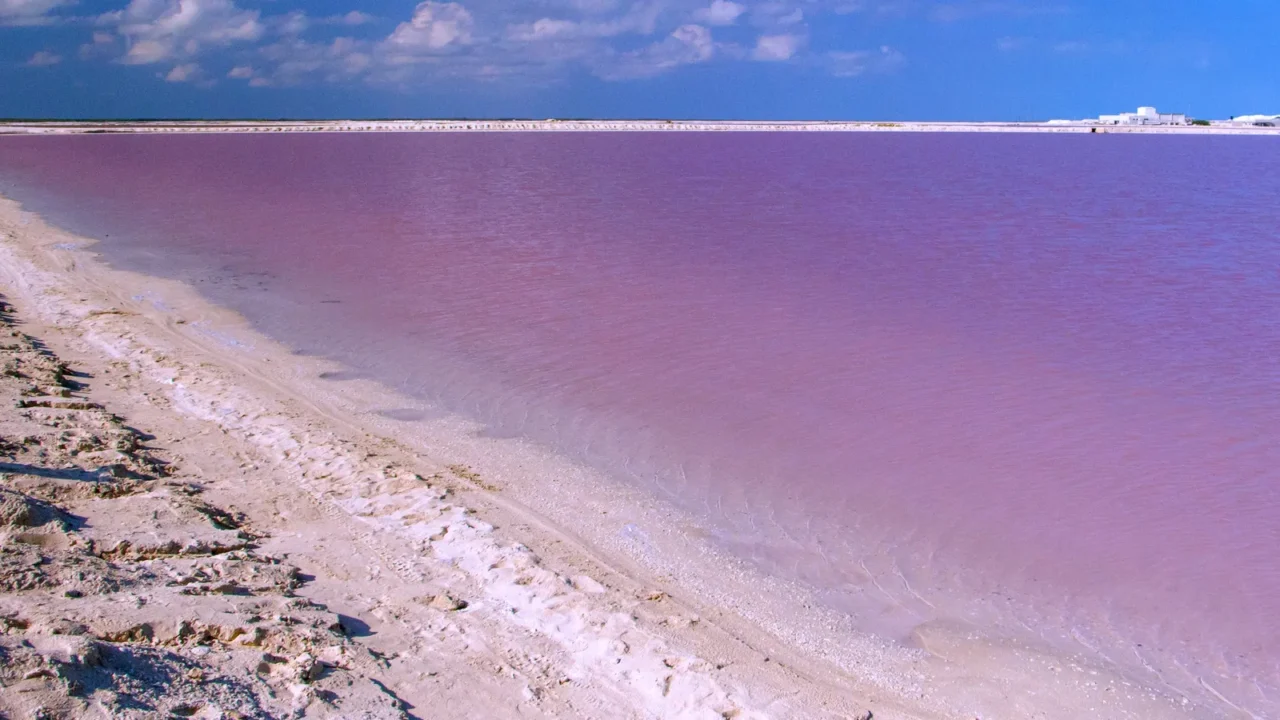
Seeing lakes turn pink has become one of Tanzania’s most unforgettable wildlife moments. The scale of the migration sets it apart from ordinary birdwatching experiences. It feels less like observation and more like witnessing nature in motion.
Many travelers describe it as one of the highlights of their journey. The memory stays vivid long after the trip ends. In contrast yet equal in impact, remote Canadian lakes where stars seek solitude and reflection offer a different kind of immersion, quiet, expansive, and deeply restorative, showing how natural spectacles, whether dynamic or still, leave lasting impressions.
What’s your impression
Tanzania’s flamingo migration shows how wildlife can transform an entire landscape without warning. Watching lakes shift from calm water to glowing pink is something many travelers dream about. It’s a reminder of how powerful natural rhythms can be.
What do you think about seeing millions of flamingos turn lakes into living color? Share your thoughts in the comments and tell us which part of this phenomenon stands out most.
This slideshow was made with AI assistance and human editing.
Don’t forget to follow us for more exclusive content right here on MSN.
Read More From This Brand:
