
Christmas Eve turned tense fast
For many Californians, Christmas Eve was supposed to be calm, cozy, and filled with last-minute errands. Instead, alerts buzzed phones as evacuation warnings rolled out across several counties. An unusual storm system began targeting the state just as families were settling in for the holidays.
Heavy rain, strong winds, and already soaked ground quickly changed the mood. What started as a weather watch turned into a real safety concern. Authorities urged people to stay alert, pack essentials, and be ready to move if conditions worsened.
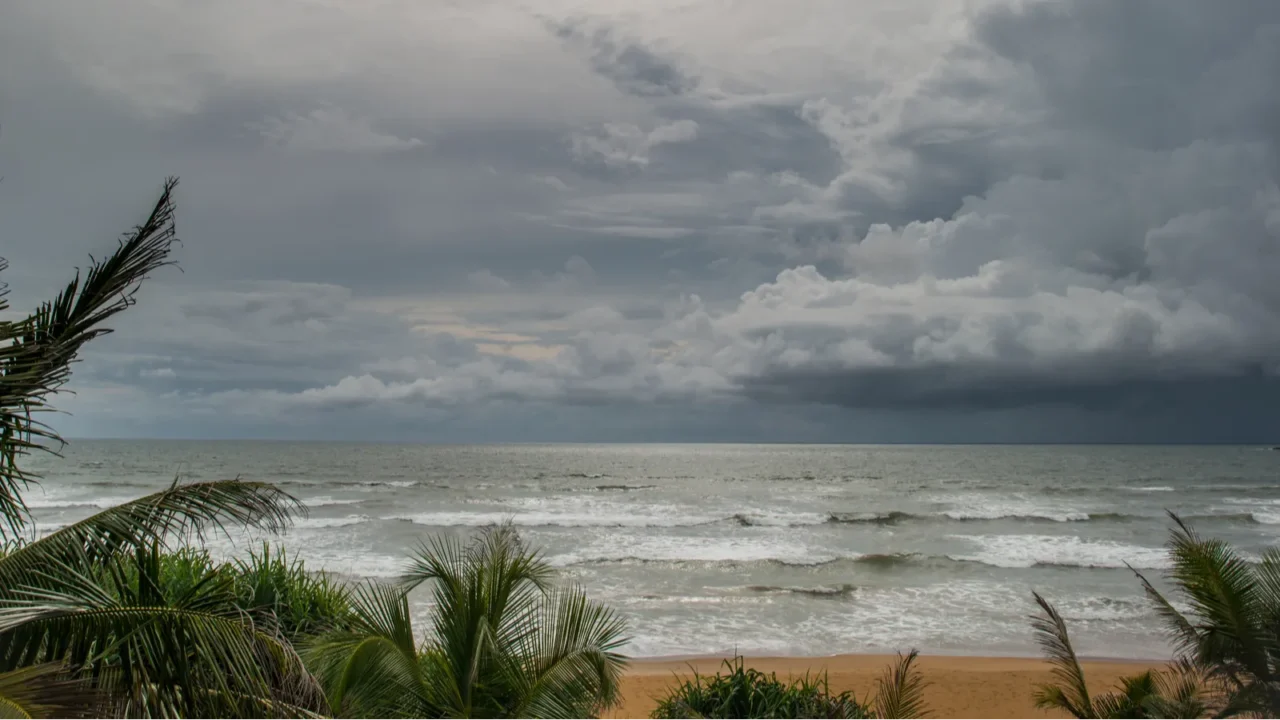
Why this storm caught experts off guard
This wasn’t a typical winter rainstorm. Forecasters say the system was fueled by atmospheric rivers, which can dump huge amounts of rain in a short time. These storms are becoming more common, but their timing around Christmas made this one stand out.
The rain hit areas that were already vulnerable from earlier storms and wildfire damage. Saturated soil can’t absorb much more water, increasing the risk of flooding and mudslides. That combination raised alarms quickly across Southern California.
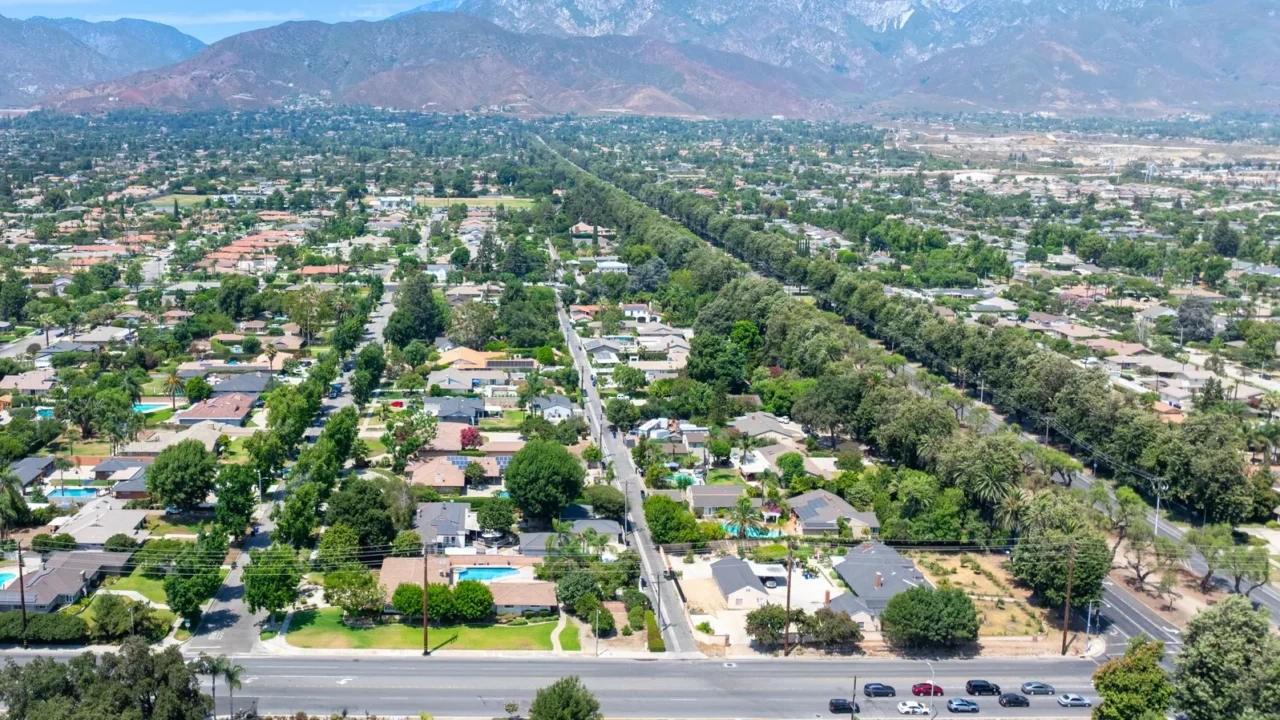
Wrightwood residents urged to evacuate
In San Bernardino County, the mountain community of Wrightwood was placed under an evacuation warning on Christmas Eve. Officials warned of potential mud and debris flows moving downhill with the incoming rain. Specific neighborhoods near burn scar areas were considered most at risk.
Maps shared by the sheriff’s department showed zones from Pine Street to the Los Angeles County line. Residents were told to prepare to leave quickly if conditions worsened. Emergency crews were placed on standby to help with evacuations if needed.

Burn scars raise serious mudslide risks
Recent wildfire burn areas are especially dangerous during heavy rain. Without vegetation to hold soil in place, hillsides can collapse suddenly. Even moderate rainfall can trigger fast-moving mud and debris flows.
Officials warned that mudslides can happen with little notice, especially at night. Roads, homes, and power lines can be damaged in minutes. That’s why evacuation warnings were issued early, before the worst rain arrived.

Emergency crews rushed into position
San Bernardino County Fire requested extra engines, hand crews, and heavy equipment ahead of the storm. Swift water rescue teams were also deployed, ready to respond to flooding emergencies. The goal was to act fast if neighborhoods became unsafe.
These teams often work long hours in hazardous storm conditions. Floodwaters can rise quickly, trapping residents or cutting off roads. Having resources pre-positioned can save lives when minutes matter.
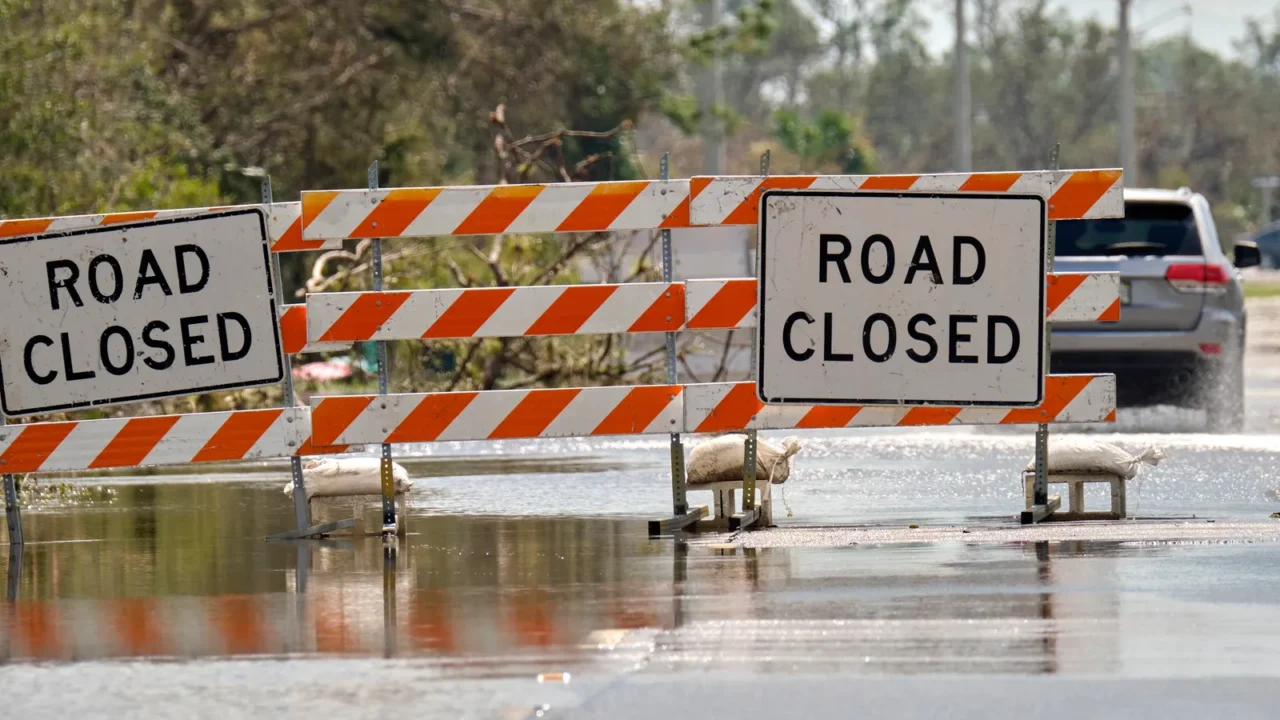
Roads closed as conditions worsened
Several highways and mountain roads were shut down due to hazardous conditions. The Angeles Crest Highway was closed after rain, debris, and unstable slopes made travel unsafe. Officials warned drivers not to try sneaking around barricades.
Road conditions can change fast during storms like this. A clear road can flood or collapse within minutes. Authorities urged people to stay home if possible and avoid unnecessary travel, especially in mountain and canyon areas.
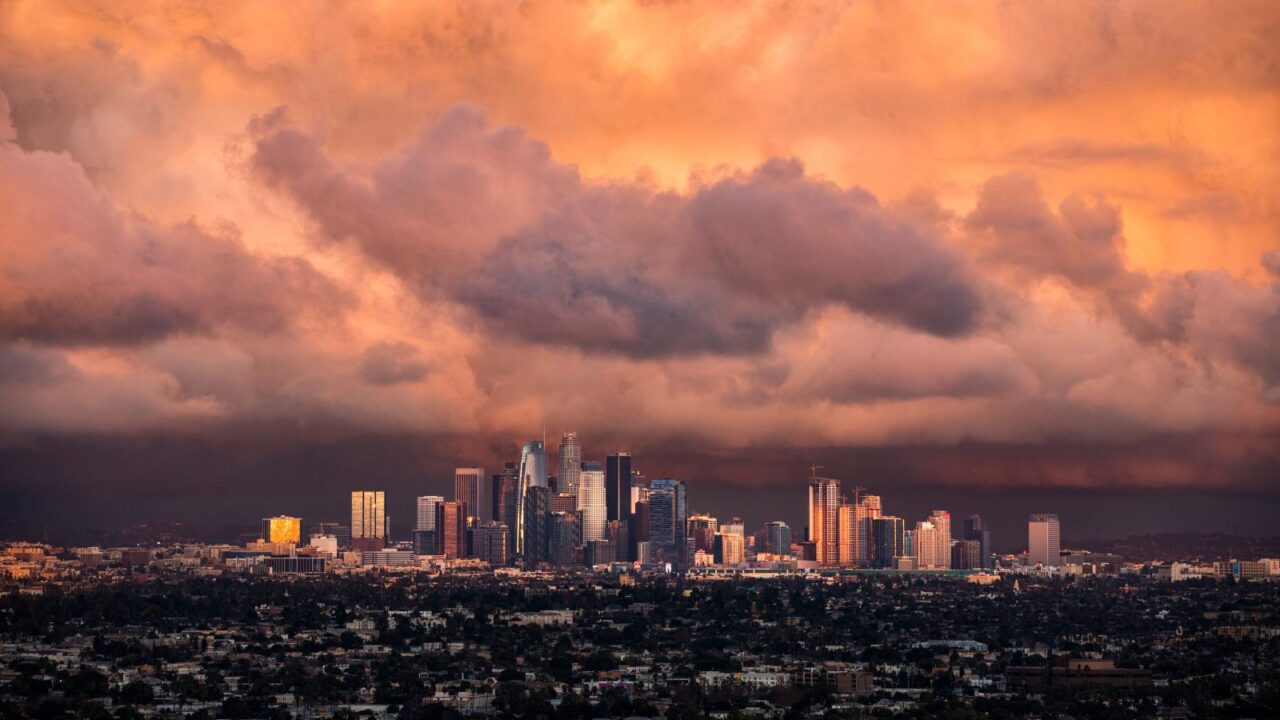
Power outages added to the chaos
As the storm moved through, power outages spread across parts of Southern California. High winds and falling trees knocked down lines, leaving some neighborhoods in the dark. Crews worked to restore power as safely and quickly as possible.
Losing electricity during the holidays adds extra stress. Families struggled with heating, cooking, and staying connected. Officials reminded residents to use generators safely and avoid candles to reduce fire risks.
Flood watches stretched across the state
Flood watches were issued for large parts of California, affecting millions of residents. Low-lying areas, creeks, and urban streets were especially vulnerable. Even places far from rivers saw dangerous street flooding.
Officials warned that water doesn’t have to be deep to be deadly. Just a few inches of moving water can knock a person over or sweep away a car. The message was clear: don’t drive through flooded roads.
Deadly impacts during the holiday storm
Tragically, the storm turned deadly in several areas. In San Diego, a man was killed when a large tree limb fell during high winds. Other storm-related deaths were reported in Northern California due to flooding.
These incidents highlighted how dangerous severe weather can be, even away from flood zones. Falling trees, power lines, and unstable ground pose serious risks. Officials urged residents to stay indoors during peak storm conditions.

State of emergency declared
On December 24, Governor Gavin Newsom declared a state of emergency for multiple counties. The move allowed faster deployment of state resources, including rescue teams and heavy equipment. It also opened the door for potential federal assistance.
Emergency declarations help cut through red tape during crises. Supplies, personnel, and funding can be mobilized more quickly. For affected communities, it meant help could arrive sooner rather than later.
More rain expected after Christmas
Forecasters warned that the storm wasn’t a one-day event. Additional waves of rain were expected to follow Christmas Day and continue into the week. That raised concerns about ongoing flooding and new mudslides.
When storms stack up back-to-back, damage often increases. Soil weakens, drainage systems overflow, and repairs become harder. Residents were urged to stay alert even after the rain briefly slowed.

Sierra Nevada faced extreme snow
While Southern California battled flooding, the Sierra Nevada prepared for heavy snow. Some mountain areas were forecast to receive several feet of snow, along with powerful winds. Whiteout conditions and avalanches were major concerns.
The dramatic contrast showed how widespread the storm’s impact was. Rain in lower elevations turned into dangerous snow higher up. Travel across mountain passes became risky or impossible during peak conditions.
Why California keeps getting hit
Experts say climate patterns are playing a role in stronger, wetter storms. Warmer air holds more moisture, leading to heavier rainfall when storms arrive. Atmospheric rivers are becoming more intense and frequent.
California’s geography also adds to the challenge. Mountains, coastlines, and urban sprawl create natural bottlenecks for water. When storms hit, flooding and mudslides can happen fast, especially in vulnerable regions.
Did this storm affect your holiday plans? Share what you experienced in the comments.
This slideshow was made with AI assistance and human editing.
Don’t forget to follow us for more exclusive content right here on MSN.
Read More From This Brand:
