
A visa no one saw coming
It’s not every day that a new visa option sparks dinner-table debates across the country. But Trump’s new $1 million “Gold Card” has done exactly that, grabbing attention far beyond Washington. The idea is simple on the surface: pay more, wait less, move faster.
For supporters, it feels like a bold shortcut in a system known for delays. For critics, it raises questions about fairness and access. Either way, it’s already changing how people talk about immigration in America.
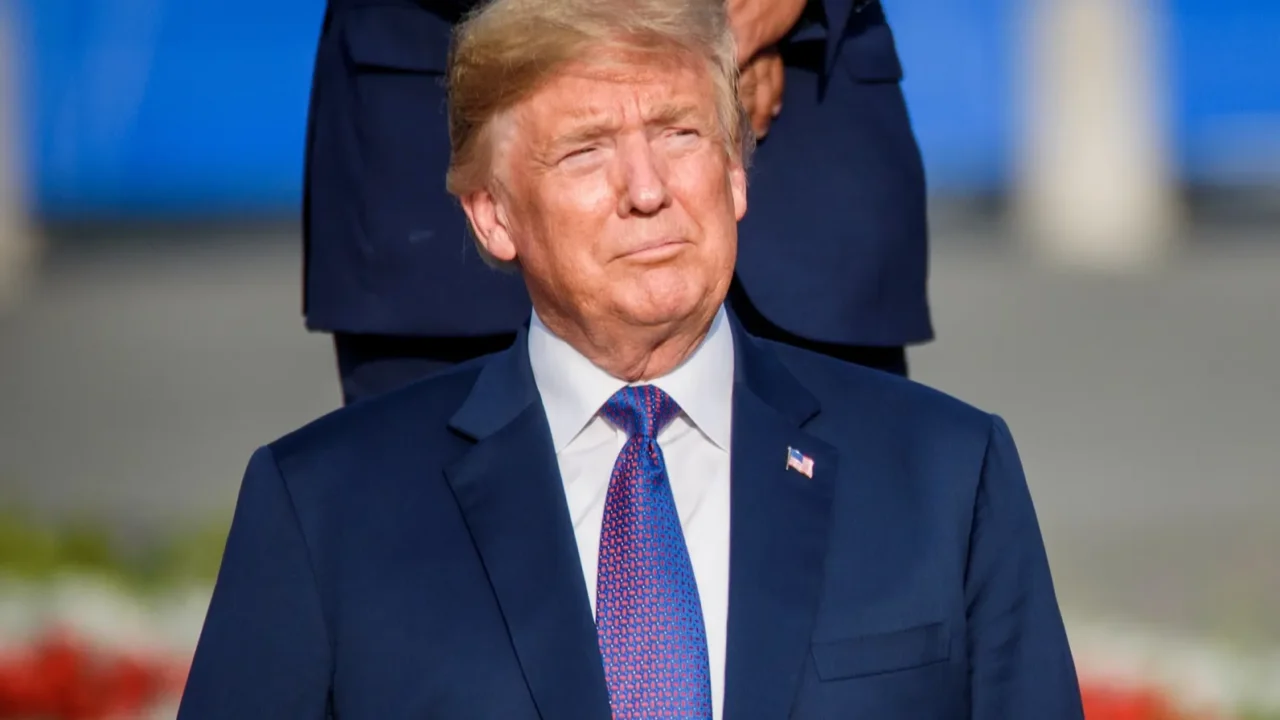
What the Trump Gold Card actually is
The Trump Gold Card offers wealthy foreign nationals a fast-tracked route to U.S. permanent residency. After a $15,000 government processing fee, applicants must contribute $1 million directly to the U.S. government. Companies can also sponsor workers for $2 million.
Unlike traditional pathways, this one promises results in weeks, not years. The pitch is speed, certainty, and fewer bureaucratic roadblocks. It’s designed for people who can afford to move quickly.

Why speed is the real selling point
Anyone familiar with U.S. immigration knows how long the wait can be. Some employment-based visas take years, especially for applicants from countries with high demand. The Gold Card flips that experience on its head.
According to the program’s website, approved applicants could move through the process in weeks. That promise alone is enough to attract global attention. For many, time matters just as much as money.

How it differs from a green card
Traditional green cards are tied to jobs, family relationships, or lotteries. The Gold Card skips most of that by focusing on financial contribution. Officials have described it as more “powerful” than a green card.
Gold Card holders still receive lawful permanent resident status under existing EB-1 or EB-2 categories. That means they can live and work in the U.S. like other green card holders. The difference is how they get there.

The quiet end of the EB-5 era
For years, the EB-5 investor visa allowed foreigners to invest in U.S. projects that created jobs. The Gold Card shifts that model entirely. Instead of funding developments, applicants pay the government directly.
This removes job-creation requirements and project risks. While EB-5 technically still exists, it suddenly looks slower and more complicated. Many investors may now see the Gold Card as the cleaner option.

Who the program is designed to attract
Officials say the goal is to bring in “extraordinary” and “exceptional” individuals. That includes entrepreneurs, executives, and highly skilled professionals. Think tech founders in Silicon Valley or finance leaders in New York.
The program also appeals to families seeking stability and predictability. With fewer unknowns, applicants know what they’re paying and what they’re getting. That clarity is rare in immigration policy.

A major shift in immigration philosophy
For decades, U.S. immigration balanced family reunification, labor needs, and humanitarian goals. The Gold Card leans heavily toward economic value. It prioritizes wealth as proof of contribution.
Supporters argue this strengthens the economy without increasing public costs. Critics worry it sends a message that money matters more than merit. Either way, it marks a clear change in direction.

How the application process works
Applicants apply through an official government website and submit background materials. An interview is required, along with additional documentation if requested. The government says security checks remain strict.
Once approved, applicants receive permanent resident status through existing employment-based categories. Processing happens through U.S. consulates abroad. This keeps the process outside the already crowded domestic system.
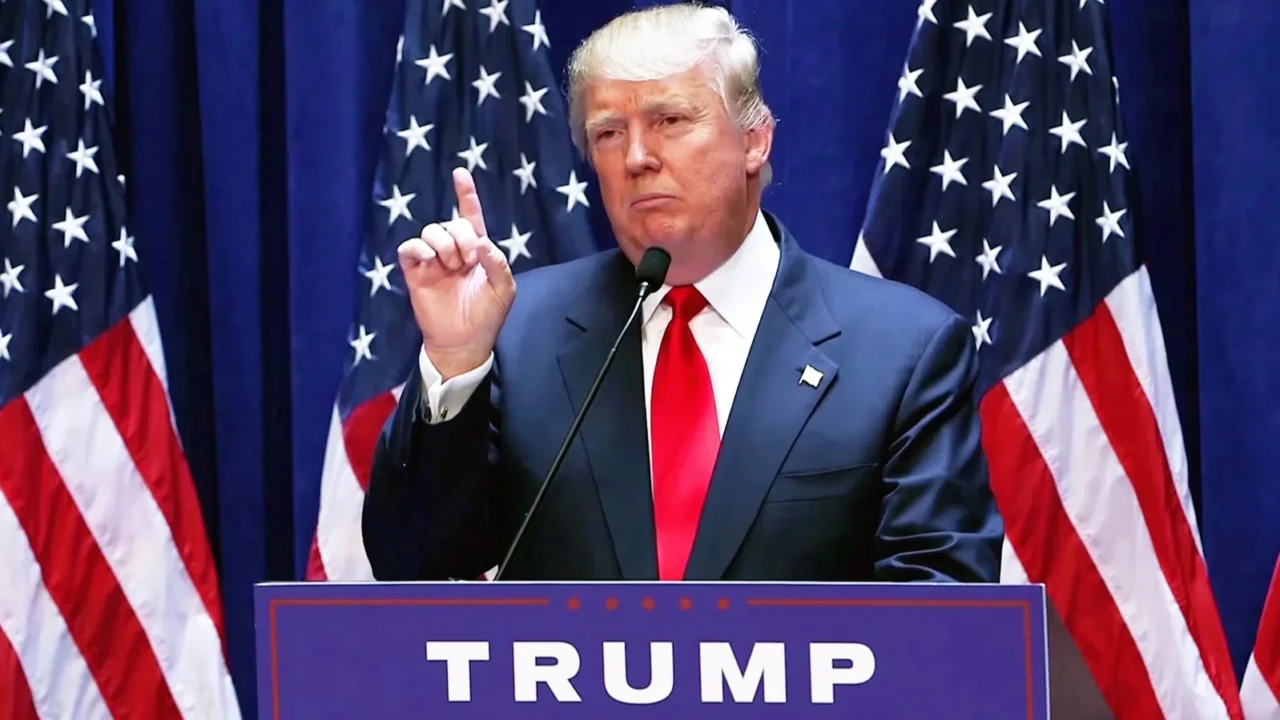
The Platinum Card tease
The administration has already hinted at something bigger. A “Trump Platinum Card” is listed as coming soon, with a $5 million price tag. It promises up to 270 days in the U.S. without taxes on non-U.S. income.
That detail alone has caught global attention. Wealthy individuals who split time between countries may find it appealing. No launch date has been announced yet.

Revenue over regulation
Officials estimate the program could raise massive sums. Some projections suggest hundreds of billions, even up to $1 trillion if demand is high. The idea is to reduce national debt without raising taxes.
Instead of managing long immigration backlogs, the government collects upfront funds. It’s a revenue-first approach rarely seen in U.S. immigration policy. That alone makes it historically significant.

What doesn’t change for most immigrants
For families, asylum seekers, and diversity visa applicants, the system stays the same. The Gold Card doesn’t replace those pathways. Annual visa caps and waitlists still apply.
However, Gold Card applicants draw from the EB-1 and EB-2 categories. That could mean longer waits for others already in line. Especially in countries like India and China, this shift matters.

Why the rollout raised eyebrows
Immigration law experts note that major visa changes usually require Congress. Modifying programs like EB-5 isn’t simple. That’s why questions remain about long-term legality.
Still, the administration moved forward through executive action. For now, the program exists and is accepting interest. Legal challenges may come later. In other news, Trump administration expands the travel ban to over 30 countries.

Public reaction across the country
The Gold Card reframes immigration as an economic product. Pay more, get more certainty, move faster. That idea may influence future policy debates.
From California tech hubs to Florida real estate circles, reactions are mixed. Some see opportunity and global competition. Others worry about fairness and social balance. What’s clear is that people are paying attention. Immigration rarely feels this transactional, and that’s why it stands out.
What do you think, should money ever fast-track a path to living in the U.S., or does this cross a line? Share your take in the comments.
This slideshow was made with AI assistance and human editing.
Don’t forget to follow us for more exclusive content right here on MSN.
Read More From This Brand:
