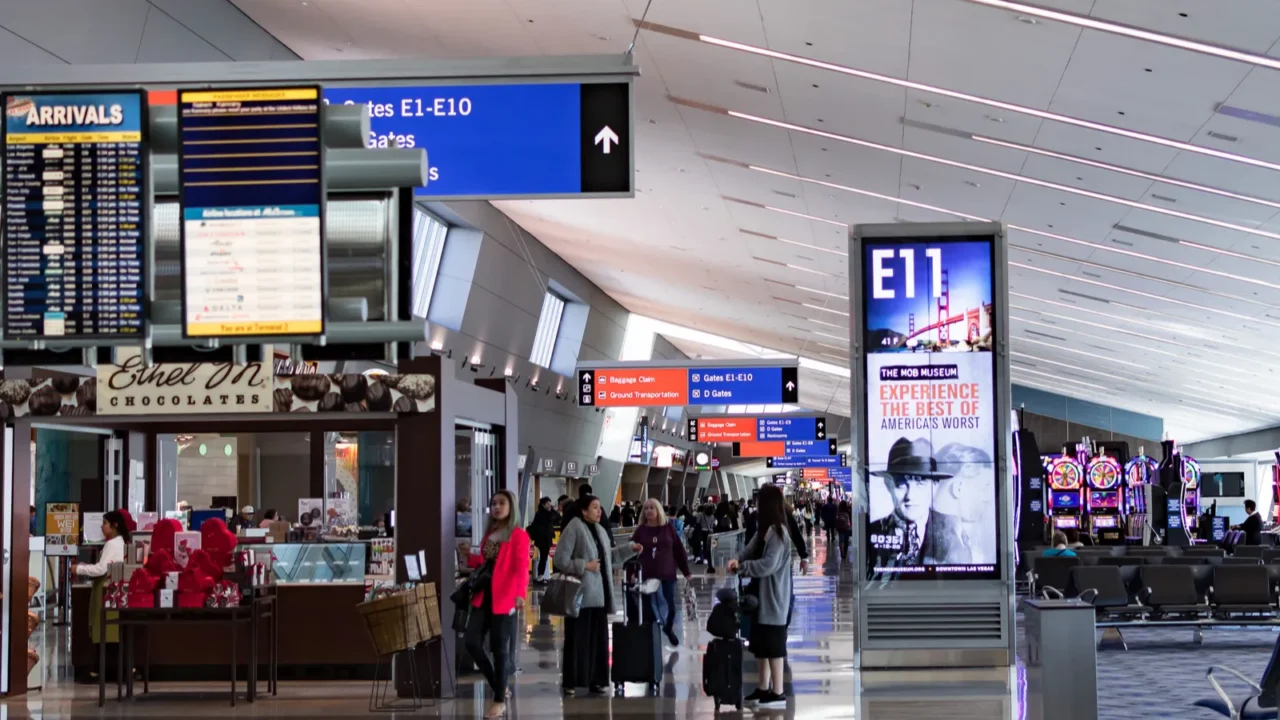
Troubled U.S. airport hubs
When we think about travel stress, it often comes not from the destination but from the start of the journey. Some U.S. airports are repeatedly ranked poorly in global passenger experience surveys and on‑time performance reports.
These airports struggle with delays, congestion, and customer satisfaction issues compared with peers around the world. Understanding the airports that underperform can help frequent travelers plan smarter, whether avoiding peak times or arranging extra layover time.
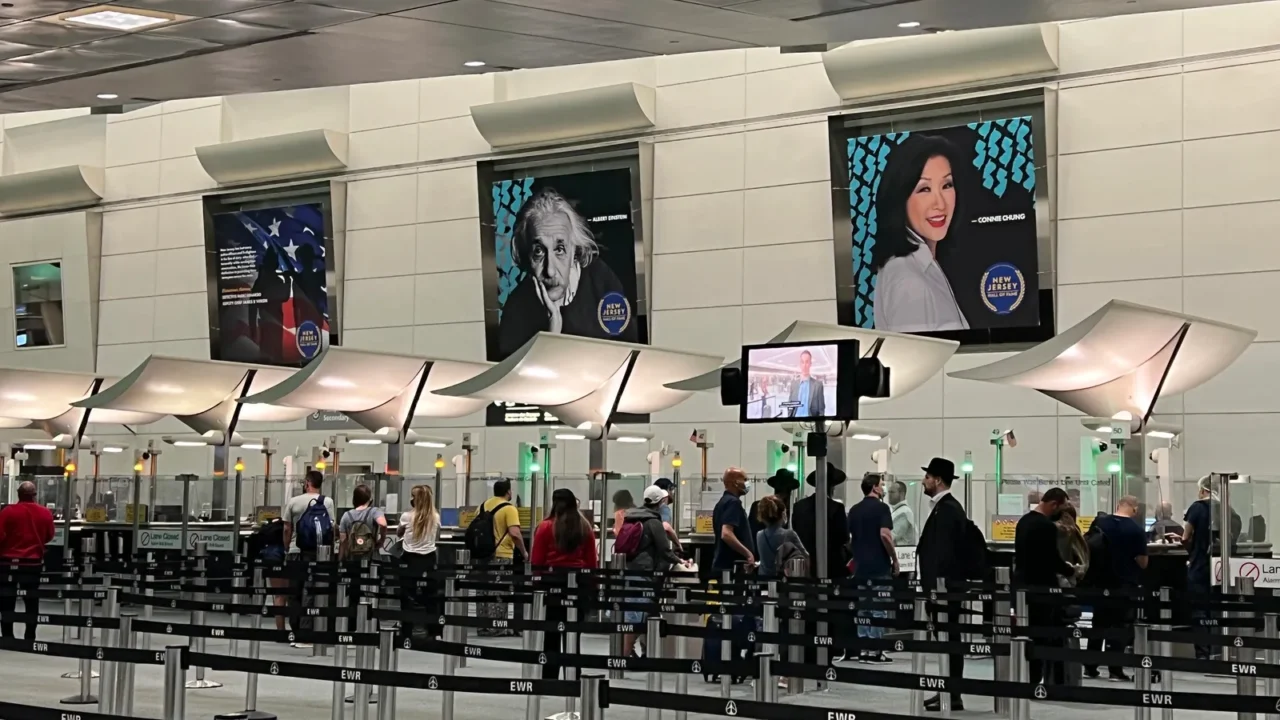
Newark Liberty airport reality
Newark Liberty International Airport in New Jersey often ranks at the bottom not just in the United States but in global airport experience lists.
Travelers report long waits for check‑in, security, and baggage claim. Federal data shows Newark experiences higher delay and cancellation rates than many other U.S. hubs, according to the Bureau of Transportation Statistics. Multiple travel outlets have described it as one of the more stressful airports for passengers due to congestion and long wait times.
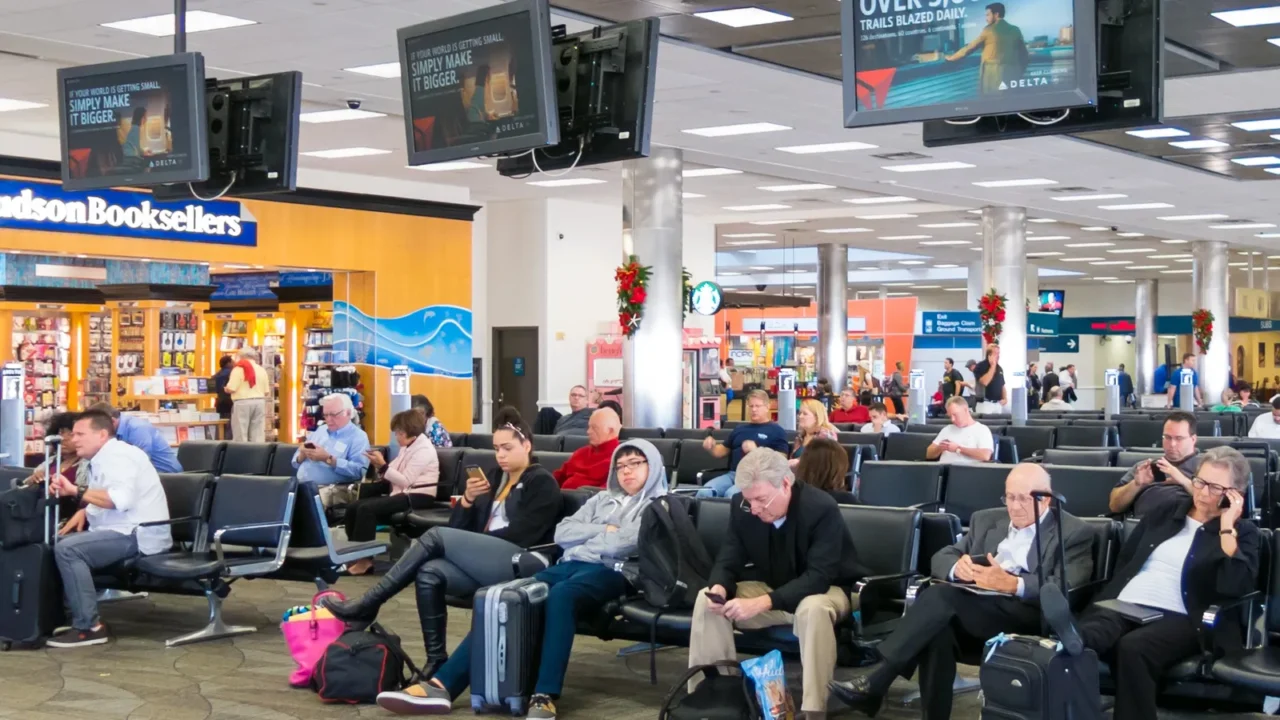
Fort Lauderdale’s ongoing struggles
Fort Lauderdale‑Hollywood International Airport regularly appears near the bottom of U.S. airport rankings based on traveler feedback. Surveys show passengers experience frequent flight delays, crowded terminals, and limited service quality compared with other major airports.
Despite being close to vibrant South Florida destinations, many travelers report that logistics inside the airport feel outdated and frustrating, contributing to its low overall score on global satisfaction lists.
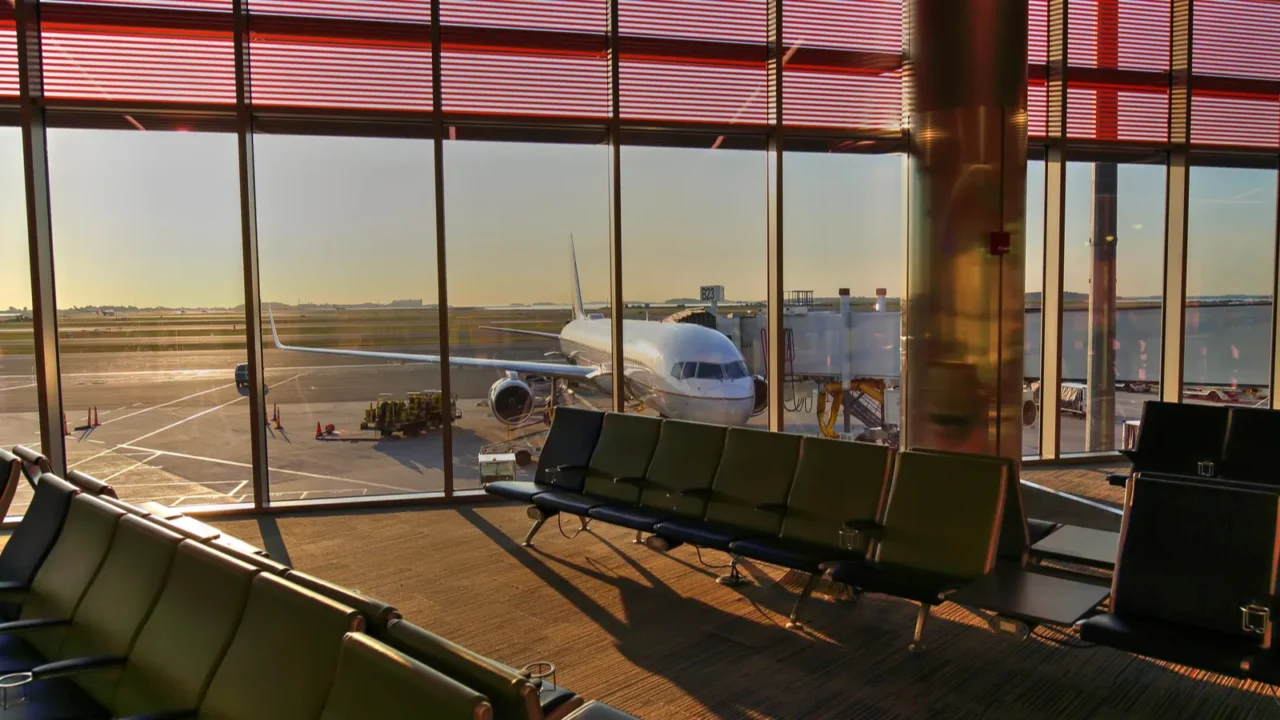
Philadelphia International airport issues
Philadelphia International Airport often ranks below average in U.S. customer satisfaction surveys. Feedback highlights delays, aging infrastructure, and logistical frustrations that affect arrival and departure experiences.
While upgrades have been underway, many travelers still report long lines and confusing signage that contribute to its poor position on global airport rankings.
On‑time performance challenges
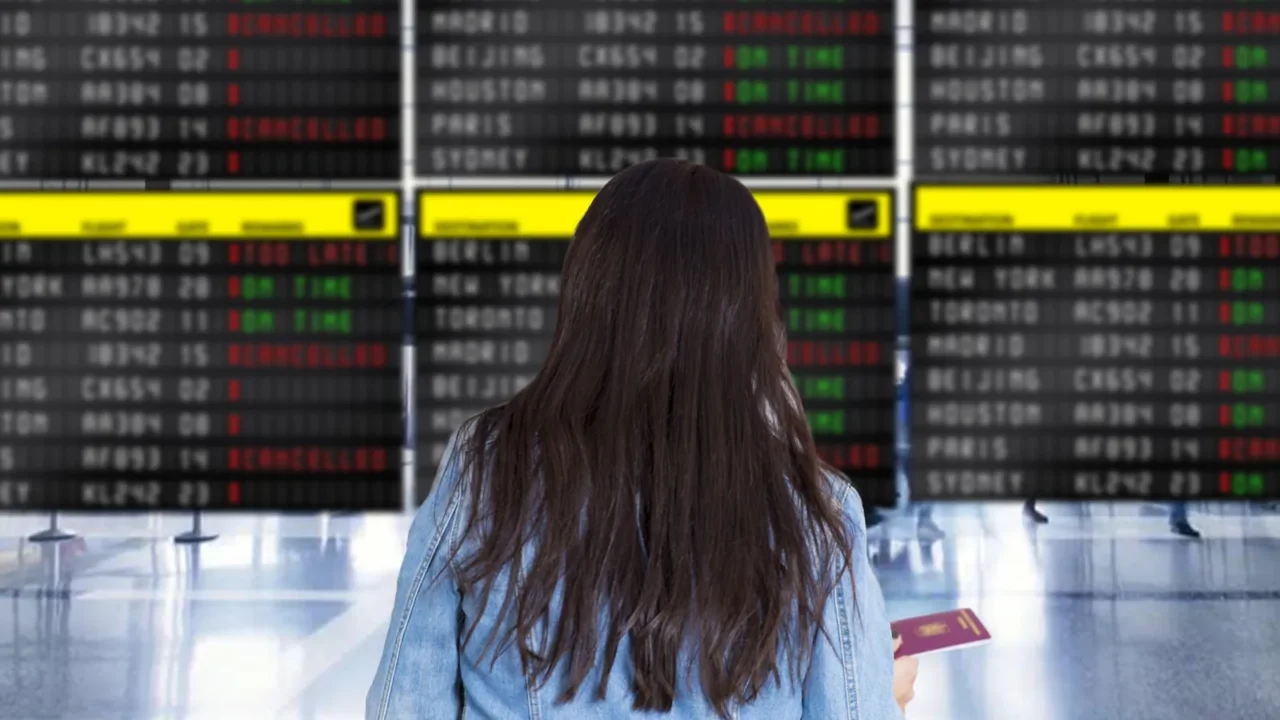
Beyond subjective satisfaction, objective data show several U.S. airports struggle with punctuality. Some key hubs like Newark and others in major cities show lower on‑time performance percentages, meaning flights arrive or depart late more often than at many international airports.
These delays not only inconvenience passengers but can ripple into missed connections and travel stress. Being aware of these trends helps savvy travelers plan accordingly.

Large hub congestion effects
Airports that serve massive numbers of passengers face serious operational pressure. Congestion on runways, security checkpoints, and baggage claim areas can significantly slow travel flow.
When these hubs also deal with weather or staffing issues, the compounded delays often land them near the bottom in global airport rankings and passenger satisfaction metrics.

Newark’s stress index reality
Passenger surveys and stress index reports paint Newark Liberty as a leading example of airport strain. Security wait times, crowded gate areas, and frequent flight disruptions feed into its high stress scores.
Travelers heading through this airport often prepare for extra time and patience, especially during holiday or peak seasons.

Why travelers notice delays
Airport delays don’t just affect flight times. They influence ground transportation, tour plans, hotel check‑ins, and overall travel rhythm.
With key airports experiencing repeat delays, frequent flyers especially choose arrival and departure windows that minimize their risk of disruptions. Tracking airport performance becomes a travel hack worth knowing.

Planning around poor performance
For travelers heading into hubs with lower rankings, timing and planning matter more than ever. Arriving early, tracking flights on real‑time apps, and knowing alternative nearby airports can make a huge difference.
For example, choosing a different entry point into a metro area might save hours in line or on the tarmac.

Regional alternatives that help
Some regional airports near major hubs offer a smoother travel experience. When a large international airport is known for delays or stress, choosing a nearby smaller airport with better on‑time records can pay off.
Fewer passengers, efficient terminals, and simpler logistics often create more predictable travel experiences for those willing to explore alternatives.
What airlines can do better
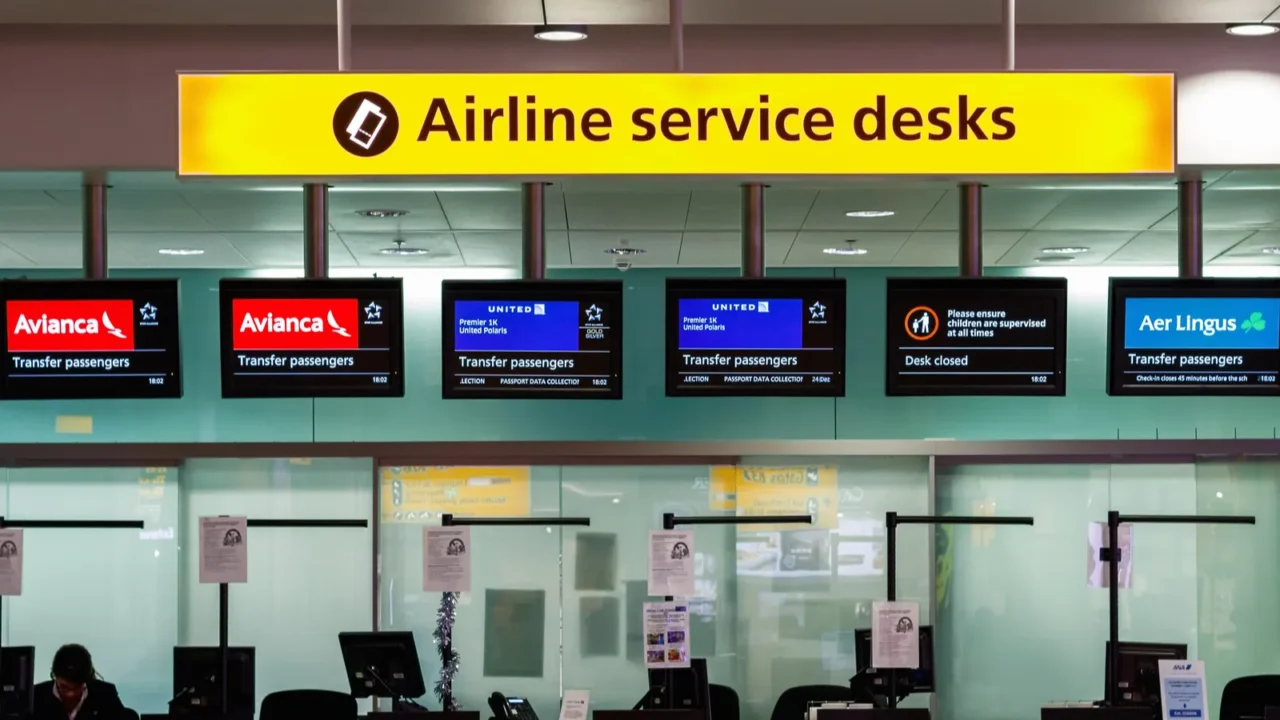
Airport performance is deeply tied to airline cooperation and operations. Better staffing, improved coordination with air traffic control, and technology investments can reduce delays and congestion.
Travelers often feel the impact of airline‑airport friction, especially when connections and baggage transfers lag behind expectations at lower‑ranked airports.

Travelers share real voices
Passengers often share honest experiences about U.S. airports that rank low. Complaints include long security lines, crowded terminals, and unclear signage, which can turn travel into a stressful experience.
Listening to these voices helps travelers plan smarter and avoid headaches. Travelers who want a smoother start to their journey can explore ways to get through faster security screening at major airports, saving time and energy so they can focus on enjoying their trip rather than waiting in line.

Rethinking U.S. airport travel
Even some of the busiest U.S. airports struggle to keep passengers happy. Knowing which airports are prone to delays and congestion helps travelers make better choices. Looking ahead, floating airport concepts could offer a new way to handle crowds and improve the overall experience.
Imagining these innovative airports shows how travel could become more efficient, comfortable, and even exciting, turning what is usually the stressful start of a trip into something smoother and more enjoyable.
Which U.S. airport would you rather skip, and could floating airports solve travel headaches?
This slideshow was made with AI assistance and human editing.
Don’t forget to follow us for more exclusive content right here on MSN.
Read More From This Brand:
