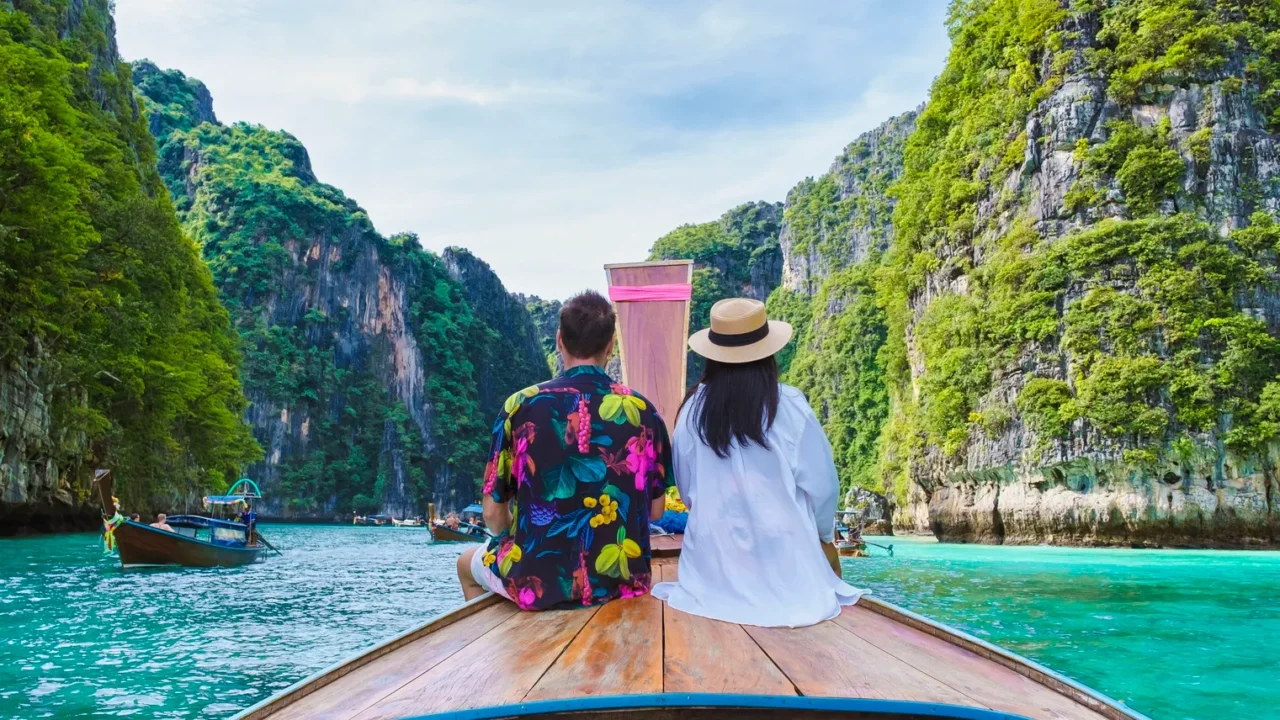
New travel rhythm
Shoulder season travel isn’t just a phrase on trip planners’ lists. It’s the time between the busiest months and the quietest ones when places still buzz with life but without shoulder‑to‑shoulder crowds. Millions of travelers are now discovering that this sweet spot can deliver experiences that peak summer simply cannot match.
Globally, people are seeking vacations that feel more personal and less rushed. Instead of battling traffic jams and long lines for sun‑soaked beaches or historic wonders, travelers find that shoulder seasons offer a quieter, more authentic pace. This shift is changing how we think about travel itself.

What shoulder seasons mean
Shoulder season refers to the weeks or months just before or after a destination’s busiest time of the year. It varies by place: spring and fall are typical in many European cities, while early spring or late fall work for tropical islands.
This travel window isn’t off‑season, when many services shut down, nor is it peak time when hotels and tours fill fast. Instead, it exists in the gap between those extremes, giving travelers the best of both worlds — open amenities and a relaxed vibe.

Better prices everywhere
One of the biggest appeals of shoulder season travel is cost savings. Flights, hotel rooms, and even guided tours often drop in price because demand isn’t at its peak, which can make a euro stretch much farther than summer months.
This isn’t a small discount either. Airfare can be significantly cheaper and hotel rates more competitive, meaning travelers sometimes spend less on travel than on memorable experiences. It’s a smart strategy for those who want to explore more without blowing their budget.
Fewer crowds, more space
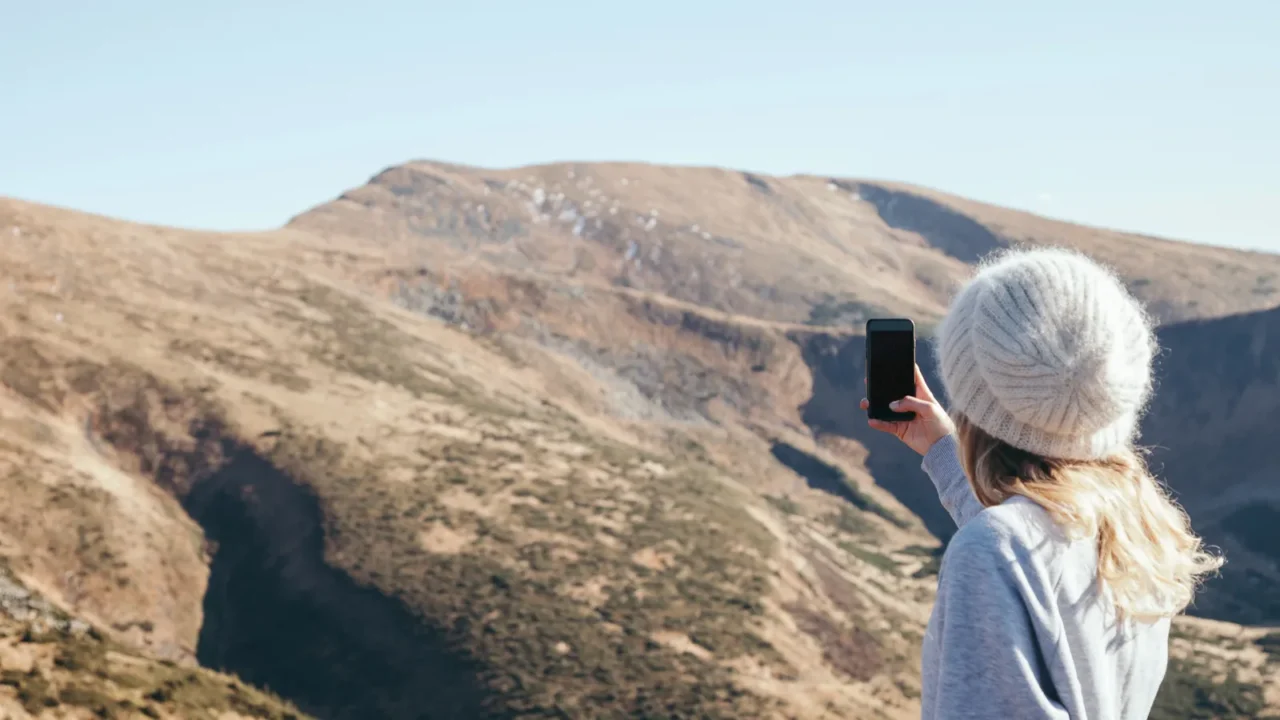
Imagine walking through Florence’s Uffizi Gallery with room to breathe or sipping espresso in Rome without stumbling over a selfie stick army. Shoulder season makes this a reality. Tourist hotspots are simply less crowded, letting you enjoy them at your own pace.
This calm shifts the travel experience from stress to joy. Instead of rushing from one attraction to the next, you can wander local squares, pop into boutiques, and linger where you want with fewer distractions.
Weather that works for you
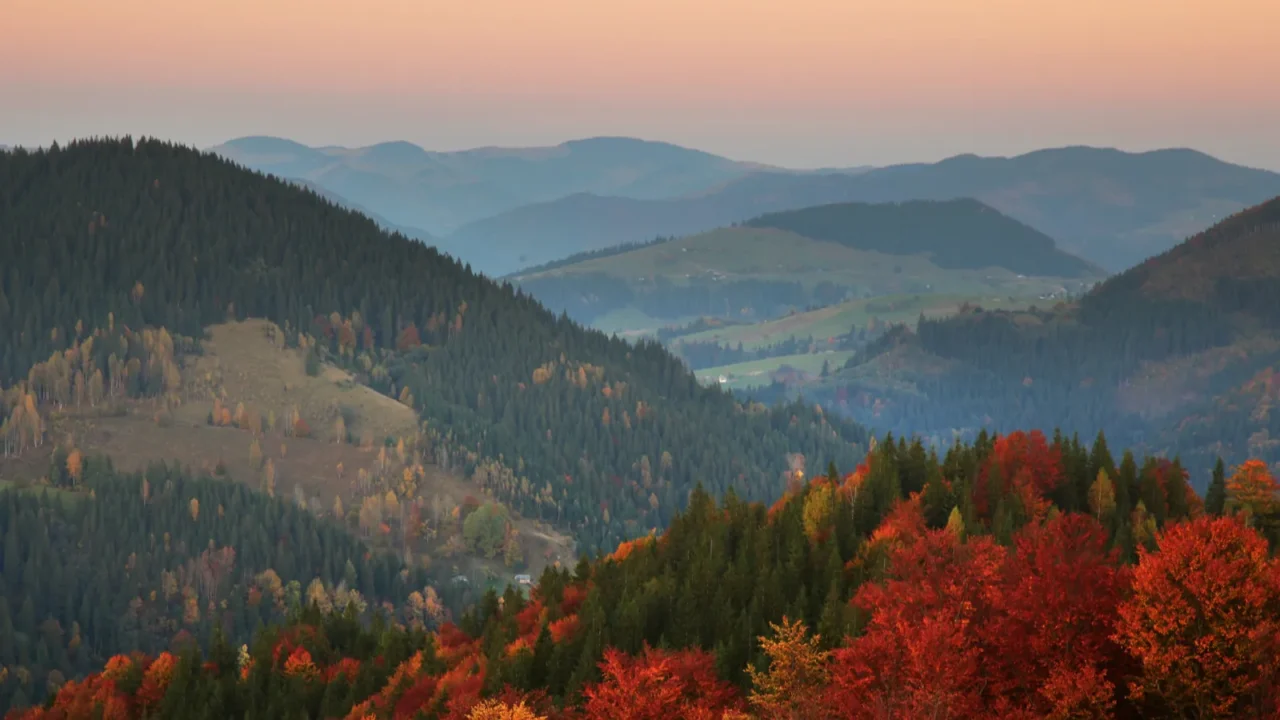
Shoulder season often brings mild weather that sits between blistering heat and cold chill. These gentle temperatures make exploring cities, mountains, and coastlines more comfortable, especially for outdoor activities like hiking or vineyard tours.
Some destinations even experience their nicest conditions during these transitional months: spring blossoms or fall colors can add unexpected beauty to a trip. That’s a bonus many summer travelers miss.
Real local flavor
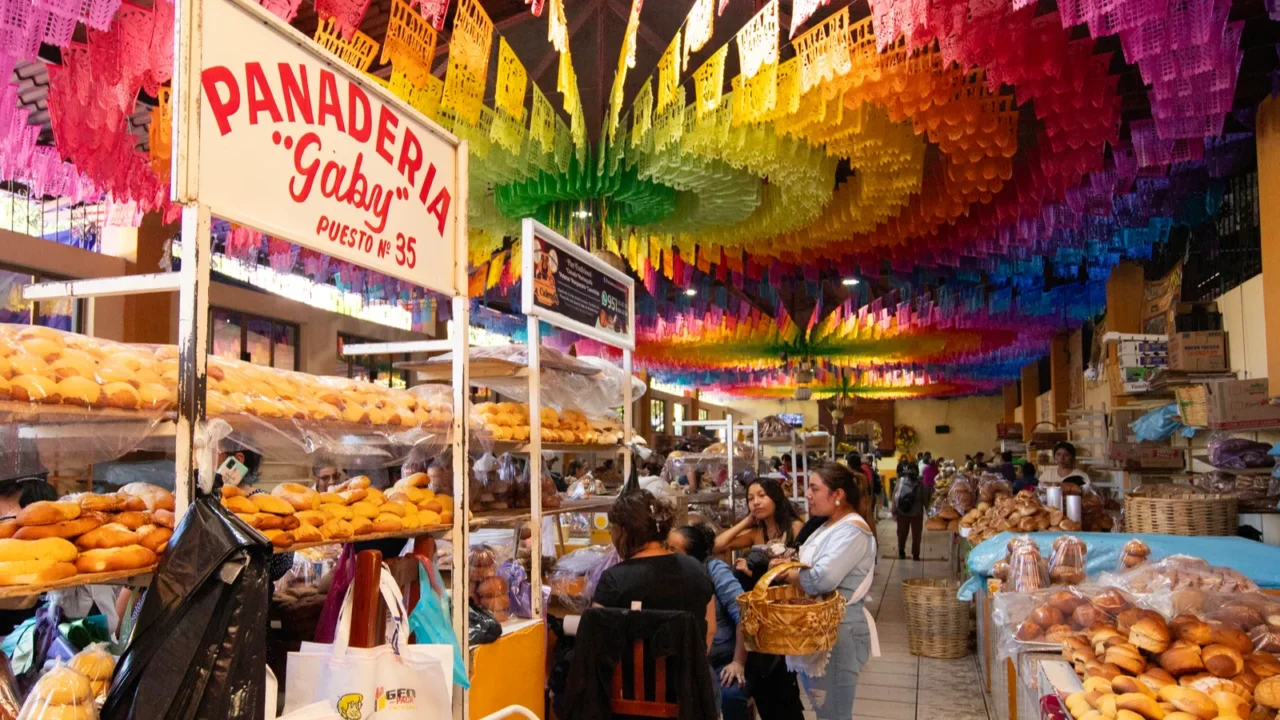
When tourism slows down slightly, locals have more time to share their culture and stories with visitors. Street markets aren’t just tourist stops; they’re community hubs where you can talk to vendors about ingredients, history, and traditions.
Smaller crowds also mean chefs and tour guides can give more personal attention, a chance to savor seasonal dishes, and insider tips you’d never get in the summer rush.
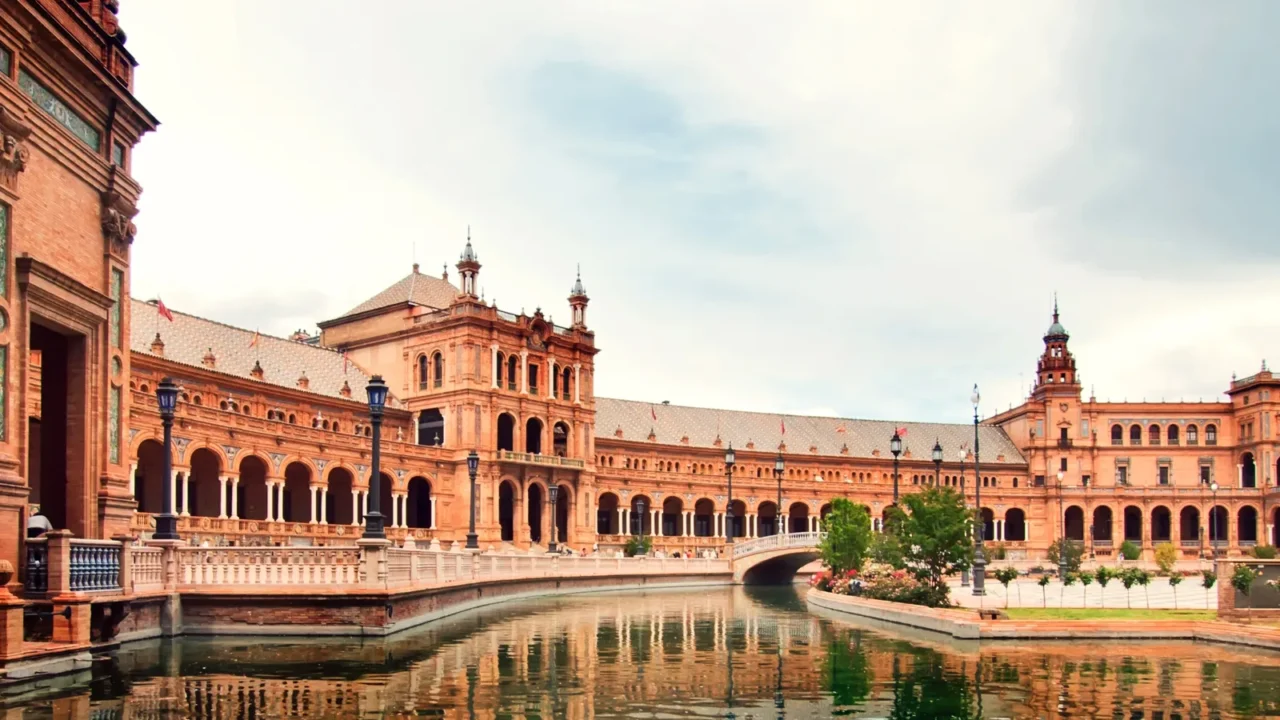
Spain’s local flavor
Places like Seville and Barcelona come alive in shoulder season with warm sun and relaxed streets. Unlike the intense heat and full beaches of August, spring and fall visits mean wandering historic plazas feels like stepping into a storybook without battling crowds.
Art galleries stay open, tapas bars buzz with local chatter, and accommodations are easier to book. You experience Spain’s culture at your pace, discovering hidden patios, serene parks, and sunlit cathedrals that feel almost private.
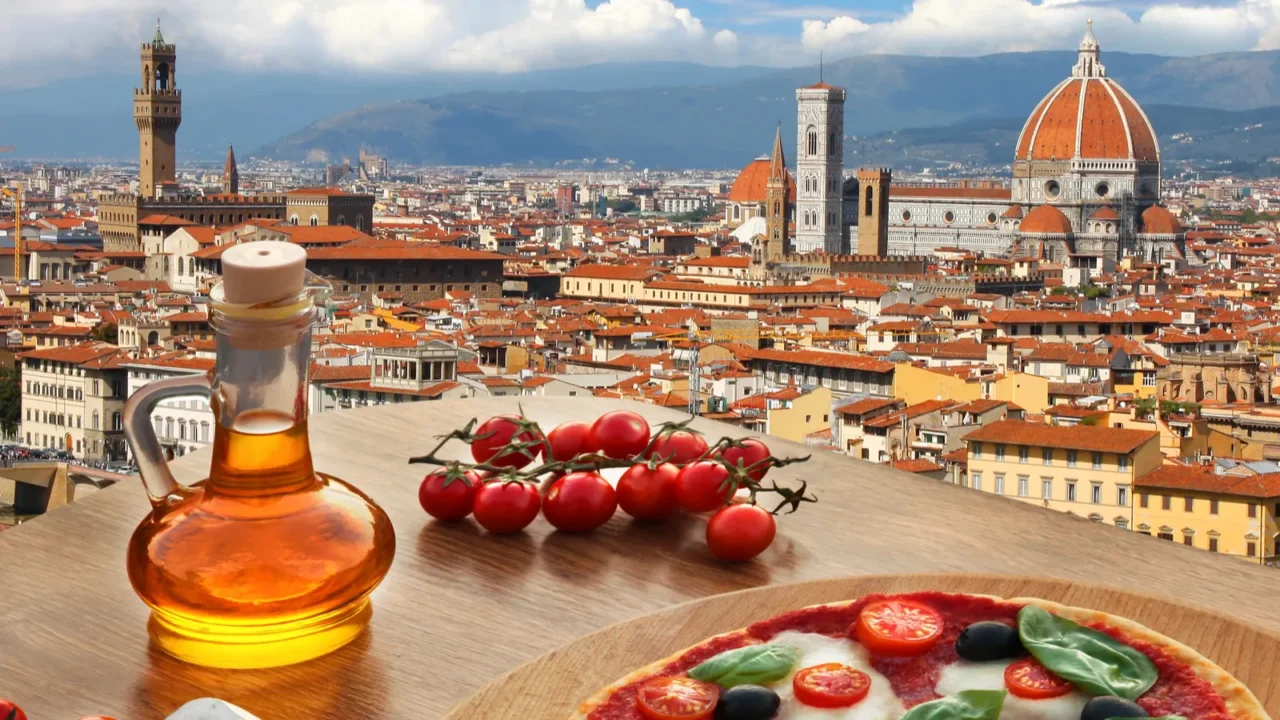
Italy’s timeless charms
Traveling to Italy’s Amalfi Coast or Tuscany in shoulder season completely changes the vibe. The coastline still glows, vineyards offer harvest‑season charm, and cities such as Florence and Rome feel welcoming without long lines around every corner.
Local festivals, wine tastings, and seasonal menus appear when the crowds thin, adding depth to your journey. These experiences connect you to local life in ways peak summer simply cannot.
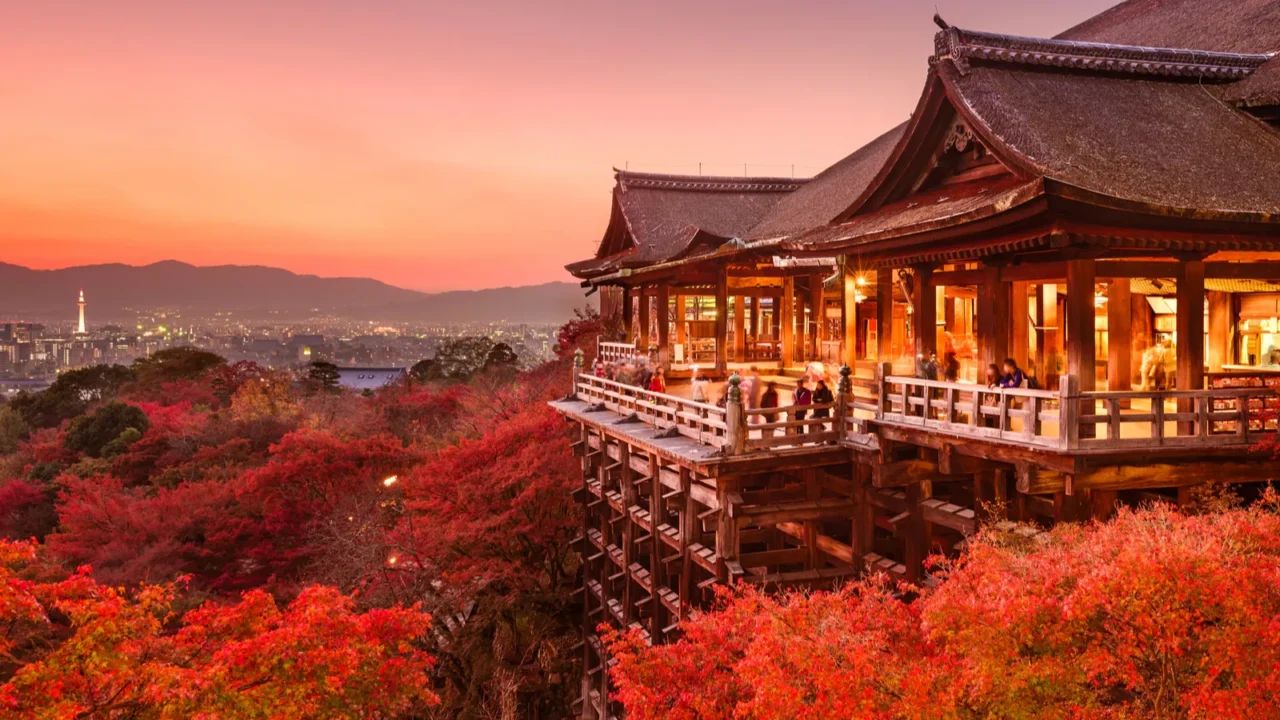
Japan beyond Sakura
Japan is famous for its cherry blossoms, but shoulder season fall color makes trips in October or November truly unforgettable. Cities like Kyoto and Tokyo still buzz with cultural energy yet without the packed trains and garden crowds of spring.
Autumn in Japan blends festivals, crisp air, and vivid maple leaves. You’ll find that iconic sites feel less like checkpoints and more like spaces to reflect on the beauty around you.
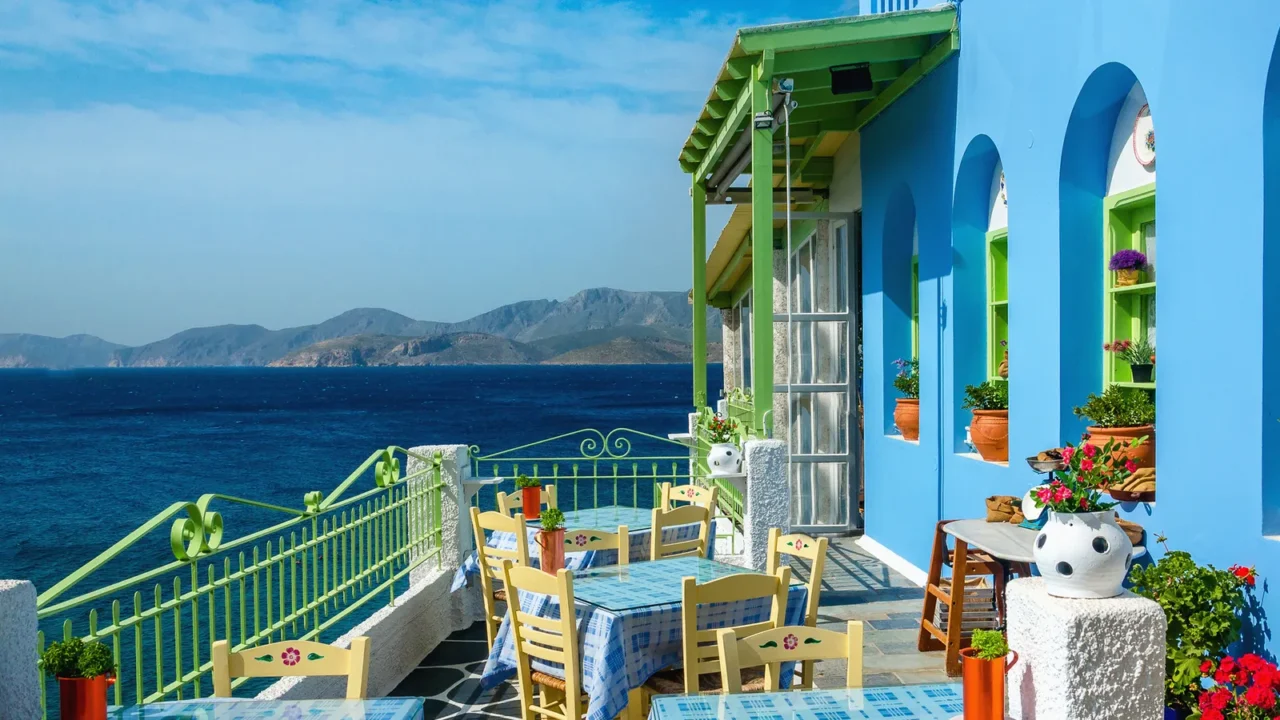
Greece’s Mediterranean magic
The Greek Islands sparkle in shoulder season, especially in late September and October when the water stays warm, and tavernas keep their tables open. That’s long after peak summer ends and before winter quiet descends.
You’ll watch sunsets over Santorini without waiting for a spot, and hiking trails around Crete feel peaceful. It’s the gentle breeze, golden light, and quiet streets that define unforgettable travel.

Sustainable travel benefits
Travelers choosing shoulder season are also helping destinations manage tourism better. By spreading visitors across more months, pressure on historic sites, public transport, and sensitive ecosystems eases.
This kind of intentional travel lets communities thrive without strain from overbooking and overtourism. You become part of a healthier travel rhythm that benefits locals just as much as you.
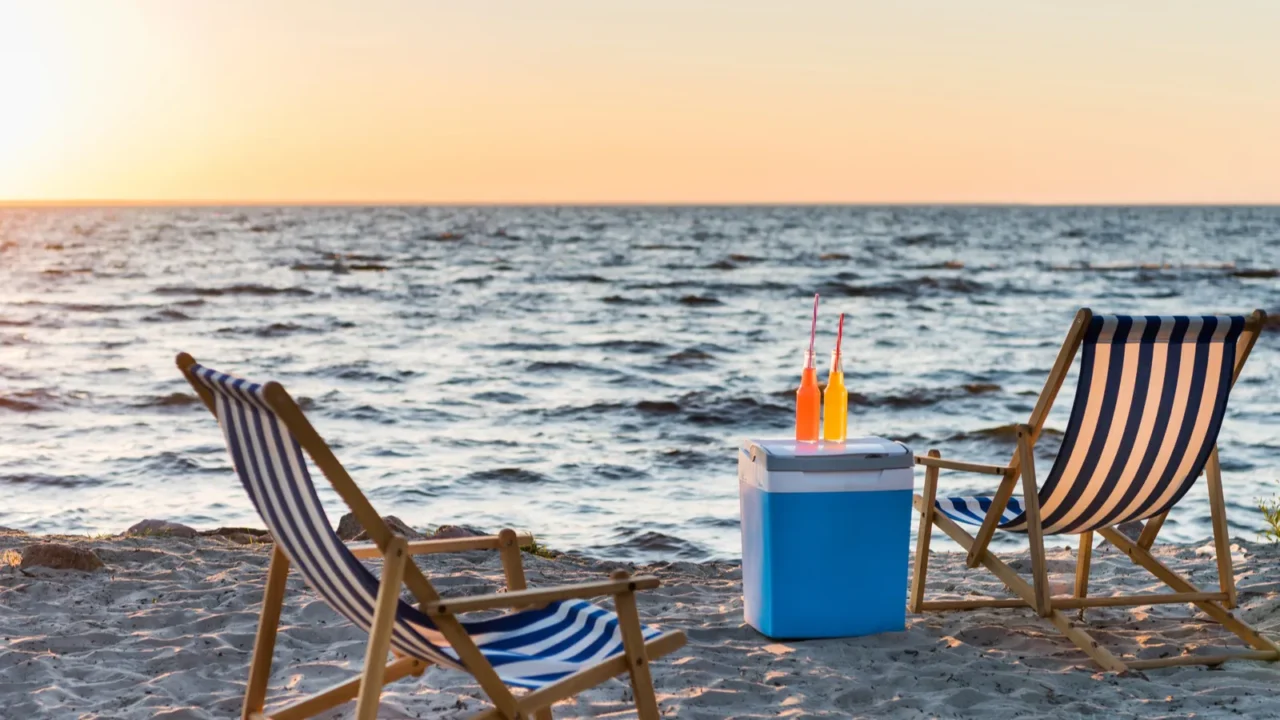
Climate influences choice
That makes shoulder season not only enjoyable but sometimes the smarter choice for sunny beach days or hillside sightseeing.
Milder shoulder season months still deliver that wanderlust feeling. Explore how climate tourism is reshaping the way we travel and find your perfect shoulder season escape.
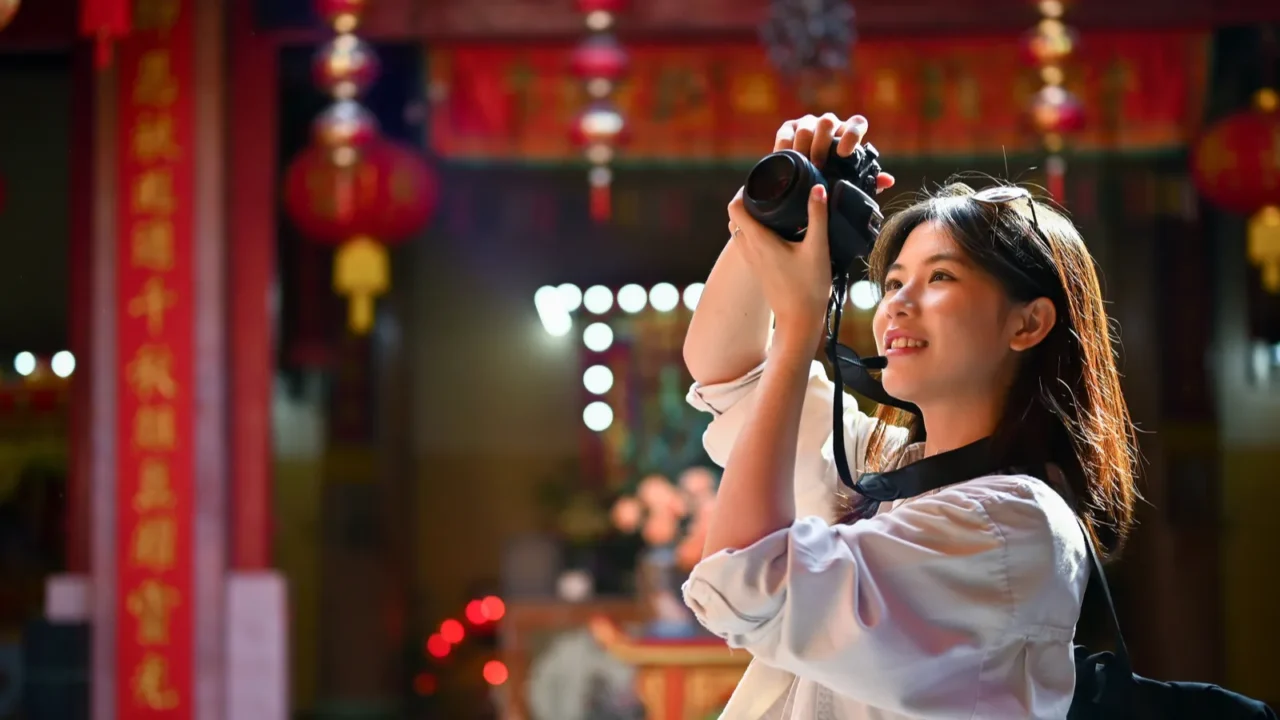
Change the way you travel
By traveling outside peak summer, you’ll enjoy better value, deeper experiences, and stories that resonate long after your journey ends.
It’s more than a trip, but a new way to see the world. Discover which season will transform your next adventure and make your travels unforgettable.
Have you ever wondered why traveling just before or after peak season could completely change your experience and maybe even your perspective on the world?
This slideshow was made with AI assistance and human editing.
Don’t forget to follow us for more exclusive content right here on MSN.
Read More From This Brand:
