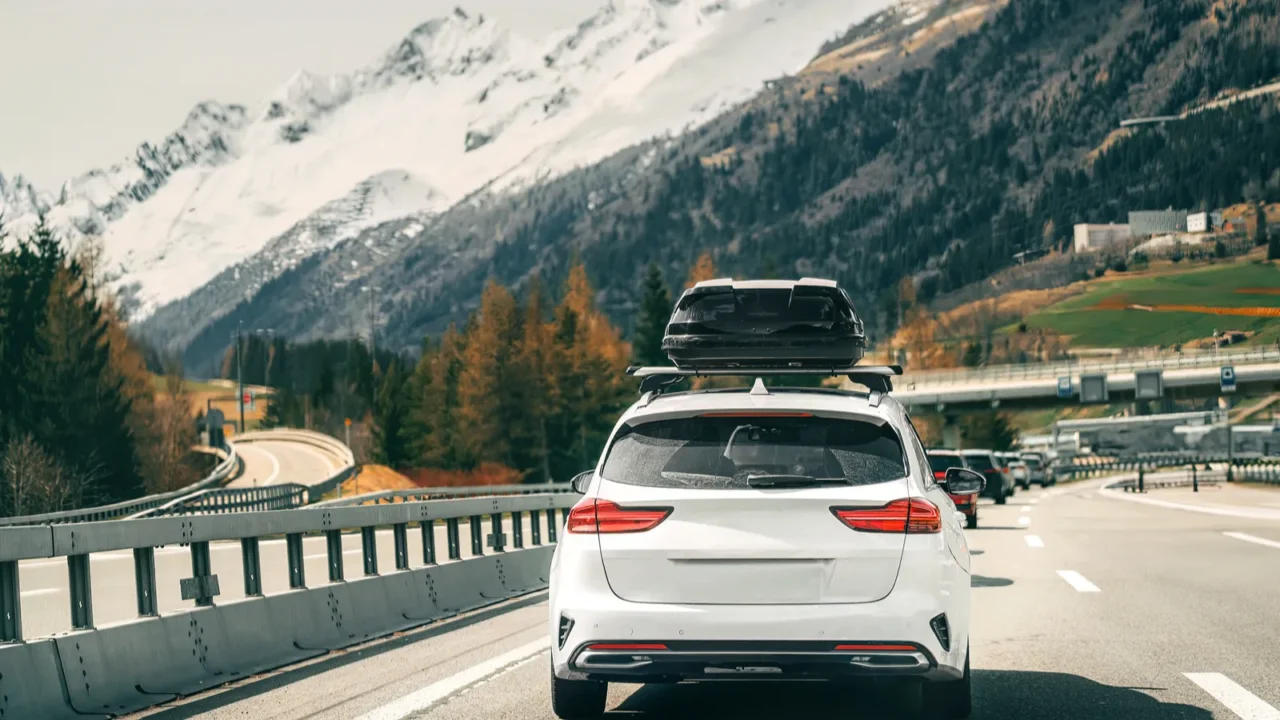
The Alps now have an Uber moment
Getting to ski slopes has always been part of the adventure, and not always the fun kind. Heavy gear, icy roads, packed buses, and long lift lines can drain excitement fast. Switzerland is quietly changing that experience with tech that feels familiar to Americans.
Think of it as the Alps borrowing ideas from ride-hailing apps. From airport pickups with ski-ready vehicles to gondolas that move only when called, winter travel is getting smarter. The goal is simple: less waiting, less waste, and smoother trips into the mountains.
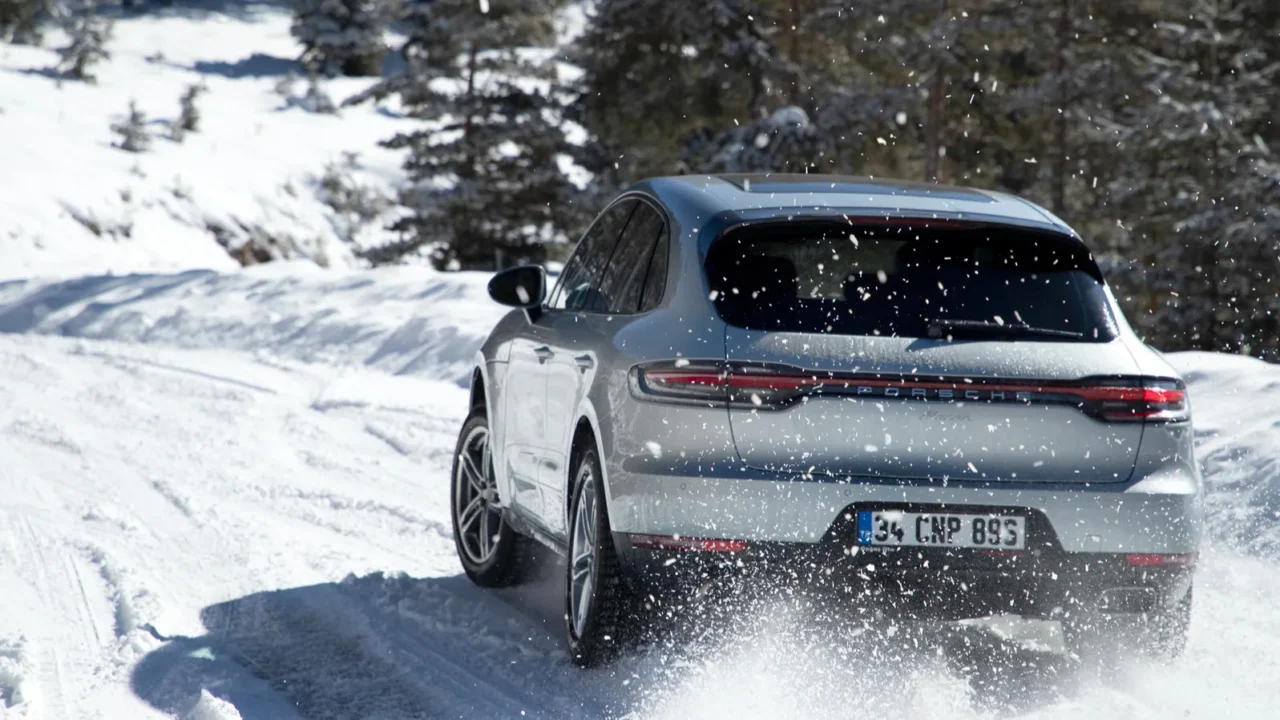
What people mean by Uber of the Alps
The phrase sounds catchy, but it’s rooted in real changes. In Switzerland, it describes app-based transport that works on demand instead of fixed schedules. That includes road travel and even mountain lifts.
Just like Uber reshaped city rides, these systems focus on flexibility and efficiency. You request, it responds. For travelers used to UberXL rides to ski trips in Colorado or Utah, the concept feels instantly familiar, just adapted for alpine terrain.
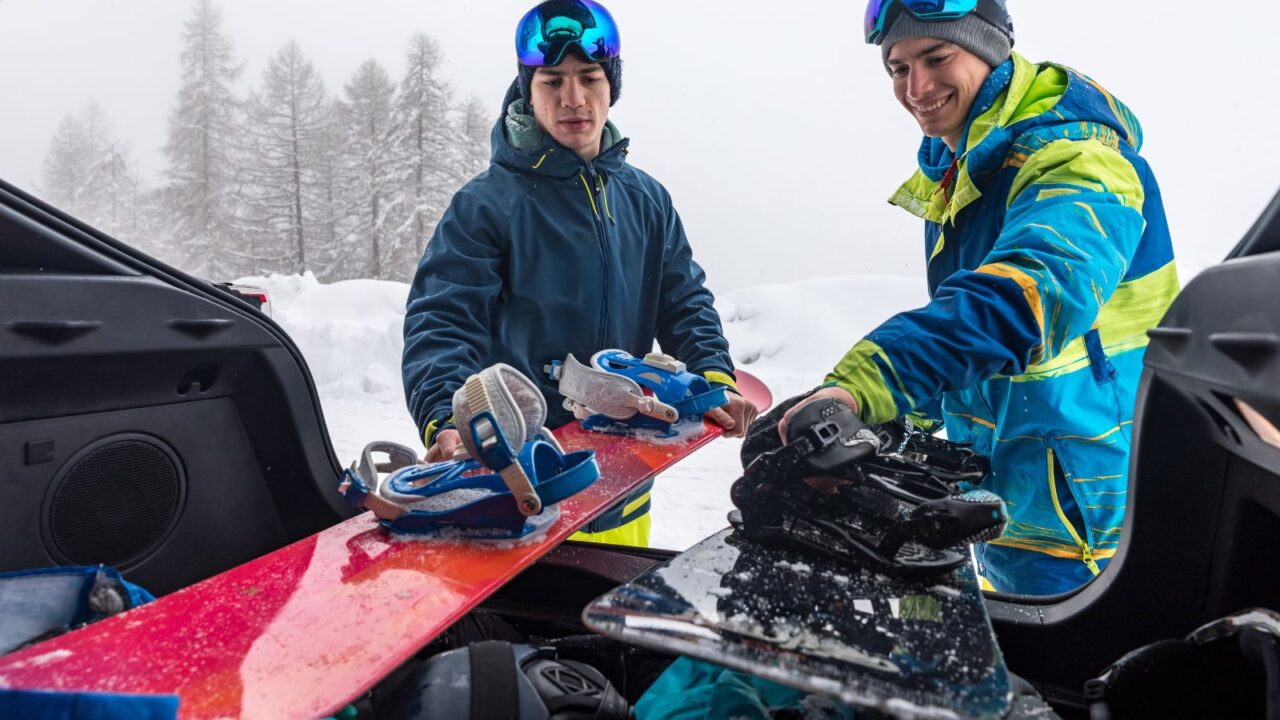
Uber Ski makes gear travel easier
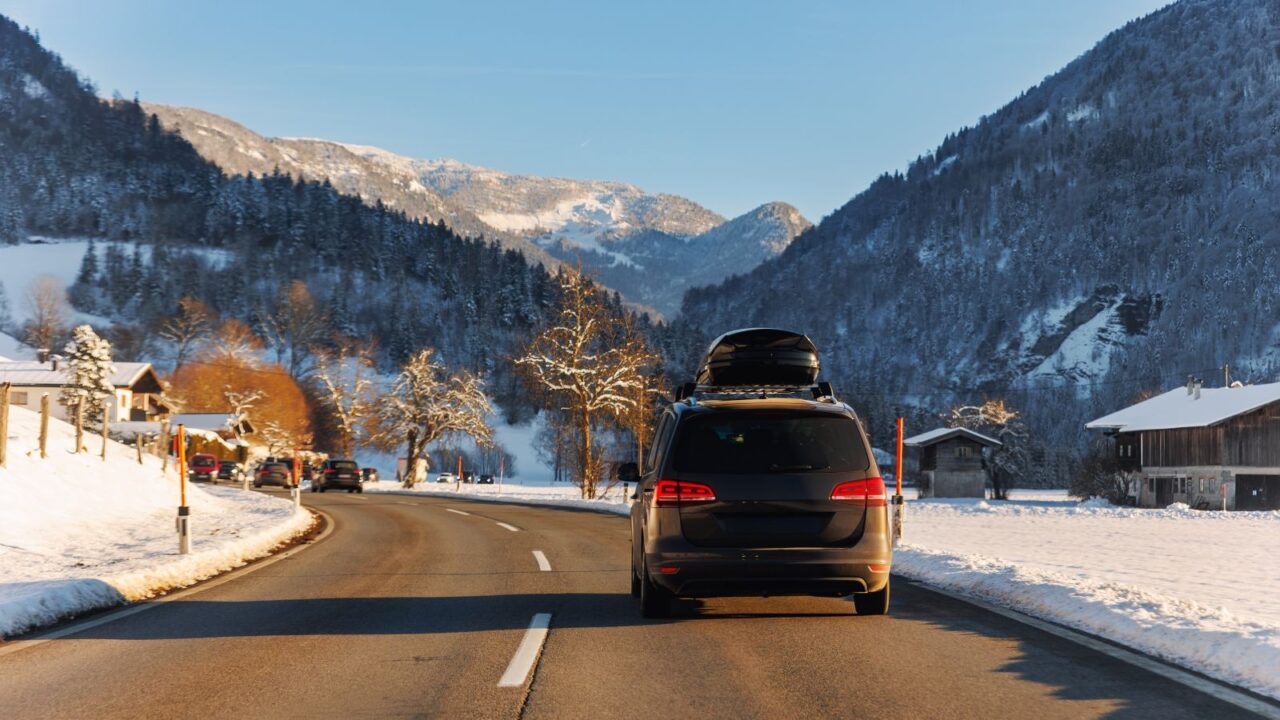
One of the clearest examples is Uber Ski. It allows riders to book vehicles equipped with ski and snowboard racks directly through the Uber app. Larger vehicles like UberXL and XXL are designed to handle bulky winter gear.
In parts of Switzerland and Europe, travelers can reserve rides days or even weeks in advance. That’s a big shift for tourists arriving by train or plane. It removes the stress of figuring out last-mile transport in snowy conditions.
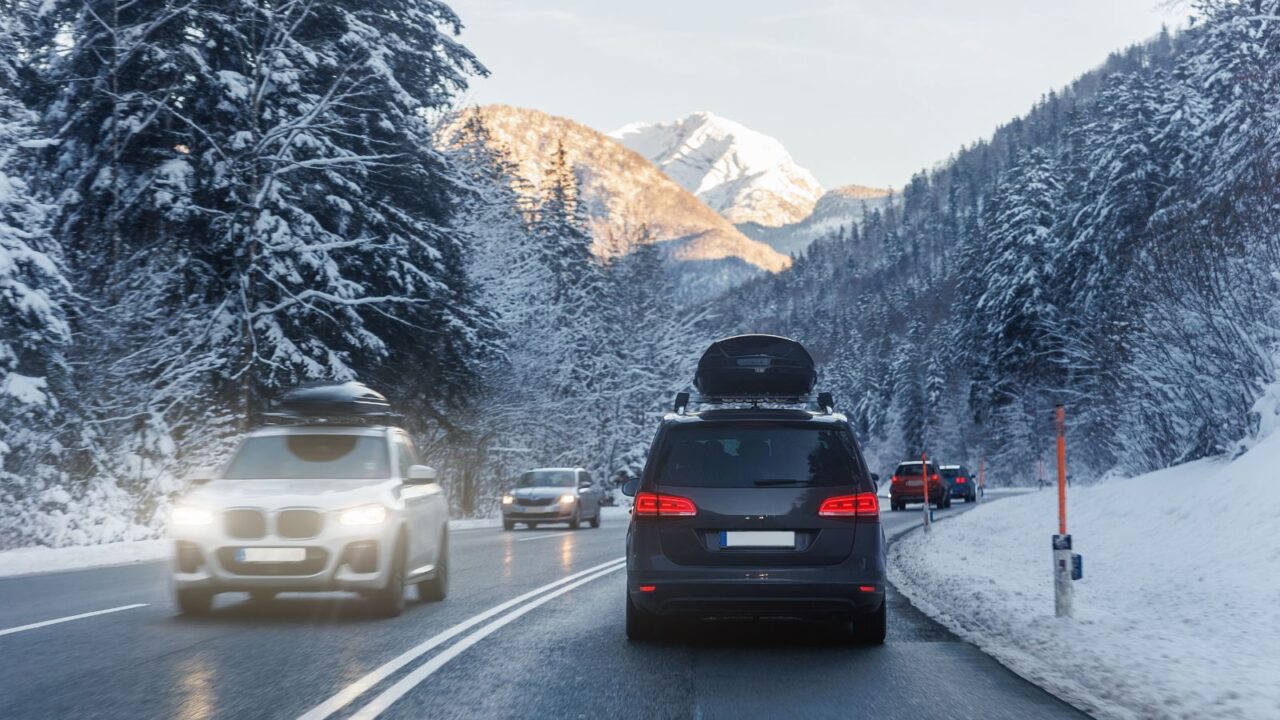
Why this matters for American travelers
Many U.S. skiers fly into Europe with rental gear or personal equipment. Navigating foreign transit systems with skis can feel overwhelming. App-based transport lowers that barrier.
It mirrors how Americans already travel at home. Book on your phone, track your ride, and go. For first-time visitors to the Alps, that familiarity makes Switzerland feel far more accessible than it did a decade ago.
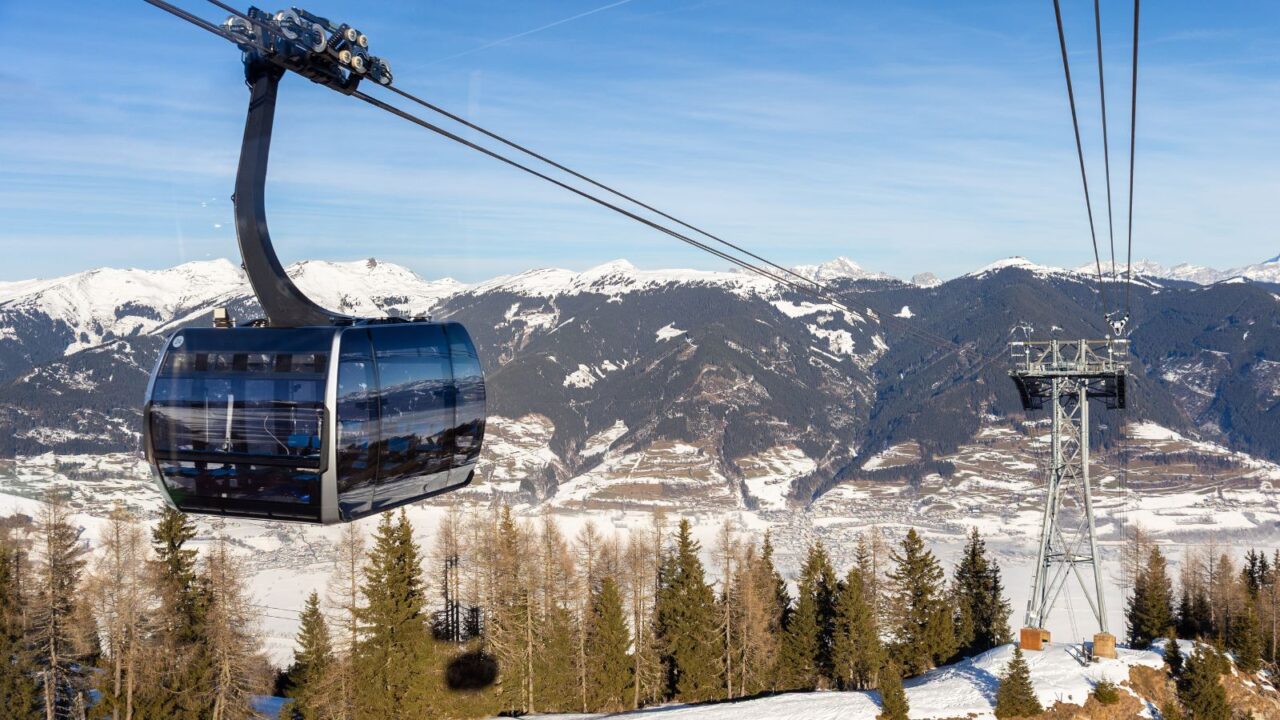
The ski lift that runs only when needed
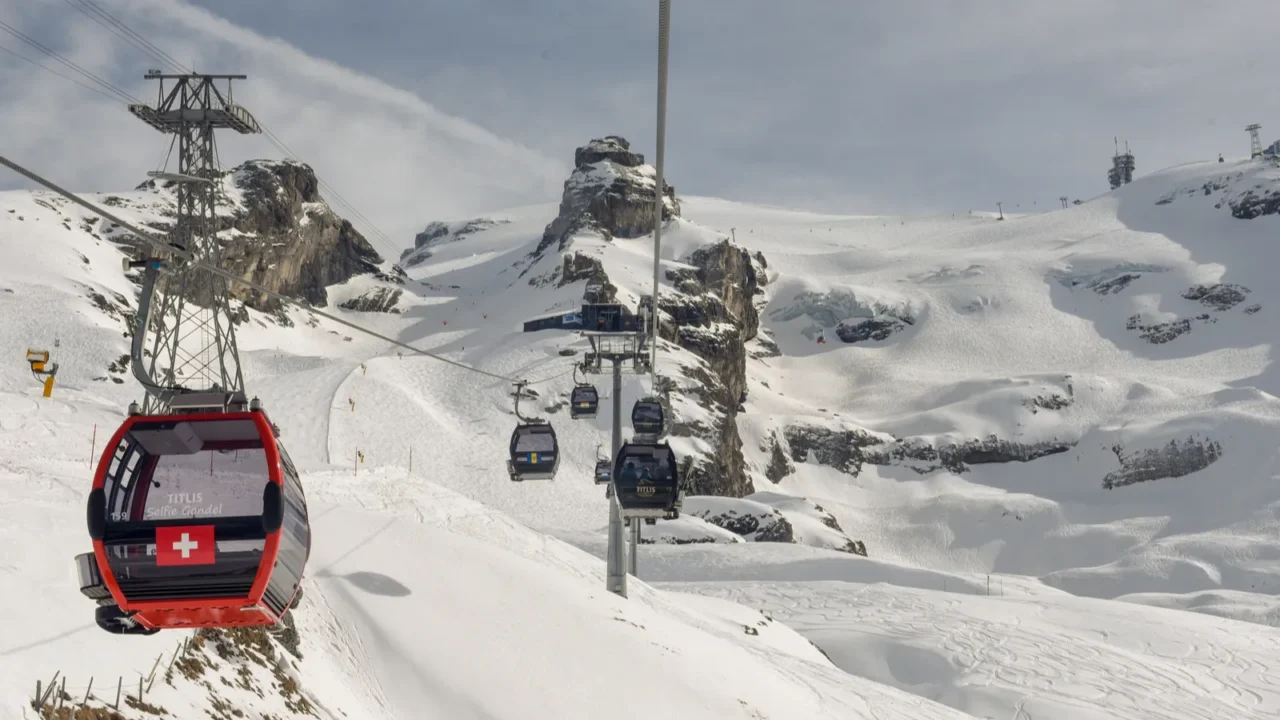
Switzerland’s most talked-about innovation isn’t on the road. It’s in the air. At Laax, a new gondola system called FlemXpress operates on demand.
Instead of running nonstop, cabins move only when someone requests a ride. Riders select their destination like choosing a stop in an app. This reduces empty cabins and cuts energy use by about 50 percent compared to traditional lifts.
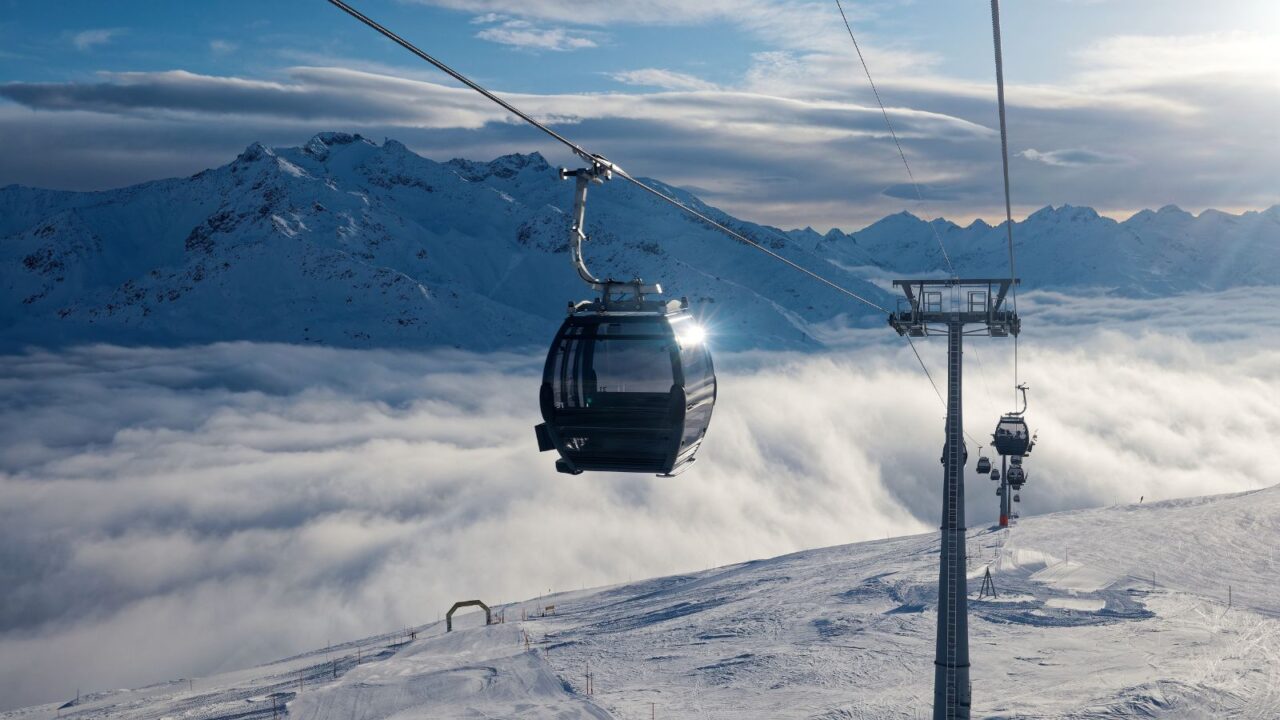
Why traditional lifts waste so much energy
Most ski lifts operate all day, even when cabins are empty. Studies show up to 90 percent of cabins can run without passengers during slow periods. That’s a huge energy drain.
The on-demand model flips that system. Cabins move only when needed. For Americans used to energy-saving tech like smart thermostats, the idea makes sense. It’s efficiency applied to mountain transport, not just homes and offices.
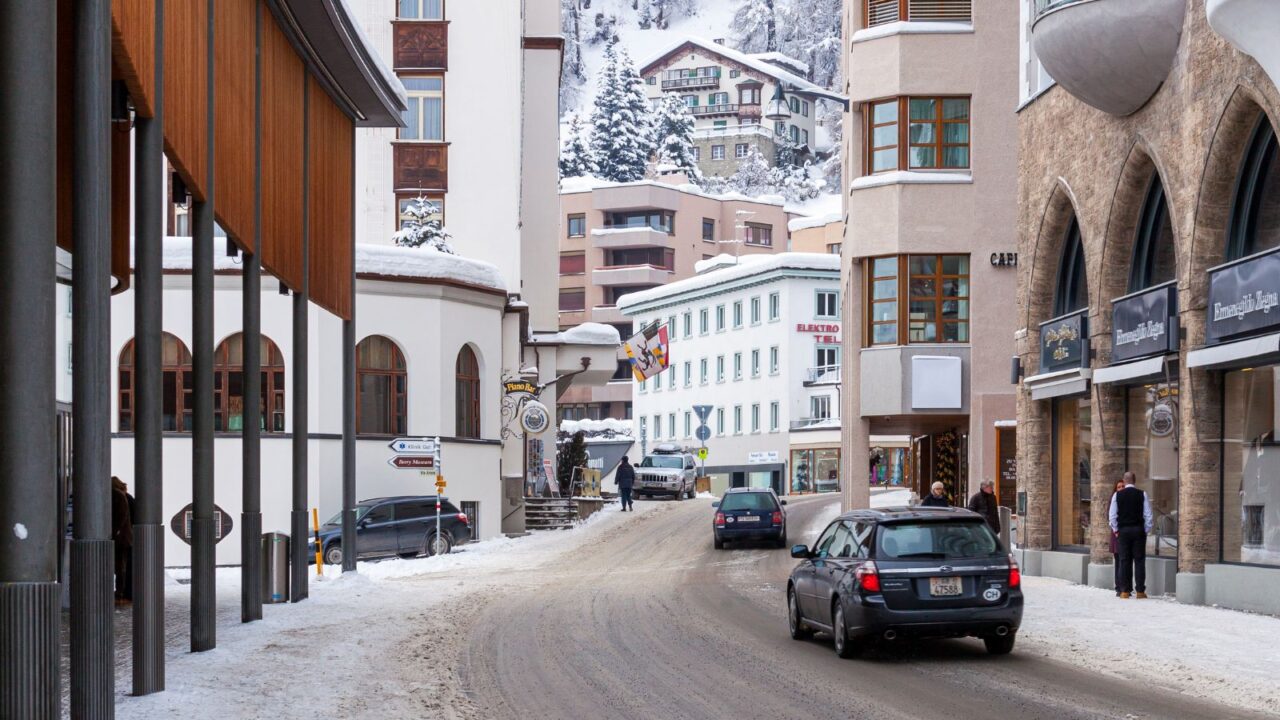
Climate pressure is forcing innovation
These changes aren’t just about convenience. Switzerland is warming fast. Data from MeteoSwiss and ETH Zurich shows the country is heating up at roughly twice the global average.
That means shorter winters and less reliable snowfall. Resorts know the old model won’t survive. Smarter transport is one way they’re cutting emissions and adapting before conditions worsen further.

Laax’s push toward carbon neutrality
Laax became the first ski resort in the world to commit to full carbon neutrality. That goal touches everything, not just lifts. Buildings use solar energy. Electric vehicles replace gas-powered ones. Waste and water use are tightly managed.
For U.S. readers familiar with green resorts in places like California or Colorado, Laax feels like that idea taken further. Sustainability here isn’t branding. It’s built into how the resort operates day to day.
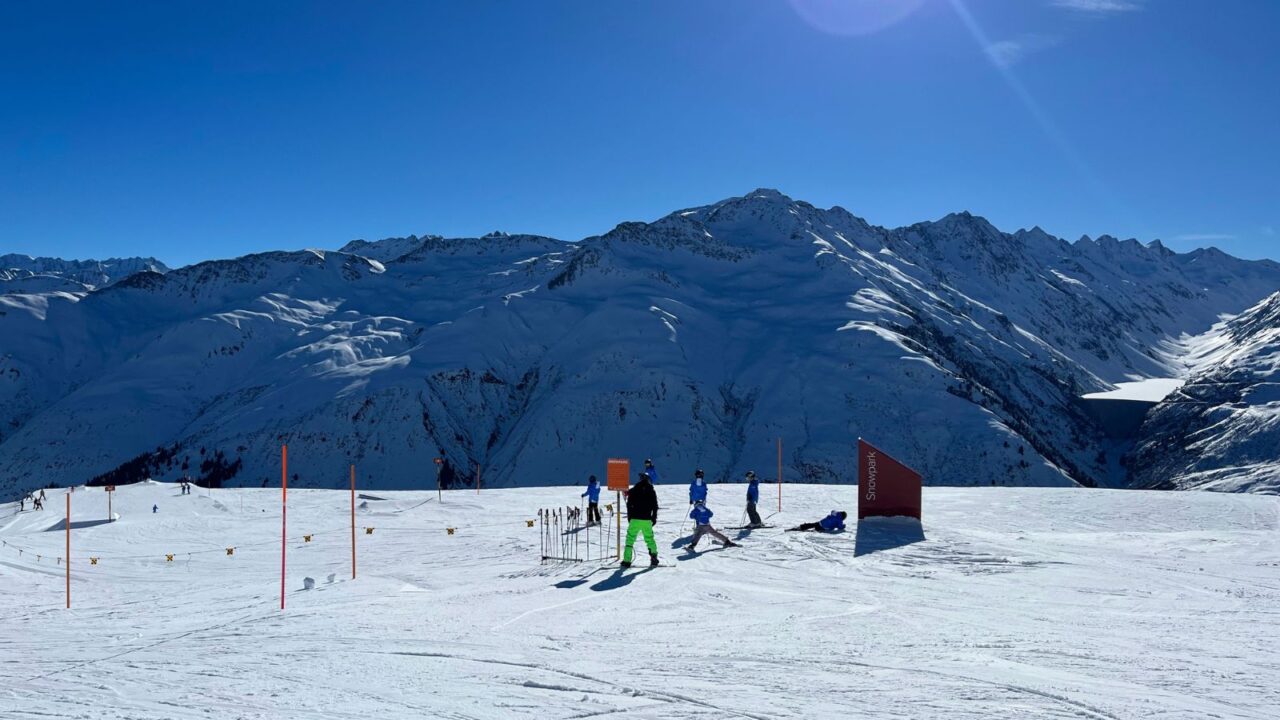
Resorts now compete on sustainability
Ski resorts once competed mainly on terrain and snowfall. Now, environmental impact matters too. Laax helped cofound the Global Sustainability Ski Alliance in 2025.
The group includes major resorts across Europe, Scandinavia, and even New Zealand. Together, they represent more than 800 ski lifts and about 25 million skier visits per year. It signals a shift where climate responsibility is becoming industry standard, not optional.

Eco villages are part of the plan
At Laax’s base villages, sustainability is visible everywhere. Hotels use renewable energy. Gardens support local wildlife. Guests are encouraged to repair gear instead of replacing it.
Free water stations and plant-forward dining options are common, which still feels rare in alpine resorts. For Americans used to bottled water and heavy meat menus at ski lodges, the contrast stands out quickly.
Night buses replace short flights
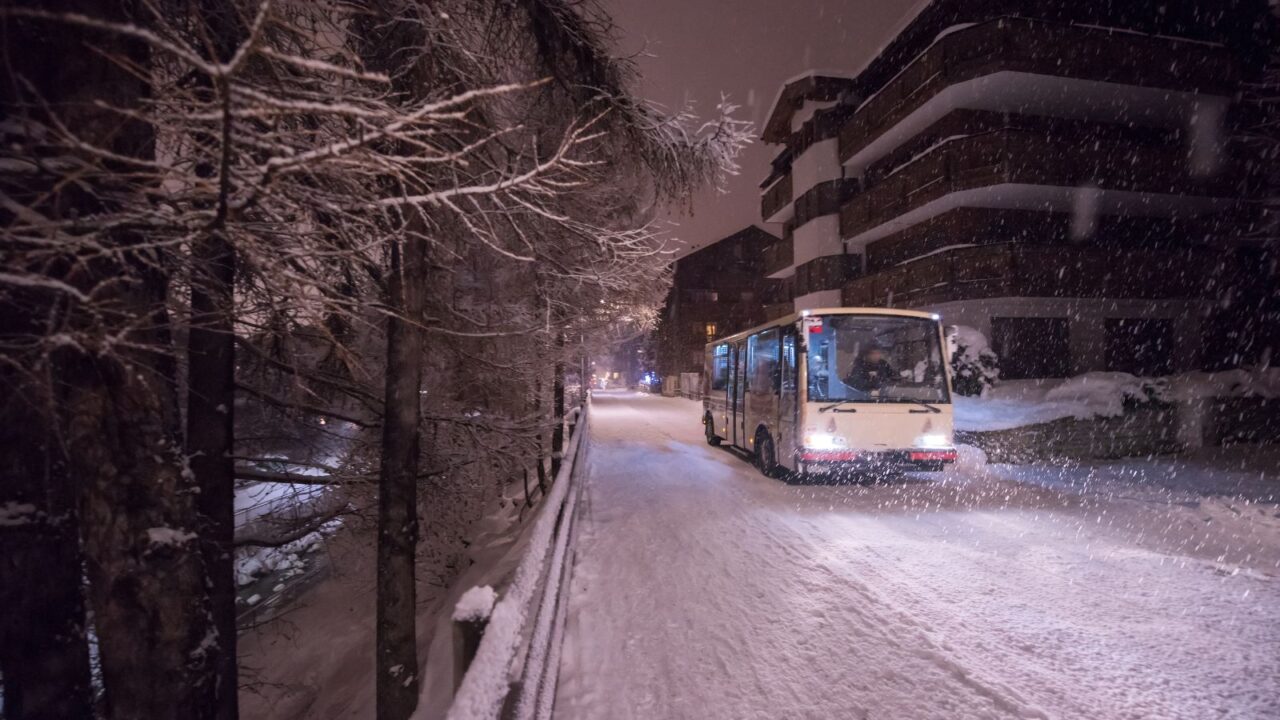
Another innovation gaining attention is eco-friendly night transport. Projects like Twiliner offer overnight buses connecting cities to ski regions. These buses reduce the need for short-haul flights and car rentals.
For travelers coming from major hubs, it’s a greener alternative that also saves hotel nights. It’s similar to overnight Amtrak routes in the U.S., but designed specifically for winter sports travel.
Convenience is driving adoption fast
What makes all this work is ease. Travelers can book rides, lifts, and transfers in advance. Some services allow reservations up to 90 days ahead.
That predictability appeals to families and older travelers, not just tech-savvy skiers. When winter trips are already expensive, knowing transport is handled reduces stress and makes planning feel manageable.
When in Switzerland, don’t forget to explore Oregon’s ‘Little Switzerland,’ where cozy charm meets mountain magic.
Privacy is an unexpected bonus
On-demand gondolas offer something traditional lifts don’t: privacy. Small cabins carry fewer people and skip unnecessary stops.
For many travelers, especially after the pandemic, that matters. It feels closer to a private ride than mass transit. Americans who prefer ride-hailing over buses often say this is one of the most appealing changes.
If you love mountains and planning your Switzerland trip, check out Switzerland’s glamorous mountain town, which has everything for ski lovers.
Would you try an Uber-style gondola on your next ski trip? Share your thoughts in the comments.
This slideshow was made with AI assistance and human editing.
Don’t forget to follow us for more exclusive content right here on MSN.
Read More From This Brand:
