
Rentals under scrutiny
Vacation rentals once felt like the easiest travel choice, especially in popular cities. Recently, many countries began tightening rules around Airbnb-style stays to protect housing and communities. Travelers are now noticing these changes during planning, not after arrival.
From Europe to Asia, governments are rewriting short-stay policies with urgency. These updates affect where visitors stay and how neighborhoods feel. Here’s a closer look.

Why governments stepped in
Short-term rentals expanded quickly, often faster than local housing supply could handle. Residents in tourist-heavy cities faced rising rents and fewer long-term options. Officials say tighter rules are meant to restore balance.
Cities argue tourism should not push locals out of their own neighborhoods. New policies aim to protect residential life without ending travel. Regulation is now seen as necessary, not restrictive.
Europe leads restrictions
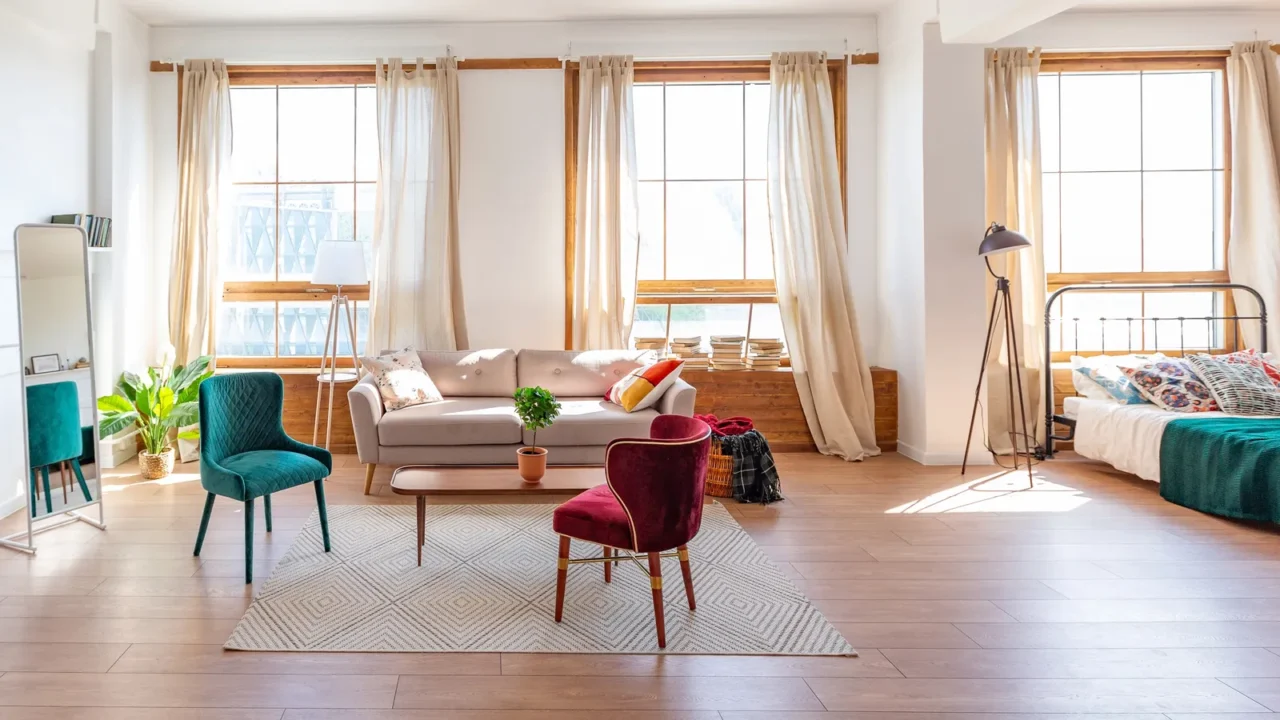
Europe has taken the strongest stance on Airbnb-style rentals. Cities like Barcelona, Paris, and Amsterdam now cap rental days or require licenses. Enforcement includes fines and listing removals.
Barcelona plans to eliminate private short-term rentals by 2028. Amsterdam limits rentals to a small number of nights annually. These cities prioritize housing stability over unlimited tourism growth.
Paris tightens compliance
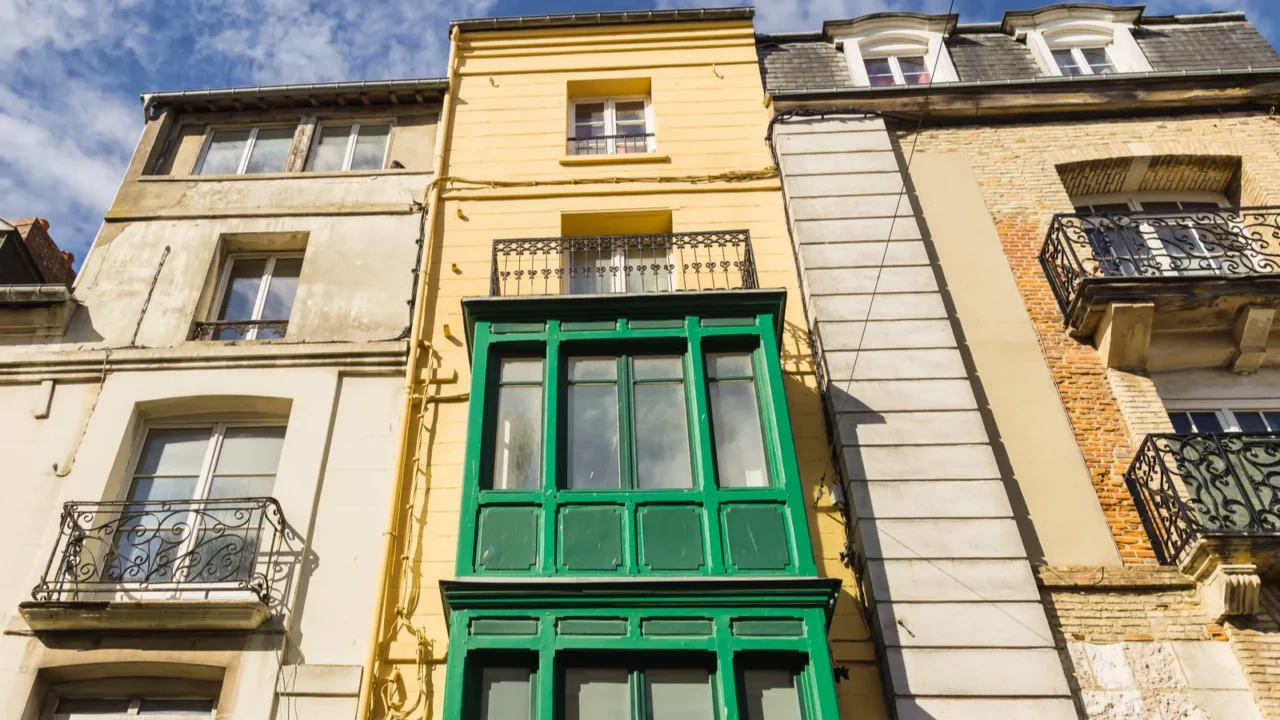
Paris requires hosts to register and follow strict rental limits. Inspectors actively monitor illegal listings across central districts. Fines can reach tens of thousands of euros.
The city argues that homes are meant for residents first. Short-term rentals reduced available housing in historic neighborhoods. Visitors now face fewer casual apartment options.

Spain changes the model
Spain introduced national rules alongside local enforcement. Barcelona and Madrid require special permits for tourist apartments. Many licenses are no longer issued.
Coastal regions like the Balearic Islands and Valencia also joined the effort to control overcrowding. Officials say the regulation protects community life and services. Travelers must confirm legal status before booking stays.
Italy follows cautiously
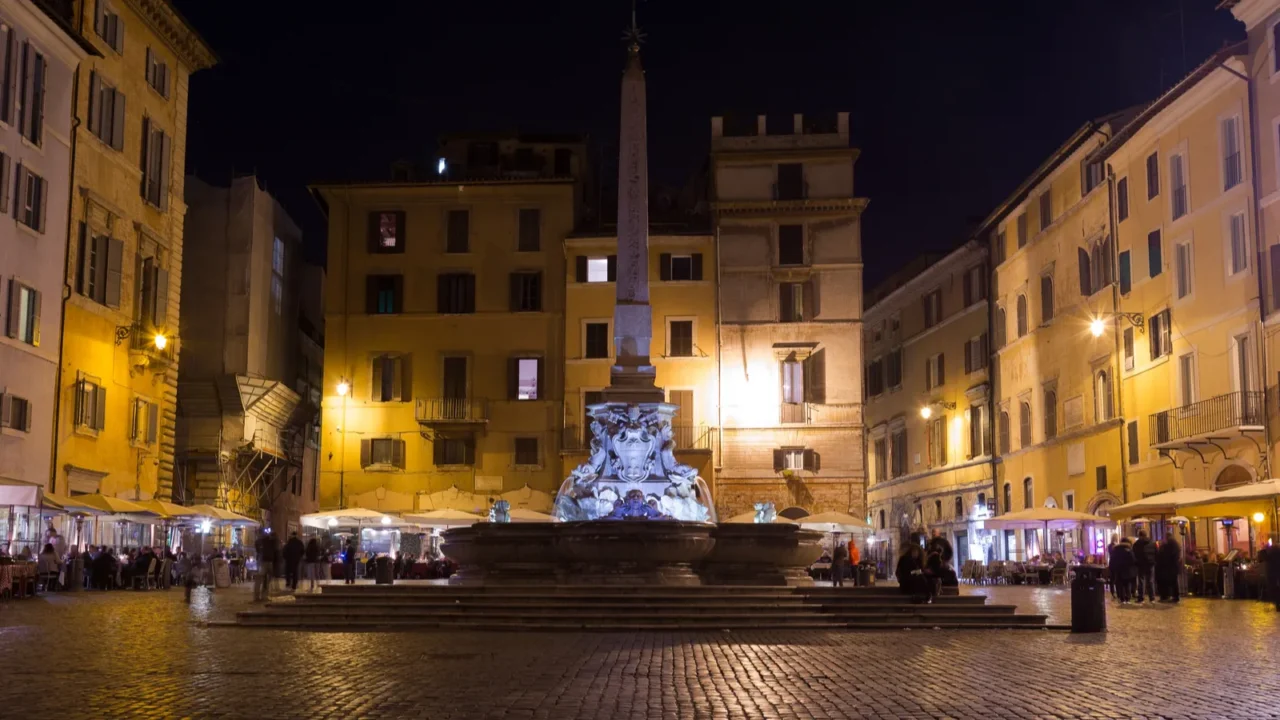
Italy is moving carefully but steadily toward regulation. Florence banned new short-term rentals in its historic center. Rome increased registration requirements and inspections.
Officials want to preserve local culture in residential districts. Hotels and guesthouses now regain competitive ground. Visitors notice fewer apartment listings near landmarks.

Asia joins conversation
Asian cities are also tightening rental rules. Tokyo allows short stays only in registered properties with clear host obligations. Singapore restricts rentals shorter than three months.
These policies emphasize safety and neighborhood stability. Enforcement includes fines and removal of unlicensed listings. Asia’s approach favors controlled tourism growth.
New York sets example
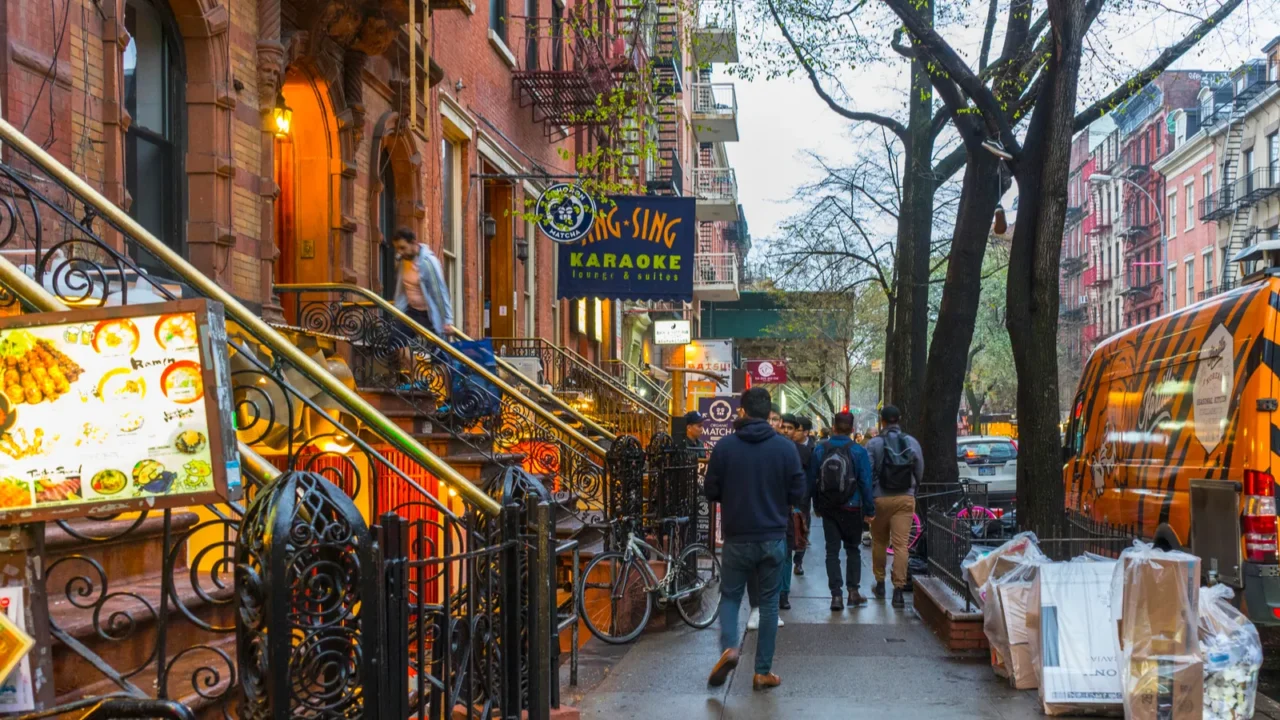
New York City introduced one of the strictest rental laws globally. Hosts must register and remain present during guest stays. Entire apartment rentals are largely prohibited.
The city aims to return housing to residents. Thousands of Airbnb listings were removed shortly after enforcement began. Visitors now rely more on hotels and licensed stays.

What travelers experience
Travelers face fewer options in central neighborhoods. Prices may rise as supply tightens in popular areas. Booking requires more research than before.
Some visitors now stay farther from attractions. Others choose boutique hotels or serviced apartments. Travel planning feels more structured and intentional.

Platforms respond slowly
Airbnb and similar platforms say they support fair regulation. Compliance tools and registration features are expanding gradually. Critics argue that enforcement still relies on cities.
Platforms now remove illegal listings faster in some regions. Cooperation varies by country and city. Regulation remains a shared responsibility.
Local communities benefit
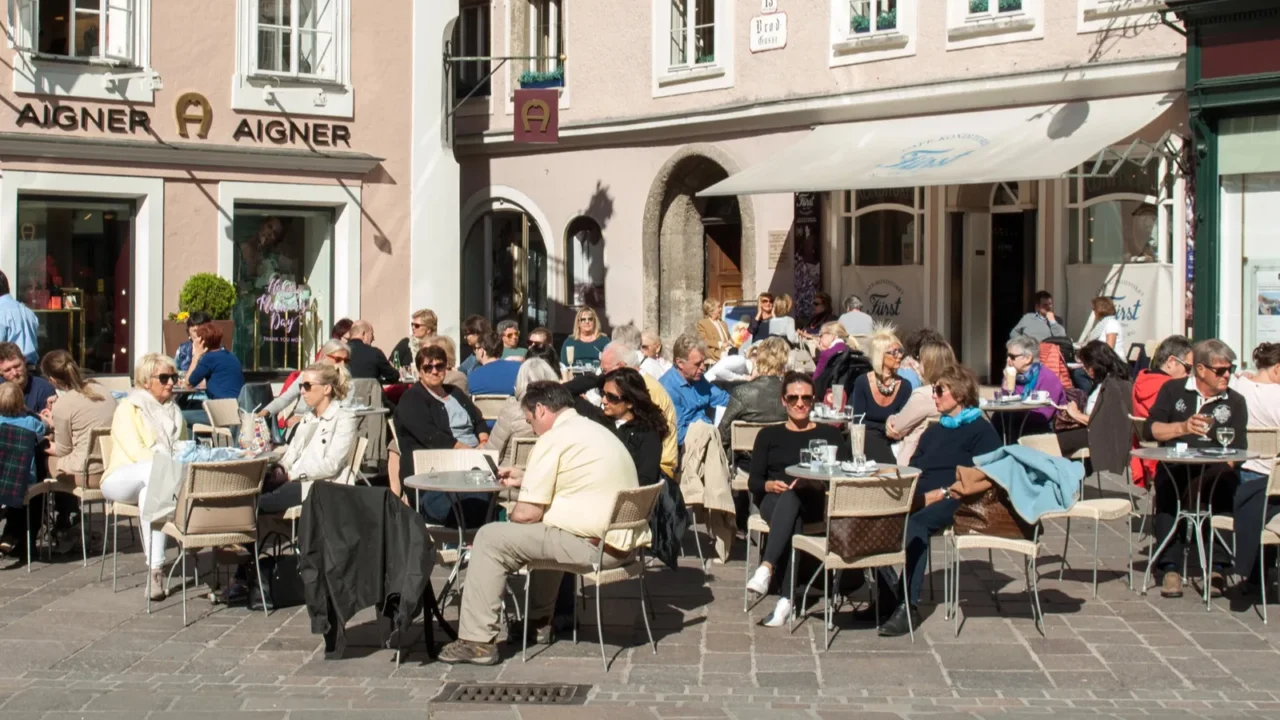
Residents report quieter streets and improved housing access. Neighborhoods regain a sense of normal daily life. Local shops serve residents again, not just tourists.
Officials say tourism quality improves with fewer disruptions. Visitors engage more respectfully with communities. Long-term balance becomes the priority.
Planning trips differently
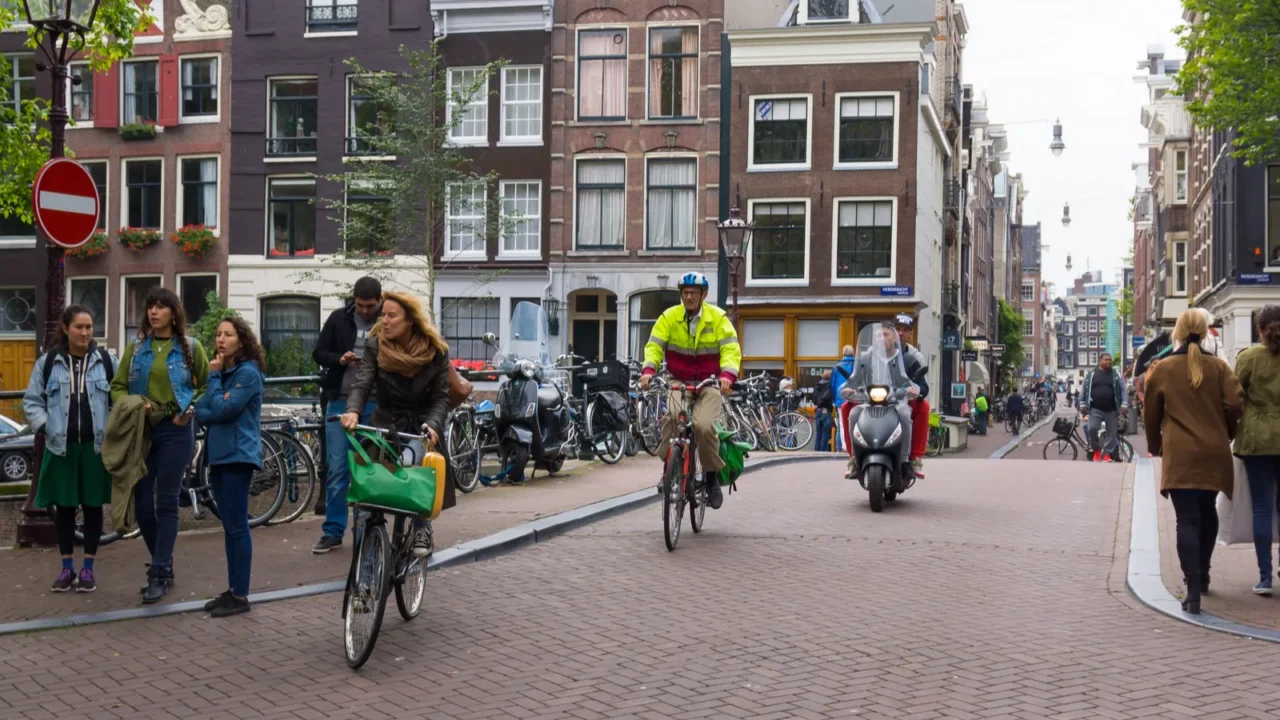
Travelers increasingly book earlier and verify licenses before confirming short-stay accommodations. Hotels regain popularity in regulated cities, while a growing number of eco-friendly Airbnbs that travelers can actually afford attract attention. Transparency now matters more than discounts when planning where to stay.
Some destinations promote alternative neighborhoods. Regional travel spreads visitor impact more evenly. These shifts reshape how trips are designed.

A new travel balance
Tighter rental rules reflect a global shift toward responsible tourism. Countries want visitors without sacrificing livable cities. Short stays now come with clearer expectations.
The best trips respect local life while offering comfort and access. Regulations shape smarter, more thoughtful travel choices.
Which city’s rental rules surprised travelers the most? Share your thoughts below.
This slideshow was made with AI assistance and human editing.
Don’t forget to follow us for more exclusive content right here on MSN.
Read More From This Brand:
