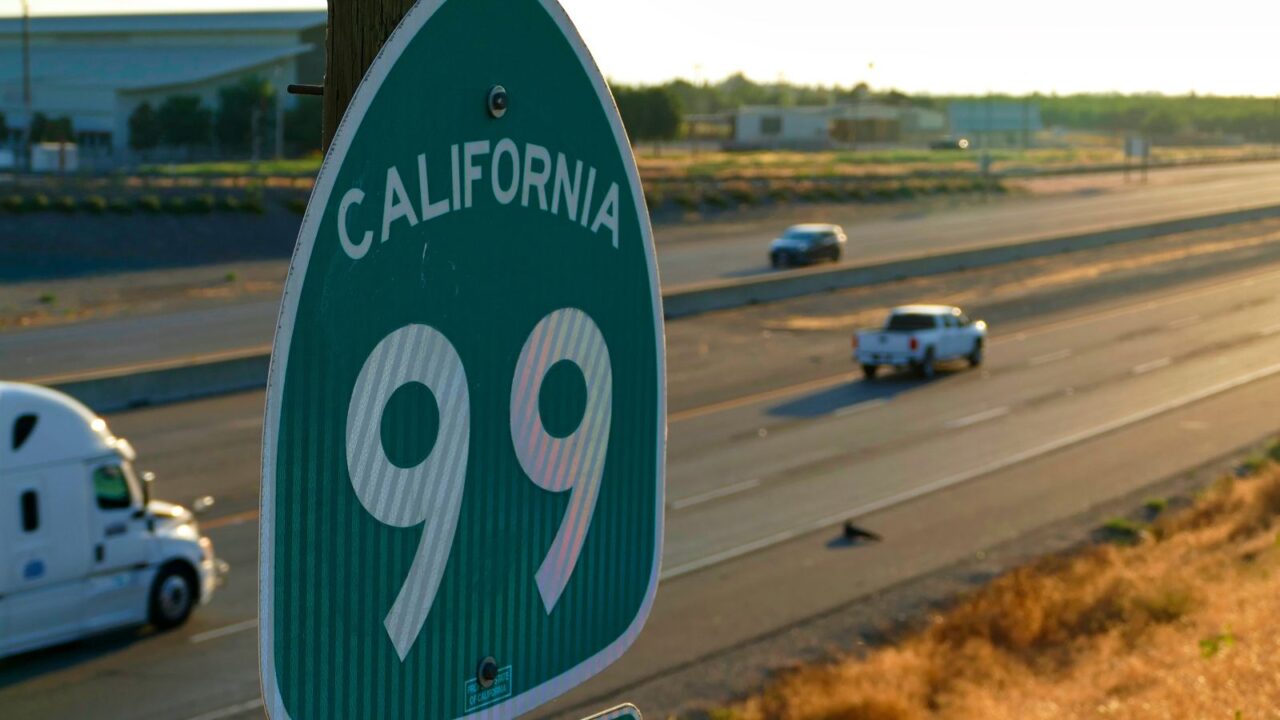
A familiar highway gets a grim label
If you live in California, chances are you have driven California State Route 99 without thinking twice. It cuts through the Central Valley, connecting farming towns, cities, and freight routes. For decades, it has been a workhorse road, not a headline grabber.
A new study changed that perception. Researchers ranked CA 99 as the deadliest highway in California and one of the most dangerous in the country. The label is not about fear. It is about understanding risk patterns that repeat year after year.
What the study actually examined
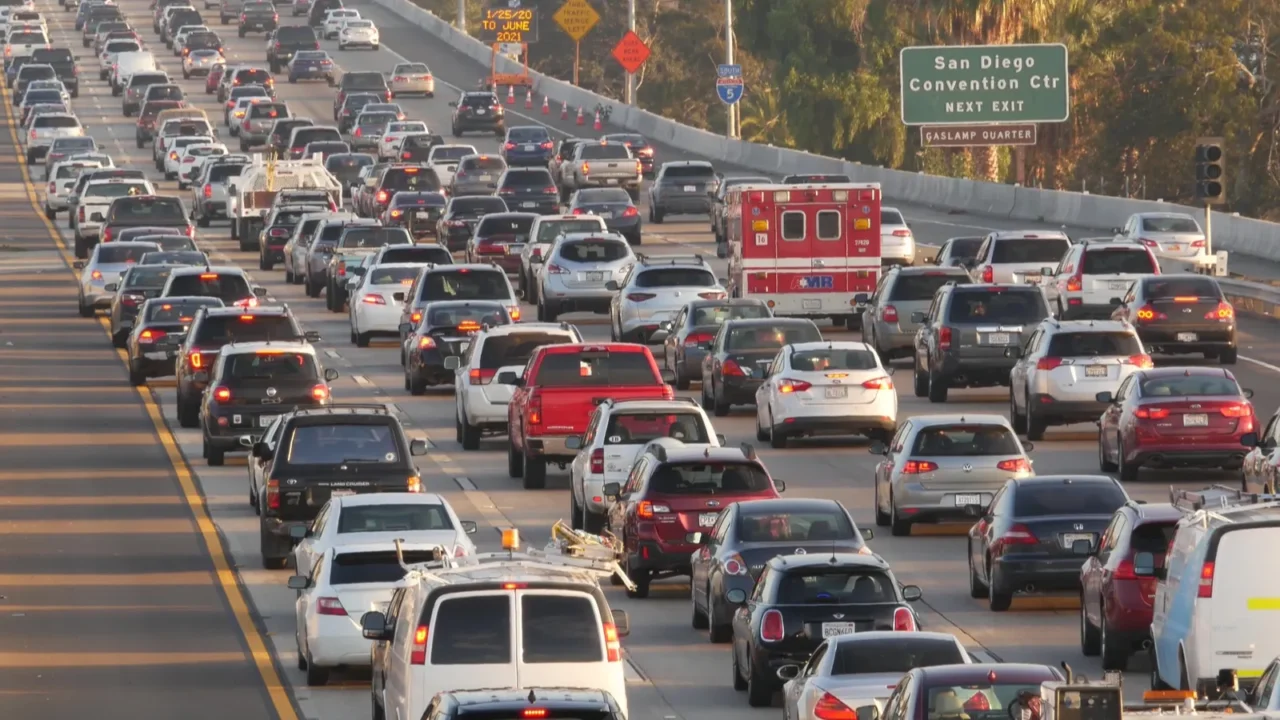
The findings come from a recent analysis conducted by a Dallas-based law firm using federal crash data. The study examined fatal crashes from 2018 through 2022. This ranking remains relevant in 2026 due to persistent underlying factors and ongoing safety challenges.
This matters because raw crash totals can be misleading. CA 99 does not carry the most traffic in California. Yet it produced a disproportionate number of fatal outcomes. That imbalance is what pushed it near the top of national danger rankings.
The fatality numbers stand out
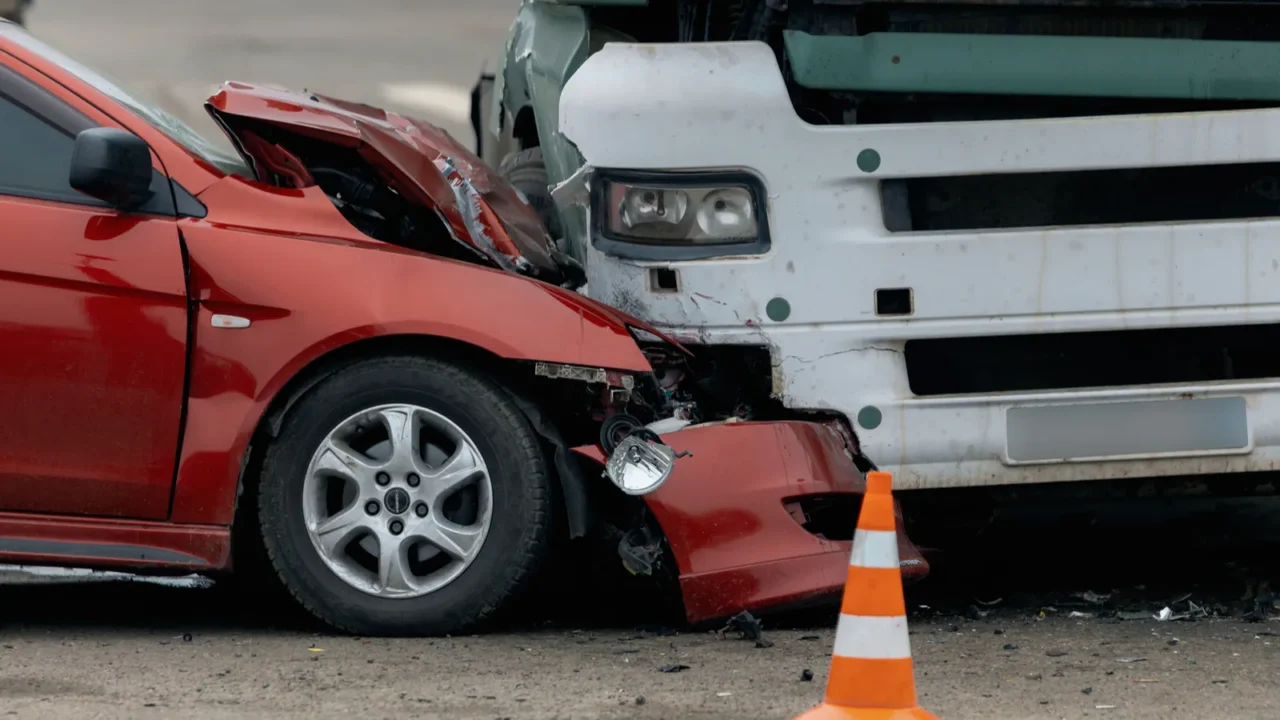
According to the study, CA 99 recorded 445 fatal crashes during the five-year period. That averages out to about 89 deaths per year. No other California highway reached that level during the same timeframe.
What makes this striking is consistency. The fatality rate did not spike in one unusual year. It remained high across multiple years. That pattern suggests structural and environmental issues, not just bad luck or isolated driver behavior.
Designed for a different era
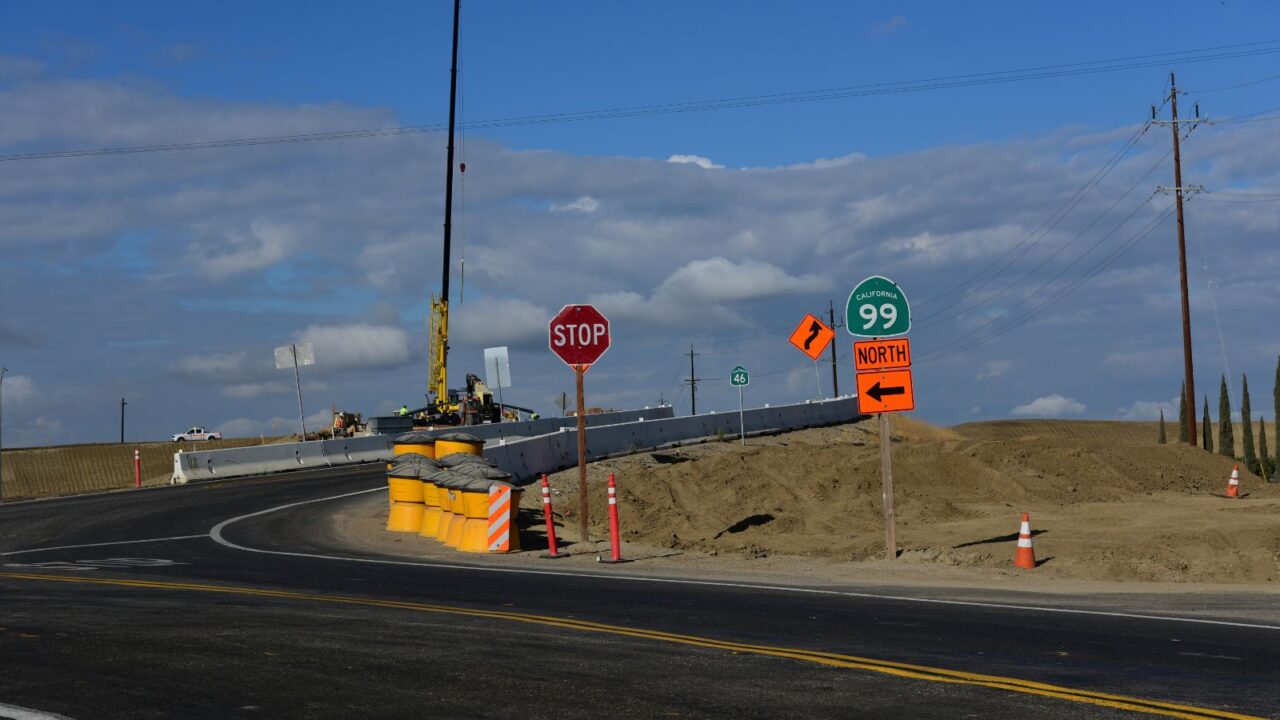
Much of CA 99 was designed decades ago, when traffic volumes and vehicle speeds were lower. Many sections still rely on narrow lanes, short on-ramps, and partial interchanges. These designs leave little room for error.
Modern highways like Interstate 5 were built for higher speeds and heavier traffic. CA 99 was not. When modern driving behavior meets outdated geometry, the margin for recovery shrinks fast.

Poor lighting raises nighttime risks
Lighting emerged as a major factor in the study. Some stretches of CA 99 are described by safety advocates as among the darkest in the country. Limited illumination reduces reaction time and depth perception.
Nighttime crashes are more likely to be fatal due to speed and visibility issues. On CA 99, lighting gaps combine with fast-moving traffic and narrow shoulders. That mix increases the chance that a mistake becomes irreversible.
Fresno and Bakersfield are hotspots
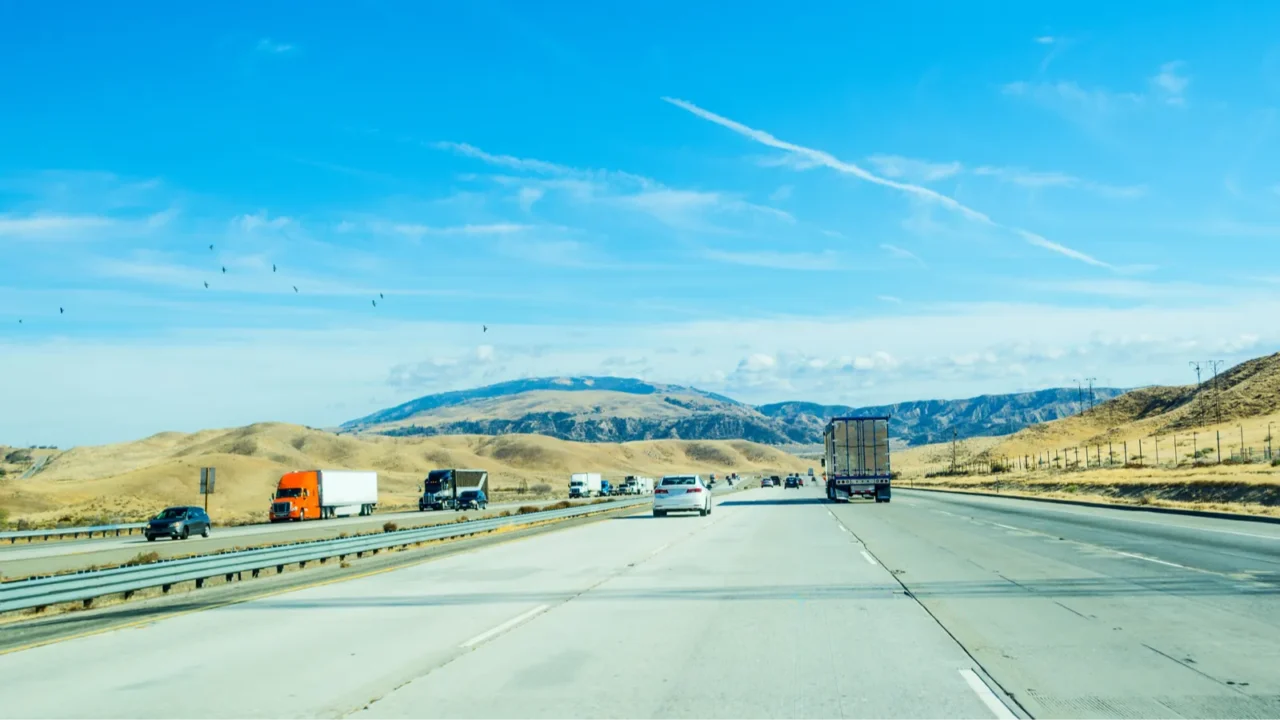
The most dangerous segments cluster near Fresno and Bakersfield. These areas experience heavy commuter traffic, freight movement, and frequent lane changes.
Intersections, exits, and merging zones near these cities show repeated crash patterns. Congestion raises stress levels, while poor lighting and short ramps limit reaction options. Together, they form predictable risk zones rather than random danger points.
Traffic density adds pressure
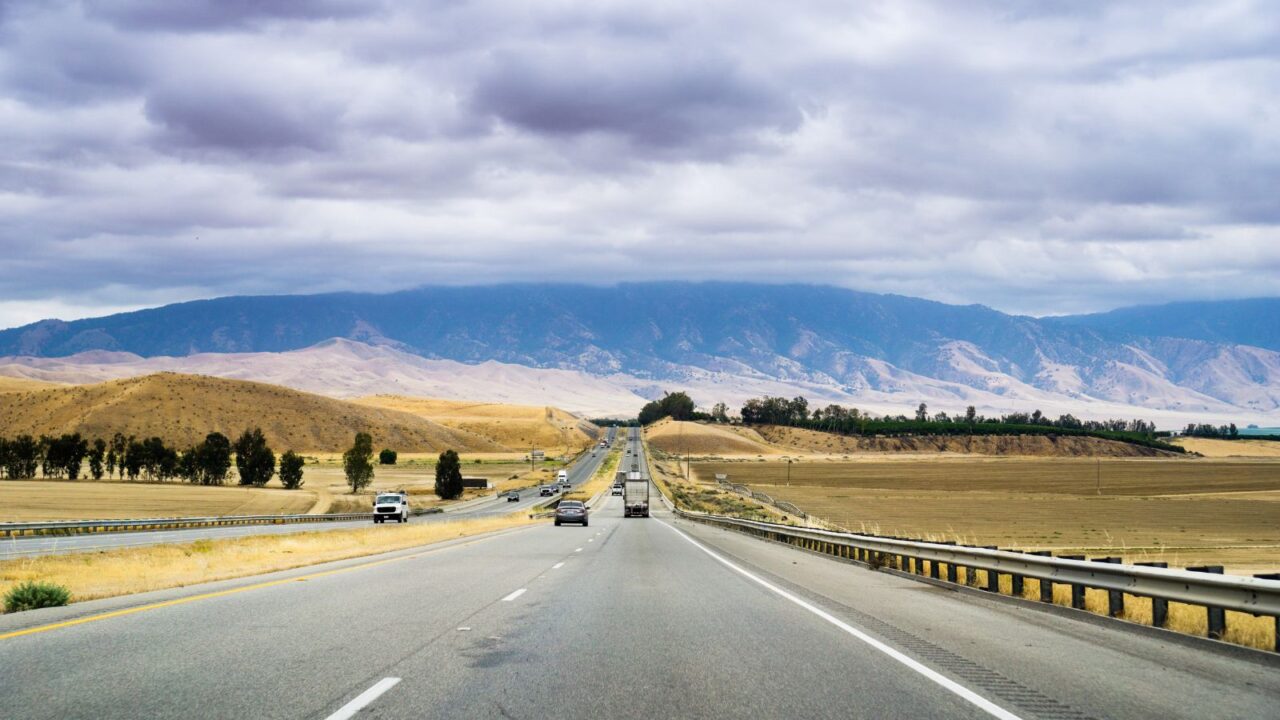
CA 99 serves both local commuters and long-haul freight. Agricultural transport, delivery trucks, and passenger vehicles share the same lanes. Speed differences create constant friction.
High traffic density does not automatically cause crashes. But it amplifies small errors. A late brake, missed merge, or sudden slowdown travels quickly through tightly packed lanes. On a highway with limited shoulders, escape routes are scarce.
Why it beats busier highways
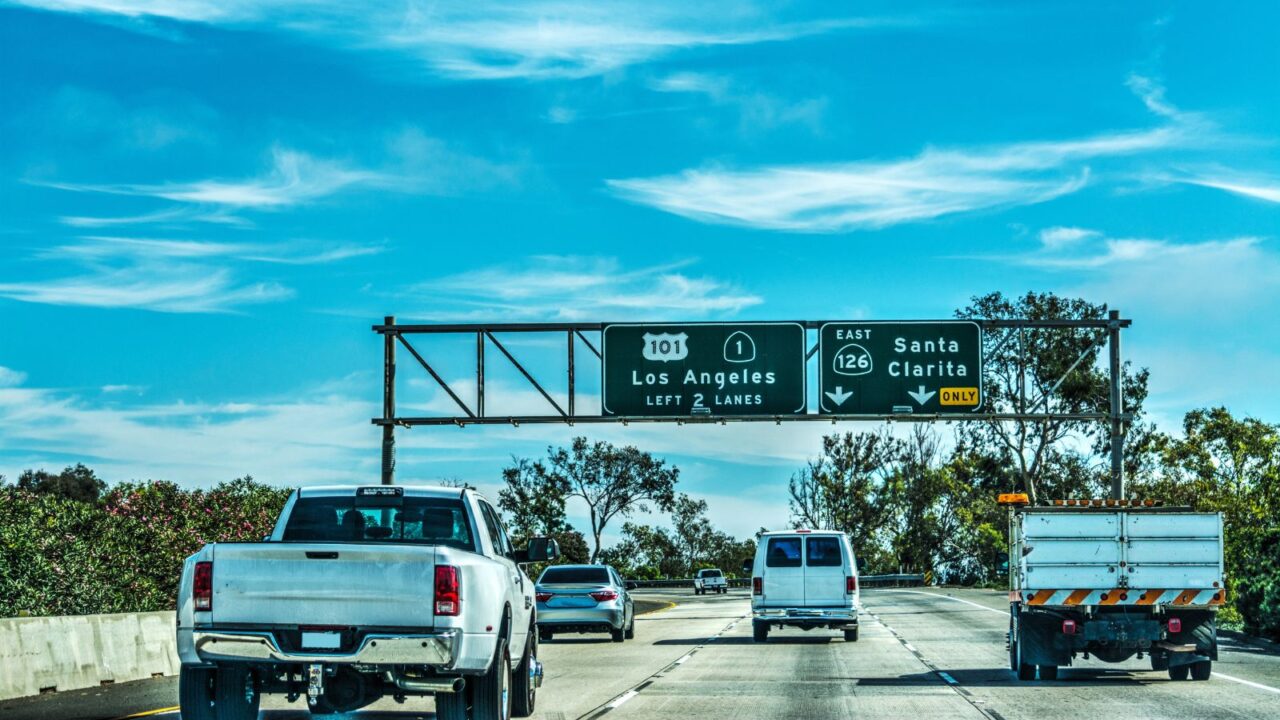
One surprising finding is that CA 99 outpaces busier routes in fatality rates. Highways like US Route 101 and I-5 carry more vehicles but record fewer deaths per mile.
This points back to infrastructure. Modern design standards, better lighting, and wider shoulders reduce fatal outcomes even when crashes occur. CA 99 lacks many of those safeguards, making each incident more likely to end tragically.
Improvements have not closed the gap
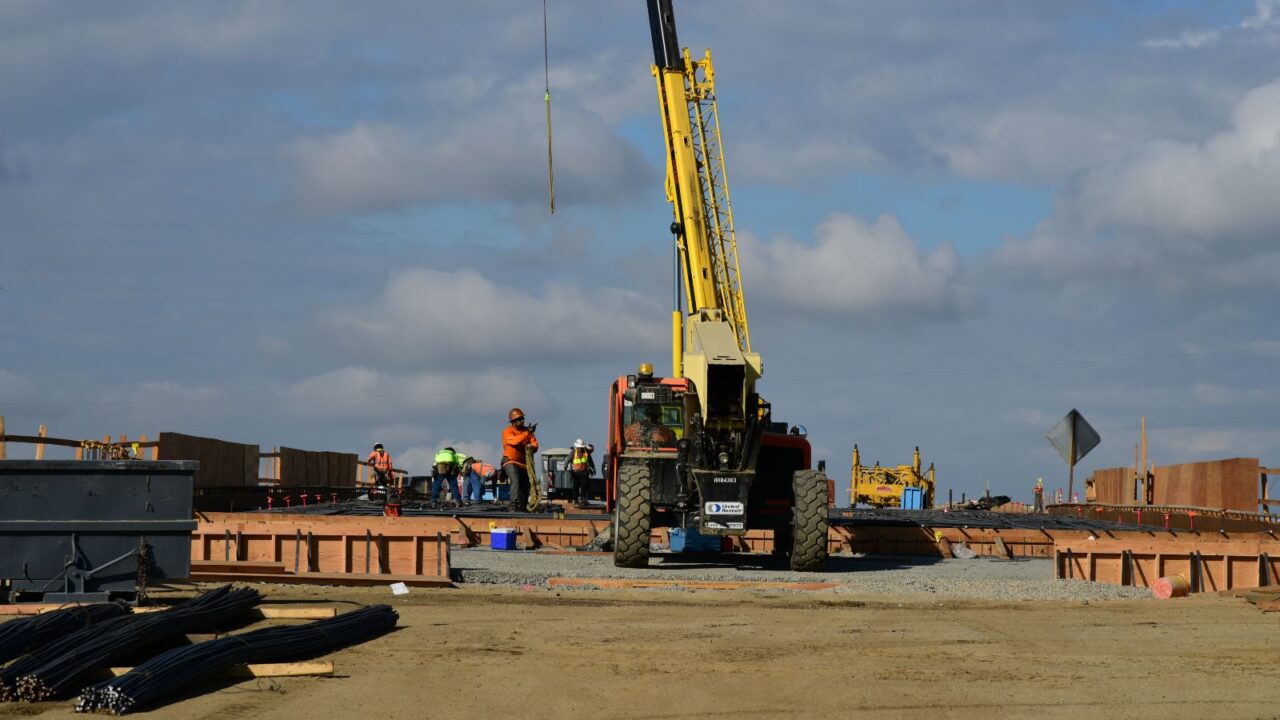
California has invested in upgrades along CA 99, including widening and interchange improvements. These changes help, but progress is uneven. Large portions of the highway remain unchanged.
The fatality rate staying high suggests improvements are not keeping pace with traffic growth. Partial fixes can reduce congestion without fully addressing safety. Until design flaws are corrected consistently, the risk profile remains stubborn.
Driver behavior still matters
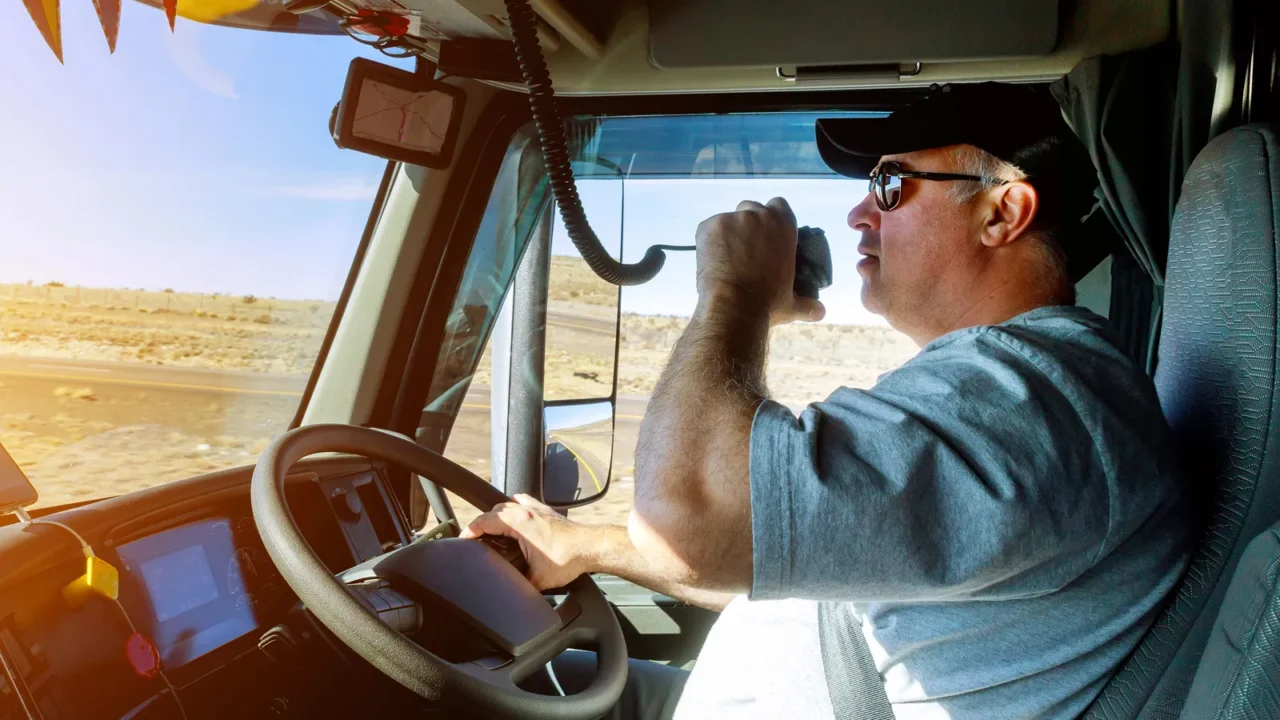
Infrastructure explains much, but driver behavior still plays a role. Speeding and distraction turn limited roadway margins into fatal conditions. On CA 99, there is little forgiveness for inattention.
Night driving, phone use, and aggressive lane changes increase risk dramatically. The study does not blame drivers alone, but it shows how behavior interacts with design flaws. On this highway, safe habits matter more than most drivers realize.
How CA 99 compares nationally
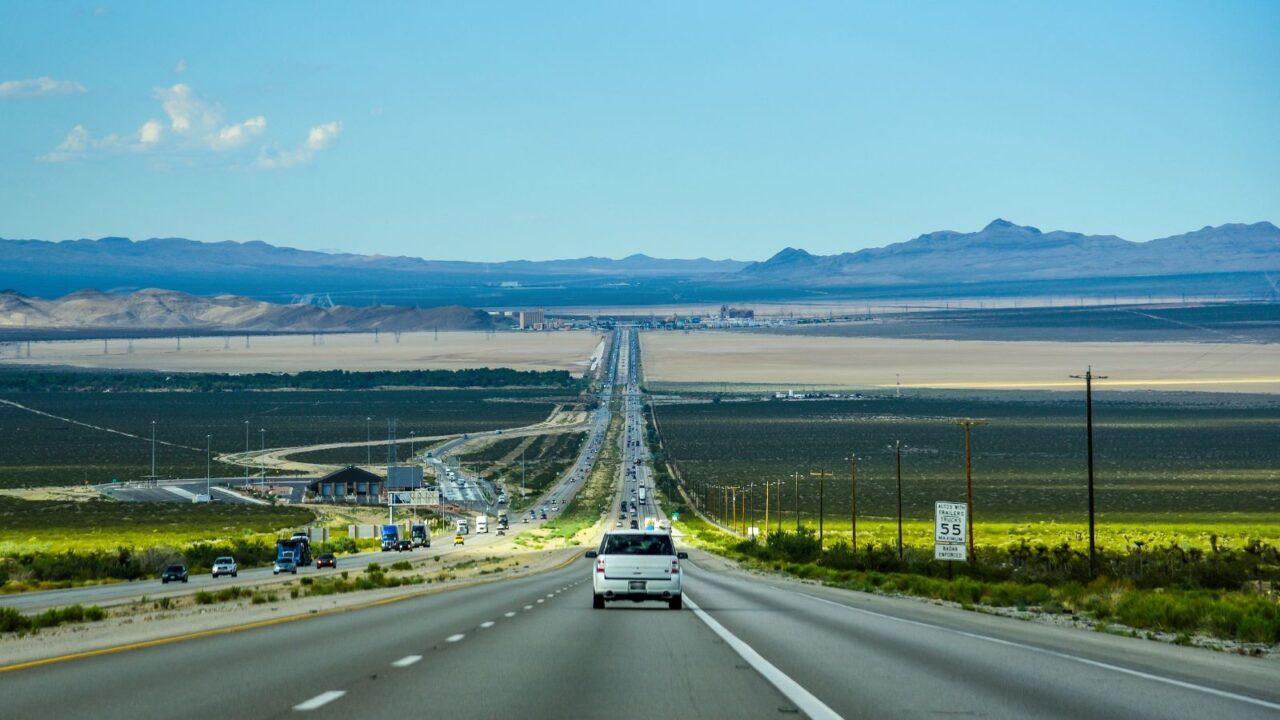
Nationally, CA 99 ranks among America’s most dangerous highways by fatality volume. Other routes, like I-15 between California and Nevada, show similar risks but for different reasons.
On I-15, studies cite speeding and impaired driving more than road design. CA 99 stands out because infrastructure issues persist regardless of enforcement. That distinction makes it harder to fix quickly.
Other risky roads offer context
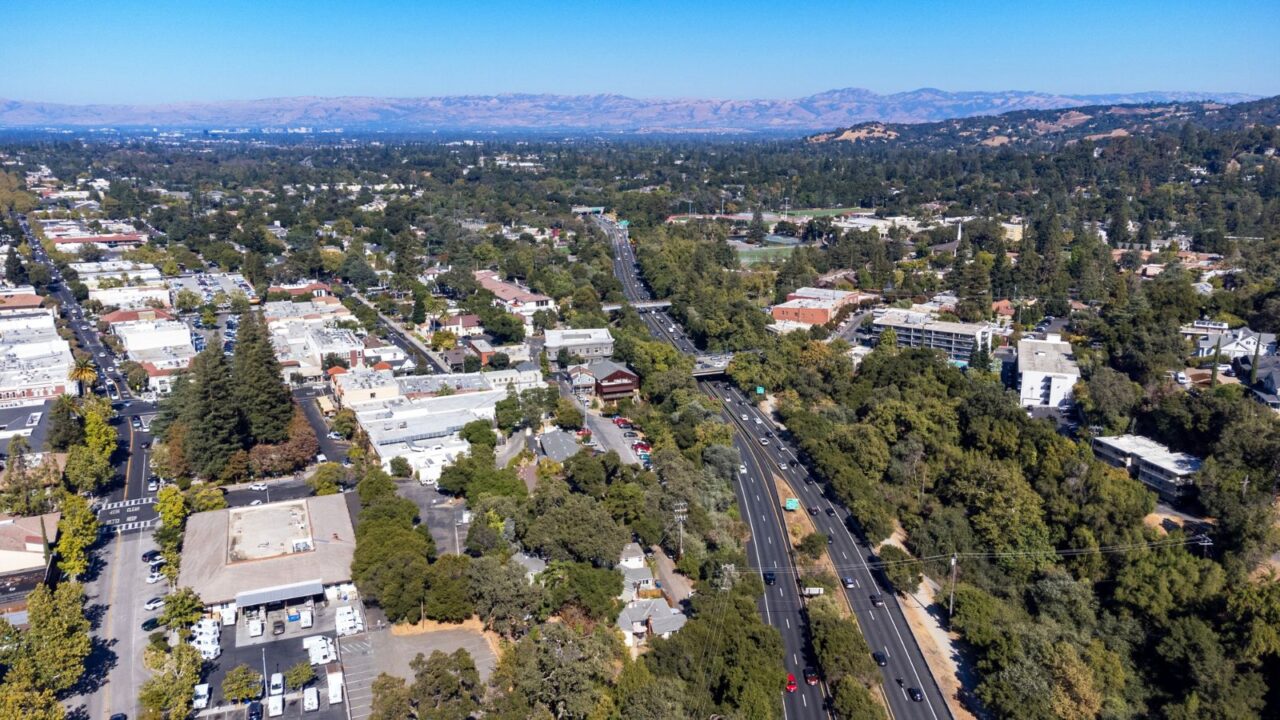
California’s Highway 17 is dangerous due to curves and impatient drivers. Alaska’s Dalton Highway is risky because of the weather and isolation.
CA 99 differs because it combines everyday driving with an elevated fatality risk. It is not remote or scenic. It is routine. That normalcy makes the danger easier to underestimate.
Drivers cannot redesign highways, but they can reduce exposure. Slowing slightly below traffic flow, increasing following distance, and avoiding night driving when possible all help.
For highway enthusiasts seeking to optimize their weekend road trips, here’s the ultimate plan, detailing how to prepare.
Why awareness matters more than fear
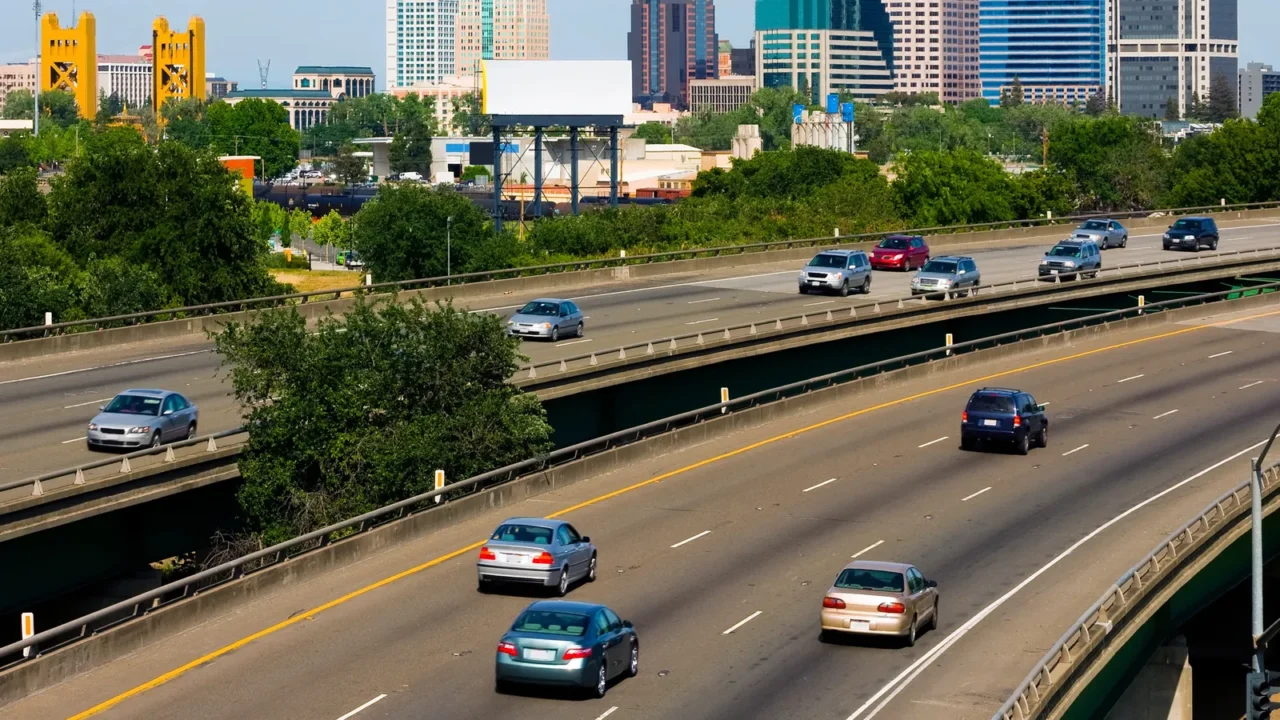
Labeling a road as dangerous is not about alarm. It is about visibility. Awareness allows drivers to adjust their behavior before problems arise.
Studies like this one highlight patterns that agencies and drivers often overlook. CA 99’s reputation may finally push sustained investment and smarter planning. Until then, informed drivers remain the first line of defense.
Another highway earns the ominous name. Explore why this Texas highway is called Death Highway.
Have you driven on this highway? Share your experience in the comments.
This slideshow was made with AI assistance and human editing.
Don’t forget to follow us for more exclusive content right here on MSN.
Read More From This Brand:
