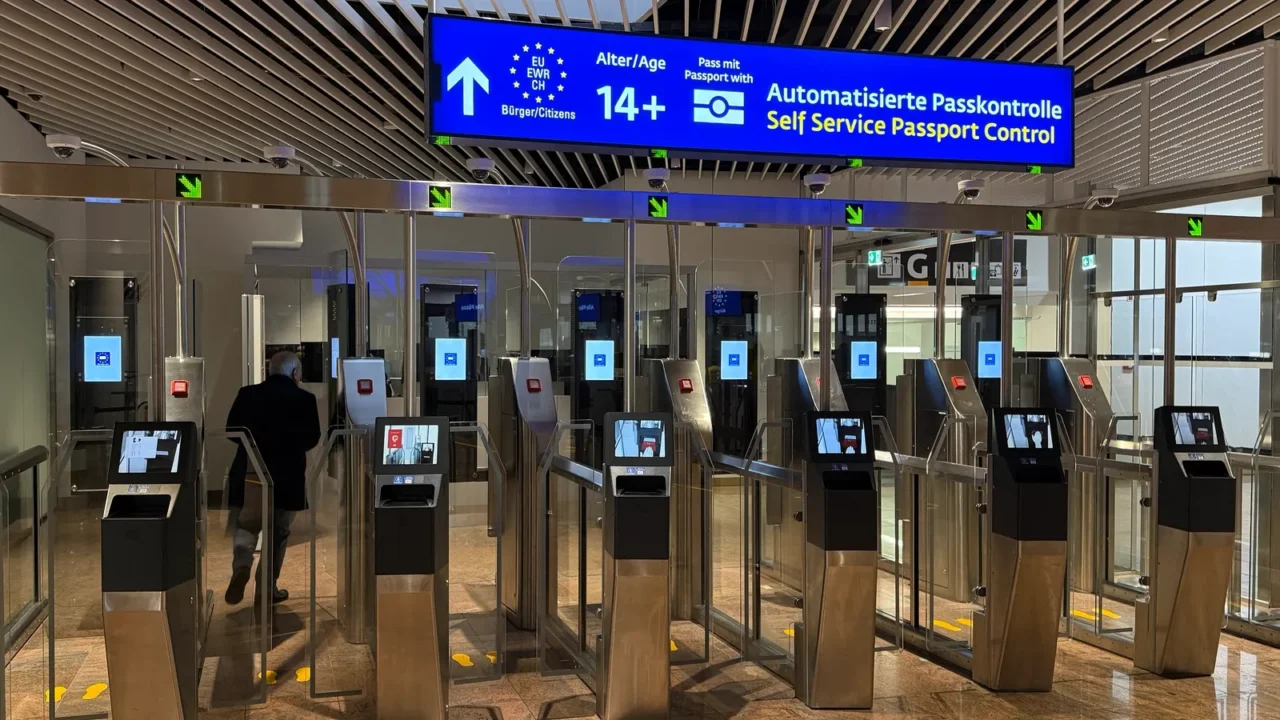
A new way departures
Airports around the world are quietly reshaping the way travel feels, replacing boarding passes and gate lines with a glance at a camera. Facial recognition systems are moving from pilot programs to everyday use, promising faster movement through terminals while raising new questions about privacy and trust.
From Asia to North America, major hubs are betting that seamless identity checks will redefine the journey itself. This global shift is not about technology alone but about how travel is experienced emotionally, from anticipation to arrival.
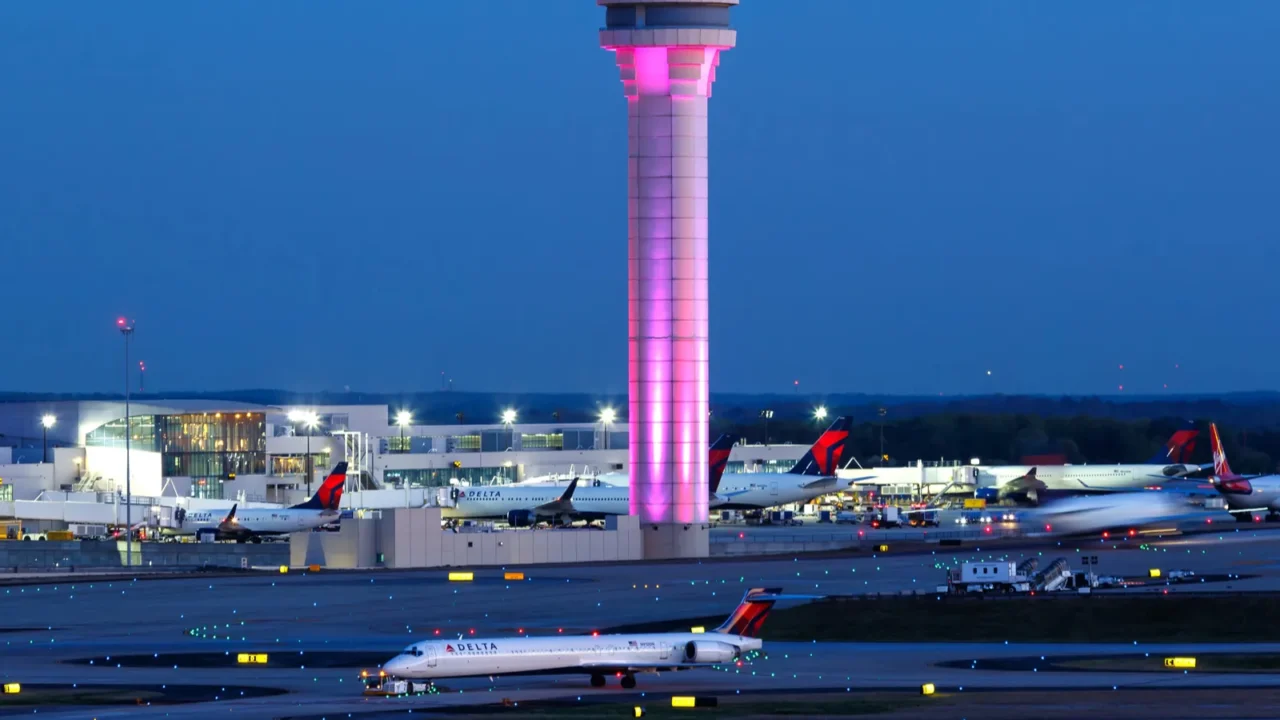
Atlanta Hartsfield–Jackson
Atlanta Hartsfield Jackson International Airport has become a testing ground for biometric boarding at scale, handling some of the world’s heaviest passenger volumes. Travelers on select international routes can board aircraft using facial scans matched to passport data, cutting boarding times dramatically.
The system is designed to feel invisible, reducing friction during peak hours while maintaining security standards. For many flyers, Atlanta offers a first glimpse of how future departures may feel faster, calmer, and more intuitive.
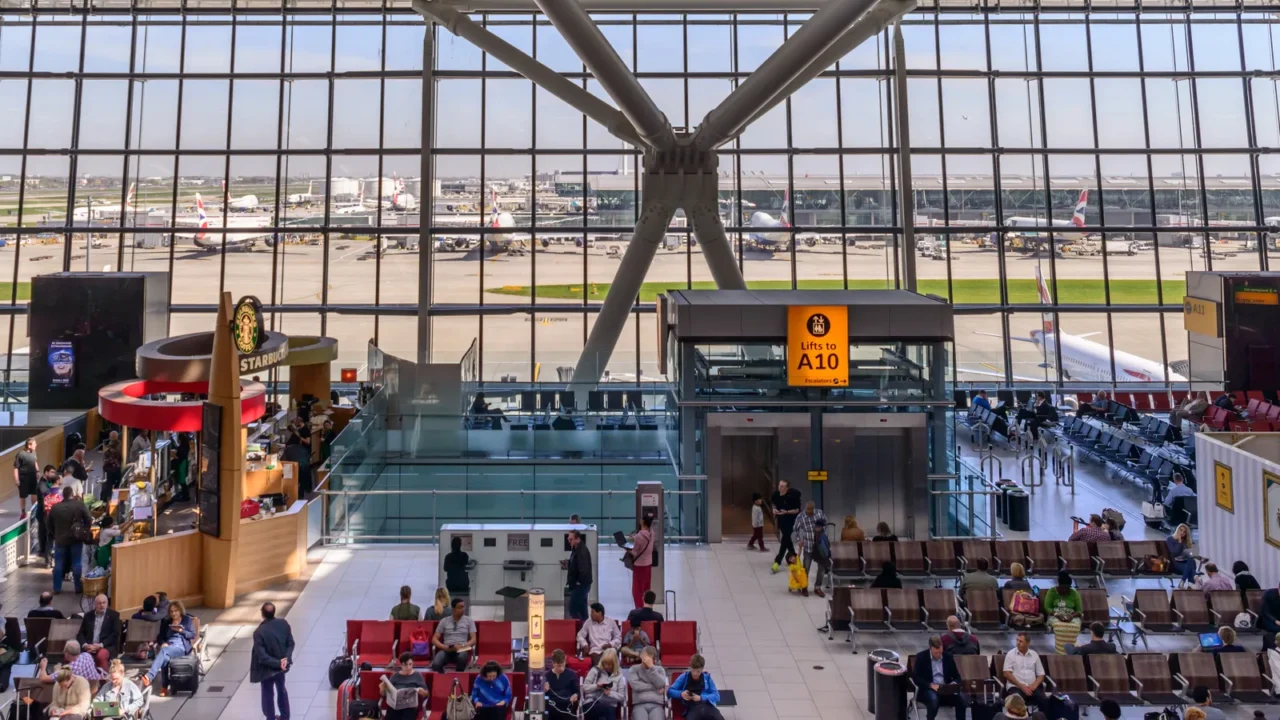
London Heathrow shift
London Heathrow is rolling out facial recognition boarding across multiple terminals, especially on transatlantic and European routes. Passengers who opt in can move from security to the gate with fewer document checks, relying on stored biometric data instead.
For one of the world’s busiest international airports, the goal is consistency and flow. Heathrow’s approach reflects a broader United Kingdom push to modernize borders while preserving a familiar travel rhythm for global visitors across global generations.
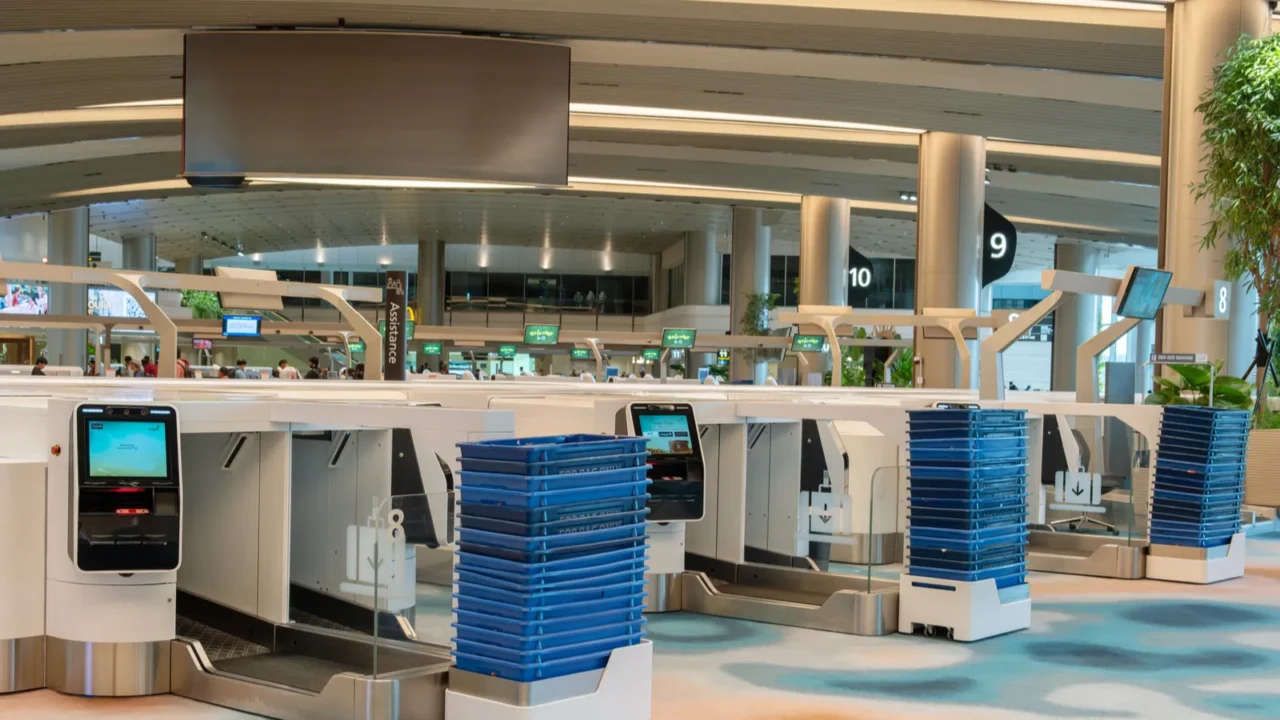
Singapore Changi vision
Singapore Changi Airport has long embraced automation, and facial recognition now anchors its end-to-end passenger journey. Travelers can check in, clear immigration, and board flights using a single biometric identity, reducing repeated checks.
The system supports Changi’s reputation for calm efficiency while handling massive regional traffic. By integrating technology quietly into the background, Singapore shows how innovation can enhance comfort rather than overwhelm the traveler during Singapore shows how innovation can enhance comfort rather than overwhelm the traveler during modern journeys.
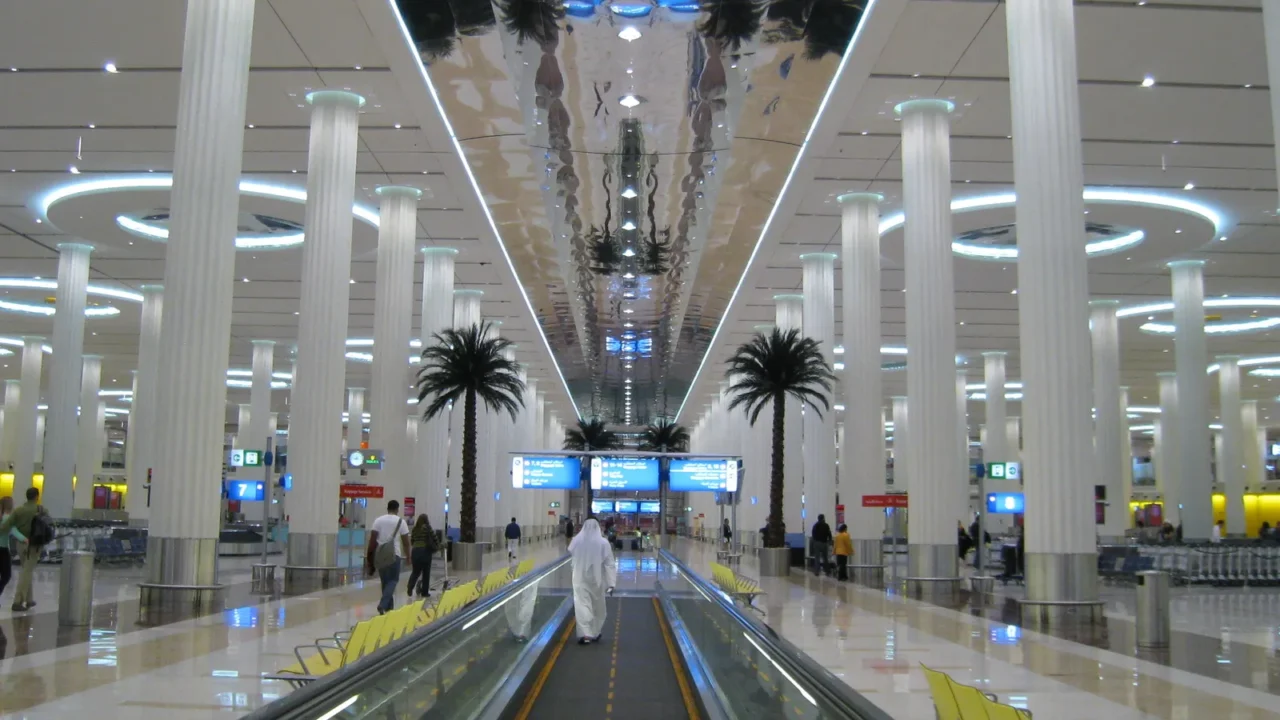
Dubai smart gates
Dubai International Airport is expanding facial recognition through its Smart Gates program, allowing passengers to pass border control without presenting documents. Cameras verify identity in seconds, aligning with Dubai’s ambition to be a leader in futuristic travel.
With millions of international connections flowing through the city, speed matters. Dubai’s biometric systems aim to balance luxury, security, and scale, turning what was once a bottleneck into a smooth transition for global travelers.
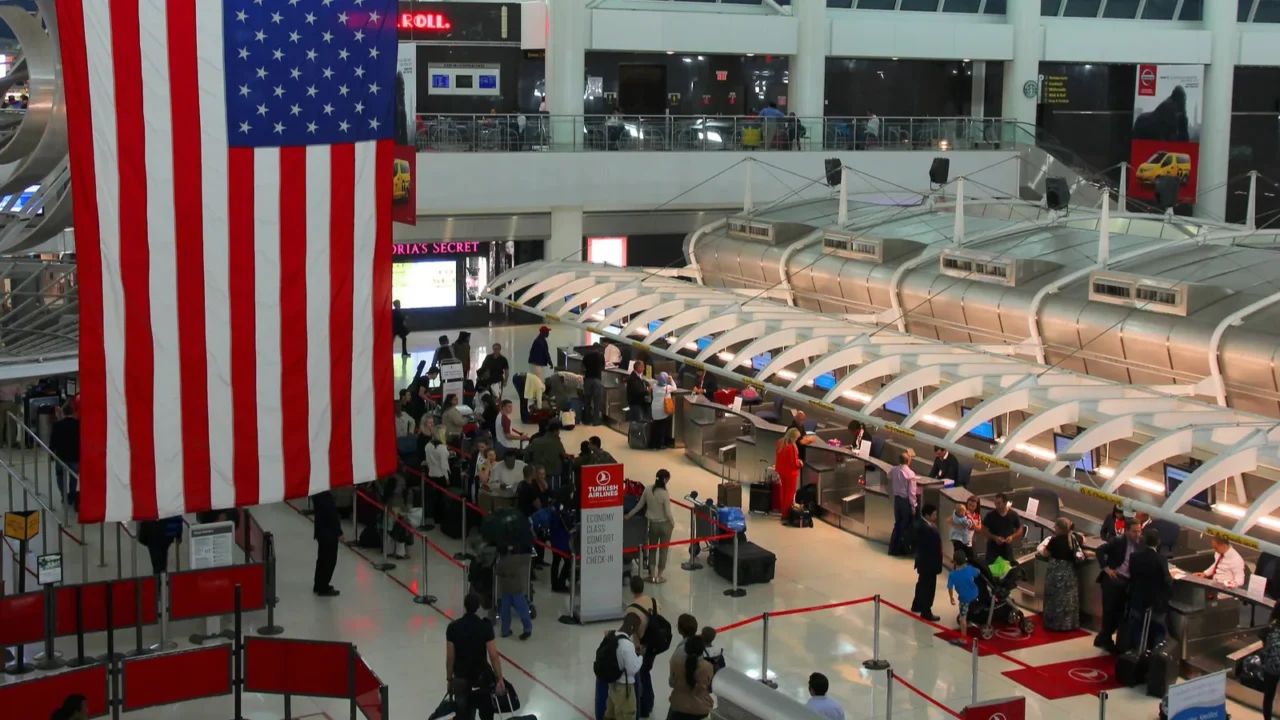
New York JFK
New York’s John F. Kennedy International Airport is adopting facial recognition boarding in partnership with airlines on international departures. For a gateway city defined by constant motion, the technology helps reduce congestion at gates.
JFK’s rollout reflects broader United States efforts led by federal agencies and airport authorities. While participation remains voluntary, many travelers appreciate a process that feels faster without sacrificing the sense of control during peak international travel seasons.

Tokyo Narita
Tokyo Narita Airport is introducing facial recognition to streamline departures for international travelers. The system connects check-in, security, and boarding, reflecting Japan’s focus on precision and reliability.
As visitor numbers rebound, Narita aims to reduce stress without losing its orderly atmosphere, aligning with Japan’s culture of efficient travel.
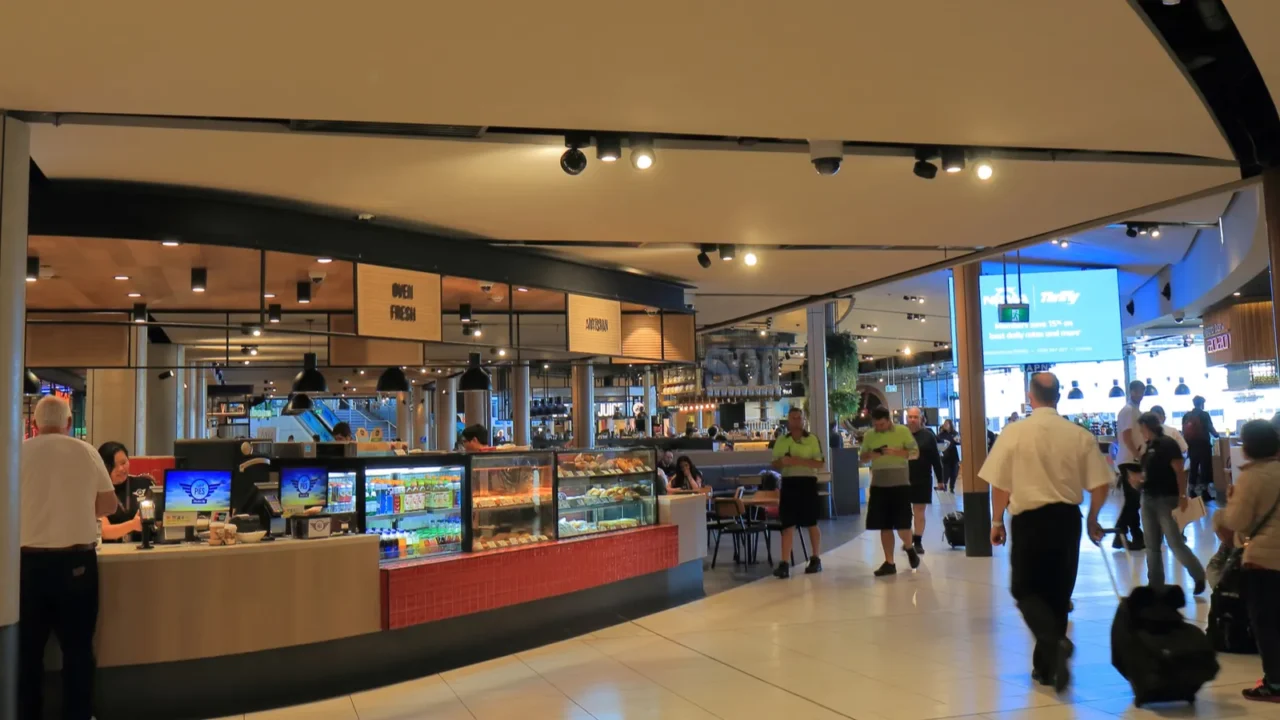
Sydney biometric boarding
Sydney Airport is expanding biometric boarding trials as part of Australia’s broader push toward digital travel identity. Facial recognition allows passengers to move through checkpoints with fewer manual inspections.
For a country defined by long-haul travel, efficiency at departure points is critical. Sydney’s approach focuses on transparency and consent, aiming to build trust while modernizing one of the Southern Hemisphere’s busiest hubs during peak international holiday travel periods.
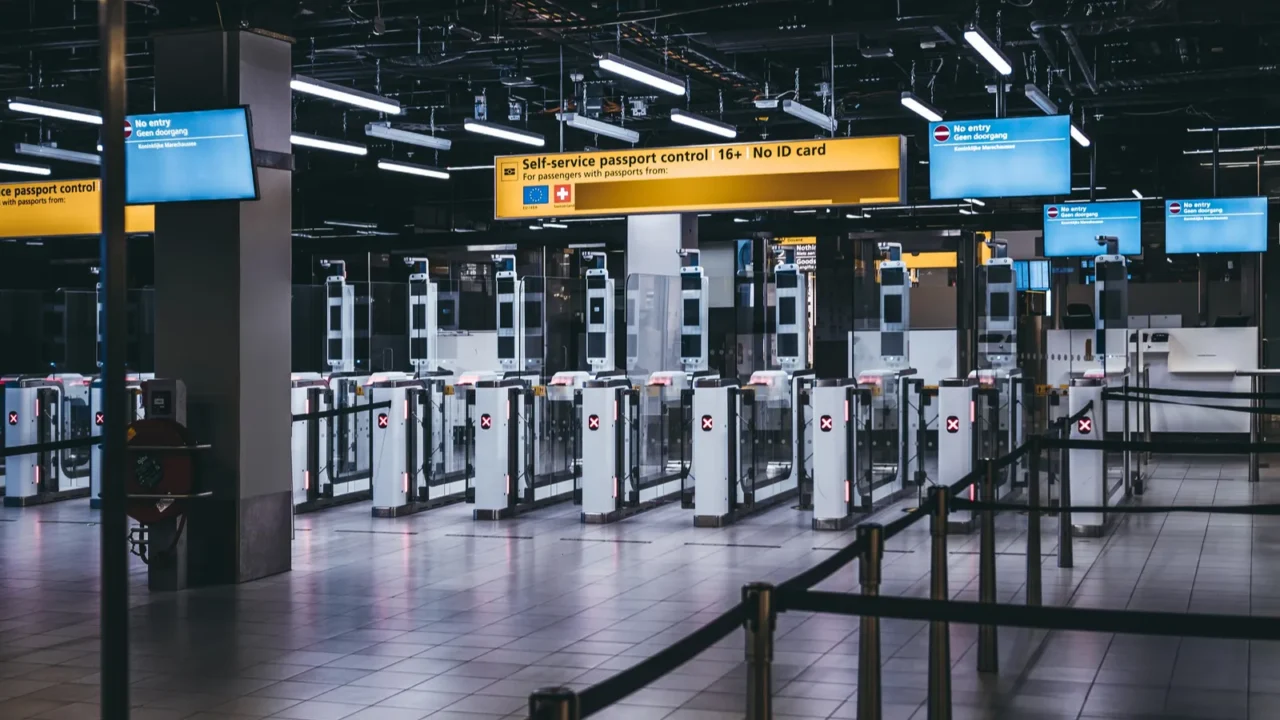
Amsterdam Schiphol
Amsterdam Schiphol Airport is integrating facial recognition into its self-service boarding process, especially for European and intercontinental flights. The goal is smoother passenger flow across compact terminals.
Schiphol’s design already encourages walking and visibility, and biometrics support that openness. By reducing queue time, the airport reinforces its reputation for thoughtful design that puts the traveler’s experience first during busy travel days across Europe and beyond consistently today worldwide smoothly for modern international mobility needs.
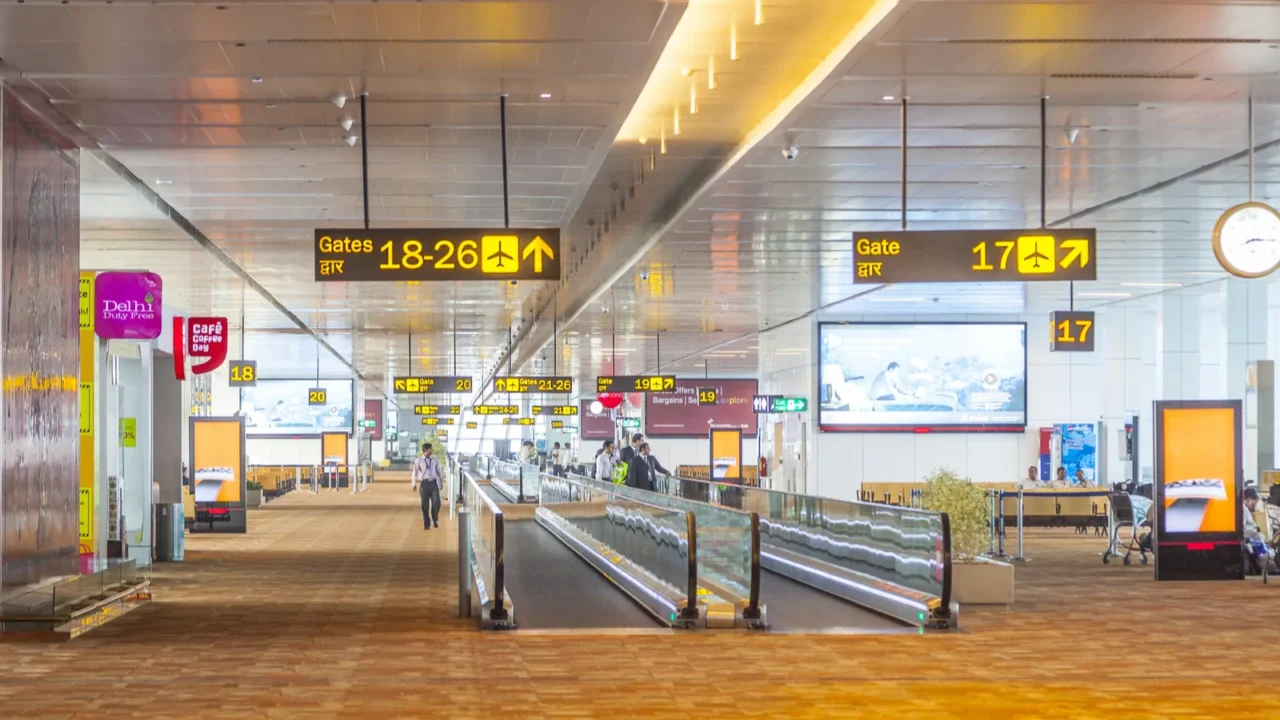
Delhi DigiYatra
Indira Gandhi International Airport in Delhi is using the DigiYatra platform to enable facial recognition boarding for domestic travelers. Passengers link their identity to a mobile app, simplifying airport entry and boarding.
As one of India’s fastest-growing aviation hubs, Delhi faces immense volume pressure. Biometric systems help move crowds efficiently while supporting a rapidly digitizing travel ecosystem across major cities nationwide each year, with scale today increasing and public awareness efforts expanding steadily nationwide.
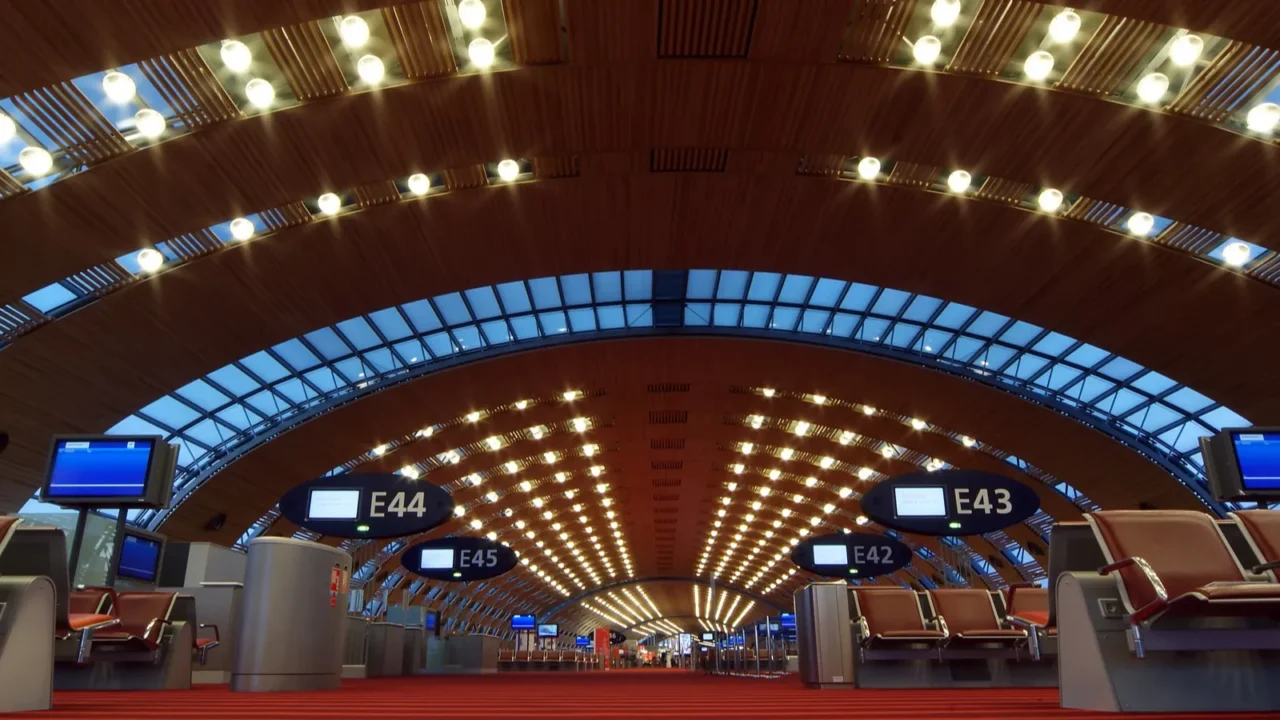
Paris Charles de Gaulle
Paris Charles de Gaulle Airport is expanding biometric boarding on select international routes, blending advanced technology with a complex terminal layout. Facial recognition reduces document checks at gates.
For a hub connecting Europe to the world, reliability matters. Paris focuses on incremental adoption, ensuring systems work smoothly before wider expansion while maintaining the character of a historic gateway during ongoing passenger growth cycles across continents today worldwide, steadily evolving practices within modern aviation standards globally.
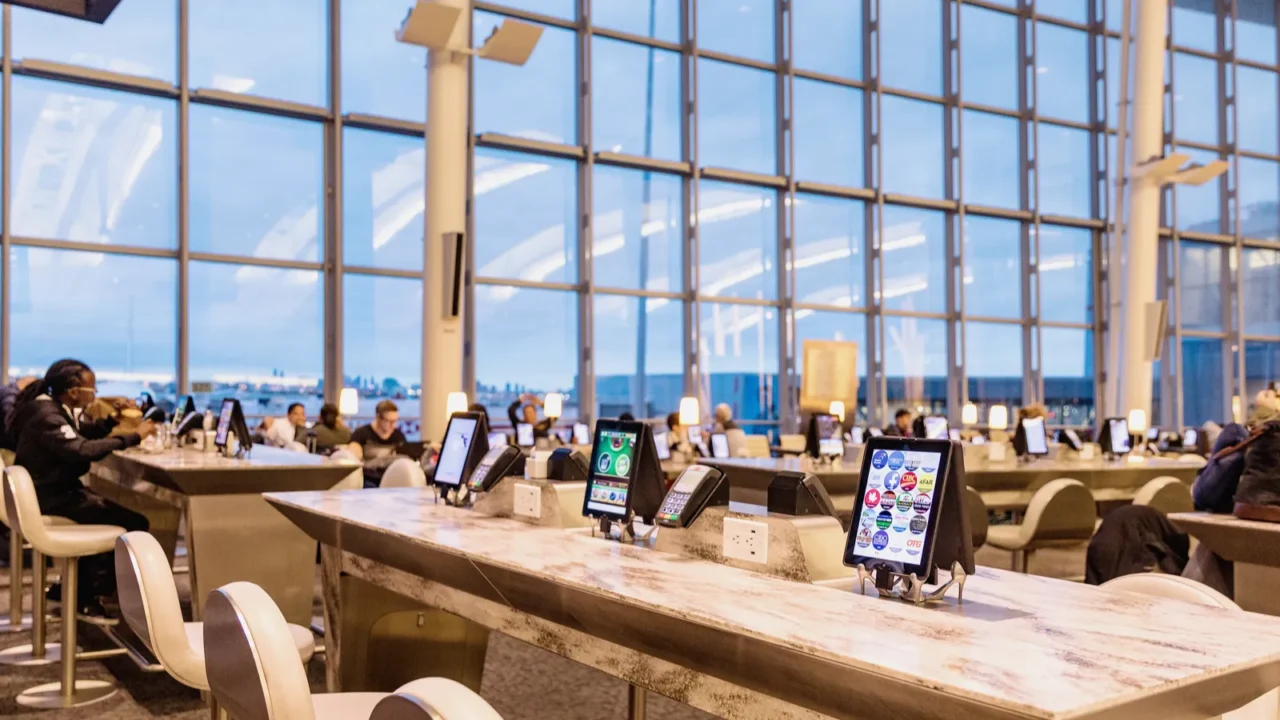
Toronto Pearson
Toronto Pearson International Airport is rolling out facial recognition boarding in collaboration with airlines and border agencies. The focus is on international departures where time savings are most noticeable.
As Canada’s busiest airport, Pearson balances innovation with public accountability. Clear opt-in policies and data protections are central to building confidence as biometric travel becomes more common across North America and global aviation networks today, steadily evolving quickly through government oversight and traveler education efforts nationwide. Explore how this technology can give you a stress-free airport experience, making every trip smoother and faster.
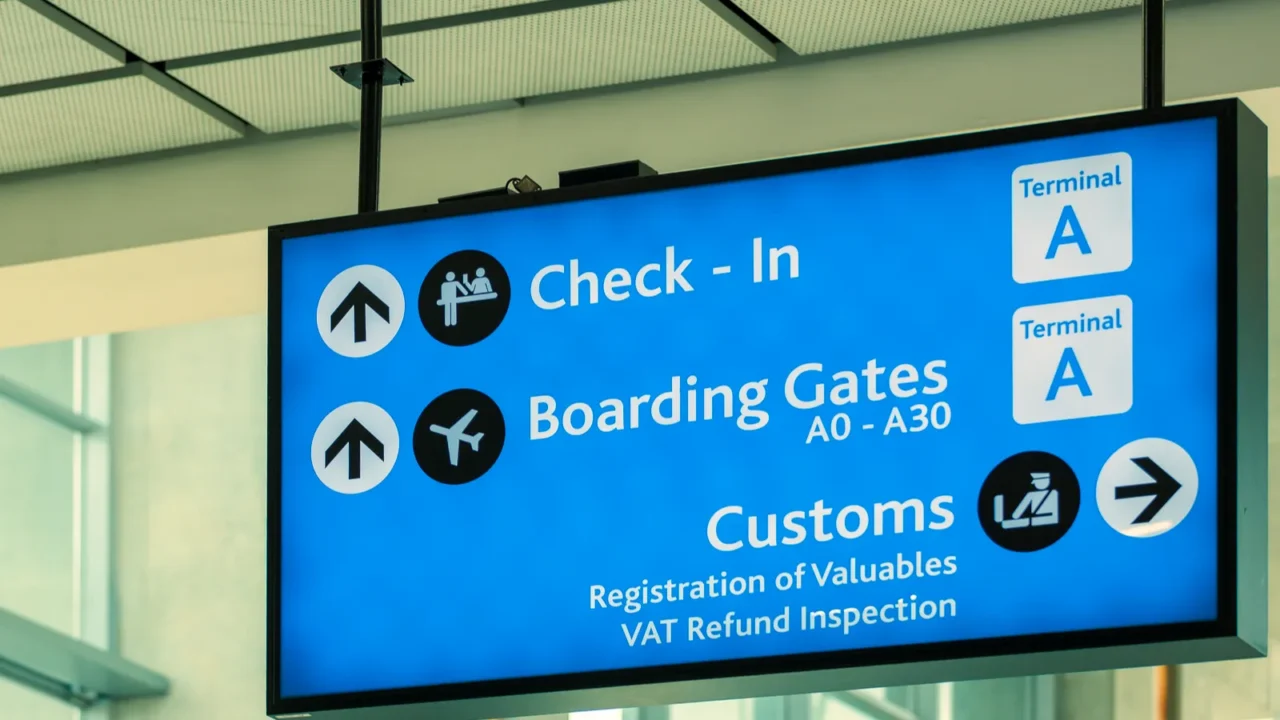
Borderless boarding era
Facial recognition boarding is no longer a futuristic concept, but a growing reality across the globe. Airports are redefining movement, replacing repetitive checks with seamless verification. As adoption spreads, the conversation expands beyond speed to trust, governance, and choice.
The future of air travel will depend on how well these systems respect people while quietly supporting journeys that change lives across cultures, countries, and generations worldwide today, thoughtfully and responsibly, helping shape the future of air travel. Plus, discover clever airport dining hacks that make layovers deliciously easy and stress-free.
Would you trust a single glance to carry you across borders and into new adventures? Share your thoughts in the comments.
This slideshow was made with AI assistance and human editing.
Don’t forget to follow us for more exclusive content right here on MSN.
Read More From This Brand:
