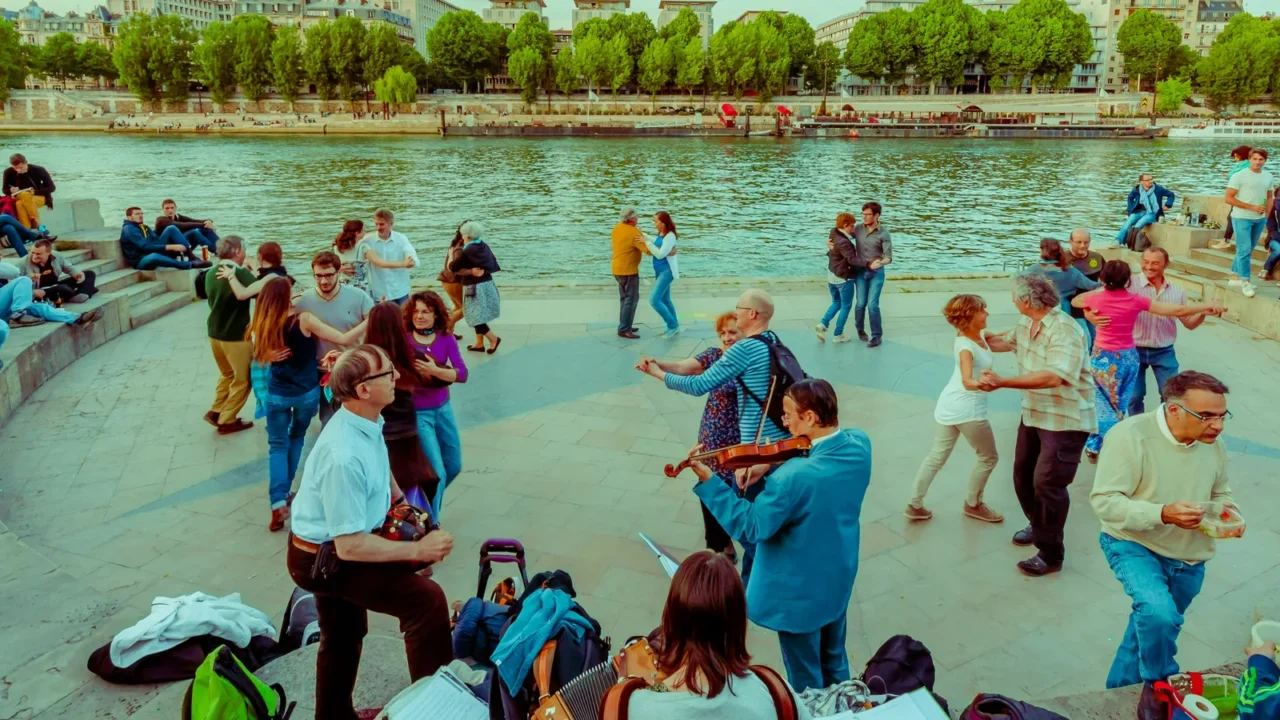
Cities feeling the strain
Famous cities are feeling the weight of their own popularity as visitor numbers continue climbing year after year. Streets in Paris, Barcelona, and Venice often feel packed long before midday. Locals and officials alike are searching for a better balance.
Governments now promote quieter rural regions as attractive alternatives. These places offer space, tradition, and slower travel rhythms. Let’s dive in!
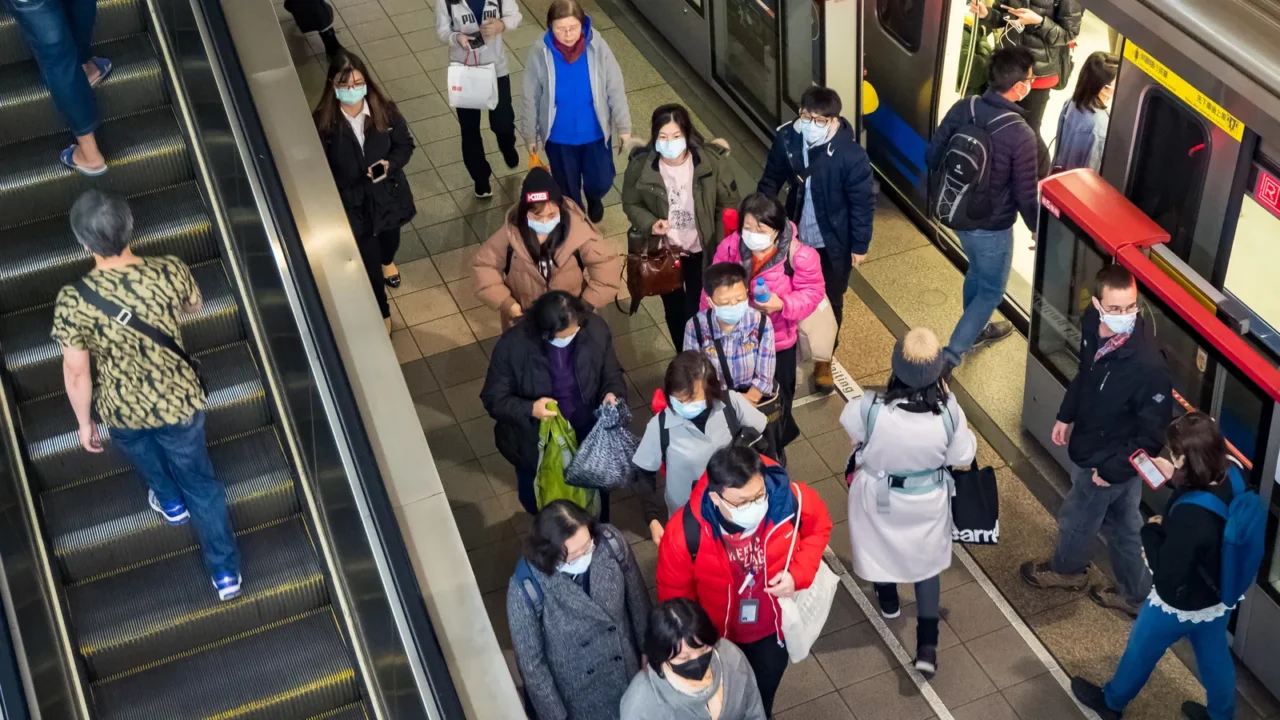
Why rural travel matters
Urban overcrowding strains housing, transit systems, and daily life for residents. Short-term rentals and congestion fuel frustration in major capitals. Rural tourism offers relief without reducing overall visitor numbers.
By redirecting travel, countries protect city infrastructure and quality of life. Visitors still experience culture but in calmer settings. Everyone benefits from a more even spread.
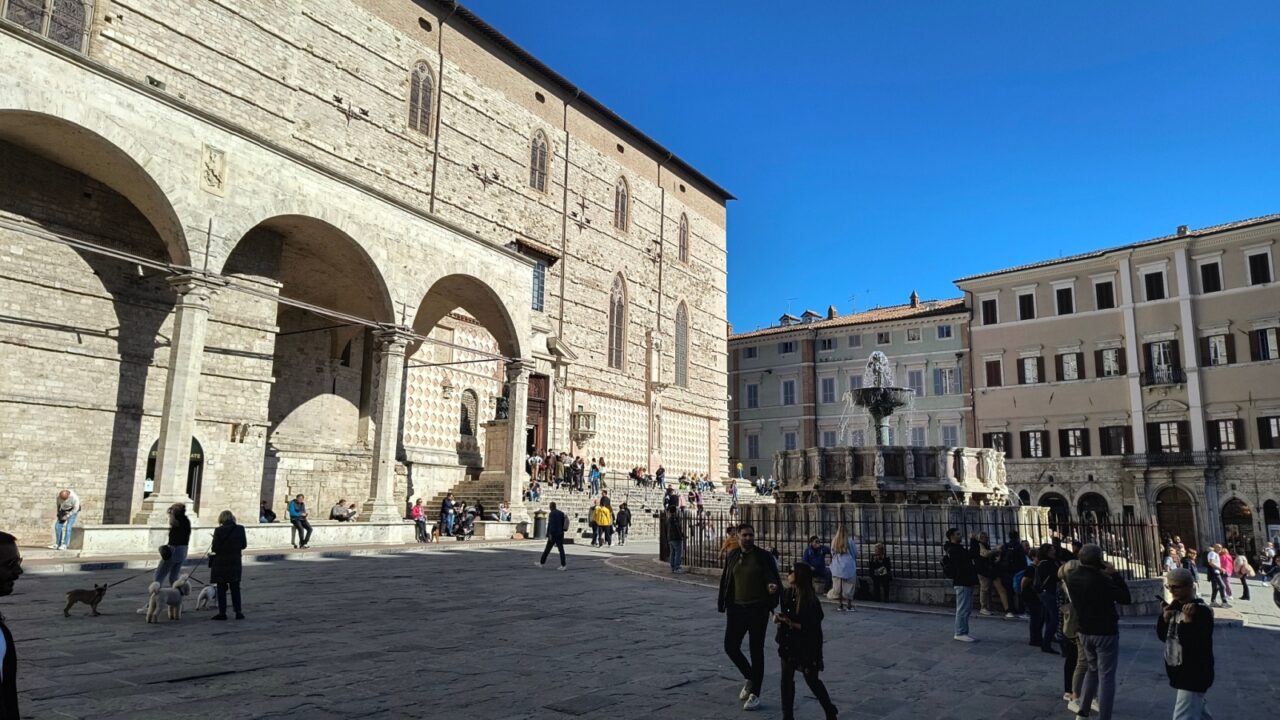
Italy’s countryside strategy
Italy encourages travel beyond Rome, Florence, and Venice through regional funding programs. Towns in Umbria, Abruzzo, and Basilicata receive tourism development grants. These areas highlight food traditions, vineyards, and historic villages.
Marketing now emphasizes agritourism and slow travel routes. Visitors stay longer and spend locally. Pressure eases in overcrowded historic centers.
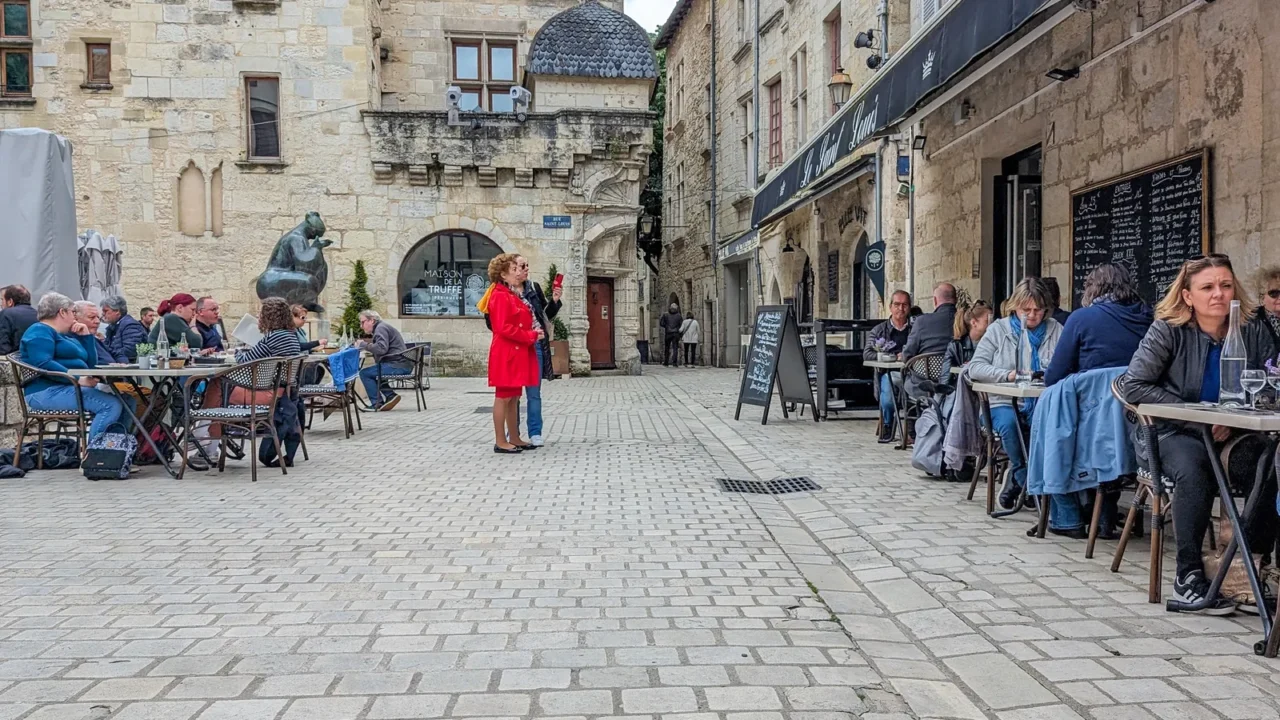
France beyond Paris
France promotes regions like Occitanie, Dordogne, and Auvergne to ease Paris congestion. National tourism campaigns spotlight rural markets and heritage villages. Scenic train routes support easier access.
Small towns gain visibility once reserved for big cities. Travelers enjoy authenticity without dense crowds. Paris breathes easier during peak seasons.
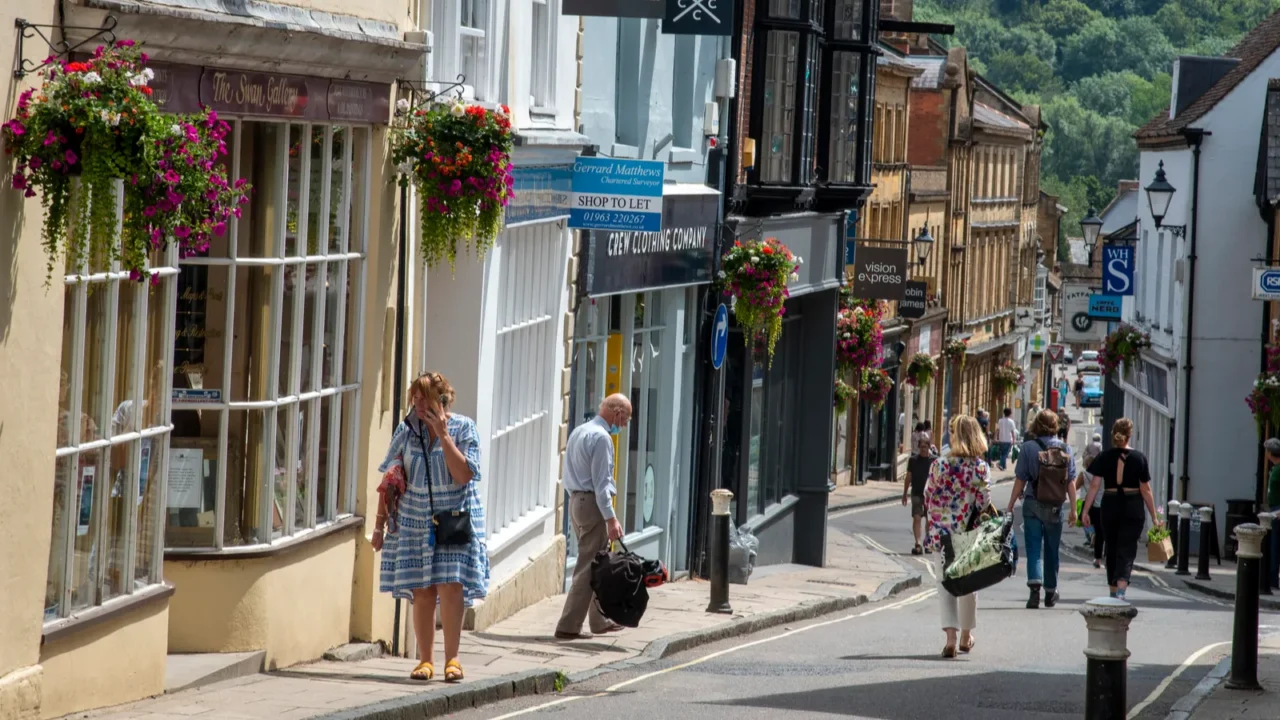
Spain spreads visitors
Spain actively redirects tourism from Barcelona and Madrid. Regions like Extremadura and Asturias receive marketing and infrastructure investment. Nature parks and historic towns lead the push.
Rural festivals and food tourism attract new interest. Visitors discover quieter cultural experiences. City overcrowding slowly stabilizes.
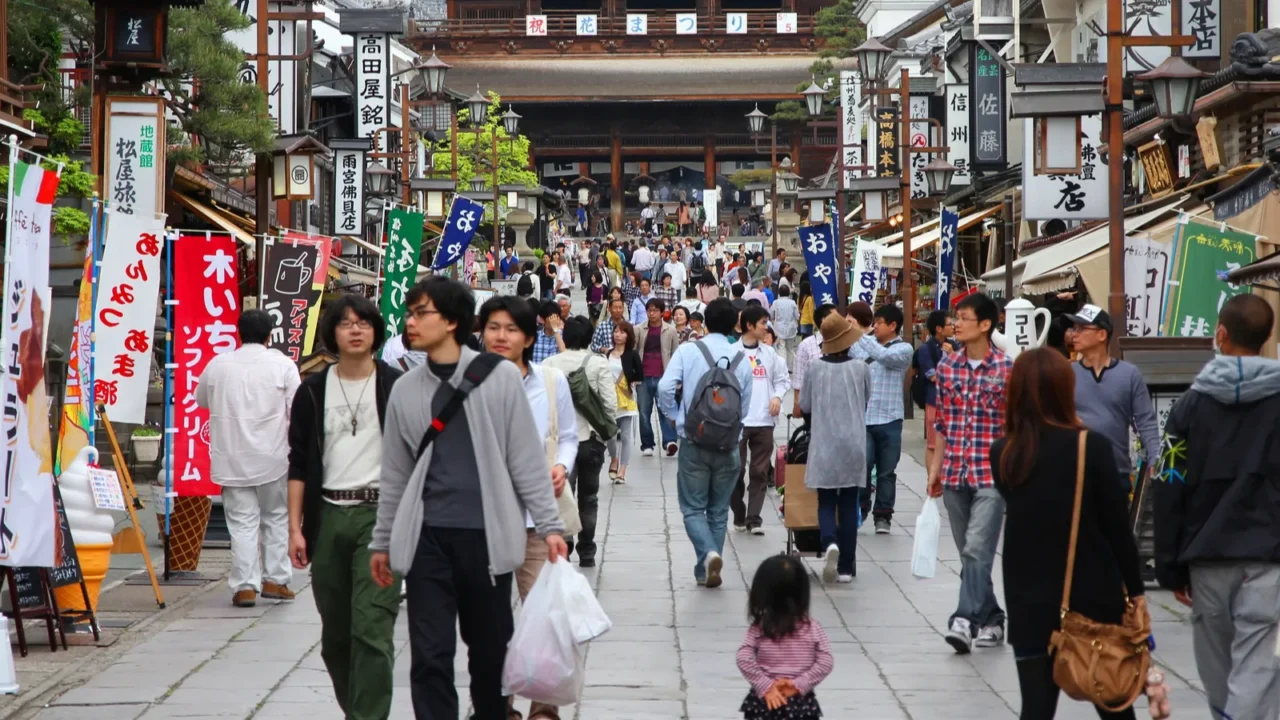
Japan’s regional revival
Japan promotes rural prefectures as alternatives to Tokyo and Kyoto. Places like Tottori, Nagano, and Shimane feature heavily in tourism campaigns. Improved rail access supports these efforts.
Local economies revive through guesthouses and food tourism. Visitors enjoy traditional life at a relaxed pace. Major cities see reduced strain.
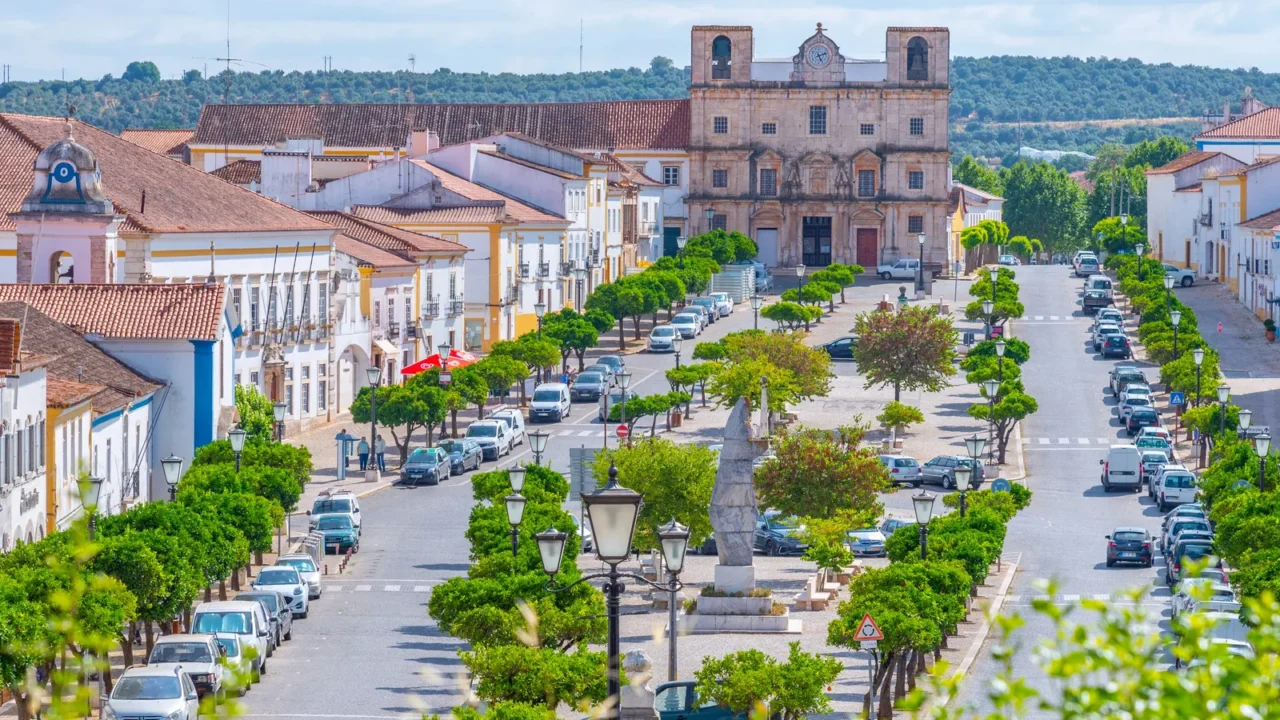
Portugal’s inland focus
Portugal encourages travel beyond Lisbon and Porto. The Alentejo and Centro regions receive tourism grants and marketing exposure. Wine routes and historic villages take center stage.
Rural stays extend visitor itineraries naturally. Small communities gain income stability. Coastal cities experience lighter seasonal pressure.
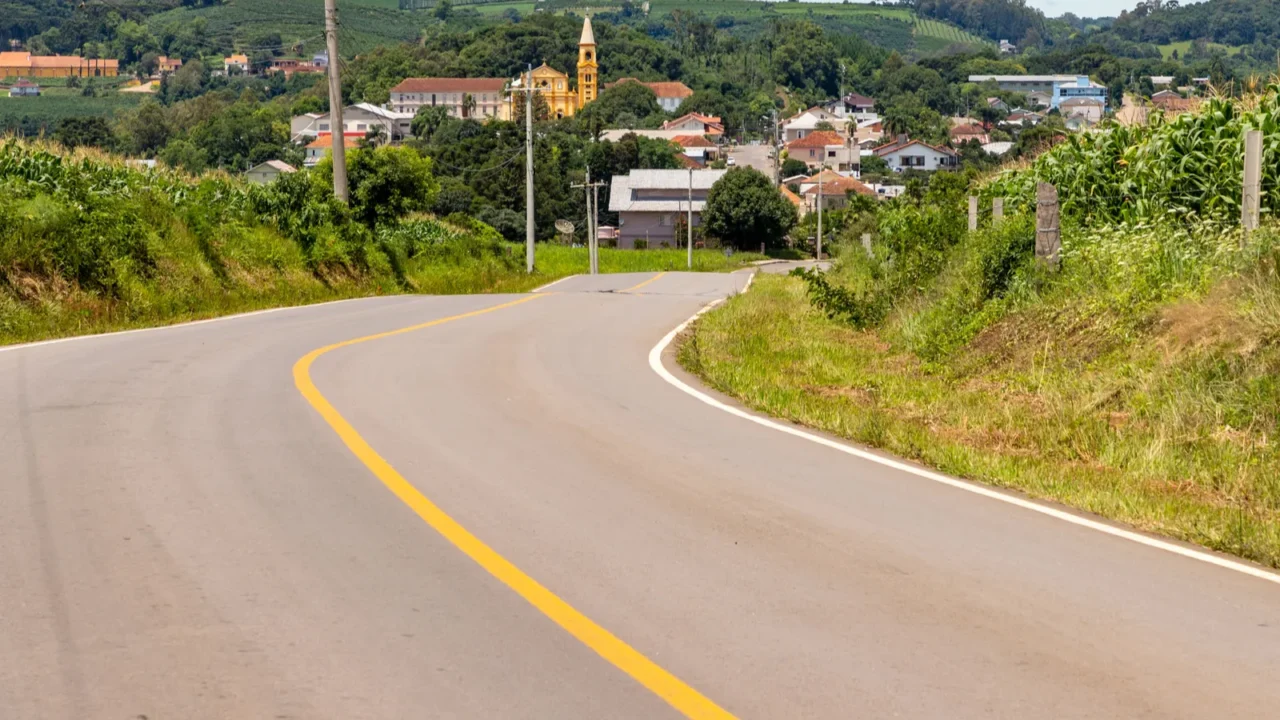
Infrastructure supports shift
Governments invest in rural roads, rail lines, and digital access. Connectivity makes smaller towns easier to reach and stay in. Comfort encourages longer visits.
These upgrades benefit residents year-round. Tourism funds broader regional development. Cities regain breathing room.
Local economies thrive
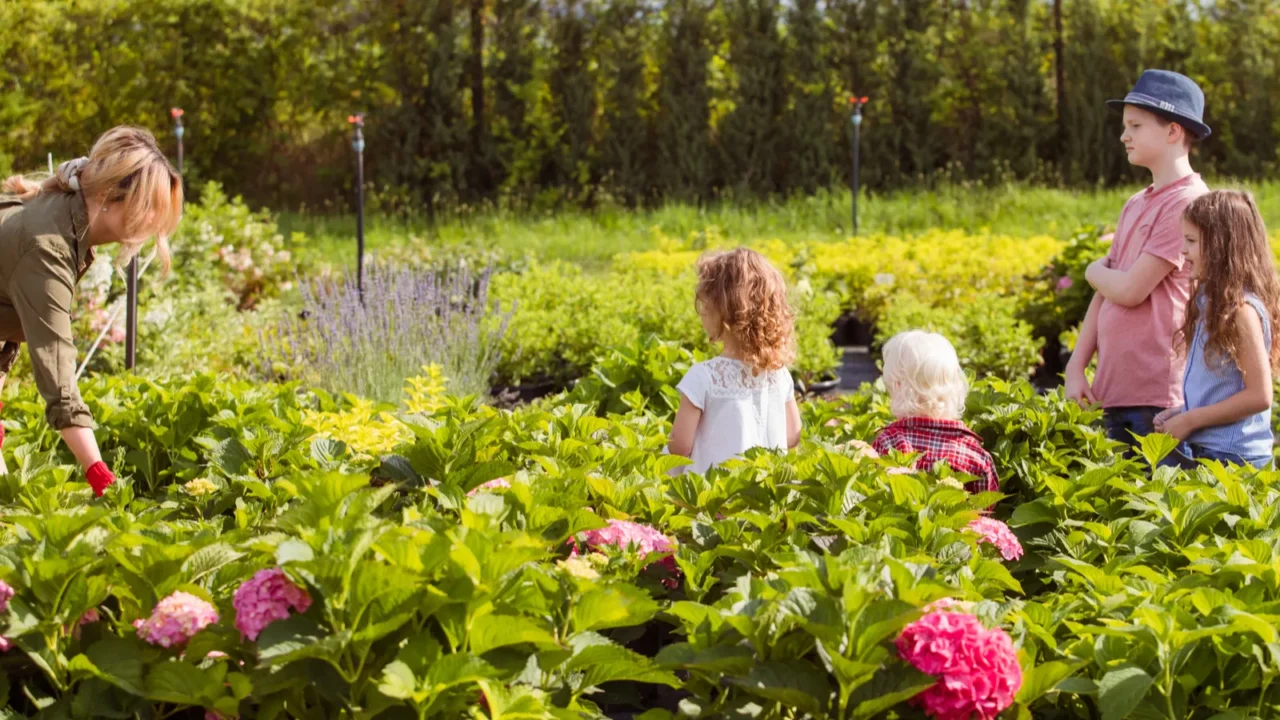
Rural tourism creates jobs outside major metros. Family-run hotels, farms, and guides see steady demand. Money circulates locally instead of concentrating in capitals.
Younger residents stay rather than relocate. Communities preserve traditions while earning sustainably. Tourism becomes a stabilizing force.
Nature becomes central
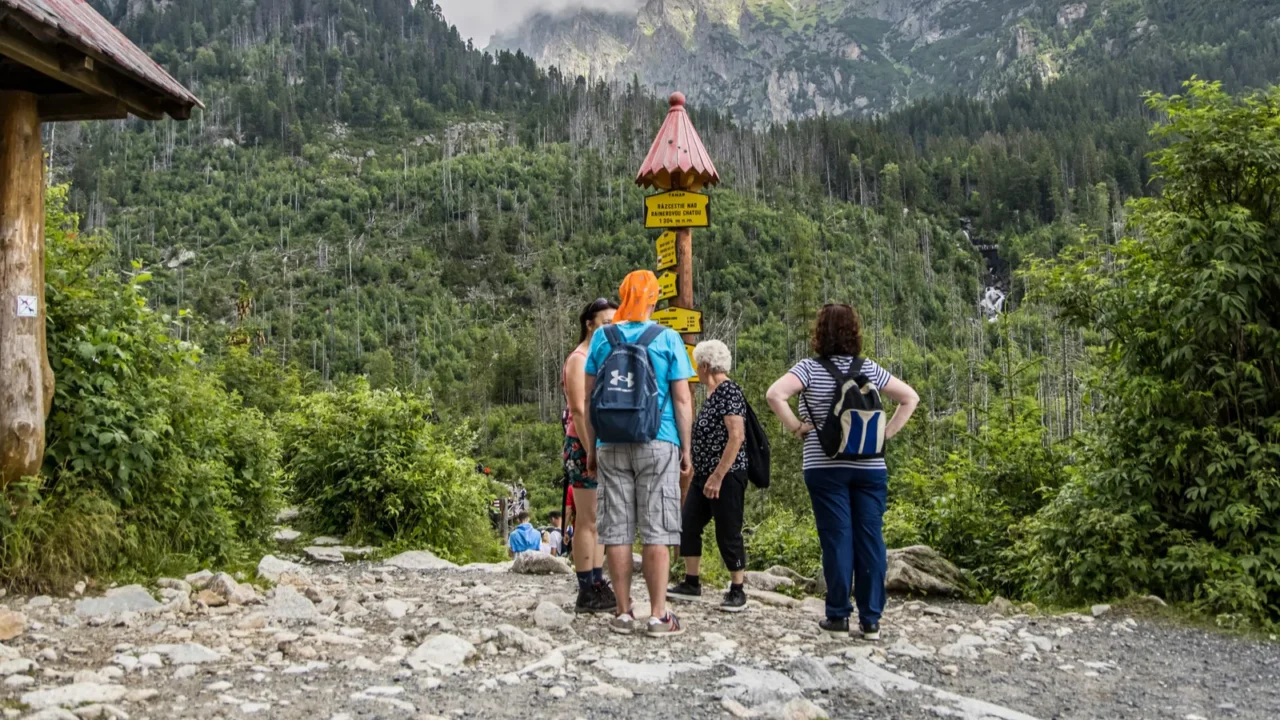
Countryside travel emphasizes landscapes over landmarks. Hiking routes in Slovenia, Norway, and Scotland draw steady interest. Nature absorbs visitors more gently than cities.
Environmental planning limits overcrowding. Visitors feel calmer and more connected. Cities regain balance during peak seasons.
Marketing changes behavior
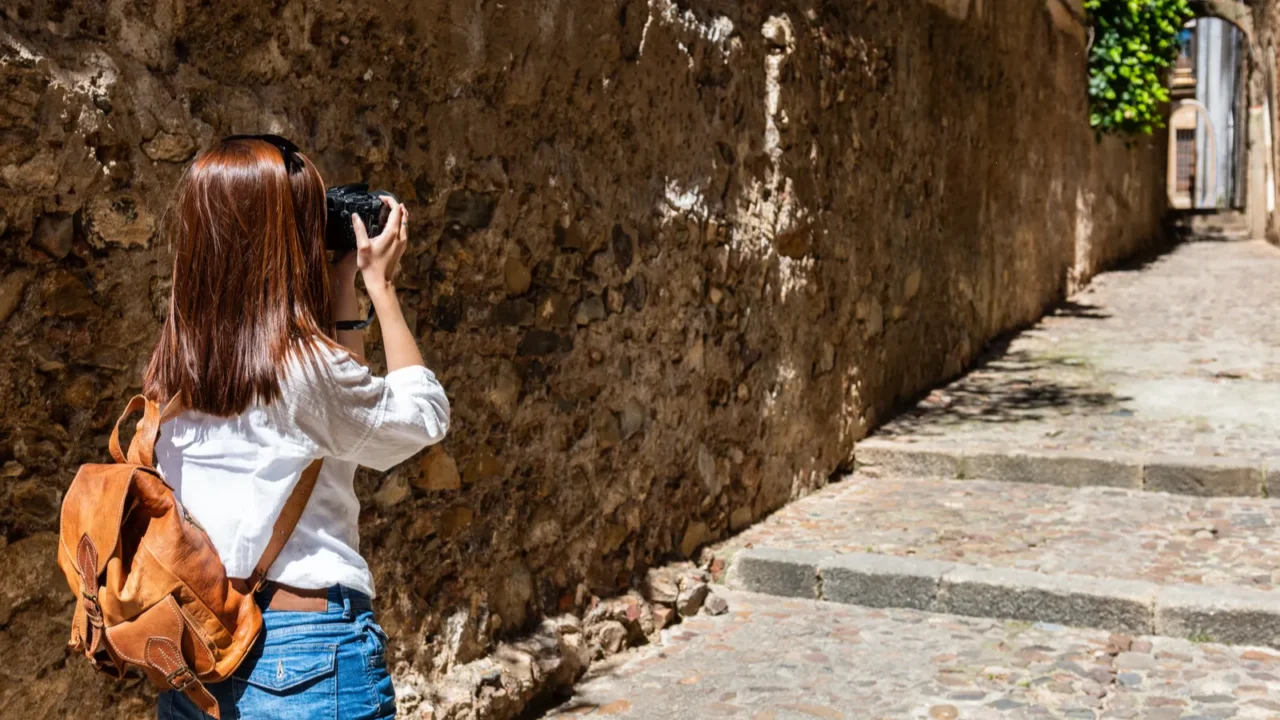
Tourism boards highlight villages instead of skylines. Social media campaigns spotlight slower travel moments. Expectations shift toward meaningful experiences.
Travelers follow storytelling over checklists. Rural destinations gain organic visibility. Urban pressure gradually softens.
Results already showing
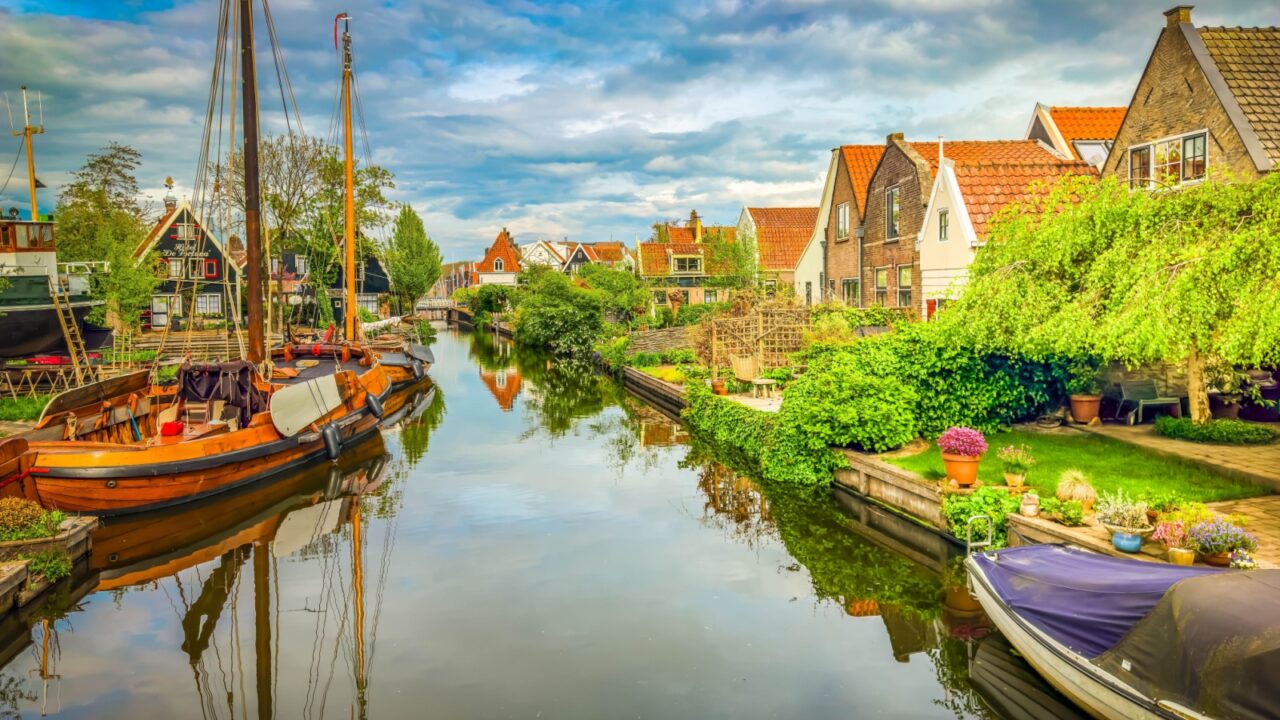
Venice, Amsterdam, and Barcelona now report slower crowd growth as visitor limits and smarter planning take effect. Nearby rural areas are seeing higher occupancy rates, especially in regions offering nature, privacy, and heritage stays. Balanced tourism feels achievable, and even celebrity choices reflect the shift, as Florence Pugh’s countryside reset highlights the quiet rise of rural luxury stays in Italy.
Policymakers refine strategies based on data. Success depends on thoughtful promotion. The model continues expanding.
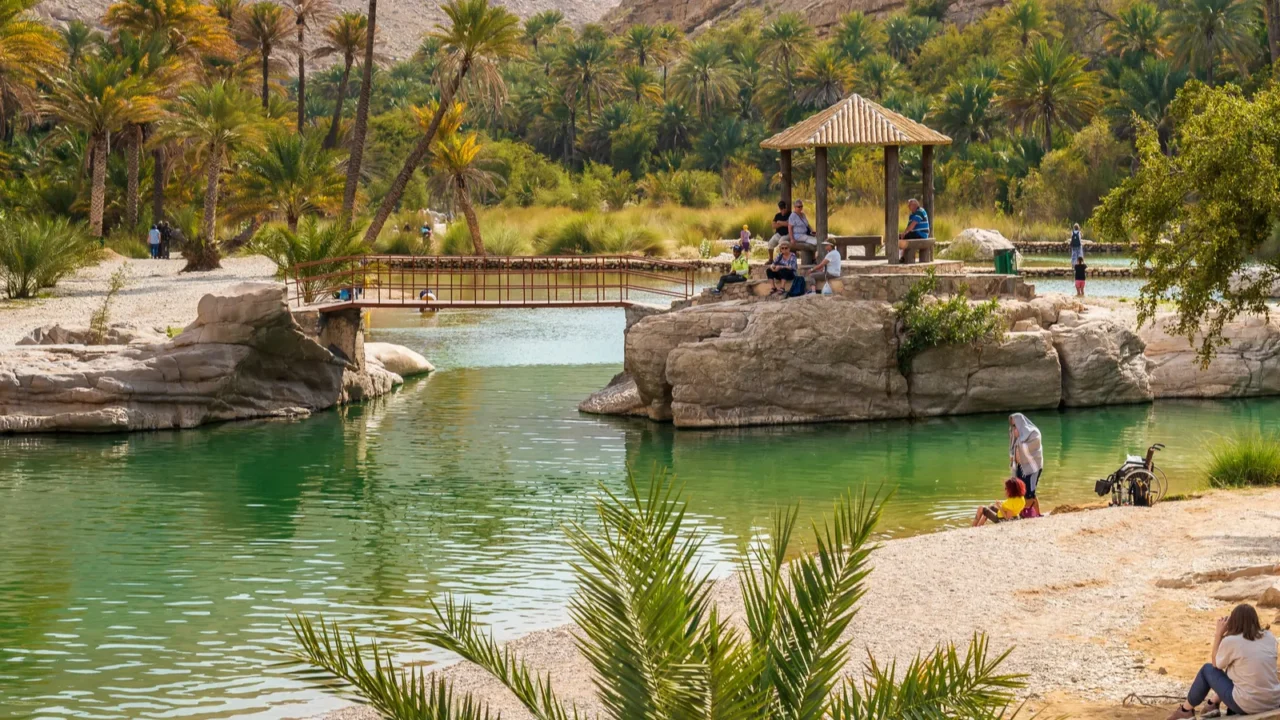
A calmer future ahead
Spreading tourism reshapes how countries welcome the world. Rural regions gain opportunity while cities recover livability. Travel feels richer and less rushed.
The best trips often happen beyond famous streets. Which countryside destination feels most appealing right now? Share your thoughts below!
This slideshow was made with AI assistance and human editing.
Don’t forget to follow us for more exclusive content right here on MSN.
Disclaimer: The photos are for representation only and do not depict the actual place.
Read More From This Brand:
