London just added a new reason to go
London can feel “already done” if you have seen the big hits once. That’s why new openings matter, especially when they are easy to build a trip around. The V&A East Museum opens on April 18, 2026 in Stratford’s Queen Elizabeth Olympic Park. It’s designed to feel modern, open, and welcoming, not stiff or old-fashioned.
If you love culture but hate feeling lost in a museum, this one is built to guide you. The whole point is creativity and storytelling, not “memorize this painting.” It’s also in an area that has been getting new venues and energy since the Olympic Park era. For travelers, that means you can do more in one neighborhood.

Free entry changes the whole vibe
One reason museums feel like a “maybe” stop is the cost adds up fast. V&A East plans free general entry, with some paid exhibitions or special events. That makes it easier to pop in, leave for lunch, and come back later. You do not feel pressure to “get your money’s worth” in one long stretch.
For Americans used to pricey attractions, free entry feels like a travel win. It also makes V&A East easier to recommend to families and students. If you are building a London trip on a budget, it becomes a high-value stop. You can spend your money on theater tickets, food, or a day trip instead. Free entry also tends to boost word-of-mouth buzz.

Stratford is not just a side trip now
Most visitors stick to central London, then run out of time. V&A East sits in Stratford, which has become a bigger travel zone than many people realize. It’s inside Queen Elizabeth Olympic Park, a place built for big crowds and easy movement. That matters if you are traveling with kids, older relatives, or limited time.
Stratford also works well for travelers who want a calmer home base. You can still reach classic areas quickly, but you are not stuck in the thickest tourist crush. This museum gives Stratford a major anchor attraction. It’s the kind of place that can turn a neighborhood into a must-visit stop. That is exactly how tourism clusters grow in big cities.
East Bank makes planning easier
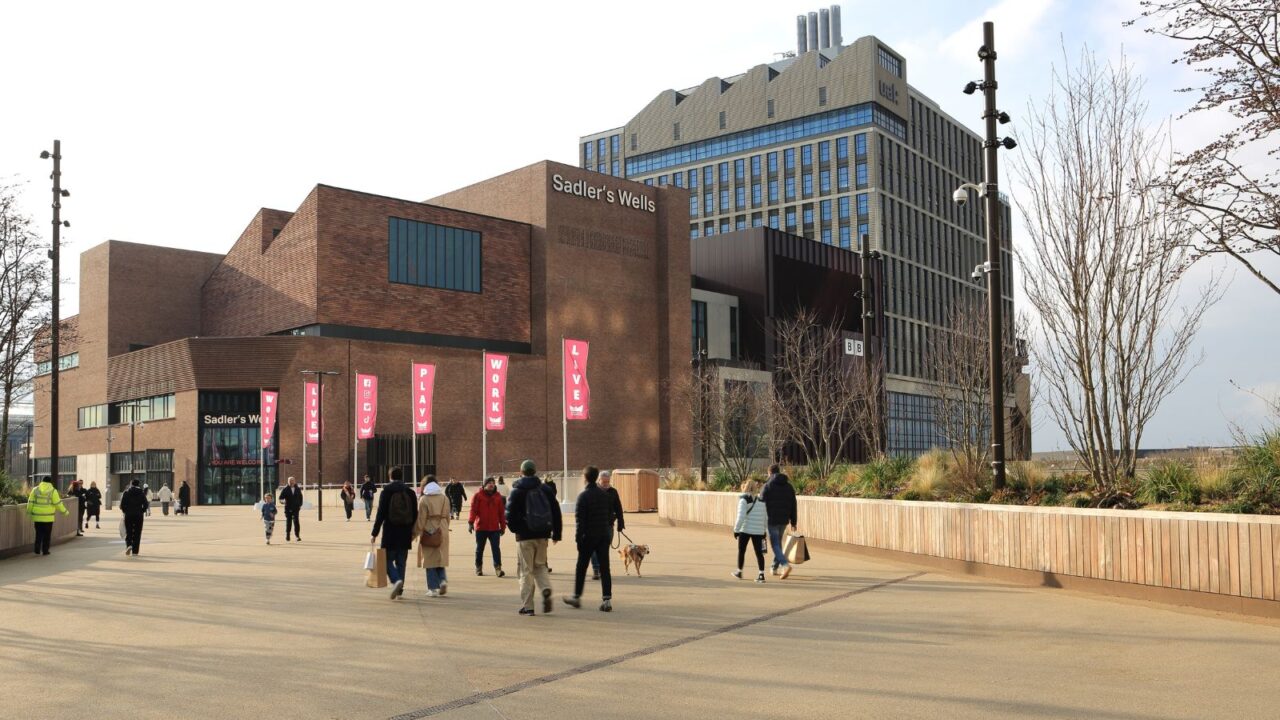
V&A East is part of the East Bank cultural quarter, which is the big travel-friendly point here. Nearby venues include BBC Music Studios, Sadler’s Wells East, and the London College of Fashion. Instead of bouncing across town, you can stack experiences close together. That is the kind of setup travelers love, especially on shorter trips.
This is also how cities keep visitors longer. When attractions are clustered, people add an extra hotel night. They spend more on meals, shows, and transit without even noticing. East Bank is designed for that “one area, many options” style of travel. If you like cities where you can walk from one cool stop to the next, this is the London version.
It’s about making, not just looking
Some museums feel like a quiet hallway of labels. V&A East is built around a simpler question: why do humans make things? The museum focuses on creativity, contemporary culture, and the stories behind objects. That makes the experience easier to connect with, even if you are not an “art person.”
You can think of it like a culture museum for design, fashion, performance, and everyday creativity. The point is not just beauty, but meaning. Why does a style catch on? Why do people build, wear, and share the things they do? That approach makes it feel more like modern travel culture than a school field trip. It also fits what younger travelers usually want from museums.
Two big galleries shape the whole visit
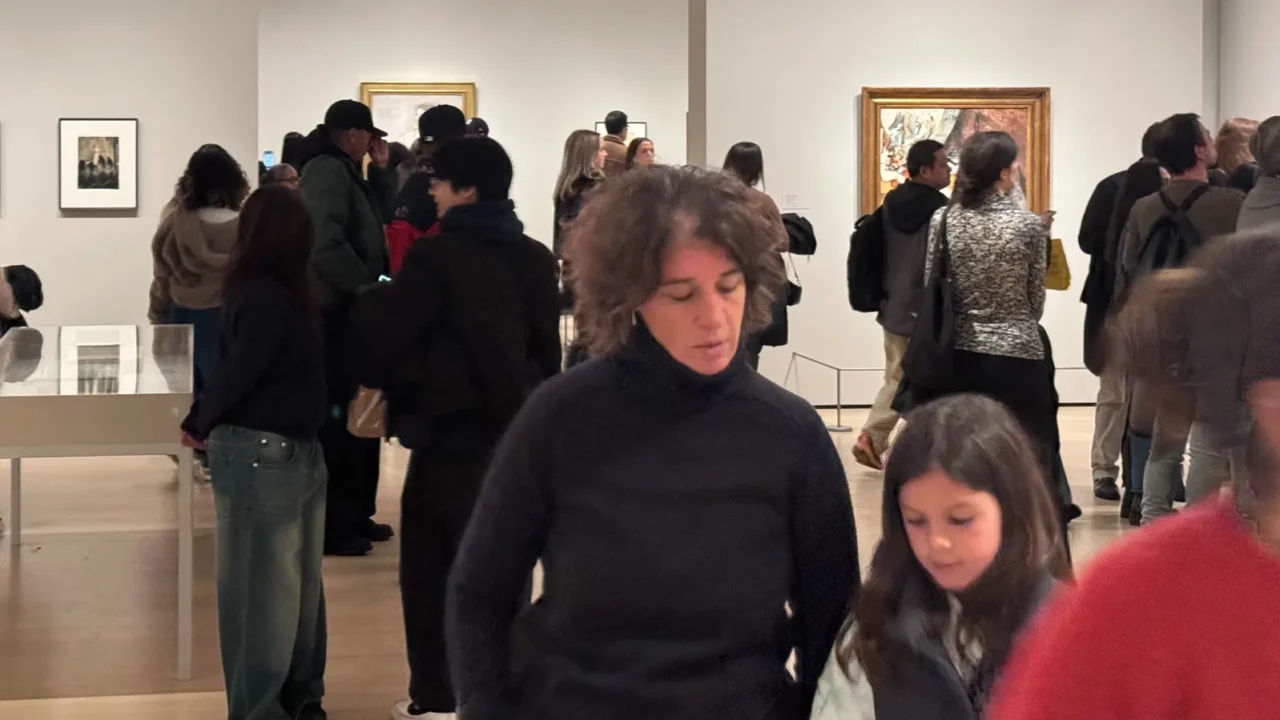
The museum will include two permanent galleries called Why We Make. They are free and built as the core experience, not a side note. The galleries will show more than 500 objects across design, fashion, performance, and global cultural practices. That’s a wide mix, which helps keep the visit from feeling repetitive.
This setup is great for travelers because you can do it in a flexible way. You can scan fast or go deep, depending on your day. It also makes repeat visits more appealing, especially if you return to London often. If you love museums that connect objects to real life, this is designed for you. And if you usually get bored in museums, the variety may surprise you.
The first big exhibit sounds like an event
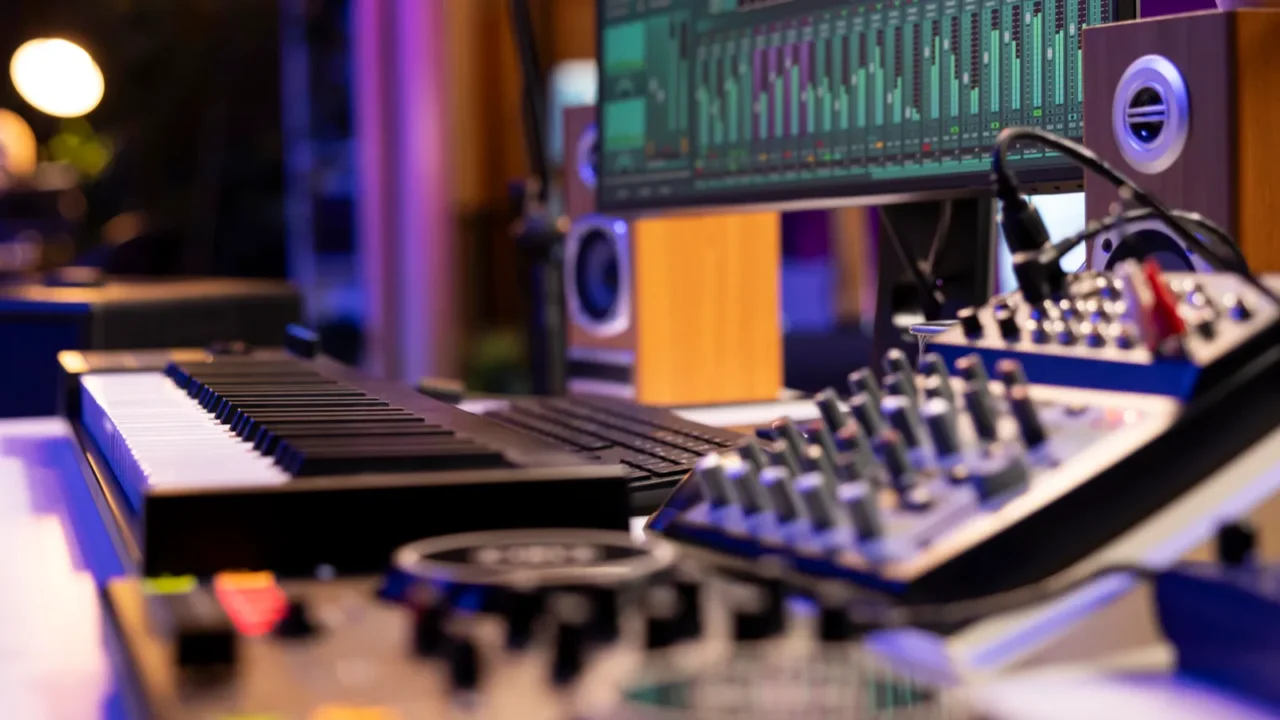
Opening day includes a major exhibition called The Music Is Black: A British Story. It explores 125 years of Black music-making in Britain and how it shaped culture. That kind of topic pulls in people who might not normally choose a museum. Music is a universal travel language, and it makes the museum feel alive from day one.
This is also a smart tourism move. Big headline exhibitions are what get people to book tickets and plan dates. If you love music history, pop culture, or British scenes that influenced the world, it gives you a clear reason to go. It also makes the museum feel current, not stuck in the past. For travelers, the best museums are the ones that feel connected to today.
The building is part of the attraction
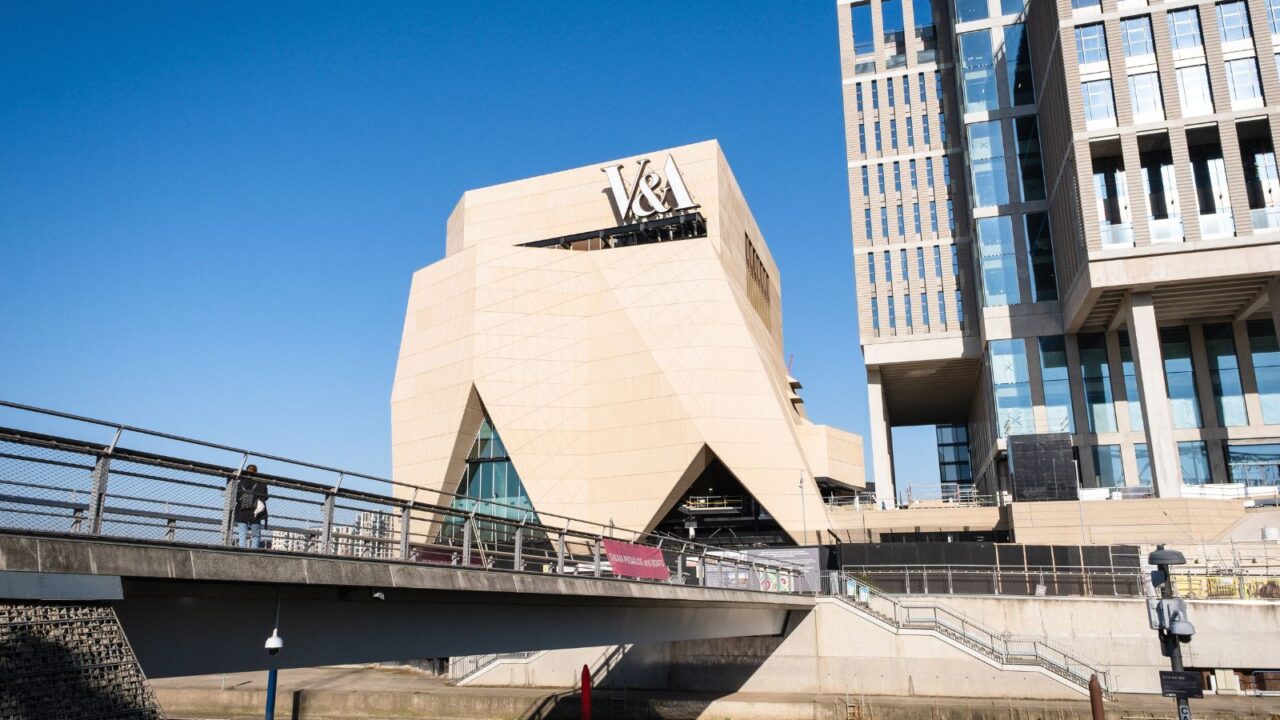
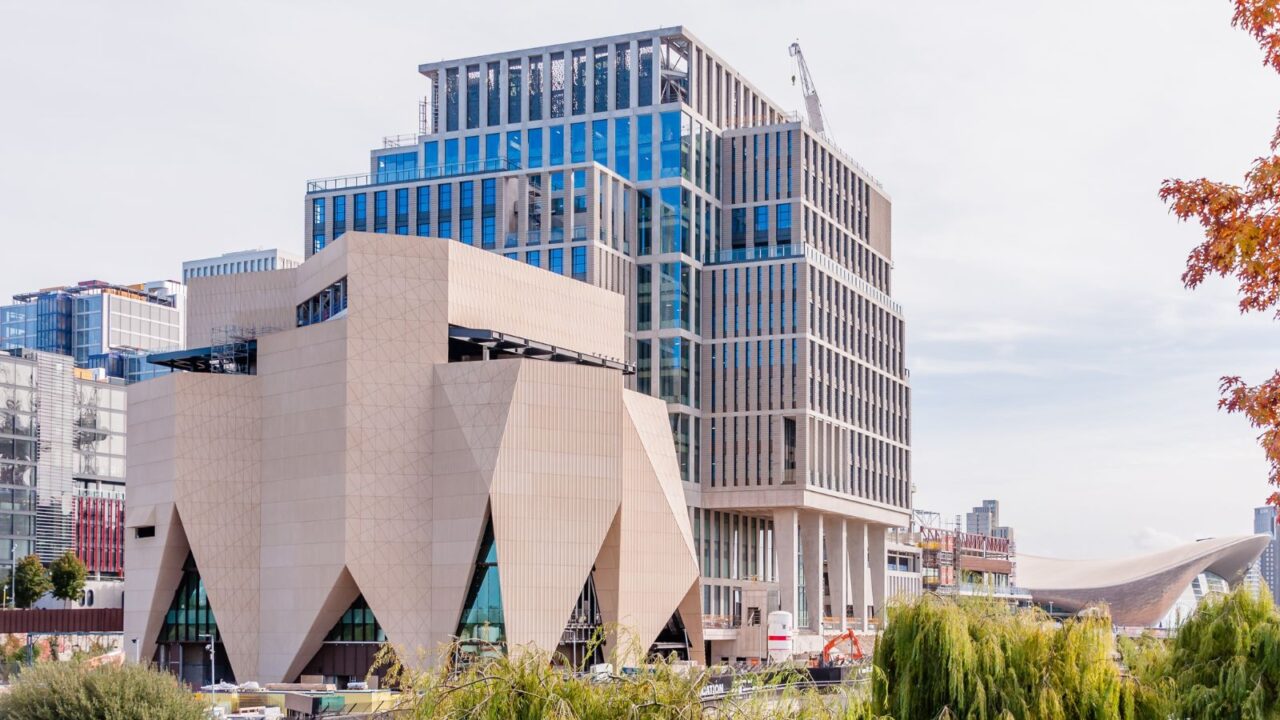
V&A East is a five-story building designed by the architecture firm O’Donnell + Tuomey. It’s meant to be a civic space, not a closed-off “temple” vibe. Even if you are not into architecture, a striking building can change how a museum feels. You remember the place before you even see the first gallery.
The design story also makes it shareable, which matters in the 2026 travel culture. People plan trips around places that photograph well and feel new. A museum that looks modern can pull in visitors who want fresh experiences, not the same landmarks everyone posts.
London’s “museum district” is getting a reboot
V&A East is not just a new building, it’s part of a long London pattern. Back in 1851, the Great Exhibition pulled in over six million visitors, and its profits helped fuel the museums that later shaped South Kensington. That cluster of institutions became known as Albertopolis, built around culture, education, and big public collections.
V&A East is trying to recreate that “cultural campus” idea, but in Stratford instead of South Kensington. The tourism logic is simple: when a city builds multiple major venues in one area, visitors stay longer and do more in one trip. It also makes London feel fresh for repeat visitors who think they have already seen everything. This is why V&A East can be pitched as travel news, not just museum news.
Co-created with the local community
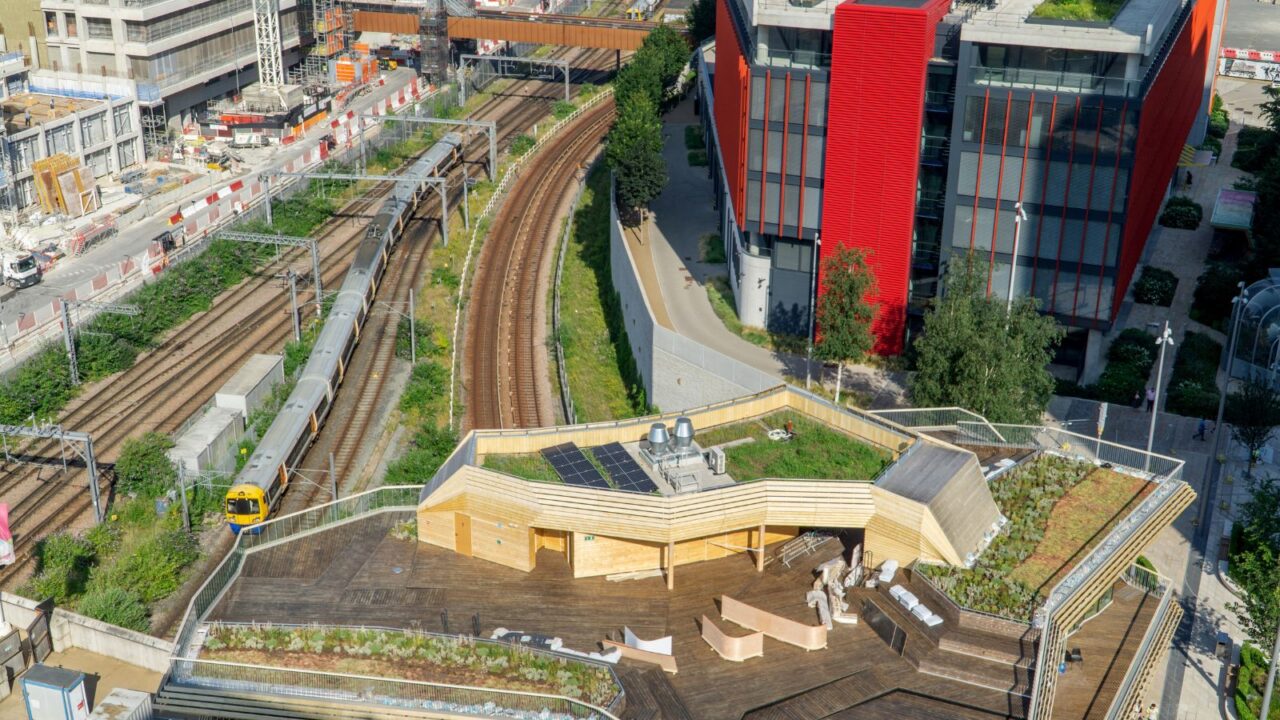
One detail that makes V&A East feel different is its collaboration angle. The museum was co-created with young people, creatives, and local communities in East London. That matters because it pushes the museum away from “elite only” energy. Travelers often want places that feel real and rooted, not just polished for outsiders.
For visitors, community input can show up in what gets displayed and how stories are told. It can also affect programming, events, and the overall feel of the space. Museums that reflect their neighborhood tend to feel more alive. They also give travelers a better sense of place than generic attractions do. If you want London beyond postcards, this is built for that.

The “museum of the future” isn’t a slogan
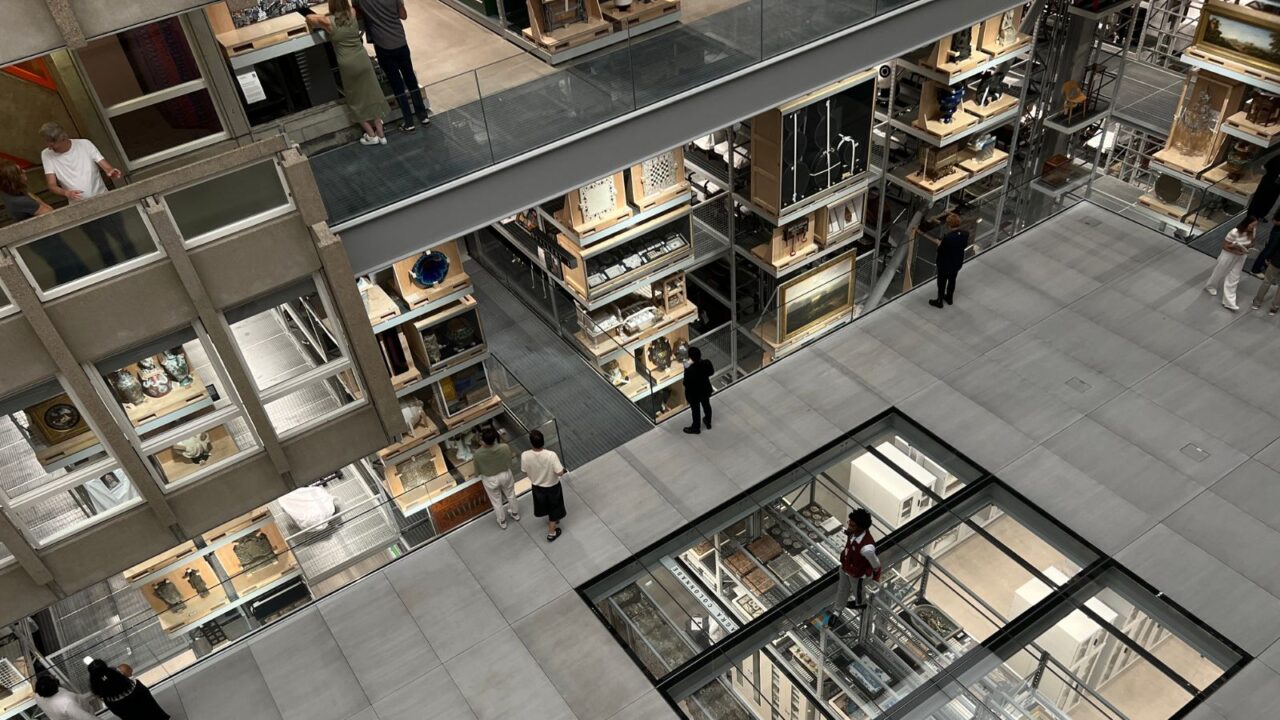
One detail that makes V&A East feel different is what’s already happening next door at the V&A East Storehouse. It’s designed by Diller Scofidio + Renfro, and it flips the normal museum experience by putting storage in public view. Instead of hiding collections, it lets visitors explore huge “behind the scenes” areas. The V&A says the objects range from tiny items like pins used for a 17th-century ruff to a two-storey section from Robin Hood Gardens.
The most useful travel-ready detail is that visitors can request up to five objects to see up close, which turns a museum visit into something personal. There are also views into conservation work, so you get the “how it’s made and preserved” side of museum life. For travelers, this kind of access feels more like a one-of-a-kind experience than a quiet gallery.
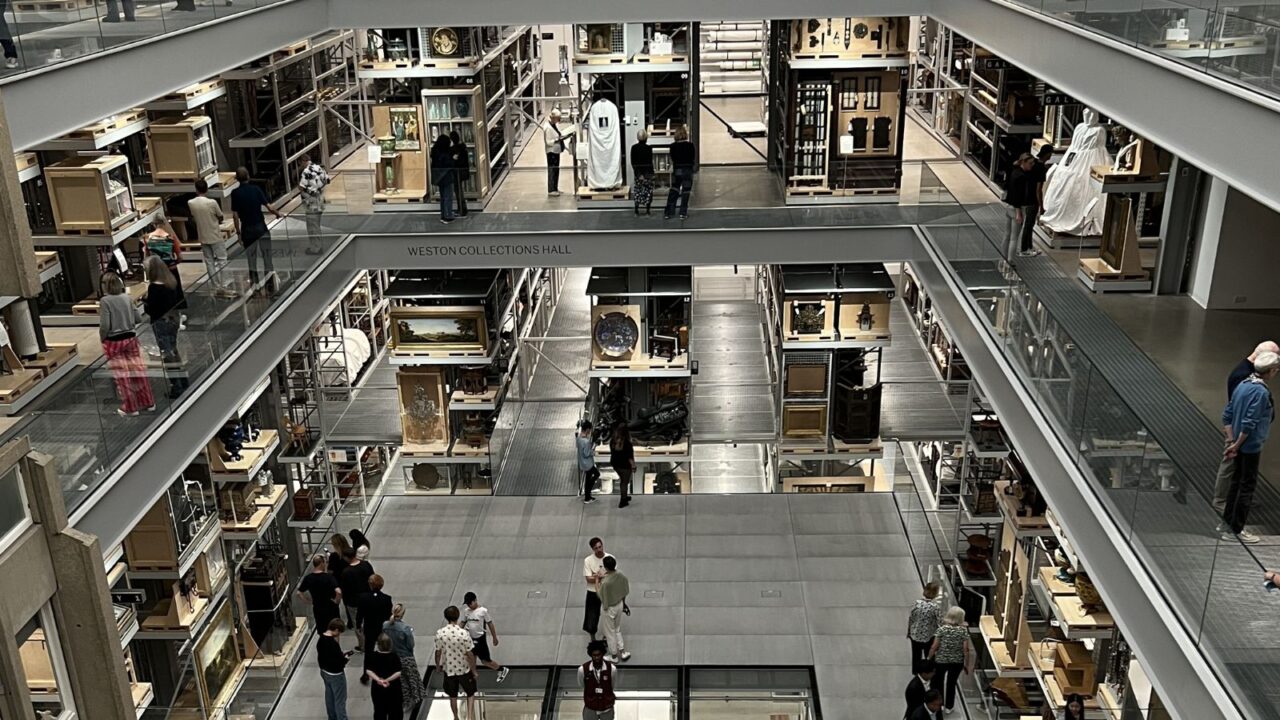
The sister spot is already a travel draw
V&A East Museum is not opening alone. It pairs with V&A East Storehouse, which opened in May 2025 and has been treated like a big cultural destination. The Storehouse is known for open-plan displays and behind-the-scenes access that feels rare for a major museum. That buzz helps set up the museum opening as part of a larger “new London” story.
One feature people talk about is “Order an Object,” which lets visitors request specific items to view by appointment. That’s a huge shift from the old “look but never touch” museum vibe. It also feels personal, which travelers love.
And if you’re looking for adventure hotspots, here are our top places to see in 2026.
Stratford makes a great multi-day base
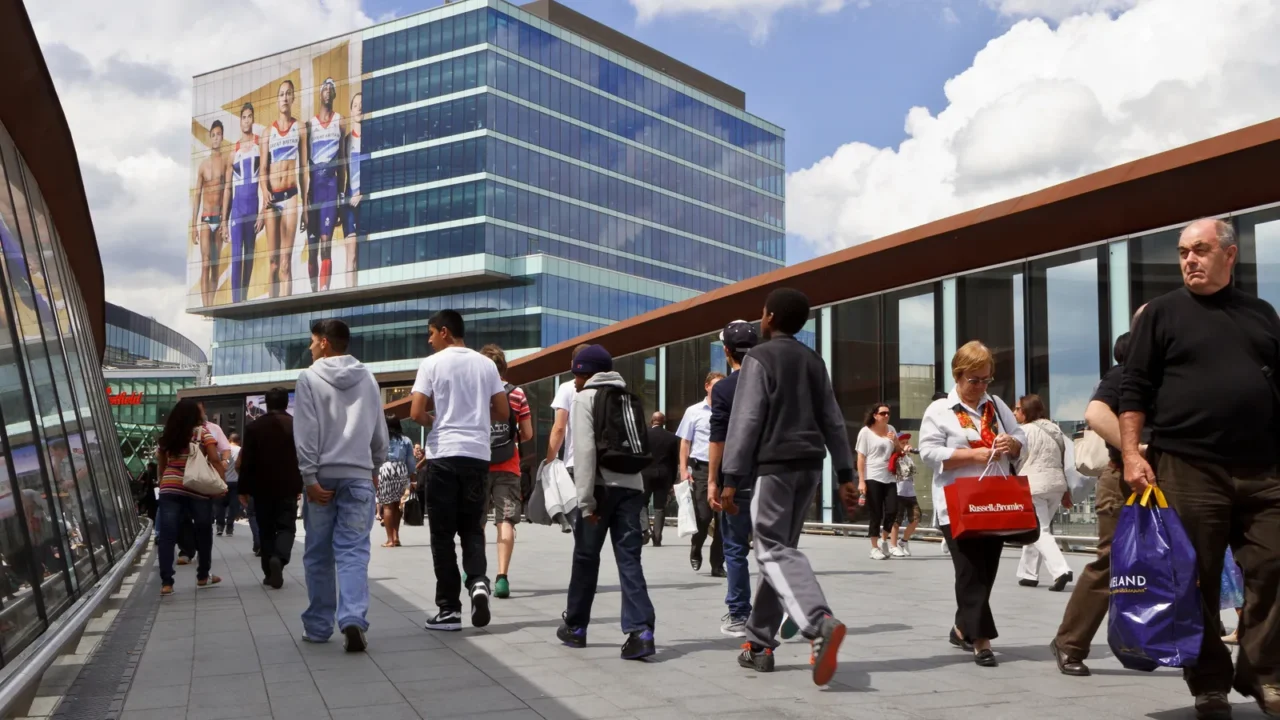
If you are planning London for spring 2026, consider how your days flow. Stratford gives you park space, shopping, food, and growing cultural venues in one zone. V&A East adds another reason to spend time there instead of racing back to central London after every stop. That can make your trip feel less rushed.
A calmer base can also mean better value. Hotels outside the most tourist-heavy areas can sometimes be more manageable, especially for families. You still get good transport connections, plus you wake up near a major attraction. That’s the kind of setup travel planners love. It also makes repeat visits easier if you want to pop back for a second look.
Traveling soon? Find out how many airports worldwide are rolling out facial-recognition boarding systems.
Would you plan a trip around a new museum opening, or is it more of a bonus stop for you? Share your thoughts and your view in the comments.
This slideshow was made with AI assistance and human editing.
Don’t forget to follow us for more exclusive content right here on MSN.
Read More From This Brand:
