




Overtourism challenges grow
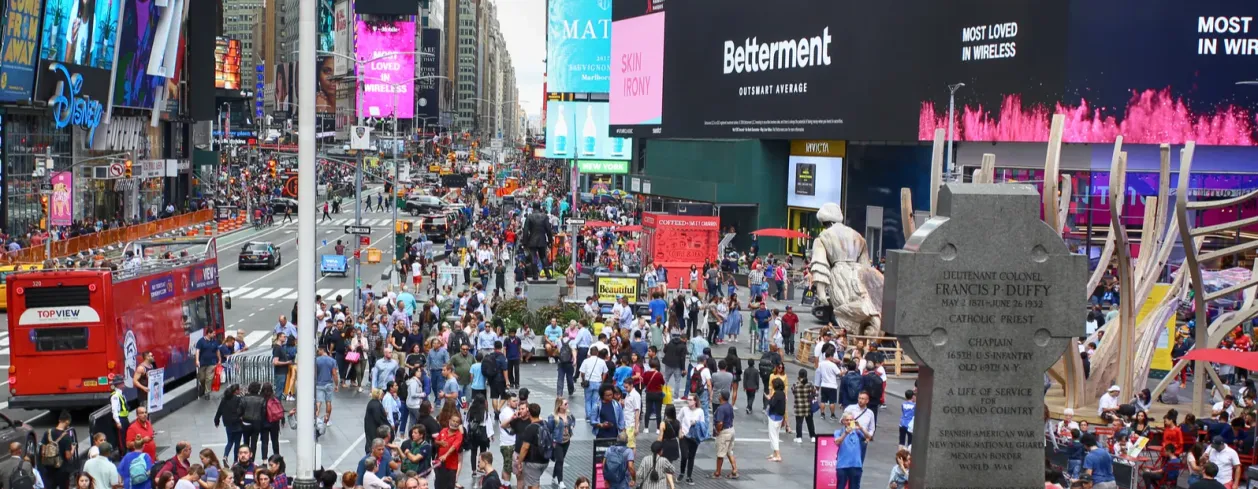
Global tourism reached record highs before the pandemic, with over 1.5 billion international arrivals in 2019. Popular destinations face congestion that overwhelms transport, accommodation, and public spaces. Cities such as Venice, Barcelona, and Dubrovnik report rising frustration among residents due to overcrowding, rising costs, and environmental strain. Tourists struggle with long lines and limited access to iconic attractions, while residents face everyday disruptions.
Governments are responding by introducing solutions such as tourism hotlines that allow travelers and locals to report overcrowding issues in real time, helping authorities manage flow more effectively.

Real-time crowd solutions
Destinations are using technology to tackle overcrowding by offering live apps, digital dashboards, and signage that show congestion levels at popular attractions. Tourists can see which areas are crowded, find safer routes, or discover alternate sites. Authorities can deploy staff, adjust entry times, or manage queues dynamically to prevent bottlenecks.
These tools let travelers make smarter choices while protecting landmarks and visitor experiences. By reacting in real time, cities and heritage sites maintain sustainability and ensure smooth experiences for all.

India’s 24/7 tourist portal
India’s Ministry of Tourism runs a 24/7 helpline (1800-11-1363 / 1363) for domestic and international travelers. It assists in multiple languages, addressing overcrowding complaints, safety issues, and accommodation problems. The helpline also offers guidance on alternative sites to visit, reducing pressure on popular attractions.
Since its launch, this system has helped authorities monitor real-time congestion at famous destinations like the Taj Mahal and Jaipur’s markets, ensuring visitor safety and preserving heritage sites.

Sabah Malaysia’s tourist portal
Sabah, Malaysia, now operates a tourism portal for reporting overcrowding, scams, or travel logistics issues. Visitors submit complaints directly to the Sabah Tourism Board, which investigates and responds quickly. The portal collects data on visitor patterns, helping authorities adjust staffing, manage capacity, and prevent congestion at key attractions.
This proactive system boosts tourist confidence, reduces stress, and protects natural destinations like Mount Kinabalu and Tunku Abdul Rahman Park, ensuring travelers enjoy safe and memorable experiences.

Local communities get heard
Overtourism affects residents with noise, traffic, and crowded streets. Cities now include community reporting platforms where locals can share concerns about congestion and resource strain. Authorities use this input to improve traffic management, waste disposal, and visitor regulations, keeping neighborhoods livable.
Including residents in tourism planning balances visitor growth with quality of life, creating welcoming destinations that preserve both local culture and traveler enjoyment.

Protecting historic treasures
Historic sites risk damage when visitors exceed capacity. Venice regulates cruise ship arrivals, and Athens caps daily entries to the Acropolis. Digital tools and apps let tourists monitor crowd levels, helping staff deploy guides, stagger entry, or temporarily close sections.
These measures protect monuments from wear and tear, preserve cultural heritage, and ensure future travelers experience these sites in a safe, enjoyable, and sustainable way.

Safety reporting through hotlines
Beyond crowd management, hotlines serve safety functions. Travelers can report theft, accidents, or unsafe conditions at attractions. Staff provide guidance or connect tourists to law enforcement, reducing risks in unfamiliar destinations.
This system reassures travelers, especially in international settings where language barriers or complex local regulations can create uncertainty. Safety-focused hotlines improve trust and overall visitor satisfaction.

Technology integration
Tourism hotlines are increasingly linked with apps, online reporting forms, and multilingual chat services. Visitors can submit photos, GPS locations, and descriptions, allowing authorities to respond quickly and accurately. AI and data analysis help predict peak crowd times and problem areas.
This digital integration makes hotlines more efficient, enabling officials to manage tourism flow proactively rather than reactively, improving both safety and enjoyment for travelers.

Insights from visitor data
Hotlines, apps, and feedback channels generate data on tourist patterns, peak hours, and overcrowded areas. Cities like Barcelona and Kyoto analyze this information to adjust opening times, regulate entries, and optimize transport.
Data-driven insights allow authorities to reduce congestion, protect sites, and improve visitor satisfaction. Travelers experience smoother, more organized trips while cities maintain sustainable tourism practices.

Dubrovnik’s smart strategy
Dubrovnik faced overcrowding that threatened its UNESCO status. Authorities introduced timed tickets, crowd caps, and monitored historic streets. By analyzing visitor reports daily, they adjust ferry schedules, entries, and transport logistics.
This approach reduces congestion, preserves cultural heritage, and ensures tourists enjoy a safe, stress-free experience. Dubrovnik demonstrates how proactive management keeps popular destinations sustainable.

Sustainability through feedback
Tourist reports guide sustainability efforts by showing where visitor pressure is highest. Beaches, parks, and trails with heavy foot traffic can have entry limits or conservation measures applied. National parks in New Zealand use real-time visitor data to monitor footfall and protect ecosystems.
By combining feedback and strategic planning, destinations stay beautiful, accessible, and ecologically balanced, letting travelers enjoy nature without harming fragile environments.

Predictive tourism tools
Tourism management is evolving with predictive systems that anticipate crowd spikes, optimize staffing, and prevent congestion before it happens. Mobile apps and AI now provide travelers with live recommendations, helping redirect visitors from packed attractions toward quieter alternatives without disrupting their plans.
As tourism fuels unexpected economic growth in cities and small towns alike, the challenge ahead is guiding that momentum wisely so destinations protect infrastructure, communities, and experiences without losing what made them desirable in the first place.

Smarter travel experience
For travelers, hotlines, apps, and feedback platforms improve safety, convenience, and overall enjoyment. Travelers feel heard, while officials gain actionable insights into crowd movement, pressure points, and on-ground challenges that affect daily travel experiences.
With the tourism boom reshaping how cities function and communities live, the future of travel will depend on choices made today to balance opportunity, preservation, and meaningful experiences that keep destinations vibrant without overwhelming them.
As tourism reshapes cities, cultures, and economies across the world, how can destinations grow without losing the very character that draws travelers in?
This slideshow was made with AI assistance and human editing.
Don’t forget to follow us for more exclusive content right here on MSN.
Read More From This Brand: