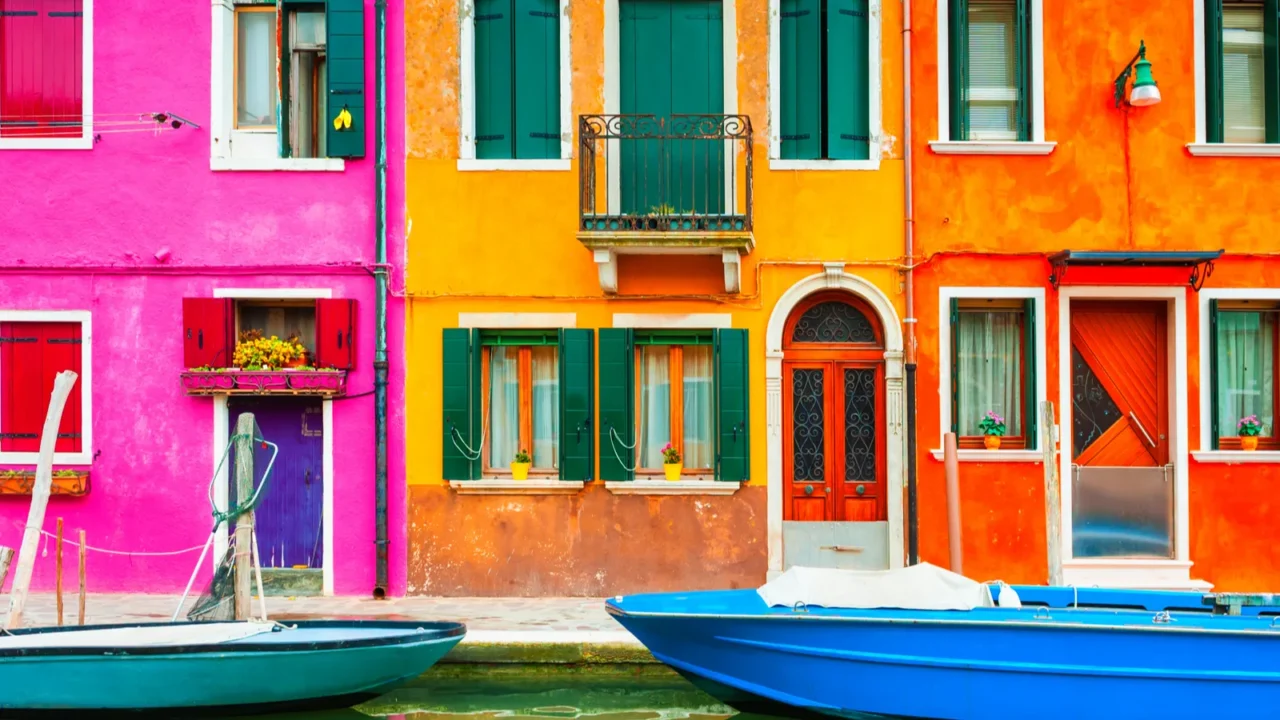
Painted town dreams
Across the world, some towns treat color as a way of life rather than decoration. Streets become visual stories where every home carries its own shade and meaning.
From blue-washed lanes in Morocco to rainbow rows in the Caribbean and pastel canals in Italy, these places offer more than visual appeal. They reflect identity, history, and emotion, showing how color shapes daily life and creates lasting connections between people and place.
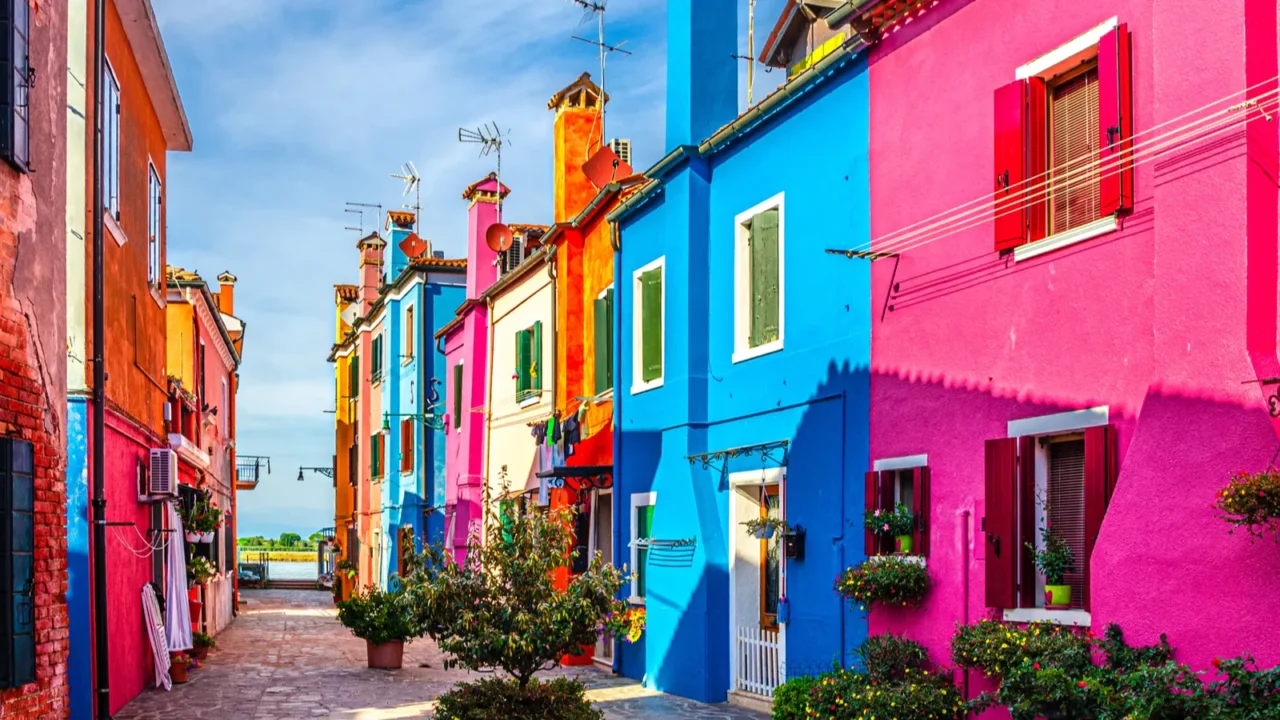
Burano’s vibrant canals
Located in Italy’s Venetian Lagoon, Burano is known for its brightly painted homes lining narrow canals. The tradition began when fishermen colored their houses so they could recognize them from the water.
That practice continues today, turning the island into a vivid landscape of reflection and light. Walking through Burano feels unhurried, with color guiding each step and giving the town its unmistakable sense of warmth and character.
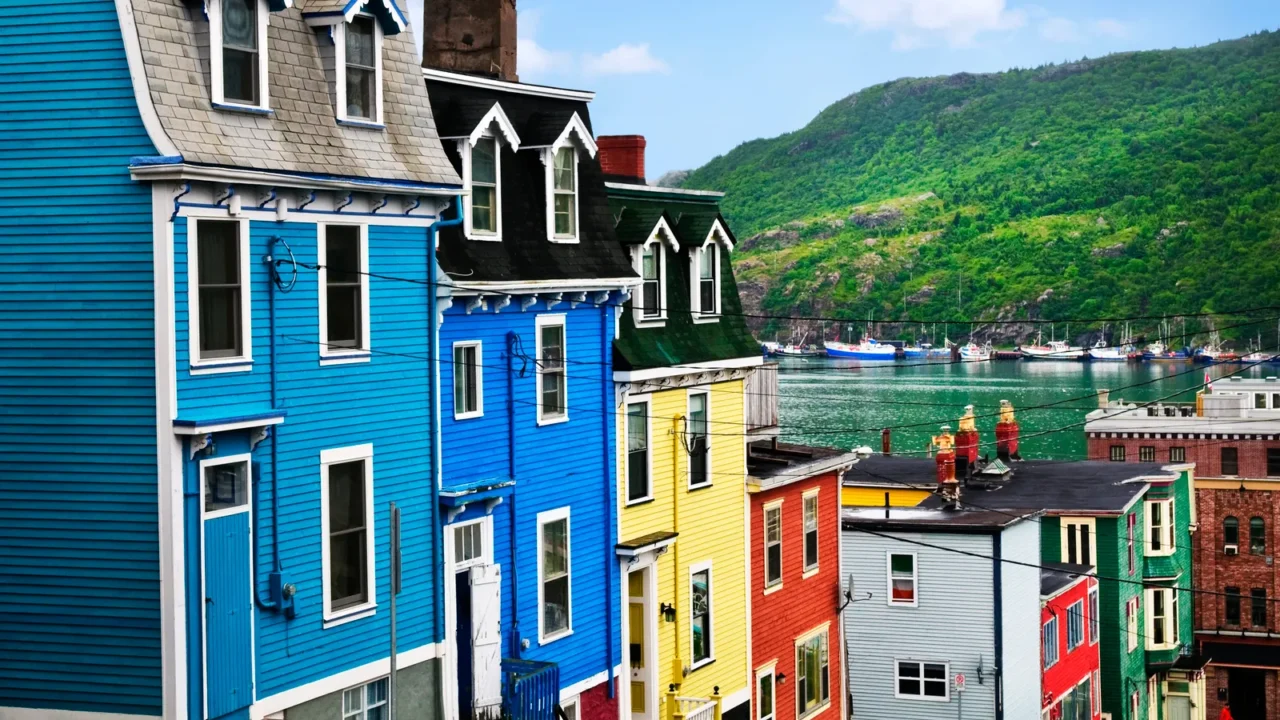
St. John’s color drama
On Canada’s eastern coast, St. John’s in Newfoundland and Labrador stands out for its Jellybean Row houses. These tightly packed homes display bold colors that bring energy to the Atlantic shoreline.
Painted in reds, yellows, and greens, they offer contrast against fog and sea. The visual impact reflects more than charm. It speaks to resilience, pride, and a community that values warmth in both color and spirit.
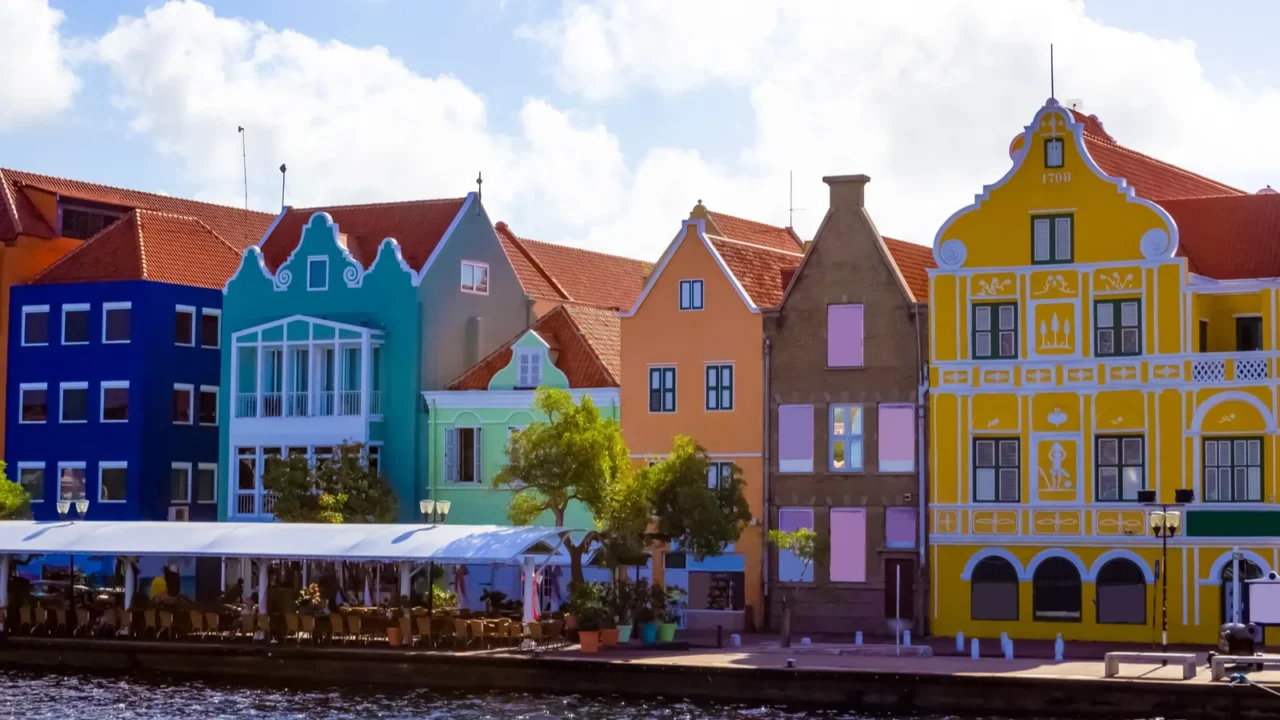
Willemstad’s dutch rainbow
Willemstad, the capital of Curaçao, blends Dutch colonial architecture with Caribbean brightness. Along the harbor, historic buildings appear in a layered palette of pastels and saturated tones.
These colors were once chosen to reduce glare from sunlight and now define the city’s identity. Walking the waterfront reveals a place shaped by trade, culture, and time, where every painted facade contributes to a cohesive and visually striking streetscape.
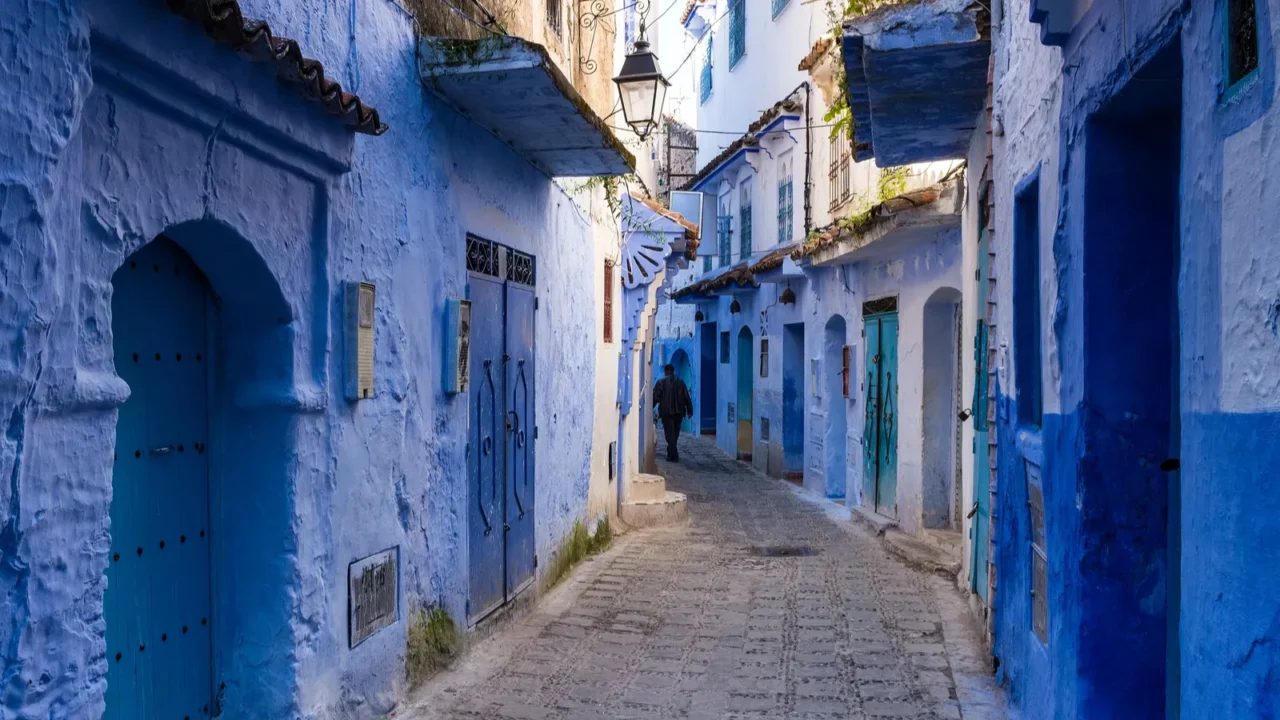
Chefchaouen’s blue poetry
Nestled in Morocco’s Rif Mountains, Chefchaouen is defined by its blue-painted streets and buildings. The color carries layered meaning tied to tradition, spirituality, and history.
Blue surfaces soften the town’s narrow pathways, creating a calm visual rhythm. Movement through the streets feels steady and reflective, as light shifts across walls and stairways, giving the town a distinctive atmosphere shaped almost entirely by color.
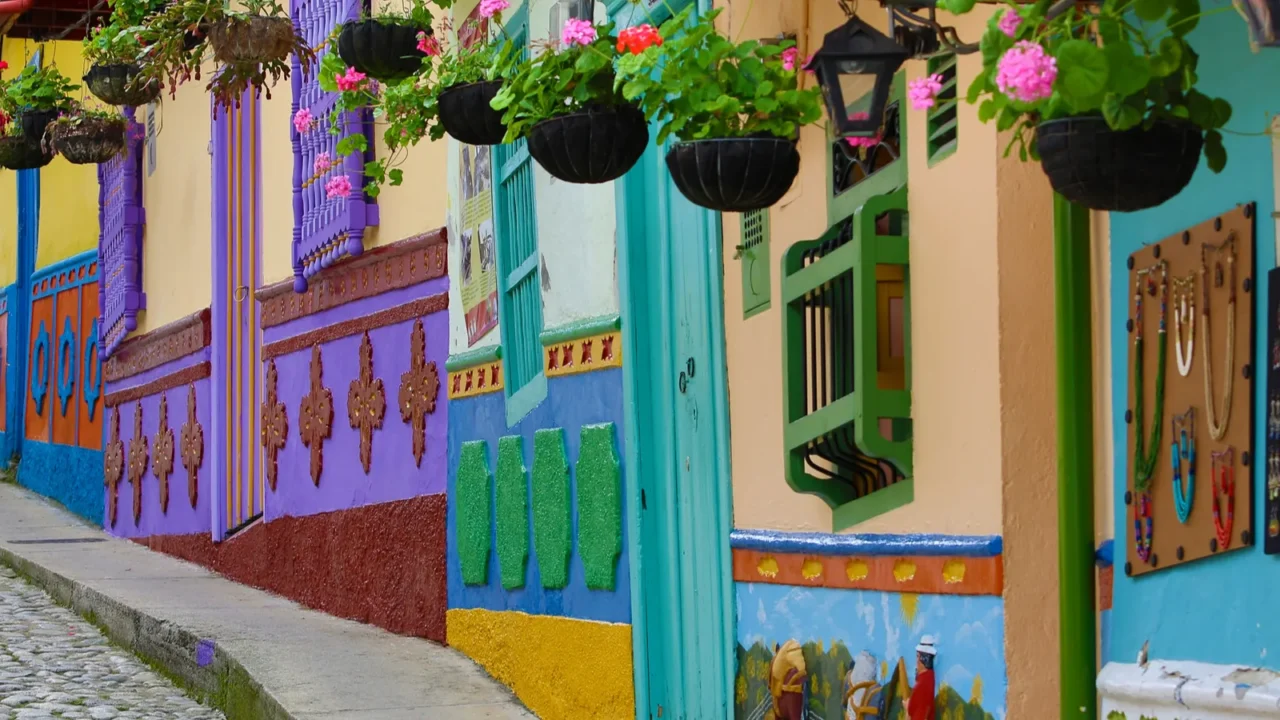
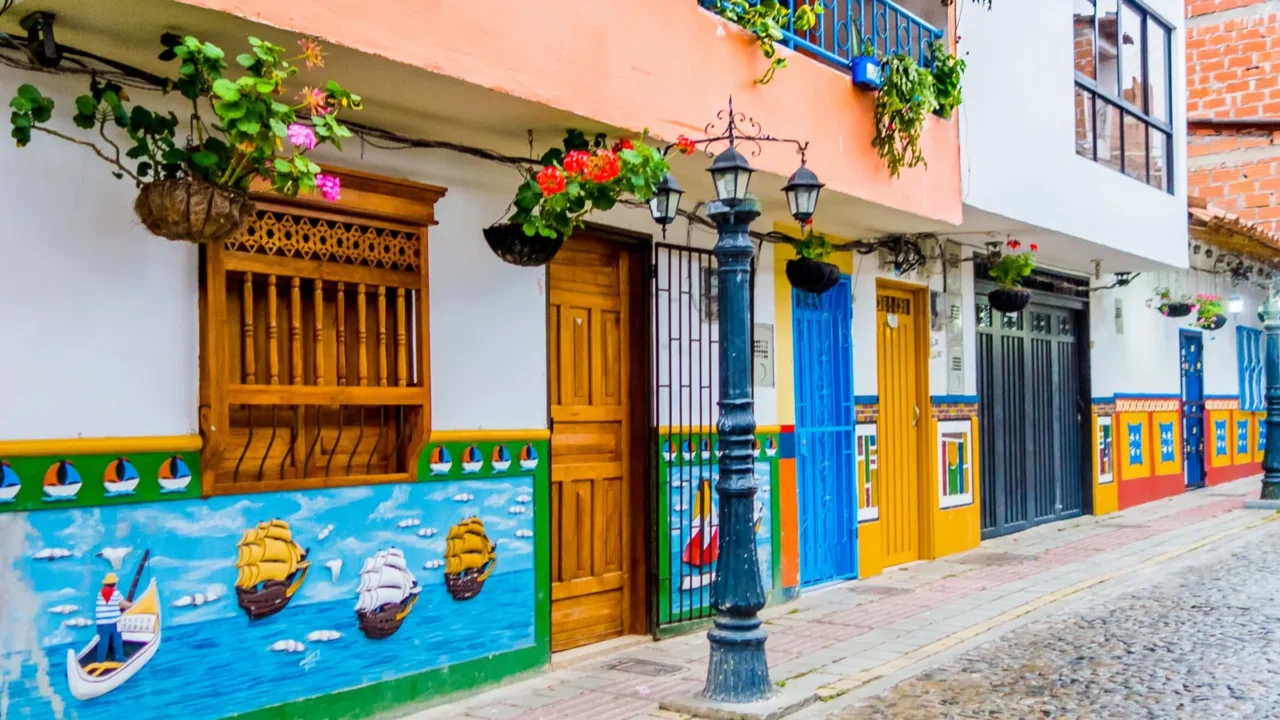
Guatape painted panels
Guatapé, set above Colombia’s lake region, is known for its richly decorated homes. Rather than simple paint, many buildings feature zócalos—raised panels that illustrate daily life and local history.
These detailed designs add depth and narrative to the town’s appearance. Color here serves as storytelling rather than ornament. Streets and stairways feel purposeful, shaped by craftsmanship and pride that define Guatapé’s cultural identity.
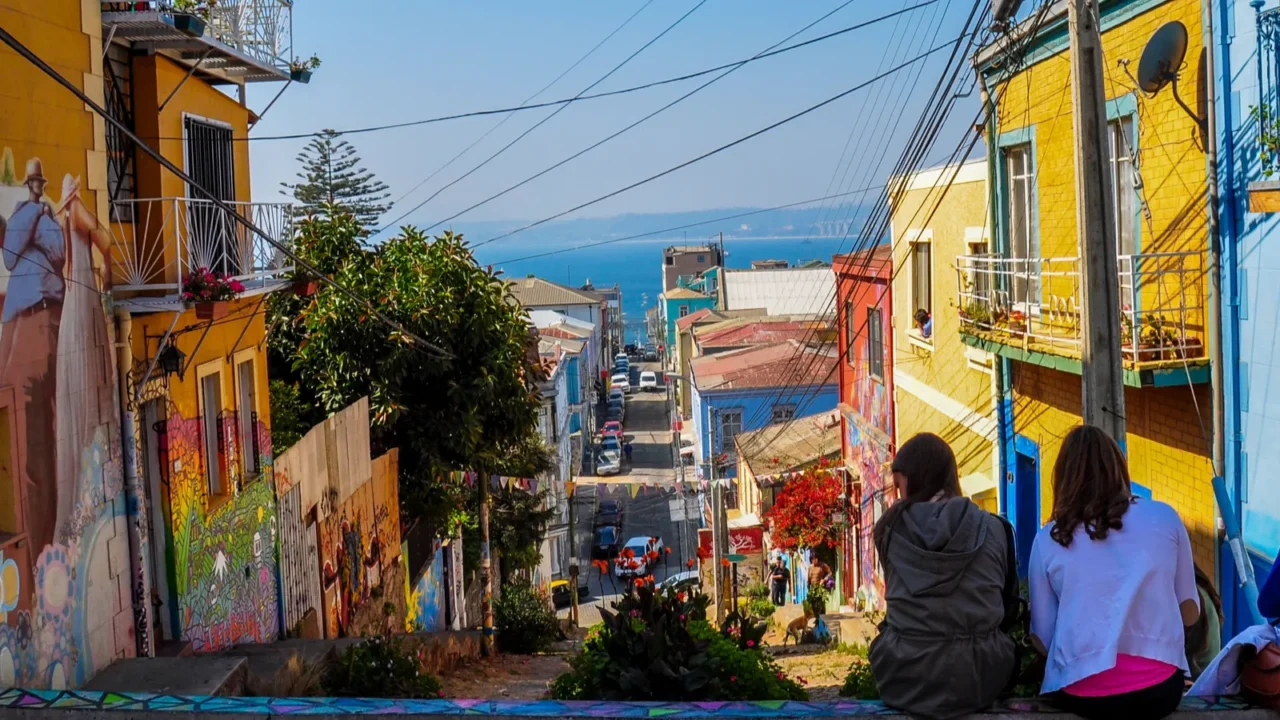
Valparaiso’s hillside colors
Valparaíso rises along Chile’s coast in layers of color and creative expression. Painted homes stretch across steep hillsides, joined by murals and public art. Color extends beyond architecture into shared spaces, shaping how the city is experienced.
Walking through Valparaíso reveals constant contrast and movement. Each street presents a new composition, reflecting a city that values artistic freedom and visual expression as part of everyday life.
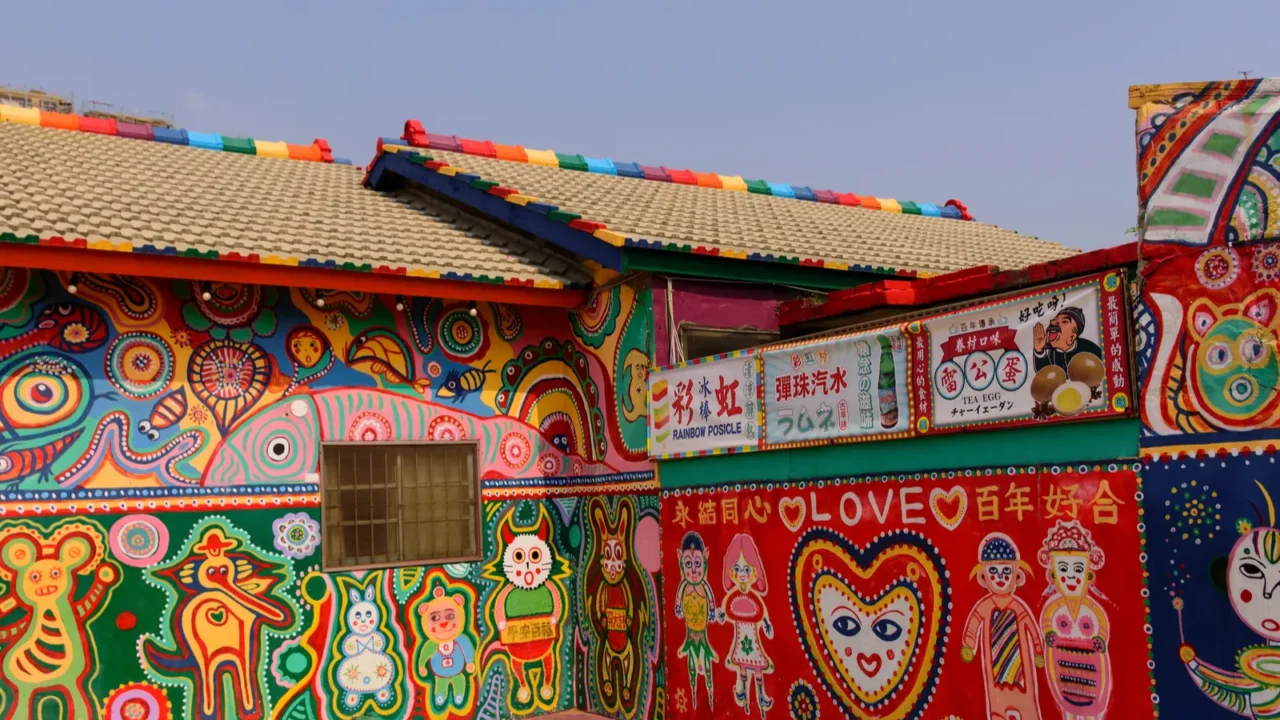
Kampung Pelangi Indonesia
Kampung Pelangi in Central Java stands as an example of community-led transformation. Once an ordinary settlement, it was repainted through local initiative using bright patterns and murals.
The result is a cohesive and energetic environment that draws attention without losing authenticity. Color became a tool for renewal rather than decoration. The village reflects collaboration, creativity, and how visual change can strengthen local identity.
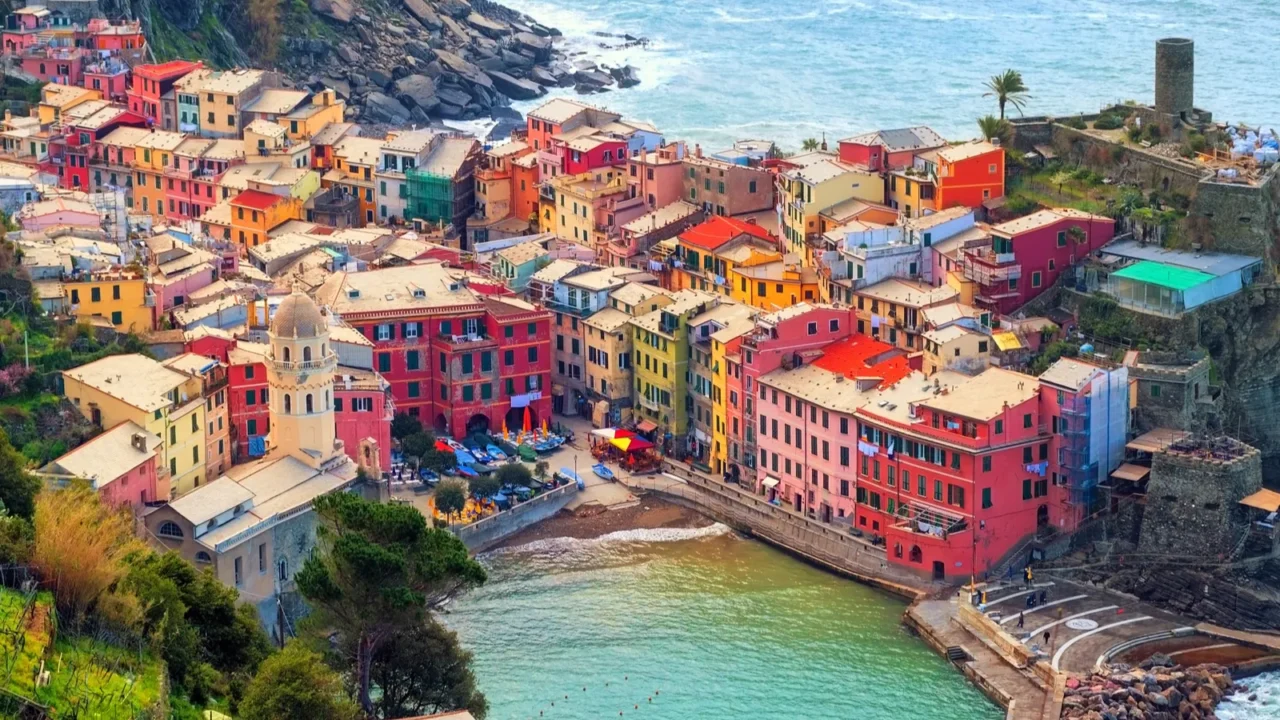
Cinque Terre’s pastel paths
The villages of Cinque Terre line Italy’s Ligurian coast in soft pastel tones shaped by sea air and sunlight. Homes appear in shades of rose, lemon, honey, and blue, arranged across cliffs.
These colors once helped fishermen identify their homes from the water. Today, the landscape feels carefully balanced, with color guiding the eye between coastal paths, terraced hillsides, and clustered rooftops.
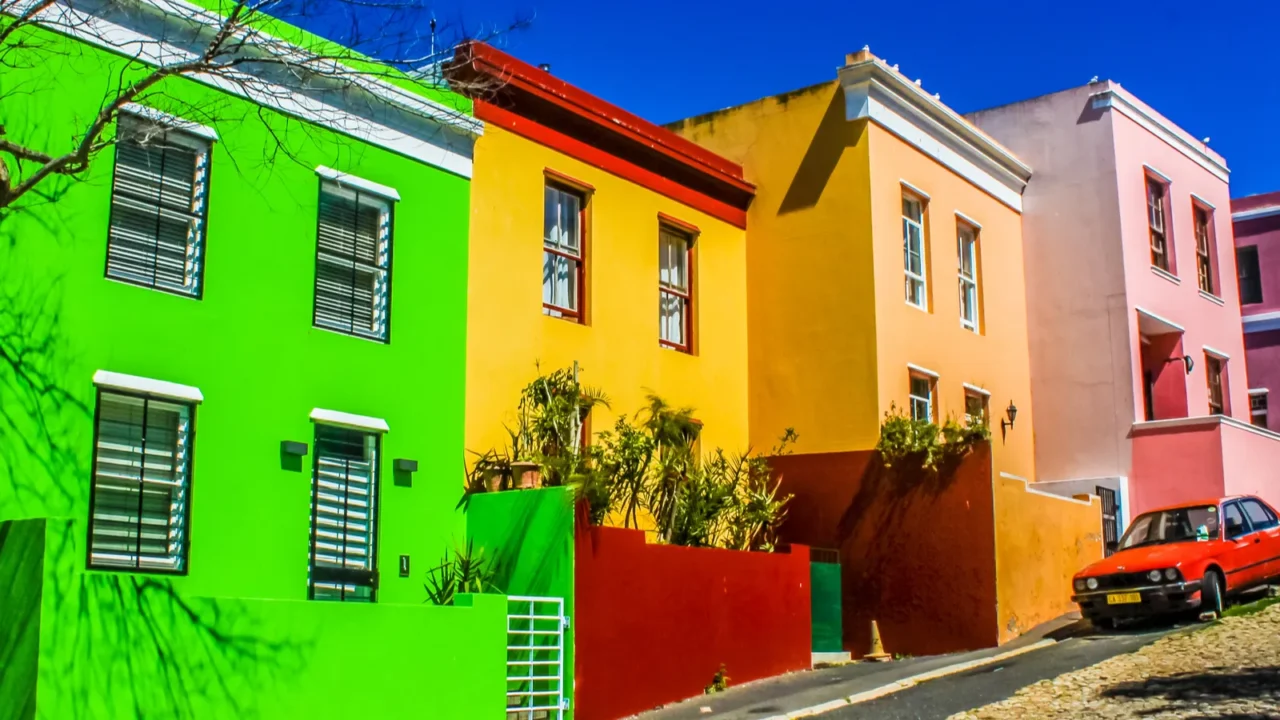
Bo Kaap Cape Town
Bo Kaap in Cape Town is recognized for its bold facades and cultural significance. Historically associated with the Cape Malay community, the neighborhood reflects stories of heritage and freedom.
Brightly painted houses became symbols of identity and expression. Walking through the area reveals a strong sense of place, where color reinforces history and community values rather than serving as visual decoration alone.
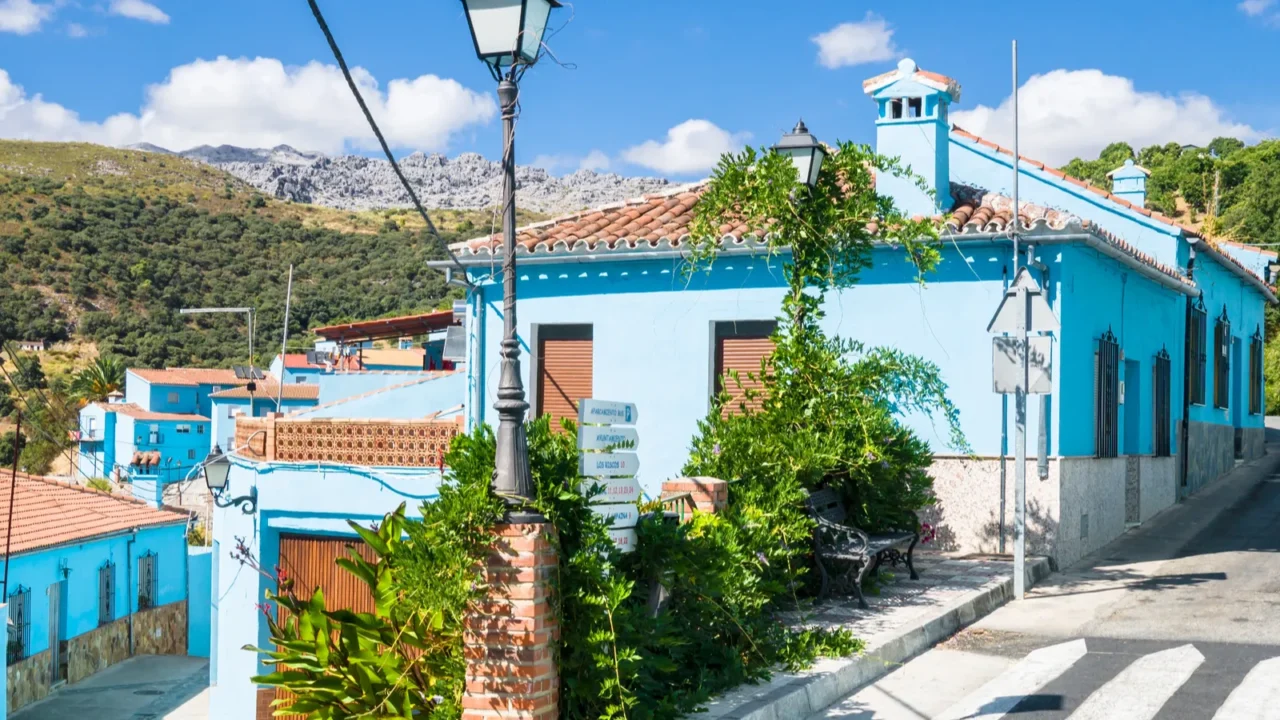
Juzcar’s blue village
Juzcar, located in Spain’s Andalusian hills, stands out for its fully blue streetscape. Originally painted blue in 2011 to promote The Smurfs film, the town voted to keep the look after a surge in tourism and public support.
The unified color transformed local identity and tourism. Movement through the village feels distinct and playful, with blue surfaces redefining familiar forms and offering a unique example of how color can reshape perception.
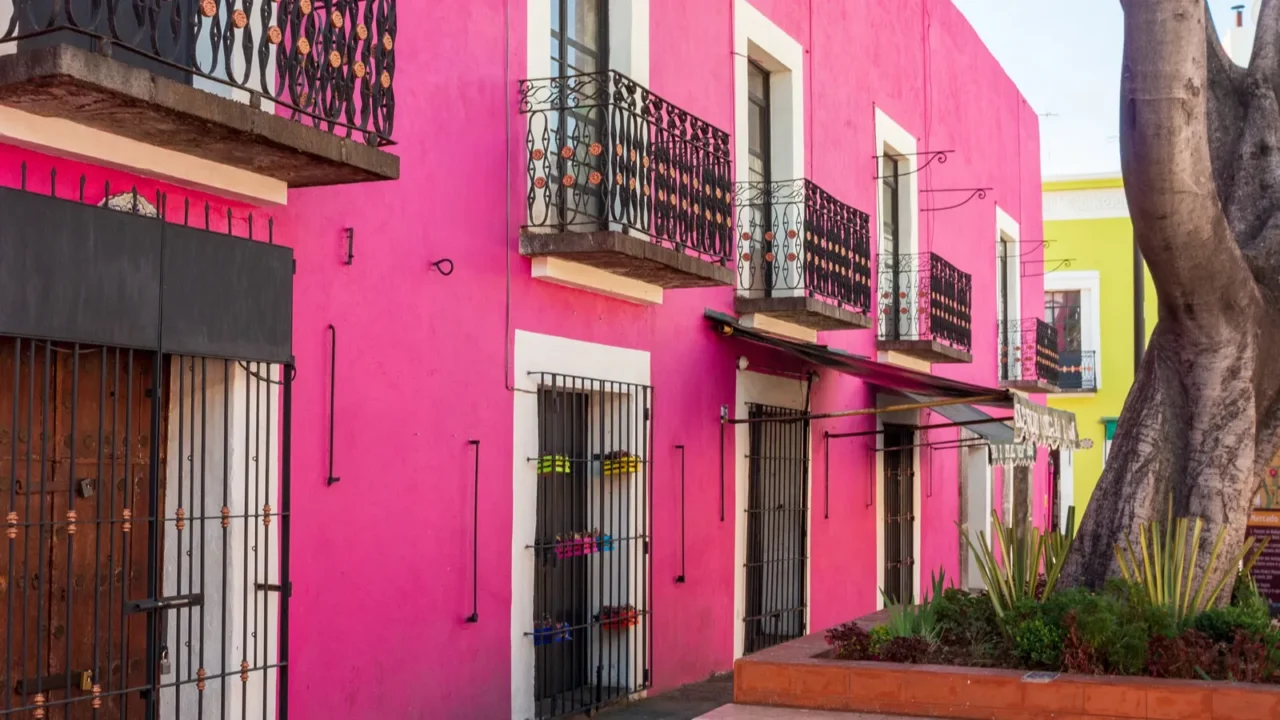
Puebla’s painted legacy
Puebla’s historic center reflects Mexico’s artistic heritage through its colorful architecture. Buildings feature tones inspired by traditional talavera tiles and regional craftsmanship. These colors highlight centuries of cultural blending and creative expression.
As daylight fades, painted streets maintain warmth and depth. The visual continuity invites exploration while reinforcing Puebla’s reputation as a city where art and history remain closely connected, making it an ideal choice for travelers drawn to historic towns rich in color and tradition.
Colorful afterthoughts
Color in these towns functions as more than surface design. It communicates tradition, emotion, and collective identity shaped by geography and history. Each destination shows how painted environments influence daily experience and cultural memory.
For international travelers interested in border towns shaped by multiple cultures, these colorful places offer a distinctive way to experience connection beyond boundaries while discovering how communities express belonging through color.
Which of these colorful towns would you most want to visit, and what makes it stand out to you? Share your thoughts in the comments.
This slideshow was made with AI assistance and human editing.
Don’t forget to follow us for more exclusive content right here on MSN.
Read More From This Brand:
