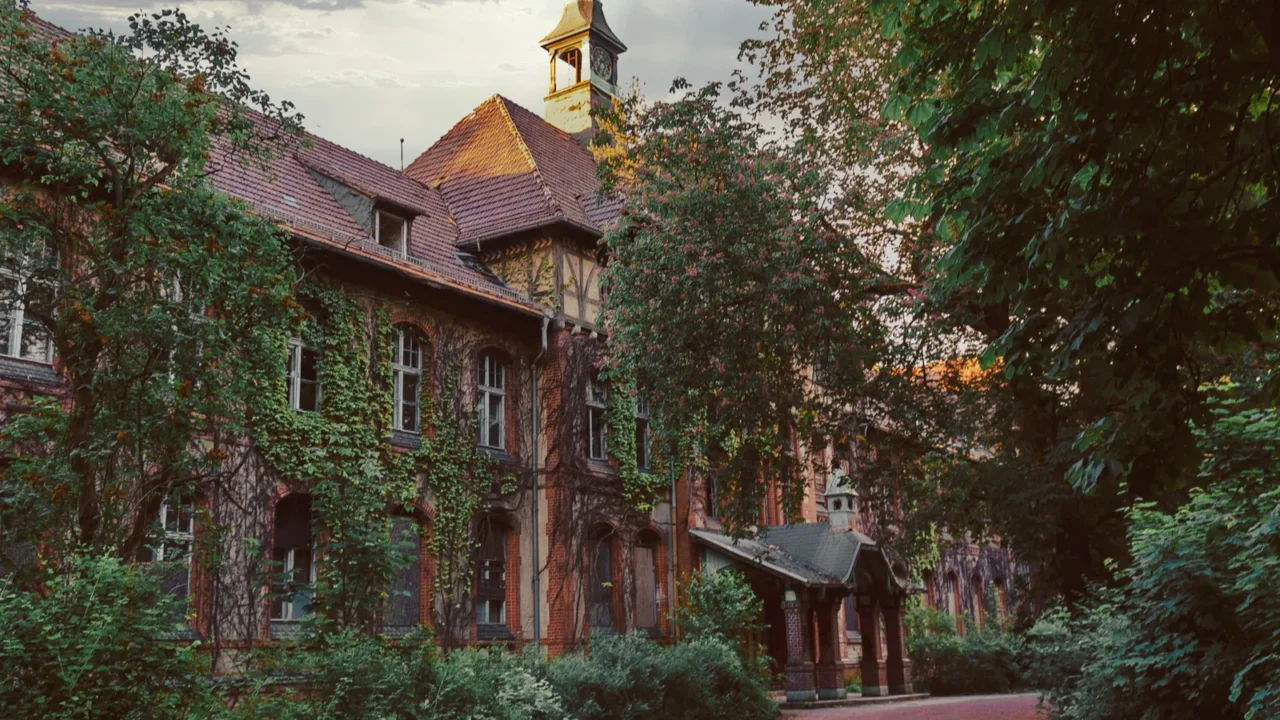
Lost worlds, nature wins
In corners of the world, cities once full of life now lie silent as nature moves back in. These places are quiet reminders that Earth always evolves and reshapes its terrain. Ruins are no longer isolated stone structures but living ecosystems where plants, animals, wind, and water have reclaimed what humans left behind.
Exploring these places makes you rethink permanence. When people depart, the natural world doesn’t wait. It returns, adapts, and transforms human ambition into green wonder.
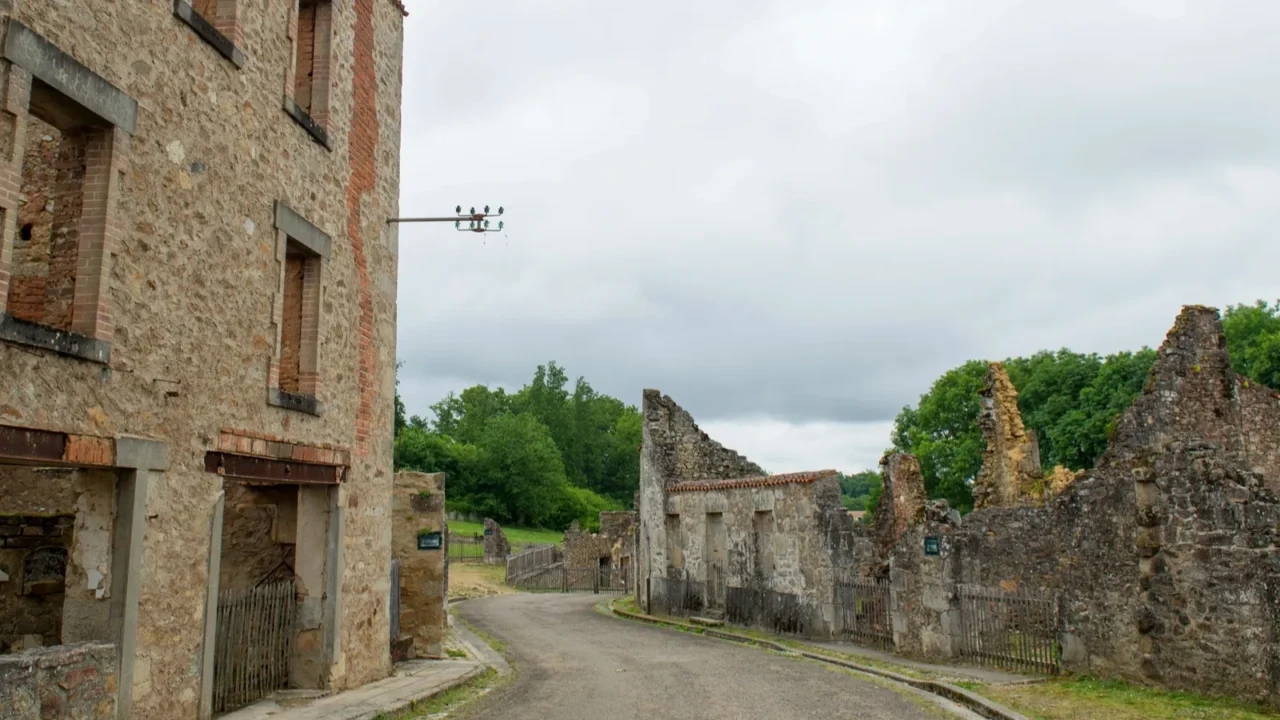
Oradour-sur-Glane, France ghost village
Oradour-sur-Glane in western France was abandoned after a tragic World War II massacre in 1944. The French government decided to preserve the ruins as a memorial to the village’s history.
Today, the skeletal stone buildings stand as haunting reminders of the past. Nature has crept over cobblestone streets, walls, and rooftops, with moss, vines, and small trees softening the ruins. Visitors come to witness history and see how life slowly returns to abandoned spaces.
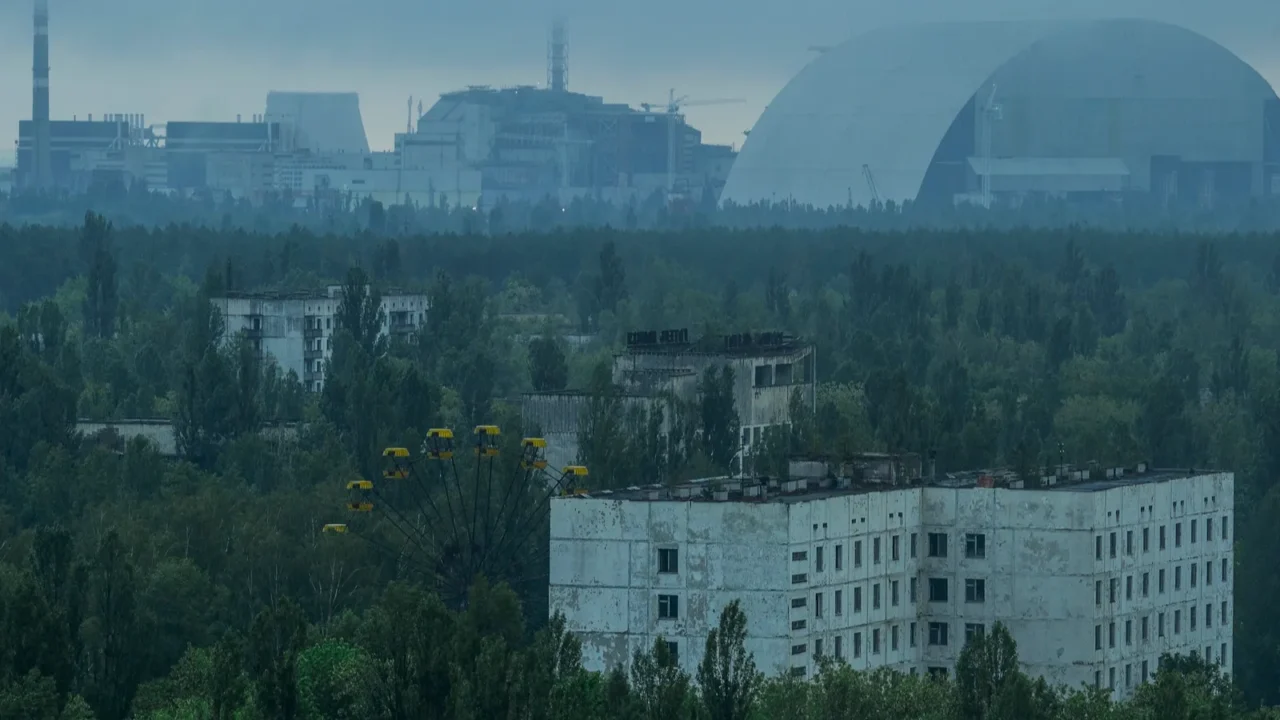
Pripyat, Ukraine’s wild city
Pripyat was built in the 1970s near Chernobyl to house nuclear power workers. After the 1986 disaster, the city emptied overnight. Radiation fears forced residents to flee, leaving toys in yards and meals on tables.
Decades later, forests, trees, and wildlife have pushed into every corner. Trees burst through floors, vines snake over buses, and deer roam the streets. Pripyat stands as a haunting yet powerful symbol of how quickly nature can rewrite human spaces.
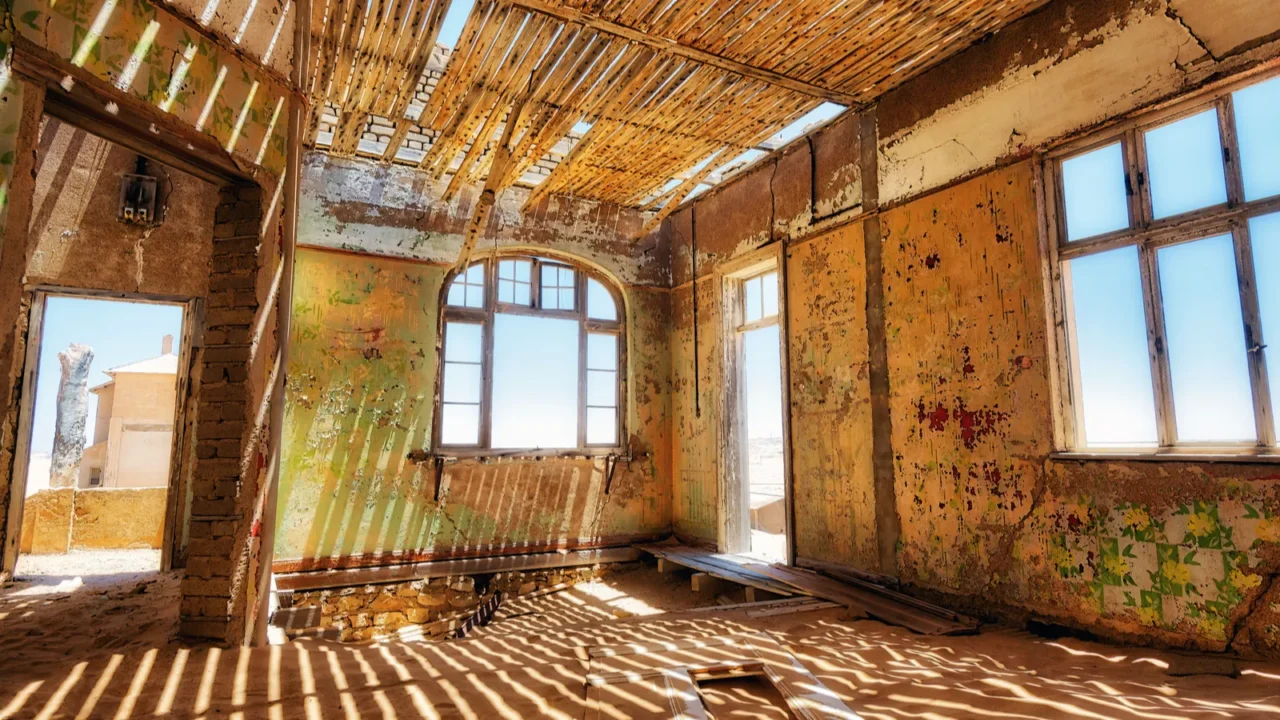
Kolmanskop, Namibia’s sand empire
Kolmanskop in Namibia was once a diamond boomtown in the early 1900s. When richer diamond fields were found farther south, people left in droves.
Today, the Namib Desert overtakes every building. Dunes drift through doorways and corridors, covering what were once elegant homes, hospitals, and ballrooms. The desert does not just touch Kolmanskop; it fills it, creating surreal corridors of sand that shift with every wind.
Kayakoy, Turkey’s ghost village
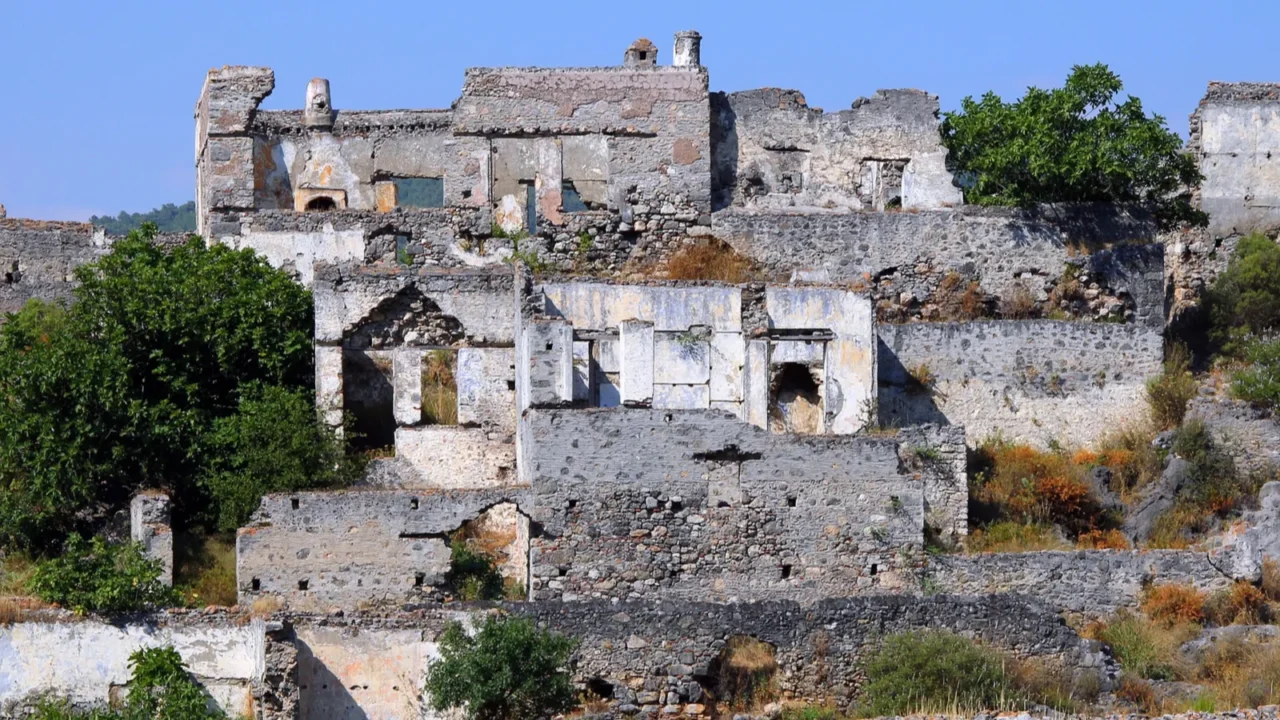
Near Fethiye in southwestern Turkey, Kayaköy was a thriving Greek town until the early 1920s. Political shifts and forced population exchanges emptied the village.
Today, stone houses stand silent beneath the Mediterranean sun. Cracked walls and open windows now host birds, vines, and wildflowers. While tourism brings visitors, nature remains the true resident, weaving green tendrils through empty doorframes and across cobblestone lanes.
Saeftinghe, Netherlands lost land
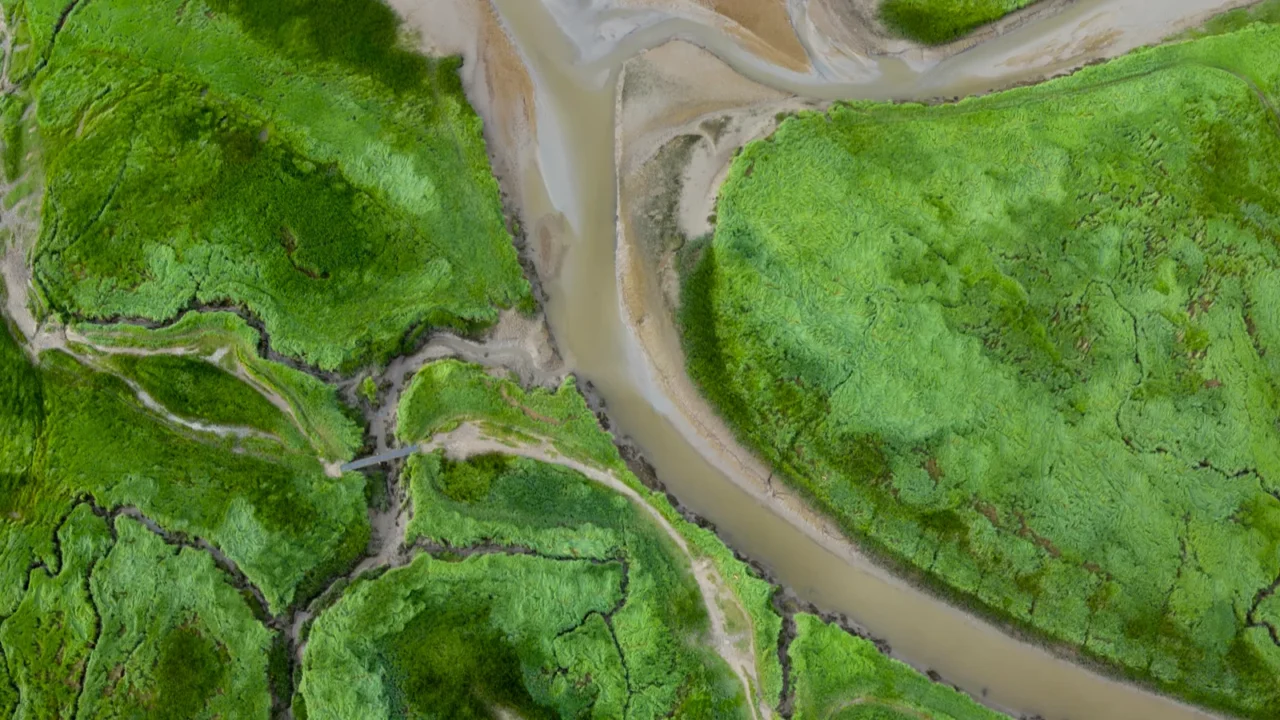
In the Netherlands’ Zeeland region, the town of Saeftinghe once thrived on fertile peatlands and river trade. After repeated flooding in the 1500s, people abandoned the settlement.
Today the area is a vast tidal swamp where reeds and marsh grass dominate. Birds and aquatic life flourish in the salt-tinged waters that rush in from the North Sea. Saeftinghe is now known as the Drowned Land, a rare natural reserve where tides reclaim land daily.
Pyramiden, Arctic time capsule
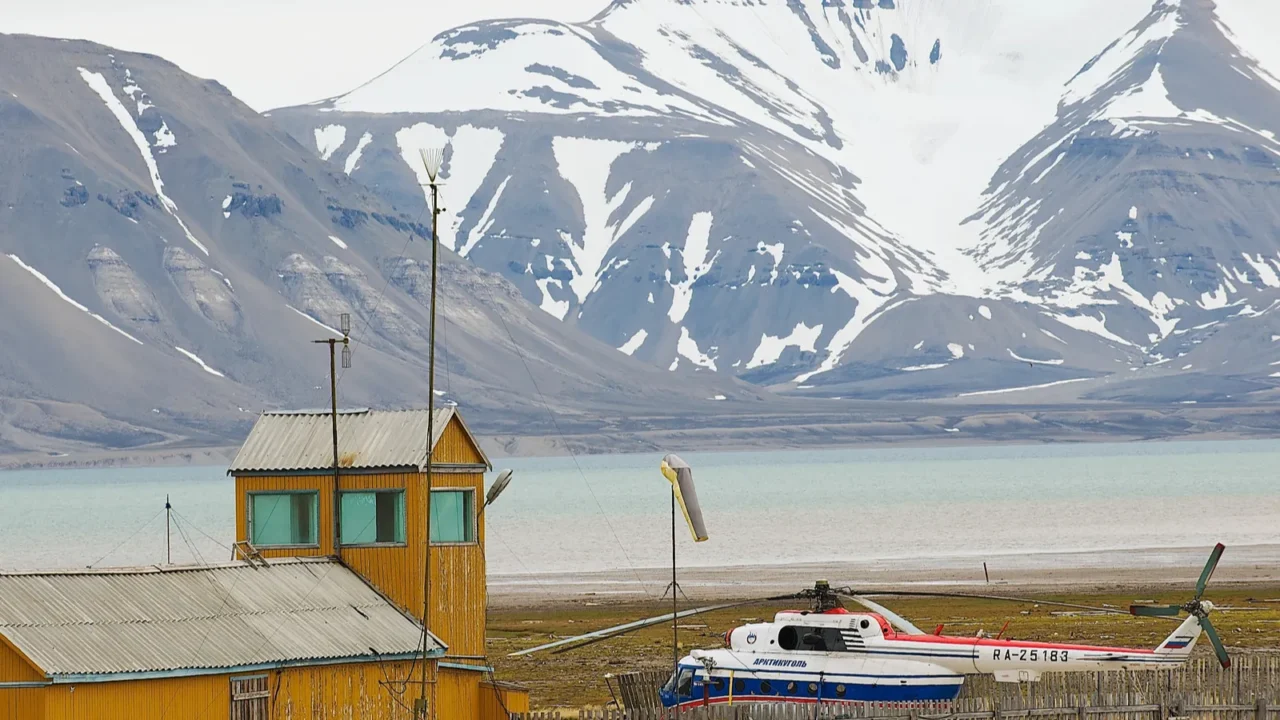
Pyramiden on Norway’s Svalbard archipelago was a Soviet coal mining town in the Arctic. Closed in 1998, most residents left everything behind.
Ice, cold winds, and snow now press against crumbling walls. Rust and frost mingle on forgotten machinery. Polar bears and Arctic foxes pass through broken streets. Though some buildings have been stabilized for tourism, the settlement feels frozen in time, nature steadily reshaping what humanity once forced here.
Beng Mealea, jungle temple
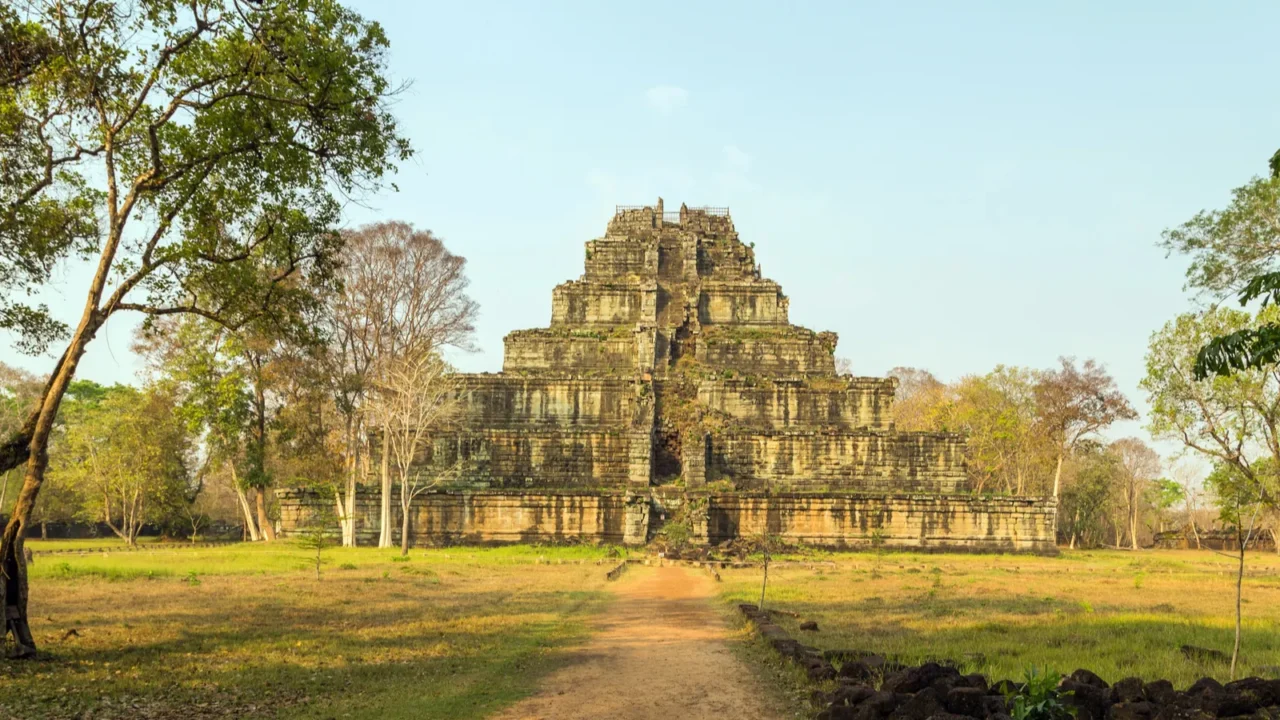
In Cambodia, the temple of Beng Mealea was built around 900 years ago. For centuries, it was an important religious site.
Today, thick jungle creeps through collapsed stone corridors. Massive tree roots lift ancient blocks like fingers through fabric. Birds nest in crumbling towers, and vines drape across carved walls. This site blends architecture with wild growth, reminding visitors that nature absorbs even the grandest human achievements.
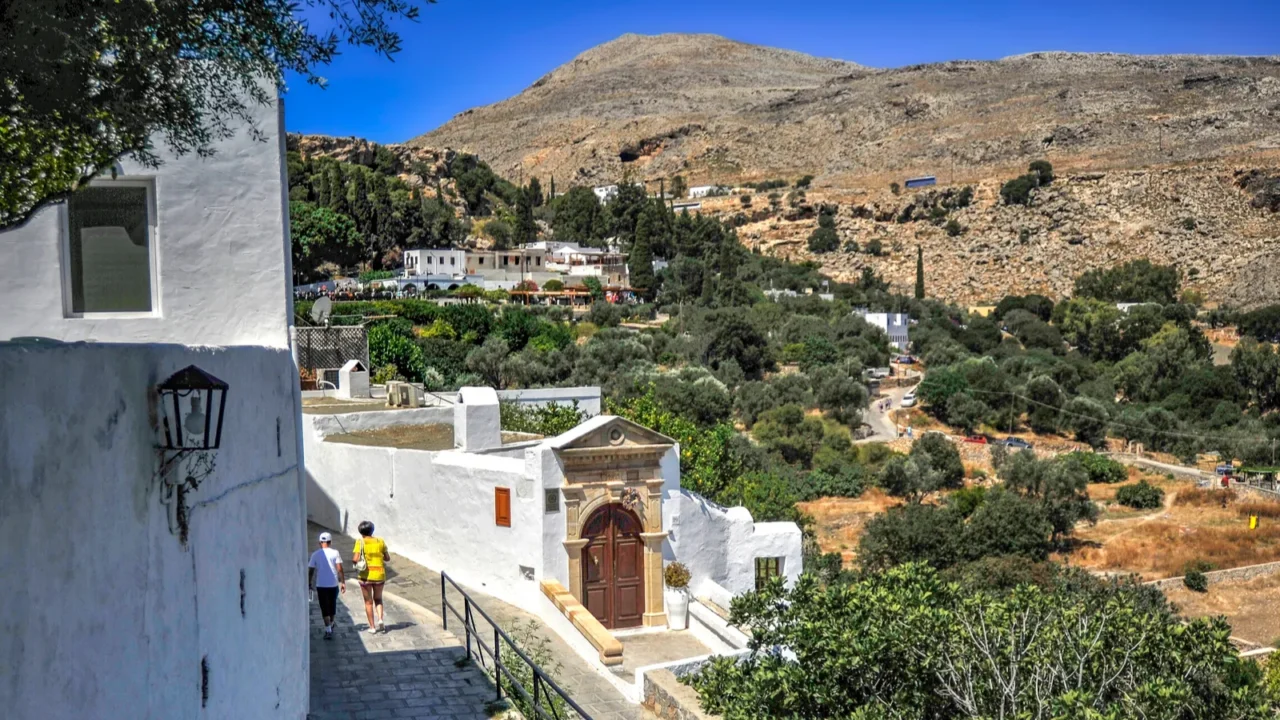
Leith Harbour, South Georgia
Leith Harbour was the largest whaling station in the world on South Georgia Island. After whaling ended, the station was abandoned.
Today, large colonies of fur seals and elephant seals use the rusted buildings as rest spots. Penguins waddle across empty docks. The once industrial landscape now echoes with animal calls. Here, nature doesn’t just reclaim structures it also lives within them.
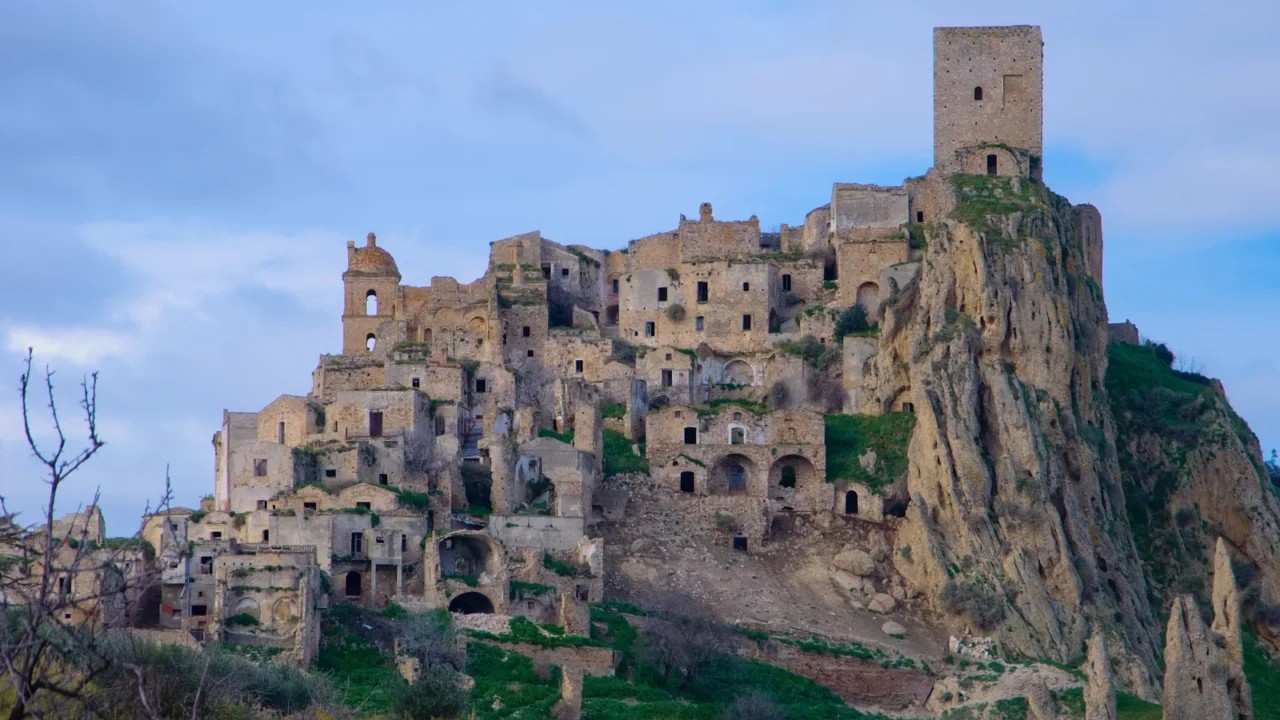
Craco, Italy’s ghost hill town
Perched on a hill in southern Italy, Craco was abandoned after repeated landslides in the 1960s forced families to leave.
Now, silent stone streets are cracked and cloaked in weeds. Wildflowers grow where homes once stood. The village is both eerie and beautiful, a testament to nature’s quiet persistence as it blends the old world into its landscape.
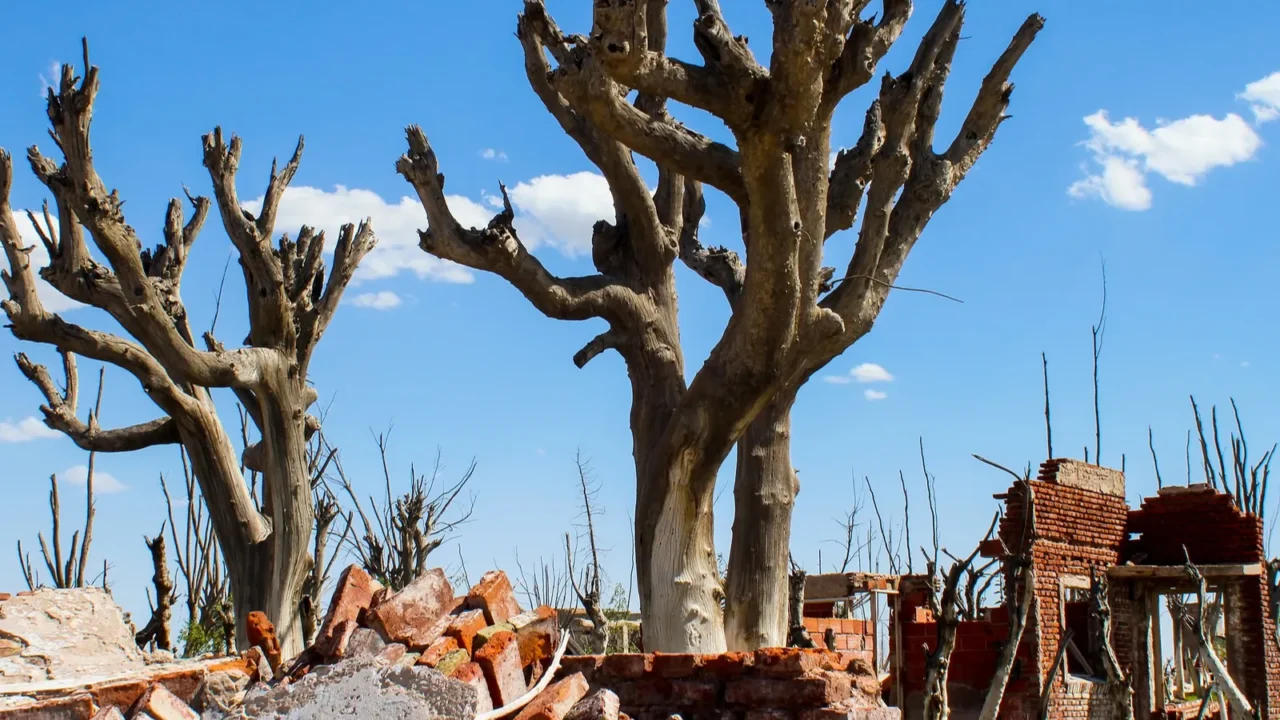
Villa Epecuen, Argentina ruins
Villa Epecuén in Argentina was a popular lakeside resort until a devastating flood submerged it in 1985.
Decades later, waters receded, and the skeletal remains of buildings rose from salt encrustations. Cracked walls, rust, and salt-bleached frames sit against scrub grasses. Nature has turned ruins into stark sculptures that rise from an otherworldly plain.
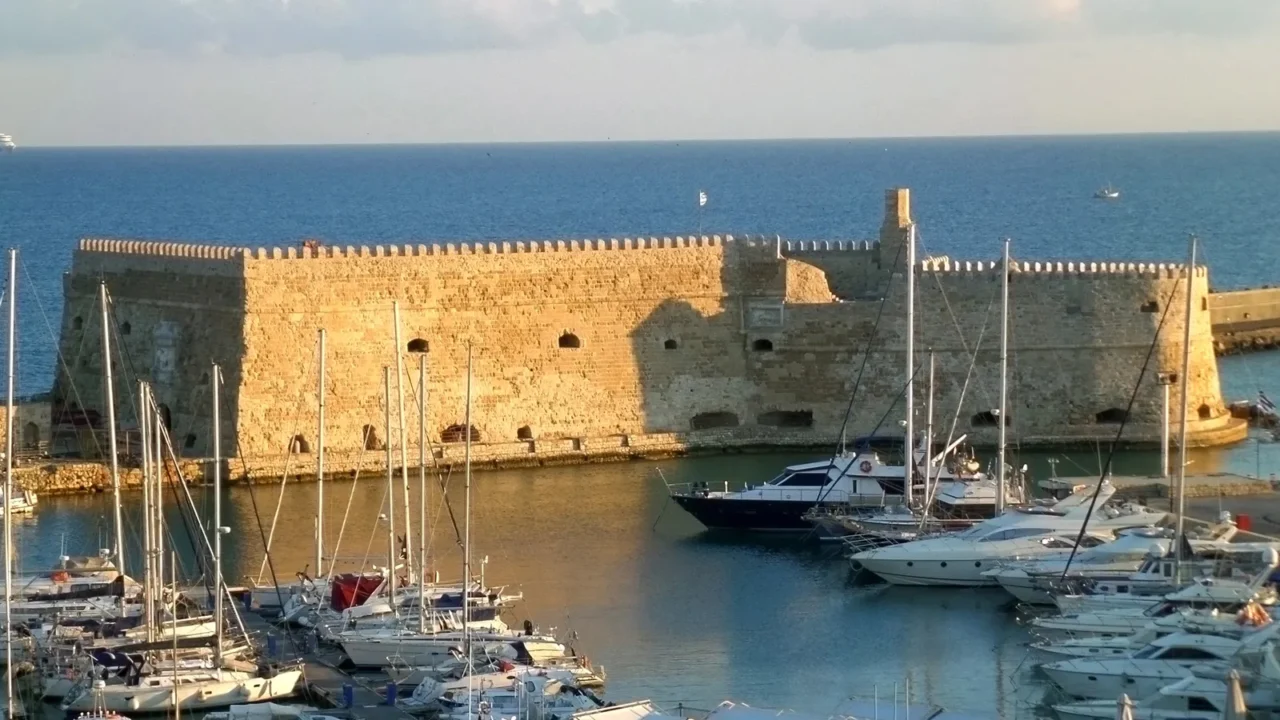
Underwater Heracleion, Egypt
Heracleion was a busy Mediterranean port city more than 2,200 years ago. Over time, earthquakes and rising seas caused it to sink beneath waves until its rediscovery by archaeologists in 2000.
Now its ruins are covered in sand and coral. Fish and sea life weave through columns and statues, turning history into a living reef. It is one of the most remarkable examples of nature reclaiming what once bustled with trade and life. Explore these most remote places left on earth and see how the planet quietly reshapes history.
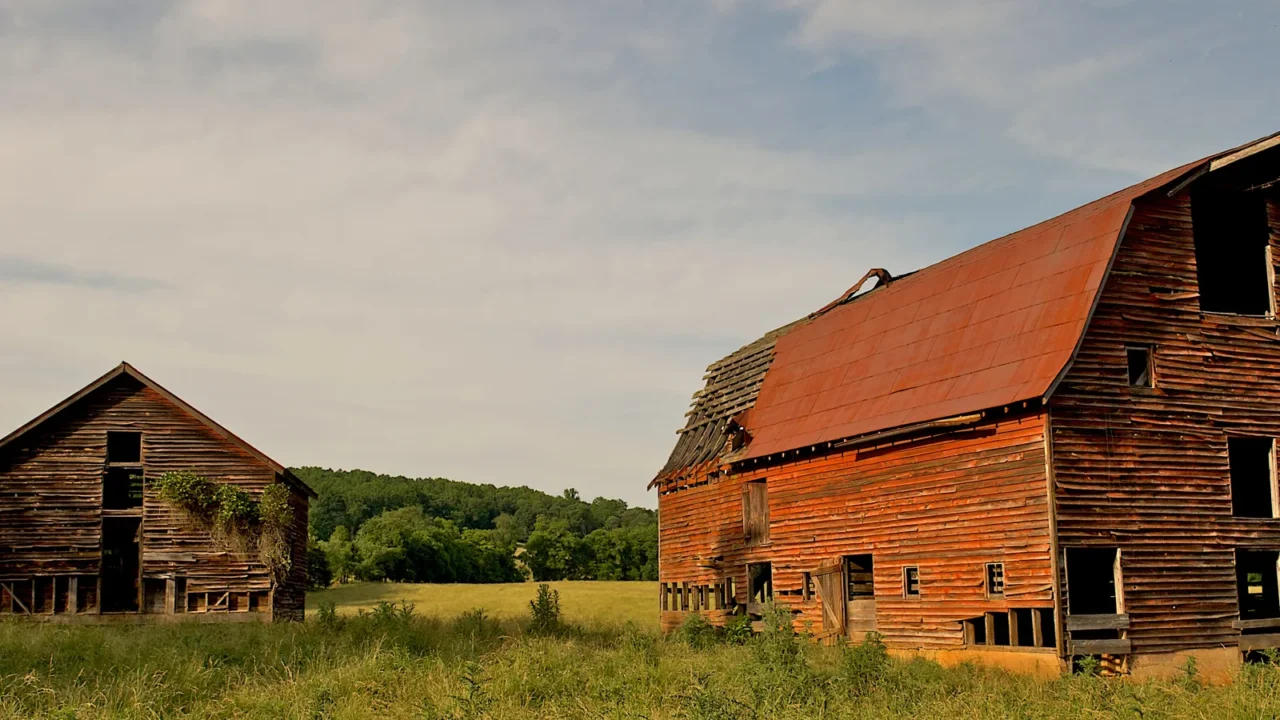
Nature always returns
Each of these abandoned cities shows that time and nature eventually outlast human presence. From jungles wrapping temples to deserts swallowing towns and oceans covering ports, the Earth reshapes what we make.
These places call us to reflect on our impact, to cherish stillness, and to seek out landscapes where history meets regeneration. They remind us that nature is not silent when we leave; it moves right back in with purpose. Discover the quietest places on Earth where you can truly unplug and let nature show you its enduring power.
Which abandoned place would you most want to explore and witness nature’s reclaiming power? Let us know in the comments!
This slideshow was made with AI assistance and human editing.
Don’t forget to follow us for more exclusive content right here on MSN.
Read More From This Brand:
