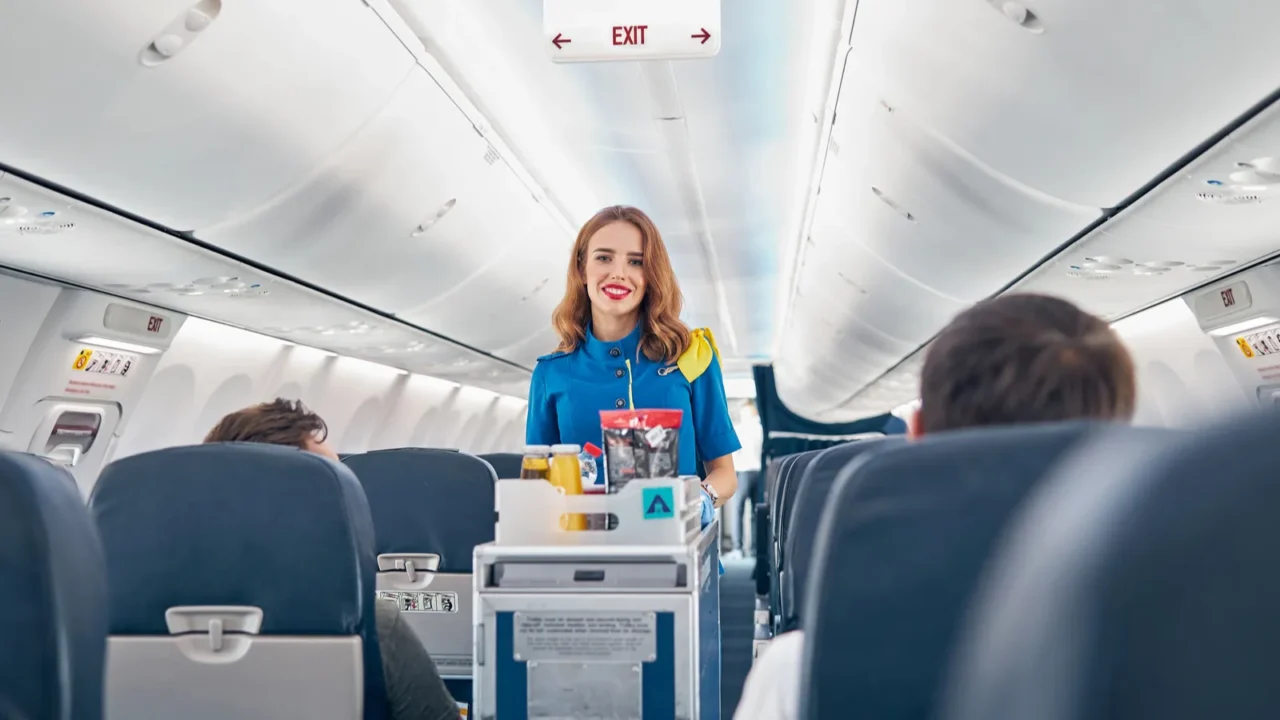
Fewer bites aloft
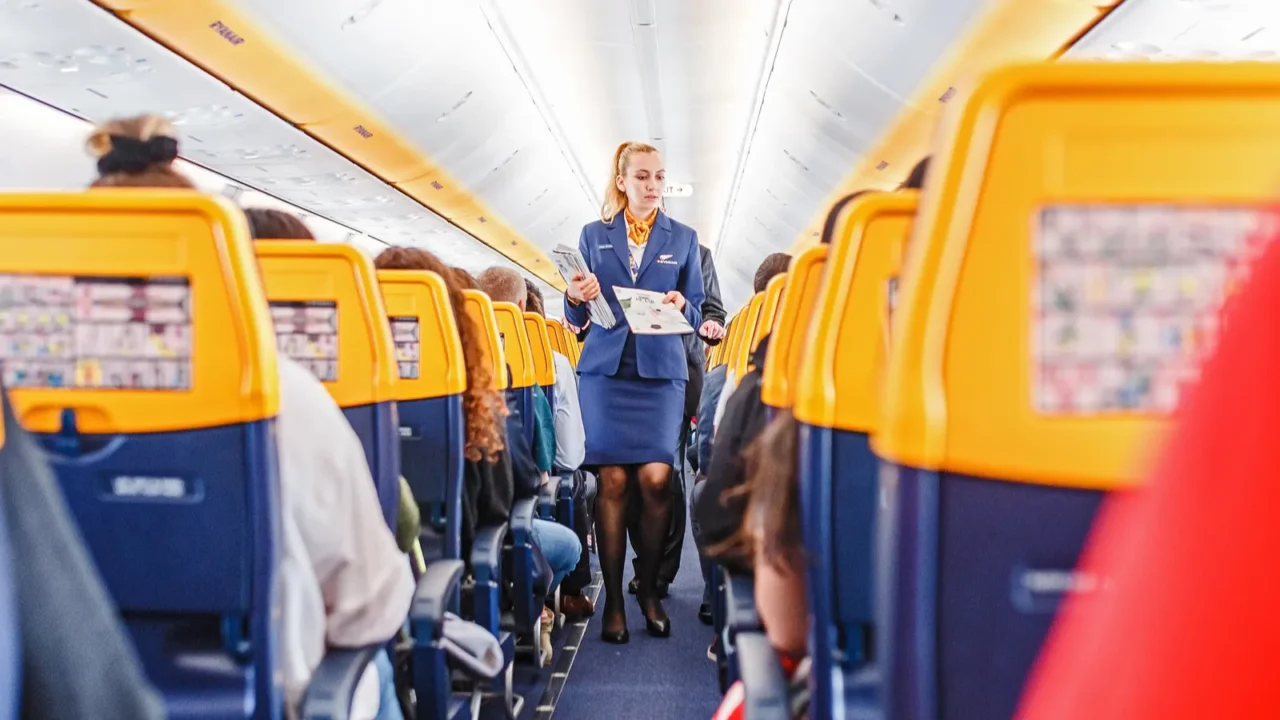
Air travel is quietly changing, and many passengers notice it first on their tray table. Across economy cabins worldwide, airlines are trimming complimentary meal options or removing them altogether, especially on shorter routes.
This shift reflects rising operational costs, changing passenger habits, and a focus on efficiency. What once felt like a guaranteed part of flying now depends on distance, airline strategy, and how travelers value food versus fares. The result is a new economy flight experience that feels leaner, faster, and more transactional.
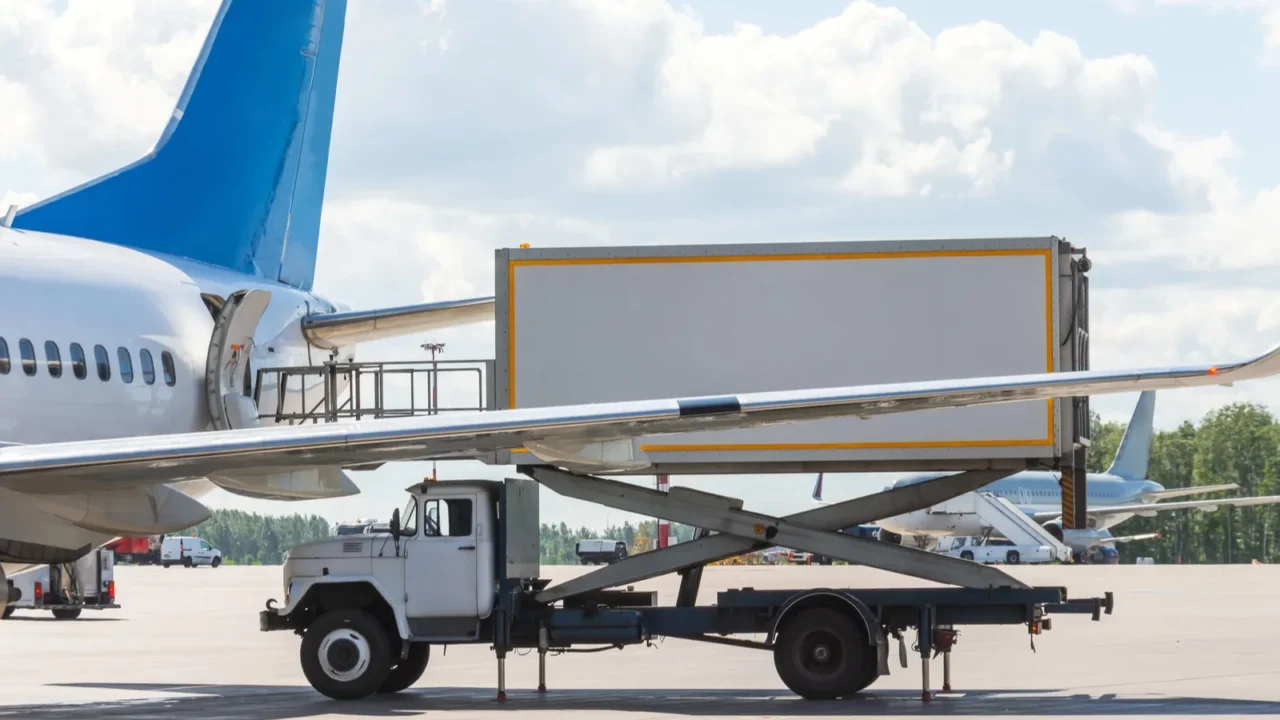
Cost pressure reality
Fuel prices, labor expenses, and catering logistics have pushed airlines to reassess every onboard service. Meals are costly to prepare, transport, store, and discard, making them an easy target when budgets tighten.
By reducing menu variety or removing free meals, airlines save money while keeping ticket prices competitive. For many carriers, especially in North America, this tradeoff is seen as preferable to raising base fares and risking demand.
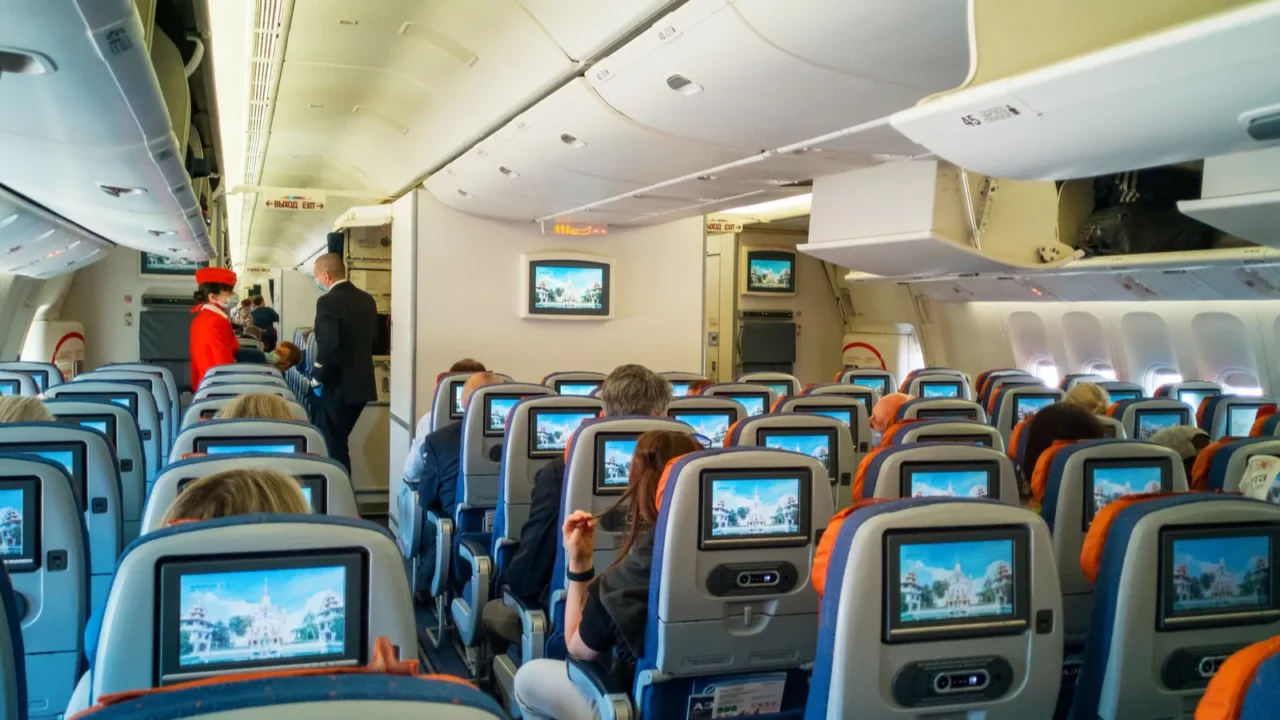
Short routes shift
On domestic and regional flights, full meals in economy are becoming rare. Many airlines now offer only snacks or drinks, assuming passengers prefer lower fares over a plated meal on brief journeys.
This approach aligns with how people travel today. Short flights are often treated like extended commutes, where convenience and timing matter more than dining. Airlines design service around that mindset, reshaping expectations along the way.

Buy onboard culture
Instead of free meals, passengers are increasingly offered buy onboard menus. These include packaged snacks, fresh items, and drinks available for purchase during the flight.
This model gives airlines predictable revenue and reduces food waste. It also shifts the choice to the traveler, who decides whether food is worth the added cost. While some appreciate the flexibility, others miss the simplicity of included meals.
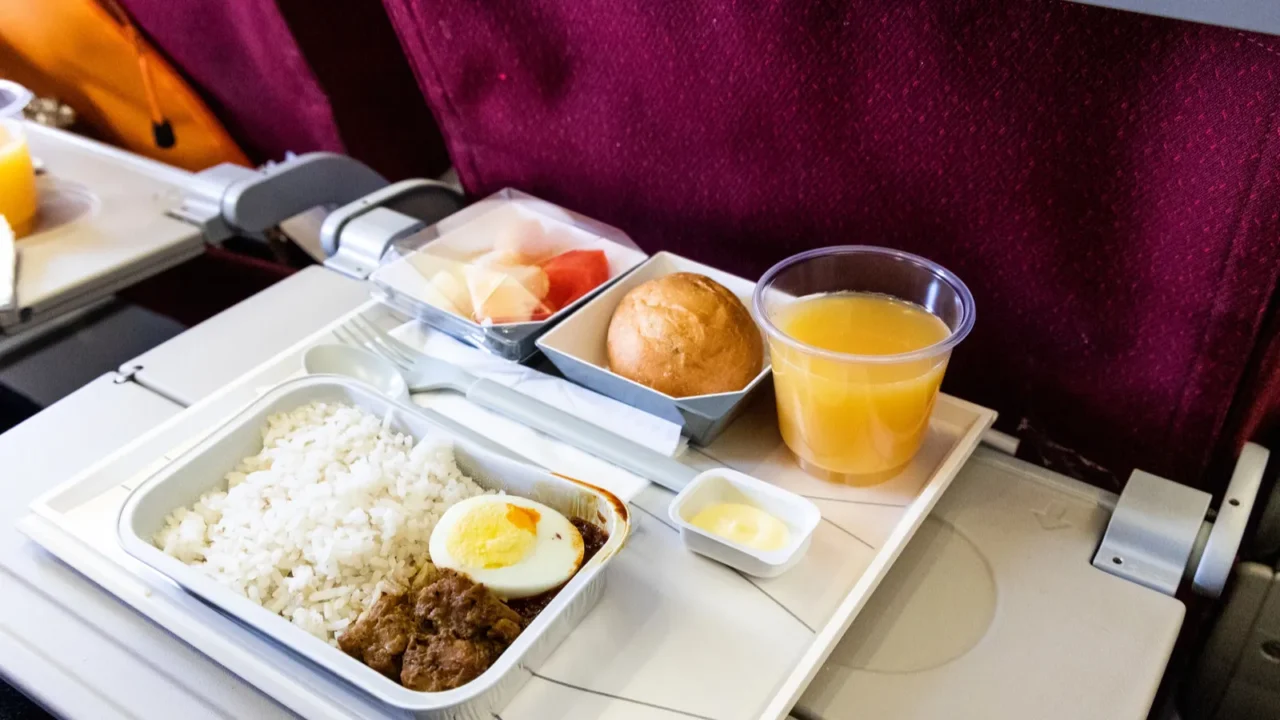
Menu variety shrinks
Even when meals are still included, options are narrower. Airlines may offer a single hot choice or limited special meals, reducing complexity in catering operations.
Fewer options mean faster service and fewer errors, especially on full flights. For passengers with dietary needs, this change requires planning, as last-minute flexibility is no longer guaranteed in economy cabins.
Sustainability angle
Airlines often frame reduced meal service as an environmental decision. Less food loaded onboard means lower weight, reduced fuel burn, and less waste after landing.
This argument resonates with travelers who care about sustainability. While it does not tell the whole story, it shows how airlines blend cost savings with climate messaging to justify changes that also benefit their bottom line.
Premium divide grows
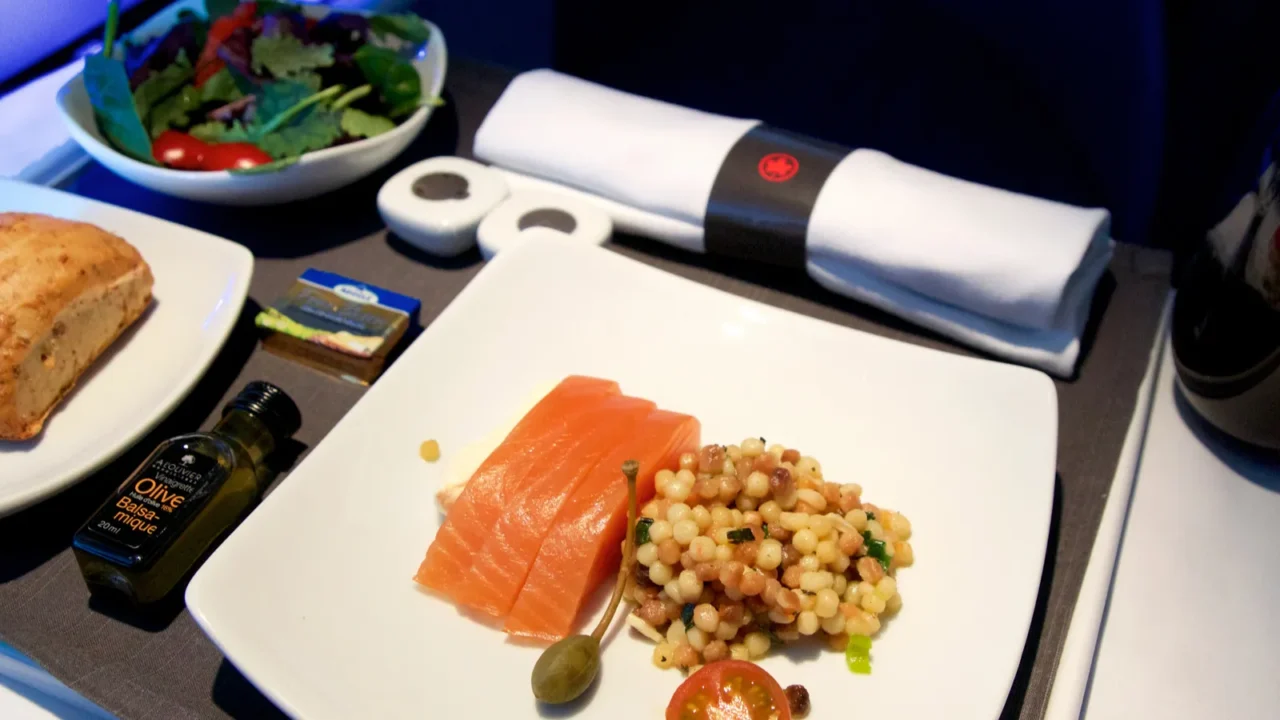
As economy offerings shrink, the gap between economy and premium cabins becomes more obvious. Premium economy and business class still emphasize dining as part of the experience.
This contrast encourages upgrades and reinforces food as a marker of comfort. For airlines, it is a strategic way to protect higher margins while simplifying service for the largest group of passengers.
Regional differences matter
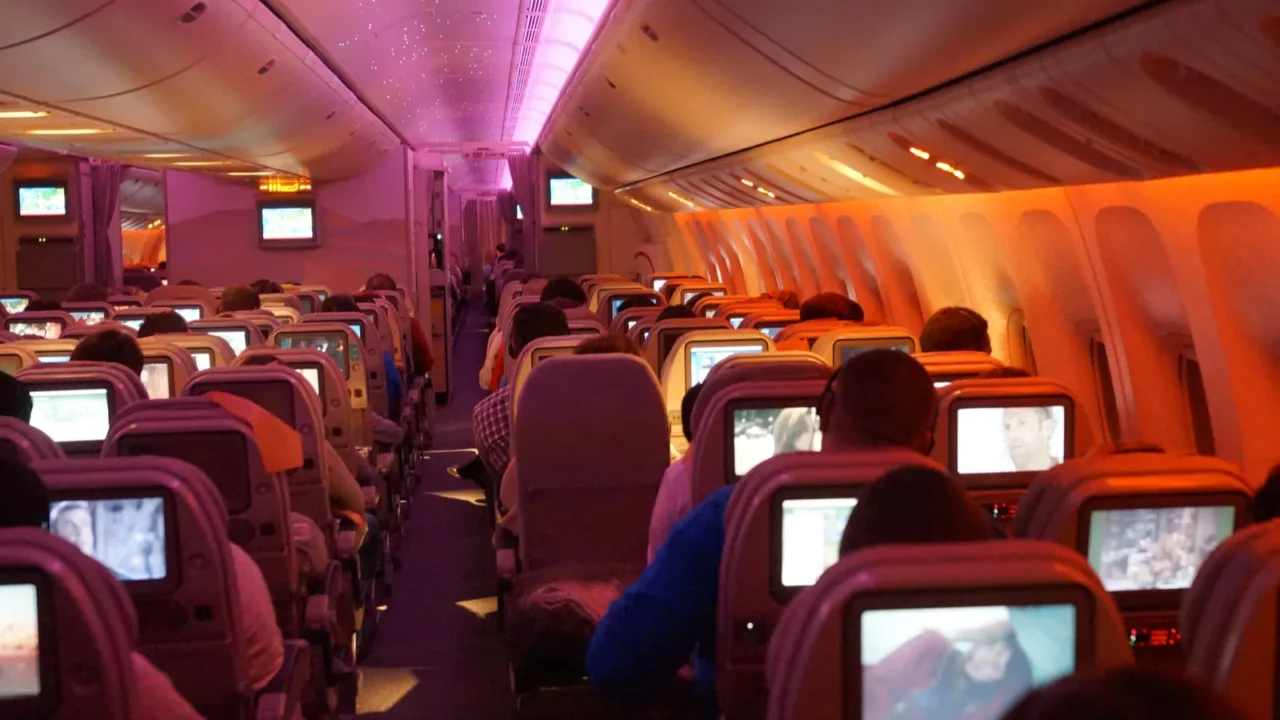
Meal policies vary widely by region. Many Asian and Middle Eastern airlines continue to include meals even on shorter routes, reflecting cultural expectations around hospitality.
In the United States and parts of Europe, minimal economic service is more accepted. Travelers flying internationally often notice these contrasts, which shape perceptions of airline quality and value.
Technology enables change
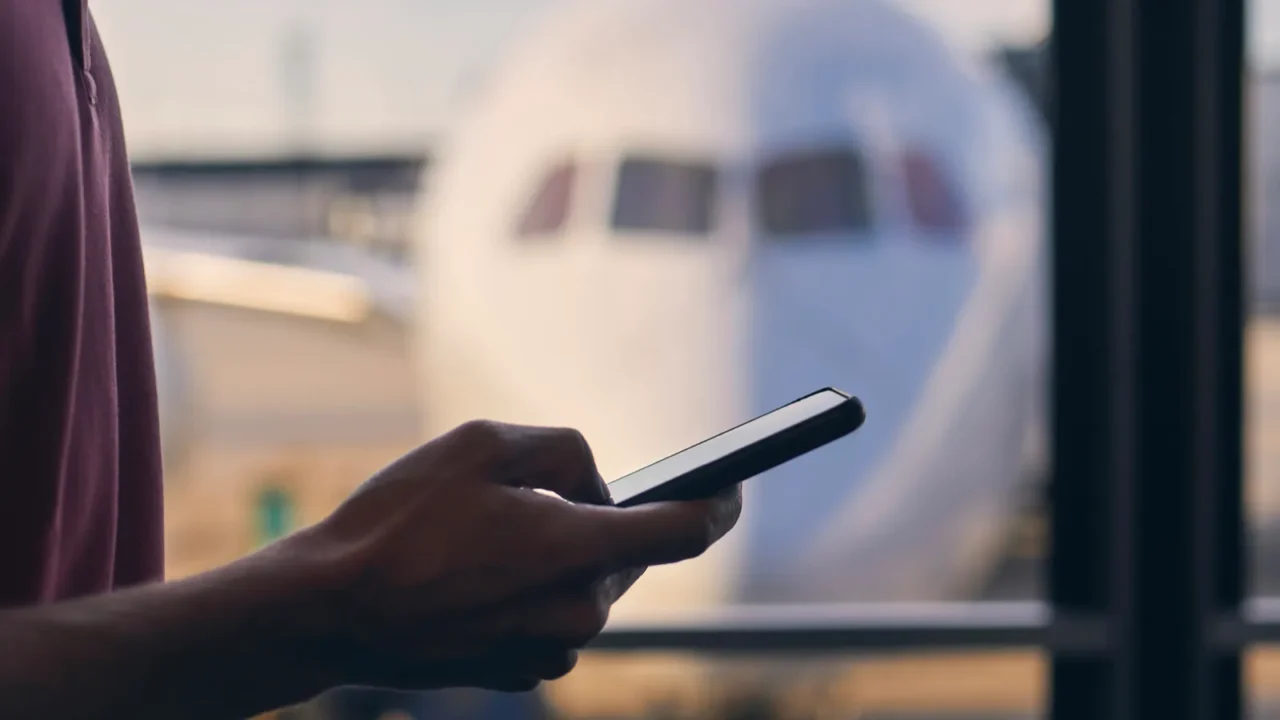
Mobile apps now play a key role in meal reduction strategies. Some airlines encourage passengers to preorder food, allowing precise loading and less waste.
Digital ordering also shifts responsibility to the traveler, making food feel optional rather than automatic. This quiet change supports learner cabins while still offering choice to those who want it.
Passenger reaction mixed
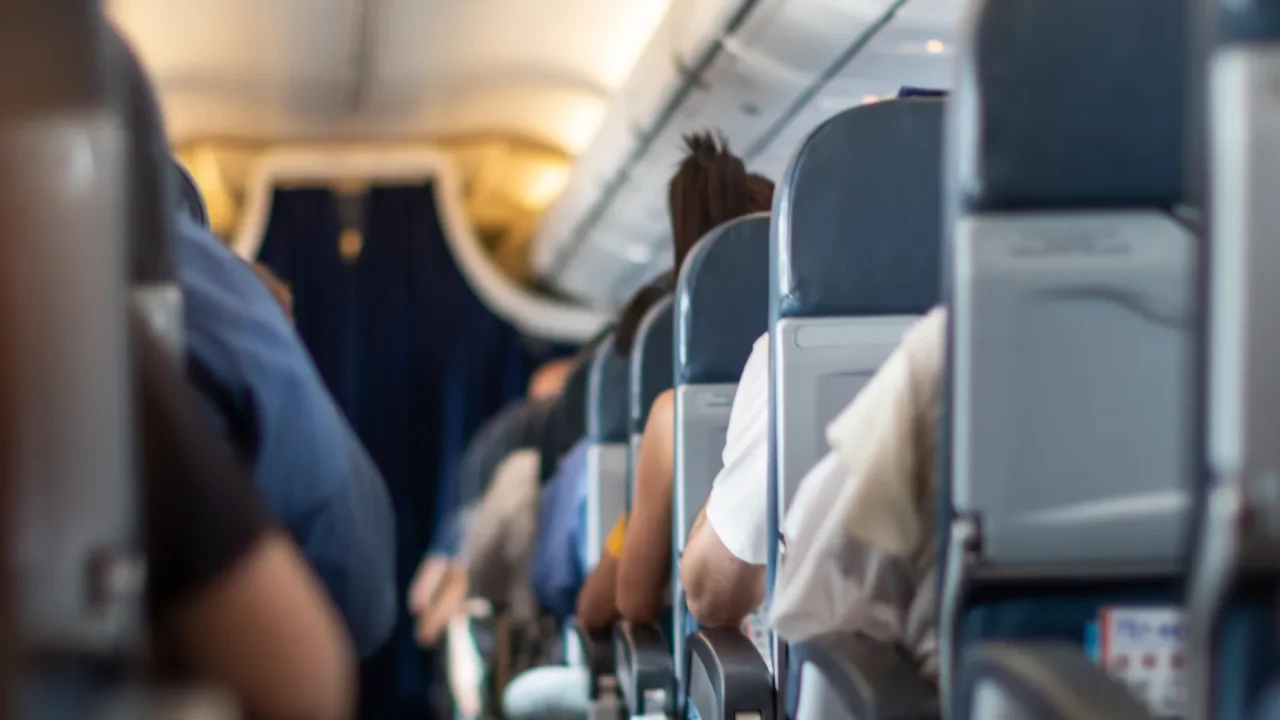
Reactions to reduced meals are divided. Budget focused travelers often accept the change, especially if fares remain low and flights are short.
Others feel the loss of service signals declining standards. For frequent flyers, meals once symbolized care and reliability, making their absence feel like something intangible has been taken away.
Planning becomes essential
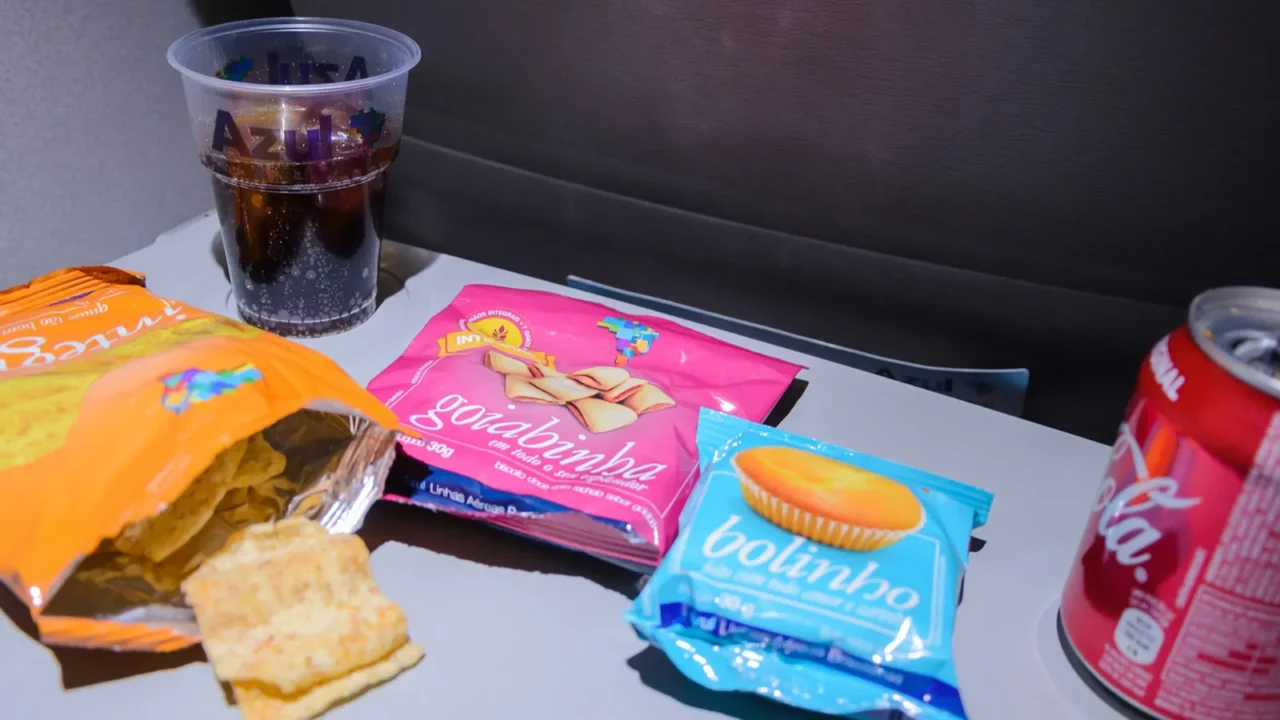
Today, economy passengers benefit from planning ahead. Eating before boarding or bringing approved snacks can prevent frustration during the flight.
Understanding an airline’s catering policy has become part of trip preparation. What used to be assumed now requires attention, especially on routes that once included full-service meals.
Industry wide trend
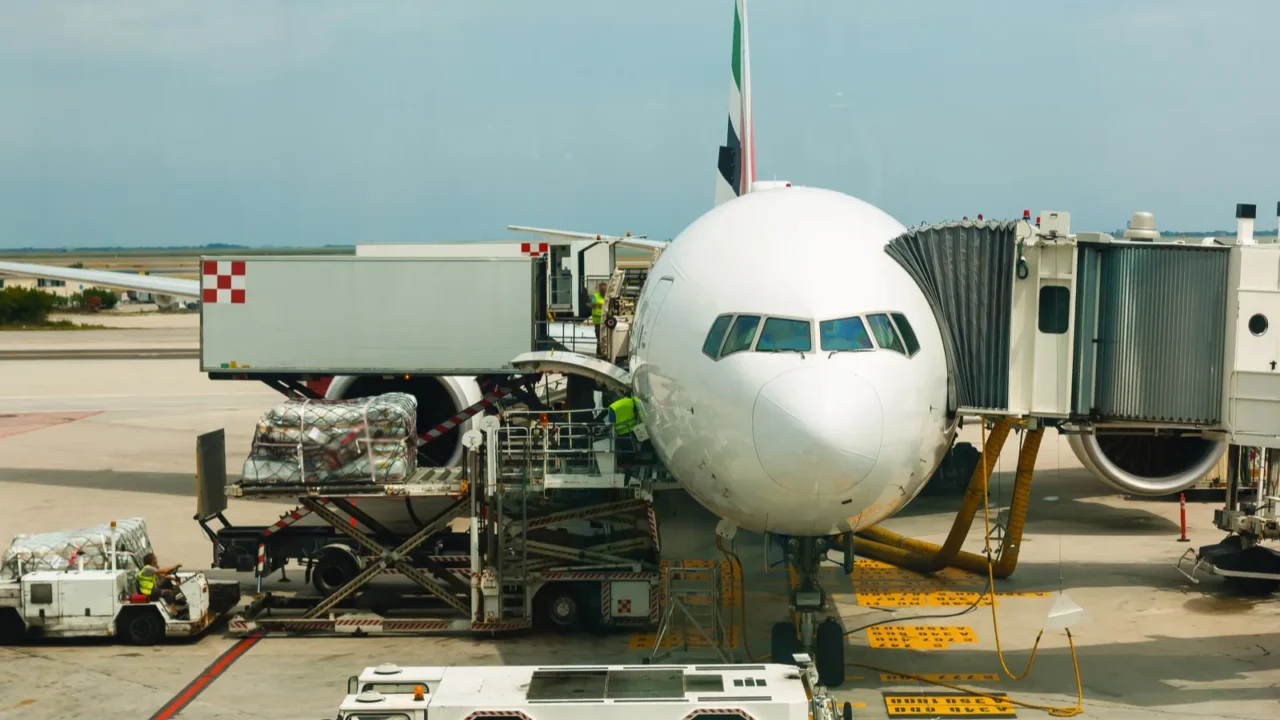
The reduction of economy meals is not a temporary phase. It reflects broader airline strategies focused on efficiency, personalization, and unbundled pricing.
As competition intensifies, airlines refine what is included and what costs extra. Food has shifted from a standard offering to a variable feature shaped by economics and traveler behavior, a shift that becomes even more significant as new airline routes redefine how travelers connect across regions.
Future of flying food
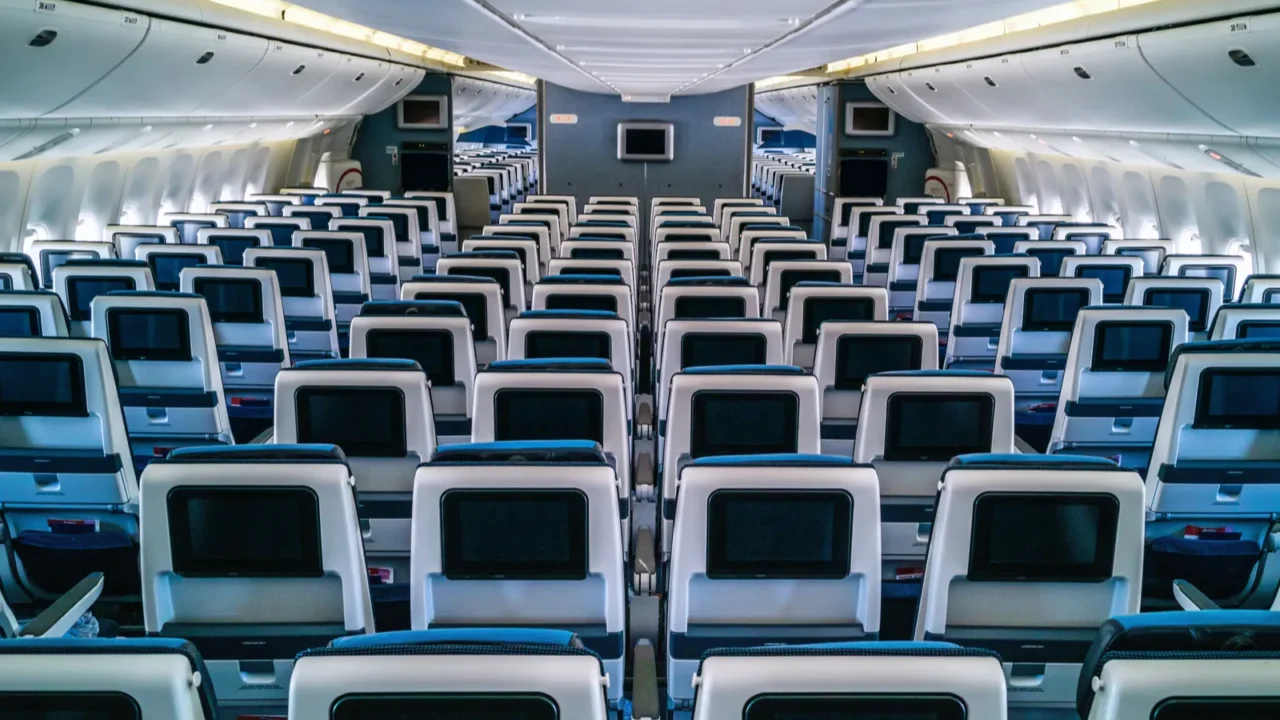
Looking ahead, economy dining will likely remain limited, with technology-driven customization replacing blanket service. Travelers may choose meals the same way they choose seats.
This evolution marks a cultural shift in flying. The journey itself now prioritizes function over form, with comfort and indulgence framed as optional add-ons rather than built-in benefits, raising a practical question for today’s traveler about whether premium economy is now worth the upgrade.
Have you noticed fewer meal options on your recent flights? Tell us—do you miss the full in-flight meal service or prefer the lower fares instead?
This slideshow was made with AI assistance and human editing.
Don’t forget to follow us for more exclusive content right here on MSN.
Read More From This Brand:
