A classic comeback
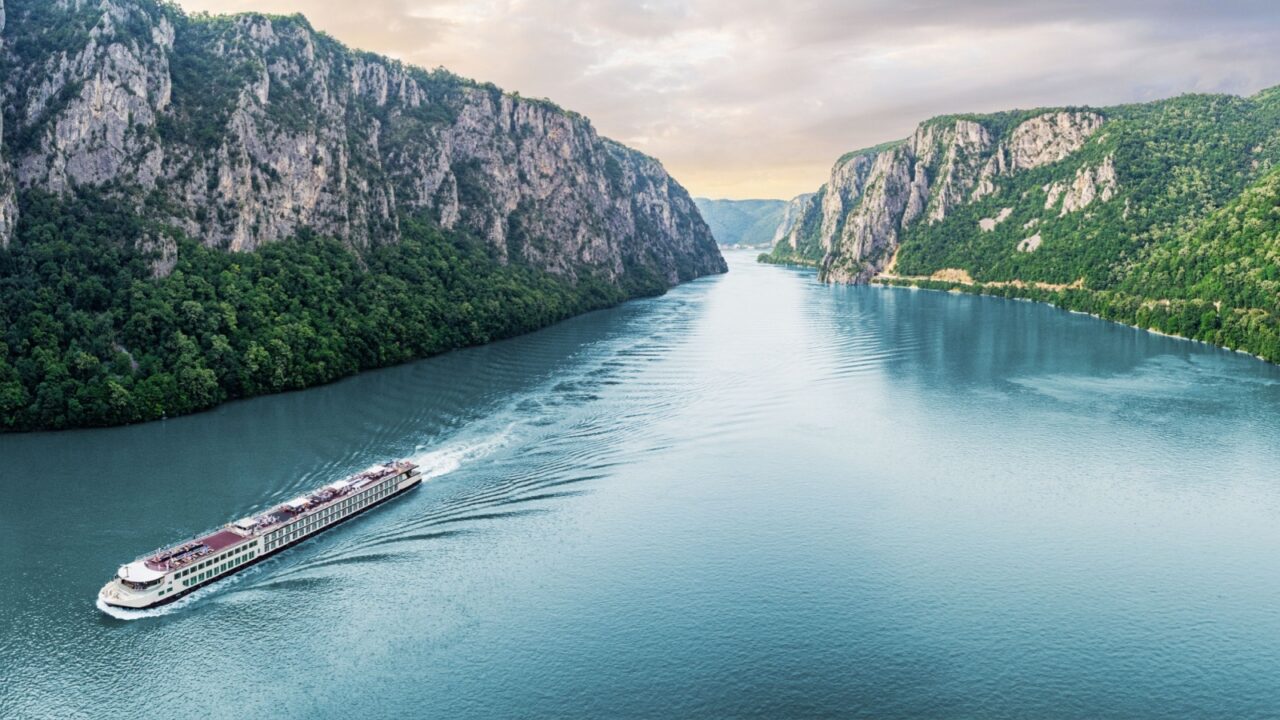
River cruising is quietly making a strong return across Eastern Europe and Central Asia. After years of disruption, travelers are rediscovering slow journeys through historic waterways. These cruises offer scenery, culture, and comfort without the rush of crowded airports.
Instead of ocean megaships, smaller river vessels feel more personal and immersive. They glide through cities and countryside alike. This style is winning hearts again, and here’s why travelers are diving back in.
Why rivers again
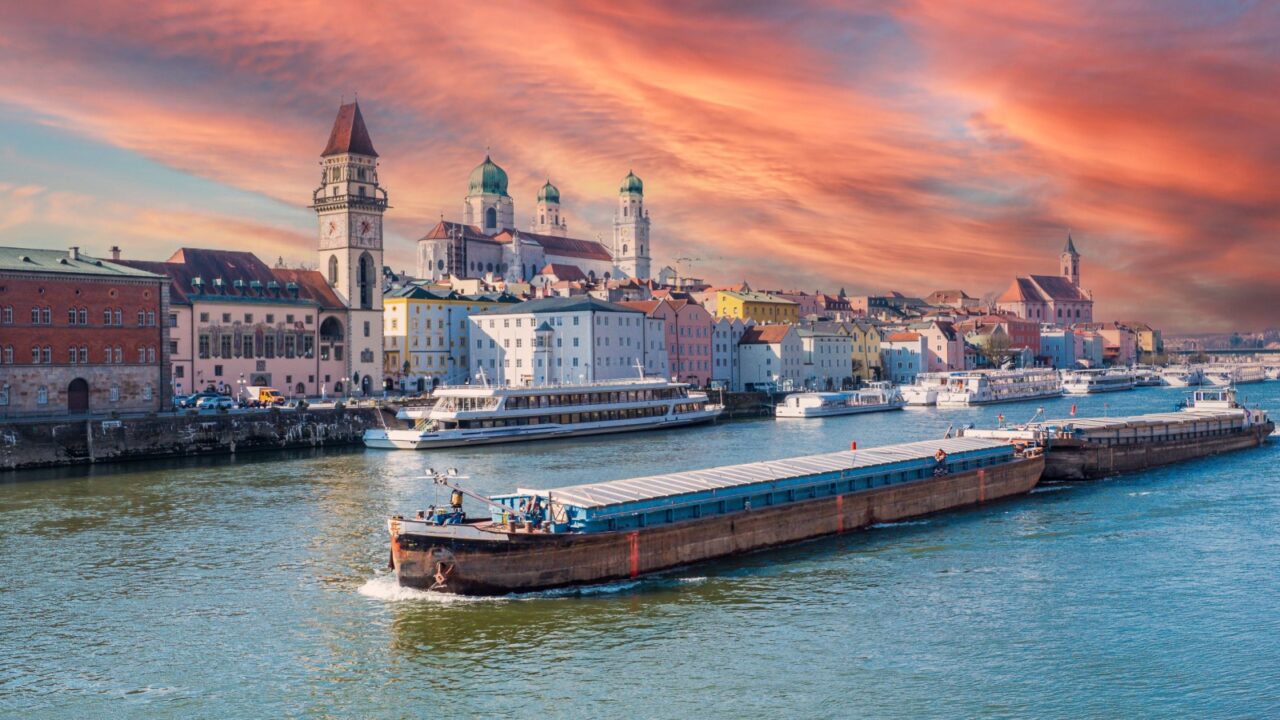
River cruising offers predictability in uncertain travel times. Routes are shorter, schedules are stable, and disruptions are easier to manage. That reliability appeals to travelers seeking smoother planning.
Eastern Europe and Central Asia provide long navigable rivers rich in history. These regions feel less saturated than Western Europe. The timing for a river cruise revival feels right.
The Danube’s revival
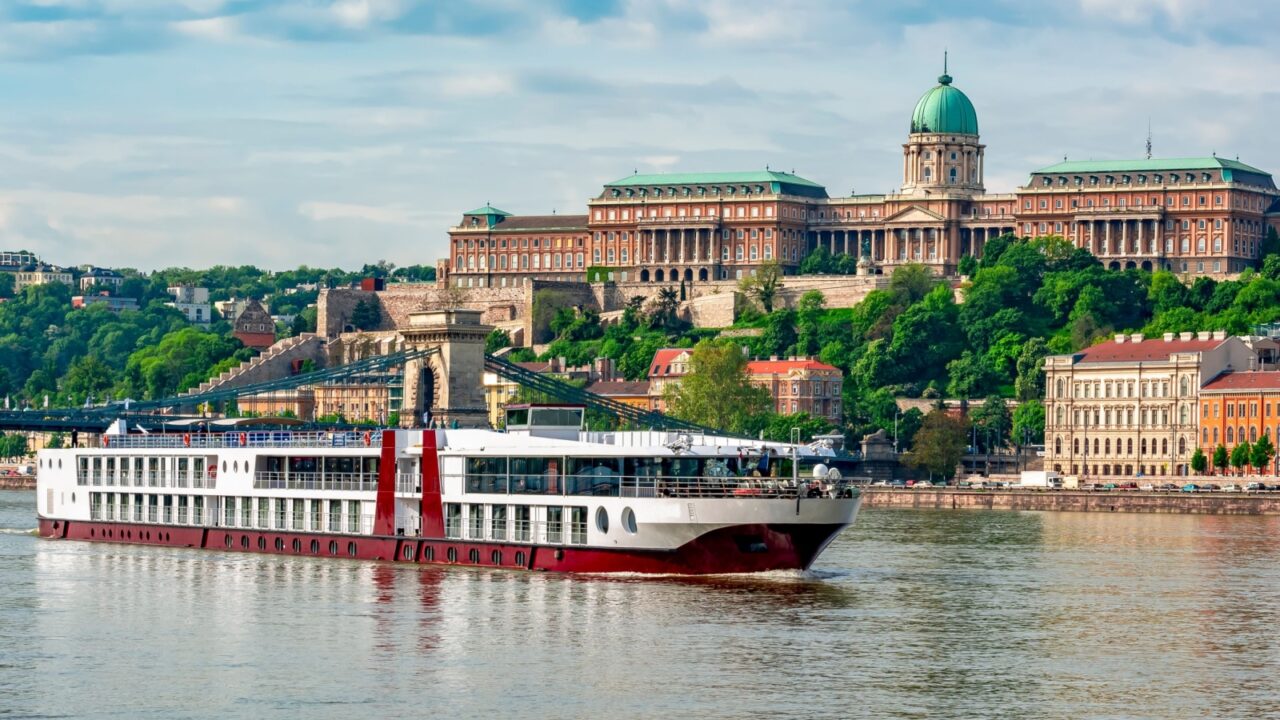
The Danube remains the backbone of Eastern European river cruising. Cruises pass through Budapest, Bratislava, and Belgrade with ease. Each stop offers walkable access to historic centers.
Operators report strong demand for Danube itineraries again. Cultural depth and scenic variety drive bookings. The river’s revival signals wider regional interest.
Budapest anchors interest
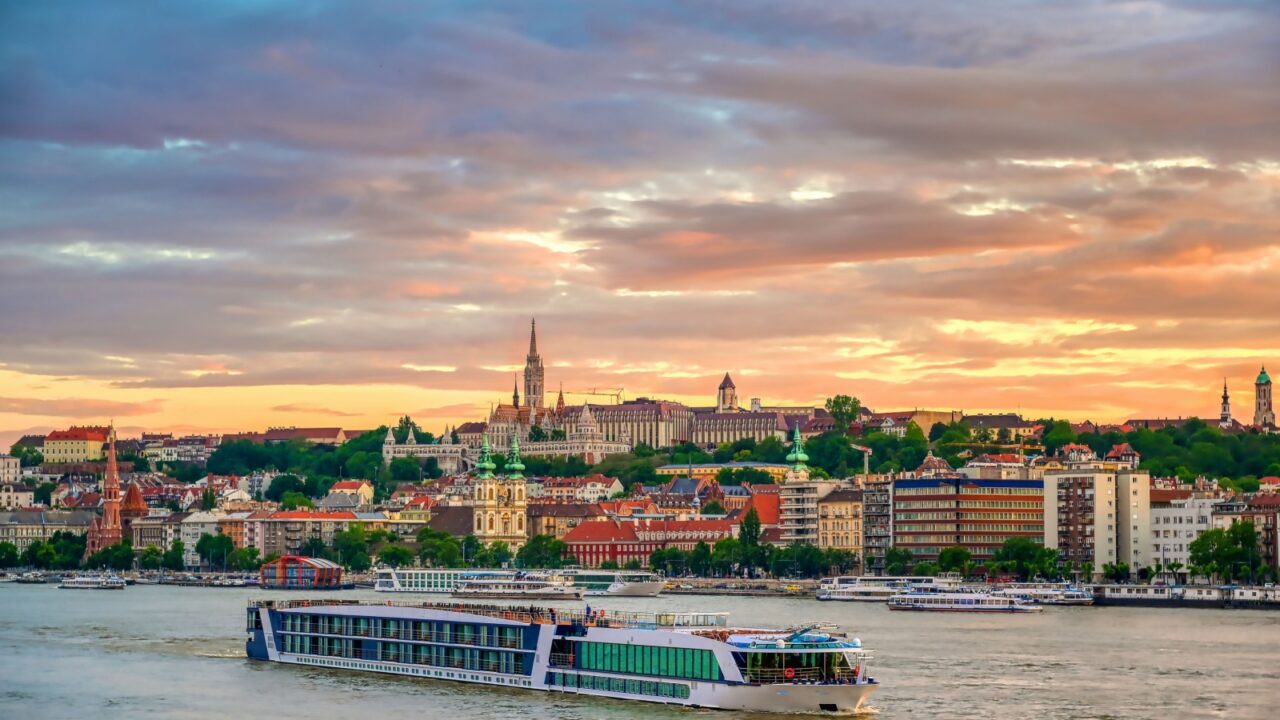
Budapest has reemerged as a river cruise highlight. Its Parliament views and thermal baths attract repeat visitors. Evening dockings showcase the city’s illuminated skyline.
Cruise travelers spend heavily on dining and excursions. Local guides benefit from steady arrivals. Budapest’s popularity fuels confidence in river routes.
The Volga returns
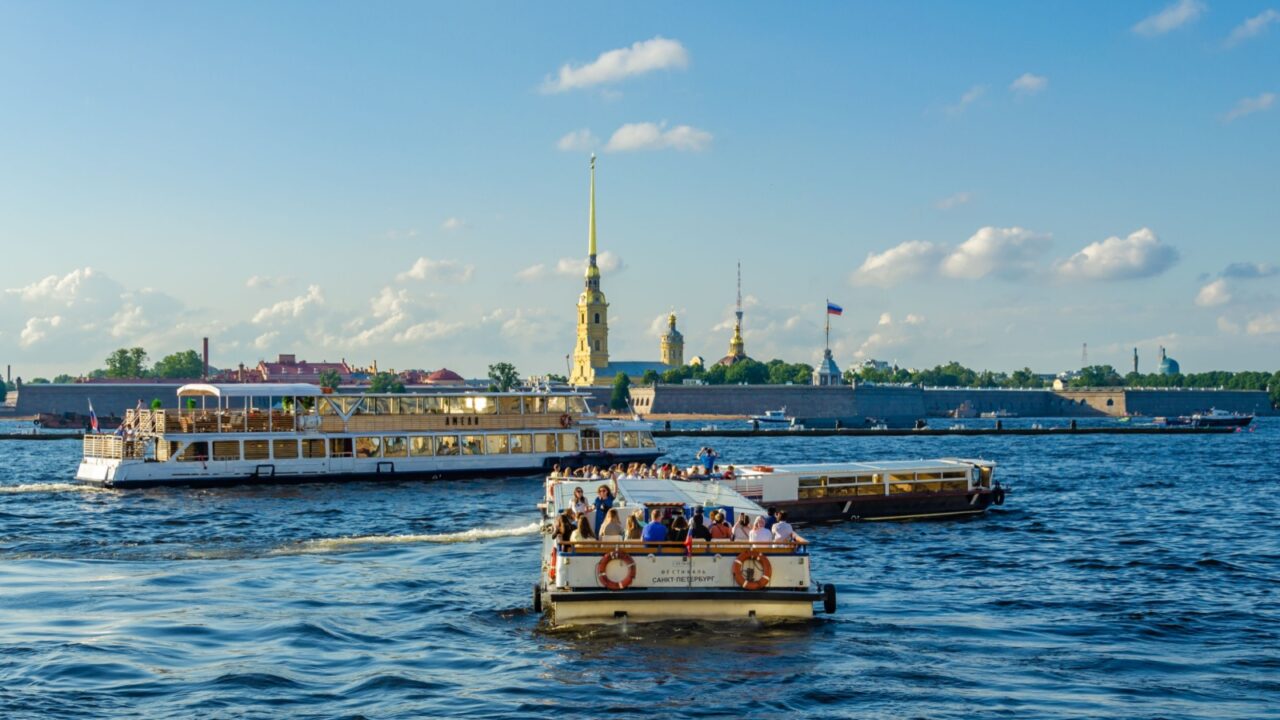
Russia’s Volga River has historically been central to regional cruising. Routes linking Moscow, Kazan, and Volgograd remain culturally significant. Domestic and regional demand supports gradual recovery.
These cruises focus on heritage and architecture. Travelers experience lesser-seen cities along the way. The Volga’s presence underscores river cruising’s deep roots.
Central Asia waterways
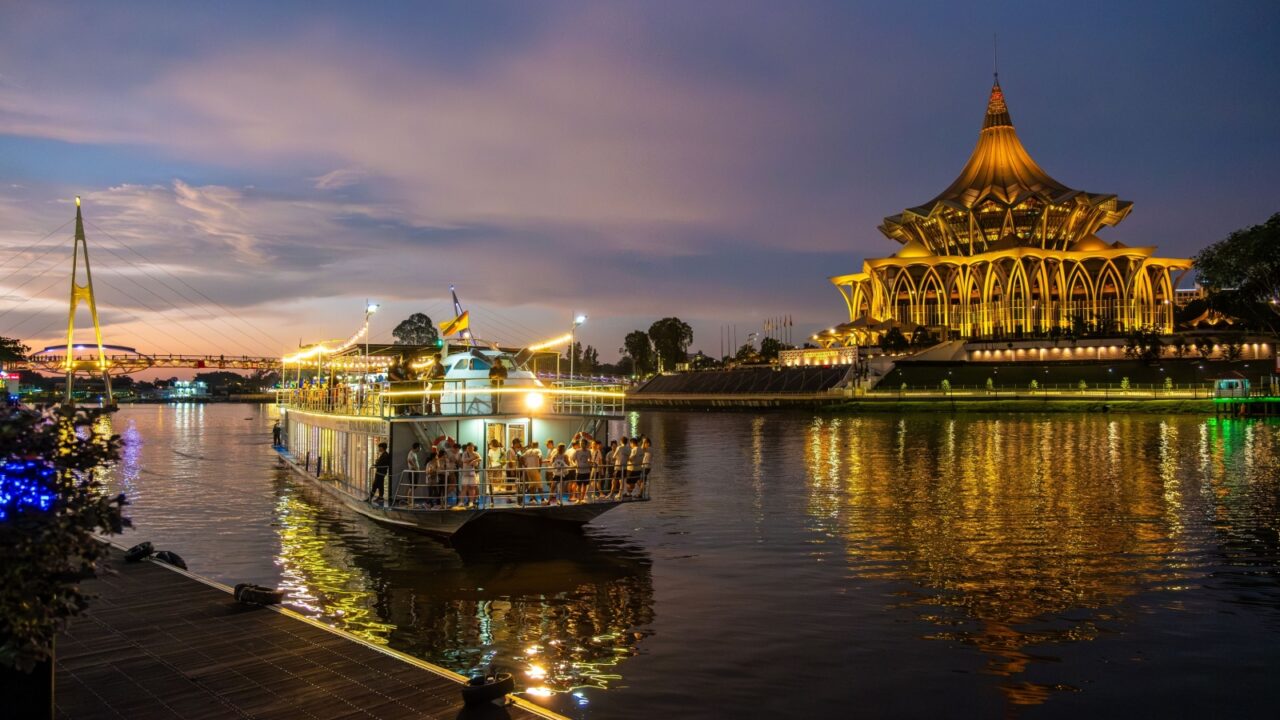
Central Asia is drawing attention for its lesser-known river routes. Kazakhstan’s Irtysh River connects remote landscapes and industrial cities. These cruises appeal to adventurous travelers.
The experience feels exploratory rather than polished. Cultural encounters take center stage. Central Asia adds a fresh dimension to river cruising.
Smaller ships appeal
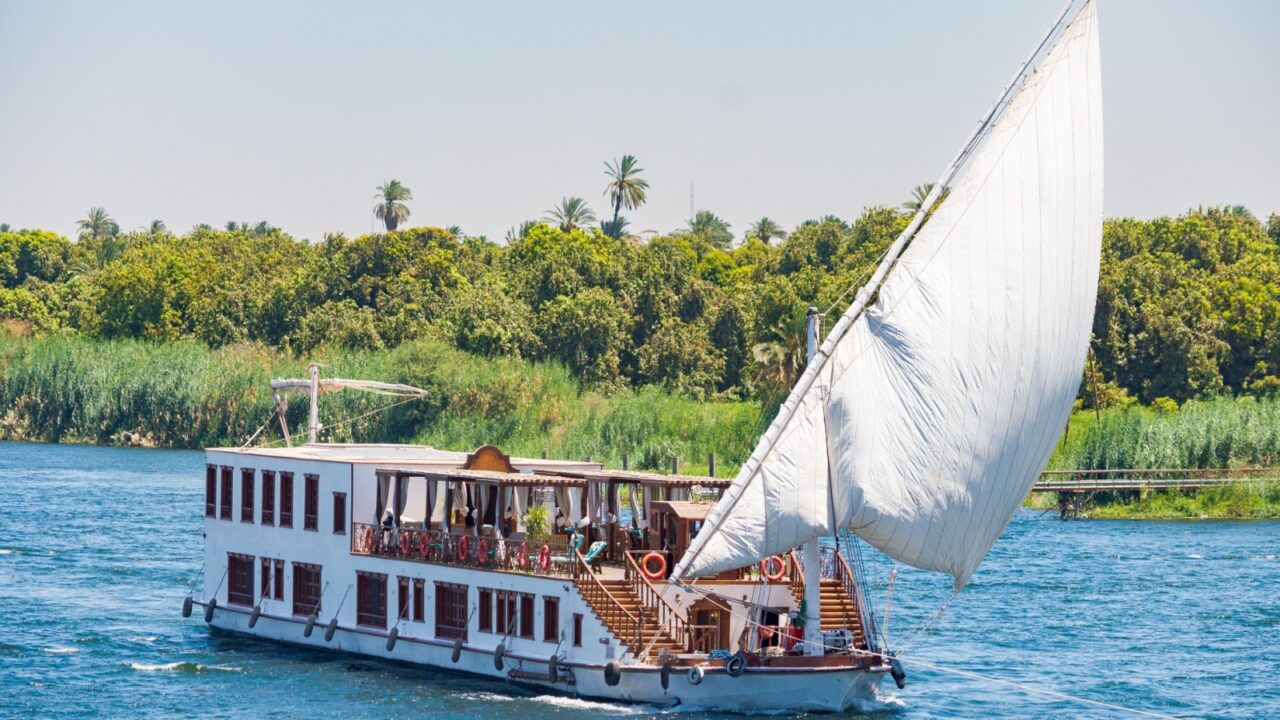
River ships are designed for intimacy and access. They dock directly in city centers. That convenience reduces transit stress.
Smaller passenger counts create calmer onboard environments. Travelers enjoy personal service and flexible excursions. This format aligns with modern travel preferences.
Cultural immersion grows
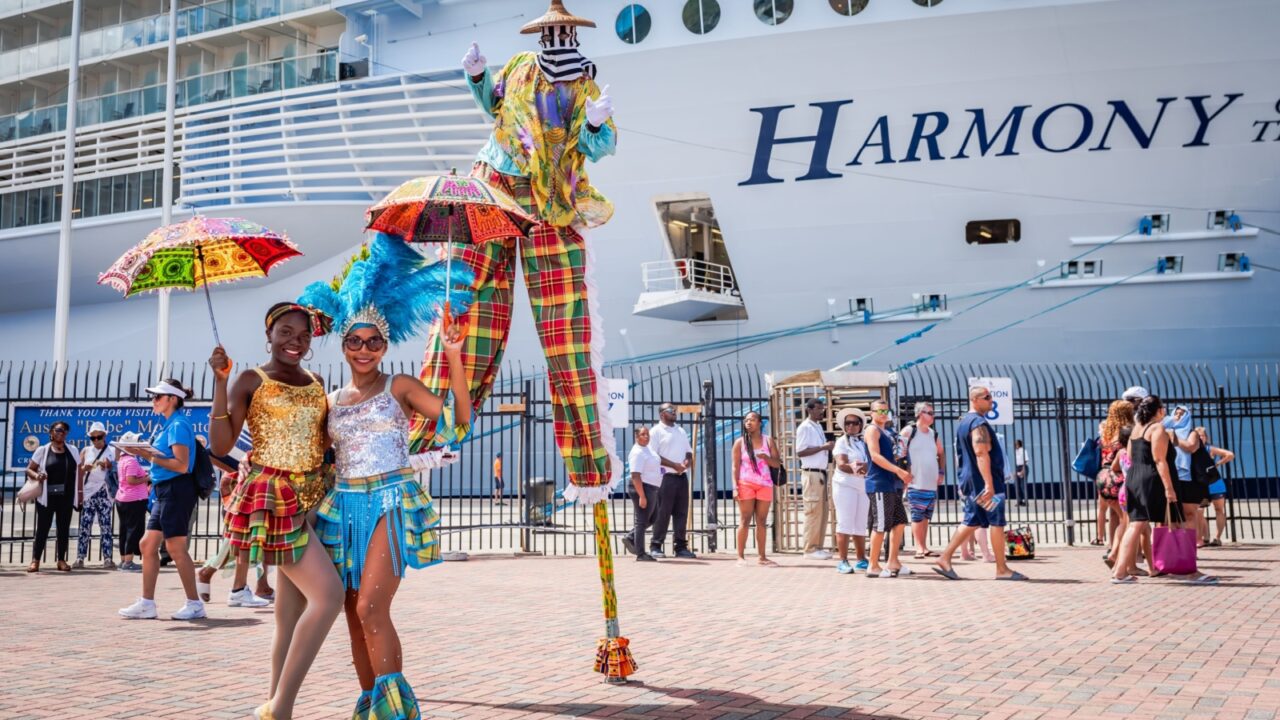
River cruises emphasize local culture over onboard entertainment. Folk performances, food tastings, and guided walks shape itineraries. Each stop adds context to the journey.
Eastern Europe excels in storytelling through place. Castles, churches, and markets feel immediate. Cultural immersion drives satisfaction.
Value drives demand
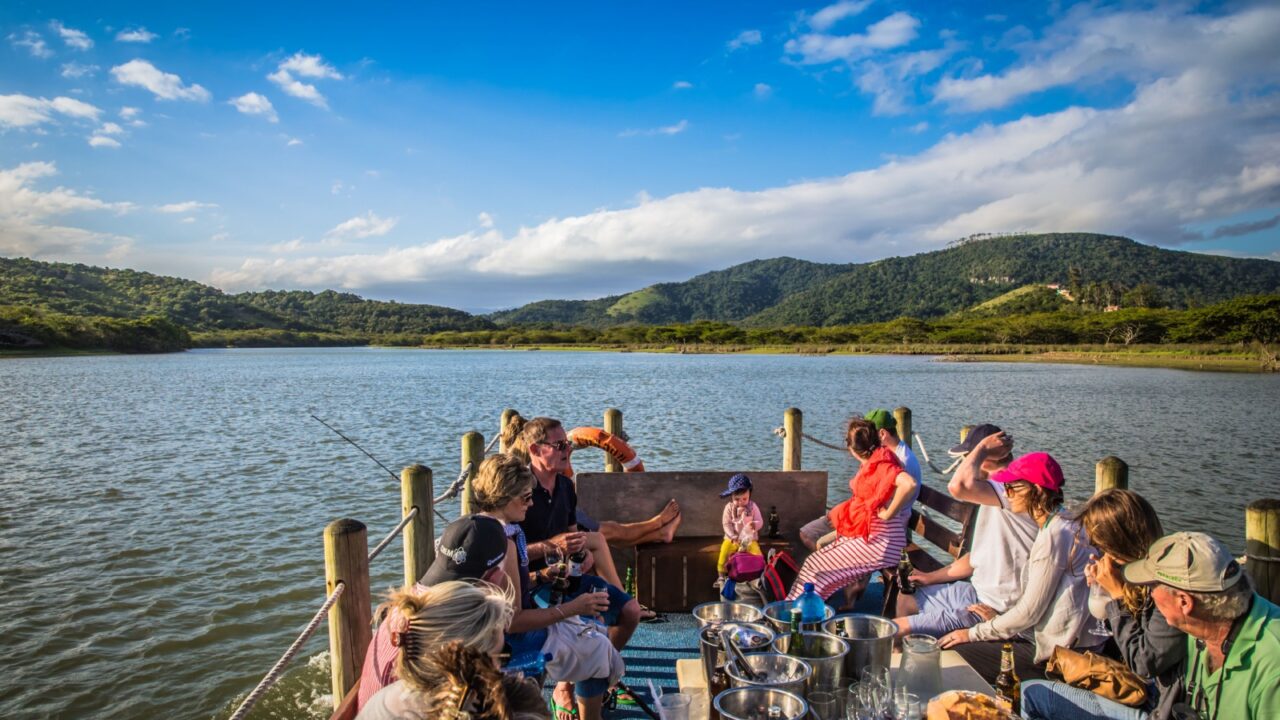
River cruising often includes lodging, meals, and transport. That transparency appeals during times of rising travel costs. Travelers appreciate fewer surprise expenses.
Eastern Europe and Central Asia offer strong value compared to Western routes. Pricing remains competitive. Value is a major factor in renewed interest.
Shoulder seasons shine
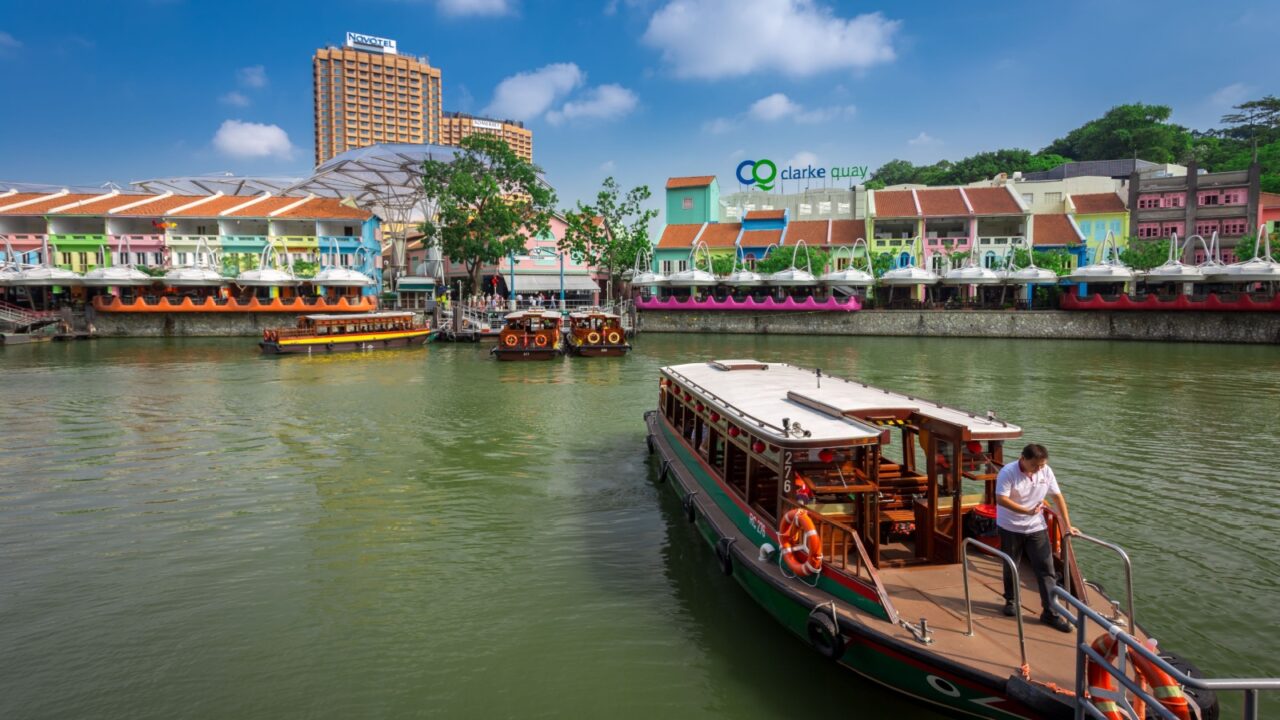
River cruising thrives outside peak summer months. Spring and fall offer cooler weather and quieter ports. These seasons suit scenic travel.
Operators promote longer itineraries during the shoulder seasons. Travelers enjoy relaxed pacing. Seasonal balance supports sustainable tourism growth.
Local economies benefit
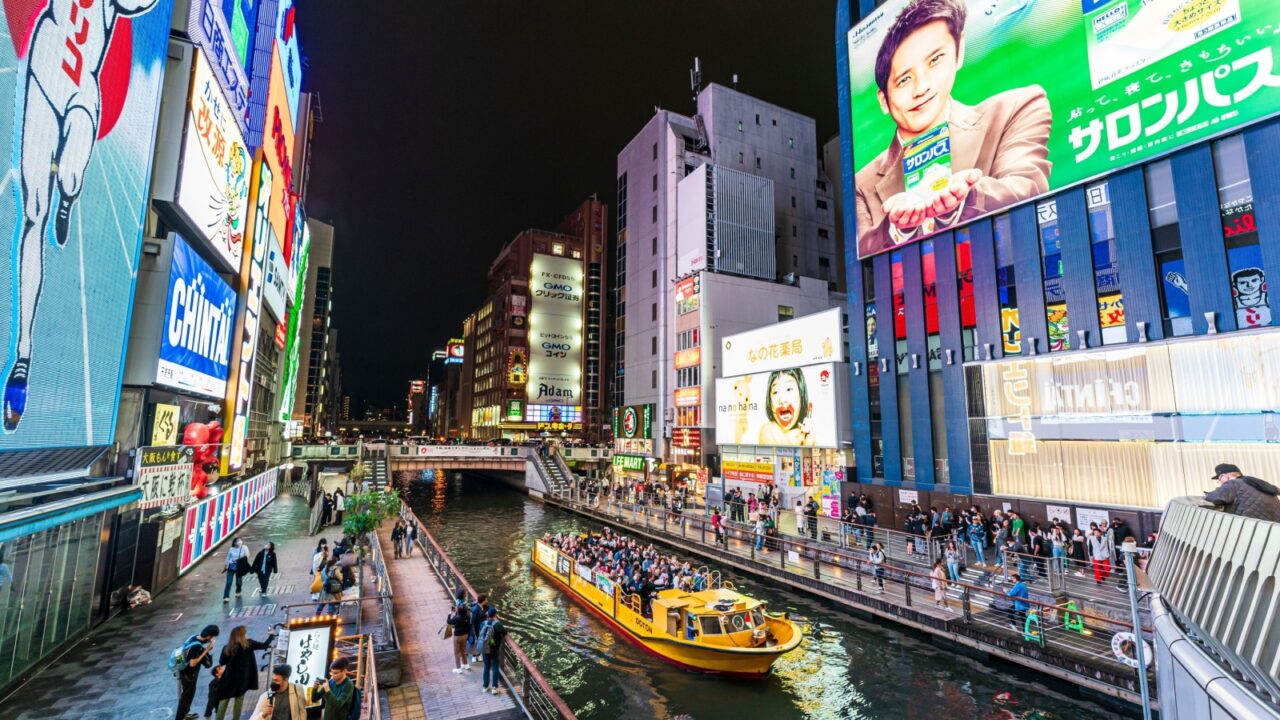
River cruise passengers support small businesses at every stop. Shops, guides, and transport services see consistent demand. This spending spreads across regions.
Cities welcome predictable visitor flows. Economic benefits reach beyond capitals. River cruising strengthens regional tourism networks.
A safer travel feel
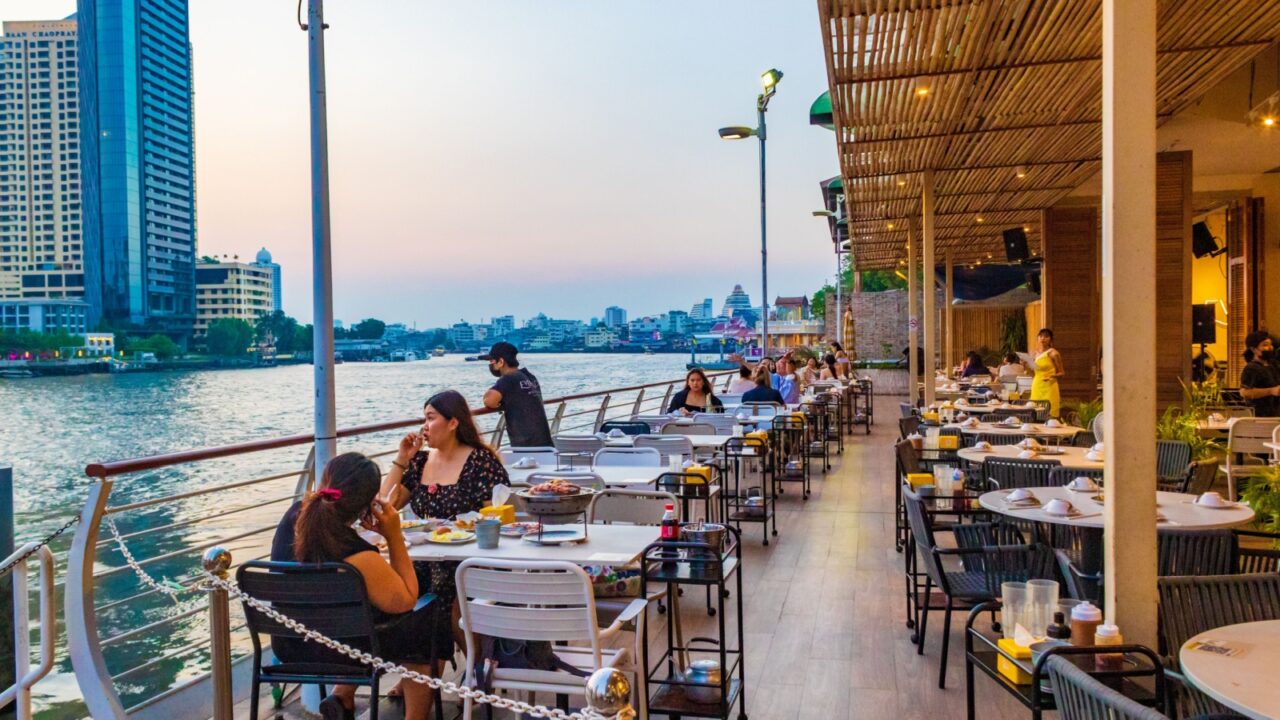
River cruising feels contained and controlled, which increasingly matters in today’s global climate. Health protocols are easier to manage onboard, and travelers feel more secure compared to mass travel formats that rely on complex international routing. Ongoing developments, like how Red Sea tensions are reshaping global cruise routes in 2025, have also pushed travelers to favor calmer, inland alternatives.
This reassurance matters in long-haul planning. Confidence encourages bookings. Safety perception plays a quiet but important role.

Slow travel’s return
River cruising reflects a broader return to slow travel values. Eastern Europe and Central Asia offer depth without rush. Each river tells a layered story.
These journeys reward curiosity and patience. The revival feels steady rather than flashy. Which river route would travelers choose first, the Danube, the Volga, or Central Asia’s hidden waterways? Share your thoughts below.
This slideshow was made with AI assistance and human editing.
Don’t forget to follow us for more exclusive content right here on MSN.
Read More From This Brand:
