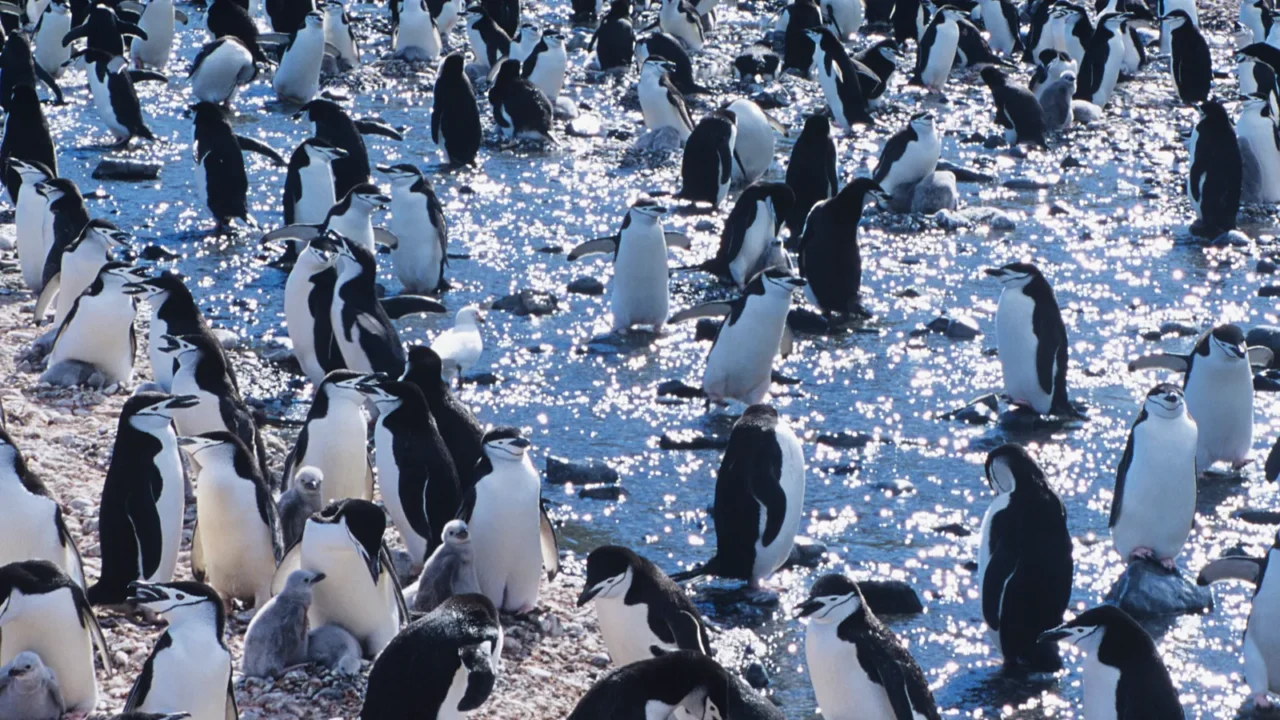
Penguins sparking global curiosity
Antarctica’s penguin colonies are no longer just wildlife trivia for documentaries. Images from places like the Antarctic Peninsula and South Georgia are circulating widely, drawing serious attention from adventure focused travelers. These scenes feel untouched, emotional, and rare in a world that feels increasingly crowded.
As interest grows, expedition travel is seeing record inquiries tied directly to penguin encounters. Voyages departing from Ushuaia and Punta Arenas are selling out more quickly, according to leading tour operators. Curiosity has turned into commitment, so let’s dive in!
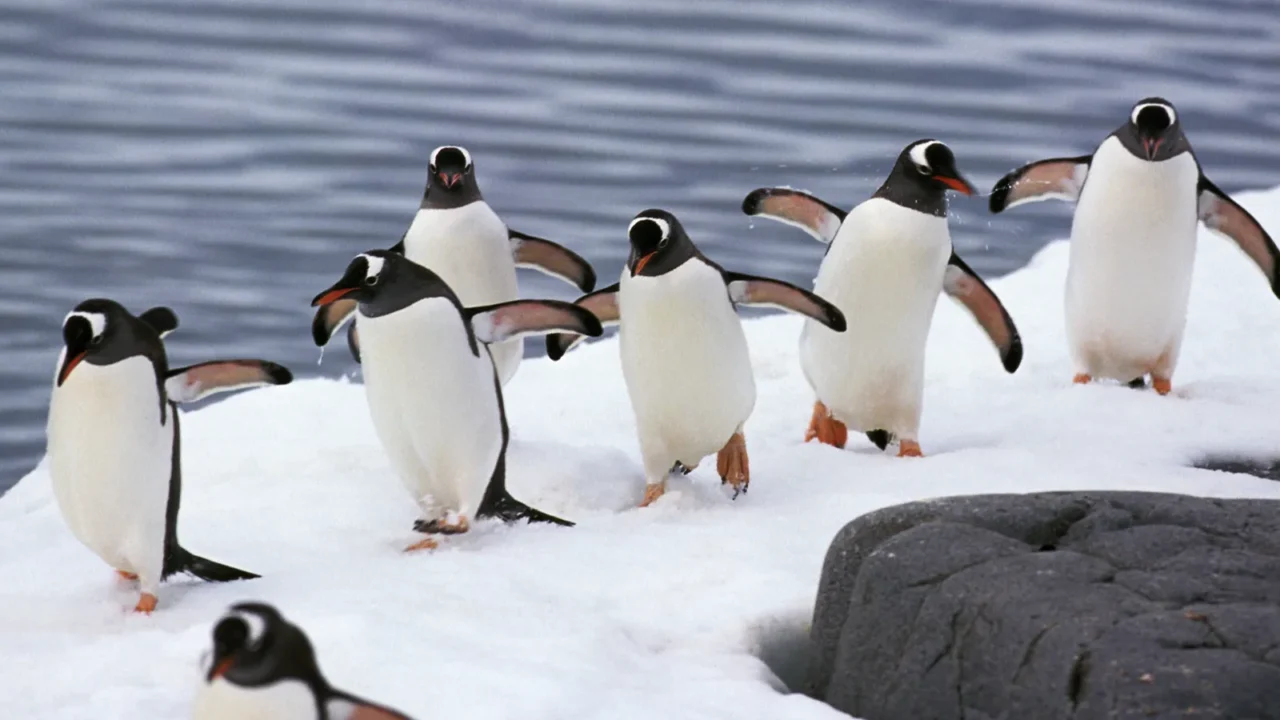
Colonies unlike anywhere else
Antarctica hosts some of the largest penguin gatherings on Earth, and they feel almost unreal in scale. Places like Cuverville Island and Salisbury Plain hold tens of thousands of gentoo and king penguins during peak season. The sheer density of life surprises even seasoned wildlife travelers.
Unlike scattered sightings elsewhere, these colonies dominate the landscape and soundscape. Visitors describe beaches that move like living carpets, full of motion and noise. That intensity creates unforgettable moments that photos barely capture.
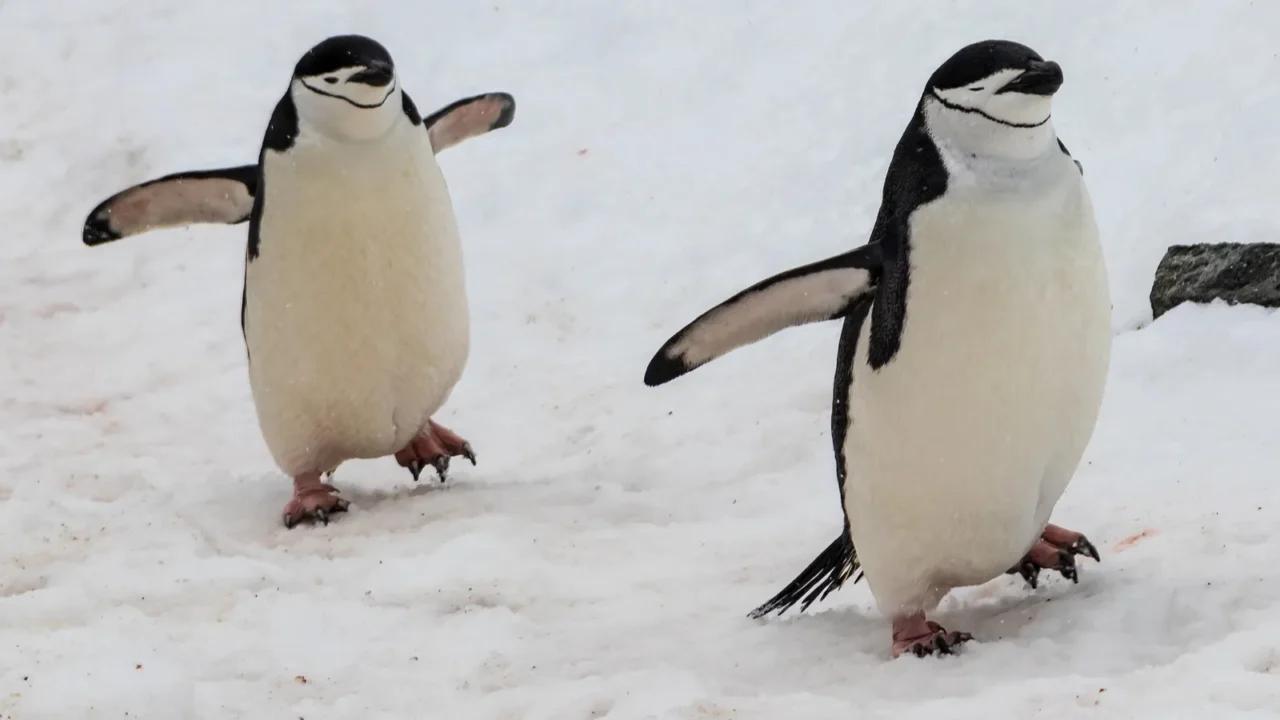
Social media fuels fascination
Penguin footage from Antarctica performs exceptionally well across visual platforms. Short clips from Neko Harbor or Gold Harbor often go viral within hours, reshaping how people imagine polar travel. These moments feel spontaneous, emotional, and very real.
As visibility increases, expedition operators report sharp spikes in interest following viral posts. Travelers are eager to experience firsthand the moments they’ve seen go viral online. That emotional pull is pushing Antarctica higher on bucket lists worldwide.
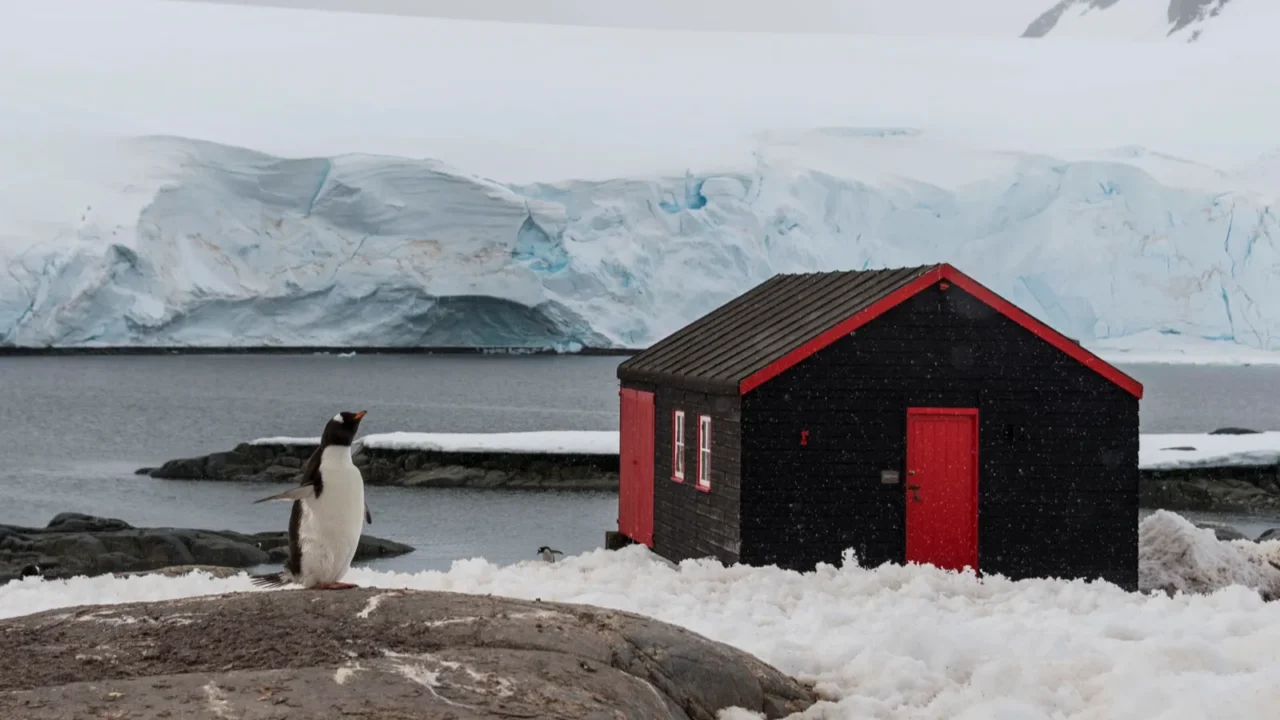
Science meets travel momentum
Penguin colonies are also central to climate and wildlife research. Scientists frequently work near sites like Hope Bay and Port Lockroy, studying breeding patterns and population shifts. Their findings often appear in global news coverage.
That attention adds depth to expedition travel, blending discovery with purpose. Travelers feel connected to something larger than sightseeing alone. Seeing penguins where science happens adds meaning to the journey.
Expedition ships evolving fast
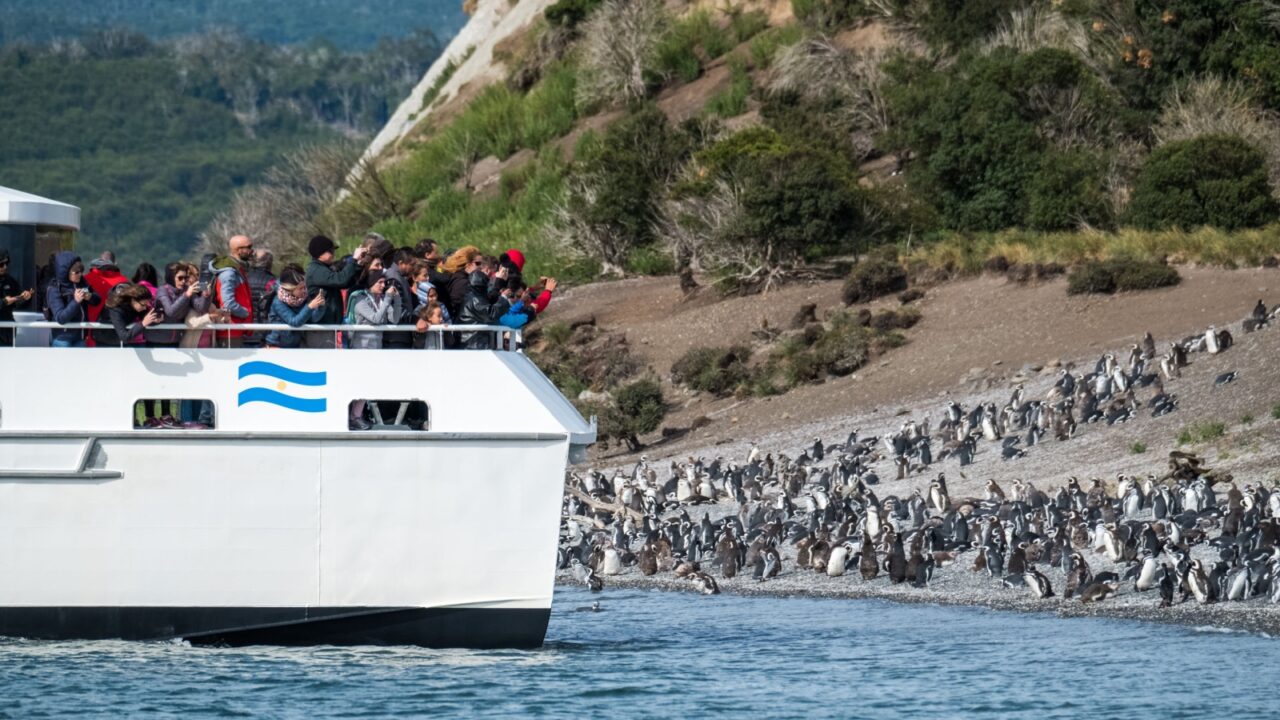
Modern expedition vessels are designed specifically for wildlife-focused landings. Ships like the National Geographic Resolution and Scenic Eclipse allow daily shore excursions near penguin colonies. Zodiac landings make close but respectful viewing possible.
This accessibility has changed how travelers experience Antarctica. Encounters feel immersive rather than distant or rushed. Enhanced ship amenities and strict safety protocols have made Antarctica more accessible to a broader range of travelers.
Seasonal timing drives demand
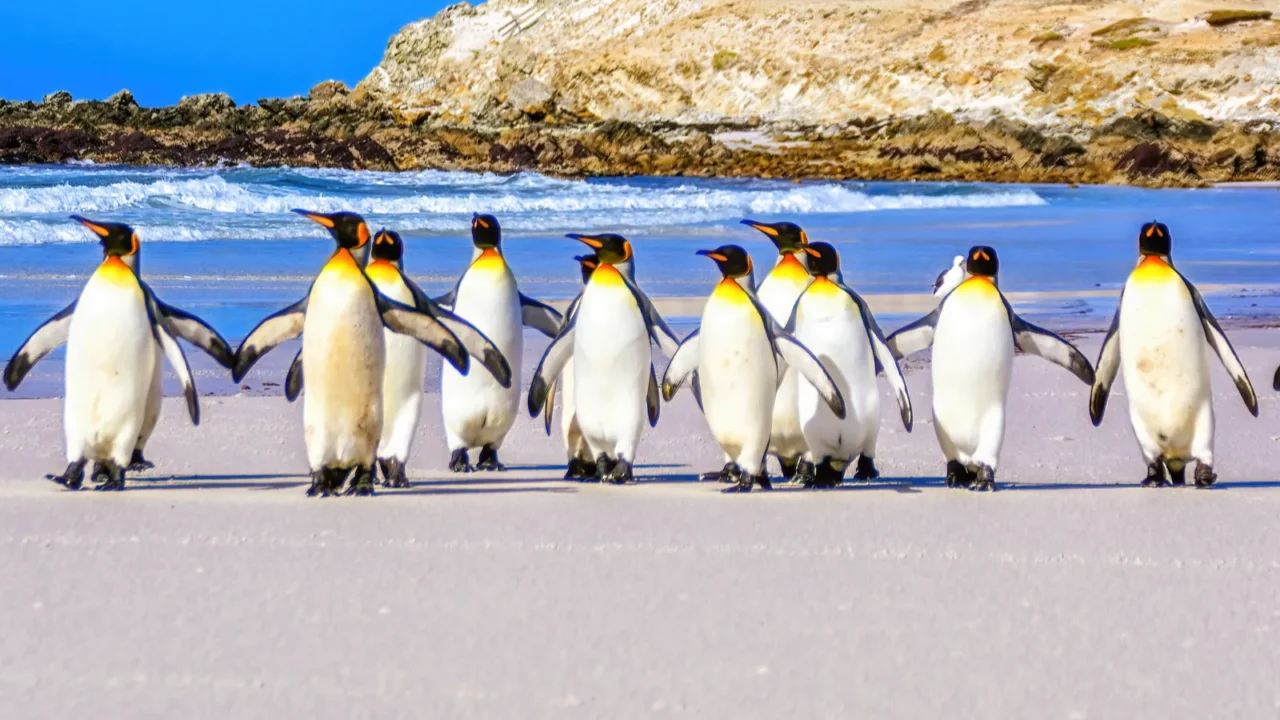
Penguin activity peaks during the Antarctic summer from November to February. This window aligns with breeding, nesting, and chick rearing across major colonies. Each month offers distinct behavior that travelers find fascinating.
December and January are especially popular for seeing chicks. Ships visiting places like Petermann Island often sell out far in advance. Limited seasons naturally intensify demand.
South Georgia steals spotlight
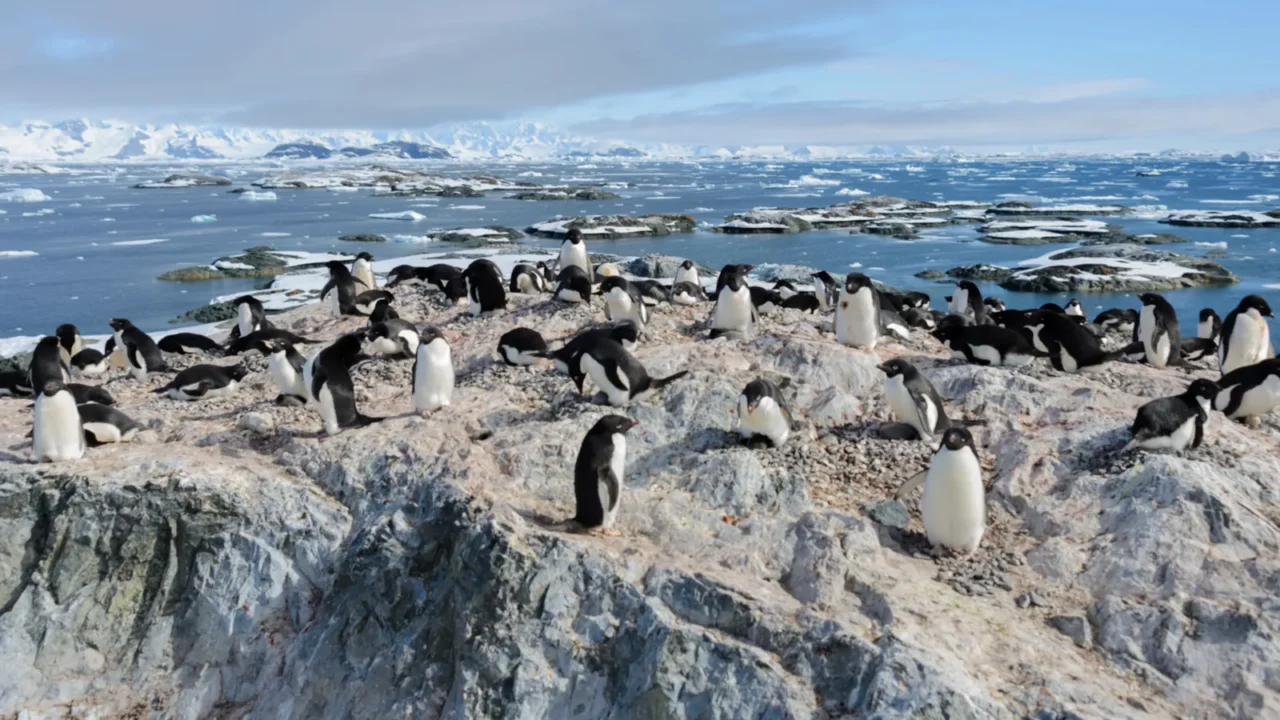
South Georgia Island has become a headline destination for penguin lovers. Salisbury Plain alone hosts over 100,000 king penguins during peak season. The visual scale feels almost overwhelming.
Expeditions that include South Georgia now command premium pricing. Travelers consider it the crown jewel of polar wildlife. Its reputation continues to drive record booking interest.
Responsible tourism takes priority
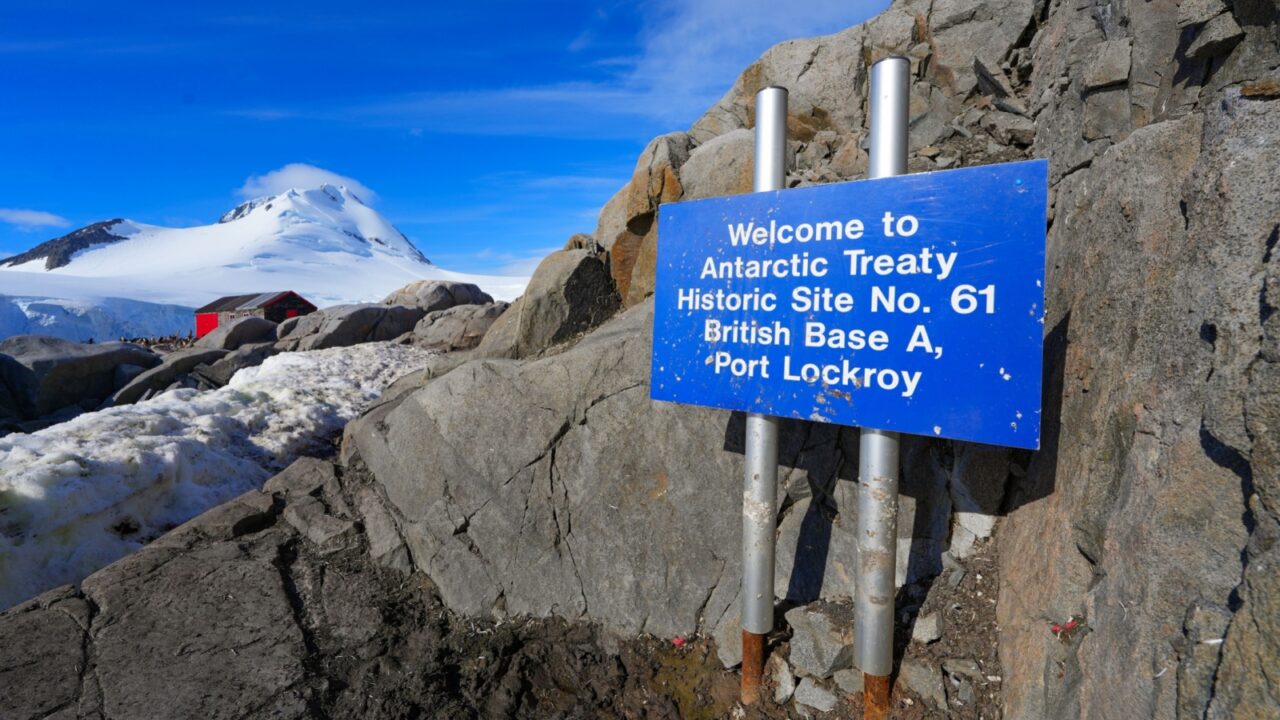
Antarctica follows strict visitor regulations under the Antarctic Treaty System. Guidelines limit group sizes and enforce safe distances from penguin colonies. These rules protect wildlife while preserving authentic experiences.
Travelers increasingly value this responsibility. Knowing that visits won’t harm fragile ecosystems adds reassurance. Ethical access makes the journey feel worthwhile rather than extractive.
Luxury meets raw wilderness
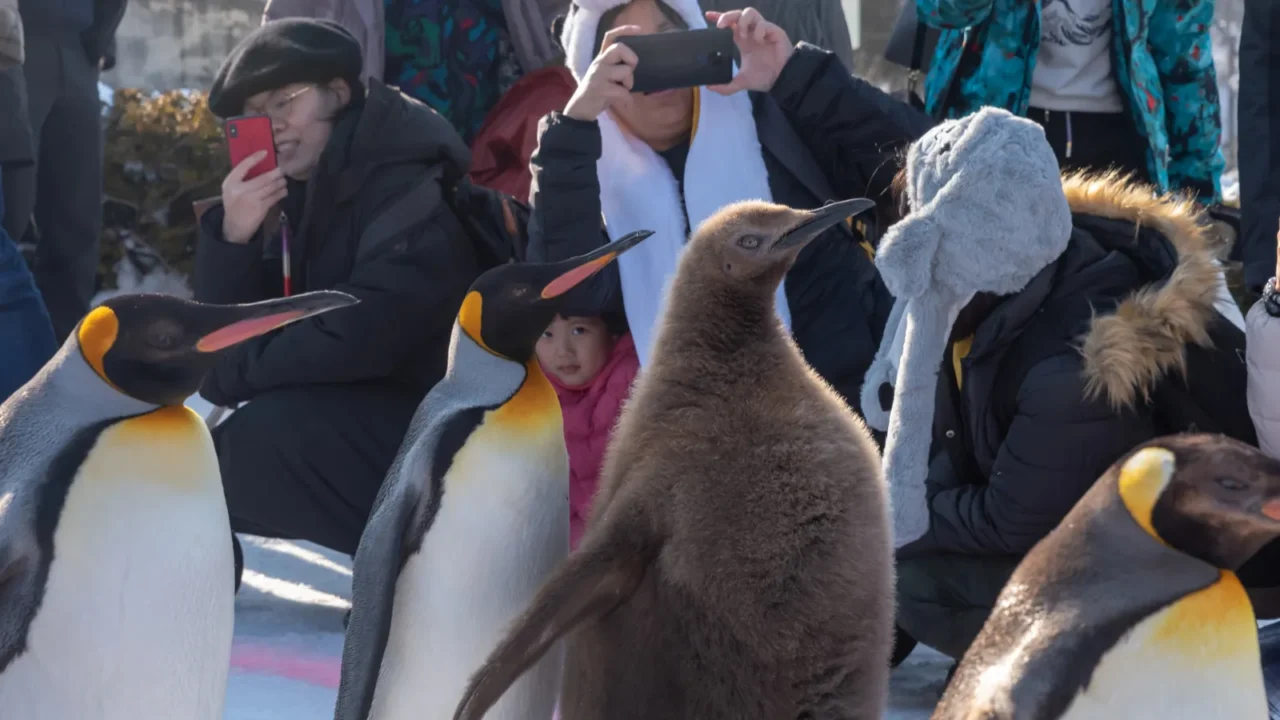
High-end expedition travel has reshaped expectations in Antarctica. Heated observation decks and expert naturalists now accompany penguin landings. Comfort no longer competes with authenticity.
This blend attracts travelers who once avoided extreme destinations. Penguins provide emotional grounding amid dramatic landscapes. The experience feels both accessible and profound.
Emotional impact drives stories
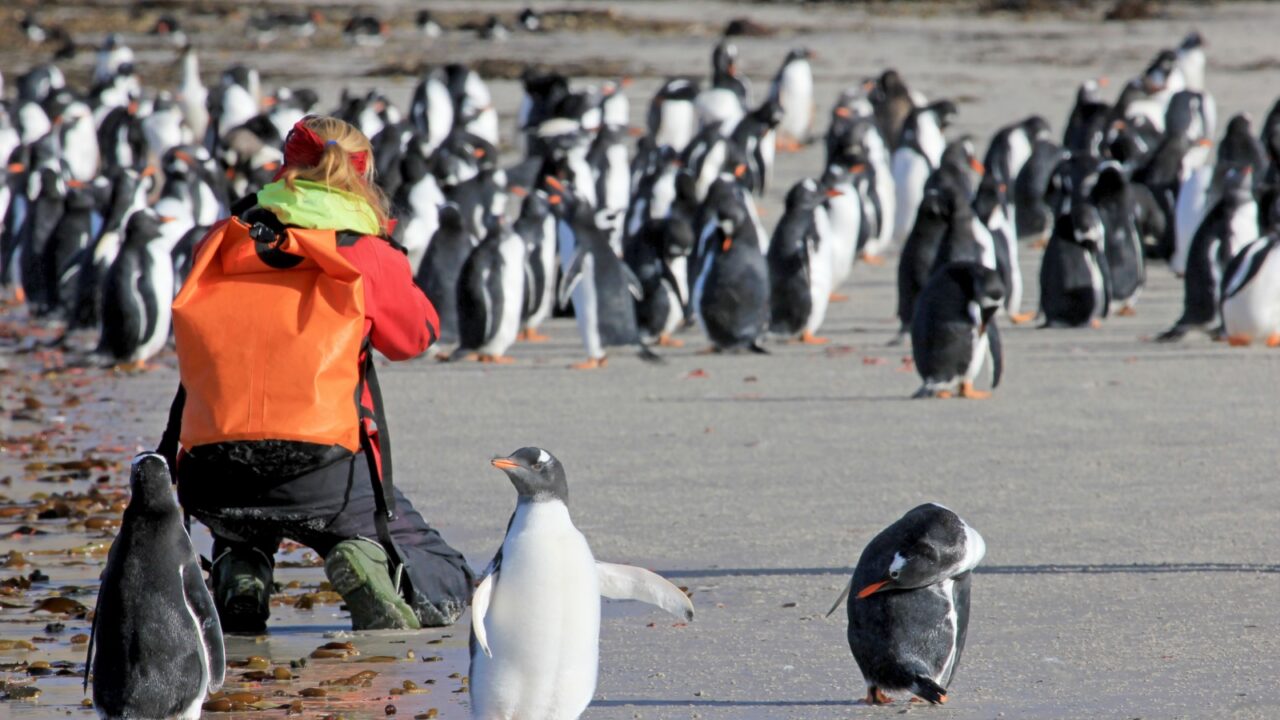
Many travelers describe penguin encounters as deeply moving. Watching parents guard chicks or groups shuffle toward the sea creates lasting impressions. These moments feel intimate despite the vast setting.
Such emotional reactions translate into powerful storytelling. Photos and reflections shared afterward inspire others to follow. Word of mouth continues fueling expedition demand.
Expedition routes expanding
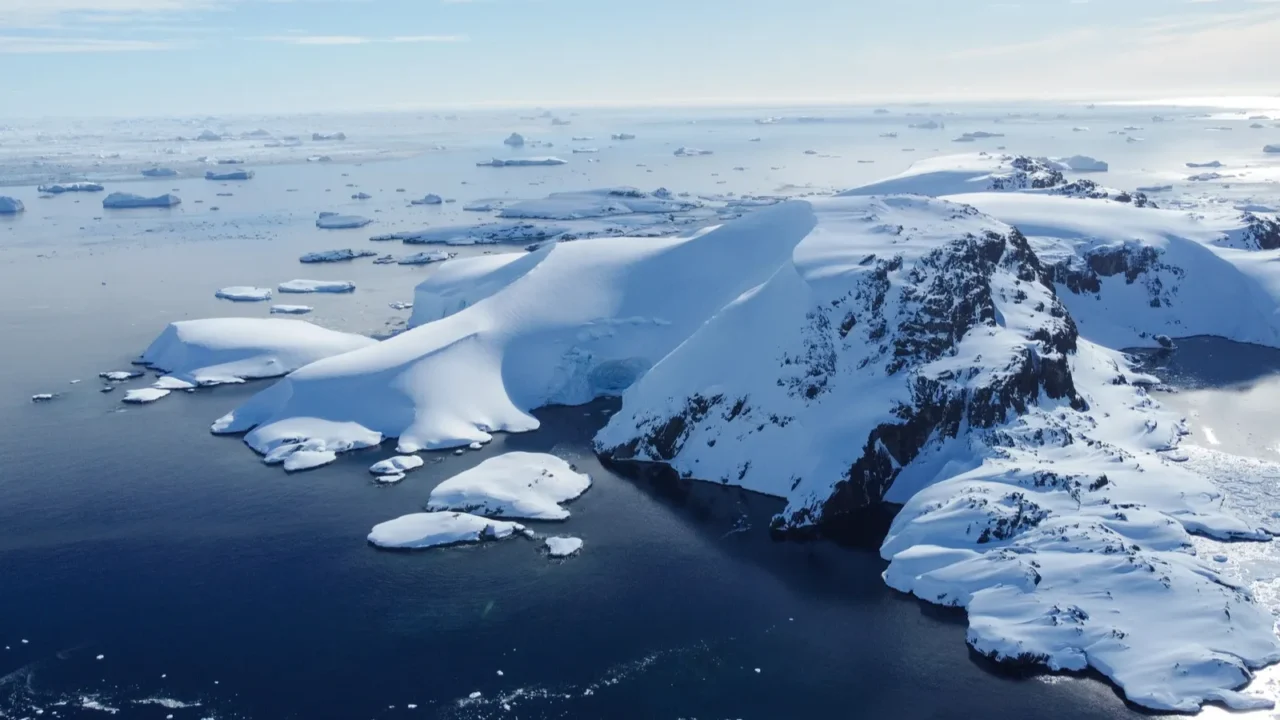
Traditional Antarctic Peninsula routes are now being expanded. New itineraries combine penguin colonies with the Weddell Sea or Falkland Islands. This variety keeps repeat travelers engaged.
Each route offers different species and colony dynamics. Gentoo, chinstrap, and Adélie penguins create distinct experiences. Diversity keeps interest growing year after year.
Bookings reflect record highs
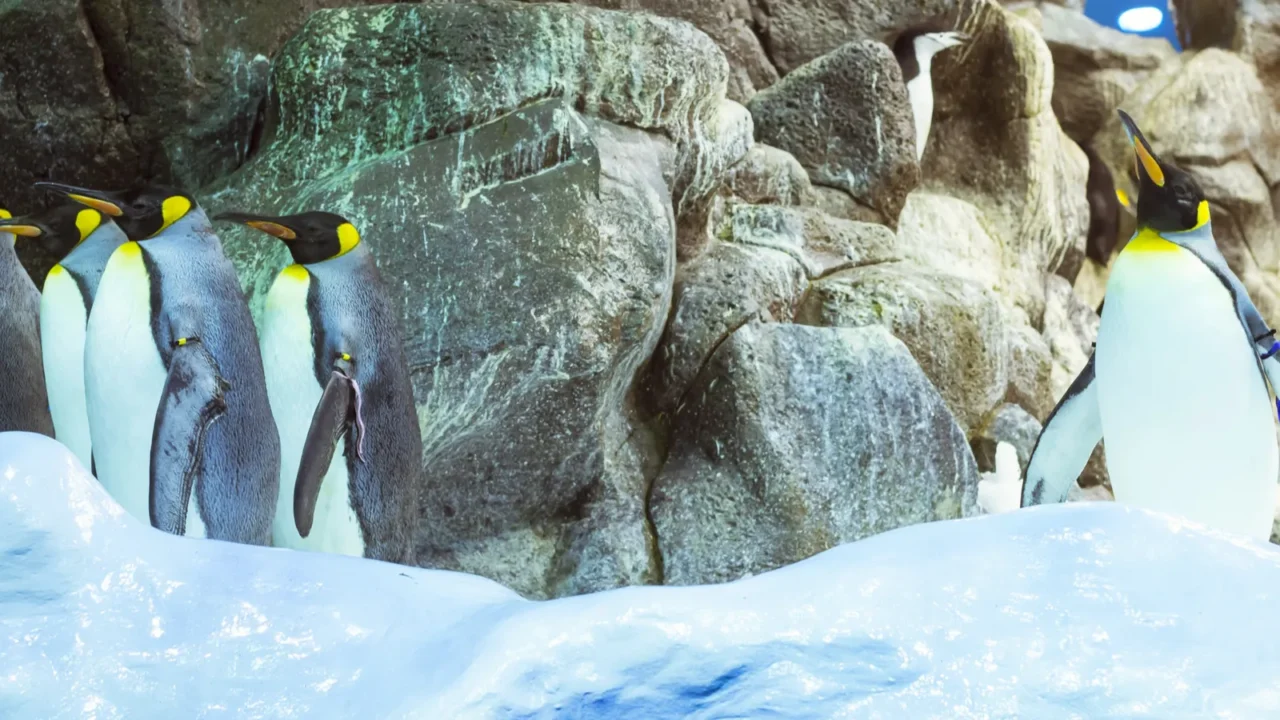
Expedition operators report some of the strongest booking seasons on record. Penguin-focused voyages are often the first to sell out, even as prices continue climbing across the polar travel sector. Similar curiosity is driving interest in places like Alaska’s ice caves, which vanish and return each year and attract travelers seeking fleeting natural wonders.
Travelers see these journeys as once in a lifetime. The chance to witness thriving colonies feels urgent and meaningful. That mindset is reshaping polar tourism trends.
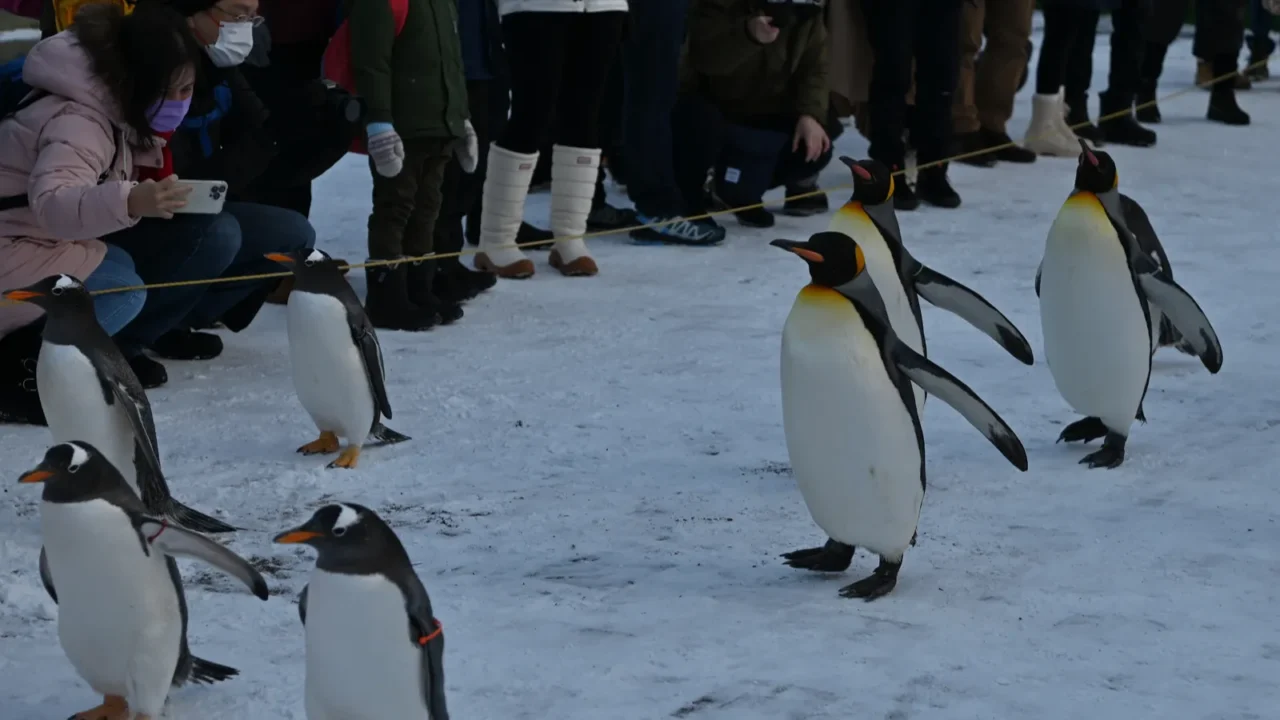
Penguins shaping travel dreams
Antarctica’s penguin colonies have become symbols of rare, meaningful travel. They represent wild places that still exist beyond crowds and noise. That symbolism resonates strongly with modern travelers.
Expedition journeys now feel less extreme and more intentional. Penguins are quietly redefining how people imagine adventure.
Which Antarctic landing would top a dream itinerary? Share your thoughts below!
This slideshow was made with AI assistance and human editing.
Don’t forget to follow us for more exclusive content right here on MSN.
Read More From This Brand:
