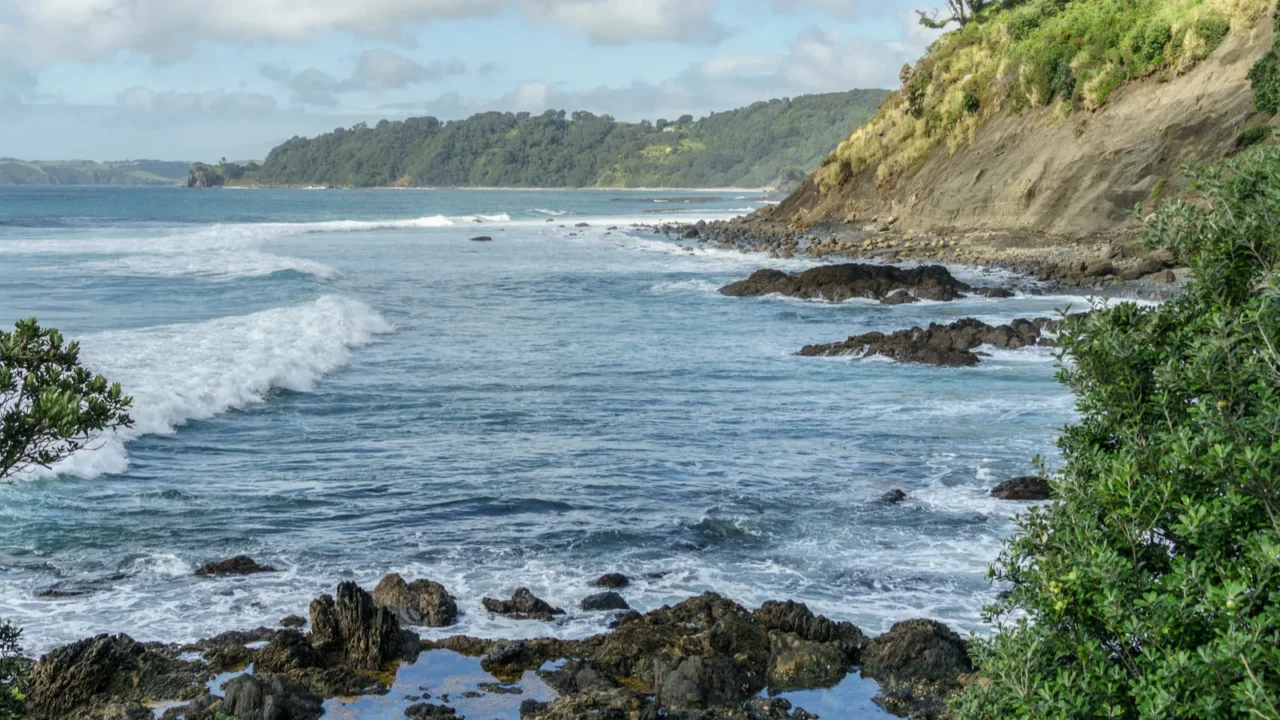
A coastal shift unfolds
Something noticeable is happening along Maine’s rocky coastline, and international travelers are paying attention. Small harbors that once felt quietly local are now welcoming visitors from Europe, Canada, and beyond. The change feels natural, not flashy, and rooted in authentic coastal charm.
From working docks to seaside cafés, these towns offer experiences that feel honest and refreshing. Visitors aren’t chasing big attractions; they’re seeking atmosphere and connection. There’s a story forming here, so let’s dive in!
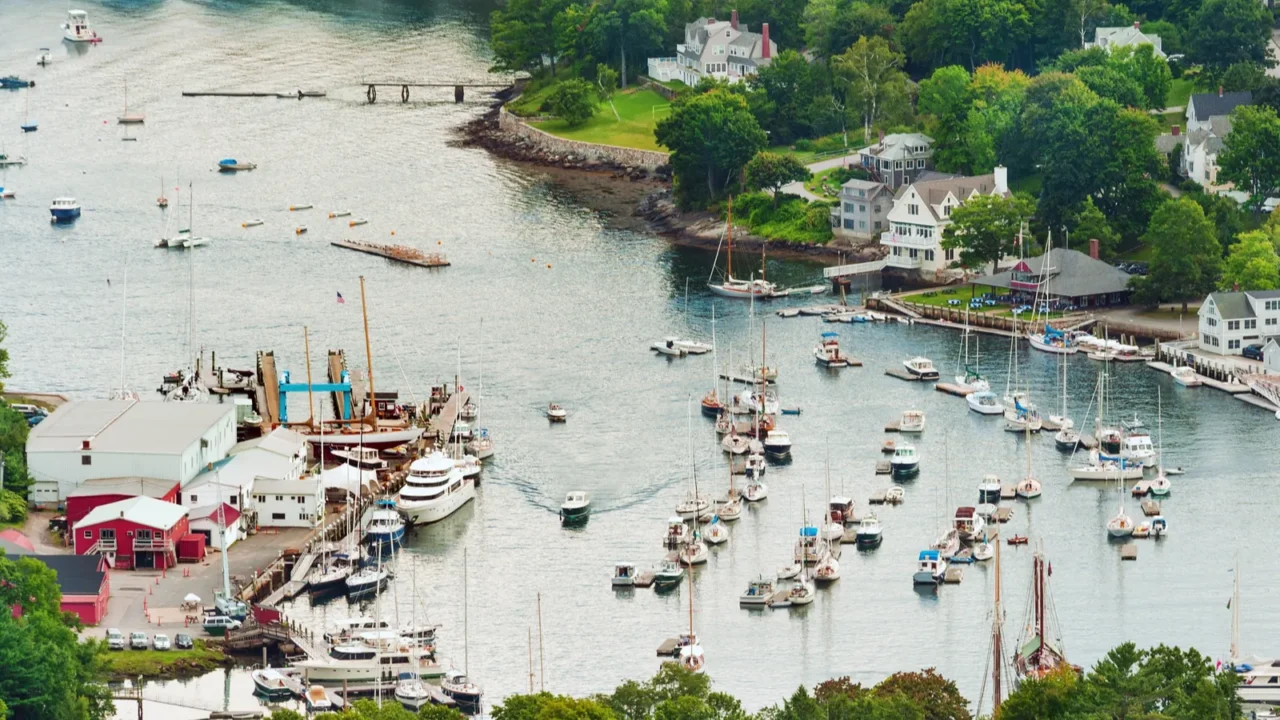
Harbors feel timeless
Maine’s small harbors have a timeless quality that resonates across cultures. Places like Camden Harbor and Rockport Harbor feel preserved rather than polished. Fishing boats, sail masts, and weathered piers create a scene that feels real.
International visitors are drawn to places that haven’t been overdeveloped. The pace feels slower, and daily life feels visible. That sense of continuity is rare and increasingly valuable.
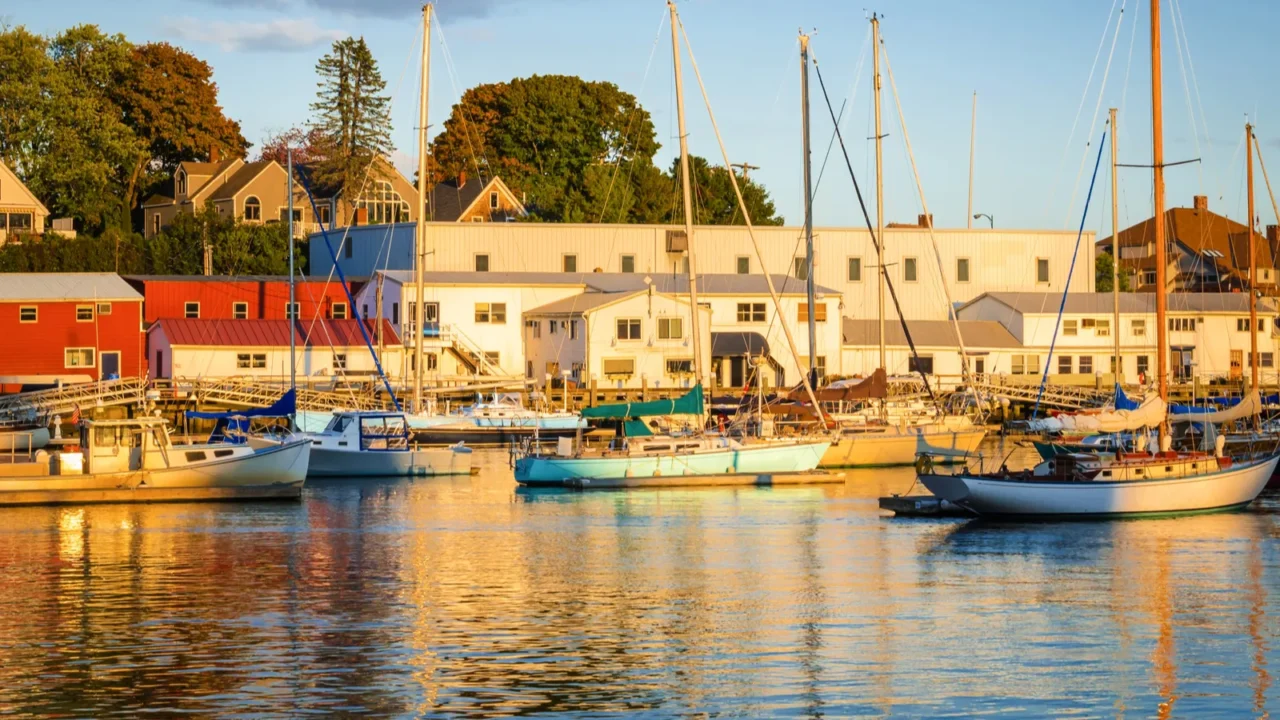
Camden gains attention
Camden has become a standout for overseas travelers exploring New England. Its harbor blends mountain views, sailing culture, and walkable streets. Visitors often arrive by cruise or road trip and stay longer than planned.
Camden Hills State Park adds outdoor appeal without overwhelming the town. Harbor cruises offer a gentle introduction to Maine’s coastline. The balance between nature and town life feels just right.
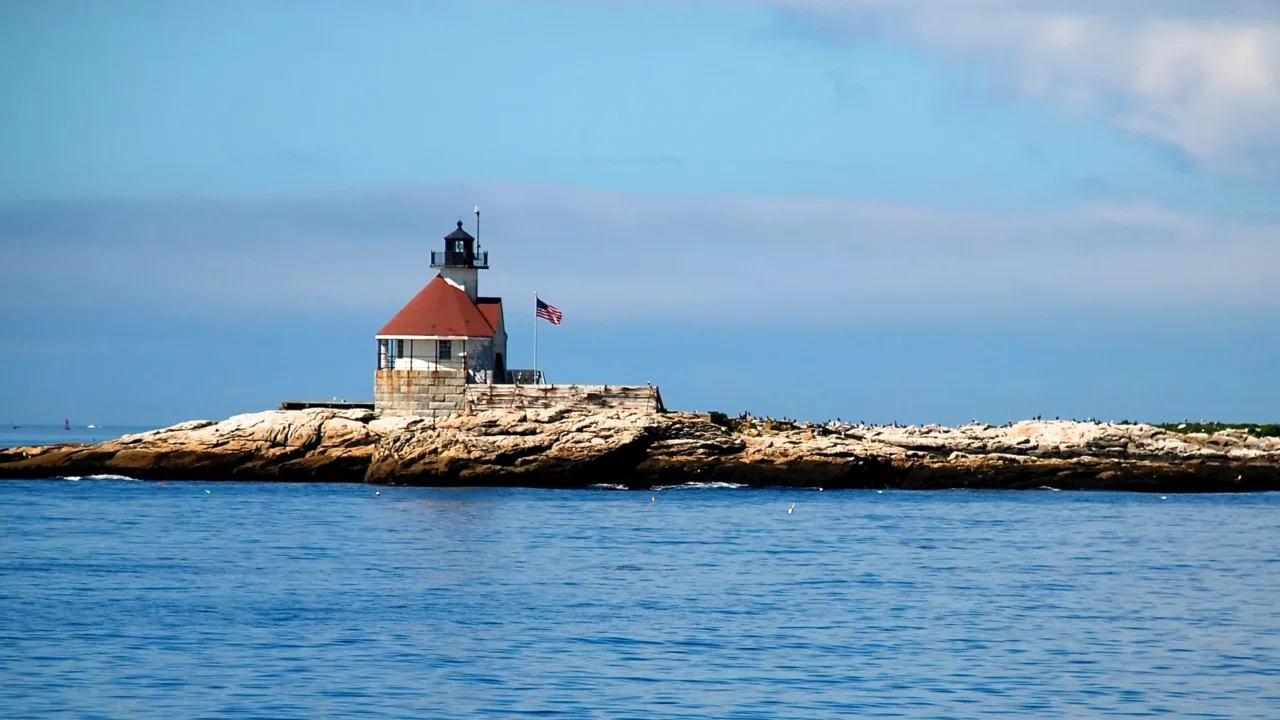
Boothbay Harbor shines
Boothbay Harbor has long been loved across New England, but international interest is rising quickly. The harbor is lively without feeling crowded or commercial. Whale watches, lighthouse views, and waterfront dining create easy days.
European travelers often mention the walkability and friendliness. Boats depart right from town, keeping experiences simple. Boothbay Harbor feels welcoming without trying too hard.
Authentic fishing culture remains
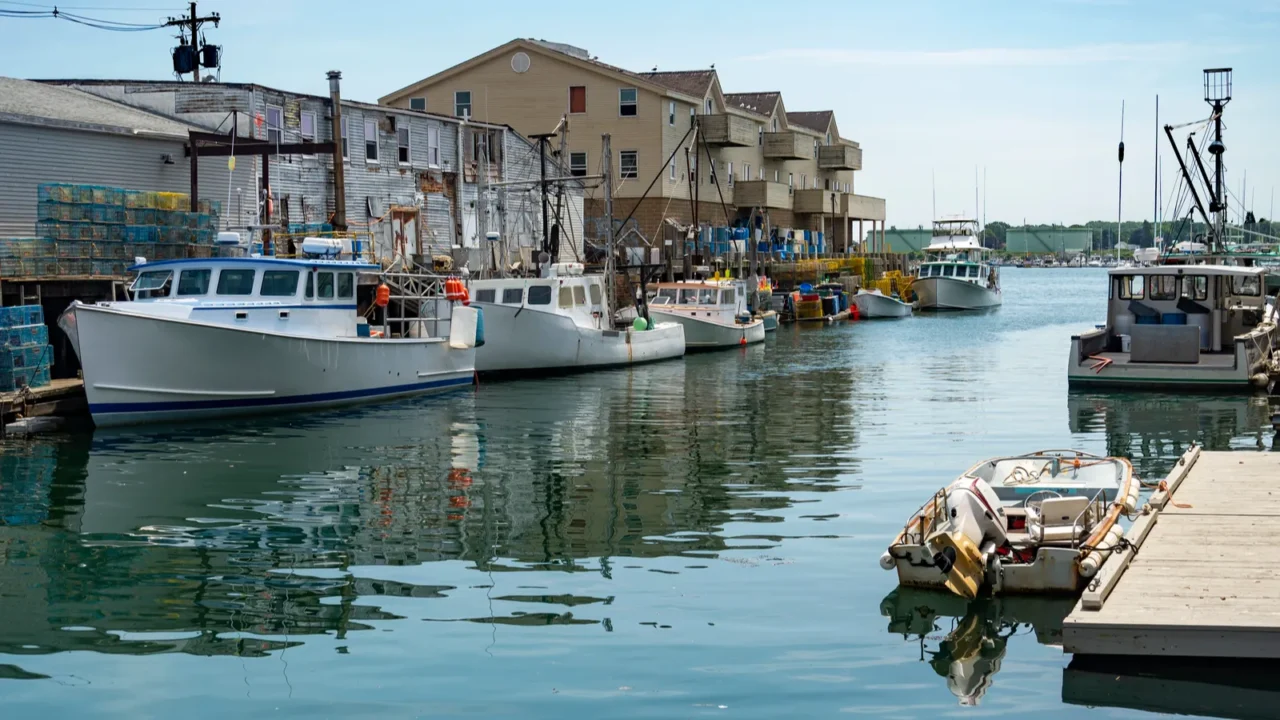
Unlike heavily touristed ports, Maine’s small harbors remain working waterfronts. Places like Stonington still rely on lobster fishing as a way of daily life. Visitors appreciate seeing real activity rather than staged experiences.
Watching boats unload traps feels educational and grounding. Conversations with locals happen naturally along the docks. That authenticity leaves a deeper impression than attractions ever could.
Cruise routes expand interest
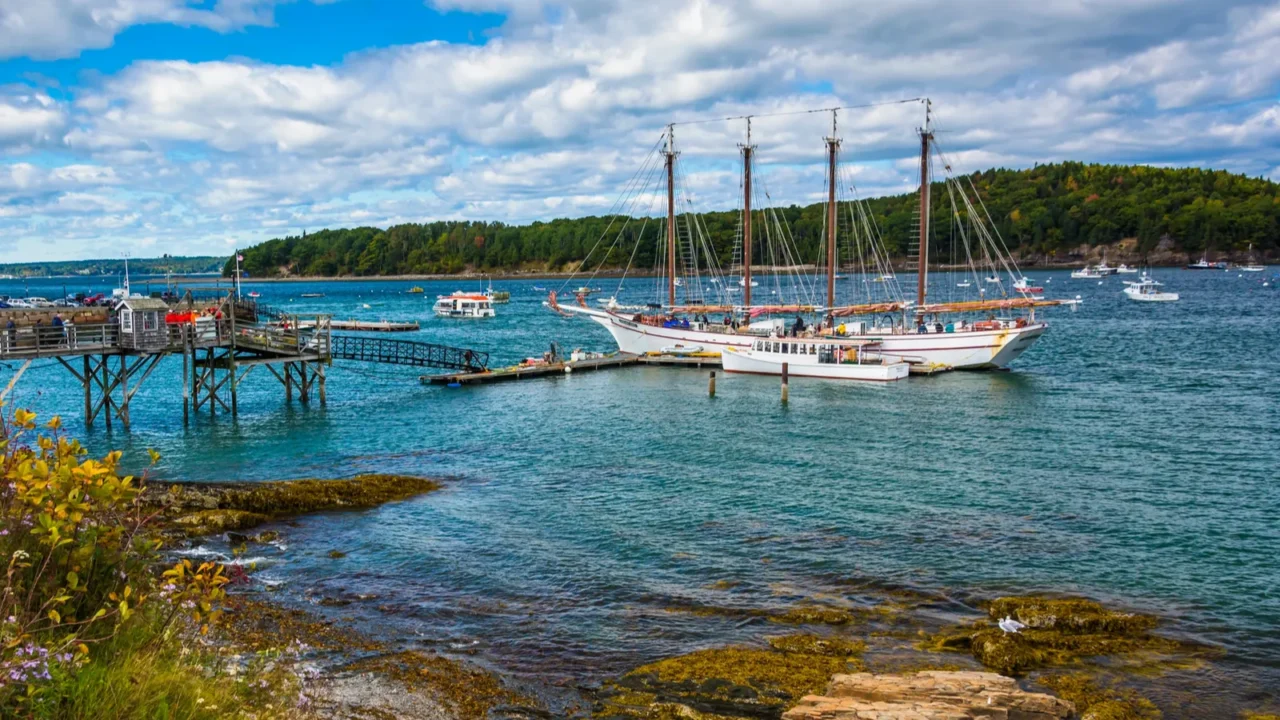
Smaller cruise ships with niche itineraries are now bringing travelers directly into Maine’s lesser-known harbors. Ports like Bar Harbor and Castine receive international ships seasonally. These visits spark curiosity beyond major cities.
Many travelers return later for longer stays. The harbors feel approachable rather than overwhelming. First impressions turn into repeat journeys.
Bar Harbor evolves gently
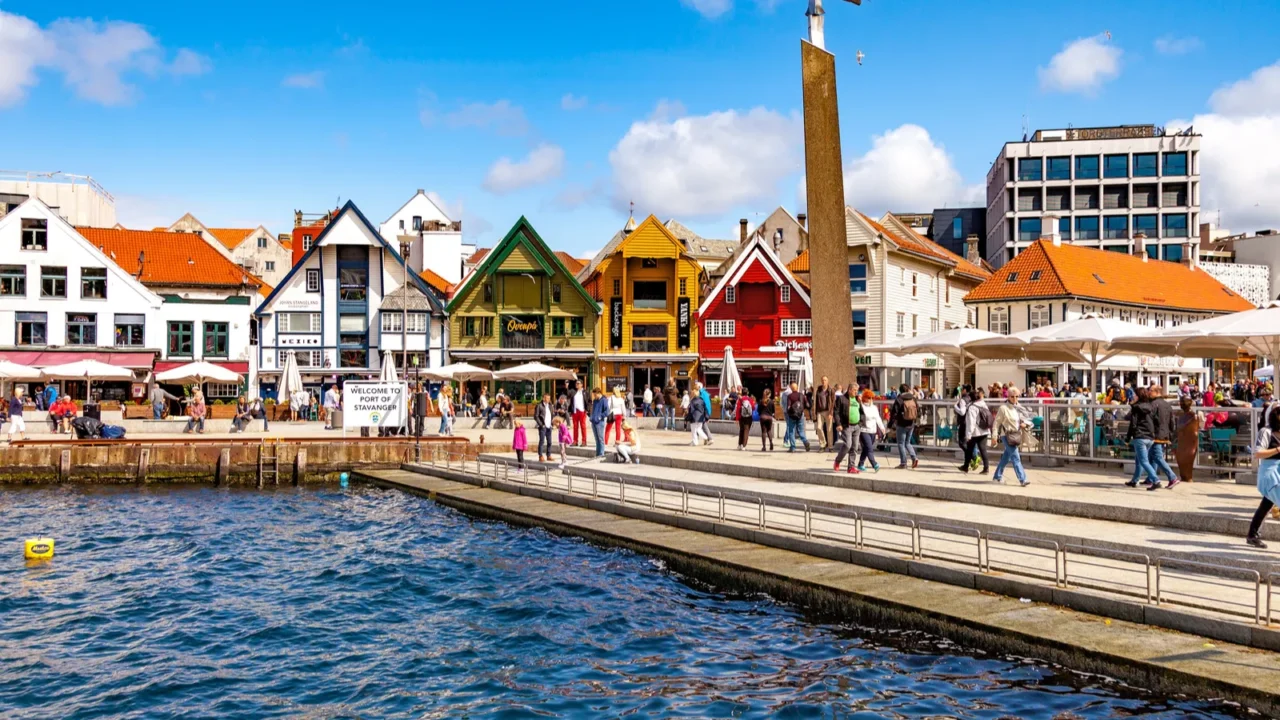
Bar Harbor remains one of Maine’s most recognizable coastal towns. International visitors often pair it with Acadia National Park. The harbor provides a calm counterbalance to hiking days.
Local shops and restaurants retain their character despite popularity. Harbor walks at sunrise or dusk feel peaceful. Growth here feels managed rather than rushed.
Scenic simplicity appeals
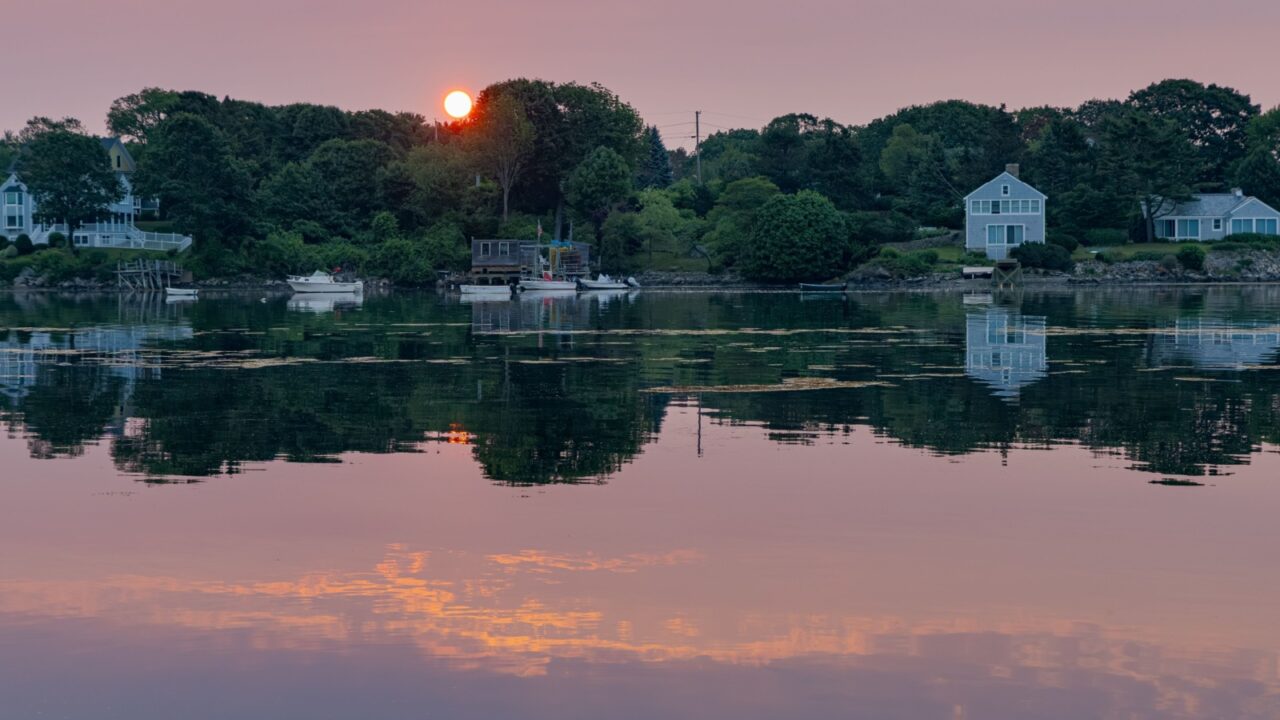
Maine’s harbors don’t rely on spectacle to impress visitors. Sunrises, foggy mornings, and quiet tides create natural beauty. Places like Blue Hill Harbor showcase this simplicity beautifully.
International travelers often seek calm over crowds. These scenes feel cinematic without being curated. Simplicity becomes the main attraction.
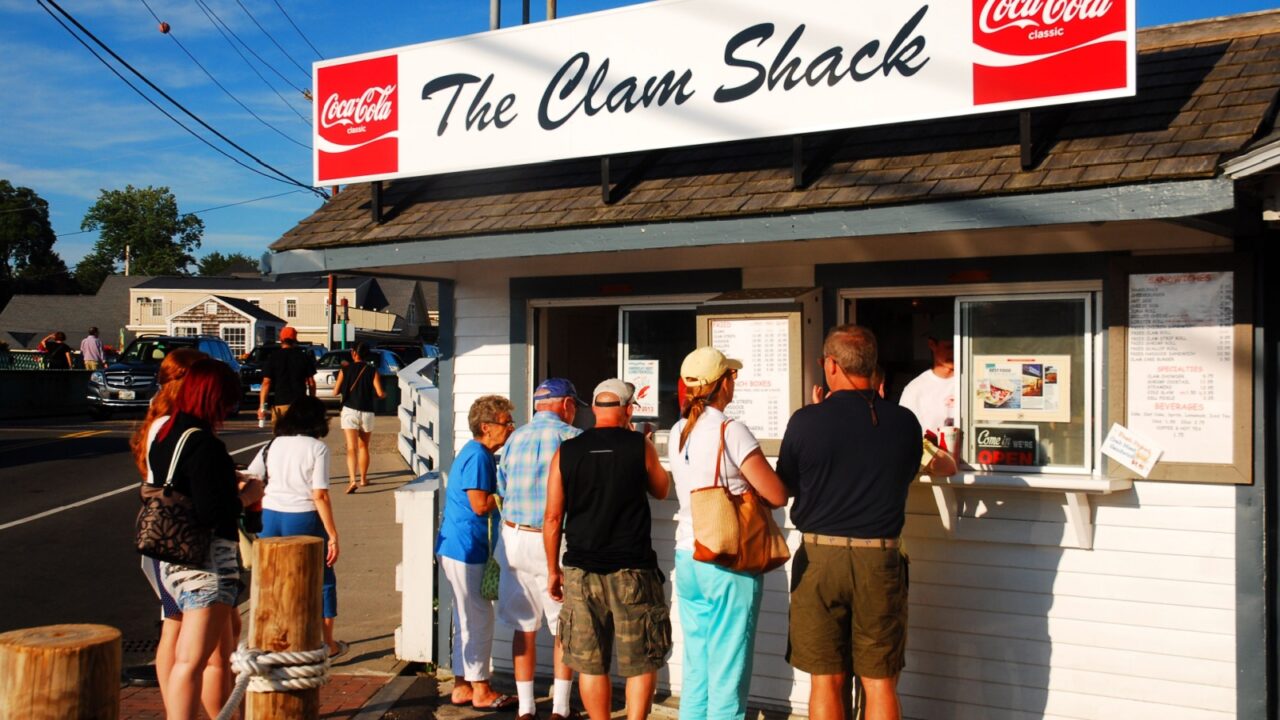
Culinary curiosity grows
Seafood plays a major role in drawing global visitors. Lobster shacks in towns like Wiscasset or Port Clyde feel iconic yet unpretentious. Meals feel local, seasonal, and personal.
International travelers enjoy learning how food connects to place. Dockside dining adds context to every dish. Flavor becomes part of the travel story.
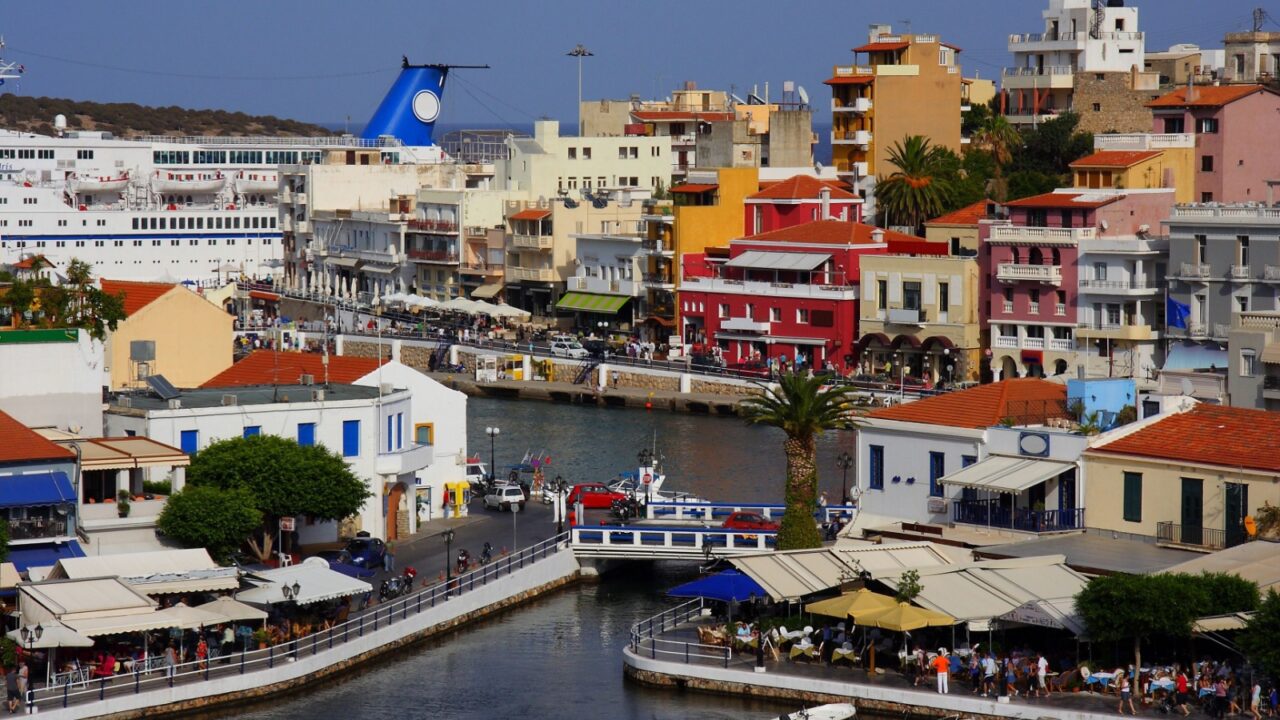
Creative communities emerge
Many harbor towns support growing creative communities. Rockland blends maritime heritage with galleries and the Farnsworth Art Museum. That mix attracts culturally curious travelers.
Artists, sailors, and locals share the same spaces. Creativity feels woven into daily life. The environment feels inspiring rather than performative.
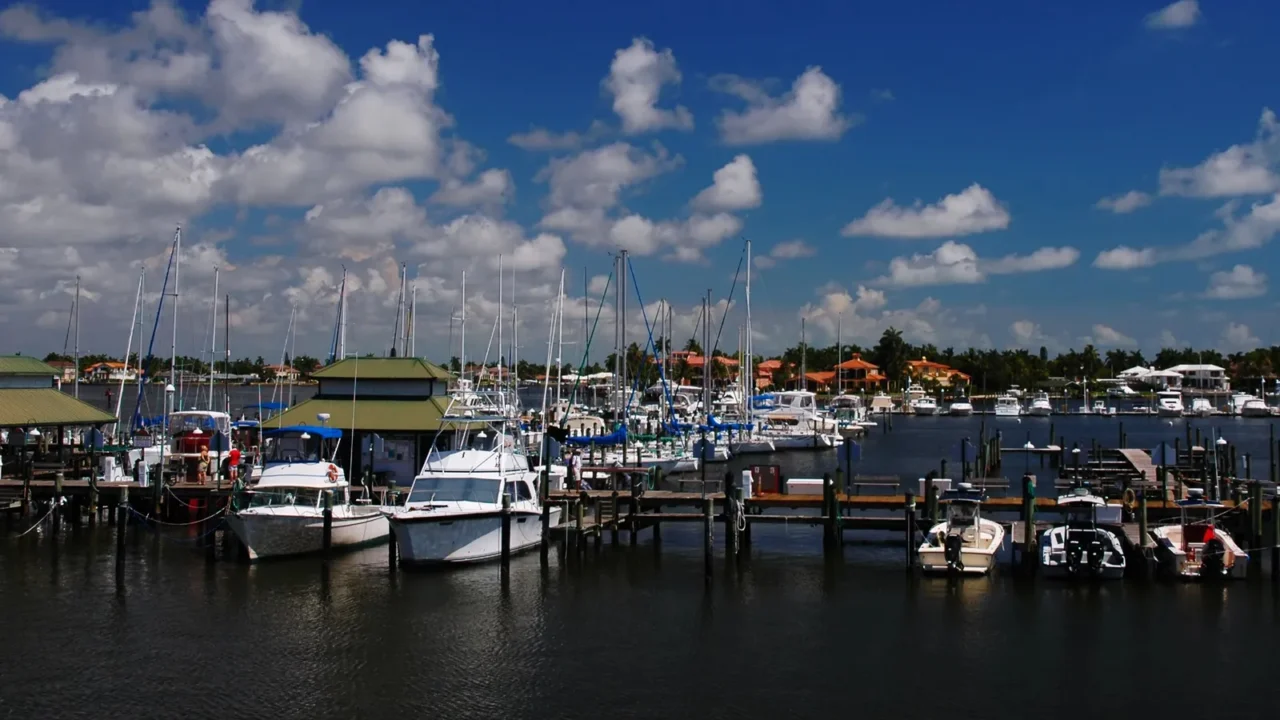
Easy access helps travel
Maine’s harbors are easier to reach than many expect. Regional airports and scenic drives connect towns smoothly. International visitors often combine Boston with coastal Maine.
Short distances make multi-town trips realistic. Travel feels manageable instead of exhausting. Accessibility plays a quiet but important role.
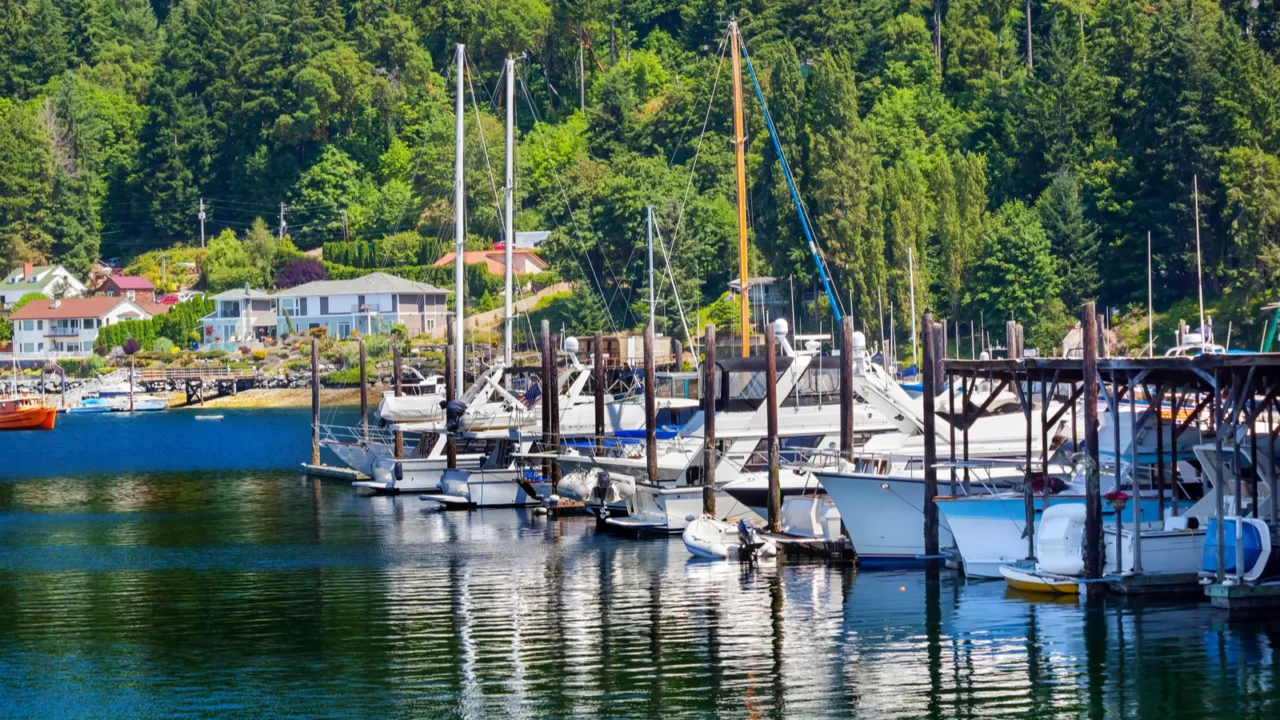
Word travels organically
Much of the growth comes from shared stories rather than traditional advertising. Travelers post harbor photos, sailing moments, and quiet meals, while conversations about what makes Maine one of America’s tastiest cities often surface alongside those visuals. Friends and family take notice because the experiences feel real and relatable.
The appeal spreads through trust rather than hype. Recommendations feel personal and sincere. That organic visibility fuels steady interest.
Coastal charm resonates globally
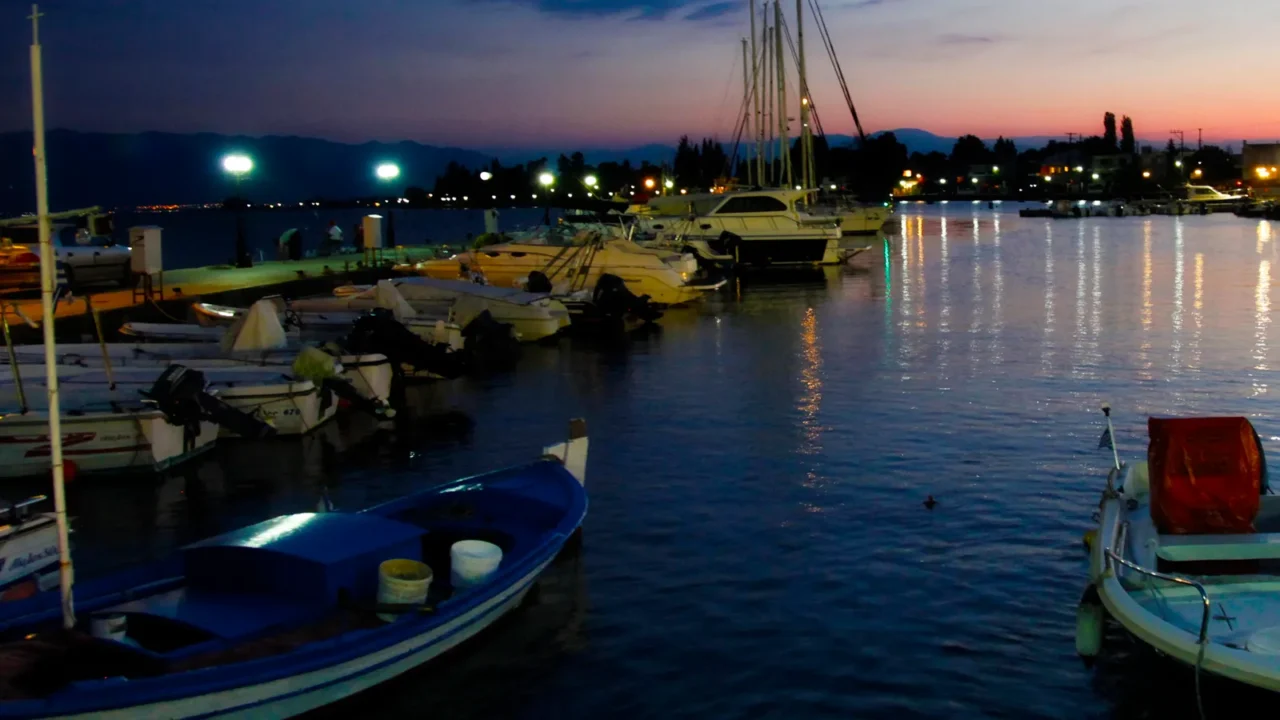
Maine’s small harbors aren’t reinventing themselves for tourism. They’re simply staying true to their rhythms and traditions. That consistency resonates with international visitors.
Travelers leave feeling connected, not overstimulated. The memory feels calm, textured, and lasting. Sometimes the most genuine places travel the farthest.
If you found this interesting, give us a like and share your thoughts in the comments.
This slideshow was made with AI assistance and human editing.
Don’t forget to follow us for more exclusive content right here on MSN.
Disclaimer: The images used are for illustrative purposes only and do not depict the actual locations mentioned.
Read More From This Brand:
