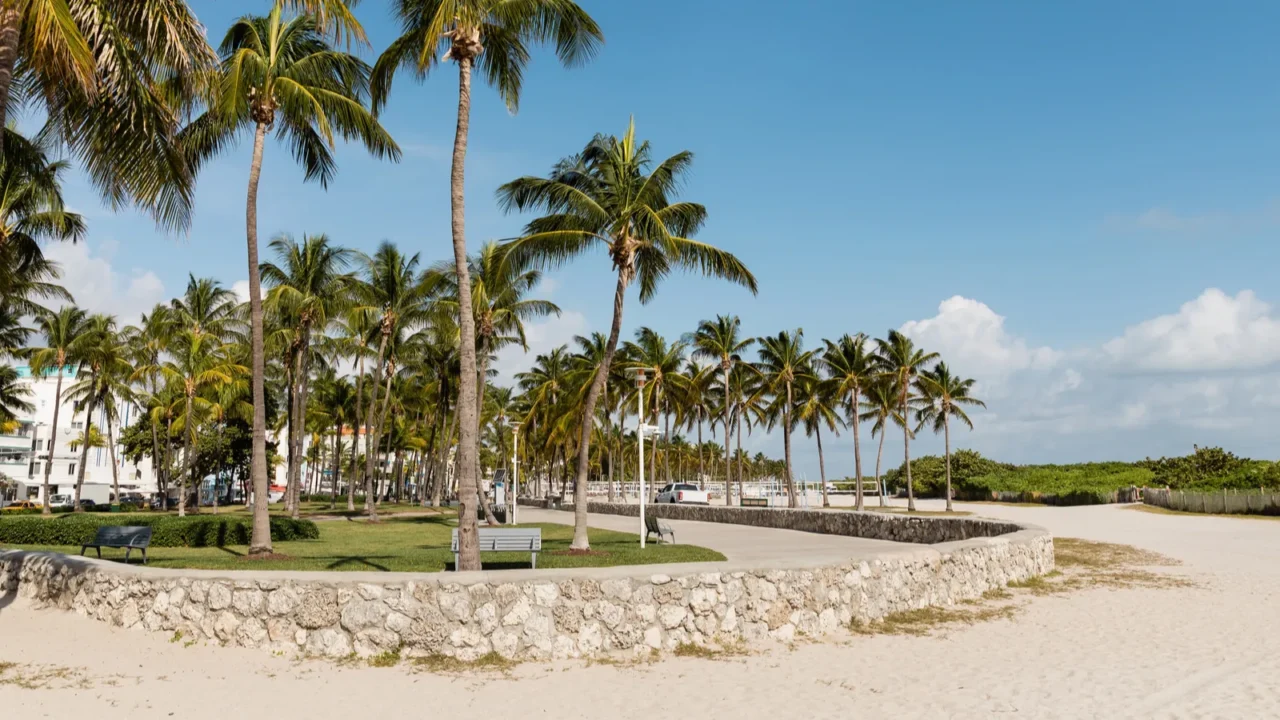
Safety conversations are shifting
Beach safety is getting renewed attention across the United States, and it’s happening for a serious reason. Rising rip current incidents have pushed states to rethink how they protect visitors. What once felt like background information is now front and center.
From Florida to California, beaches are updating how they communicate risk. These changes affect daily beach experiences more than many realize. It’s an important shift worth understanding, so let’s dive in!
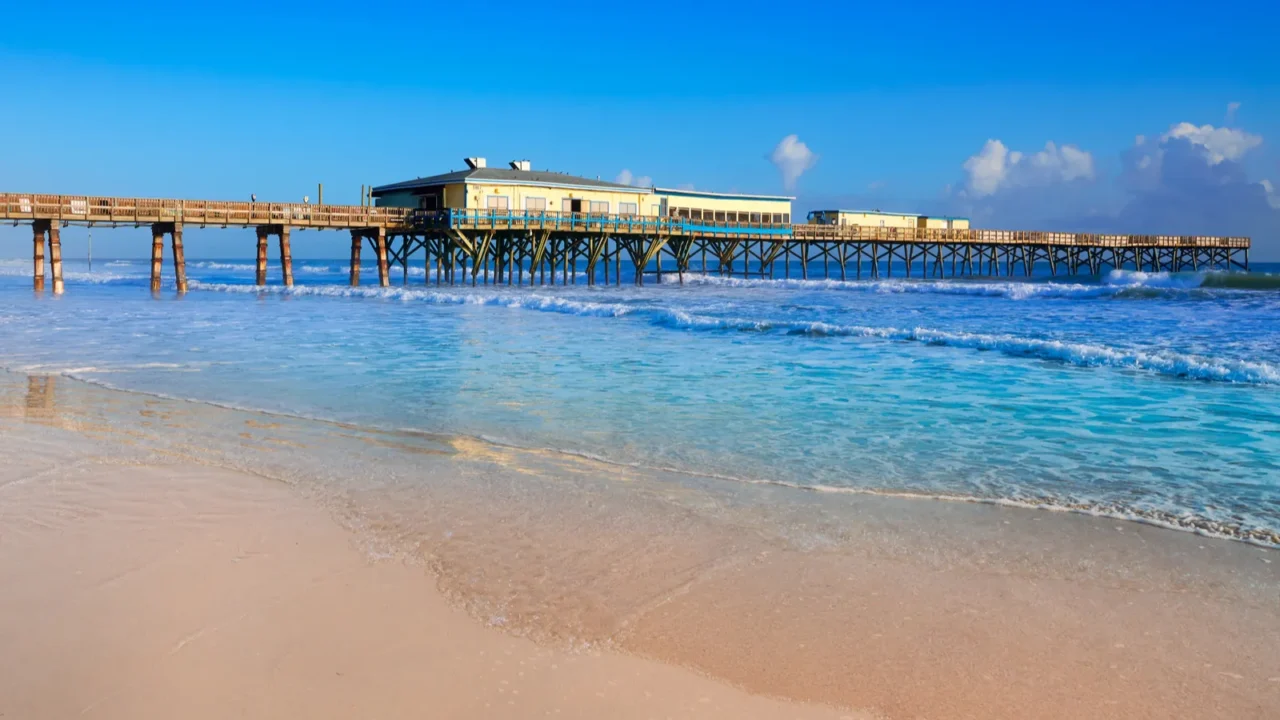
Florida updates warning systems
Florida beaches are leading many safety changes due to high incident rates. Counties along the Gulf Coast and Atlantic Coast are updating flag systems. Clearwater Beach and Panama City Beach now emphasize daily rip current forecasts.
Digital boards and mobile alerts share conditions in real-time. Color-coded flags are explained more clearly at beach entrances. The goal is faster understanding, not fear.
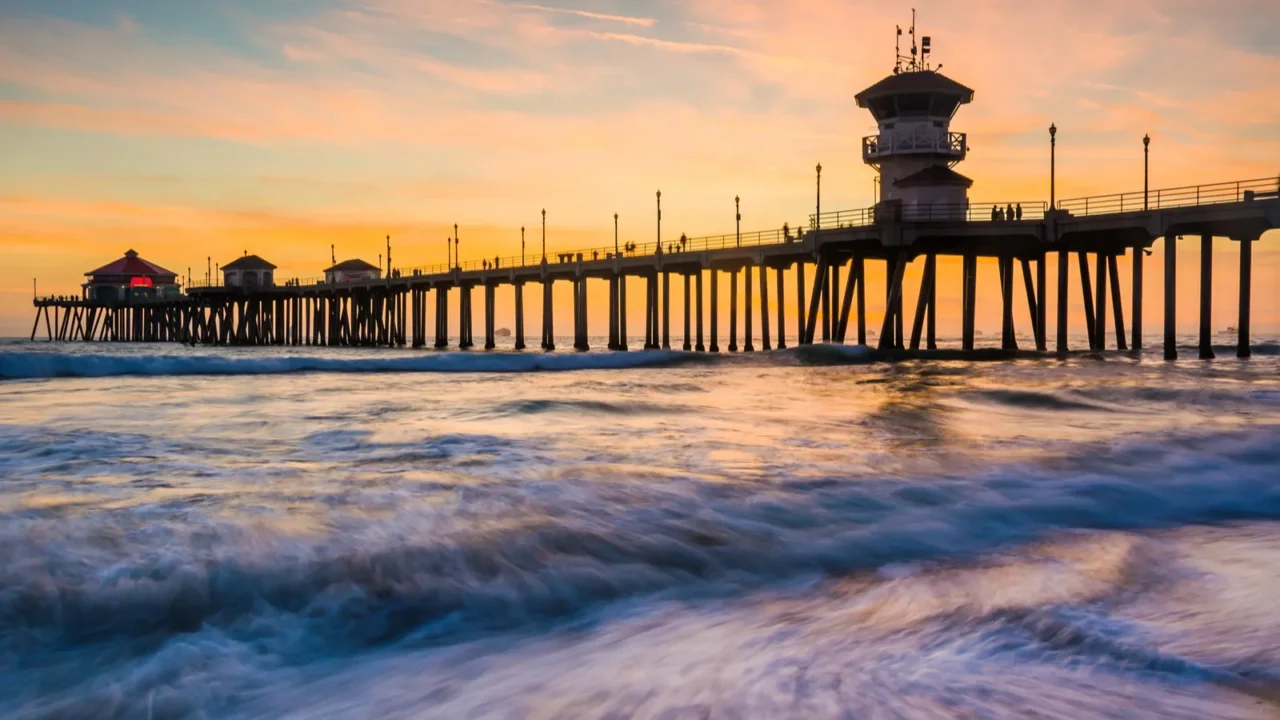
California expands lifeguard reach
California has focused on staffing and visibility improvements. Beaches like Huntington Beach and Ocean Beach in San Diego added more seasonal lifeguards. Towers are spaced closer during high-risk periods.
Lifeguards now engage more actively with visitors before swimmers enter the water. Verbal warnings are becoming standard practice. Presence alone helps prevent risky decisions.
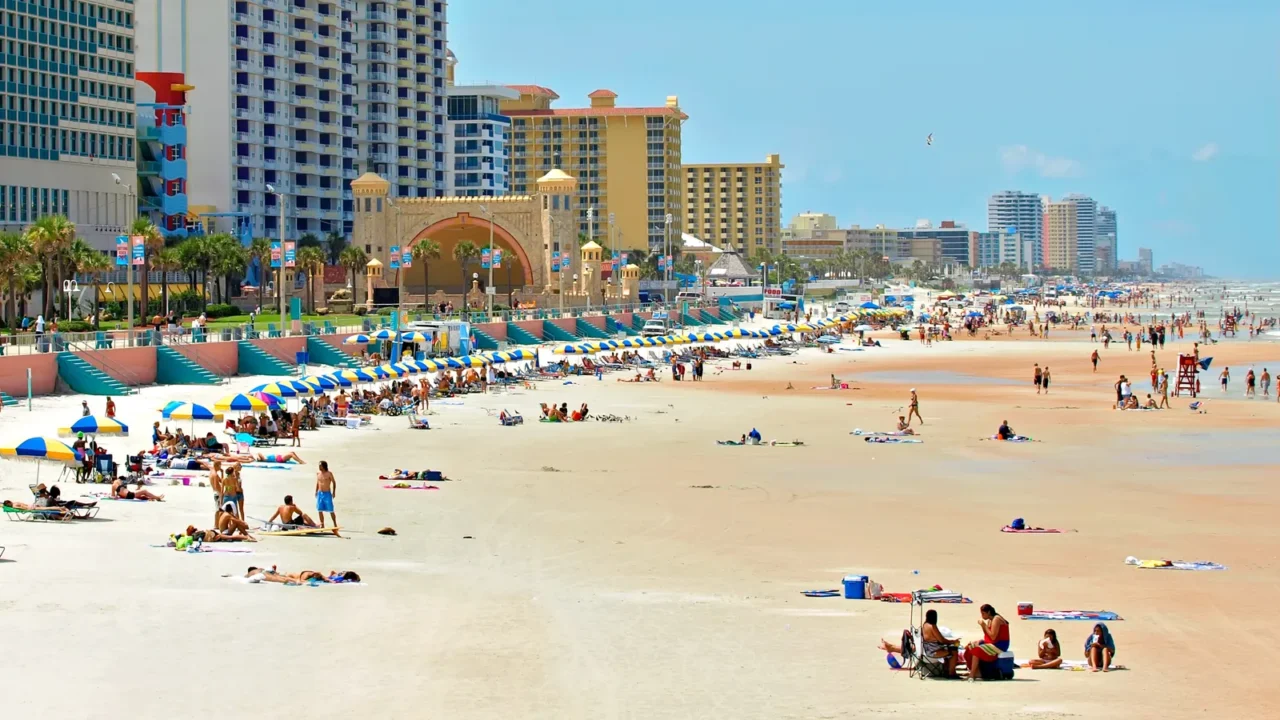
Rip currents demand focus
Rip currents have always existed, but incidents are becoming more frequent. Lifeguard reports from places like Daytona Beach and Myrtle Beach show growing rescue numbers. Stronger weather patterns and crowded shorelines play a role.
Many visitors still underestimate how quickly conditions change. Rip currents don’t look dangerous at first glance. That gap in awareness is driving new safety approaches.
Texas adjusts beach messaging
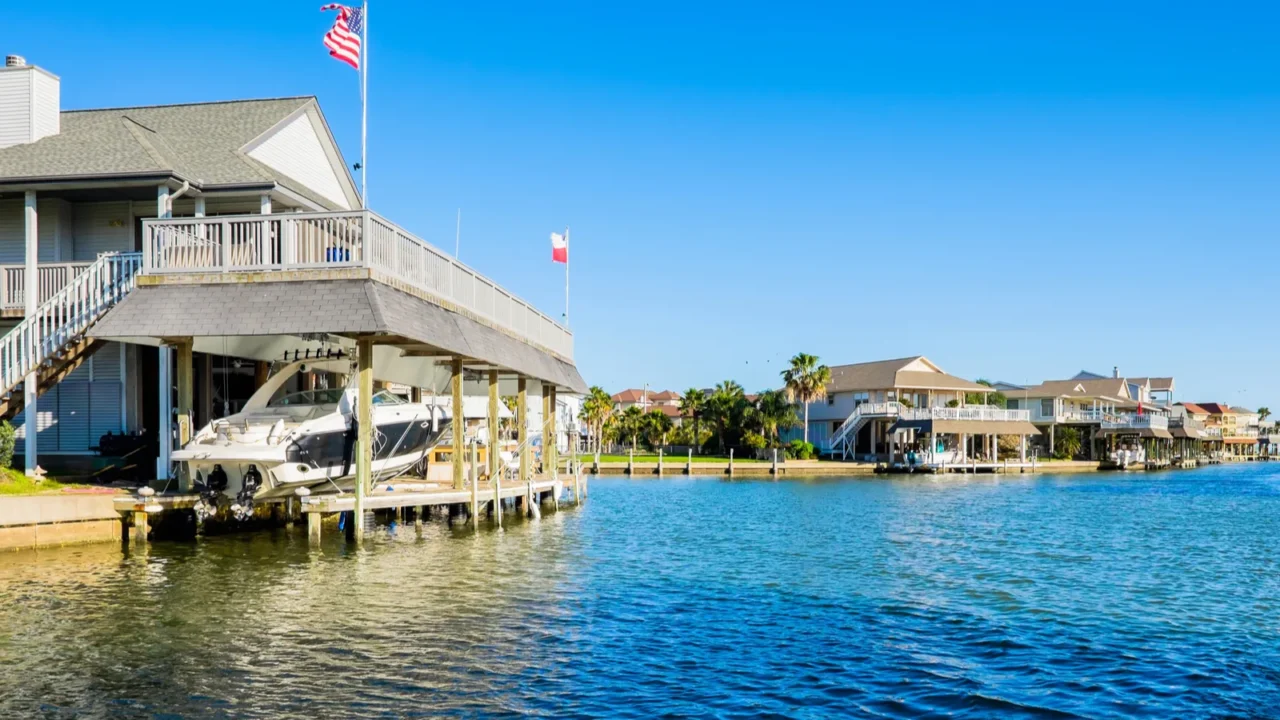
Texas beaches face strong currents, especially near Galveston and South Padre Island. Local authorities are revising how safety signs are written and placed. Messages are simpler and more visual.
Instead of long explanations, signs show clear actions to take. Multilingual signage helps international travelers understand risks. Communication is designed to work quickly under pressure.
East Coast coordination grows
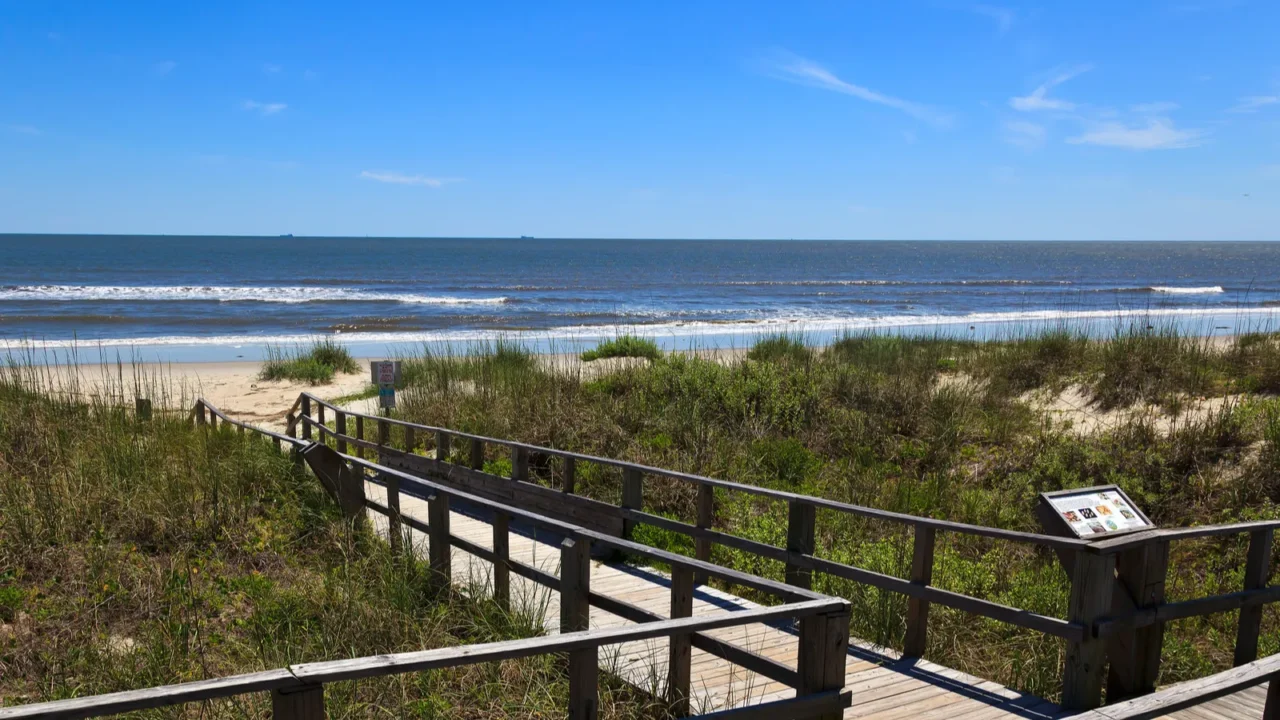
States along the East Coast are coordinating safety standards. North Carolina beaches like Nags Head and Wrightsville Beach share consistent flag meanings. This reduces confusion for repeat travelers.
Lifeguard training is also becoming more standardized. Shared protocols improve response times during emergencies. Consistency builds confidence across destinations.

Hawaii emphasizes education
Hawaii continues to focus heavily on ocean education. Beaches such as Waikiki and Hanalei include safety briefings through hotels and tour operators. Visitors often receive guidance before reaching the shore.
Local culture emphasizes respect for ocean conditions. Lifeguards explain how currents behave near reefs. Education becomes part of the travel experience.
Technology plays a role
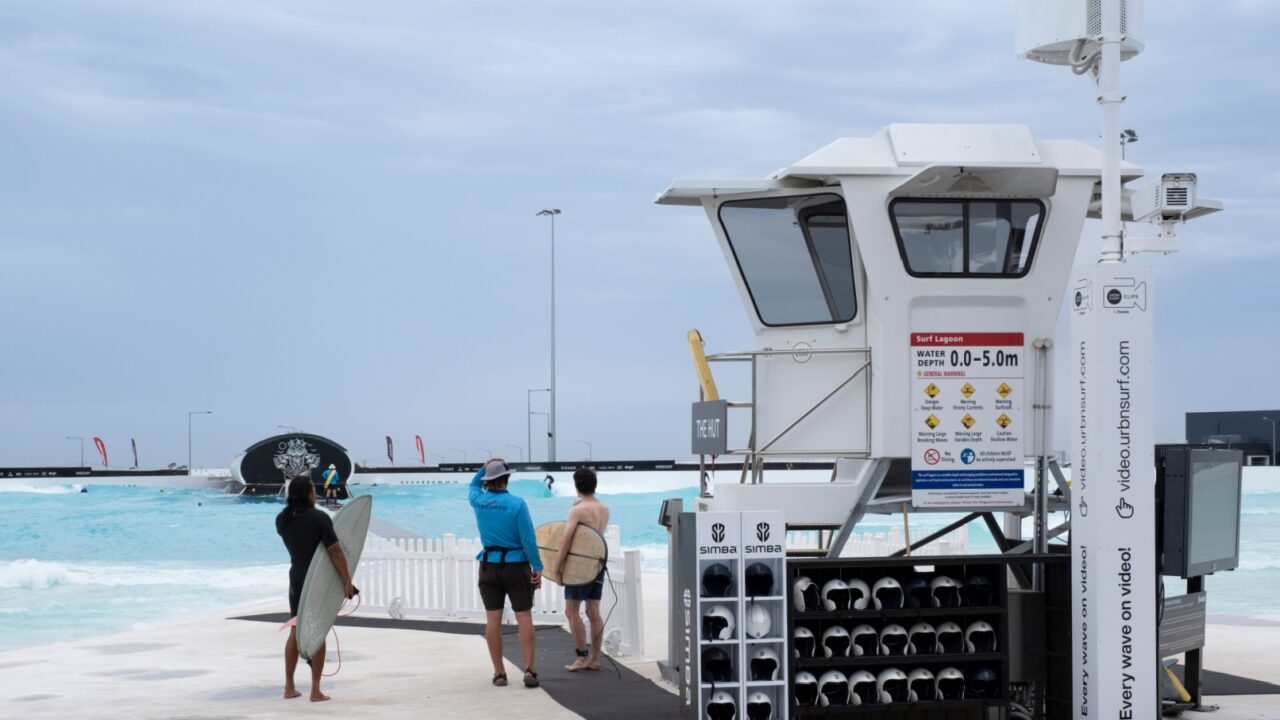
New tools are helping predict and communicate rip current risks. Beaches in New Jersey and Florida use real-time surf monitoring. Forecasts are shared online and through local apps.
Visitors often check conditions before arriving. Alerts help people choose safer swimming times. Technology supports smarter decisions without limiting access.

Beach layouts are changing
Some destinations are rethinking how beaches are organized. Swim zones at places like Virginia Beach are more clearly marked. Entry points guide visitors toward guarded areas.
Physical layout now supports safer behavior. Subtle design changes influence where people gather. Safety becomes part of the environment itself.

Training focuses on prevention
Lifeguard training is shifting toward early intervention. Beaches in Los Angeles County emphasize stopping risky swims before they begin. Prevention reduces rescues and injuries.
Guards spend more time scanning conditions and crowds. Communication skills are prioritized alongside rescue techniques. Prevention saves energy and lives.
Tourism messaging adapts
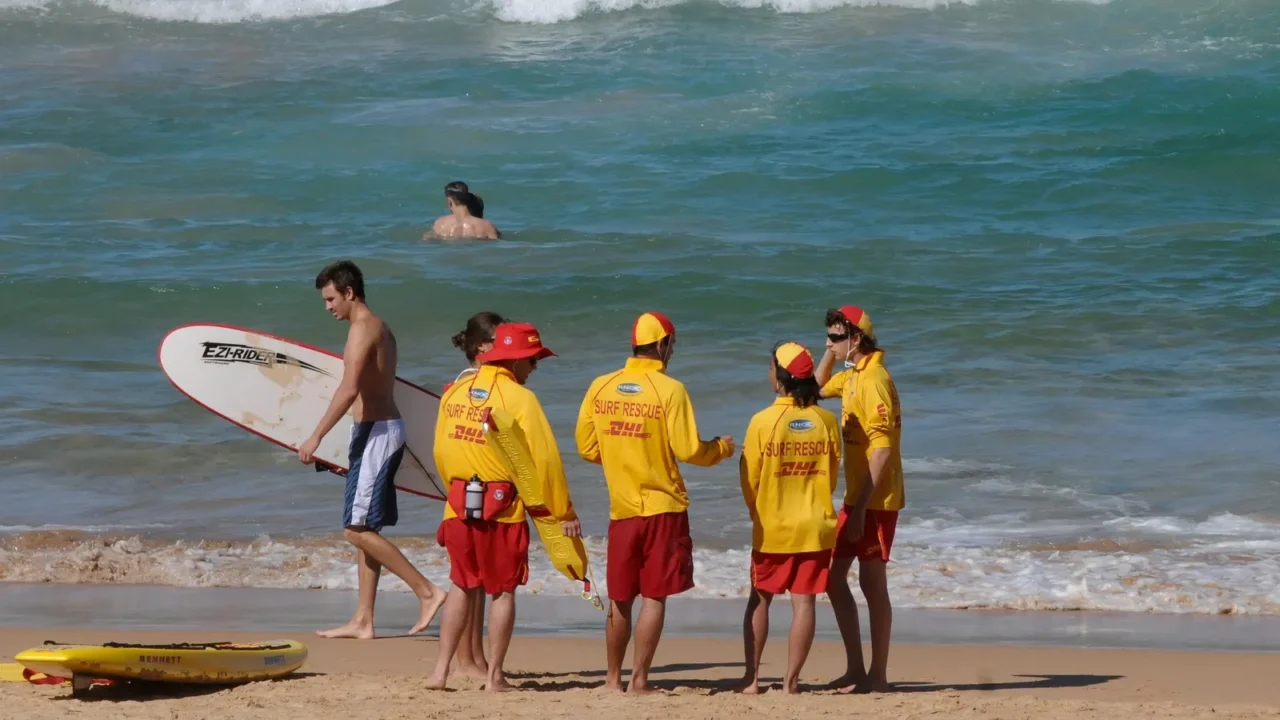
Tourism boards are adjusting how beaches are promoted. Destinations like Gulf Shores include safety tips in travel materials. Messaging balances beauty with responsibility.
Travelers appreciate transparency when planning trips. Honest information builds trust. Safety awareness doesn’t reduce appeal; it strengthens it.
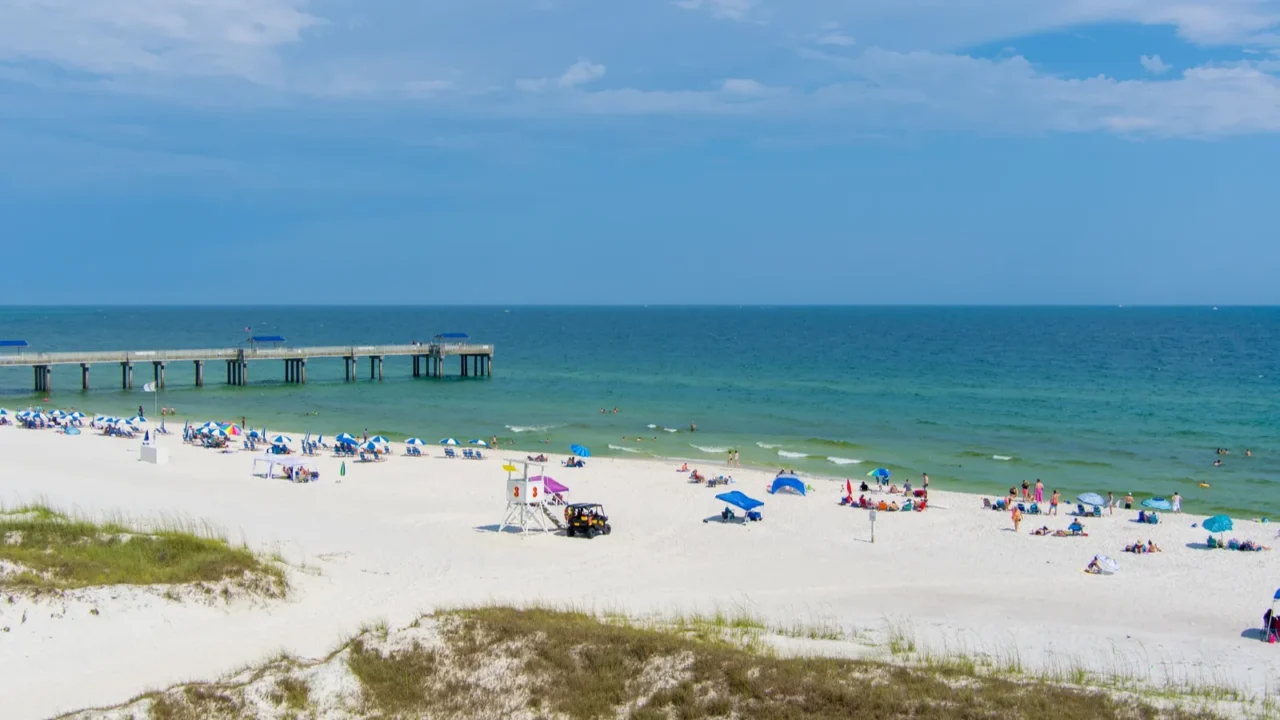
Visitors play a role
Safety improvements work best when visitors engage with them. Paying attention to flags, signs, and lifeguards makes a difference. Many incidents happen when warnings are ignored. States are encouraging shared responsibility.
Beach enjoyment and safety go hand in hand. Awareness empowers better choices. Tangier’s best beaches for the next winter getaway offer both scenic beauty and safe conditions for visitors.
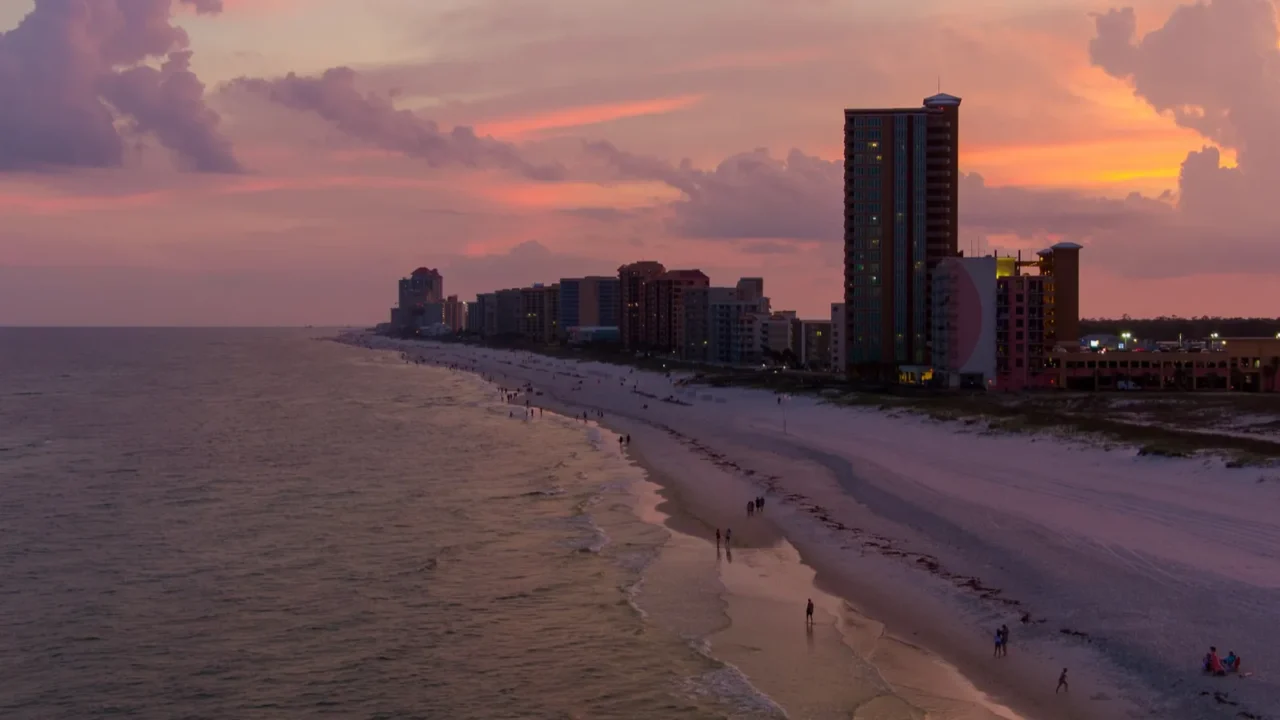
Smarter beaches, safer experiences
Beach destinations aren’t becoming restrictive; they’re becoming smarter. Safety updates reflect changing conditions and growing crowds. The goal is protection without limiting enjoyment.
As protocols evolve, beach experiences remain welcoming. Travelers benefit from clearer guidance and stronger support. Safer shores help everyone enjoy the water with confidence.
If you found this interesting, give us a like and share your thoughts in the comments.
This slideshow was made with AI assistance and human editing.
Don’t forget to follow us for more exclusive content right here on MSN.
Read More From This Brand:
