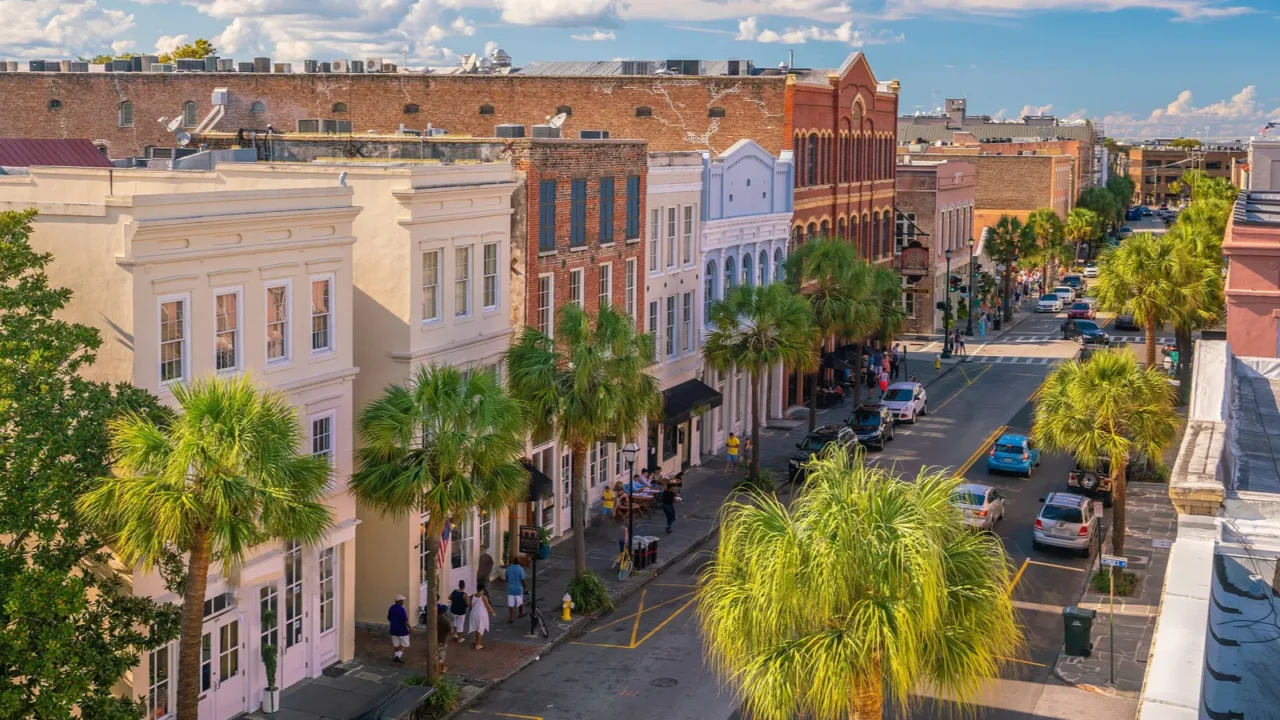
A surprising travel shift
Something unexpected is happening in South Carolina’s travel scene right now. Historic inland and coastal towns are drawing more attention than the state’s famous beach resorts. The shift feels steady, not sudden, and it’s changing how travelers explore the state.
Instead of crowded shorelines, visitors are choosing walkable streets and layered history. These towns offer experiences that feel personal and grounded. There’s a story behind this trend, so let’s dive in!

History creates deeper stays
South Carolina’s historic towns offer something beaches often can’t. Places like Charleston and Beaufort invite visitors to slow down and explore. The experience feels immersive rather than activity-driven.
Travelers spend more time walking through neighborhoods and learning local stories. Museums, preserved homes, and cobblestone streets encourage longer visits. Depth is becoming more appealing than spectacle.

Charleston keeps leading
Charleston continues to outperform many beach destinations statewide. Its historic district, waterfront parks, and preserved architecture draw repeat visitors. The city blends coastal beauty with cultural richness.
Rainbow Row, The Battery, and Waterfront Park offer varied experiences without needing a car. Dining and history sit side by side naturally. Visitors often stay longer than planned.

Beaufort feels authentic
Beaufort offers a quieter but equally compelling experience. Its antebellum homes, oak-lined streets, and waterfront views feel lived in. The town moves at an unhurried pace.
Places like Henry C Chambers Waterfront Park encourage long afternoons outdoors. History feels present without being overwhelming. That balance resonates strongly with travelers.
Less crowd fatigue
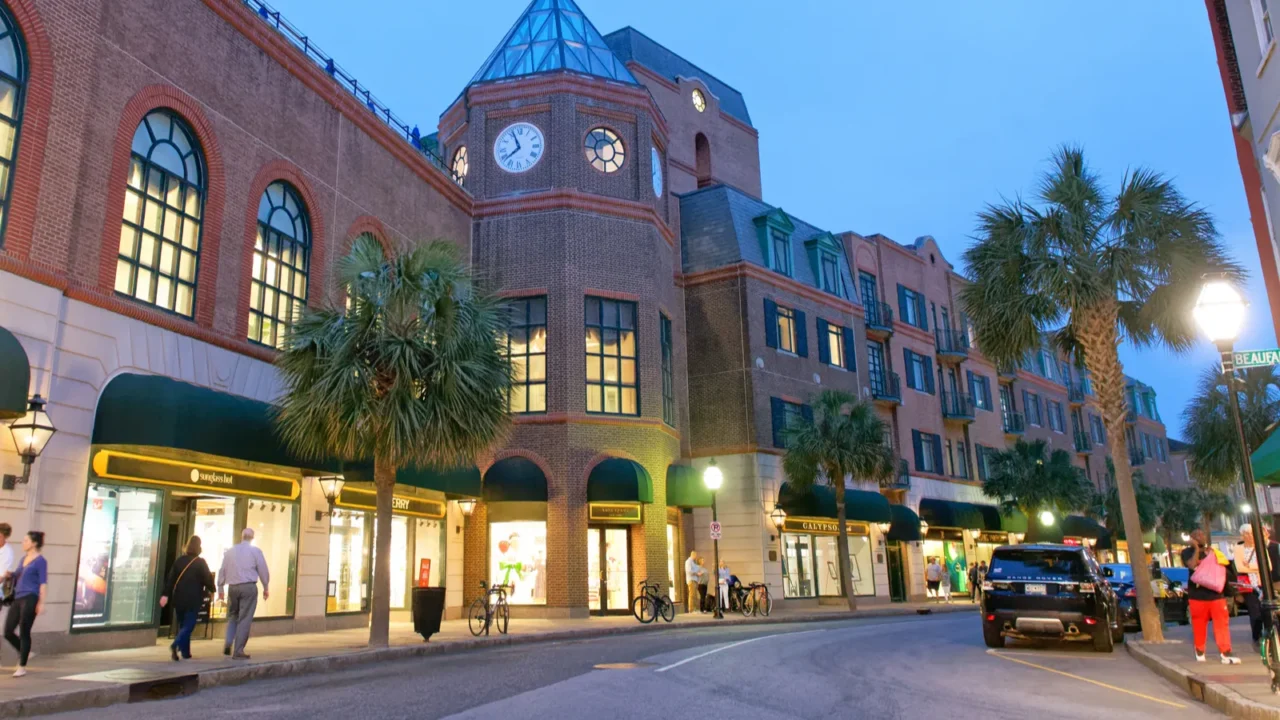
Major beach destinations often come with heavy crowds and seasonal stress. Parking issues, packed shorelines, and noise can shorten stays. Historic towns offer breathing room.
Visitors enjoy open streets and manageable foot traffic. The experience feels calmer and more enjoyable. Comfort plays a big role in repeat travel decisions.
Walkability matters now
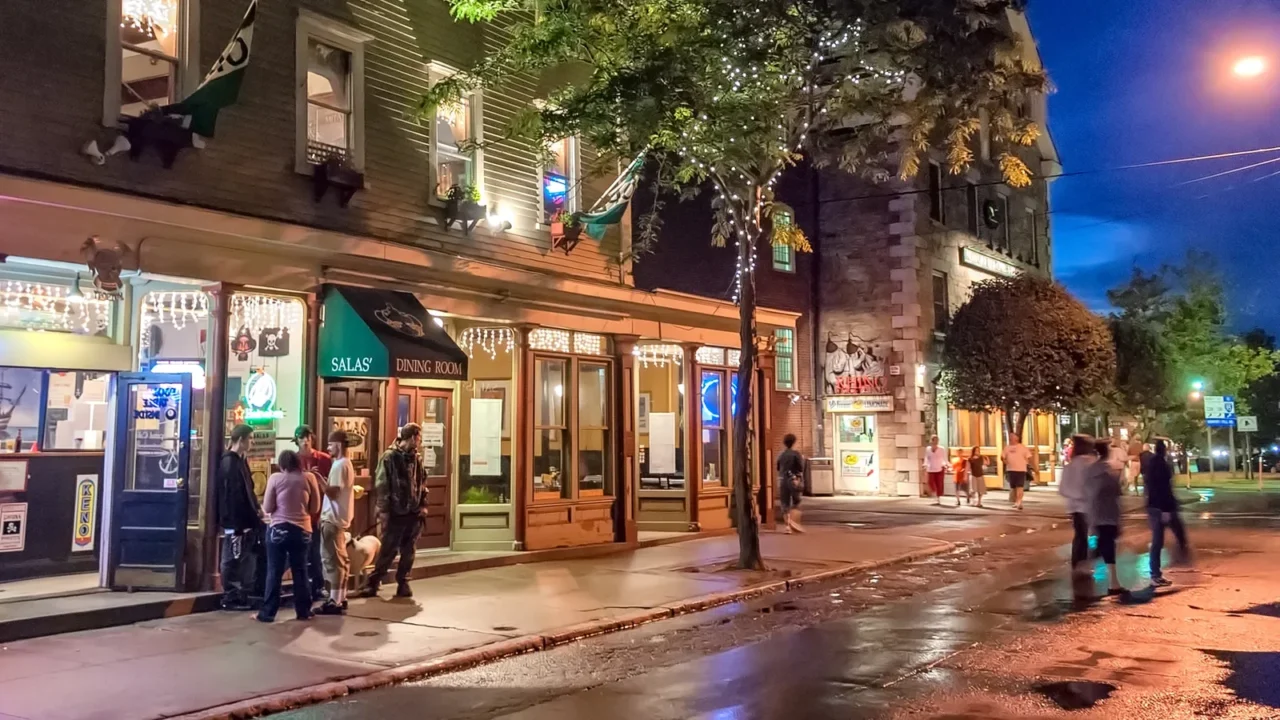
Walkable towns are outperforming car-dependent beach areas. Charleston’s peninsula and Beaufort’s downtown make exploring easy. Everything feels close and connected.
Travelers appreciate not planning every move. Cafés, shops, and landmarks blend into one experience. Walkability adds freedom and spontaneity.

Culture beats convenience
Historic towns offer culture that feels organic. Gullah Geechee heritage in Beaufort and Charleston adds depth. Storytelling becomes part of daily exploration.
Local guides, museums, and food traditions feel meaningful. Visitors feel connected rather than entertained. Culture creates emotional attachment.
Dining drives travel choices
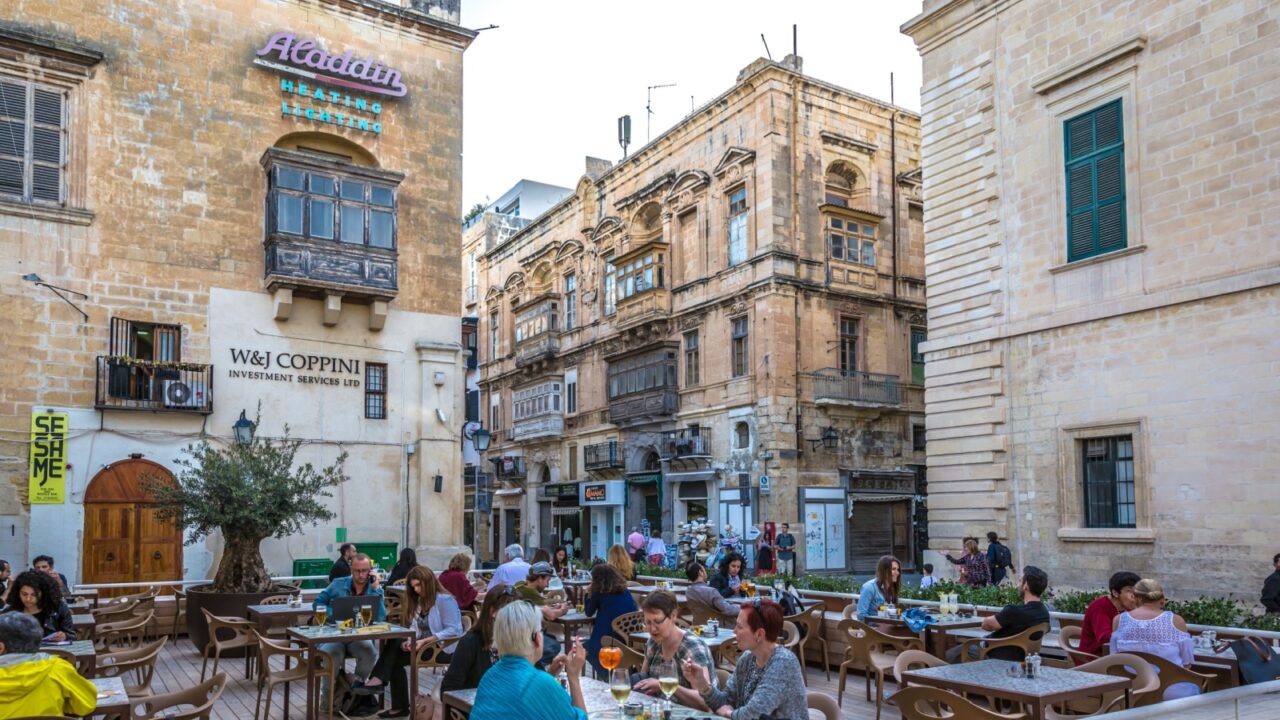
Food scenes in historic towns outperform many beach areas. Charleston’s Lowcountry cuisine draws global attention. Restaurants feel destination-worthy on their own.
Beaufort and the historic port town of Georgetown also highlight regional flavors. Meals become experiences rather than pit stops. Culinary identity strengthens travel appeal.

Lodging feels more personal
Historic towns offer distinctive places to stay. Boutique inns and restored homes feel unique. Accommodations become part of the story.
Unlike large beach hotels, these stays feel intentional. Travelers enjoy character over convenience. That difference influences booking decisions.
Weather flexibility helps
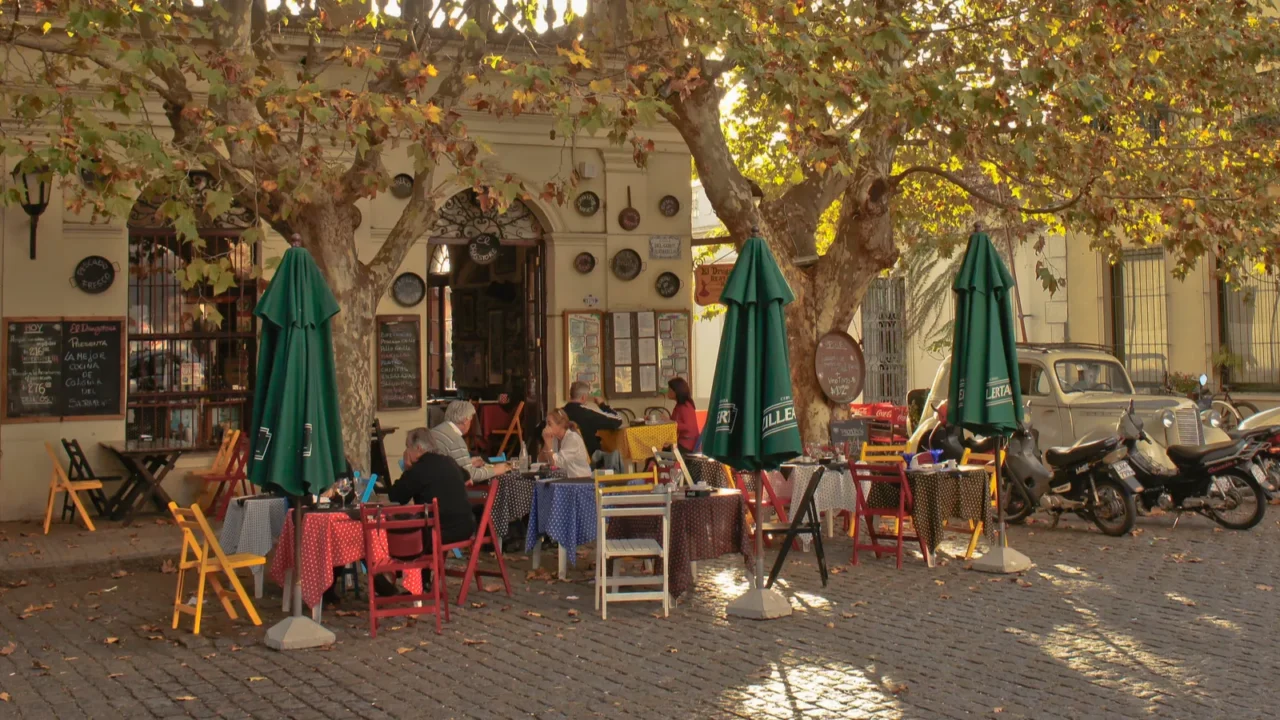
Historic towns aren’t tied to perfect beach weather. Rainy or cooler days still offer plenty to do. Museums, shops, and cafés remain appealing year-round.
Beach destinations lose momentum when conditions shift. Town-based travel feels more resilient. Flexibility adds value to planning.

Photography fuels interest
Historic towns photograph beautifully in every season. Charleston’s pastel homes and Beaufort’s waterfront scenes travel well online. Images feel timeless rather than trendy.
Social sharing increases curiosity naturally. Friends see moments rather than crowds. Visual storytelling drives organic growth.
Value feels stronger here
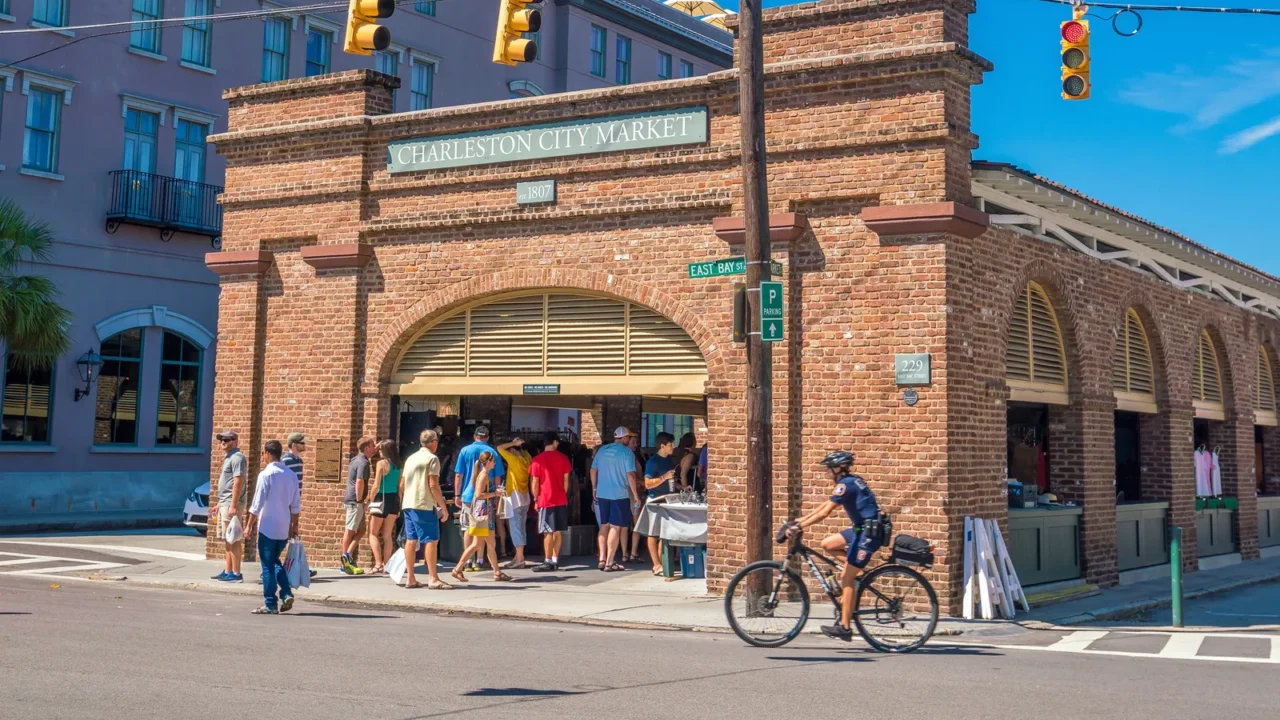
Travelers often feel they get more from time spent in historic towns. Many activities don’t require tickets or reservations, and guides like What to Know Before Visiting Historic Towns in the South help set realistic expectations for exploration. Simple walks and conversations deliver experiences that feel meaningful.
Spending feels intentional rather than forced. Visitors remember moments, not transactions. Value goes beyond price.

A new South Carolina rhythm
South Carolina’s historic towns aren’t competing with beaches directly. They’re offering something different and more sustainable. That difference is working.
Travelers are choosing depth, comfort, and authenticity. These towns meet those expectations naturally. The result is steady growth that feels well earned.
If you found this interesting, give us a like and share your thoughts in the comments.
This slideshow was made with AI assistance and human editing.
Don’t forget to follow us for more exclusive content right here on MSN.
Read More From This Brand:
