Portland’s new travel rhythm
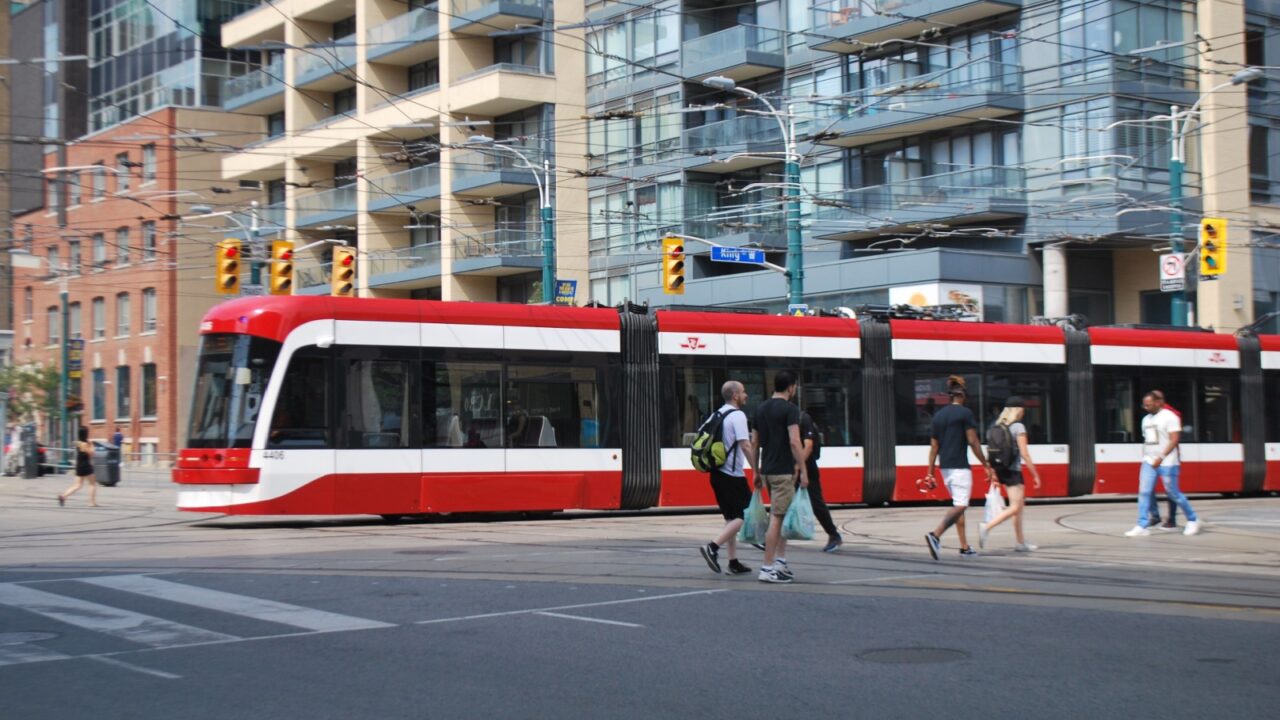
Portland’s transportation scene is stirring some serious buzz among travelers and locals alike. What was once an easy Uber or Lyft stop now comes with new costs and choices that shift how visitors get around downtown and beyond. Rather than jumping straight into taxis through apps, people are trying alternatives and rethinking how they explore this iconic Pacific Northwest city.
It’s part travel shift and part city strategy that’s reshaping visitor mobility on busy streets and quieter neighborhoods. The implications touch everything from downtown strolls to airport pickups and riverfront visits. Let’s dive in!
Rideshare fees go up
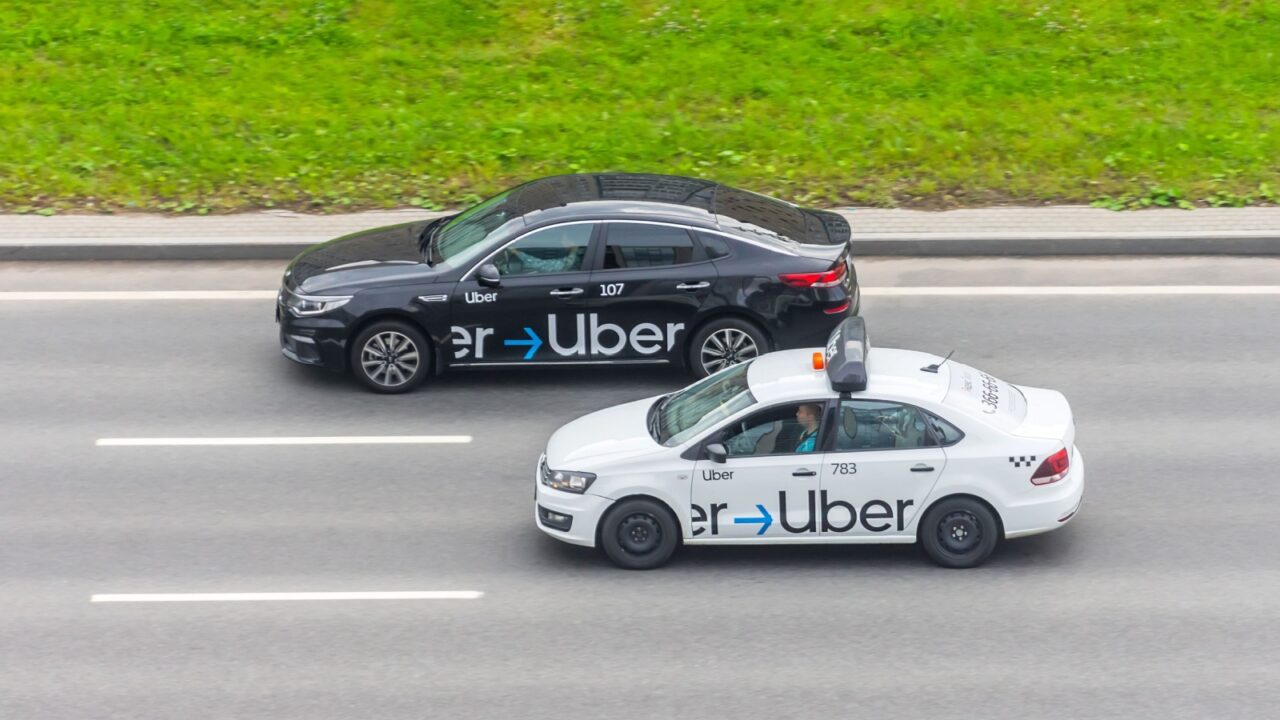
Portland charges one of the highest rideshare fees among U.S. cities. That surcharge went from a modest charge per ride to a full two dollars added to every Uber or Lyft trip within city limits. The aim is to raise millions to fix streets, sidewalks, and underfunded infrastructure.
Drivers and visitors feel the change in their wallets right away. Some travelers have noticed surge costs when trying to go from downtown to iconic spots like the Pearl District or Old Town Chinatown. That extra cost nudges people toward other ways of moving around town.
Visitor travel costs shift
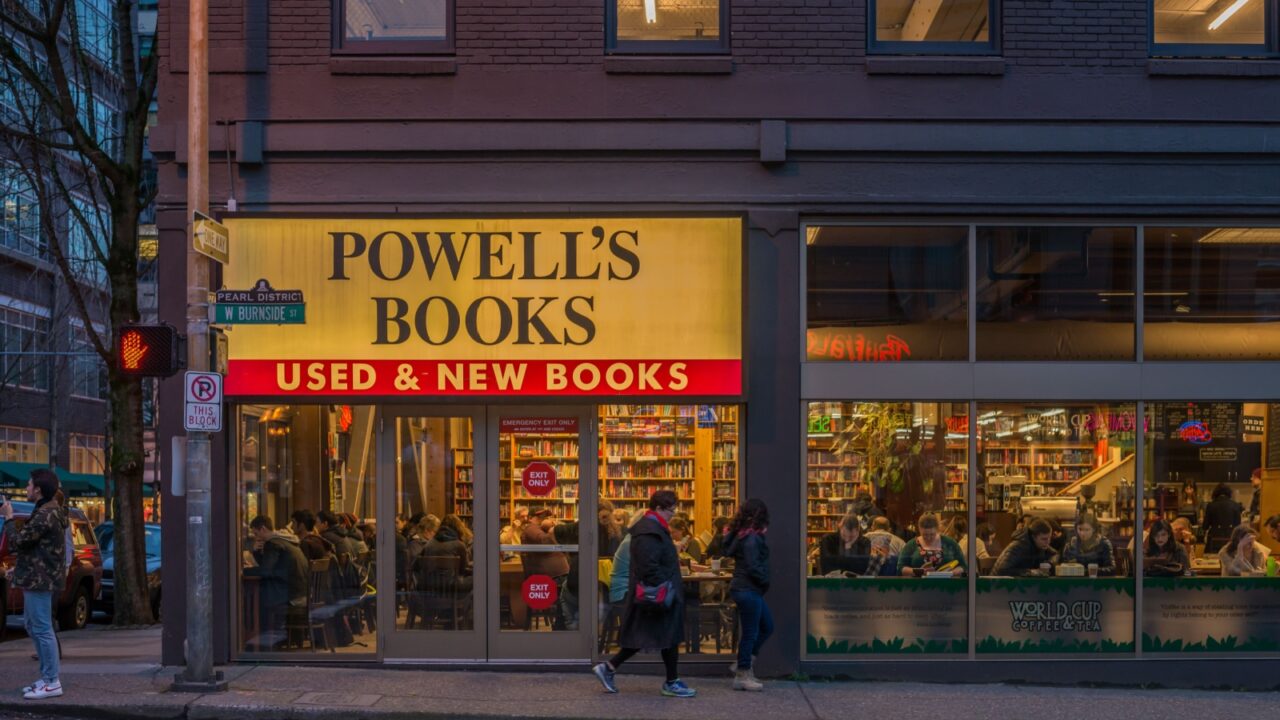
Where people once budgeted for rideshare trips, they’re reconsidering convenience versus cost. Tourists heading to Powell’s City of Books or the Alberta Arts District now weigh transit passes against higher ride fees. The city’s surcharge is expected to bring in over $10 million annually for transit and street maintenance.
Some visitors find that walking, biking, or using trams feels cheaper and more Portland-like than hailing a car. Others report longer waits when rideshare drivers are fewer and demand shifts. For many holidaymakers, it’s a reminder that exploring Portland is both an adventure and a budgeting choice.

Fewer rideshare trips overall
City data shows Portland’s rideshare and taxi usage hasn’t bounced back to pre-pandemic levels, even as other cities see growth. Ride volumes in the past fiscal year were down significantly compared with 2019 figures. That’s a big contrast to global rideshare trends, where usage continues to rise.
Remote work and post-pandemic patterns play a role, but local costs and policy also matter. Travelers and locals alike report choosing transit or biking when rides feel slow or pricey. It’s a shift that’s changing mobility patterns for everyone on Portland streets.
More public transit interest
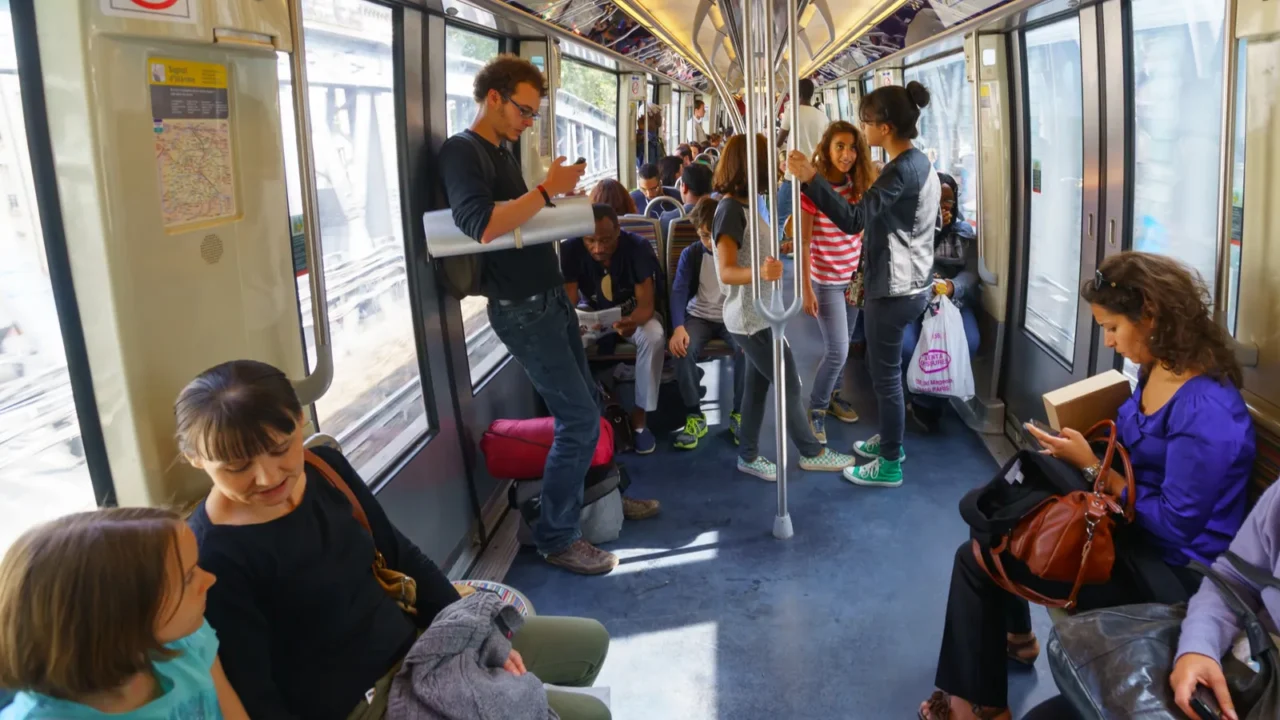
With rideshare costs rising, public transit options are gaining attention among visitors. TriMet buses, MAX Light Rail, and the Portland Streetcar offer budget-friendly access to popular places like the Pearl District and OMSI. Visitors who love city walks find transit an easy way to connect key districts without relying on cars.
On New Year’s Eve and other busy nights, the city even promotes free fare on certain transit lines to make safe travel easier. For travelers who want to visit Forest Park or the Waterfront Park without extra rideshare fees, transit feels like a good alternative. Public transit becomes part of the Portland story in a new way.

Bikes and scooters fill gaps
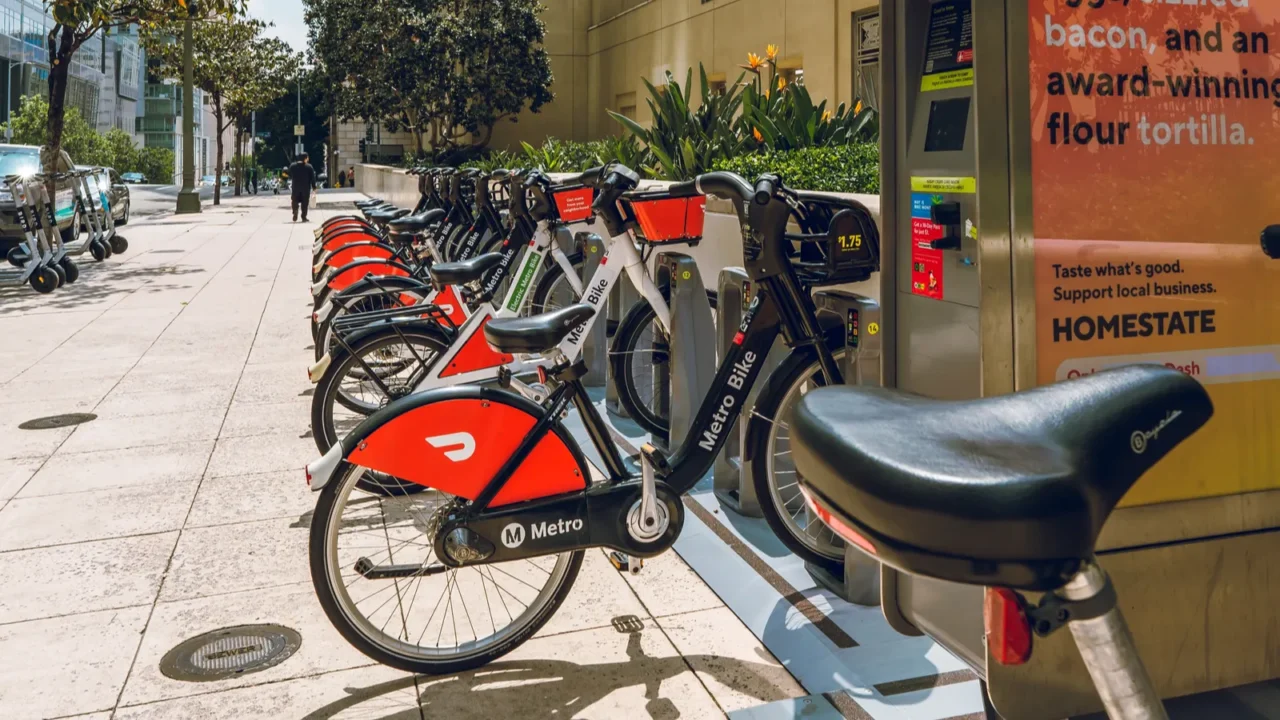
Portland’s bike culture steps into the spotlight as rideshare decisions shift. Biketown and scooter programs offer another way for visitors to zip between neighborhoods at their own pace. Casual riders can glide toward destinations like Laurelhurst Park, Hawthorne Boulevard, or Mississippi Avenue without worrying about waiting for a driver.
Those options feel especially appealing when downtown traffic builds in the early evening. Tourists discover that local mobility here isn’t only about cars or apps but about stepping into Portland’s active street life. Two wheels become a memorable part of getting around.
Airport pickup evolves
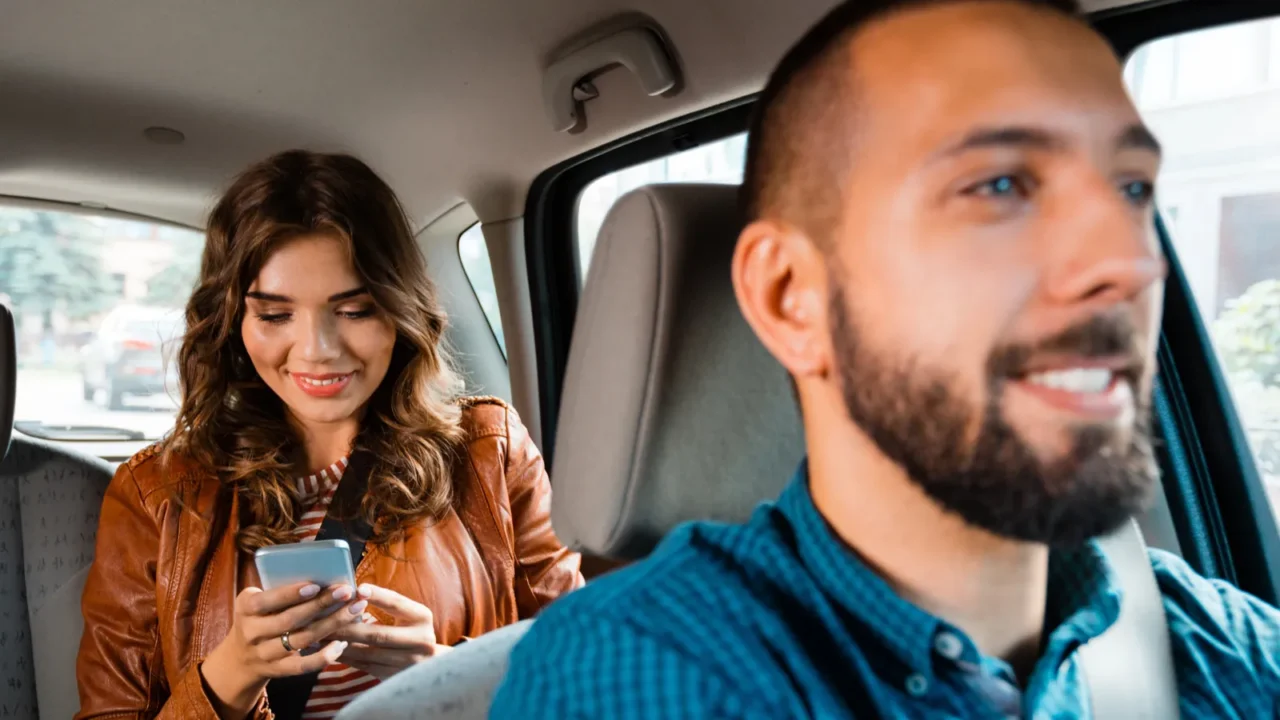
Portland International Airport travel is part of the mobility shift, too. Rideshare pickups and drop-offs now happen in dedicated areas that change how visitors begin their city experience. What was once a simple curbside meet-up can now feel like a walk through signage, queues, and planning.
As a result, tourists rethink whether to book a ride in advance or grab a rental car instead. Some people say they prefer the MAX Light Rail from the airport because it feels reliable and cost-effective. How visitors start their Portland journey is part of how the city now talks about accessibility and choice.
Longer waits influence plans
Higher fees and fewer local drivers can also mean longer waits between rideshare pickups. Wait times that used to be under five minutes in downtown areas can stretch longer on weekend nights. For someone heading to a concert at Mission Theater or an evening show in the Alberta Arts District, that wait changes timing and plans.
Holidaymakers who depend on flexible rides find themselves booking earlier or shifting to transit. That can mean more planning, but also more familiarity with the city’s rhythm. How mobility works becomes part of the travel narrative.
Tourism spots adapt too
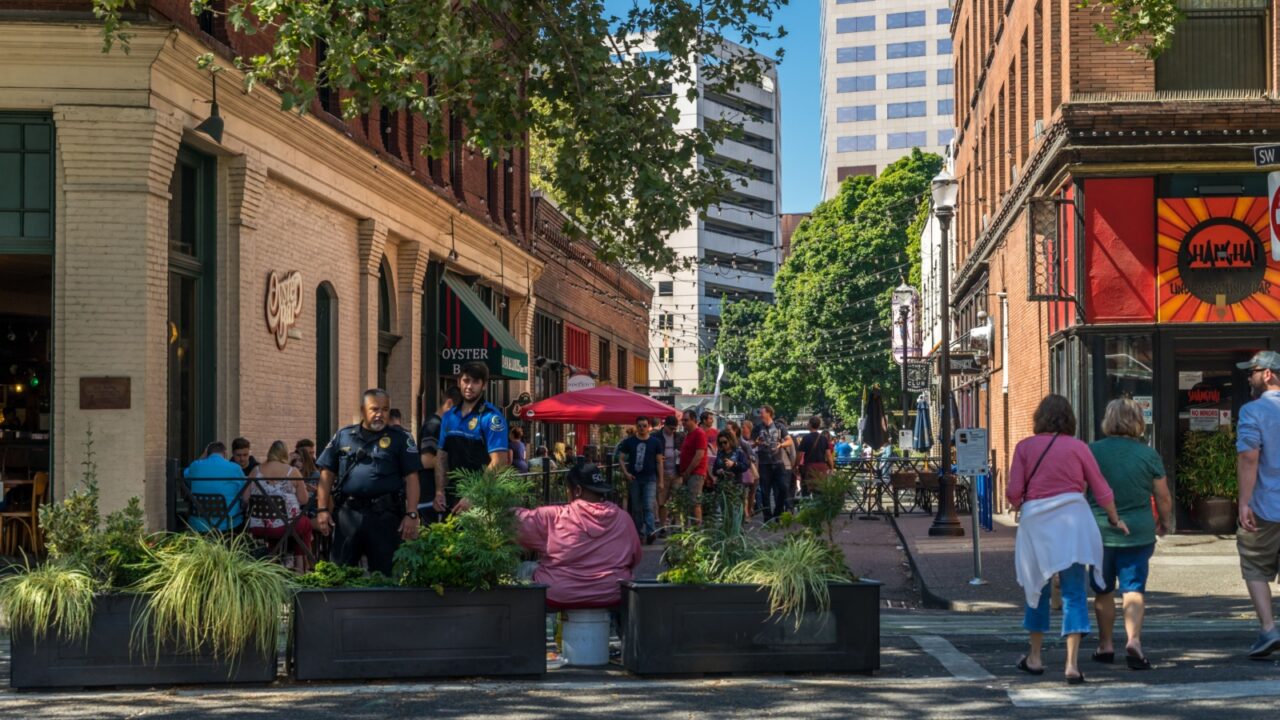
Popular neighborhood hubs like Downtown Portland, Nob Hill, and Sellwood-Moreland now lean into mobility alternatives. Businesses near transit stops and bike stations see more customers who arrive by rail, tram, or pedal. That’s part of how travel in the city naturally evolves.
Visitors who stroll through the Alphabet District, or explore the South Waterfront report that being on foot feels rewarding and efficient. Restaurants and local shops like those along SE Division Street notice steady midday crowds without depending on late-night rides. Portland’s mobility ecosystem reshapes how tourism works at the street level.
Balancing cost with adventure
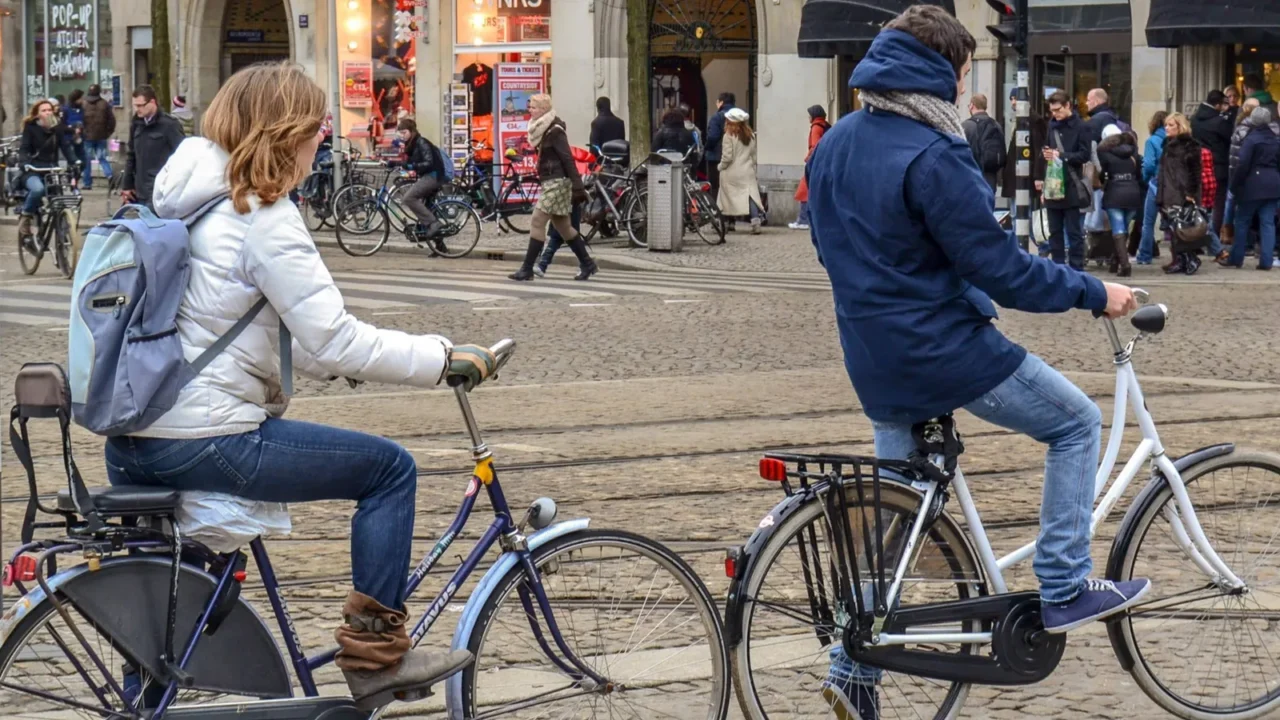
What this mobility shift highlights is a balance between cost and discovery. Travelers can enjoy iconic Portland places like the Japanese Garden or Powell’s City of Books by pairing transit with walking or biking. Sure, rideshare had its convenience, but the changes encourage a richer day of exploration.
Whether visiting the Alberta Street murals or sipping coffee in Northwest, planning feels part of the adventure. People find rhythm in the city’s slower, more intentional vibe. It builds a travel experience rather than a rush from point A to point B.
A new urban travel mindset
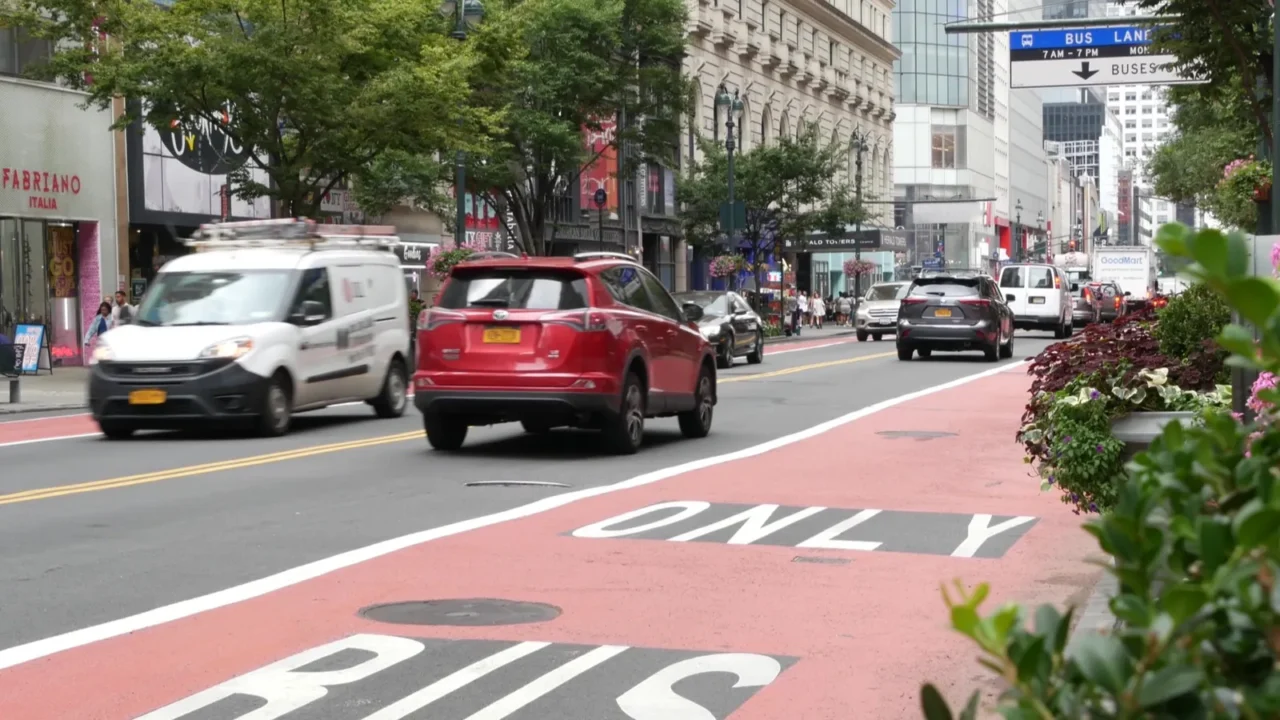
Portland’s limits on rideshare mobility are shaping a mindset shift in how visitors navigate. When it costs more to call a car, the city’s transit, bike, and walking routes come alive with purpose, and some travelers even connect their trip with stunning Amtrak train routes worth the ride across North America. Tourists eager to see laneways, riverside paths, and cultural districts often find that slower motion reveals hidden gems.
That shift doesn’t diminish the city’s appeal. Instead, it invites people to engage deeply with place and pace. It reflects a city learning how to welcome people in ways that resonate beyond quick rides.
Portland moves differently
Portland’s rideshare limits aren’t just policies on paper. They’re reshaping how holidaymakers and explorers plan, pay, and move throughout the city. From transit rides to biked routes and dynamic walking paths, mobility feels diverse and alive in ways it wasn’t before.
The story here isn’t that ride-sharing disappears but that travel choices expand and evolve.
Which mode of getting around Portland signals the most memorable adventure for a visit next season? Share thoughts and travel plans below!
This slideshow was made with AI assistance and human editing.
Don’t forget to follow us for more exclusive content right here on MSN.
Disclaimer: The images used are for illustrative purposes only and do not depict the actual locations mentioned.
Read More From This Brand:
