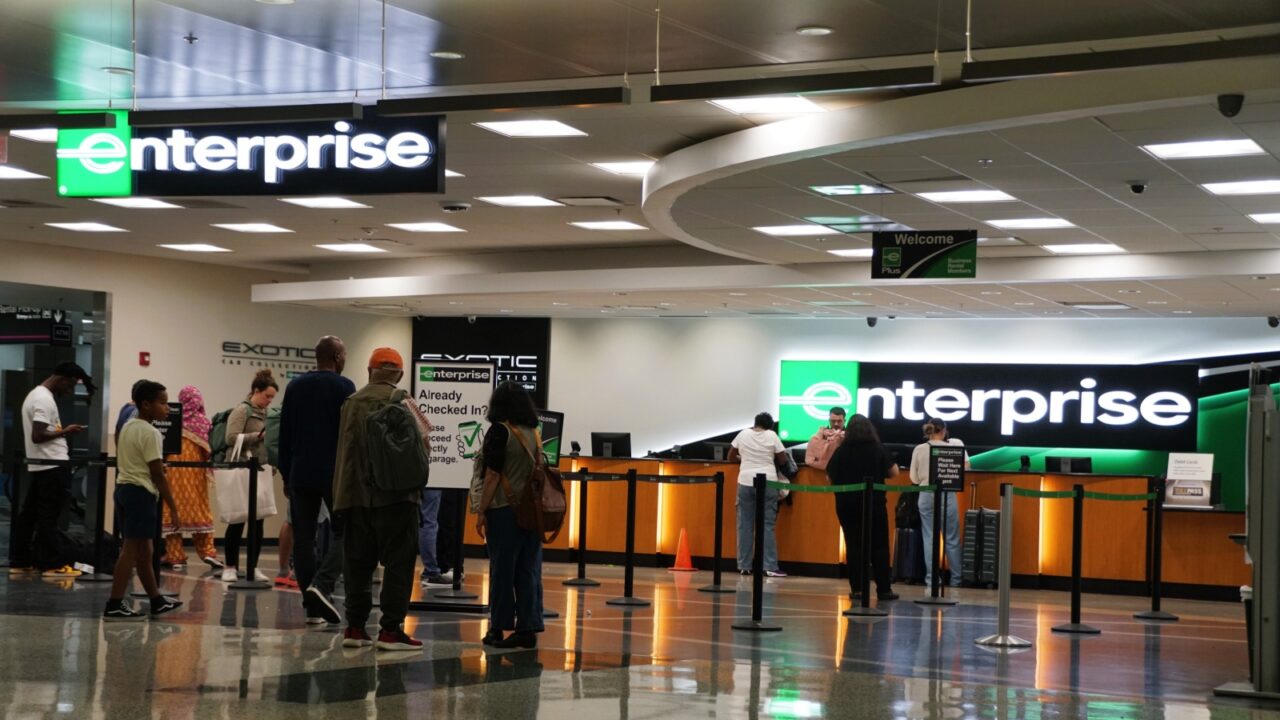
U.S. rental car cost trends
The U.S. rental car market has seen shifting price patterns that affect travelers nationwide in 2026. Rates vary widely by location, with some states and cities quietly charging more due to supply, demand, and local fees. These pricing differences can make the same weeklong rental cost hundreds more, depending on where a trip begins. Let’s dive in!
Rental car costs also reflect airport concession fees and seasonal peaks in tourism. Cities with high business travel or strong leisure demand often see elevated prices. Understanding these regional differences can help holidaymakers plan smarter.

Rental car prices by state
Rental car prices in the United States vary significantly from state to state and city to city. Data shows that airport pickup rates typically cost more than off-airport locations due to local taxes and concession fees. For example, a seven-day rental can cost $80 to over $100 more in high-fee markets versus lower-cost regions.
Seasonal tourism pressure also influences state rental costs, with beach and ski states often charging premiums during peak times. These patterns have a direct effect on travelers’ total trip budgets. Awareness of these differences helps visitors choose more cost-effective pickup points.

Little Rock stands out
Little Rock, Arkansas, has emerged as one of the most expensive U.S. destinations for car rentals in the fall season. According to a survey of 100 airports, average daily rates at Bill and Hillary Clinton National Airport were about $95 for the cheapest available vehicles. This made Little Rock the priciest rental location during the September through November period studied.
Rental rates in Little Rock are up roughly 20 percent compared with the previous year, contrasting with the national average increase of just 0.5 percent. Nearby destinations such as Charleston, South Carolina, and Madison, Wisconsin, also ranked high in cost. These elevated prices suggest localized demand spikes at certain smaller airport hubs.
Baltimore’s summer surge
Baltimore’s BWI Airport ranked among the most expensive destinations for summer car rentals in a comprehensive survey. Average daily rates reached about $134, making the area the third most costly in the United States for rental cars from June to August. Only Anchorage and Bozeman topped Baltimore in that ranking.
Rental cost increases in Baltimore spiked compared with the previous year, with some reports suggesting nearly 50% hikes during peak summer periods. Other high-cost markets included Portland, Spokane, and Boston. These elevated rates reflect both strong travel demand and limited vehicle availability in certain periods.
Winter pricing shifts
Some winter destinations have also emerged as pricer rental car markets in the U.S. Palm Springs Airport in California featured among the top winter markets, with average daily rates near $91. Long Beach followed closely with rates around $90 during the winter booking window.
These winter pricing patterns reflect strong tourist demand even outside the traditional summer season. Locations like Kona and Kahului in Hawaii topped the list during the same period. Higher airport rental costs in vacation spots often coincide with limited off-airport alternatives.
City variation drives prices
Across the U.S., car rental pricing differs dramatically by city and region, beyond just seasonal trends. Pricing research shows that weekly rates can range from around $380 in Miami to over $640 in cities like Seattle and Chicago. These disparities reflect local operating costs, demand peaks, and regional travel patterns.
Cities with heavy business travel or limited fleet availability often top the pricing charts. Downtown or airport pickup sites typically add further concession fees and taxes. Travelers planning multi-destination trips may find total costs vary just based on where rental agreements begin.
Airport versus off-airport costs
A consistent finding across rental pricing studies is that pickup location affects total cost significantly. Rentals at airport locations usually cost more than off-airport counters by a notable margin. One analysis showed that off-airport rentals can cost about $86 less on a seven-day rental than the same vehicle at an airport site.
Airport concession fees and local taxes often contribute to these differences. These charges are passed to travelers as part of the daily rate. Holidaymakers choosing off-airport alternatives can often reduce their total rental bill.

National pricing and trends
Rental car prices in the U.S. spiked sharply earlier in the decade due to pandemic-related shortages and supply chain issues. Prices climbed about 50 percent by mid-2022 compared with pre-pandemic levels, as fleets shrank and demand outpaced supply. Since then, rates have moderated somewhat as supply chains improved.
Consumer price data for June 2025 showed a modest year-over-year increase of about 3.8 percent in the car rental price category. This suggests stabilization after sharp volatility in earlier years, even as some markets remain regional outliers. Demand for domestic road travel has remained high, especially around holiday periods.

Factors behind price increases
Several key factors help explain why rental car costs vary and sometimes climb in certain states. Airport concession fees and additional taxes are major contributors in high-cost markets. Local demand patterns driven by tourism, business travel, and major events also push costs in specific cities.
Fleet logistics, such as vehicle supply and maintenance rotation, also influence pricing. High demand with limited availability often leads to “scarcity pricing,” where fewer cars raise costs. Rental companies pass these costs through to holidaymakers and business travelers alike.

Insurance and extras add costs
Insurance and optional add-ons can dramatically increase the total cost of renting a car in the U.S. While base rates might seem reasonable, final invoices often include collision damage waivers, supplemental liability coverage, and fuel charges. These extras commonly add 20 to 40 percent on top of base rates.
Rising insurance costs are tied to higher repair costs and complex modern vehicle repairs, which push premiums upward. When combined with rental fees, these extras can meaningfully impact total travel expenses. Travelers should budget for these additional charges when planning trips.

Regional cost patterns
Regional patterns show that rental cars tend to be more expensive in the Northeastern and West Coast states. Metro areas like New York, San Francisco, and Seattle lead with higher daily rates compared with Southern and Midwest alternatives. This pricing gap has also fueled guides such as Where public transit passes now replace rental cars for tourists, which highlight cities where visitors skip rentals altogether.
Regional demand variation, combined with the cost of doing business in high-living-cost areas, contributes to this pattern. These cost differences can easily add $250 or more to a weeklong rental when comparing high and low markets. Holidaymakers traveling between regions may see notable variances just based on pickup location.

Smarter rental strategies
Rental car costs can be a major part of holiday and road trip budgets, but understanding where and when to rent helps control expenses. Choosing off-airport pickup, planning ahead of peak seasons, and comparing insurance options all help reduce total cost. Rates vary widely by state, city, season, and demand conditions, making informed choices critical for modern travelers.
Which region or strategy seems most effective at lowering rental car expenses for travelers right now? Share thoughts below.
This slideshow was made with AI assistance and human editing.
Don’t forget to follow us for more exclusive content right here on MSN.
Disclaimer: The images used are for illustrative purposes only and do not depict the actual locations mentioned.
Read More From This Brand:
