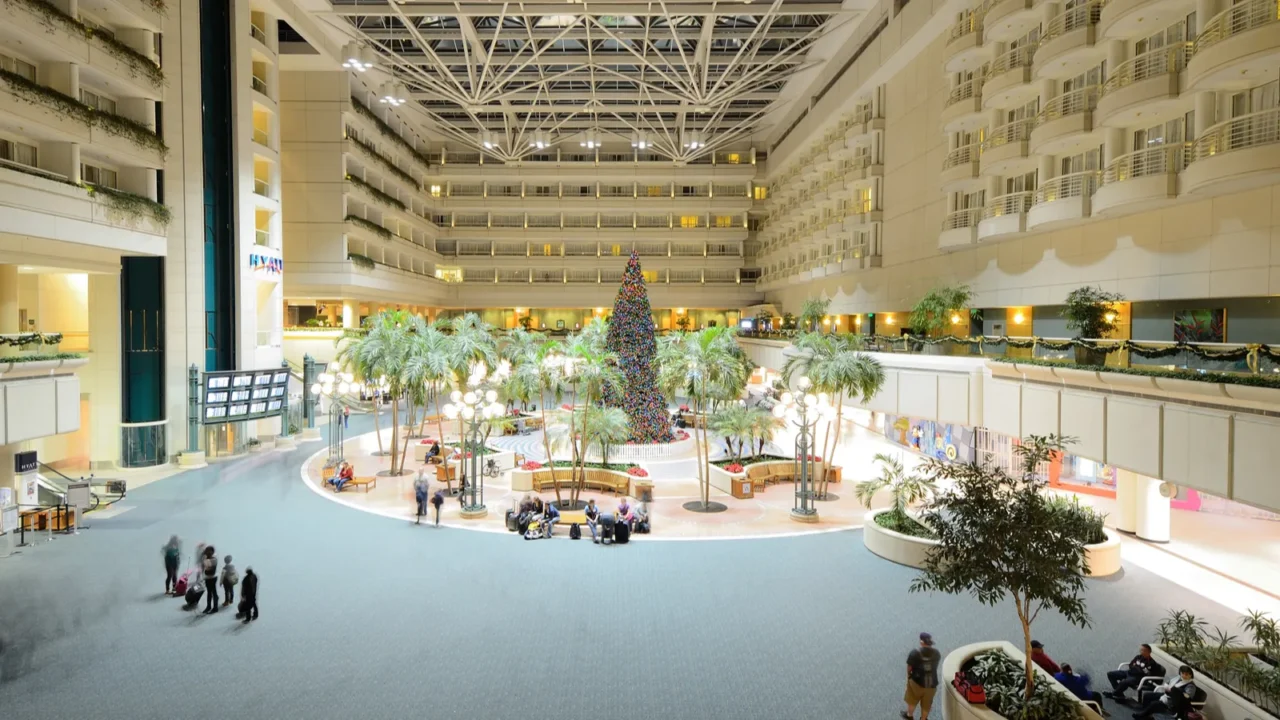
Orlando airport operations
Orlando International Airport (MCO) ranks among the busiest U.S. airports, handling millions of passengers yearly as a key hub for Central Florida’s theme parks and global flights. While disruptions like ground delays occasionally occur due to weather or technical issues, no verified tower emergency halted midday operations on February 1, 2026.
The airport employs advanced monitoring systems to detect and respond to potential safety concerns, ensuring minimal impact on flight schedules and passenger experience, even during routine alerts.

Common halt triggers
Air traffic control towers nationwide activate safety measures for alarms, often around peak hours like mid-afternoon Eastern Time. The FAA may issue ground stops for issues like false alarms or evacuations, pausing departures and arrivals until assessments confirm safe resumption.
Such measures prevent accidents and allow controllers to verify equipment and communication systems. These procedures maintain aviation safety, ensuring flights resume only when towers are fully operational and personnel can safely manage the complex flow of aircraft.
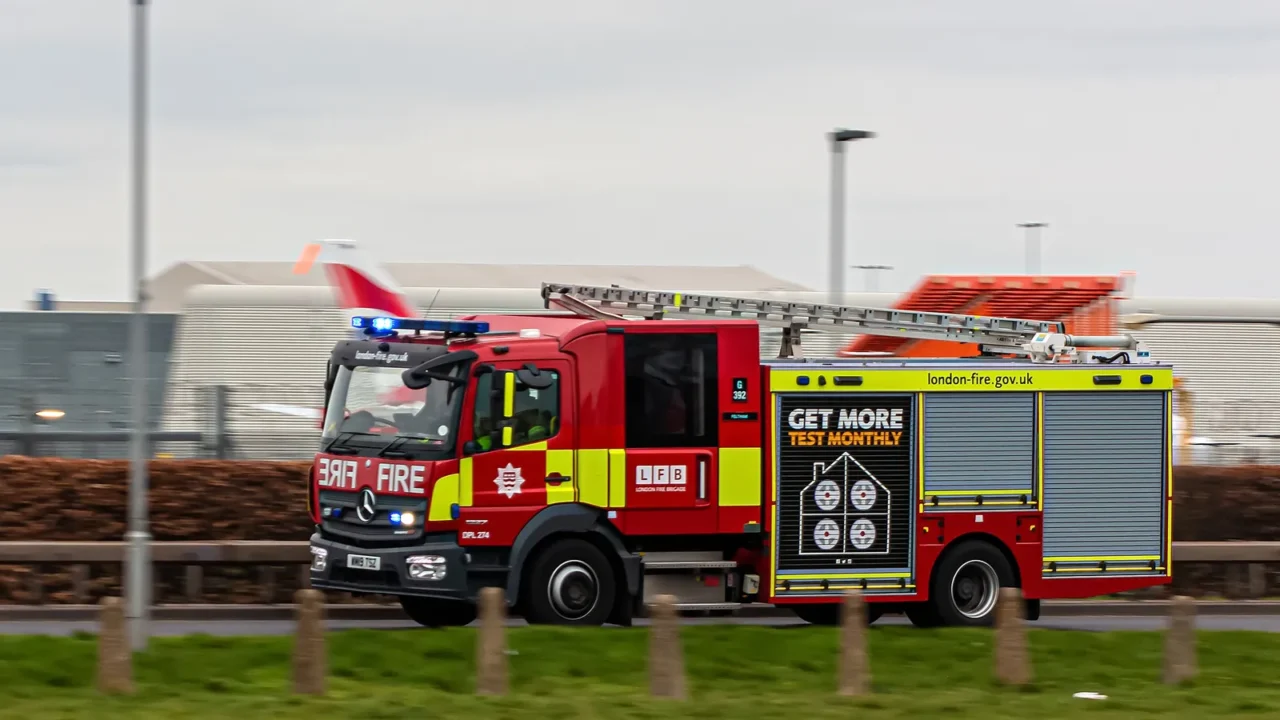
Typical alarm causes
False alarms in towers often stem from system malfunctions, not weather extremes. Central Florida rarely sees sustained cold snaps, stressing infrastructure, though occasional chilly February days occur without triggering sprinklers or shutdowns at MCO.
Towers are equipped with sensors and automated fire suppression systems, which can occasionally activate due to minor fluctuations. Such alerts are precautionary, designed to protect staff and aircraft rather than indicate real danger, highlighting the importance of strict safety protocols in aviation operations.

A weather surprise trigger
Investigators later determined that there was no fire in the tower. Instead, a sprinkler head activated when unusually cold weather chilled the control tower’s water system.
Central Florida, including Orlando, saw temperatures much lower than typical for early February, which stressed infrastructure not designed for sustained cold conditions. This unexpected weather event indirectly prompted the airport shutdown.
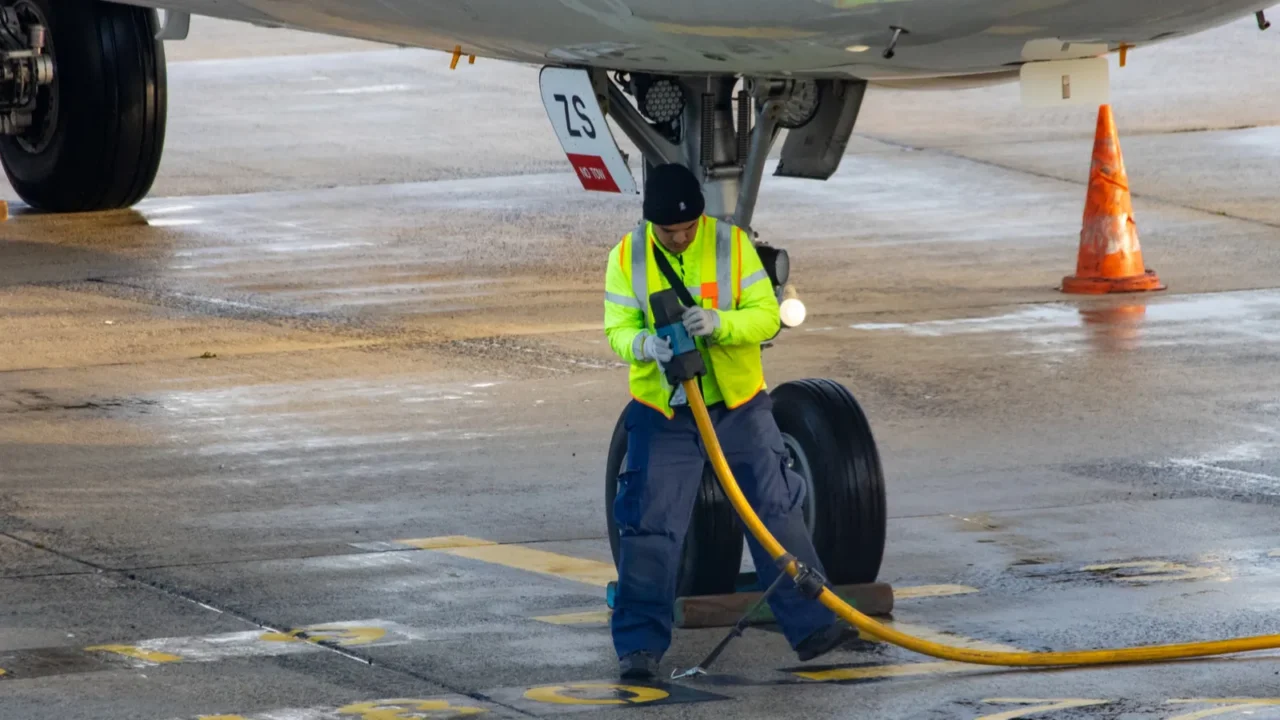
Airport safety protocols
Airport officials and the FAA emphasize that safety comes first. Tower evacuations like this are rare but taken seriously.
Protocols require immediate action anytime there is a potential threat to air traffic control operations. Controllers cannot provide safe flight guidance until their workspace is cleared and verified free of risk.

Typical passenger impact
Ground stops at busy airports like MCO commonly delay 100-300 flights, causing traveler uncertainty and rerouting. Airlines manage queues post-lift, with ripple effects lasting hours across networks.
Passengers often experience extended wait times at gates, rescheduled departures, and communication from airline staff. While frustrating, these impacts are temporary, and organized coordination between airlines, ground staff, and the FAA ensures safety remains the top priority. Travelers are kept informed through apps, alerts, and on-site announcements.

Regional weather teams
Central Florida’s February weather stays mild, averaging 60-70°F with rare dips near freezing. Anomalies stress unprepared systems elsewhere, but Orlando’s infrastructure handles typical variations without widespread failures.
Airports maintain climate control and monitor tower conditions to prevent equipment issues. On rare occasions when extreme weather affects airport operations, safety protocols, including alarms and temporary ground stops, protect staff and aircraft. These measures minimize risk while maintaining efficiency for the majority of daily flights.
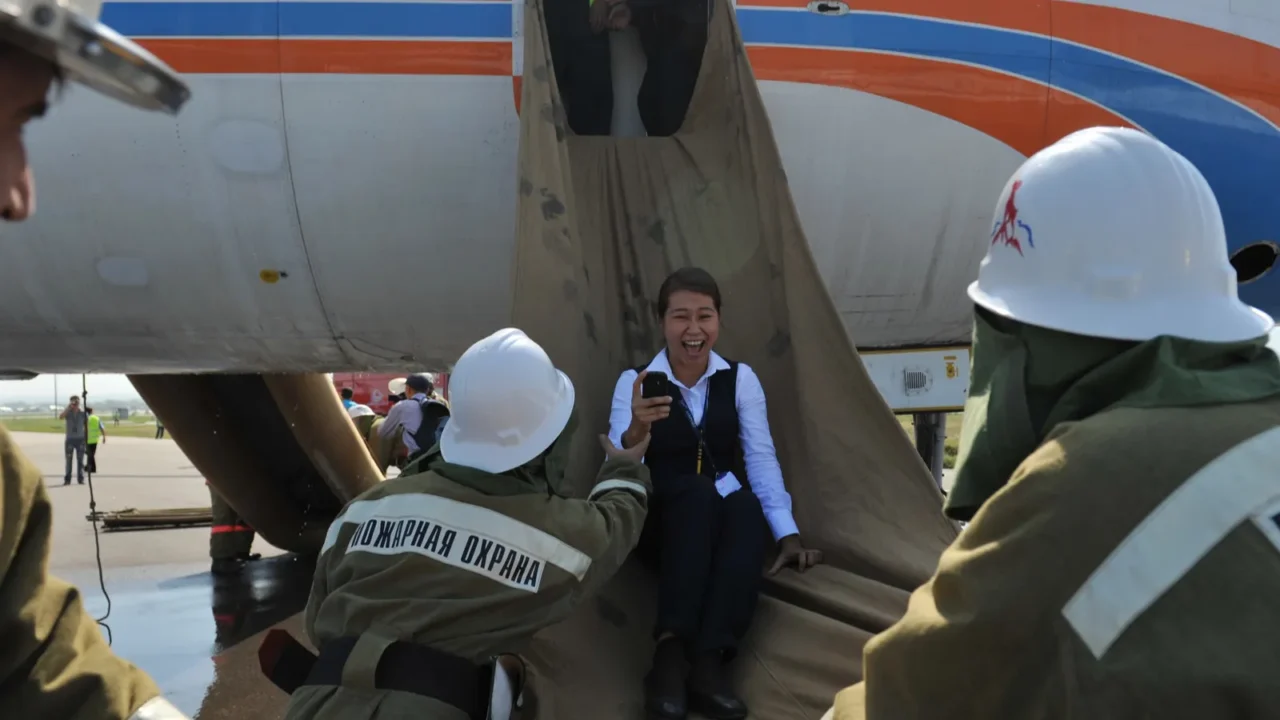
Standard response teams
Airport Rescue and Firefighting (ARFF) units respond first to tower alarms nationwide, checking for hazards like sprinkler activation. Their assessments enable FAA clearance for controllers’ return and rapid operational recovery.
ARFF teams are trained to respond to a range of emergency scenarios, from fire outbreaks to technical system failures. Coordination between ARFF, tower personnel, and airline operations ensures that normal flight schedules resume safely, protecting both passengers and staff while maintaining the airport’s reputation for reliability.
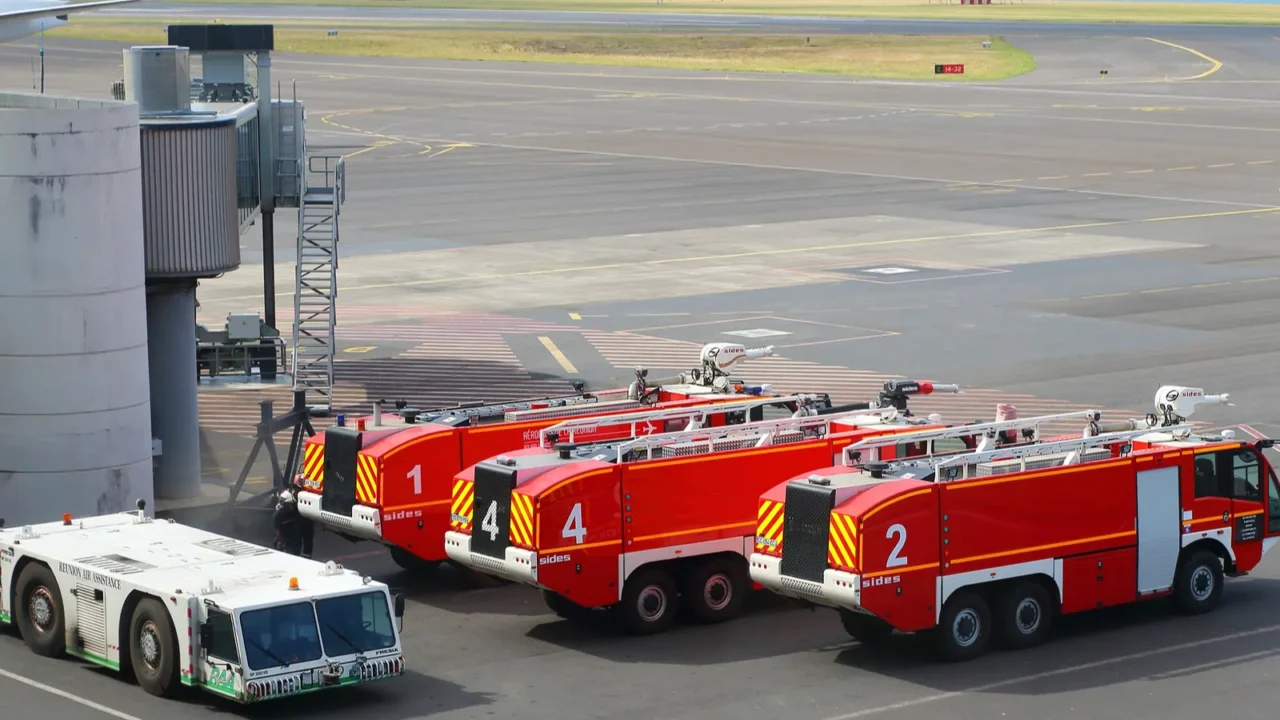
Brief evacuation explained
When a fire alarm rings inside a tower that controls hundreds of flights each hour, the response must be immediate.
Controllers evacuated as a precaution, not because of confirmed danger. Towers are hardened workplaces with strict evacuation protocols to protect staff and ensure aircraft safety.

Standard resolution timeline
FAA ground stops typically lift within 30-60 minutes after verification, allowing sequenced flight resumption. Operations normalize progressively, clearing backlog delays by evening. During this time, airlines adjust departure sequences, reroute flights if necessary, and communicate with passengers.
While short-term delays can affect multiple flights, structured procedures and clear communication ensure passengers and crew are managed safely. This approach highlights how coordination across agencies mitigates disruption without compromising safety at major airports like Orlando International.
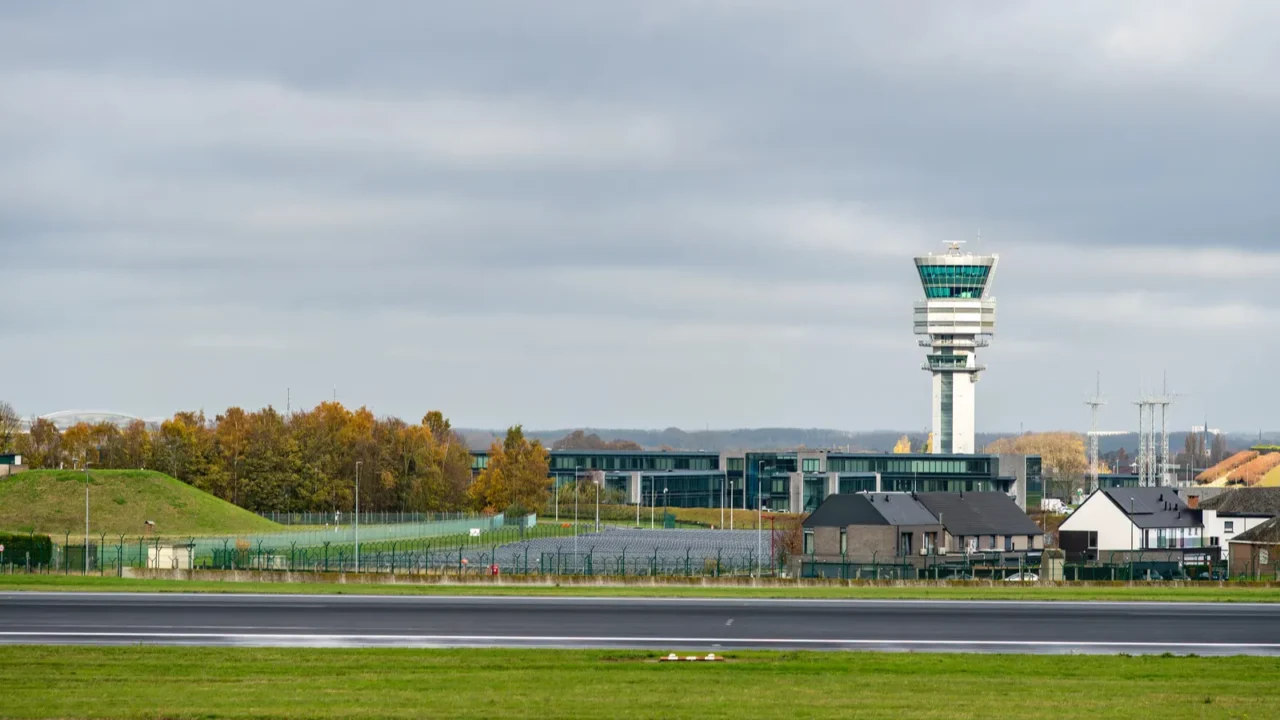
Lessons learned
This event highlighted how even non-emergency triggers can temporarily disrupt major transportation hubs.
It also reinforced the strength of safety systems and emergency response planning at busy airports. While traveler inconvenience is never ideal, procedures ensured there was no compromise in flight safety.
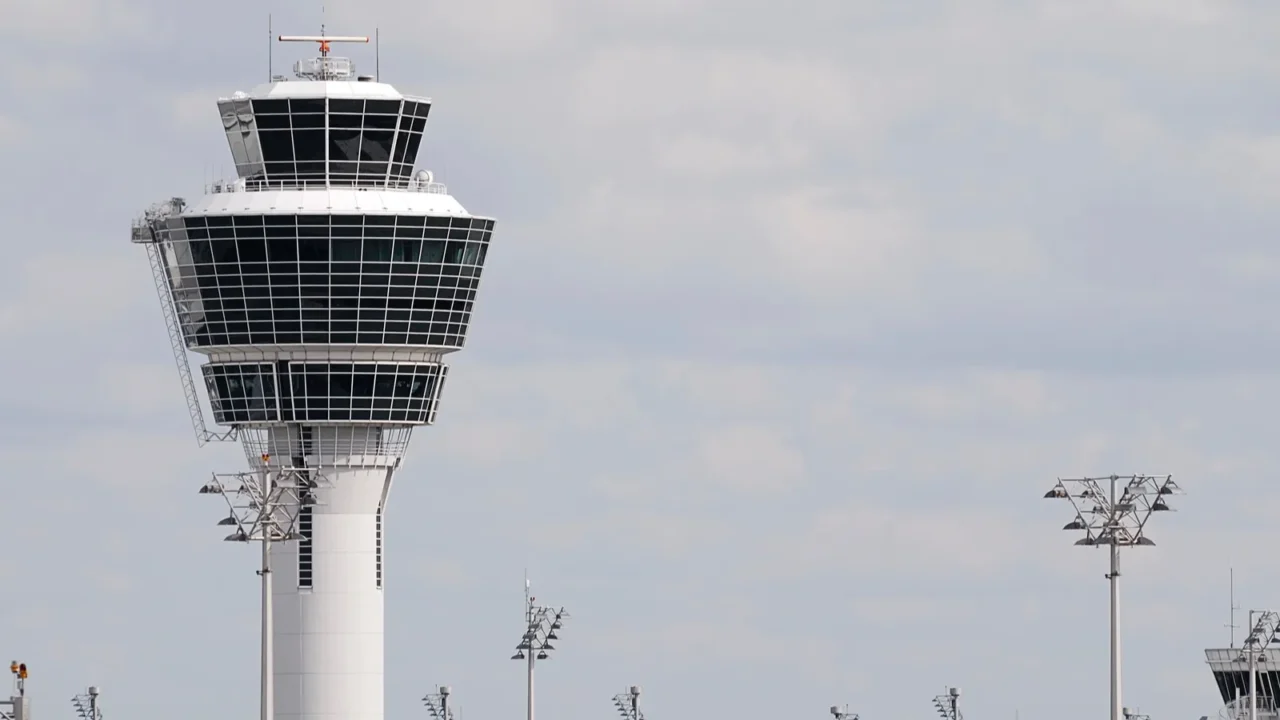
Broader aviation context
Rare as it is, tower evacuations have happened at other major airports when alarms or system failures arise. These moments remind the flying public of how much coordination and layered safety measures take place behind the scenes to protect aviation operations every day.
Passengers also benefit from the fastest immigration and customs clearance, which ensures minimal disruption even when unexpected events affect airport operations.
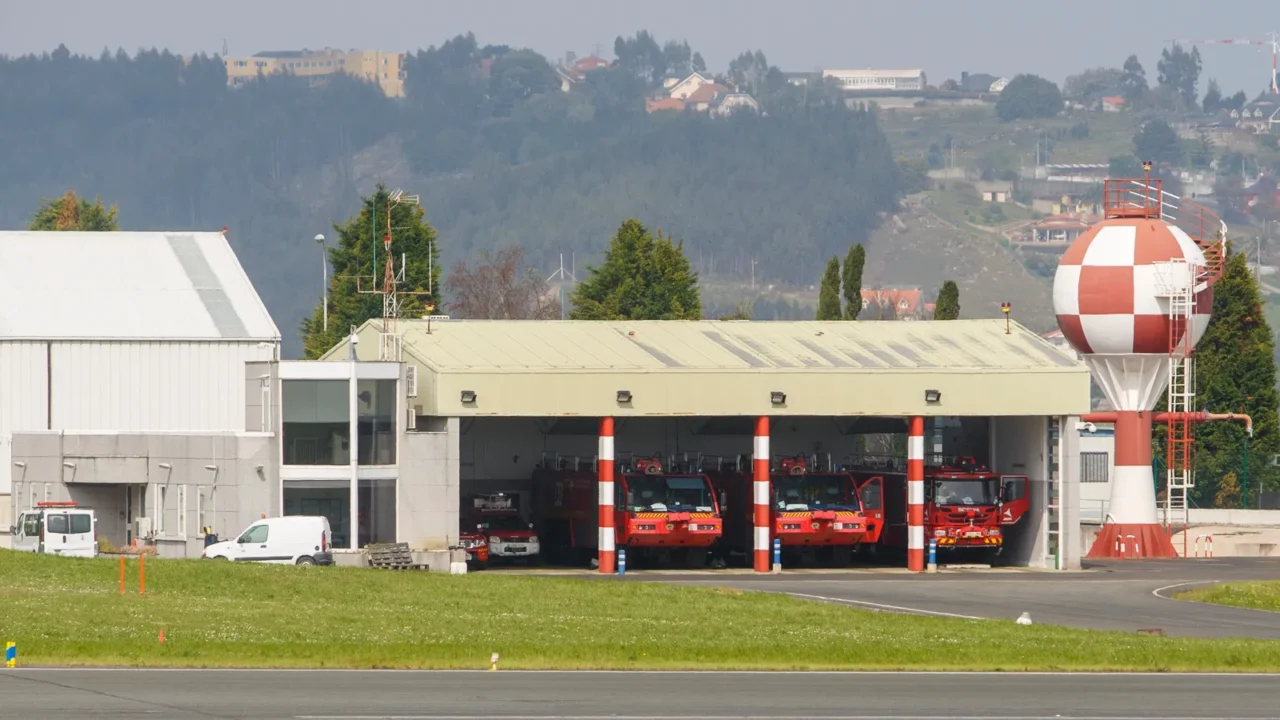
Aviation preparedness example
MCO’s robust protocols exemplify national standards, handling routine alerts efficiently without national headlines. Such events underscore aviation’s focus on layered safety, communication, and resilience in high-volume hubs.
Continuous training, regular equipment testing, and coordinated emergency drills allow airports to respond to unusual scenarios while maintaining smooth flight operations. Travelers experience confidence and efficiency, especially with security screening at major airports designed to keep everyone safe while flights continue uninterrupted.
Have you ever wondered what keeps thousands of flights safe and on time, even when alarms suddenly stop an airport in its tracks?
This slideshow was made with AI assistance and human editing.
Don’t forget to follow us for more exclusive content right here on MSN.
Read More From This Brand:
