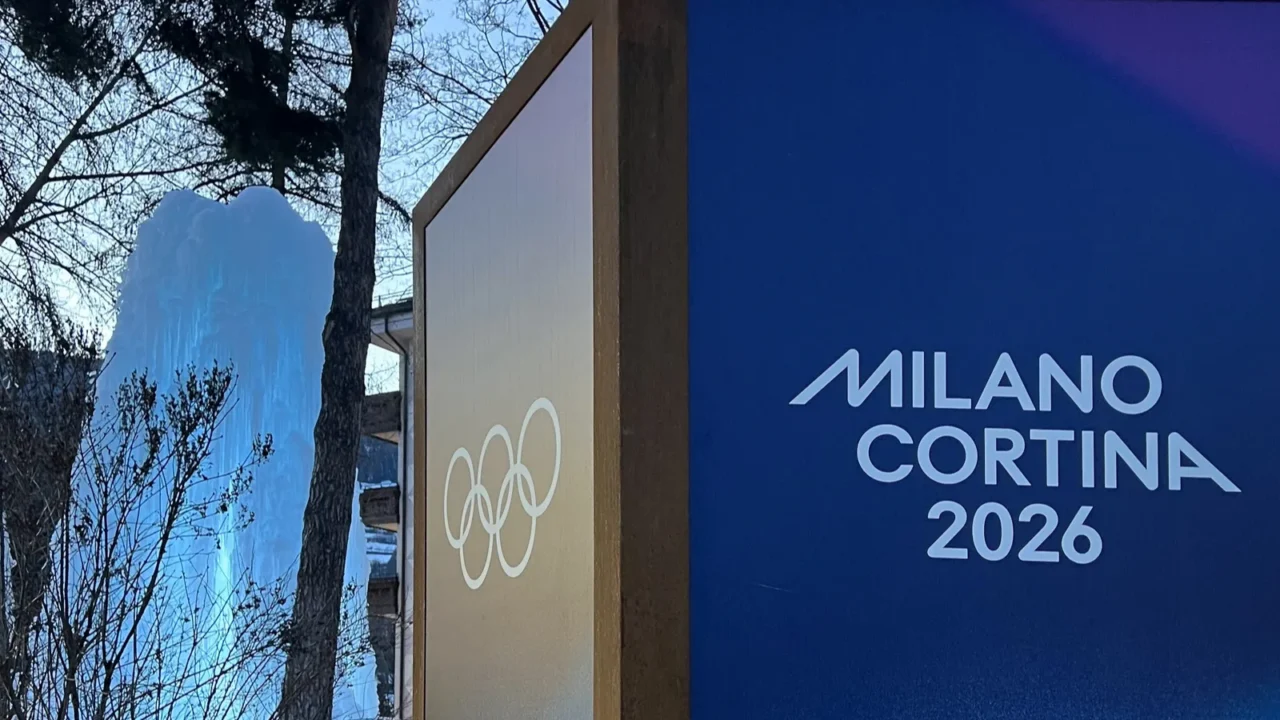
Milano Cortina 2026 unfolds
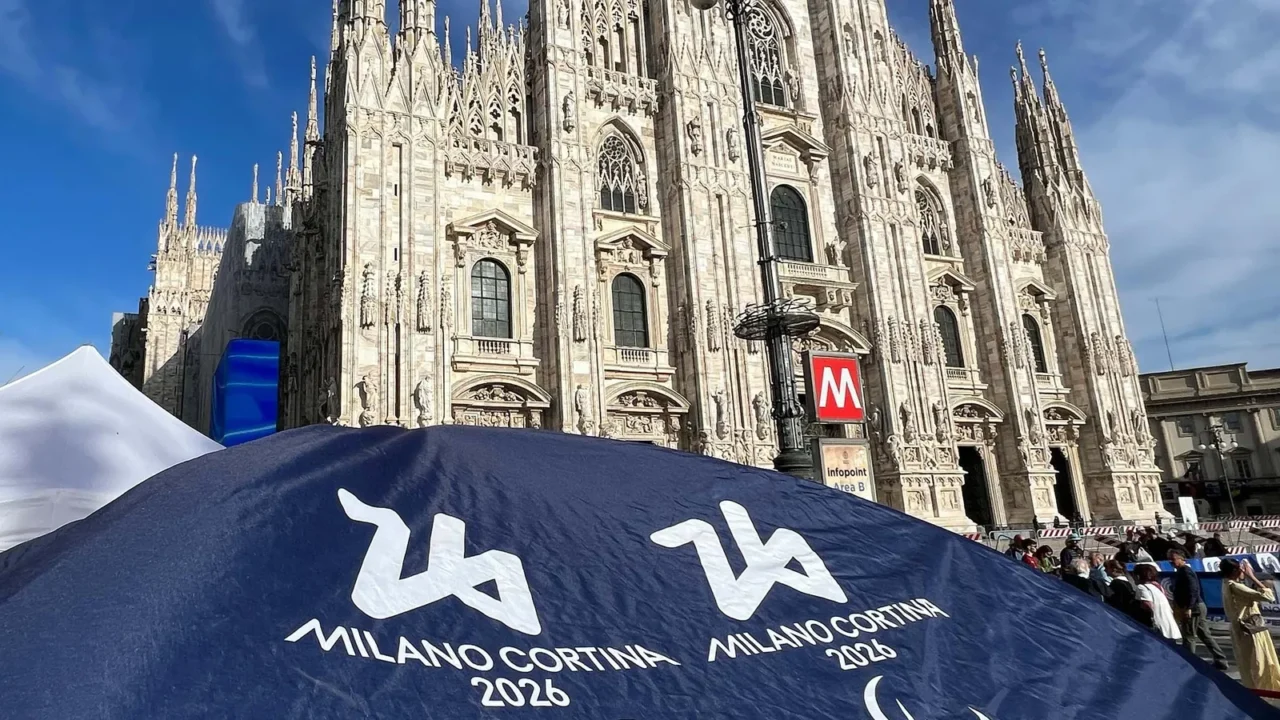
The 2026 Winter Olympics, officially known as the XXV Olympic Winter Games, take place from February 6 to February 22 across northern Italy. Events are hosted in Milan, Cortina d’Ampezzo, Livigno, Bormio, and Val di Fiemme, forming a multi-cluster layout across Lombardy and Veneto that is among the most geographically spread in Winter Olympic history. The Games feature 16 winter sports and more than 100 medal events.
For travelers, these Olympics offer more than competition. Each host city delivers alpine scenery, cultural depth, and a front row view of elite winter sport, making every day a reason to watch and explore.
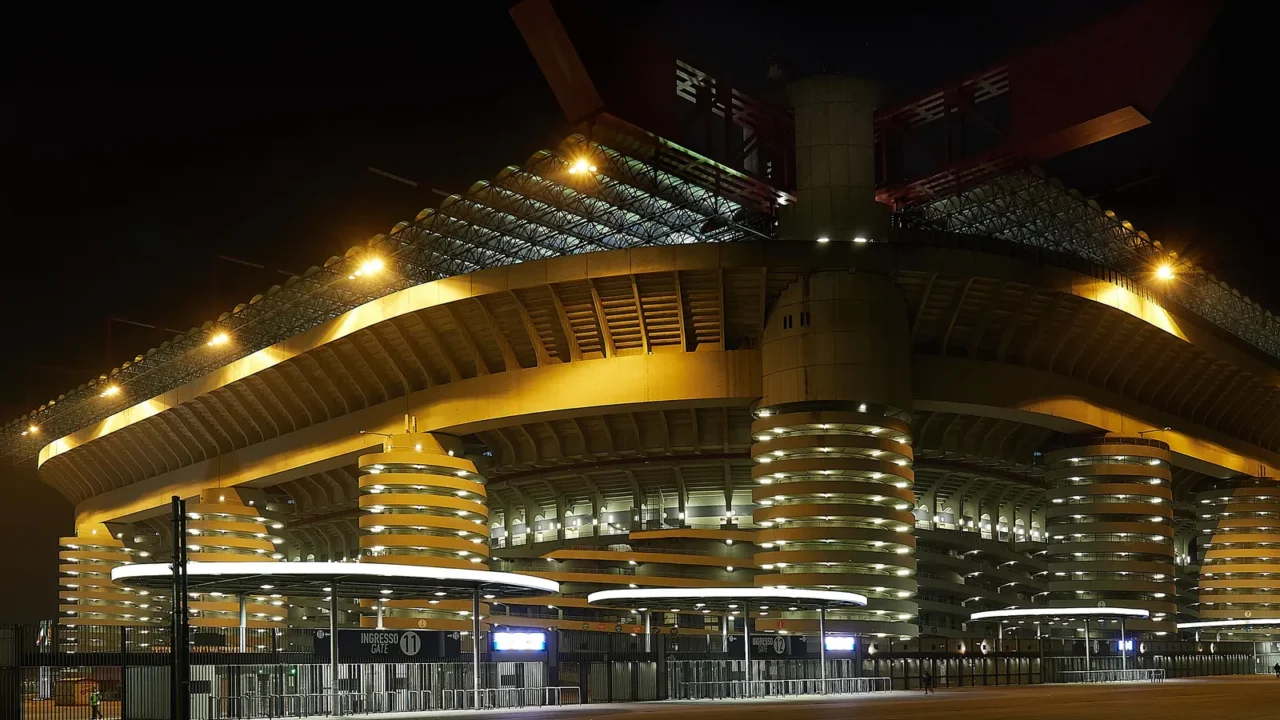
Opening night in Milan
The opening ceremony of the 2026 Winter Olympics takes place on February 6 at Milan’s iconic San Siro Stadium. This ceremony formally opens the Games with the Parade of Nations, artistic performances, and the lighting of the Olympic cauldron, reflecting Italy’s cultural heritage and modern identity.
For viewers and visitors, opening night sets the emotional tone of the Games. It is where global anticipation peaks, national pride is on display, and the Olympic journey officially begins with spectacle and symbolism.
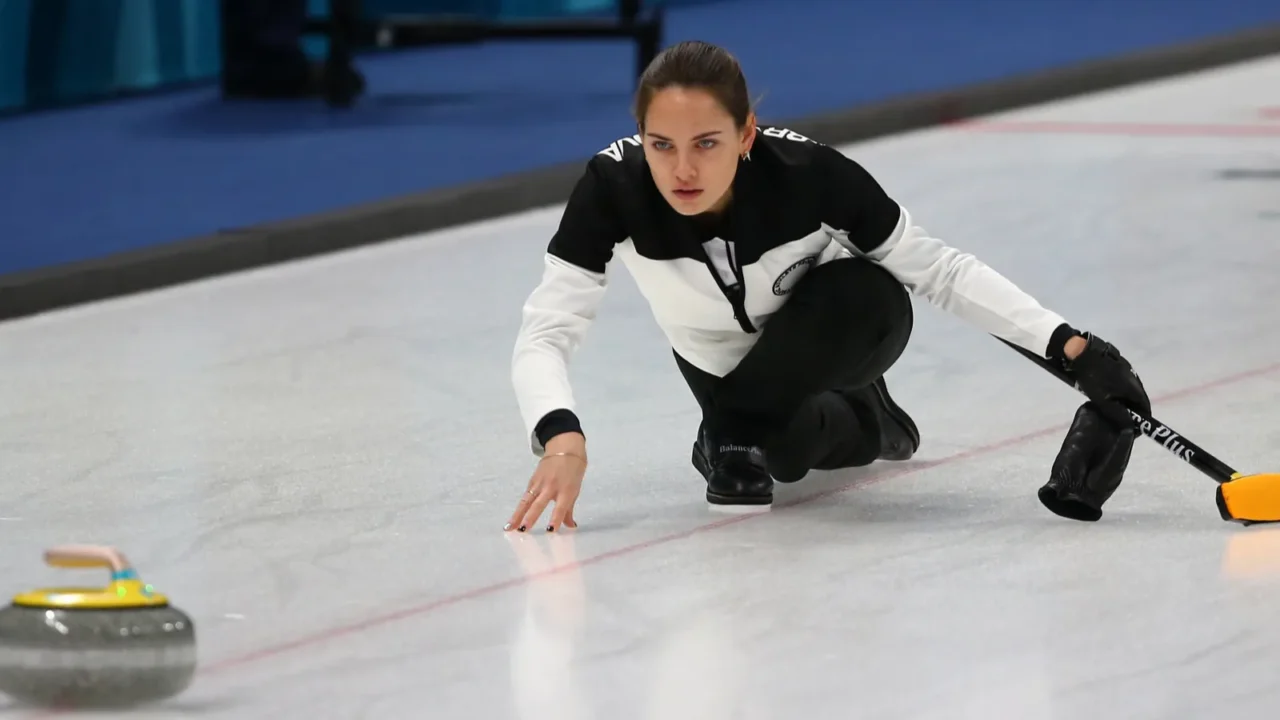
Curling begins early
Curling competitions at the 2026 Winter Olympics begin before the opening ceremony and continue through February 22 in Cortina d’Ampezzo. Events include men’s, women’s, and mixed doubles tournaments, all played at a venue designed specifically for Olympic ice sports.
Often described as strategy-driven and precise, curling rewards patience and teamwork. Daily matches make it one of the most accessible sports to follow throughout the Games, offering consistent action and dramatic finishes for first-time viewers and longtime fans.
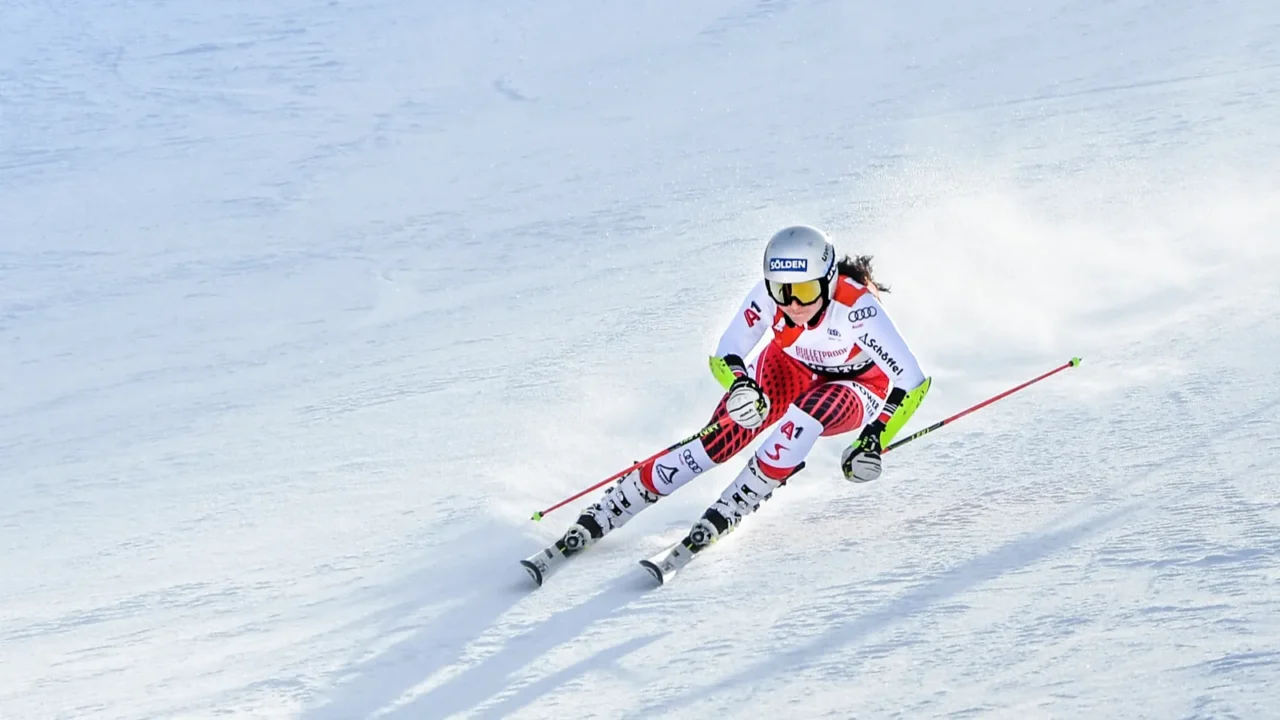
Alpine skiing drama
Alpine skiing events take place in Bormio for the men’s races and in Cortina d’Ampezzo for the women’s races, including downhill, super G, giant slalom, slalom, and combined races. These competitions test speed, balance, and control as athletes race down steep and technical courses under intense pressure.
Medal events are spread across the first and middle weeks of the Games, making alpine skiing a daily viewing staple. For travelers, these races pair elite athletic performance with breathtaking mountain backdrops that define the Winter Olympic experience.
Freestyle takes flight
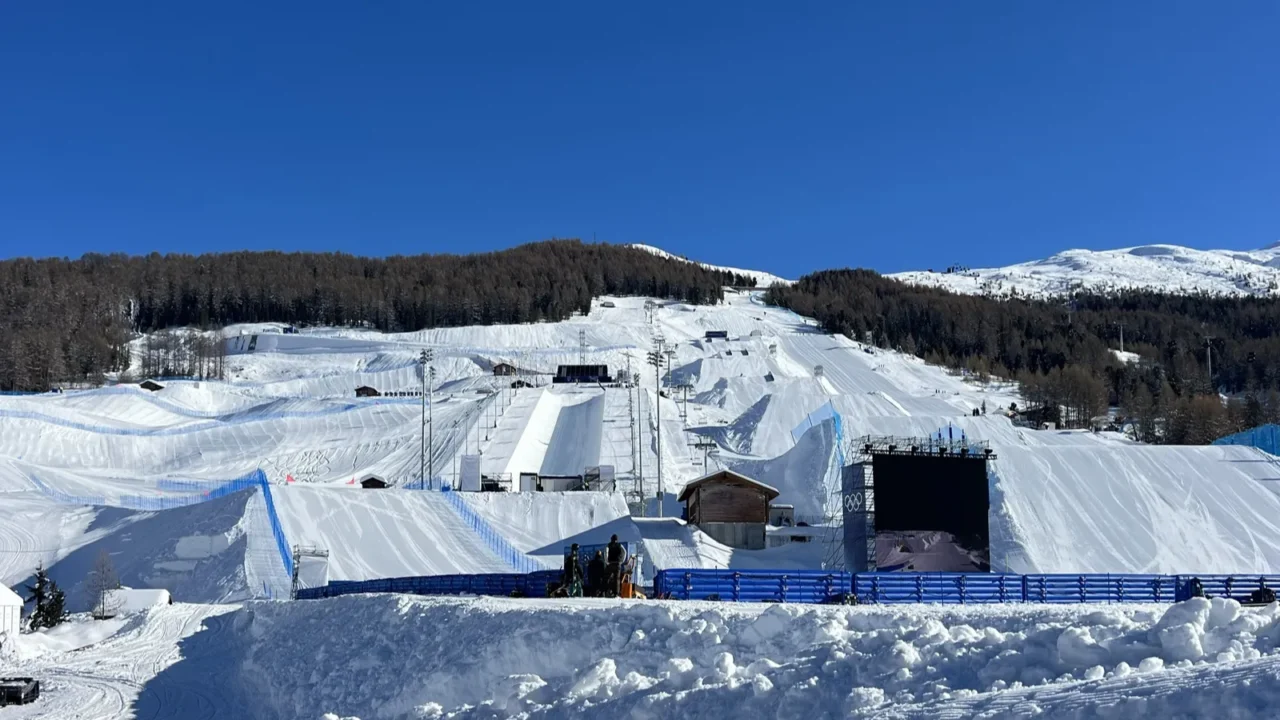
Freestyle skiing competitions are held in Livigno and run from February 7 through February 21. Events include moguls, aerials, slopestyle, and big air, where athletes perform complex tricks that are judged on execution, height, and creativity.
These events bring youthful energy and unpredictability to the Olympic schedule. Freestyle skiing is ideal for viewers seeking excitement, innovation, and standout moments, as medal rounds often introduce new stars and unforgettable performances.
Ice hockey rivalries
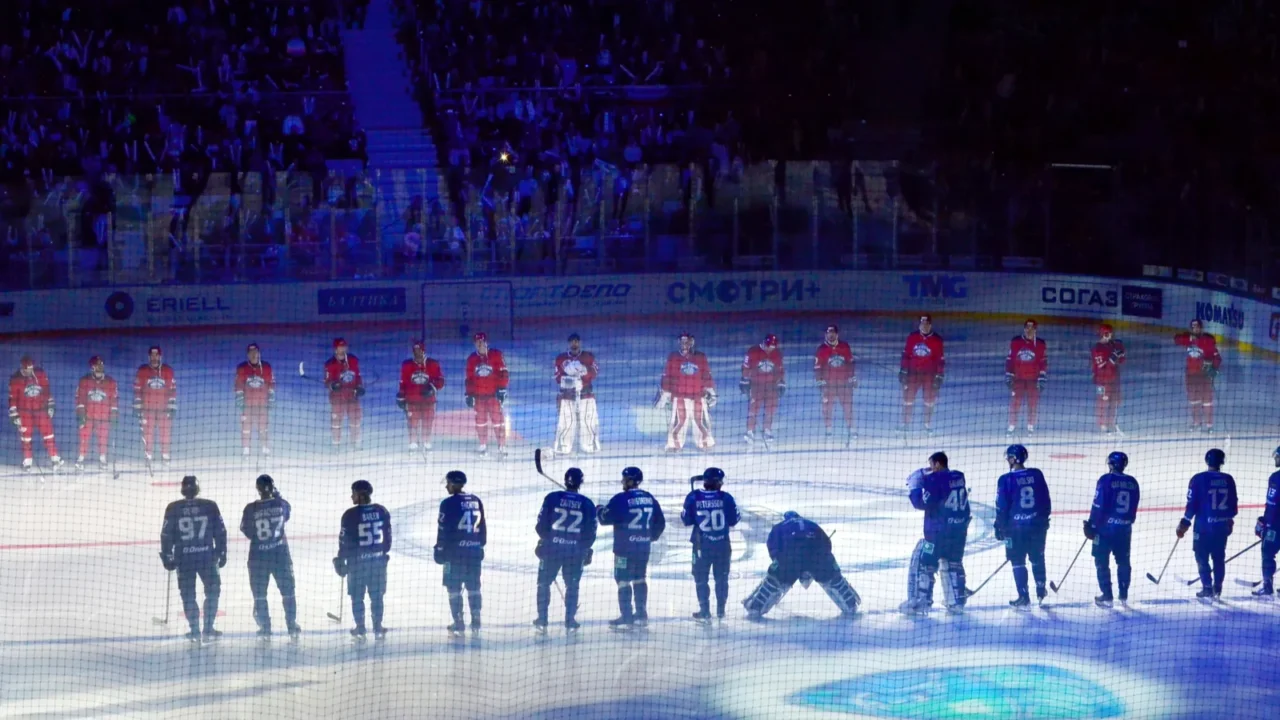
Ice hockey remains one of the most-watched Winter Olympic sports, featuring men’s and women’s tournaments with teams from across the globe. Matches begin early in the Games, with preliminary rounds leading into high-intensity knockout stages and medal games.
Fast-paced play and passionate crowds define Olympic hockey. For travelers and viewers alike, this sport delivers daily drama and national rivalries that make it essential viewing throughout the Olympic calendar.
Speed skating precision
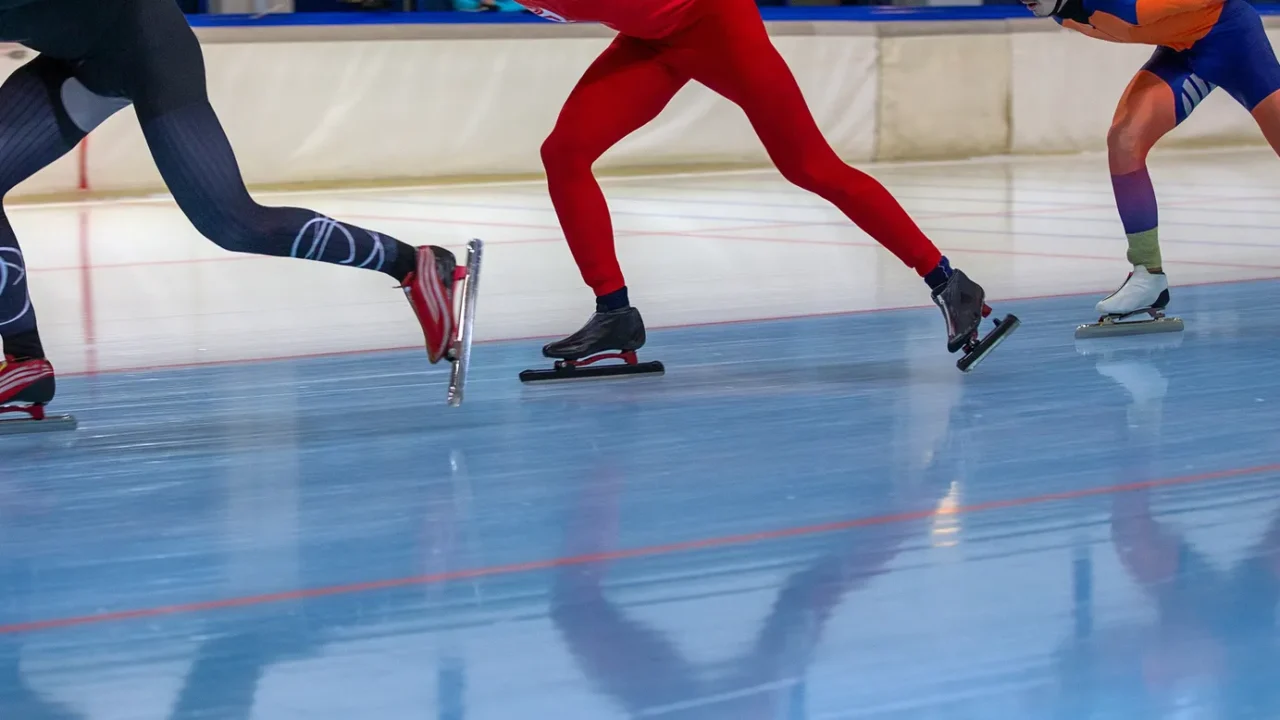
Speed skating events are held in Milan and feature races ranging from short sprints to endurance-based distances. Athletes compete in individual and team formats, with medals awarded across multiple distances that test technique, power, and pacing.
These races are known for razor-thin margins and record-breaking performances. Watching speed skating offers a pure display of athletic efficiency, making it a compelling addition to any daily Olympic viewing plan.
Ski jumping heights
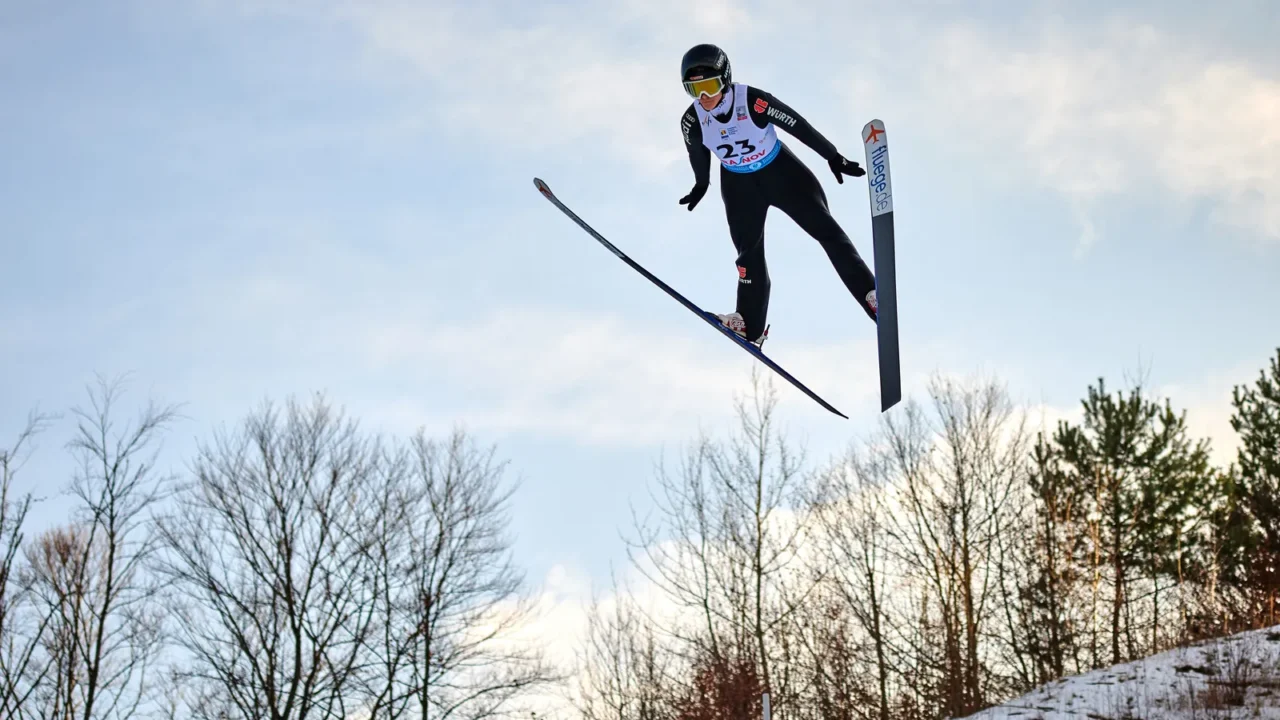
Ski jumping competitions take place in Predazzo, where athletes launch from towering hills and soar across snow-covered landscapes. Events include individual and team competitions, with scores based on distance, form, and landing precision.
This discipline blends courage with technical mastery. Mid-game ski jumping events provide dramatic visuals and tense medal battles, offering spectators one of the most visually striking sports of the Winter Olympics.
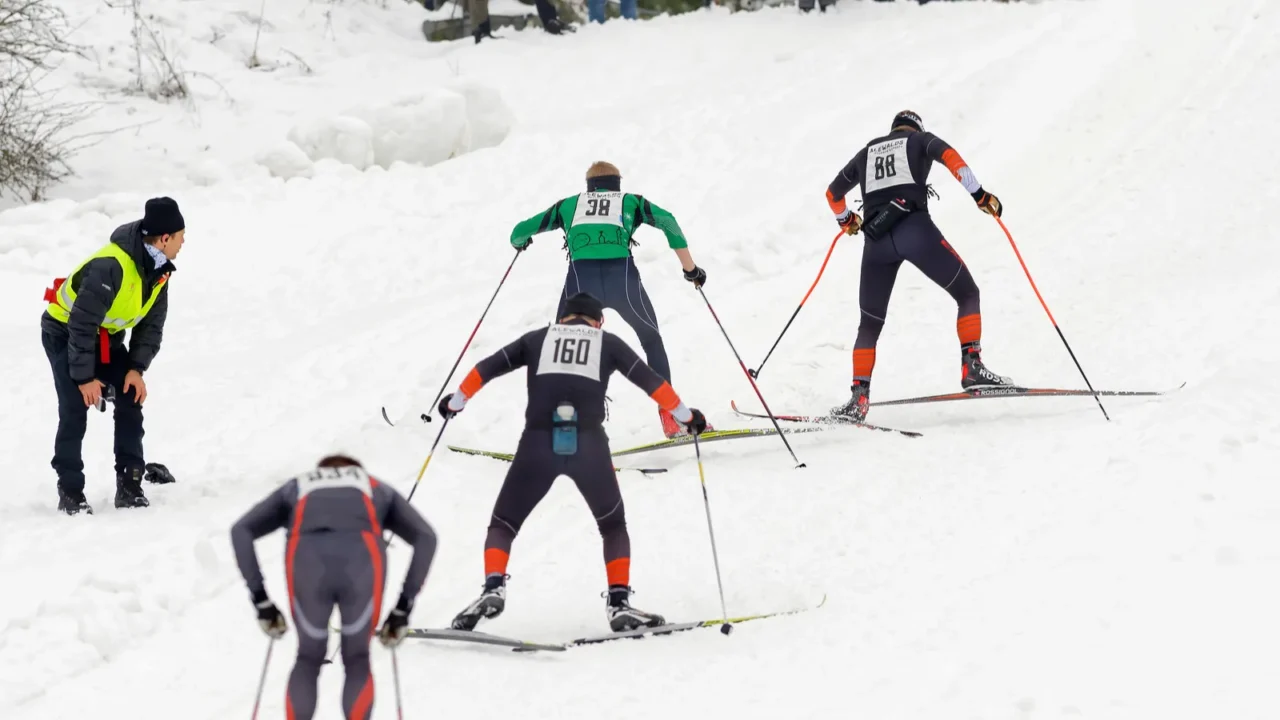
Cross country endurance
Cross-country skiing events run from February 7 to February 22 at the Tesero Nordic Center. Races include relays, distance events, and skiathlon formats that demand stamina and tactical awareness across varied terrain.
This sport highlights endurance and consistency rather than explosive speed. For viewers, cross-country skiing delivers a quieter but deeply competitive atmosphere, showcasing athletes who thrive over long distances and extended Olympic schedules.
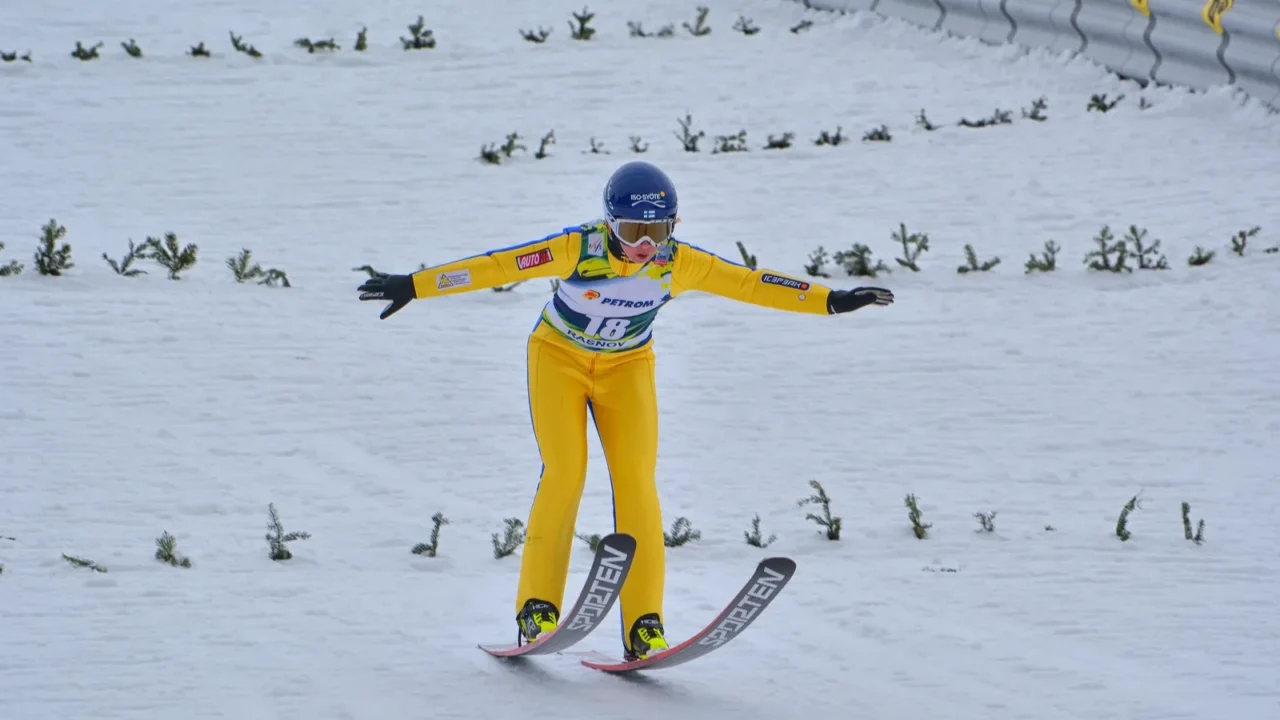
Nordic combined mastery
Nordic combined events merge ski jumping and cross-country skiing into a single competition, requiring athletes to excel in both power and endurance. Events take place in Predazzo and Tesero during the middle portion of the Games.
This discipline rewards versatility and strategic pacing. Often overlooked, Nordic combined offers a unique Olympic challenge and provides insightful viewing for those interested in multi-skilled winter sports and tactical racing formats.
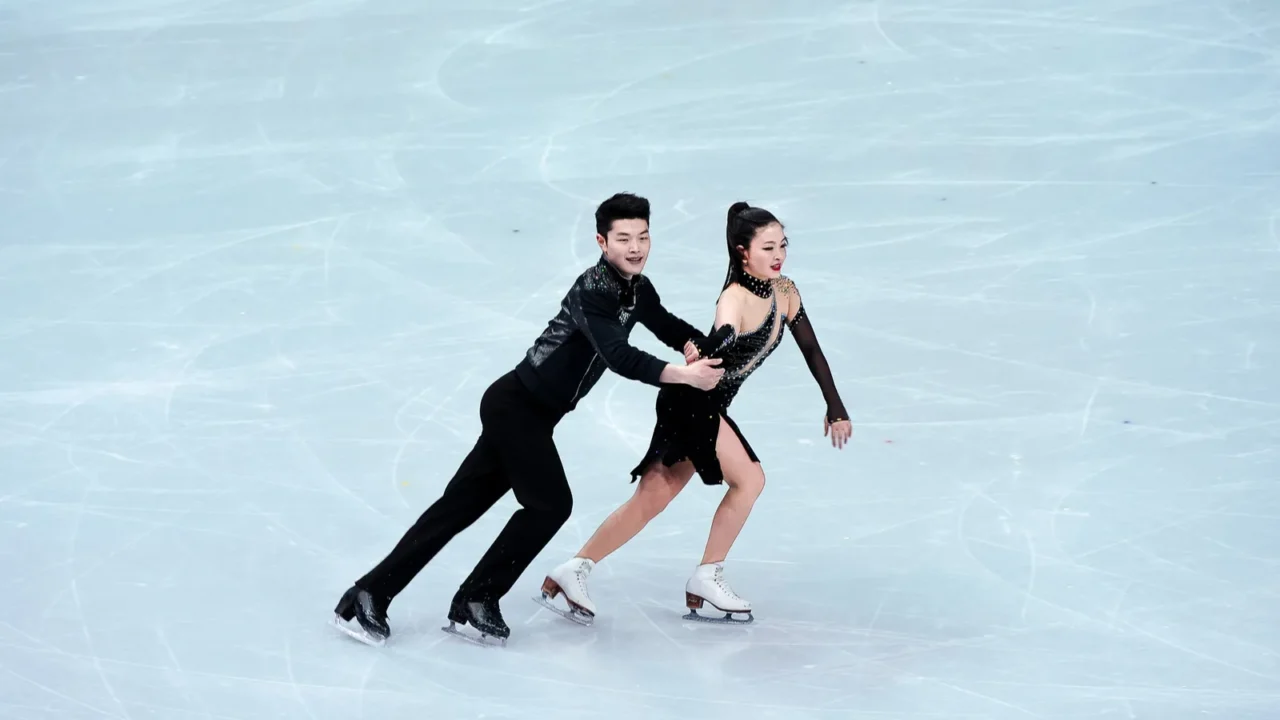
Figure skating spotlight
Figure skating events include men’s and women’s singles, pairs, ice dance, and team competitions. Athletes perform short programs and free skates that are evaluated on technical elements, artistry, and overall execution.
Figure skating draws global attention and emotional investment. Medal events are spread across the Games, making it a consistent highlight for viewers seeking elegance, storytelling, and high-pressure performances under the Olympic spotlight.
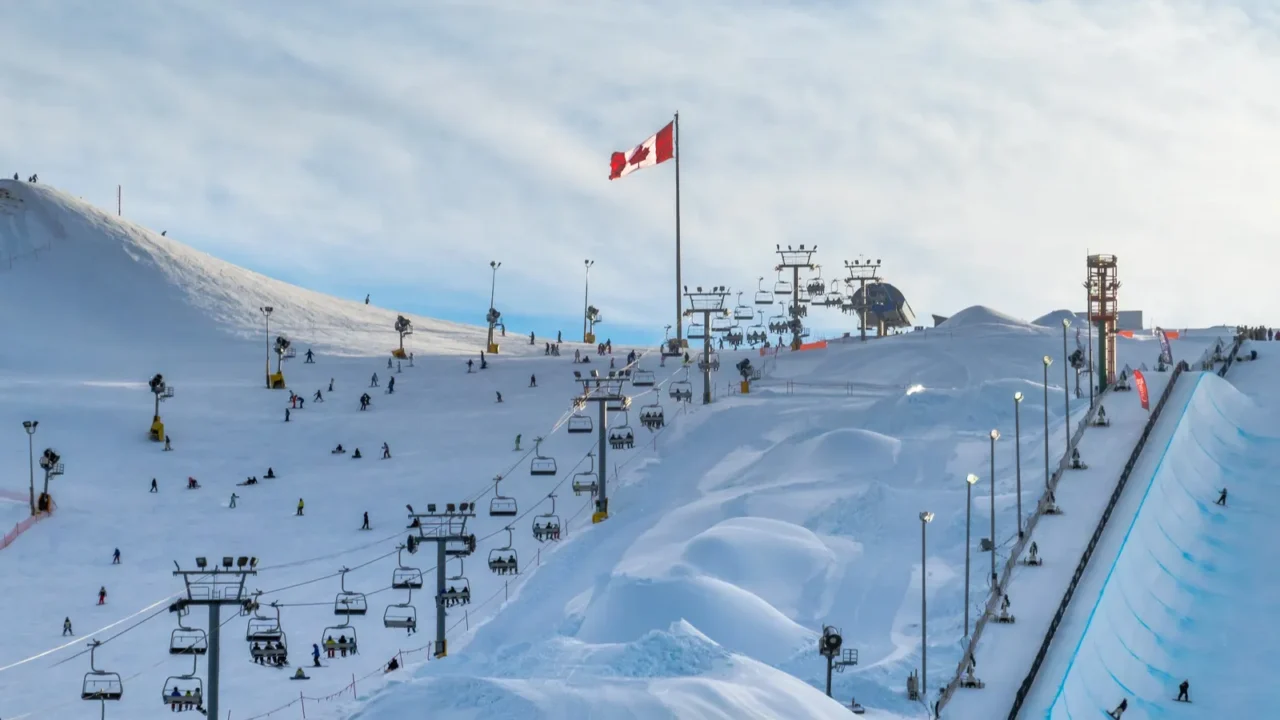
Snowboarding energy
Snowboarding competitions are staged in Livigno and surrounding alpine venues, featuring halfpipe, slopestyle, snowboard cross, and big air events. Athletes combine speed, creativity, and technical tricks to compete across multiple disciplines.
Snowboarding brings a modern and expressive edge to the Olympics. Its fast schedules and visually dynamic runs make it ideal for daily viewing, especially for audiences drawn to high-energy performances and bold athletic expression, and it may even spark curiosity about the snowiest states shaping winter sports culture worldwide.
Closing celebration
The Winter Olympics wrap up on February 22 with a closing ceremony at Milan’s San Siro Stadium that honors athletes’ achievements and celebrates international unity. Ceremonies include cultural performances, award salutations, and the symbolic handoff to the next host city.
For travelers and viewers, this final event brings the Games full circle, concluding weeks of competition, emotion, and memorable moments. Whether you attend or watch remotely, the ceremony also reflects evolving travel patterns inspired by global events and how major sporting milestones continue to influence where and how the world chooses to explore.
What if following the Winter Olympics could change not just what you watch, but where you travel next? Share your thoughts in the comments.
This slideshow was made with AI assistance and human editing.
Don’t forget to follow us for more exclusive content right here on MSN.
Read More From This Brand:
