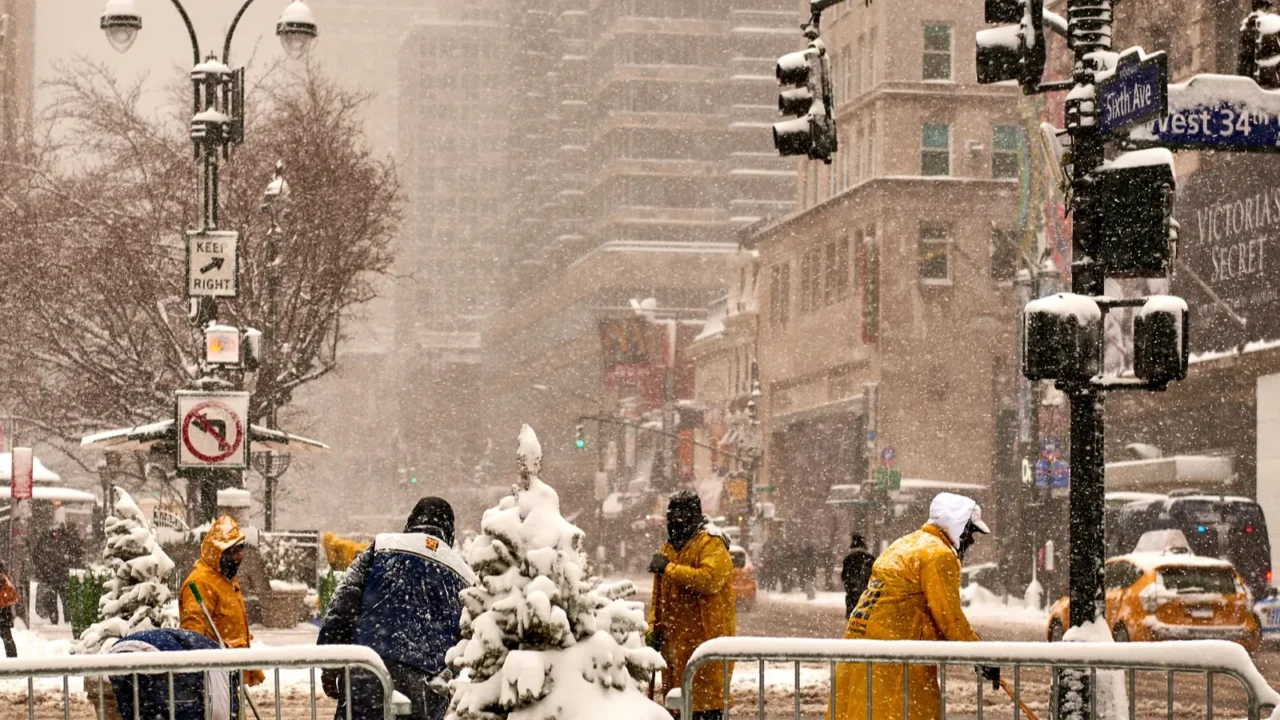
When winter takes over
Winter storms shape travel patterns across North America and beyond, driven by polar air masses, moisture-laden systems, and shifting jet streams. These weather events disrupt air, rail, and road travel each year, especially in cities where density and climate meet. Transportation agencies closely monitor snowfall rates, ice accumulation, and wind chill to manage safety and mobility during peak storm periods.
For travelers, winter storms can turn routine trips into complex challenges. Delays, cancellations, and temporary closures often affect major hubs first, creating ripple effects across regions. Understanding which cities are most vulnerable helps travelers plan smarter, pack wisely, and adjust expectations before severe weather reshapes the journey.
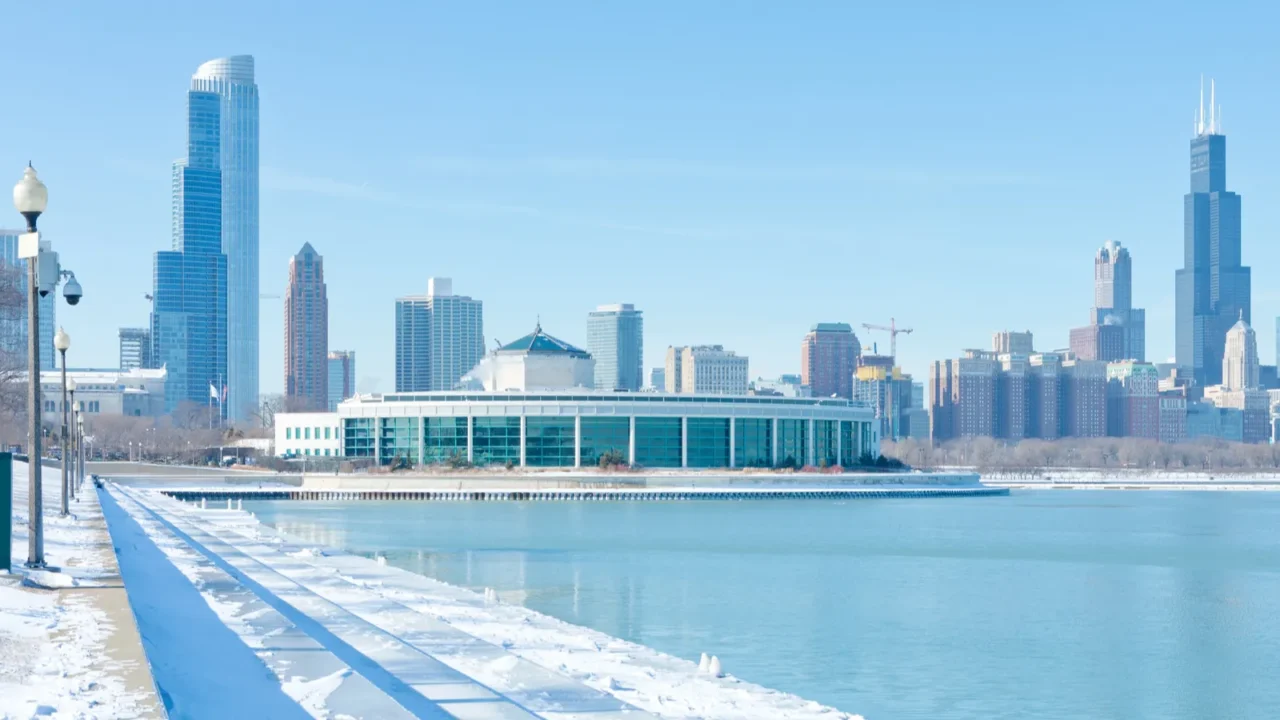
Chicago under snow
Chicago sits along Lake Michigan, where cold air and lake effect snow regularly intensify winter storms. The city functions as a major rail and aviation hub for the United States, making it especially sensitive to severe weather disruptions. Heavy snowfall and strong winds frequently reduce visibility and slow operations at O’Hare and Midway airports.
During intense storms, travelers often face grounded flights, delayed trains, and congested highways. Even with advanced snow removal systems, the sheer scale of Chicago traffic means small disruptions can escalate quickly. Winter visitors should expect schedule changes and allow extra buffer time when storms move through the Midwest.
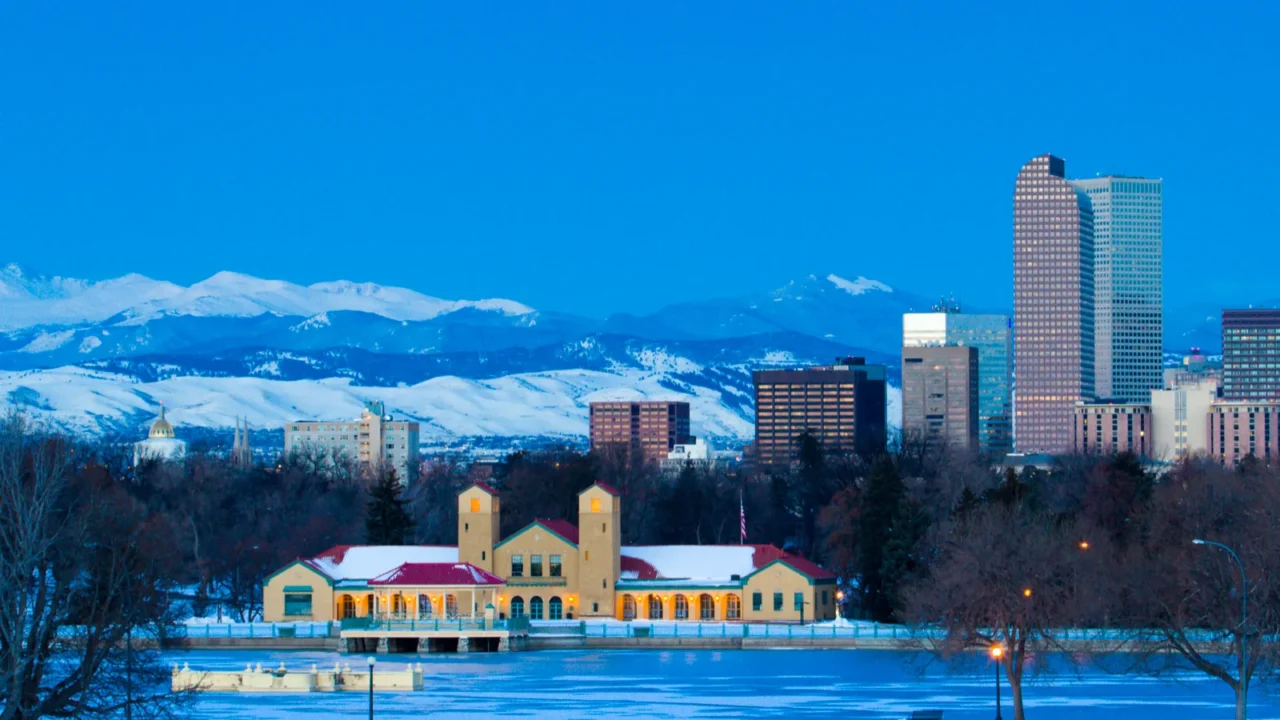
Denver weather whiplash
Denver lies at the edge of the Rocky Mountains, where weather systems can shift rapidly from mild to severe. Winter storms here are often driven by upslope winds that push moisture against the mountains, producing sudden and heavy snowfall. Denver International Airport, one of the busiest in the country, is particularly exposed to these fast-moving changes.
Travel disruptions in Denver often surprise visitors due to the city’s reputation for sunshine. Flights may be delayed or canceled with little notice, and road conditions can deteriorate quickly on surrounding highways. Travelers should monitor forecasts closely and remain flexible during the winter months.
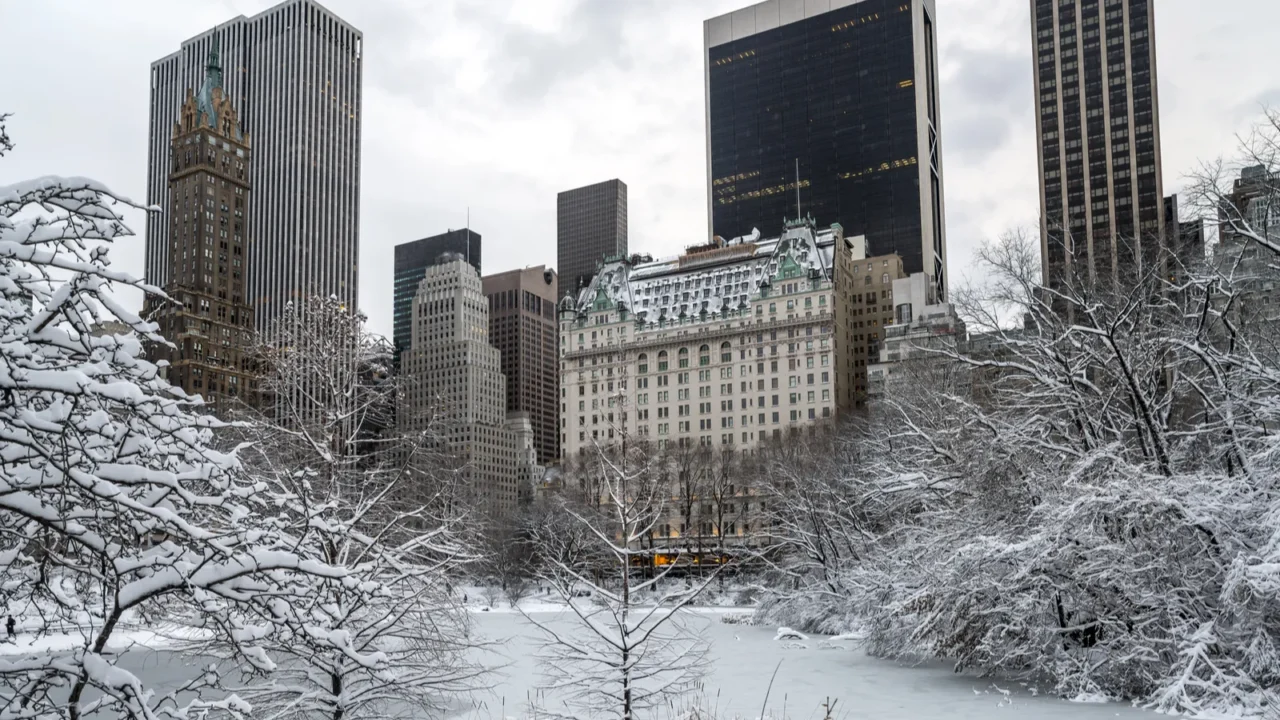
New York snow gridlock
New York City experiences winter storms shaped by Atlantic moisture and cold continental air. Snowfall and freezing rain can impact airports, subways, and commuter rail systems that millions rely on daily. John F. Kennedy, LaGuardia, and Newark airports are all vulnerable when storms stall over the Northeast corridor.
For travelers, even moderate snowfall can create cascading delays. Crowded terminals, slowed ground transport, and limited runway capacity often stretch travel times far beyond expectations. Visitors planning winter trips should prepare for schedule changes and consider travel insurance during peak storm season.
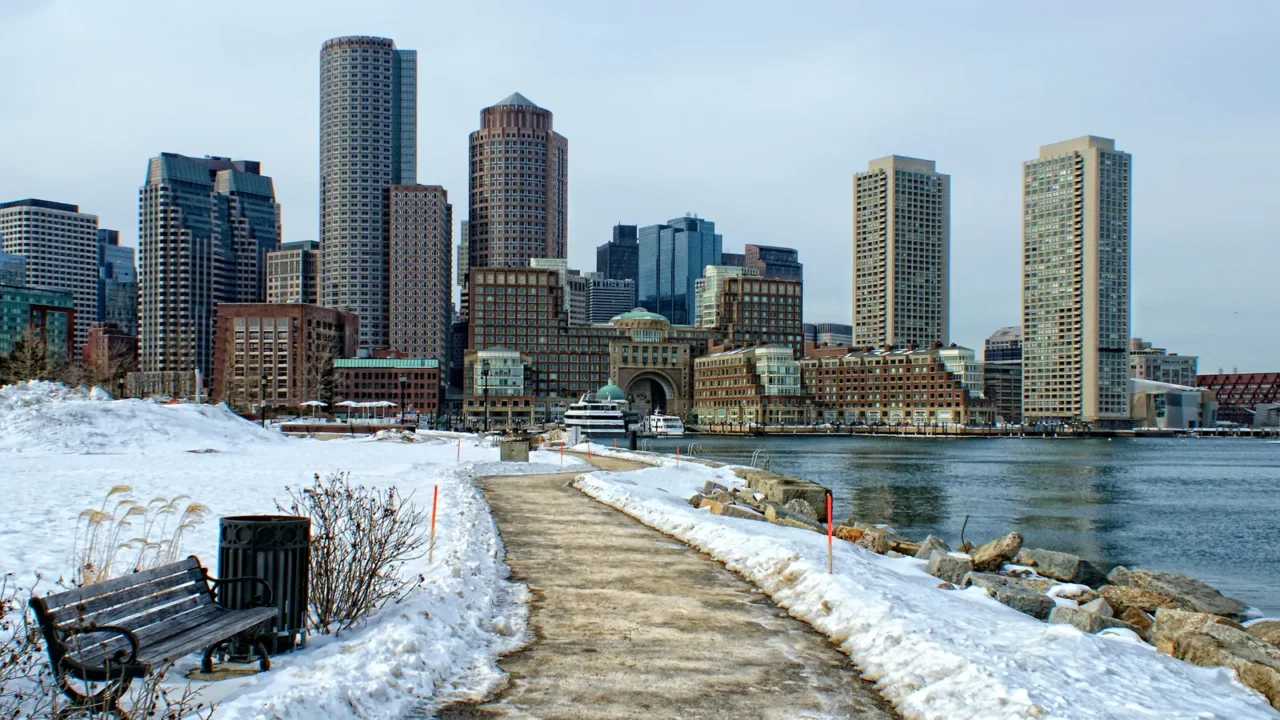
Boston Nor’easter risk
Boston sits directly in the path of powerful Nor’easters, winter storms fueled by Atlantic Ocean energy. These systems can bring heavy snow, coastal flooding, and strong winds that disrupt both air and sea travel. Logan International Airport frequently faces runway closures during severe events.
Winter storms in Boston often affect ferry services, highways, and regional rail lines simultaneously. Travelers may find themselves delayed for extended periods as crews work to clear snow and restore operations. Planning flexible itineraries is essential when visiting New England in winter.
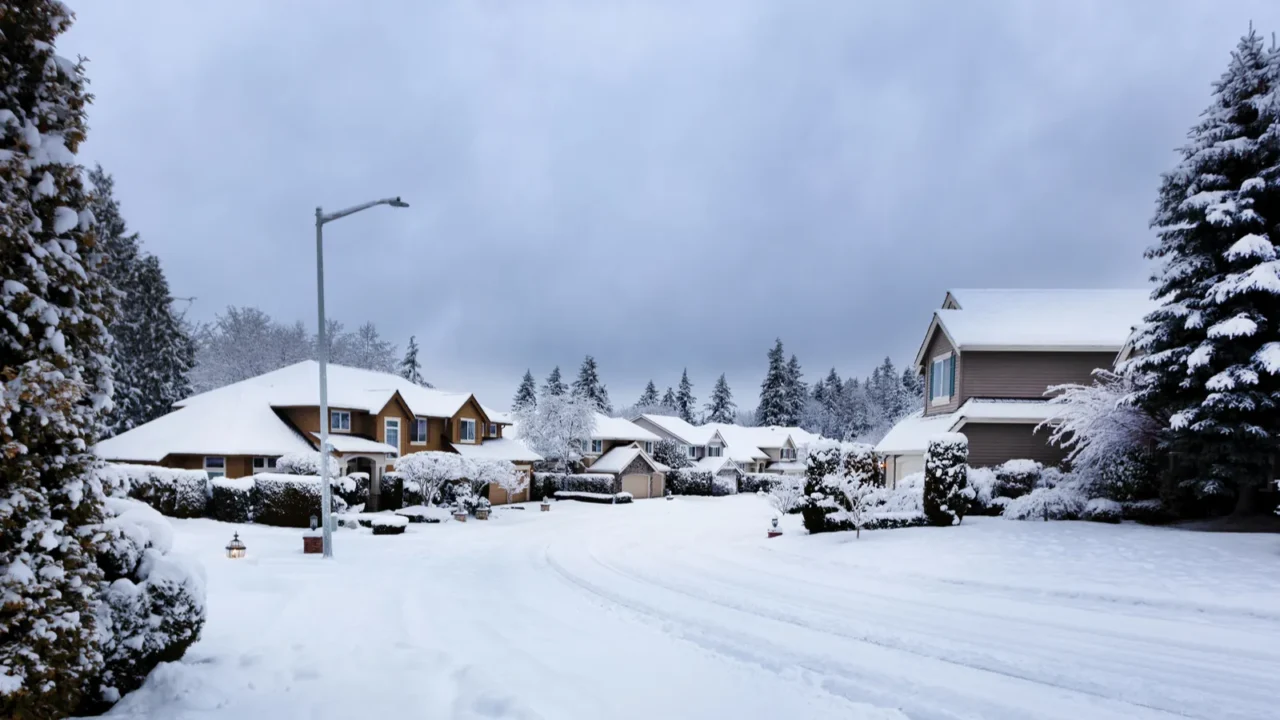
Seattle ice surprise
Seattle’s winter weather is usually mild, but the city struggles when rare snow and ice storms arrive. Limited snow removal infrastructure and hilly terrain make even light accumulation problematic. Seattle-Tacoma International Airport can experience significant slowdowns during freezing conditions.
Travelers are often caught off guard when ice storms disrupt roads and public transit. Flight delays and cancellations can ripple along the West Coast due to Seattle’s role as a regional hub. Visitors should remain alert to forecasts, especially when temperatures hover near freezing.
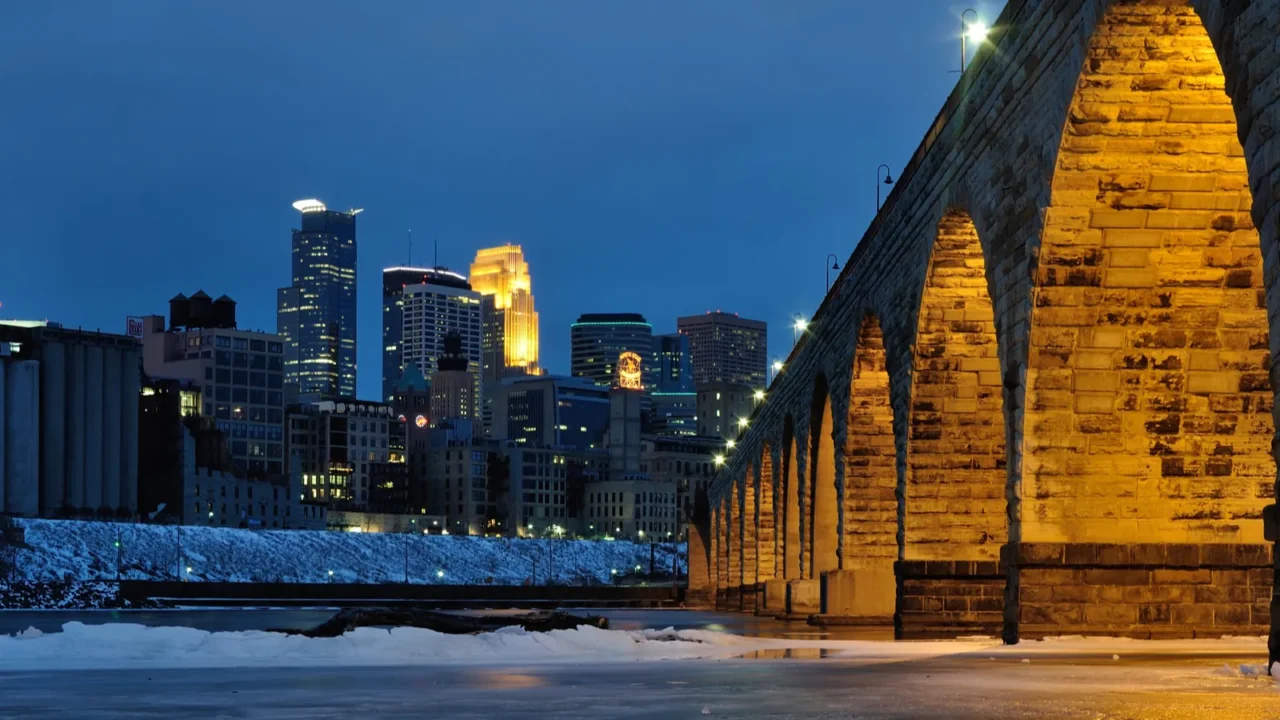
Minneapolis deep freeze
Minneapolis faces some of the coldest winter conditions among major United States cities. Arctic air outbreaks bring extreme cold, heavy snow, and dangerous wind chills. Minneapolis Saint Paul International Airport operates efficiently but remains vulnerable during intense winter systems.
Travel disruptions often stem from equipment strain and safety concerns rather than snowfall alone. Prolonged exposure to extreme cold can slow baggage handling and ground operations. Travelers should dress appropriately and expect possible delays when severe cold warnings are issued.
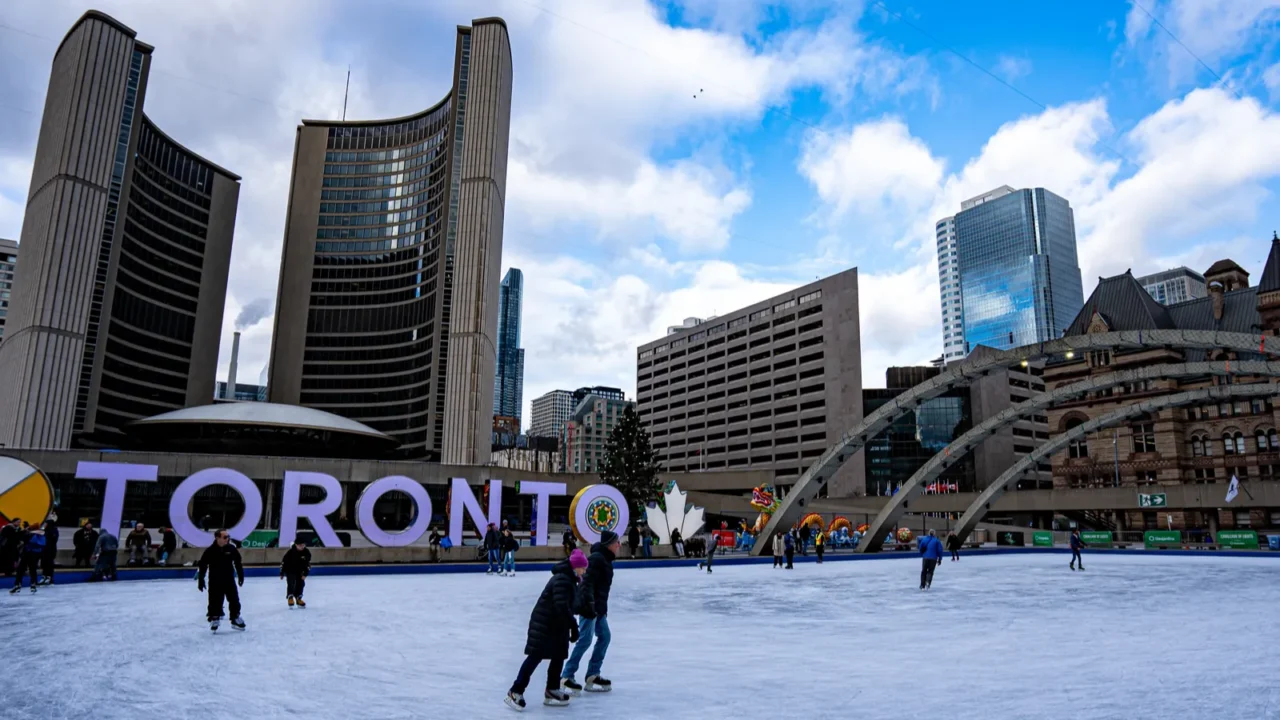
Toronto snow pressure
Toronto experiences winter storms influenced by the Great Lakes, producing frequent snow and occasional ice events. As Canada’s largest city, it serves as a central travel hub for domestic and international routes. Pearson International Airport often manages high traffic during winter weather.
Storm-related disruptions can spread quickly through the region. Road congestion, rail delays, and airport backlogs are common during heavy snowfall. Travelers should plan extra time and monitor airline updates closely when winter storms approach southern Ontario.
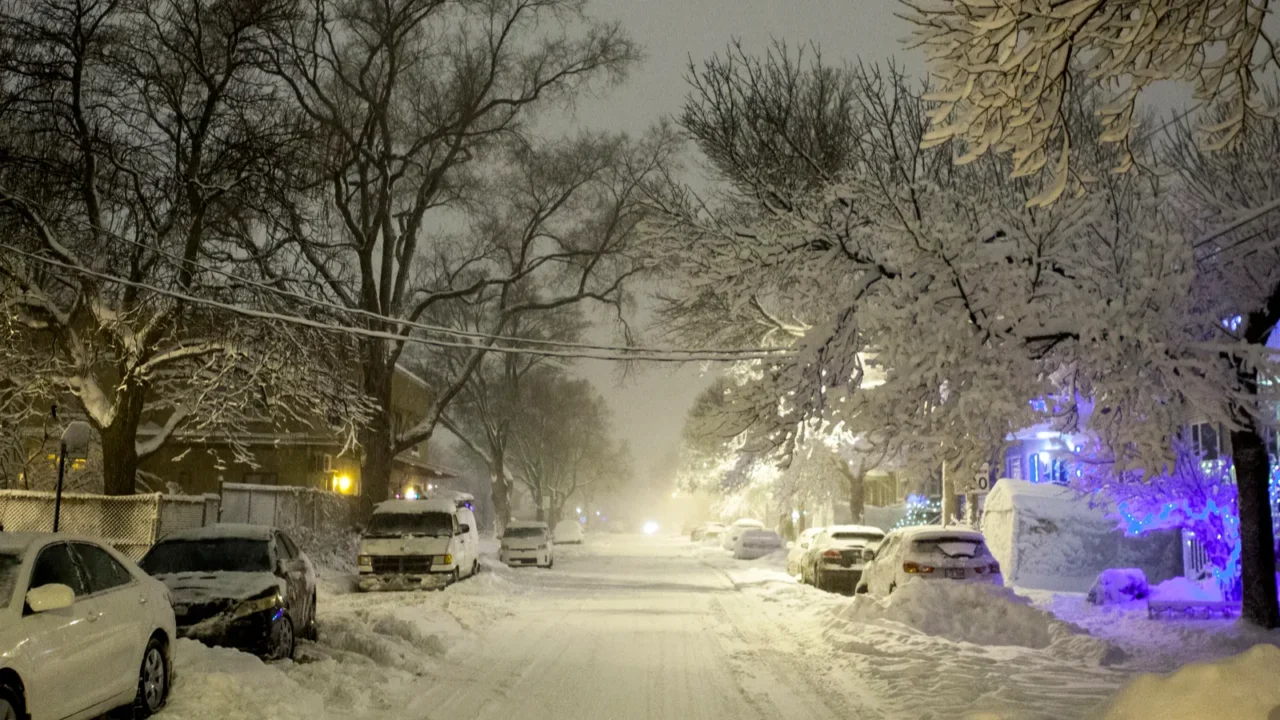
Montréal winter intensity
Montréal endures long winters with frequent snowstorms driven by cold Arctic air and moisture from nearby waterways. The city’s infrastructure is designed for snow, yet major storms still challenge air and ground travel. Montréal Trudeau International Airport can experience operational slowdowns during peak events.
Travelers may face delays despite efficient snow management. Heavy accumulation combined with low temperatures can extend cleanup times. Visitors should expect winter conditions to influence schedules and remain patient during periods of intense snowfall.
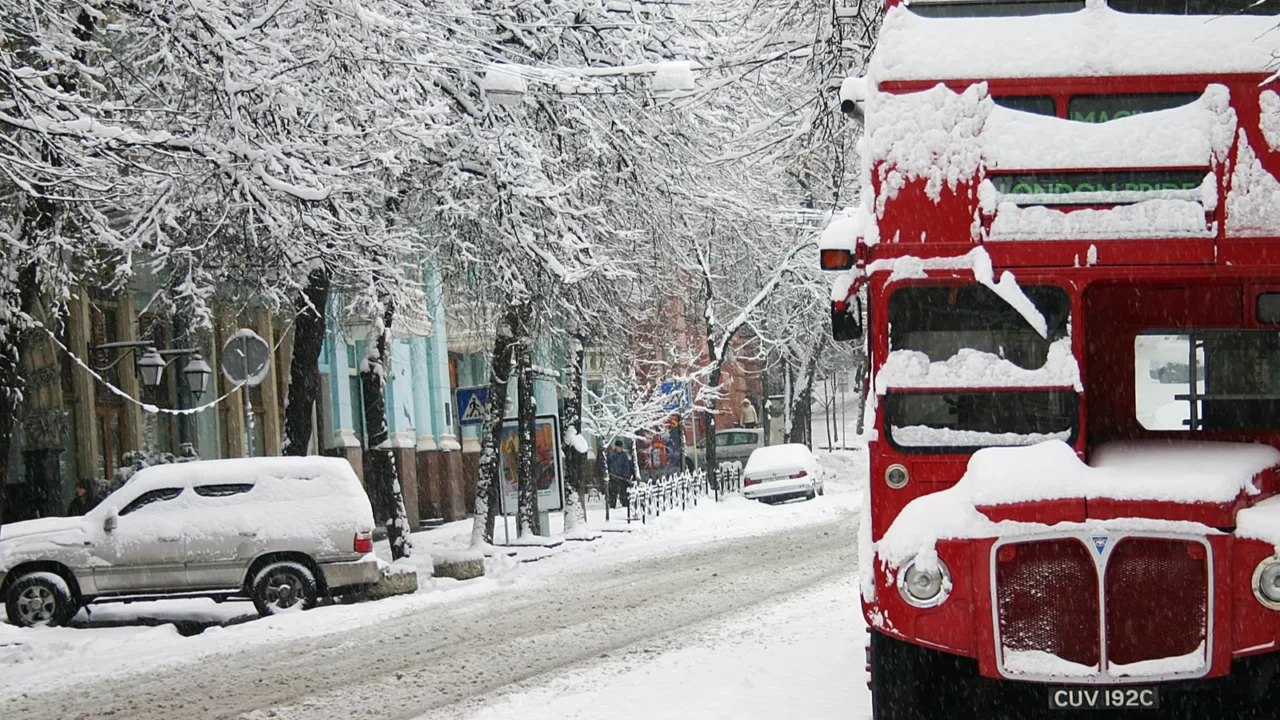
London snow shock
London rarely sees heavy snowfall, but when it occurs, travel systems are often strained. Limited snow preparedness and dense transportation networks make the city sensitive to winter weather disruptions. Heathrow and Gatwick airports frequently reduce operations during snow events.
Even minor accumulation can delay flights, trains, and buses across the region. International travelers may experience extended layovers as weather impacts ripple through European routes. Winter visitors should remain adaptable and follow local transport advisories closely.
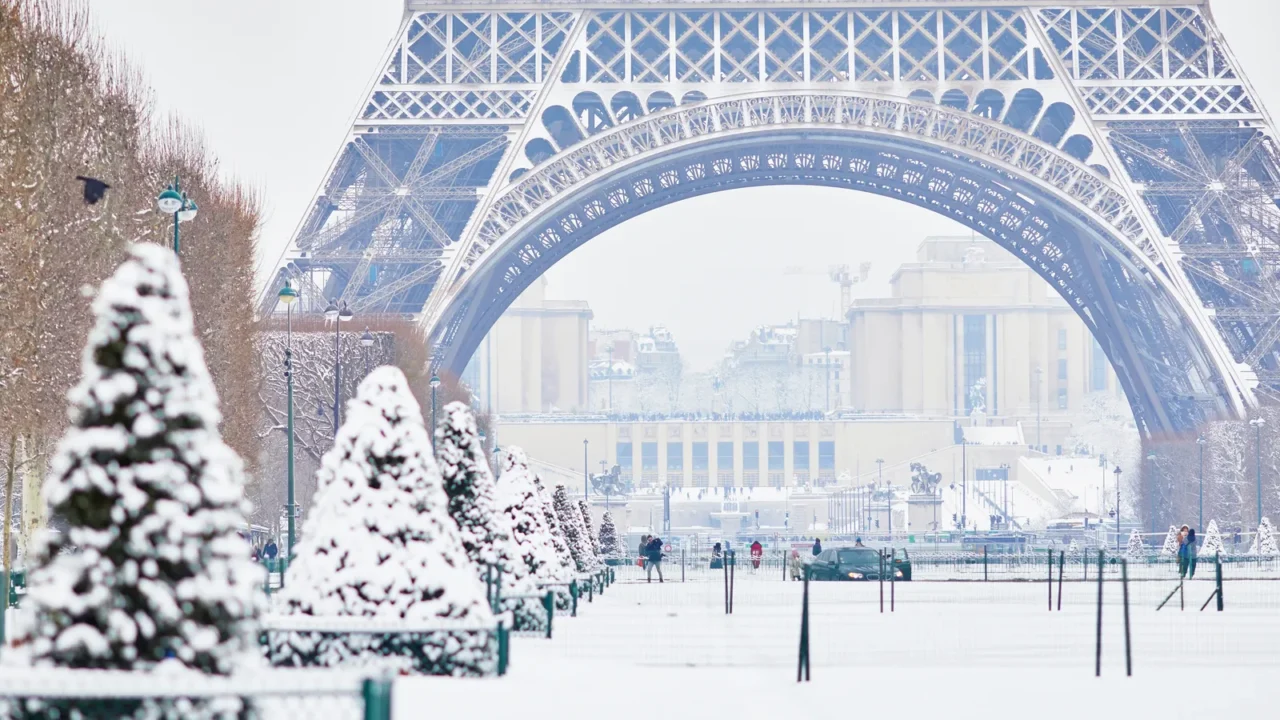
Paris winter slowdowns
Paris experiences occasional winter storms that bring snow or freezing rain to the region. While not frequent, these events can disrupt air travel at Charles de Gaulle and Orly airports. Rail services across France may also face delays during icy conditions.
Travelers often underestimate winter weather impacts in Paris. Slower road travel and limited snow clearing can affect city mobility. Visitors should allow extra travel time and stay informed when winter advisories are issued.
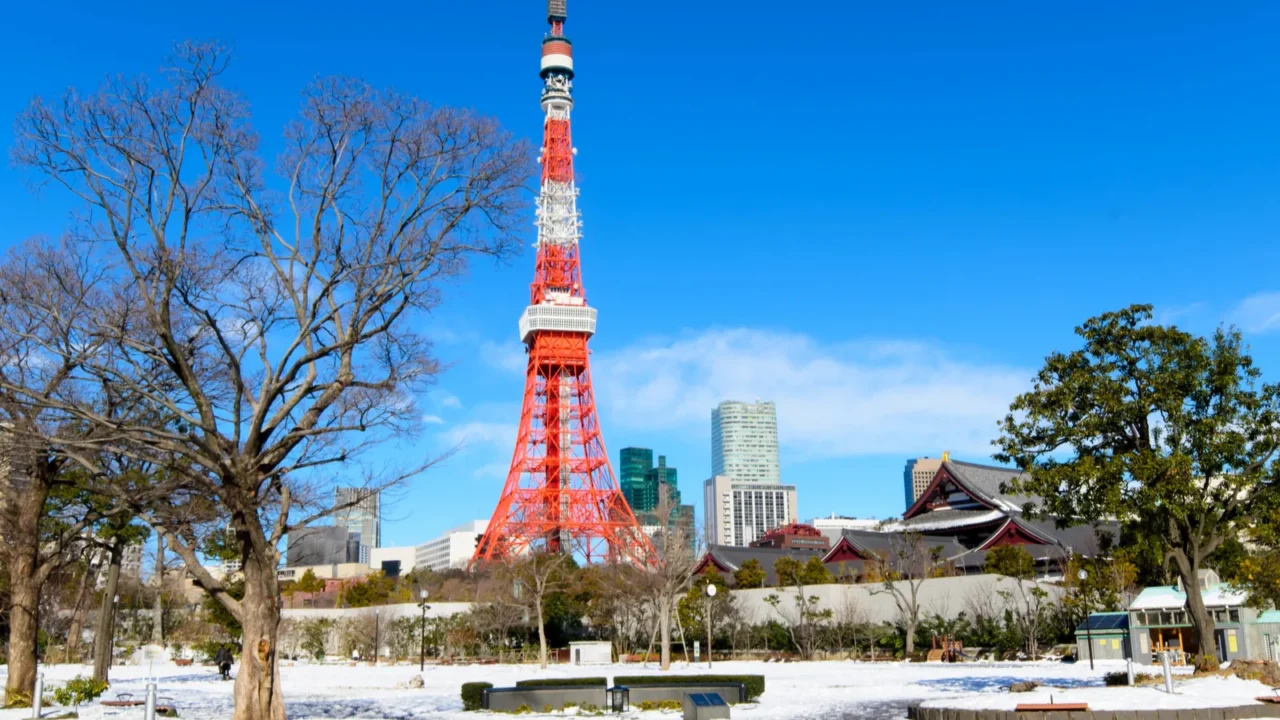
Tokyo rare snowfall
Tokyo’s winter climate is generally mild, but rare snowstorms can significantly disrupt travel. Snow accumulation affects rail systems, highways, and air traffic at Haneda and Narita airports. Even small amounts of snow can challenge operations in the densely populated region, echoing how sudden snow has hit the U.S and caught major cities off guard.
Travelers may encounter train delays and flight cancellations during these uncommon events. The rarity of snow increases public caution, slowing movement across the city, a reminder of how quickly winter systems can reshape travel plans when snow hits the U.S. and beyond.
Planning around storms
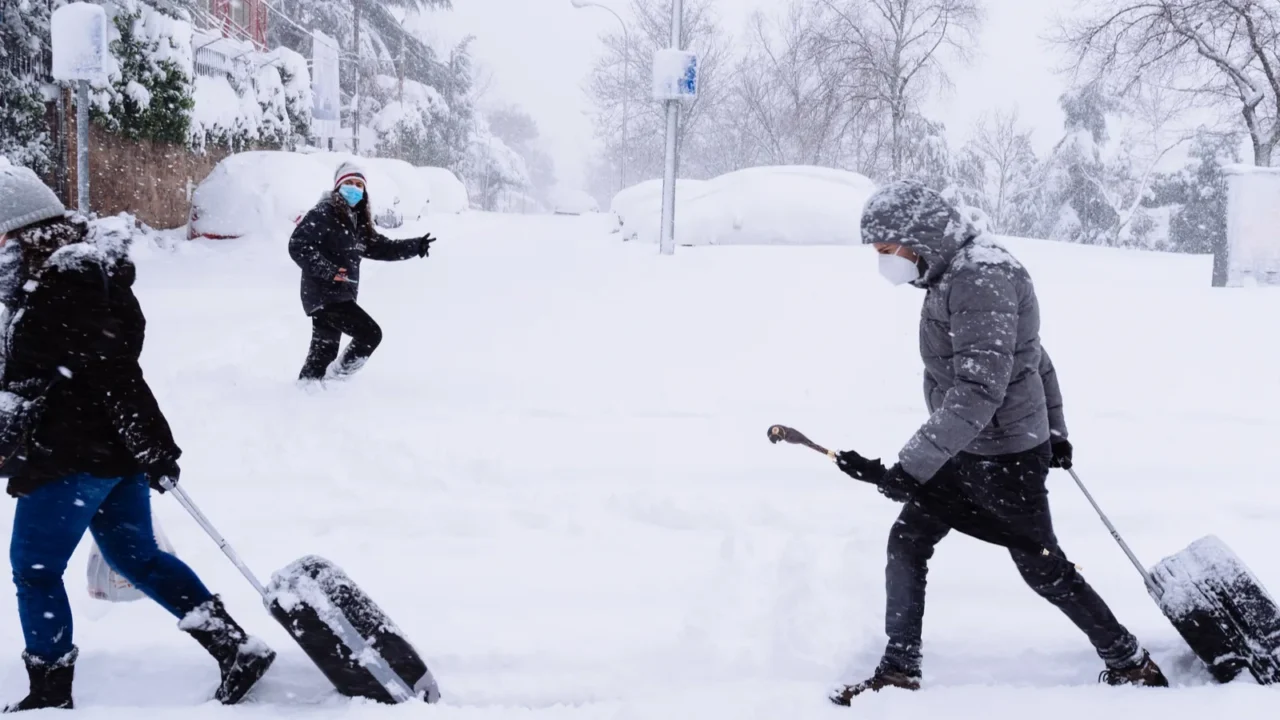
Winter storms are an unavoidable part of travel in many global cities, shaped by geography, climate, and infrastructure. Understanding how different destinations respond to severe weather helps travelers anticipate disruptions and reduce stress, especially when balancing cold-weather trips with the growing appeal of winter sun destinations.
Flexibility is the most valuable asset during winter travel. Allowing buffer days, choosing refundable options, and staying informed can make the difference between frustration and a smooth pivot toward winter sun destinations when storms threaten to derail plans.
When winter storms redraw travel maps overnight, which city would you still risk visiting, and which winter sun destination would you escape to instead?
This slideshow was made with AI assistance and human editing.
Don’t forget to follow us for more exclusive content right here on MSN.
Read More From This Brand:
