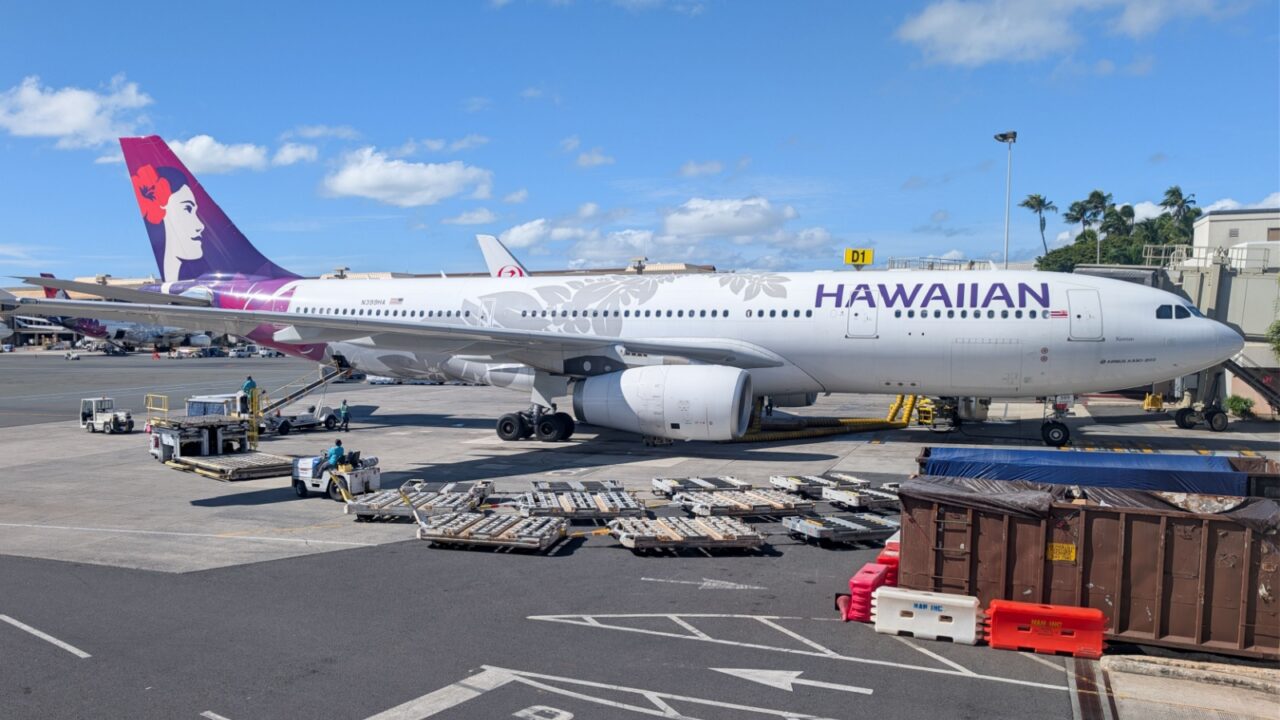
Hawaii inter-island airline changes
Hawaiian Airlines, Southwest Airlines, and other airlines are reshaping inter-island flight schedules across Hawaii as competition intensifies. Airlines are adjusting frequencies, pricing, and timing to attract both residents and visitors. These shifts are changing how travelers move between islands.
Recent schedule updates show more flexible departures, especially between major hubs like Honolulu and Kahului. Airlines are also experimenting with off-peak services and new timing patterns.
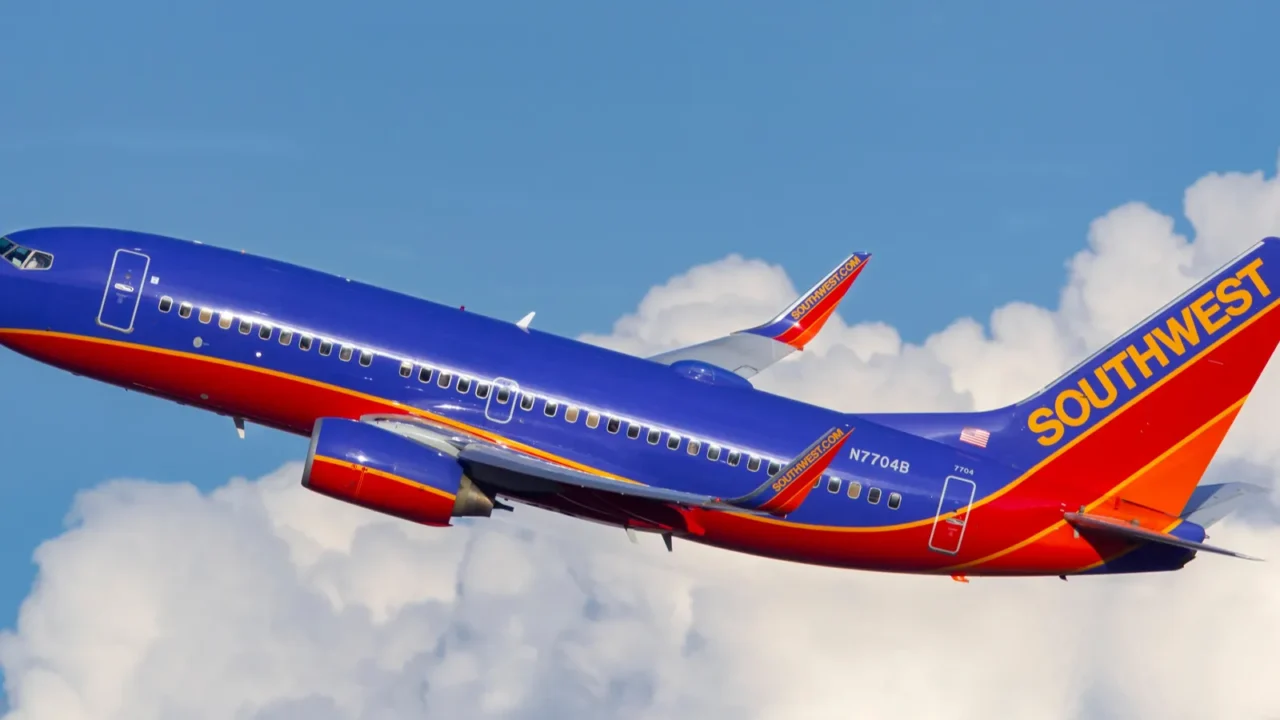
Competition reshapes flight schedules
Hawaiian Airlines has long dominated inter-island travel with frequent daily departures. The airline traditionally offered near-hourly service on key routes, especially between Oahu and Maui. That model is now evolving under competitive pressure.
Southwest Airlines entered Hawaii’s inter-island market in 2019 and quickly expanded service. Lower fares and simplified pricing have encouraged travelers to compare options more closely. This competition is leading to more varied flight schedules.
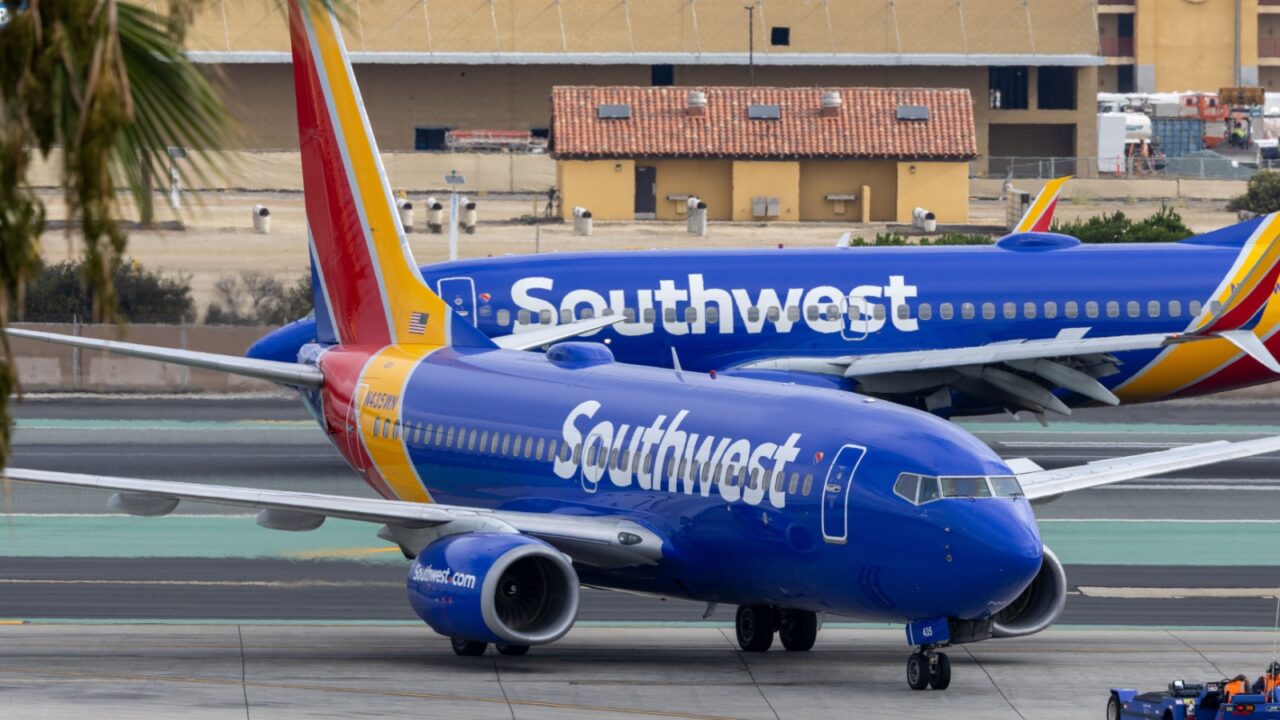
Southwest expands island routes
Southwest Airlines has increased its presence by adding more inter-island routes over time. Flights now connect major destinations, including Honolulu, Kahului, and Kona. This expansion has influenced how schedules are structured across the market.
At launch, Southwest operated multiple daily frequencies on its initial inter-island routes (for example, four daily round-trips on Honolulu–Kahului), but Hawaiian operates a wider network and historically a larger total number of inter-island departures; the two carriers therefore emphasize different network footprints and timing strategies. Early morning and evening departures appeal to both leisure and business travelers. These choices are reshaping demand patterns.
Frequency versus flexibility balance
Hawaiian Airlines continues to offer higher frequency on many routes, which appeals to flexible travelers. Frequent departures allow easier same-day connections between islands. This remains a key advantage in the market.
At the same time, airlines are now prioritizing schedule efficiency over sheer volume. Adjusting flight timing to match demand helps reduce empty seats. This balance is becoming central to inter-island operations.
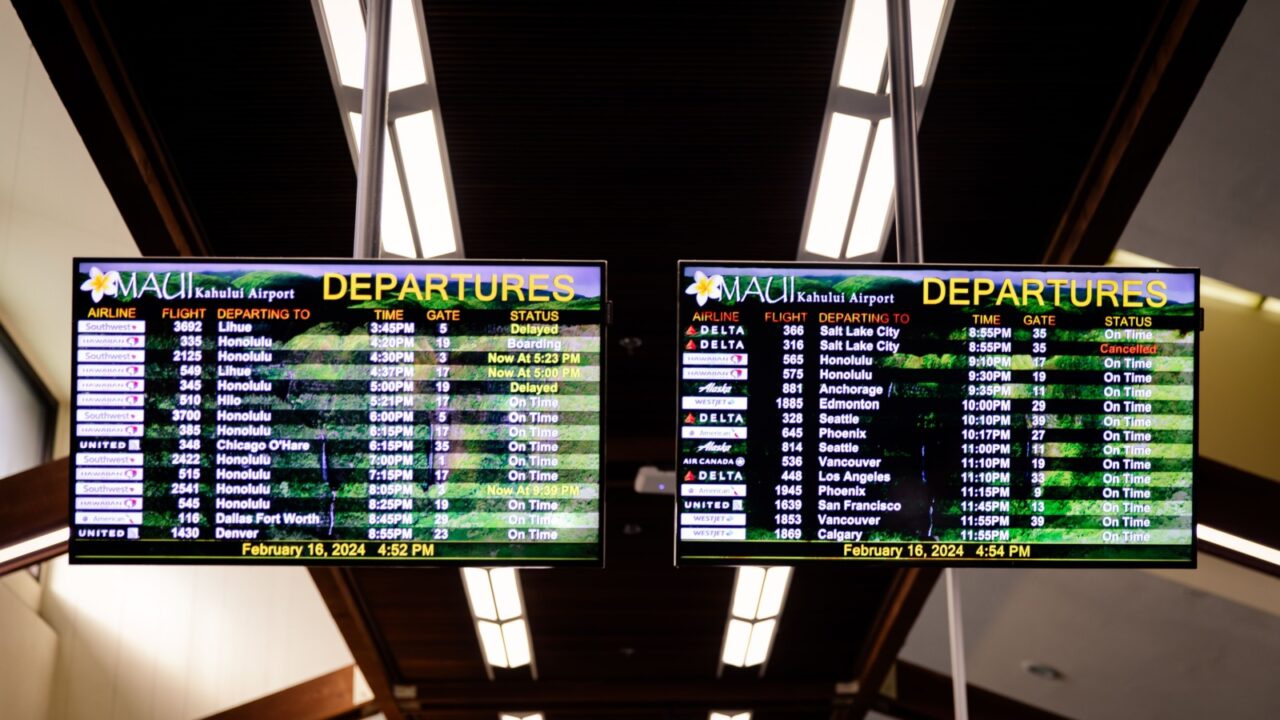
Pricing strategies influence timing
Competitive pricing has become a major factor shaping flight schedules in Hawaii. Airlines often align flight times with expected demand peaks to maximize revenue. Lower fares during quieter periods are becoming more common.
Southwest Airlines’ no change fee policy has encouraged more flexible travel behavior. Travelers may shift flights based on pricing or timing without penalties. This flexibility affects how airlines plan schedules.
Early flights gain popularity
Early morning flights are becoming more popular as airlines adjust schedules to demand. These departures allow travelers to maximize time on each island. Airlines are increasing availability during these hours.
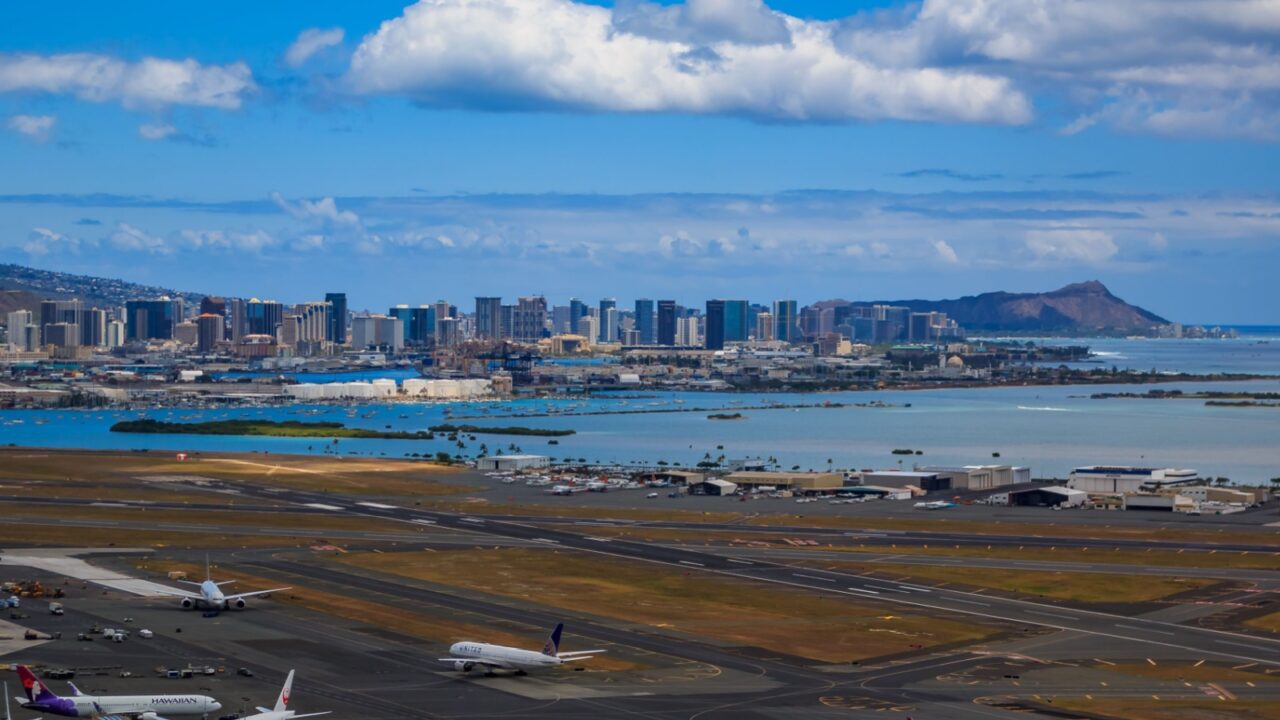
Fun fact: Daniel K. Inouye International Airport handled roughly 21.99 million passengers year-to-date in the latest Hawaii DOT airport statistics — HNL is the state’s busiest airport, which helps explain why early departures are valuable for island connections.
Midday demand shifts observed
Midday flights were once considered less attractive, but demand patterns are changing. More travelers are choosing flexible itineraries instead of fixed schedules. This shift is encouraging airlines to maintain midday service.
Fun fact: Inter-island flights often last under one hour, with routes like Honolulu to Kahului averaging about 40 minutes, making short trips a key part of Hawaii travel.

Seasonal demand drives changes
Seasonal tourism plays a major role in shaping Hawaii’s flight schedules. Peak travel periods like summer and winter holidays see increased frequencies. Airlines adjust schedules to match visitor demand.
During quieter months, airlines may reduce flights or use smaller aircraft. This helps maintain efficiency while keeping routes active. Seasonal flexibility is essential for profitability.

Business travel influences timing
Business travel remains important for inter-island routes, especially between Honolulu and Maui. Morning departures and evening returns support same-day meetings. Airlines design schedules to meet these needs.
Even as remote work grows, business travel still shapes demand patterns. Reliable timing remains a priority for professionals traveling between islands. This keeps certain time slots highly competitive.

Tourism trends shape demand
Tourism trends continue to influence how airlines plan inter-island schedules. Visitors often combine multiple islands into one trip. This creates demand for convenient connections.
Airlines are aligning flights with major arrival banks from mainland routes. This allows smoother transitions for incoming travelers. Coordinated scheduling improves the overall travel experience.
Future routes and adjustments
Airlines continue to evaluate new routes and schedule adjustments in Hawaii. Demand for less crowded destinations is encouraging new connections. Smaller airports may see increased service, while Hawaii’s controversial tourist tax sparks a federal showdown with the DOJ, adding another layer to tourism policy discussions.
Technology and data analysis are helping airlines refine schedules. Real-time demand tracking allows quicker adjustments. This trend is expected to continue in the coming years.
Travelers see more options
Inter-island airline competition is creating more choices for travelers across Hawaii. Flexible schedules, varied pricing, and new routes are shaping the experience. Both leisure and business travelers benefit from these changes.
The best trips often balance convenience with exploration across multiple islands. Which island-hopping schedule feels most appealing for travelers right now? Share thoughts and experiences below.
This slideshow was made with AI assistance and human editing.
Don’t forget to follow us for more exclusive content right here on MSN.
Disclaimer: The images used are for illustrative purposes only and do not depict the actual locations mentioned.
Read More From This Brand:
