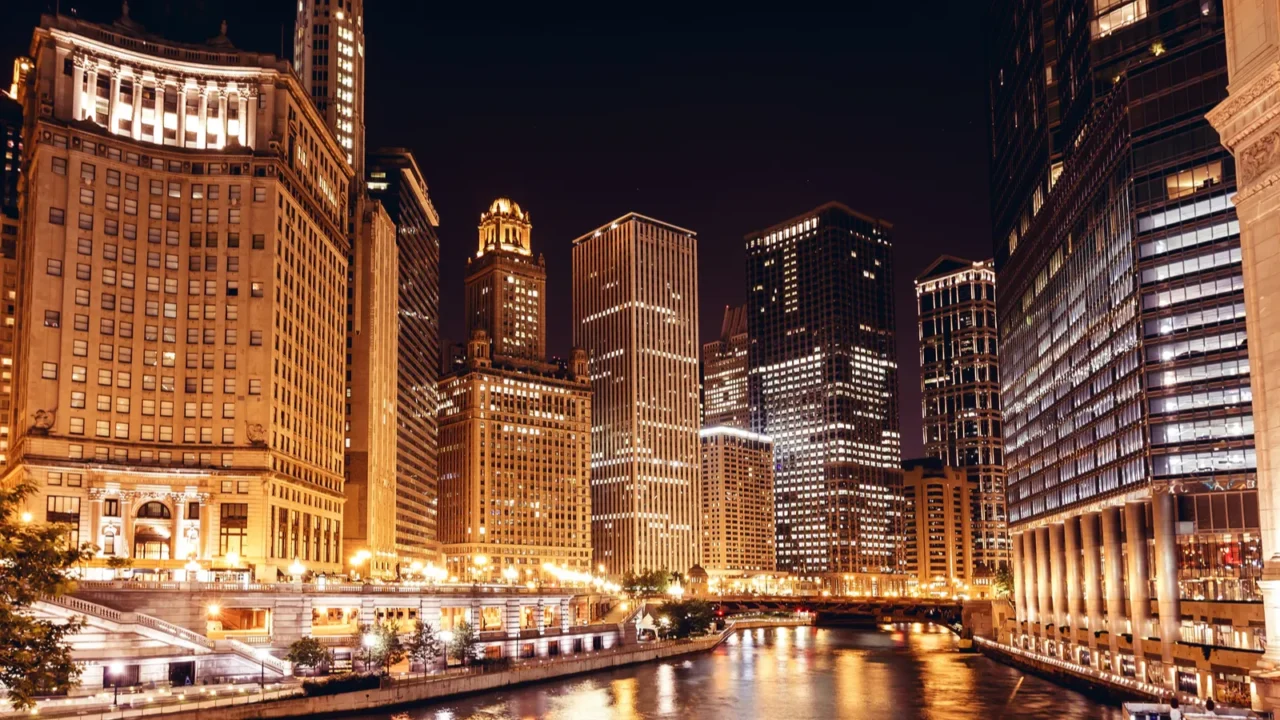
Chicago hotel tax changes
The Chicago city government has outlined adjustments to hotel taxes that could affect lodging costs in 2026. Officials say the updates are part of broader efforts to support tourism infrastructure and city services. Early estimates suggest modest increases that vary by location and property type.
Chicago remains one of the largest tourism hubs in the United States, drawing millions of visitors annually. Hotel taxes already include city, state, and county components that combine into a single nightly rate. These adjustments will likely add incremental costs rather than dramatic price shifts.
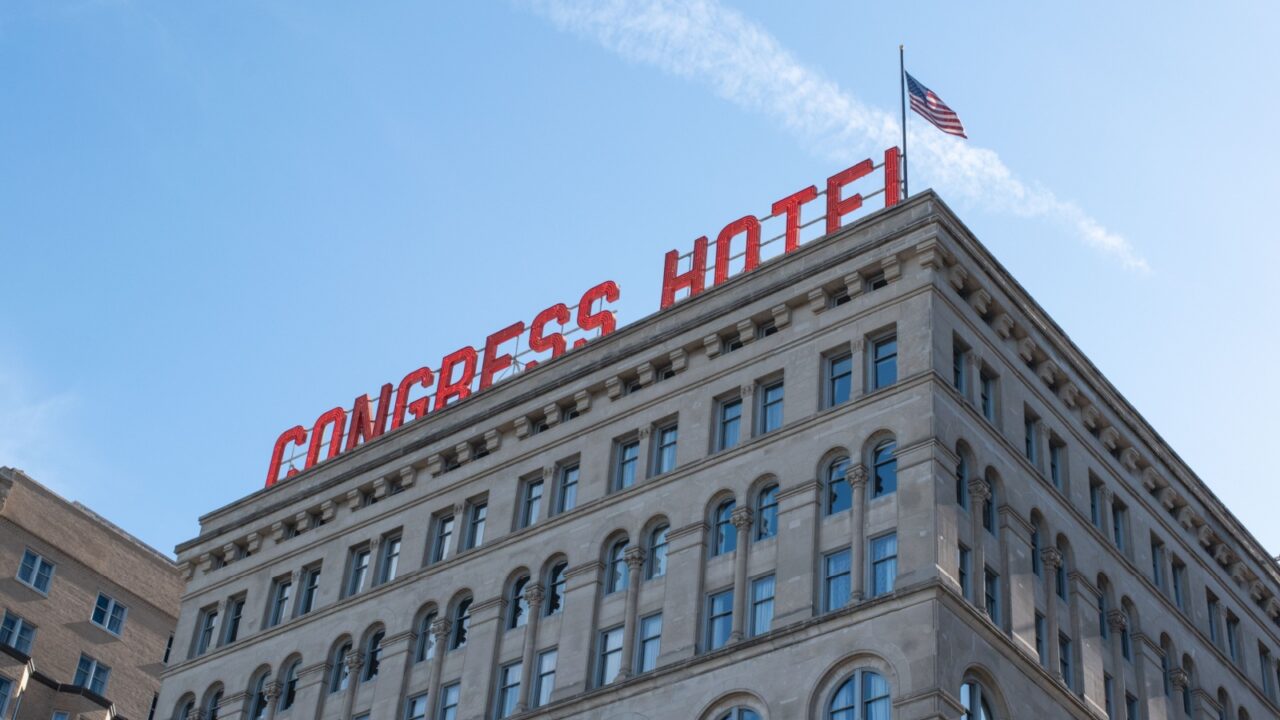
Chicago tourism tax structure
Chicago applies a layered hotel tax system that includes several government entities. The city tax combines with Illinois state taxes and Cook County levies to create a final rate. Chicago currently has one of the higher total hotel tax rates among major US cities.
Chicago officials say these taxes help fund public services, transportation improvements, and tourism promotion. Convention and tourism agencies rely on these revenues to support major events. This system is expected to remain in place through 2026 with incremental updates.

Chicago rate changes explained
Chicago tax adjustments in 2026 are expected to focus on fine-tuning rather than major increases. Officials are reviewing revenue needs alongside visitor demand trends. Chicago aims to balance competitiveness with funding requirements.
Chicago hotel taxes typically range around 17% or more, depending on the property. Even small adjustments can influence final nightly costs during peak seasons. Travelers often notice these changes most during high-demand periods like summer.

Impact on nightly prices
Hotel taxes directly affect the total price travelers pay per night. For example, at a composite tax rate of ≈17%, a room priced at $200 would incur roughly $34 in taxes. These costs are usually added at checkout rather than shown upfront.
In 2026, even a small percentage increase could add several dollars per night. For longer stays, this can become a noticeable part of the travel budget. Visitors are increasingly factoring taxes into total trip planning.
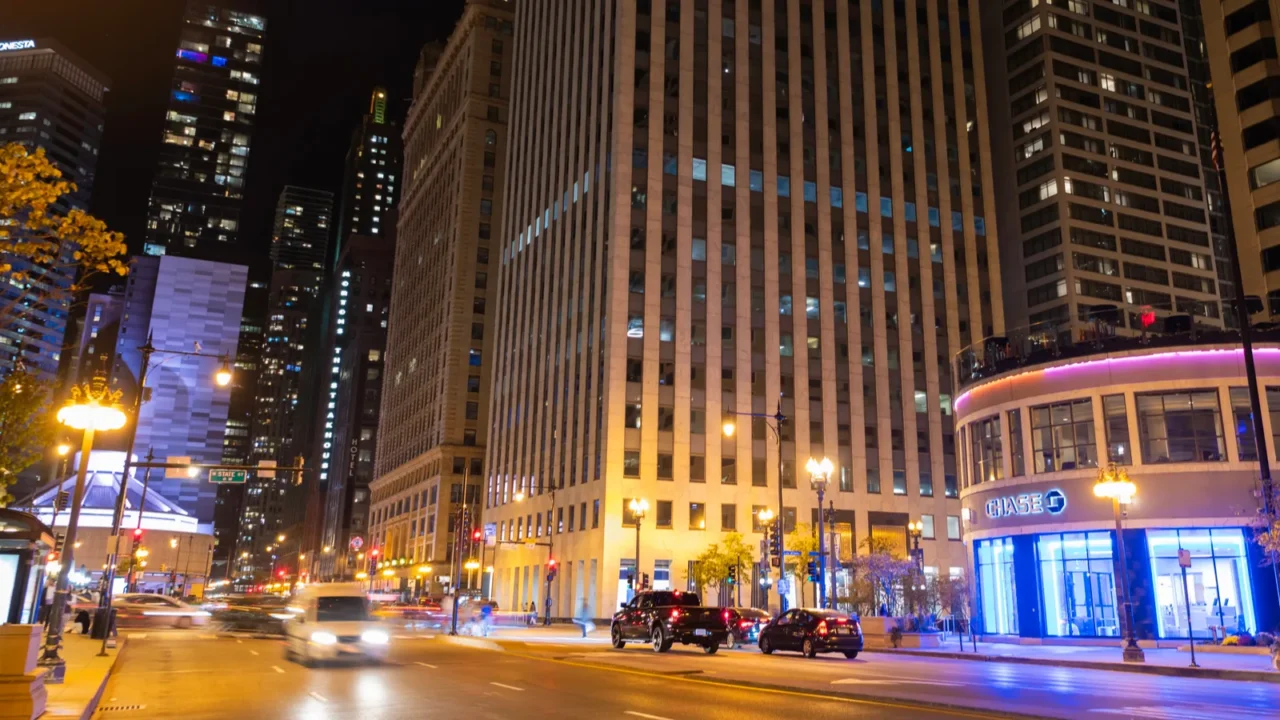
Downtown hotels see effects
Downtown Chicago hotels are likely to feel the most visible impact of tax adjustments. Areas near the Magnificent Mile and Millennium Park already command premium prices. Higher taxes can push nightly rates further during busy periods.
Luxury and business hotels often pass these costs directly to guests. Budget hotels may absorb some increases to stay competitive. Pricing strategies will vary depending on demand and location.
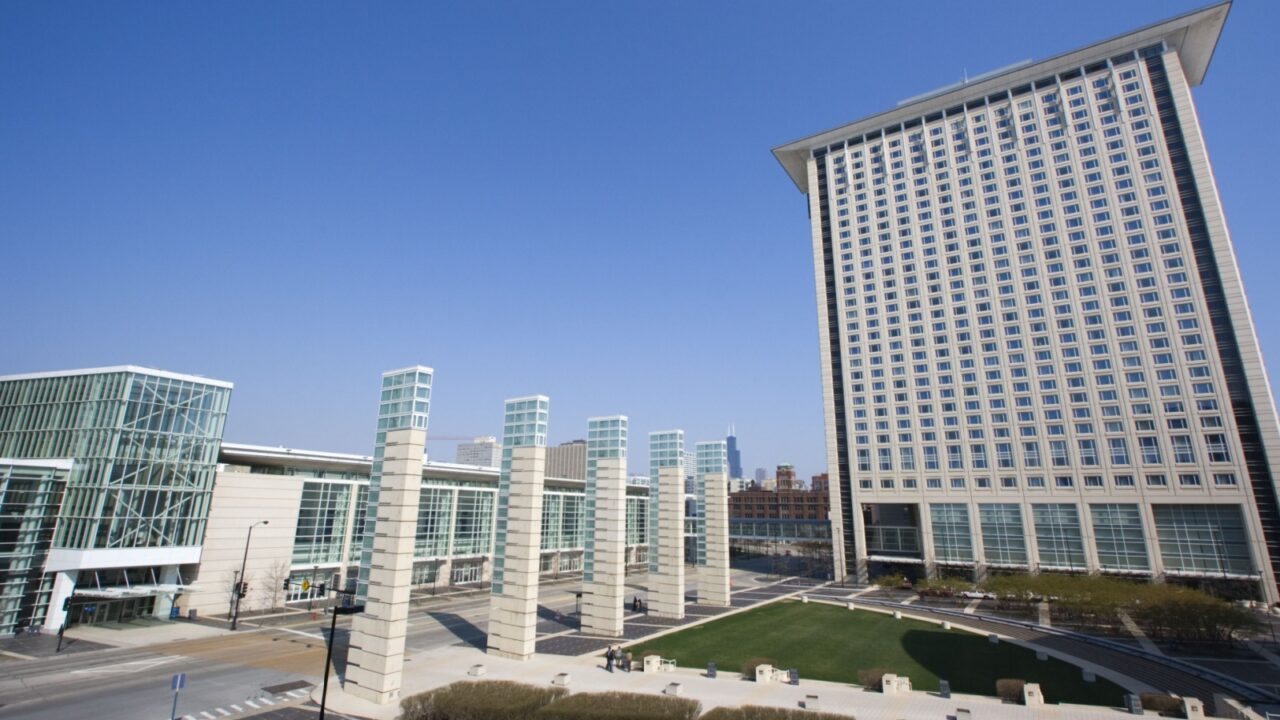
Convention travel cost trends
Chicago is a major convention destination anchored by McCormick Place. Large events can drive hotel prices higher, making taxes more noticeable. Business travelers often face the highest rates during these periods.
Fun fact: McCormick Place (North America’s largest convention center) welcomes about 3 million visitors a year, and citywide meetings and conventions accounted for roughly 2.1–2.6 million attendees in recent reporting, depending on the year and how events are counted. These events generate billions in economic activity and significantly influence hotel demand.
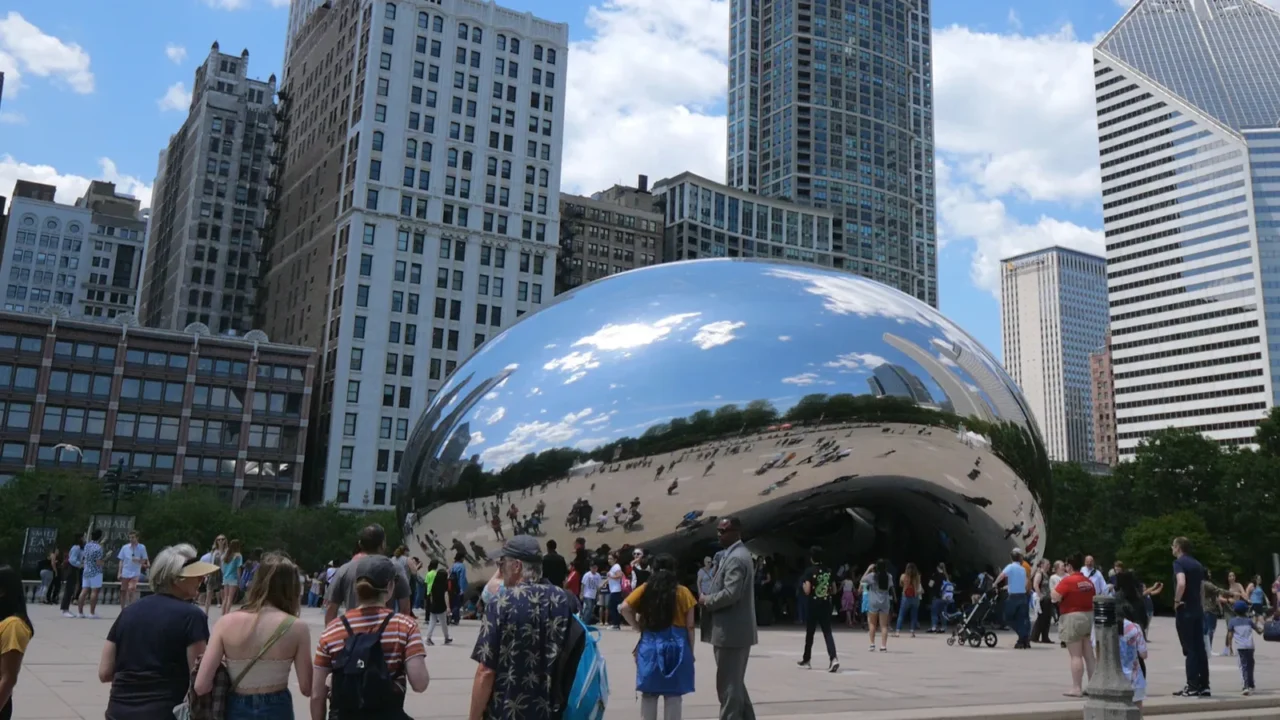
Chicago tourism numbers rise
Chicago tourism has rebounded strongly after pandemic declines. The city reported tens of millions of visitors annually, driven by events, food culture, and lakefront attractions. Higher demand can support tax increases without reducing visitor numbers.
Fun fact: Navy Pier attracts nearly 9 million visitors each year. This makes it one of the most visited attractions in the Midwest region.
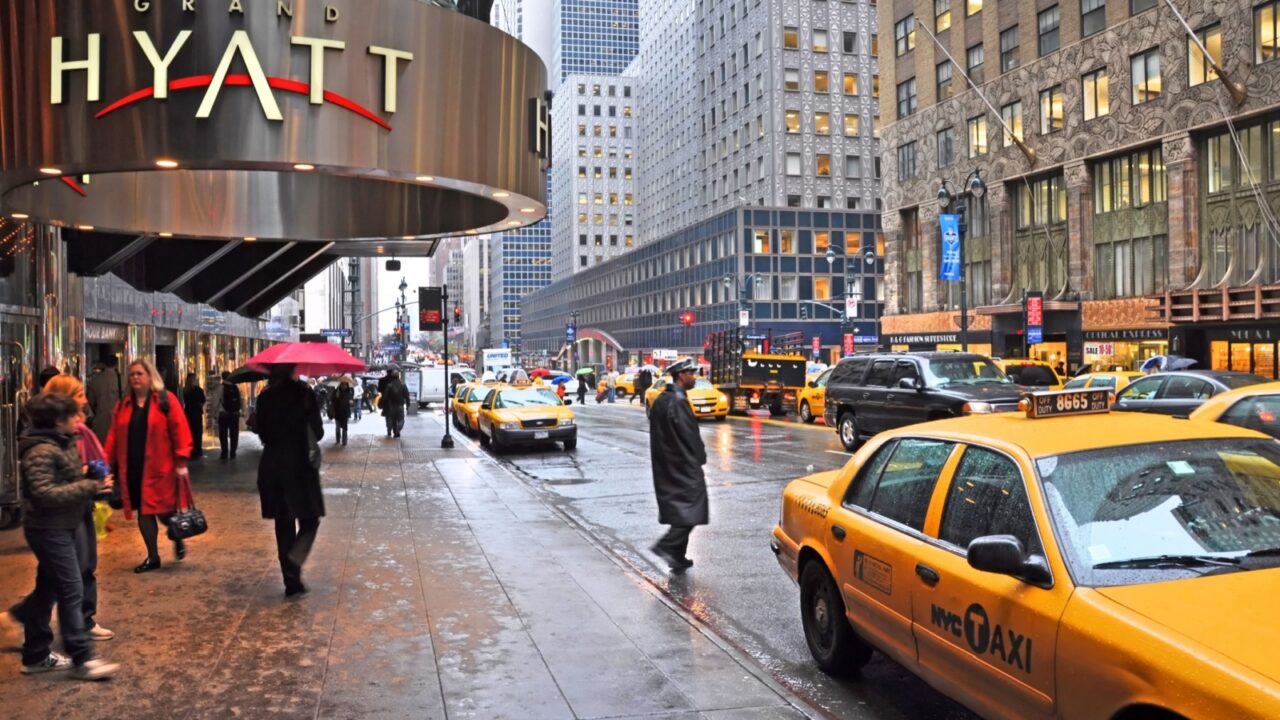
Comparing other major cities
Chicago hotel taxes are often compared with those of cities like New York City and Los Angeles. These destinations also apply layered taxes that significantly increase nightly rates. Travelers often evaluate total costs when choosing destinations.
Chicago remains competitive despite higher taxes due to its central location and diverse attractions. Pricing differences can vary depending on season and events. Tax adjustments alone rarely determine travel decisions.

Budget travelers feel impact
Budget-conscious travelers may feel tax increases more strongly than luxury guests. A few extra dollars per night can add up over multi-day stays. This can influence hotel choice or trip duration.
Some visitors shift to neighborhoods outside the city center to save money. Others explore alternative accommodations or shorter stays. Travel patterns often adjust gradually rather than immediately.

Hotel industry perspective
Hotel operators monitor tax changes closely as they affect competitiveness. Higher taxes can influence booking decisions, especially for price-sensitive travelers. Hotels may adjust pricing strategies to remain attractive.
Industry groups often advocate for balanced tax policies that support tourism growth. Maintaining strong visitor numbers is critical for local businesses. Chicago continues to position itself as a top urban destination.
Seasonal pricing differences
Hotel prices in Chicago vary widely by season and event calendar. Summer festivals and major conventions drive the highest demand. Taxes amplify these already elevated prices, while global policy shifts like Kyoto’s new hotel tax tiers begin March 1, 2026, highlight how cities are rethinking visitor charges.
Winter months tend to offer lower base rates, which reduces the impact of taxes. Travelers looking for value often choose off-peak periods. Timing remains one of the biggest factors in total cost.

What travelers should expect
Chicago hotel taxes will likely remain a consistent part of travel costs in 2026. Small adjustments can add up but rarely change overall travel demand. Visitors continue to prioritize experiences over minor price differences.
The best trips are the ones that balance cost, timing, and location. How do rising hotel taxes influence travel decisions when planning a Chicago stay? Share your thoughts below.
This slideshow was made with AI assistance and human editing.
Don’t forget to follow us for more exclusive content right here on MSN.
Disclaimer: The images used are for illustrative purposes only and do not depict the actual locations mentioned.
Read More From This Brand:
