
National park demand surges in 2026
Search interest and bookings for stays near national parks jumped sharply in early 2026 — searches for stays “near a national park” were up about 35% in the U.S. This rise reflects growing interest in outdoor destinations amid warmer weather and expanded leisure travel opportunities post‑pandemic. Parks like Yosemite and the Great Smoky Mountains are now especially hard to book during peak summer weeks.
Overall park visits reached record highs in 2024, with more than 331 million recreation visits nationwide. That trend has continued into 2025 and now into 2026 as demand shows no signs of slowing. National park popularity is reshaping travel patterns across the United States.

Yosemite’s peak visitation growth
Yosemite National Park near Yosemite Valley has seen some of the strongest demand growth as travelers seek iconic waterfalls and granite cliffs. Yosemite had nearly 4.1 million visits in 2024, putting it among the busiest years in recent memory. Expanded access and reopened campgrounds are driving more visitors to the park.
Despite strong interest, Yosemite’s traditional reservation systems are changing in 2026. The park has eliminated reservations and is instead focusing on real‑time traffic and parking management to handle peak crowds. That shift reflects both demand surges and operational decisions at the National Park Service.

Great Smoky Mountains prominence
Great Smoky Mountains National Park remains the most visited park in the system. It drew about 13.3 million visits in 2023 (one of its highest totals) and reported roughly 12.2 million visits in 2024, keeping it well ahead of most other parks. That high visitation has continued as travelers prioritize accessible outdoor experiences.
Smoky Mountains’ popularity stems from easy highway access from large population centers in the Southeast. The park’s mix of scenic drives, hiking trails, and waterfalls keeps visitors coming year‑round. Increased bookings have made campgrounds and lodging reservations sell out earlier than in past years.

Booking challenges at busy parks
Record interest has made reservations for campsites and lodging at major parks increasingly competitive. Peak dates often fill months in advance, leaving many visitors planning itineraries far earlier than before. Travel planners now advise flexible timing to secure spaces.
Even daily parking reservations can become scarce during summer weekends. Parks attempt to balance access with preservation, but high numbers of visitors increase pressure on infrastructure. This has led to new operational strategies at multiple destinations.

More visitors, less space available
National parks have limited capacity on trails, campgrounds, and parking areas. When popular trails such as Yosemite’s Mist Trail or the Smoky Mountains’ Alum Cave Trail fill up, alternative routes see heavy use soon after. This creates localized crowding even if overall visits are spread across the day.
Some parks are experimenting with short‑term traffic restrictions and overflow parking plans. These measures aim to maintain safety and preserve natural areas. They also reflect the operational challenges of record visitation.
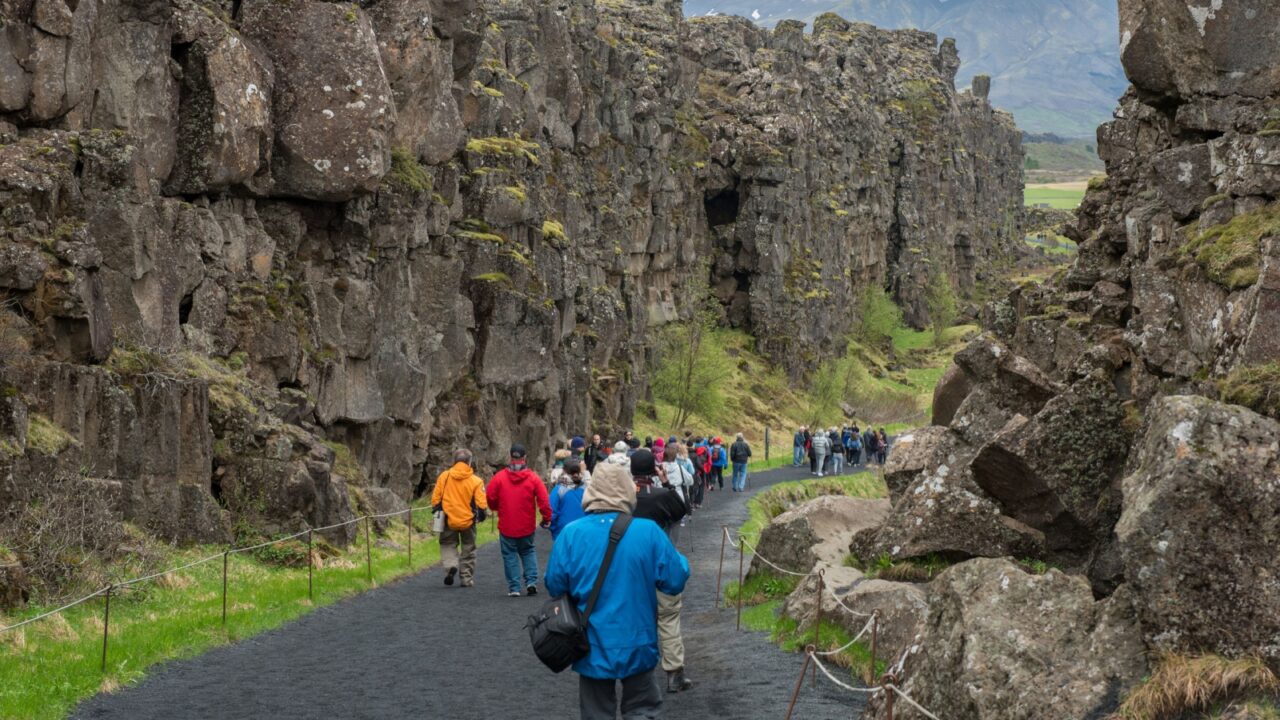
Busiest parks
Fun fact: Great Smoky Mountains National Park had about 13.3 million visits in 2023, the highest single-park total that year. High visitation has long made it one of the hardest parks to book for peak summer stays.
This record level underscores how demand for natural experiences continues to grow. The Smoky Mountains often sees summer visits surpass those at parks that require more travel. That dynamic shapes reservation trends across the park system.

Reservation shifts
Fun fact: Yosemite recorded about 4.1 million visits in 2024, and in 2026 the park announced it would not require vehicle/timed-entry reservations, instead using real-time traffic management. This change is a departure from recent years, when timed‑entry systems were used to manage crowds.
The elimination of reservation requirements means peak season parking and road access may fill earlier each day. Yosemite’s operational strategies now emphasize visitor flow over fixed quotas. This reflects ongoing challenges with strong demand.

Wildflowers and summer access trends
Summer wildflower blooms, scenic overlooks, and trail conditions draw large crowds to many parks. Events such as the Wildflower Festival in the Great Smoky Mountains create seasonal spikes in attendance. Local tourism bureaus track these patterns closely.
National Park Service site conditions reports also highlight maintenance needs during peak periods. Trails erode faster with heavy use, and visitor centers see high traffic. Resource preservation remains a top concern.

Camping demand outpaces supply
Campgrounds at iconic parks often fill months ahead of arrival dates. Places like Yosemite’s Upper Pines or the Smoky Mountains’ Cades Cove loop are especially competitive. Early booking windows are now open long before peak travel months.
RV travelers also see limited spaces as demand grows. Drive‑in campgrounds may fill even earlier than hike‑in sites. This overall scarcity shapes travelers’ trip strategies.

Trails feel the pressure
Popular hiking trails show heavier foot traffic as demand increases. Congestion peaks at iconic viewpoints like Yosemite’s Tunnel View and the Smoky Mountains’ Clingmans Dome. Rangers often manage crowd flows on busy weekends.
This traffic can amplify wait times at trailheads and scenic overlooks. Many visitors now plan early morning or late afternoon hikes to avoid peak groups. Trail management strategies evolve with visitation patterns.

Accessibility and staffing challenges
The National Park Service faces staffing constraints even as visitation grows. Budget limitations and federal workforce changes affect seasonal hires at several parks. Fewer rangers can increase operational pressures on facilities and enforcement.
Parks rely on volunteers and partners to support programs. Visitor centers may adjust hours during peak demand. Resource maintenance work often competes with public engagement needs.

Local economies feel impacts
Strong visitation boosts local economies near park gateways such as Mariposa, California, and Gatlinburg, Tennessee. Businesses like hotels, restaurants, and outdoor outfitters benefit from tourism surges. Peak demand also drives seasonal employment.
However, overcrowding can strain local infrastructure and services, especially as discussions grow around how U.S. national park fees vary by state and where the money goes. Traffic and demand for lodging often outpace supply. Community planning increasingly includes tourism management strategies.

How to plan for visits
High demand means careful planning for national park visits in 2026. Booking camping and lodging early remains crucial for peak summer dates. Flexible itineraries and shoulder season travel can improve access.
Parks continue efforts to balance access with preservation. Reservation windows and management tools evolve with visitor trends.
Which national park feels like the hardest to visit this summer? Share thoughts below.
This slideshow was made with AI assistance and human editing.
Don’t forget to follow us for more exclusive content right here on MSN.
Read More From This Brand:
