
Miami keeps pulling big names
If it feels like every other headline is “another billionaire moved to Florida,” you are not imagining it. South Florida has turned into a serious magnet for wealth, especially around Miami. And it is happening while tax debates heat up in states like California.
The Wall Street Journal reports that Mark Zuckerberg and Priscilla Chan have been in talks to buy an under-construction waterfront mansion on Indian Creek, an ultra-private enclave near Miami — a move often discussed publicly in the same breath as Florida’s lack of a state personal income tax.
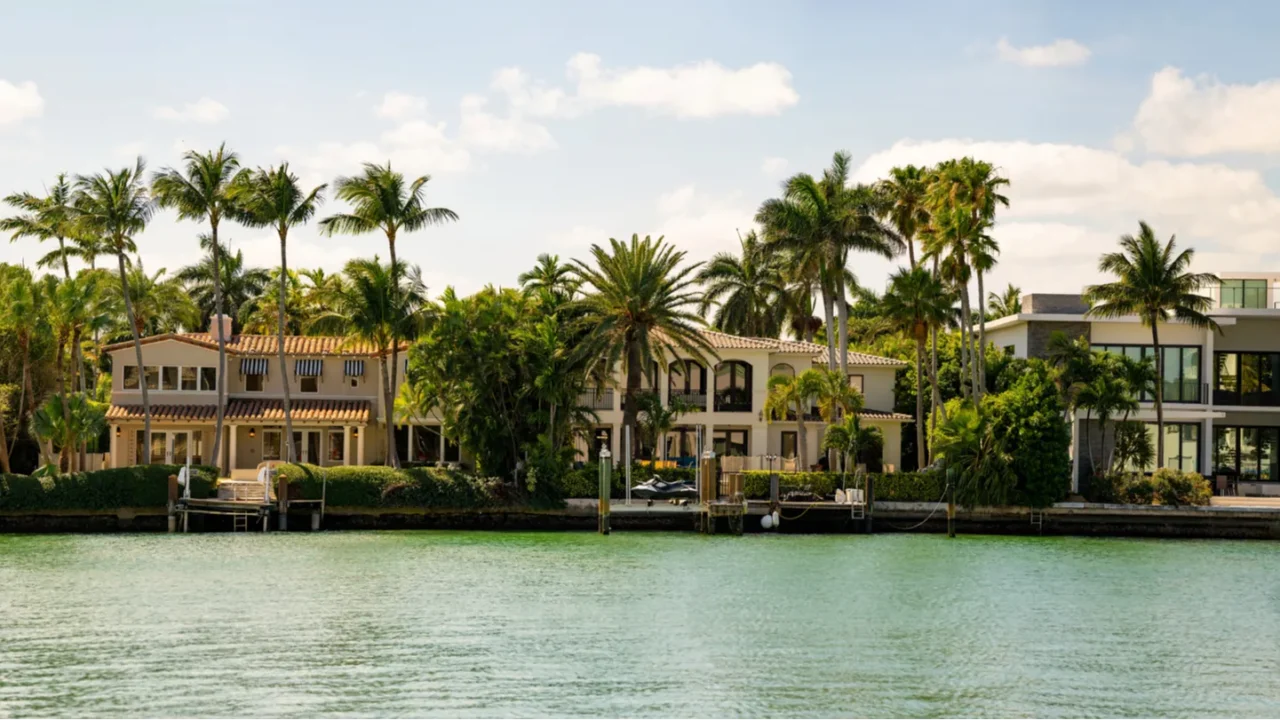
The “Billionaire Bunker” effect
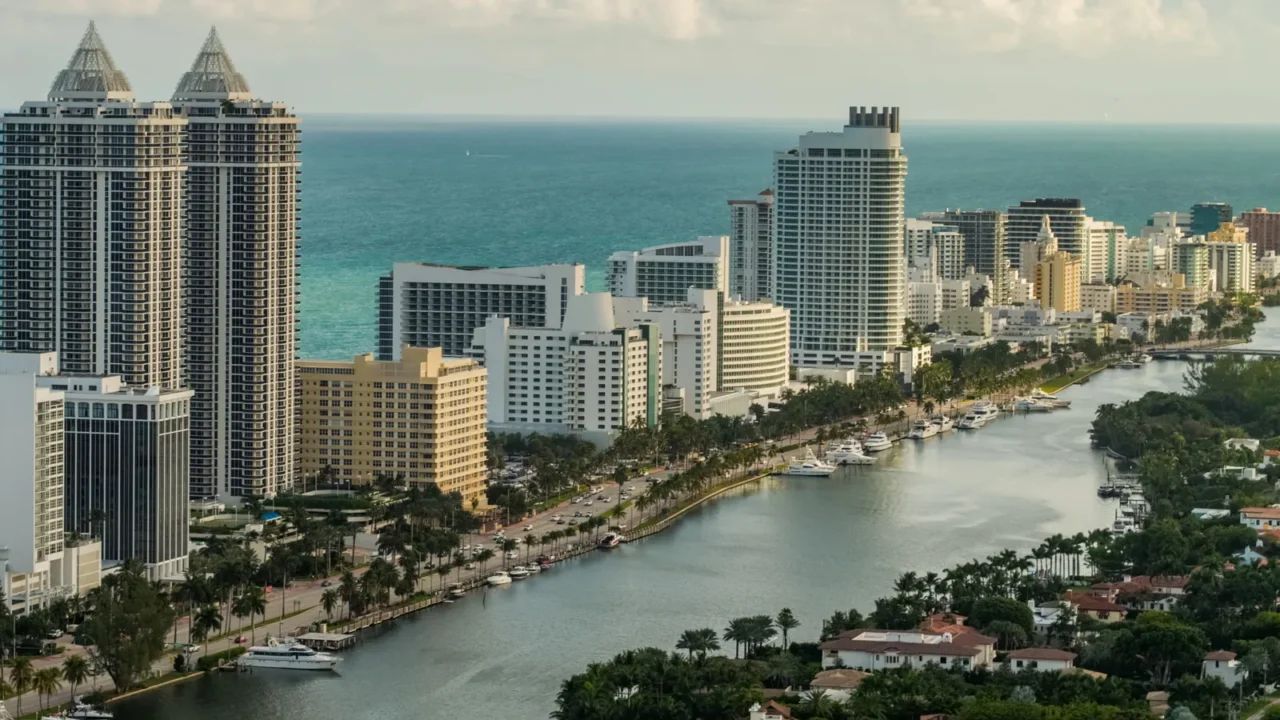
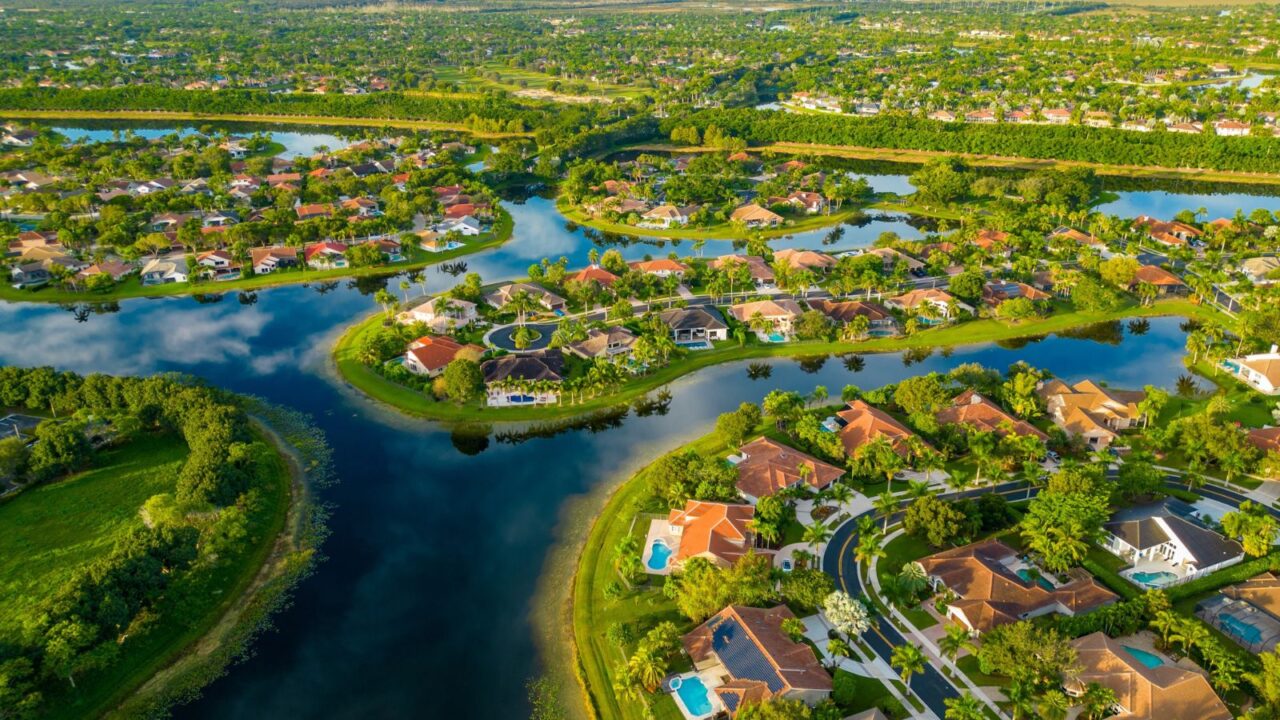
Indian Creek, nicknamed the ‘Billionaire Bunker,’ is a gated village with roughly 41 residential sites and its own village government and police force, which is why it attracts high-profile buyers.
This is not a normal “Miami neighborhood” story. It is a controlled, low-traffic place where security is the main feature. If you want a quiet waterfront life with major protection, this island is basically the blueprint.

What reports say about Zuckerberg
The Wall Street Journal reported Zuckerberg and Chan have been in talks to buy a waterfront mansion on Indian Creek. Coverage describes it as a high-dollar, off-market style deal in an ultra-private setting. Meta has not confirmed a move publicly.
Some reports say the purchase is in late stages, while others suggest details are still fluid. That is common with trophy homes, where deals can shift quietly. The safest takeaway is that Miami is clearly on their radar.
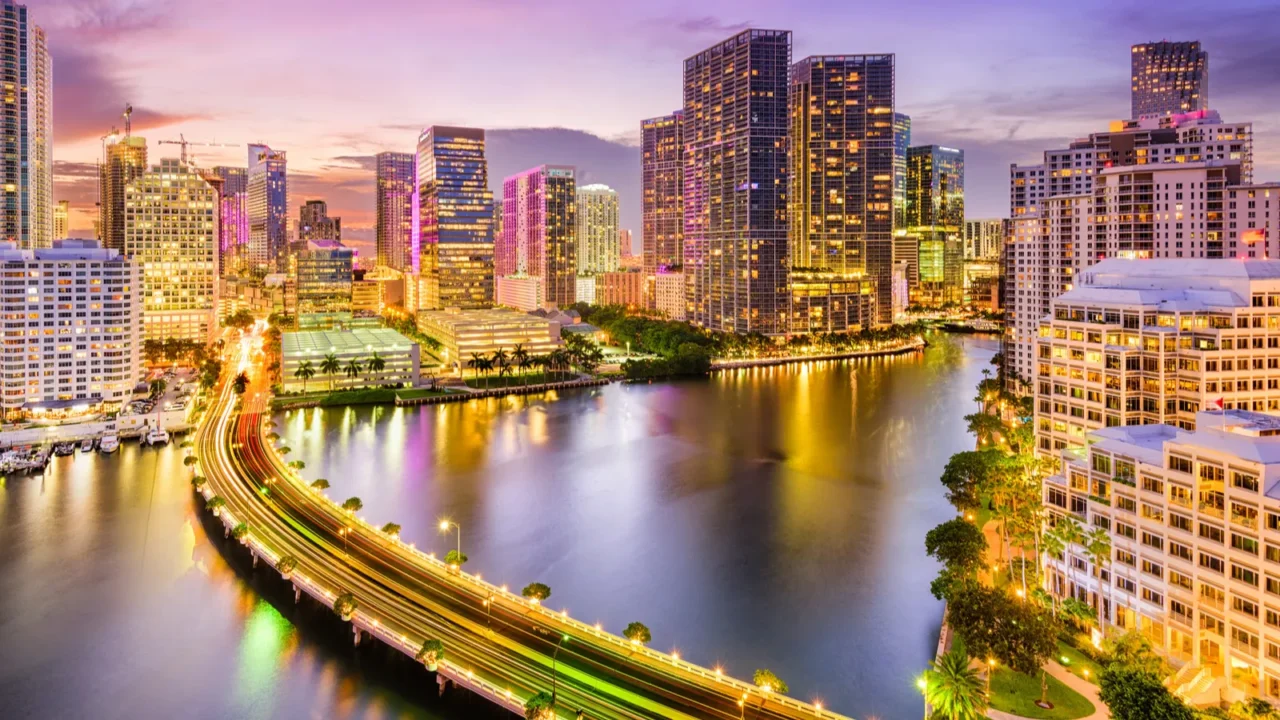
Why Florida’s taxes change the math
Florida does not levy a personal state income tax. For top earners, that alone can reshape where they spend most of the year. It is one reason Florida keeps getting framed as a “no-tax wave” destination.
That does not mean life is “cheap” there. Luxury property taxes, insurance, and staffing costs can still be massive. But for the ultra-wealthy, income-tax savings can be a powerful motivator.

California’s billionaire tax proposal
California has a ballot initiative proposal often called the “2026 Billionaire Tax Act.” It would impose a one-time 5% tax tied to personal wealth above a $1 billion threshold. The proposal also includes detailed rules on valuation and administration.
Supporters frame it as a way to raise major revenue from a very small group. Critics argue it could drive wealthy residents to leave. Either way, it has become a real talking point in relocation chatter.

The “move before the deadline” scramble
One reason this proposal gets so much attention is timing. The measure has been discussed with dates that could make people plan their residency carefully. That creates a rush mindset, even before anything passes.
That “calendar pressure” is where Florida benefits. If you already own property in Miami, shifting time spent there is easier. So big real estate buys can be both lifestyle moves and legal planning moves.
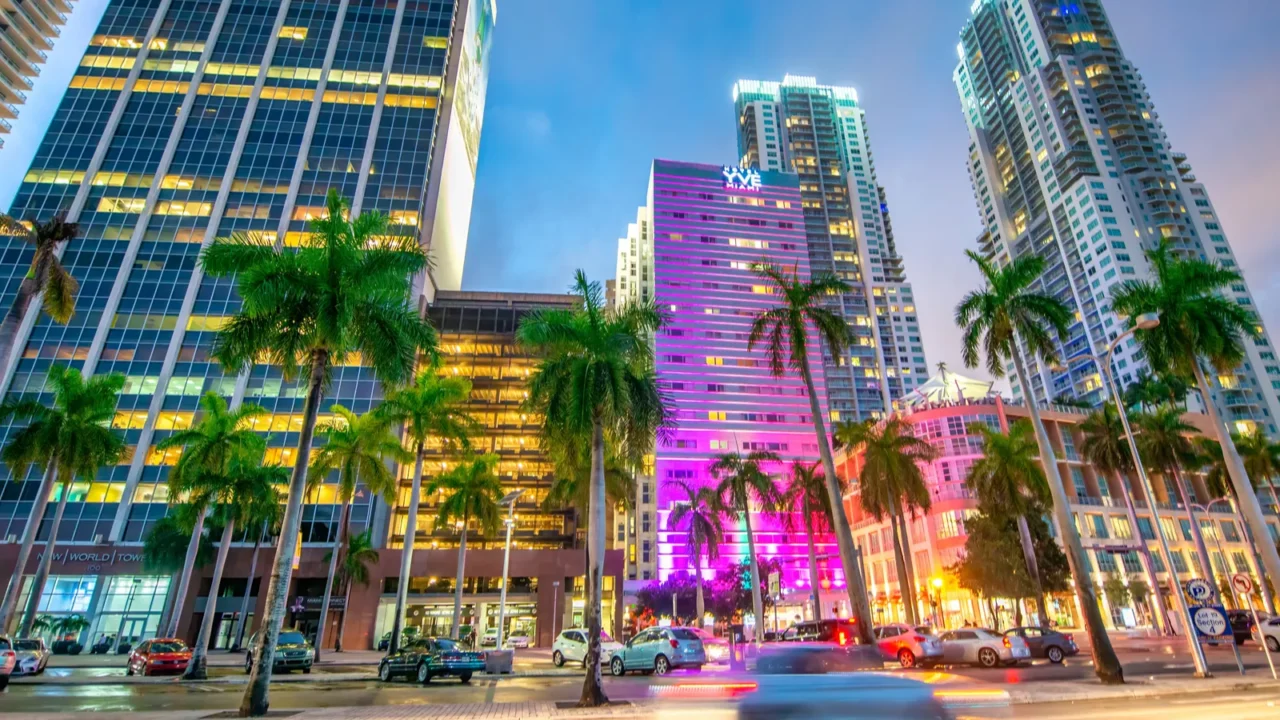
Miami’s new status symbol is stability
Miami used to be seen as a party city and a retirement spot. Now it is also a business address, a finance hub, and a tech-friendly brand. That shift is why the ultra-wealthy keep treating it like a long-term base.
Even as Florida’s overall migration cooled from pandemic highs, Miami has still stood out as a “wealth magnet.” People are not only moving because of the weather. They are moving for networks, influence, and a different tax structure.
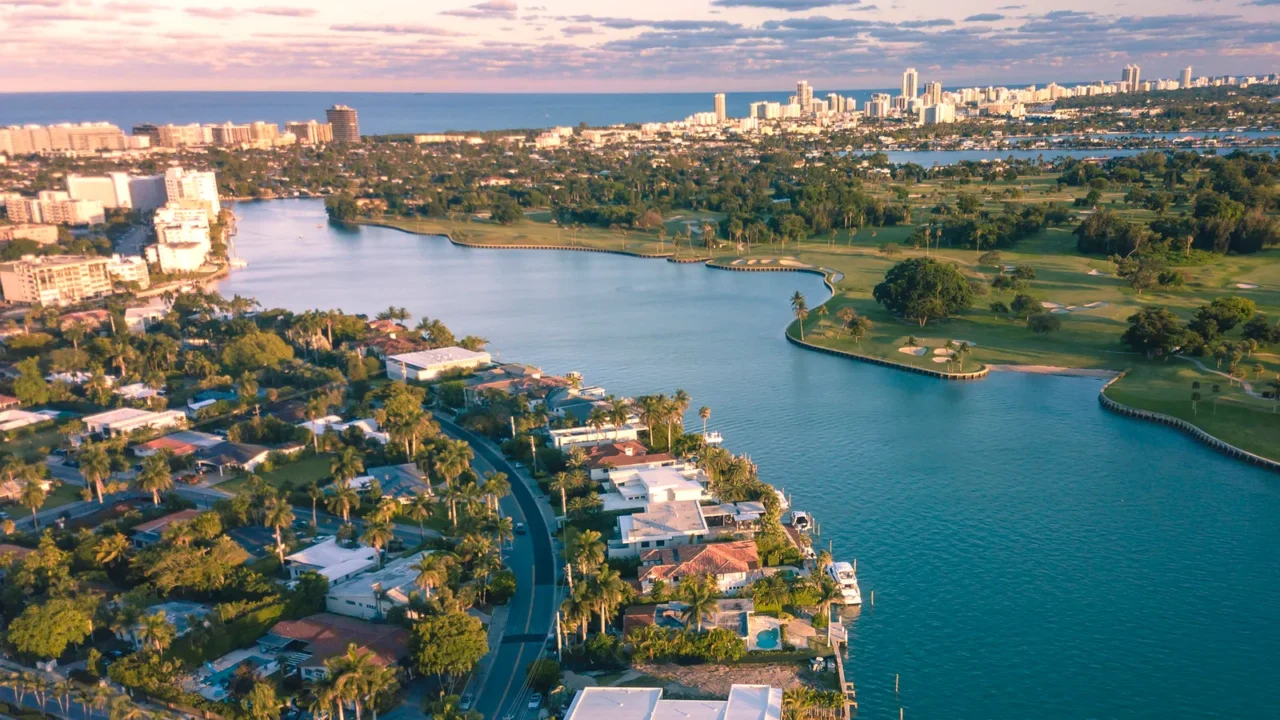
Why Indian Creek is the ultimate flex
Indian Creek is not just expensive, it is scarce. There are very few properties, and waterfront lots are limited. That pushes prices into a different universe from normal Miami Beach luxury.
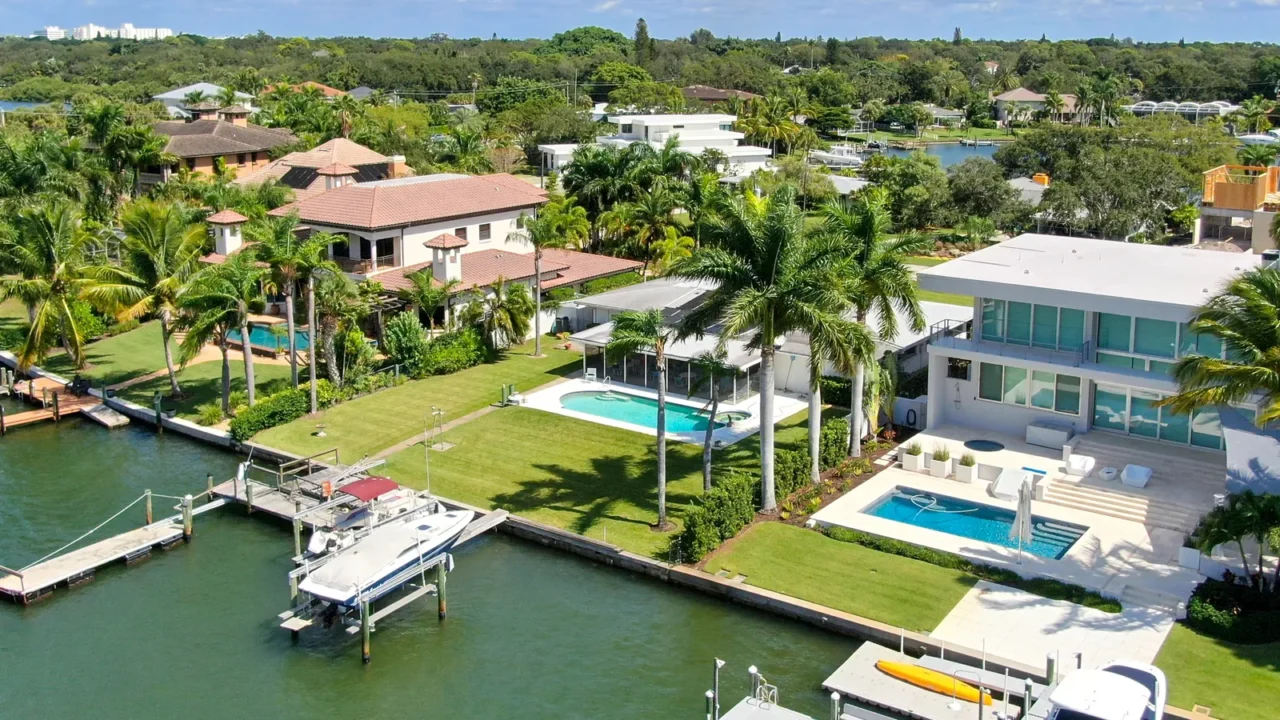
It also attracts buyers who want space for docks and private boating. The island’s layout makes it feel like a guarded resort instead of a suburb. For billionaires, that mix of privacy and water access is the prize.
Little-known fact: Indian Creek was incorporated as a village on May 17, 1939.
The neighbor factor is part of the story
Indian Creek is known for its famous residents and high-profile buyers. Jeff Bezos bought multiple properties there, according to reporting, and the island keeps drawing A-list wealth. That creates a “safe circle” effect for people who want privacy.
When big names stack into one small place, the area becomes even more insulated. It can mean a stricter security culture and more controlled access. It also pushes prices higher because buyers want in.
Little-known fact: Florida voters adopted a constitutional prohibition on a state income tax in 1924, and later amendments only allowed a corporate income tax.
This is bigger than one celebrity home
The headline may be Zuckerberg, but the pattern is broader. Other tech leaders have also been tied to Florida moves or major buys. It is part of a longer trend of wealth shifting to no-income-tax states.
That does not mean Silicon Valley is “emptying.” Many executives keep homes in multiple states and split their time. But Florida is increasingly on the short list for primary residency planning.
A Miami home does not equal “moved”
Buying a mansion in Florida is not the same as changing residency. States look at where you spend time, where your family lives, and where your key ties are. That is why relocation stories can be messier than a single purchase.
It also explains why some reports hedge their wording. A person can buy a property for privacy, business, or travel convenience. The legal “moved” label is a separate step with separate proof.
Why “April 2026” talk keeps popping up
Some coverage has floated move-in timelines like spring 2026. With luxury construction and off-market deals, timelines can change fast. That is why different outlets sometimes describe different stages of the same story.
What matters more is the direction of travel, not the exact month. Miami is being treated as a serious base for elite buyers. And Indian Creek remains one of the clearest signals of that status.
Want to see why 11 big-name companies left, what critics say California did wrong, and what supporters argue gets blamed unfairly? Check out how billions were lost as 11 corporate giants fled California, and the blame game is going on.
Florida’s win comes with tradeoffs
Florida’s tax advantage is real, but the lifestyle comes with costs. Waterfront homes can mean higher insurance complexity and storm-season planning. Even wealthy buyers weigh those risks, not just the tax line.
There is also the reality that luxury Florida is not “laid-back Florida.” Places like Indian Creek run on tight rules, security protocols, and a very controlled vibe. You gain privacy, but you live inside a bubble.
Want to know why companies are packing up for places like Texas and Florida and how it could ripple into jobs, prices, and local services where you live? Check out the real reasons businesses are fleeing California (and what it means for you).
What are your thoughts on this news? Share your views in the comments.
This slideshow was made with AI assistance and human editing.
Don’t forget to follow us for more exclusive content right here on MSN.
Read More From This Brand:
