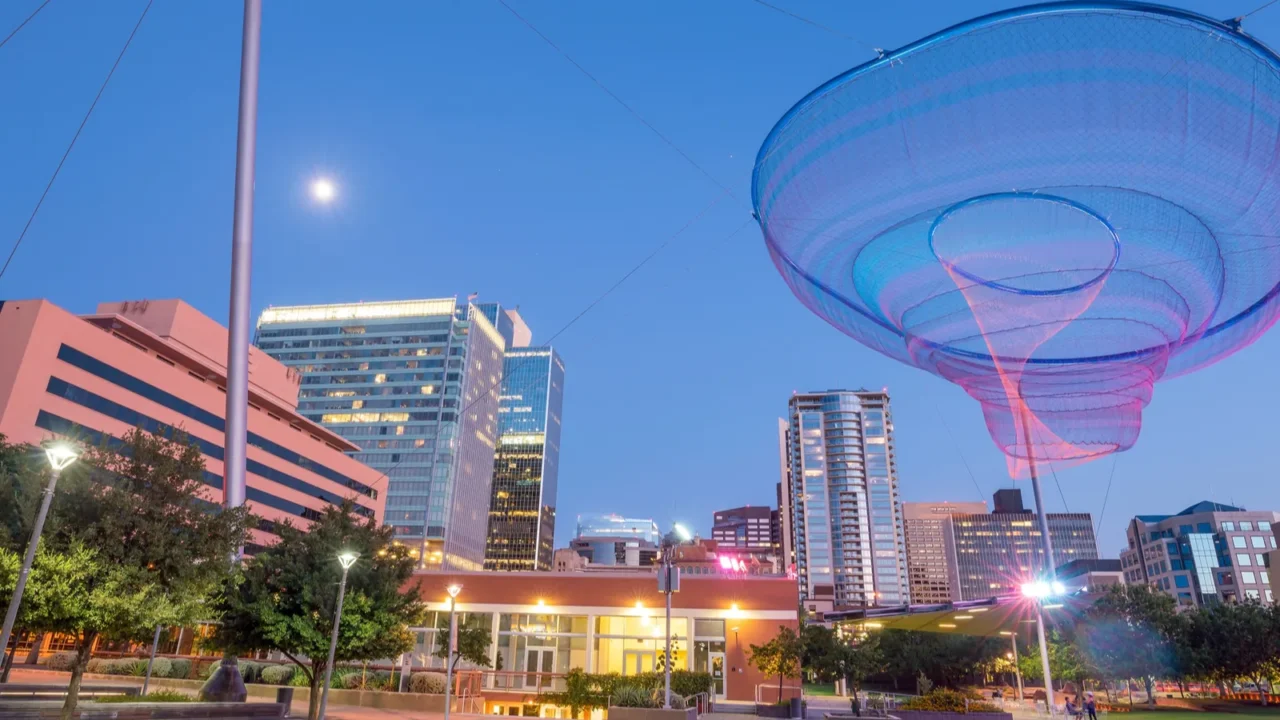
Phoenix tourism adapts to heat
Visit Phoenix (the city’s official destination marketing organization) and local tourism partners are highlighting new strategies to manage extreme summer heat while keeping visitor activity steady across the region. Record high temperatures in recent years have led to a shift in how tourism is planned and promoted. Evening tourism is now emerging as a central focus for summer travel in the desert city.
Phoenix continues to attract visitors even during peak heat months, thanks to new programming and adjusted schedules. Tourism officials are working with local businesses to create experiences that fit cooler evening hours. These changes are helping maintain steady travel demand despite rising temperatures.

Evening travel gains popularity
Phoenix is seeing increased interest in nighttime activities as temperatures drop after sunset. Visitors are choosing late dining, evening attractions, and night tours to avoid daytime heat. This shift is changing how travel itineraries are structured across the city.
Evening tourism offers a more comfortable way to experience outdoor spaces and cultural sites. Many attractions now extend hours to accommodate visitors during cooler periods. Phoenix is positioning nighttime experiences as a key part of summer travel.
Extreme heat shapes tourism
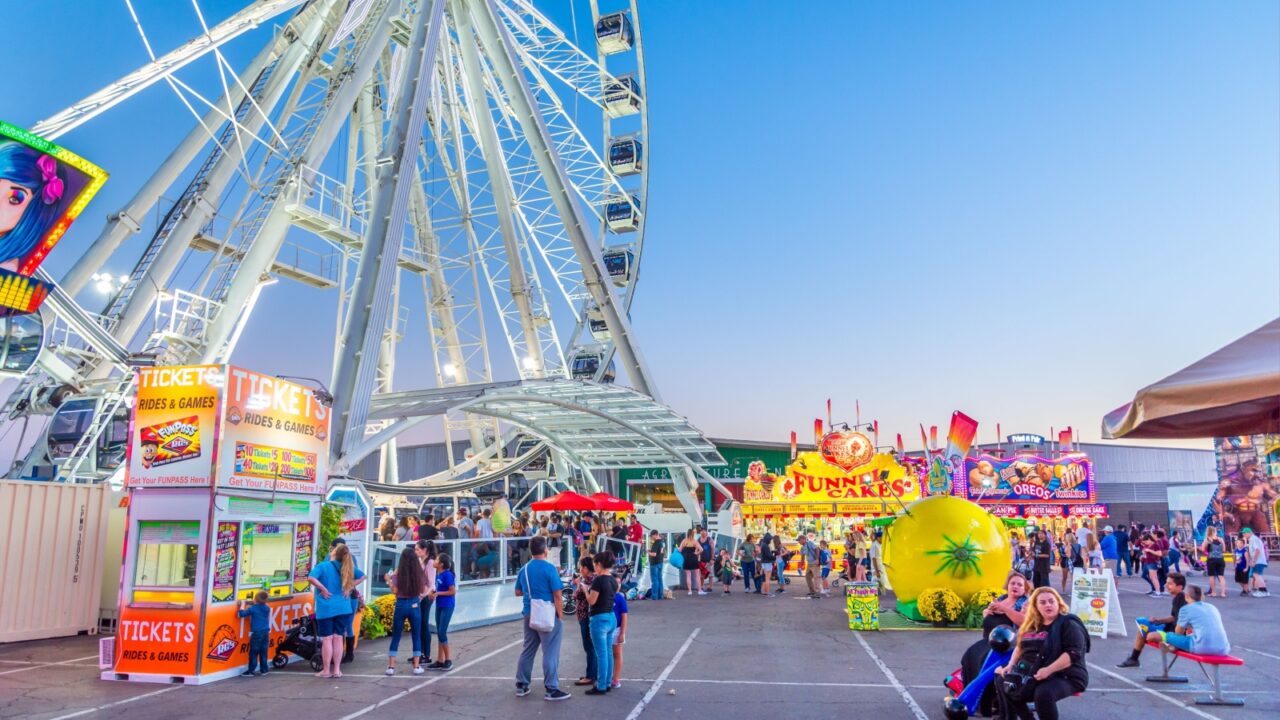
Phoenix’s hottest month is July, with an average high near 106°F, and the metro typically records multiple days each summer with highs at or above 110°F; extreme heat is a recurring operational concern for tourism and city services.
Local authorities have increased public awareness campaigns about heat safety for both residents and visitors. Cooling centers and hydration stations are more widely available during extreme heat alerts. These efforts support safer travel experiences across the city.
Attractions shift operating hours
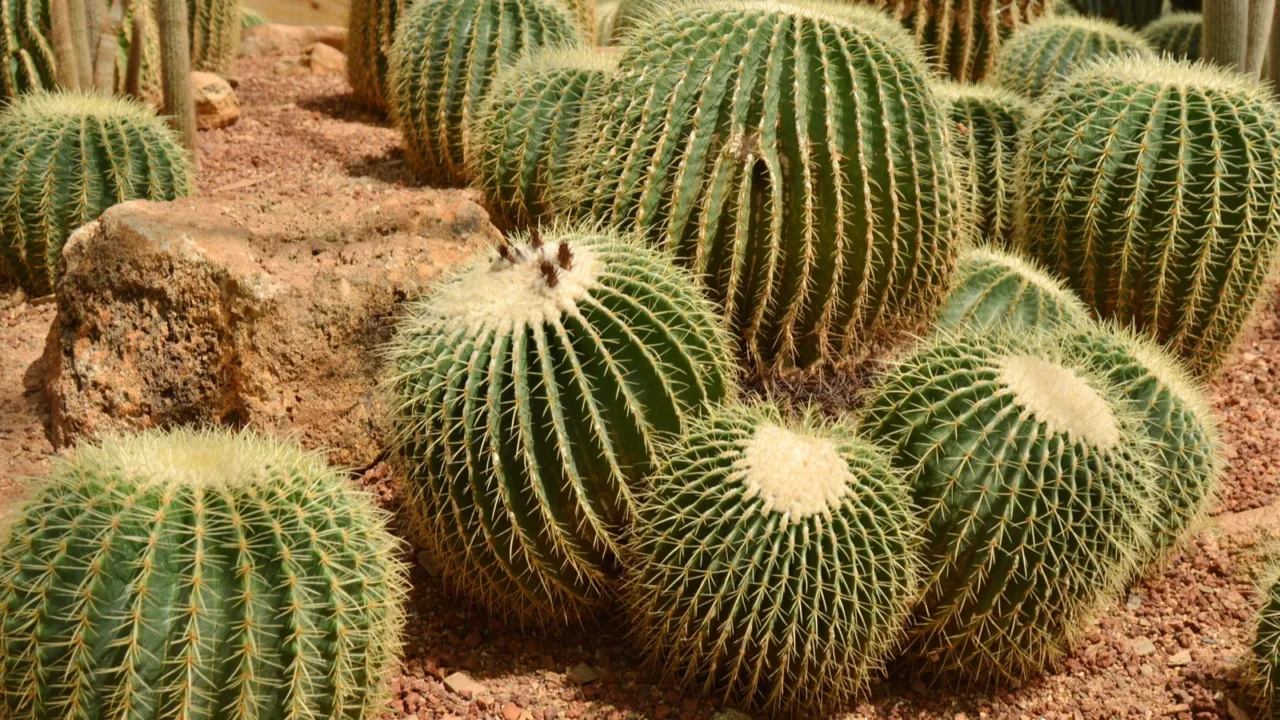
Popular attractions across Phoenix are adjusting their schedules to align with cooler evening hours. Museums, botanical gardens, and outdoor venues are offering extended evening access during the summer months. This allows visitors to explore comfortably without peak heat exposure.
Destinations like Desert Botanical Garden host evening programs that highlight desert landscapes after sunset. Cultural venues and public spaces are also adding nighttime events to attract visitors. These changes reflect a broader shift in tourism planning.
Dining scene moves later
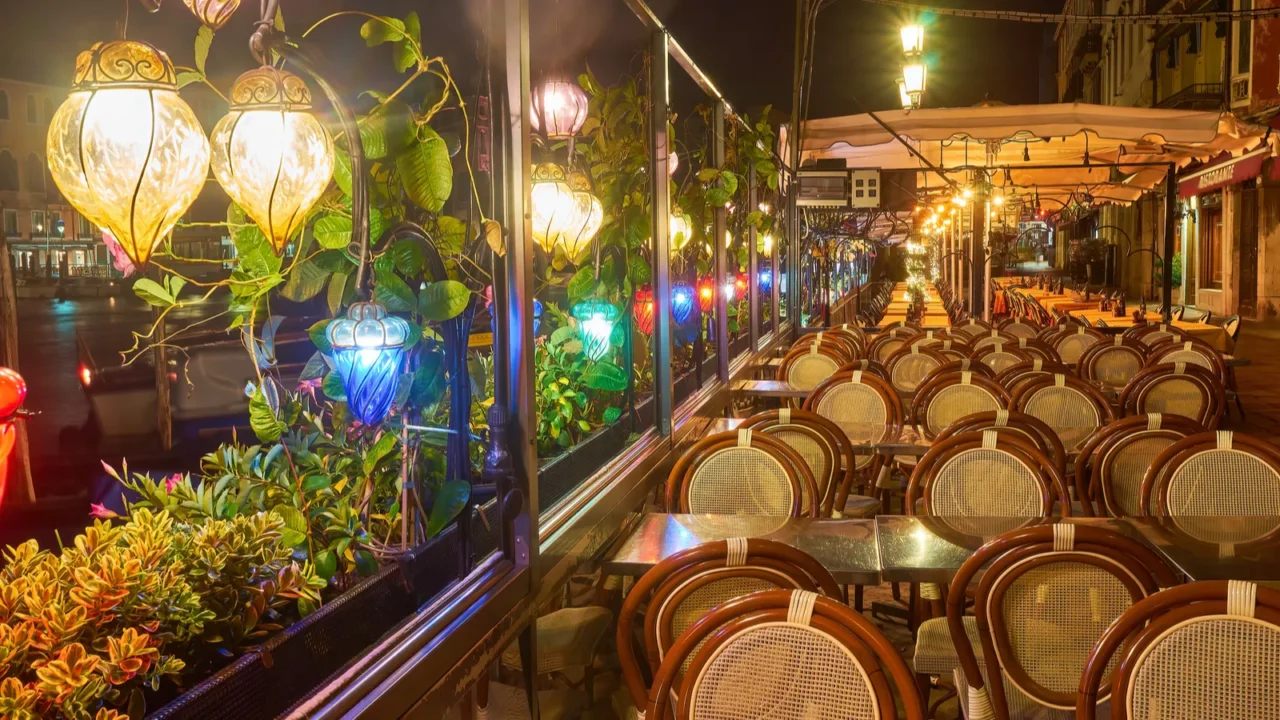
Restaurants in Phoenix are embracing later dining hours during the summer to match visitor preferences. Outdoor patios and rooftop venues become more active after sunset when temperatures drop. This trend is shaping the local hospitality industry during the heat season.
Night markets and food events are also becoming more common in central Phoenix and surrounding neighborhoods. Visitors can explore local cuisine in a more comfortable environment during evening hours. Dining has become a major part of nighttime tourism.
Desert nights offer comfort
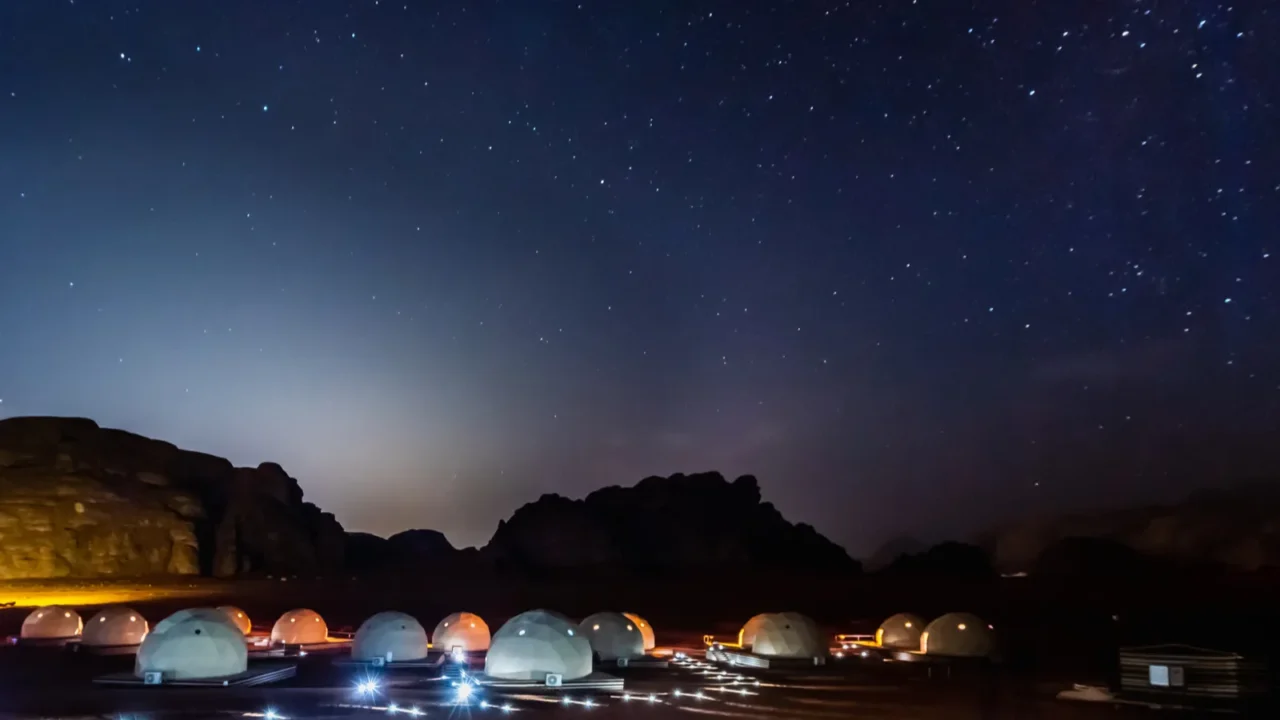
Desert evenings bring noticeable temperature drops compared to daytime highs, creating a more pleasant environment for outdoor activities. Phoenix can see temperature differences of more than 30°F between daytime highs and nighttime lows during summer. This natural cooling effect supports the growth of evening tourism.
Visitors are increasingly planning walks, outdoor shows, and sightseeing after sunset. Parks and urban trails become more accessible once the sun goes down. Evening comfort is a key factor in Phoenix summer travel strategies.
Nighttime events expand rapidly
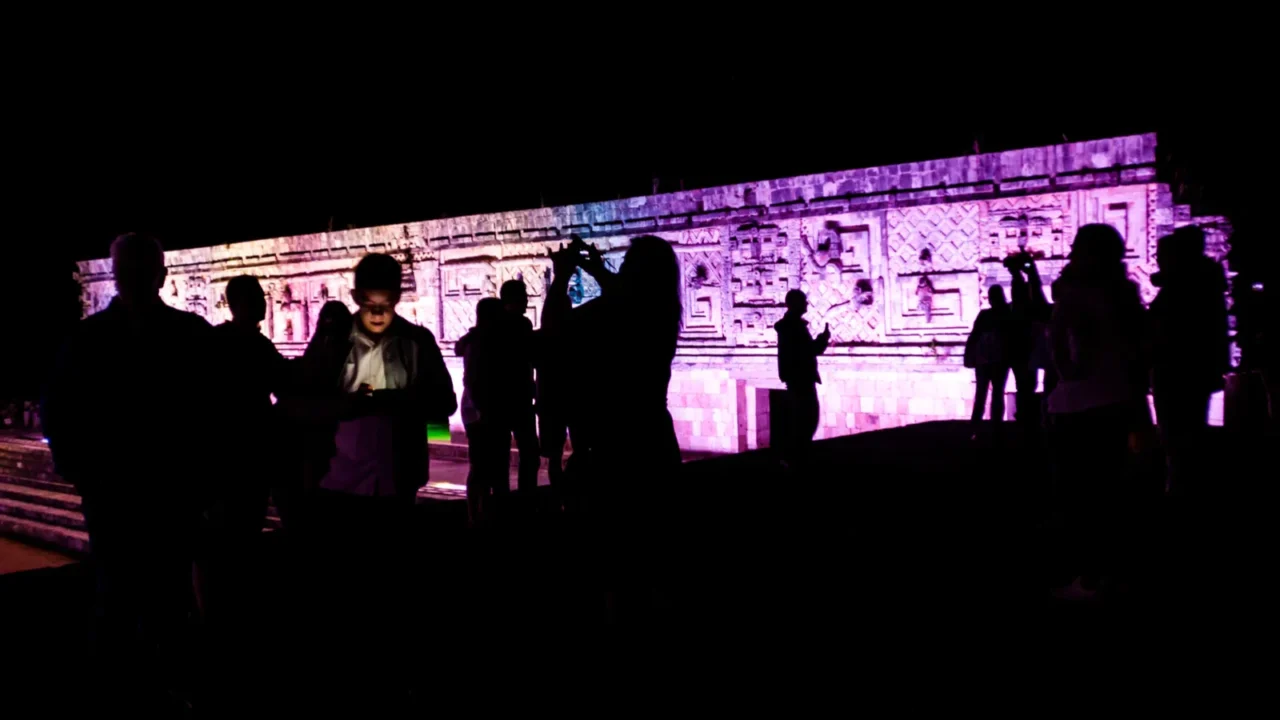
Phoenix is expanding its calendar of evening events to attract summer visitors. Concerts, outdoor movies, and guided night tours are becoming more common across the city. These events provide entertainment options that align with cooler temperatures.
Fun fact: Visit Phoenix and local venues list dozens of evening programs and seasonal night events each summer, and the city’s event calendars show growing late-evening activity as organizers adapt to hotter daytime temperatures.
Hotels adapt guest experience
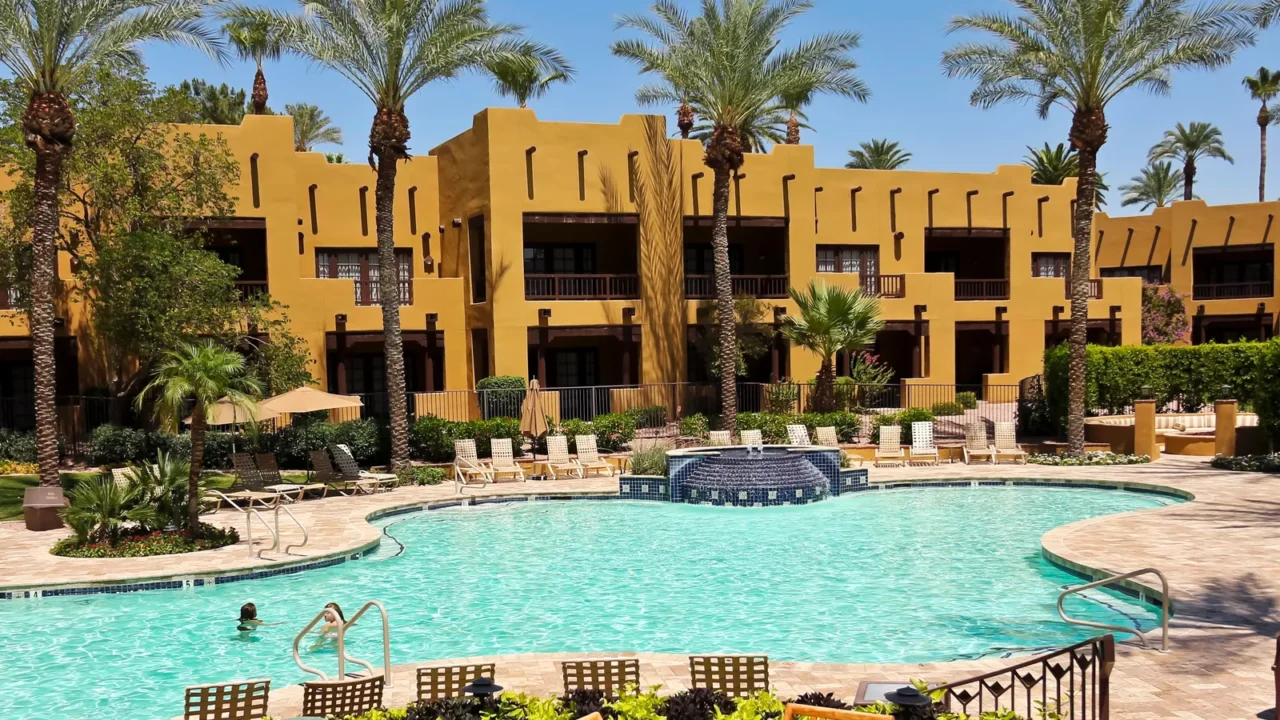
Hotels in Phoenix are adjusting services to match changing visitor behavior during the summer. Many properties offer late check-in options, evening pool hours, and indoor daytime activities. These changes help guests stay comfortable during peak heat periods.
Resorts are also promoting spa services and shaded amenities during daytime hours. Evening entertainment programs are becoming more common within hotel properties. Hospitality providers are adapting to meet evolving traveler needs.

Outdoor activities go nocturnal
Outdoor recreation in Phoenix is shifting toward early morning and evening schedules. Hiking, biking, and desert tours are often planned around sunrise or sunset to avoid extreme heat. This approach allows visitors to experience nature safely.
Guided night hikes and stargazing tours are gaining popularity in desert areas around Phoenix. These experiences offer unique views of the landscape under cooler conditions. Outdoor tourism continues to adapt to the desert climate.
Transportation patterns also change
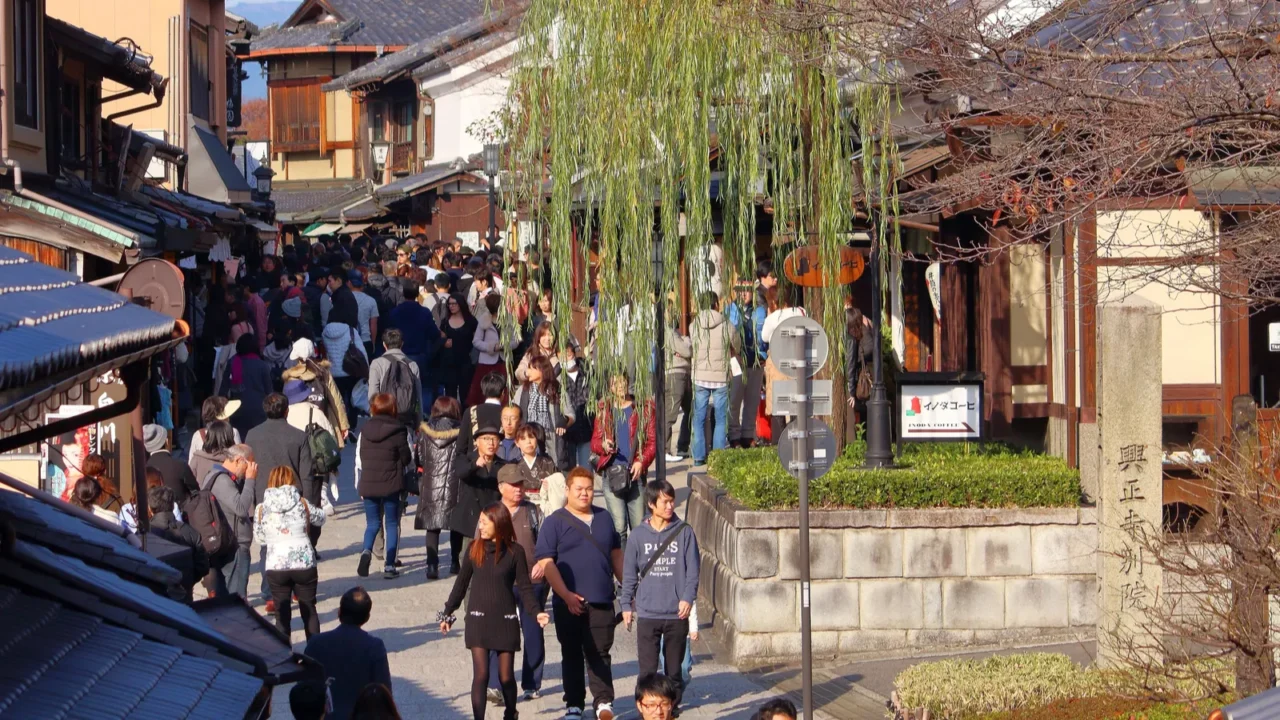
Transportation habits in Phoenix are shifting as visitors plan activities during cooler hours. Ride sharing, public transit, and evening traffic patterns reflect increased nighttime movement. This shift influences how the city manages tourism flow.
Air travel schedules also see adjustments during peak summer heat. Flights often operate earlier in the morning or later in the evening to avoid extreme temperatures. These changes support safer and more efficient travel operations.
Retail and entertainment adjust
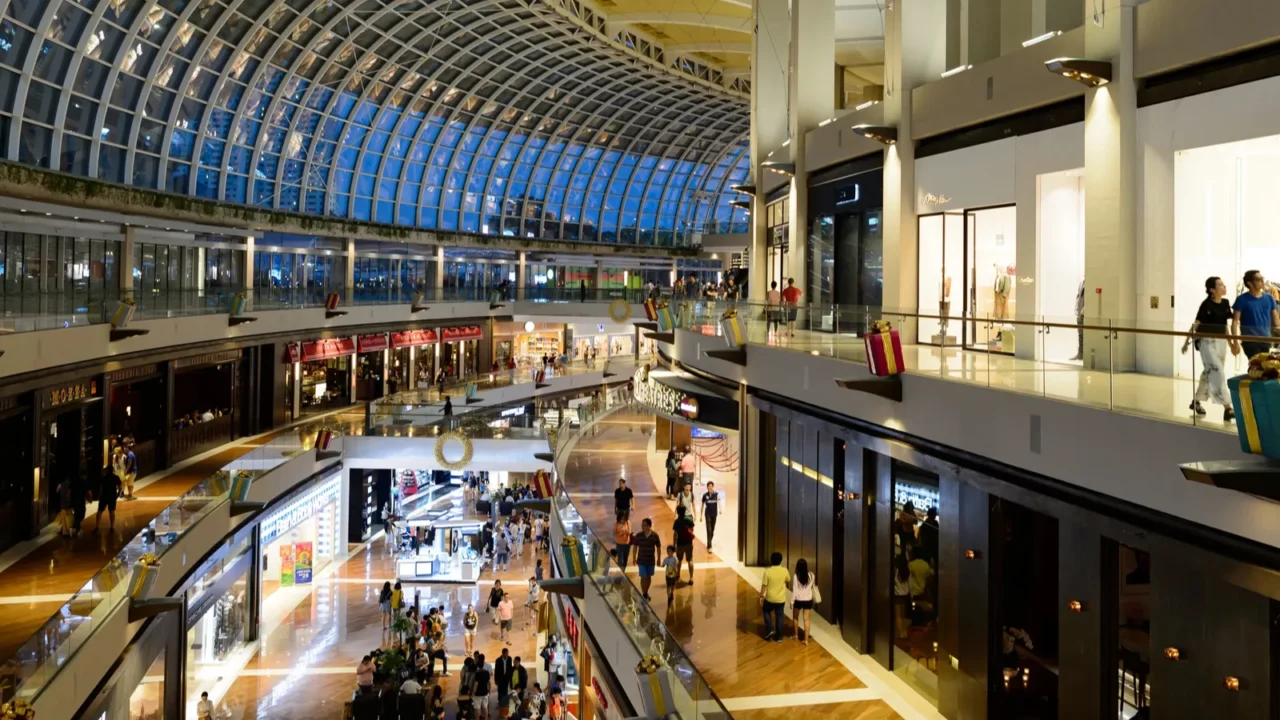
Shopping centers and entertainment venues in Phoenix are extending evening hours to attract visitors. Indoor malls, cinemas, and entertainment districts become more active after sunset. This trend supports the city’s evening tourism strategy.
Retail businesses are aligning promotions and events with nighttime schedules. Visitors are encouraged to explore indoor attractions during the hottest parts of the day. Evening shopping experiences are becoming more prominent.

Public safety remains priority
City officials continue to emphasize heat safety during summer travel in Phoenix. Public messaging encourages hydration, shade, and awareness of heat-related illness risks. Emergency services remain prepared for extreme weather conditions.
Cooling centers and public resources are available throughout the city during high heat periods, while travelers often compare urban desert strategies with coastal leisure trends like seaside boardwalks in the USA that bring back endless summer energy. These services support both residents and visitors during peak temperatures. Safety remains central to tourism planning.
Evolving travel experience ahead
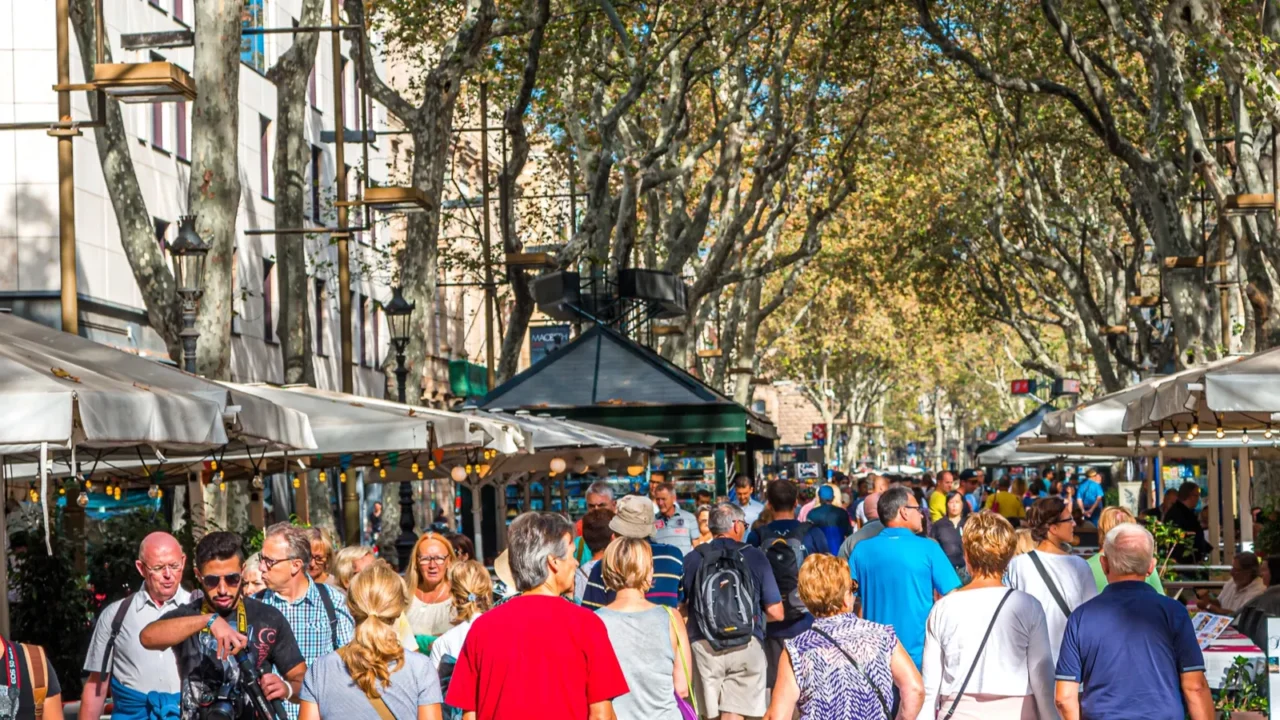
Phoenix is reshaping summer tourism by focusing on evening experiences that align with desert conditions. These changes allow the city to remain a popular destination despite rising temperatures. Travel patterns are evolving to match new climate realities.
The best trips balance comfort and exploration in changing environments. Which evening experiences in desert cities feel most appealing for summer travel plans? Share thoughts below.
This slideshow was made with AI assistance and human editing.
Don’t forget to follow us for more exclusive content right here on MSN.
Disclaimer: The images used are for illustrative purposes only and do not depict the actual locations mentioned.
Read More From This Brand:
