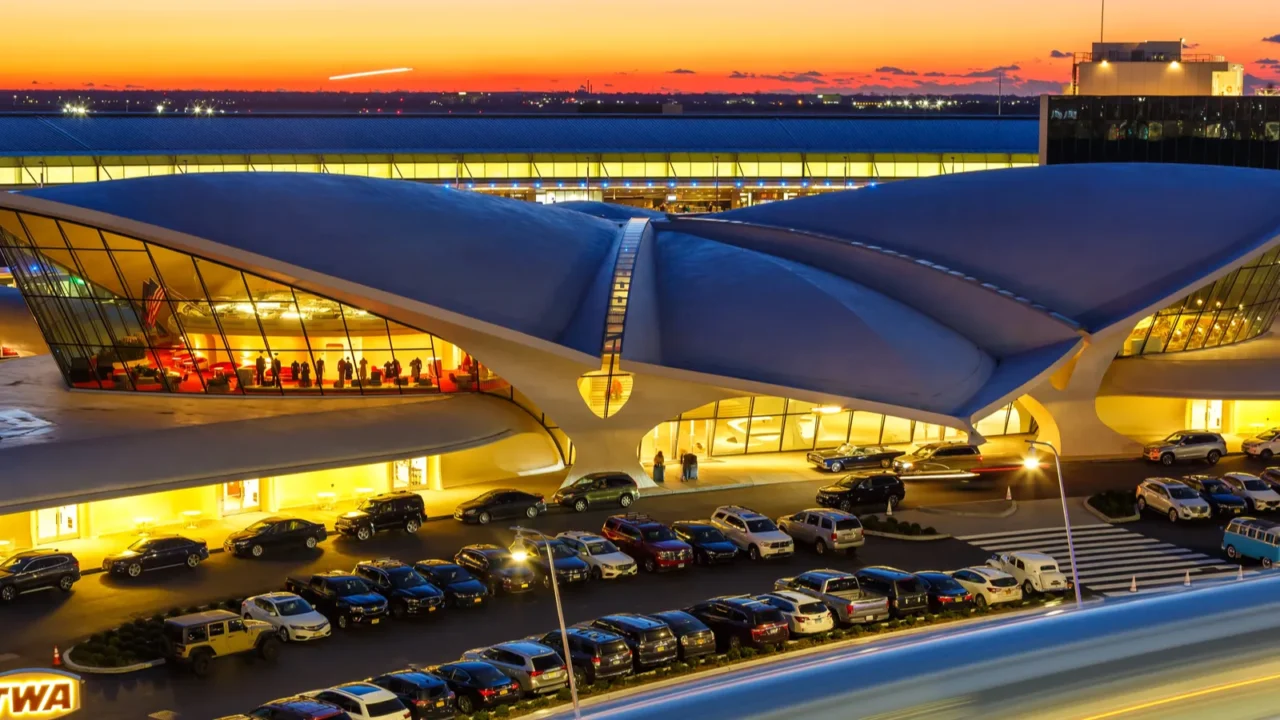
The sky has a new standard
Airport infrastructure investment has surged globally, with billions of dollars being redirected toward passenger comfort, terminal design, and technology integration. Major hubs across North America, Asia, and the Middle East are undergoing structural and experiential transformations unlike anything seen in commercial aviation history.
This shift reflects a growing recognition among airport authorities and airlines that the journey begins long before boarding. Governments and private stakeholders are treating airports as destinations in their own right, not simply transit corridors.
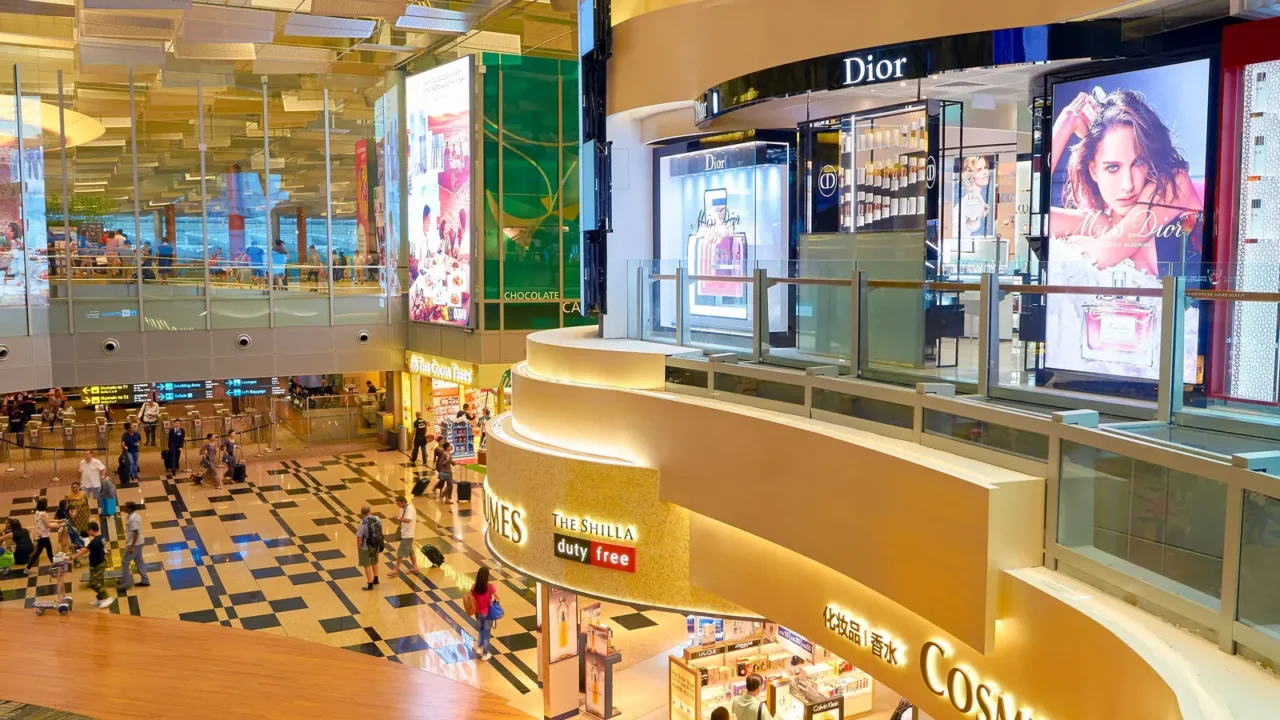
Singapore Changi $1.7 billion bet
Singapore’s Changi Airport, already considered the finest in the world by Skytrax for 12 consecutive years, is committed to a $1.7 billion expansion of Terminal 2 completed in 2024. The upgrade doubled terminal capacity and introduced biometric-only check-in lanes that eliminate nearly all manual document handling.
Beyond efficiency, Changi embedded indoor gardens, expanded retail districts, and introduced personalized digital concierge screens throughout. The airport does not just move people; it gives them a reason to arrive early.
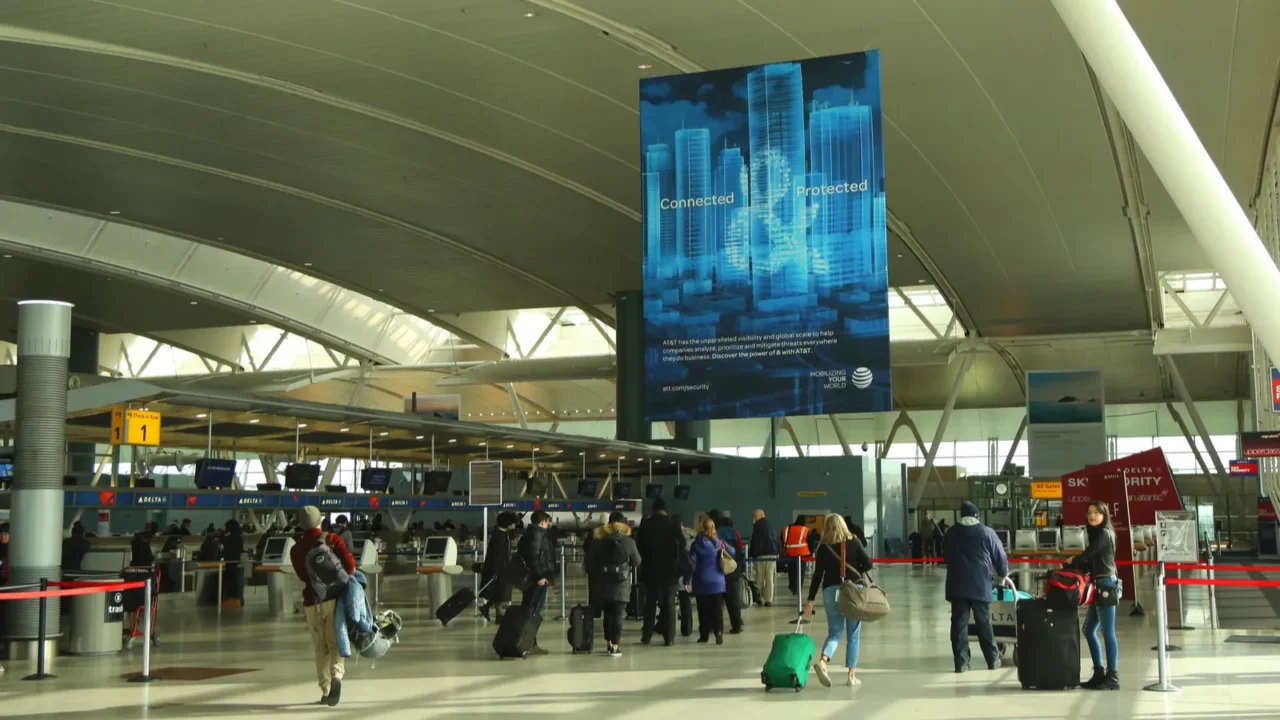
New York JFK is finally getting fixed
New York’s John F. Kennedy International Airport is undergoing a $19 billion overhaul, one of the largest airport redevelopment projects in United States history. The plan replaces aging terminals with two entirely new facilities designed for modern passenger volume and flow.
Terminal 6 is scheduled to open in phases beginning in 2026, while Terminal 1 is being rebuilt from the ground up. For a city that defines global ambition, JJFK had long faced criticism over aging infrastructure; this project addresses decades of deferred maintenance and fragmented design.
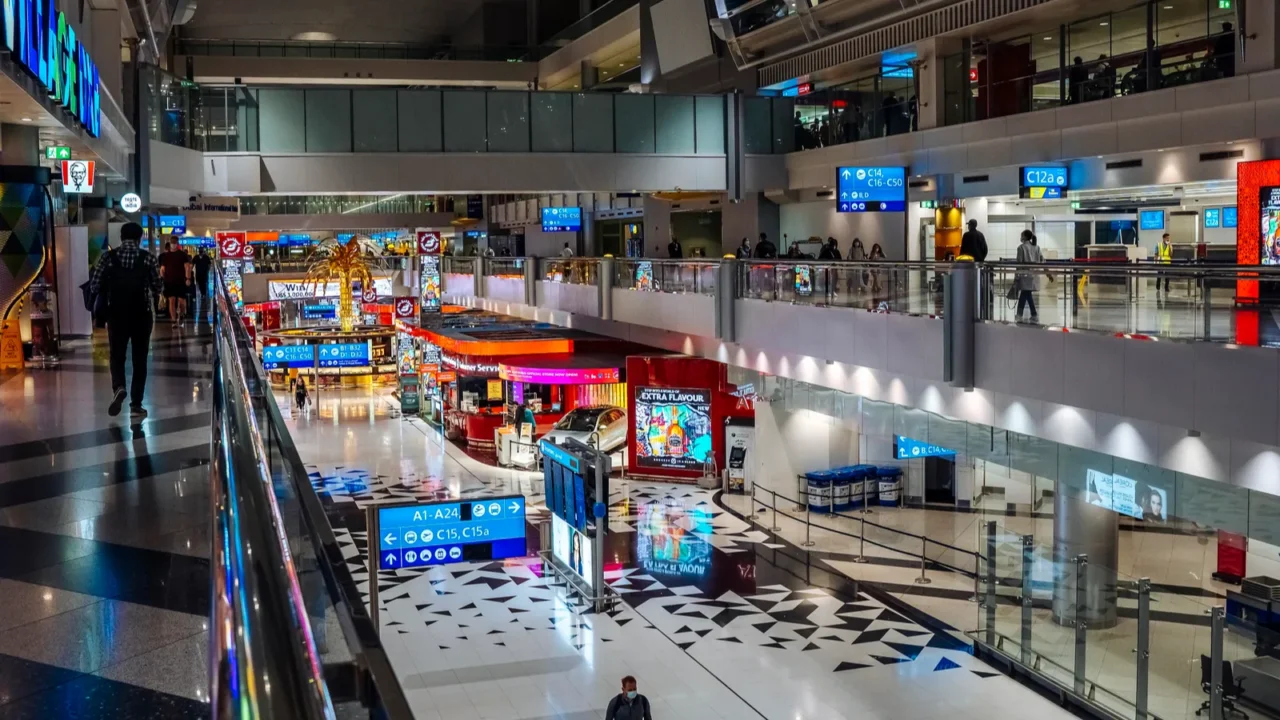
Dubai International goes even further
Dubai International Airport, the world’s busiest by international passenger traffic, is undergoing a phased program valued at over $35 billion, focused on the new Al Maktoum International Airport, designed to handle up to 260 million passengers annually.
Terminal interiors include wellness lounges, art installations curated by regional artists, and AI-driven crowd management systems. Dubai is not building an airport; it is engineering a city that happens to have runways.
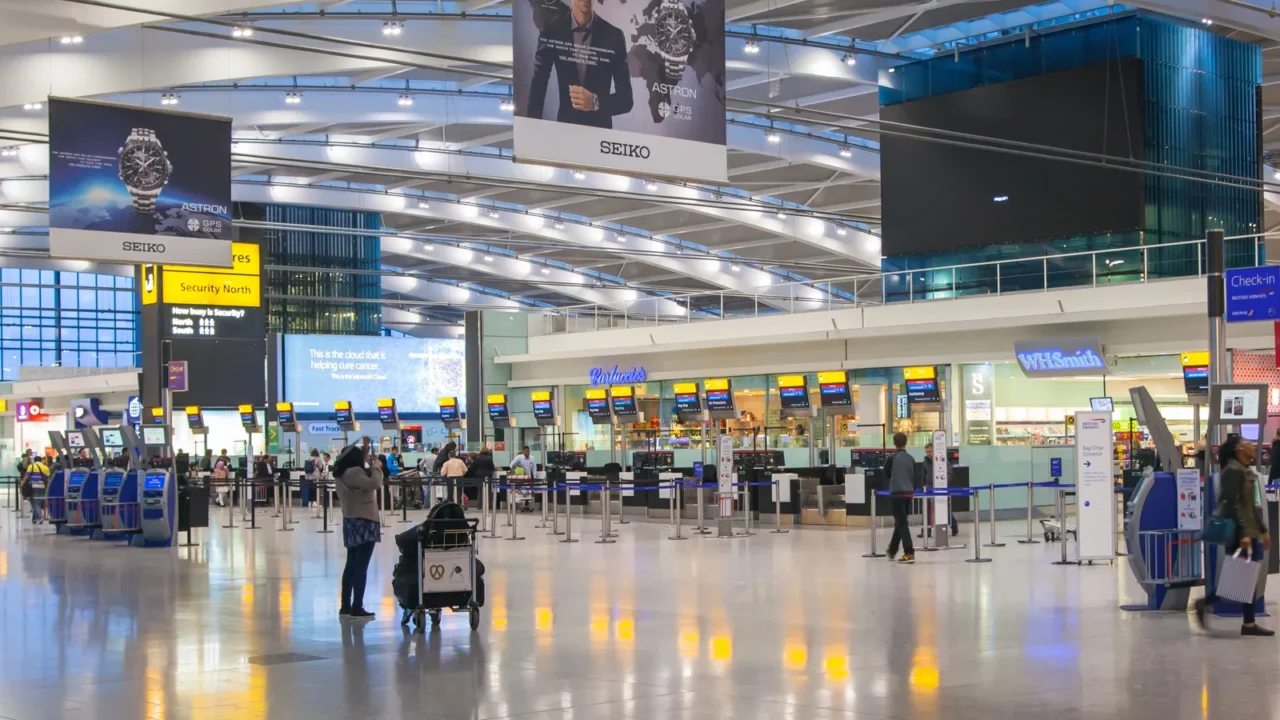
London Heathrow’s quiet revolution
London Heathrow Airport has directed over £3 billion toward terminal upgrades, sustainability infrastructure, and passenger flow improvements in recent years. Terminal 2, known as The Queen’s Terminal, received extensive interior renovations focused on reducing stress and increasing natural light throughout arrivals and departures.
Heathrow’s investment also prioritizes carbon reduction, with the airport aligning with the UK aviation sector’s goal of reaching net zero carbon emissions by 2050. What is being built is not simply a bigger airport but a fundamentally different kind of travel environment, one that passengers may actually look forward to entering.
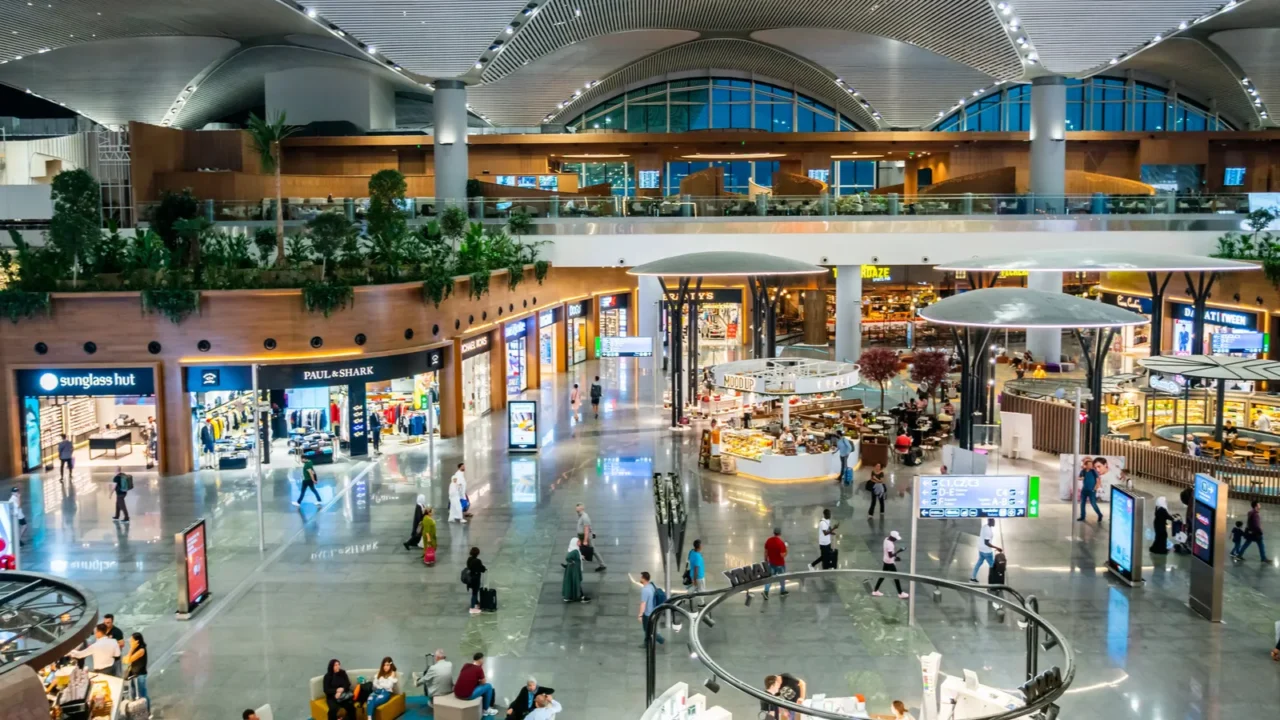
Istanbul airport stuns the world
Istanbul Airport, which opened in 2018 and expanded rapidly through 2024, now ranks among the top five busiest airports globally and represents one of the most ambitious construction achievements in modern infrastructure history. Built at a cost exceeding $12 billion, the airport covers a land area larger than the island of Manhattan.
Fun fact: Istanbul Airport’s single terminal covers 1.44 million square meters under one roof and was built and opened in a record 42 months.
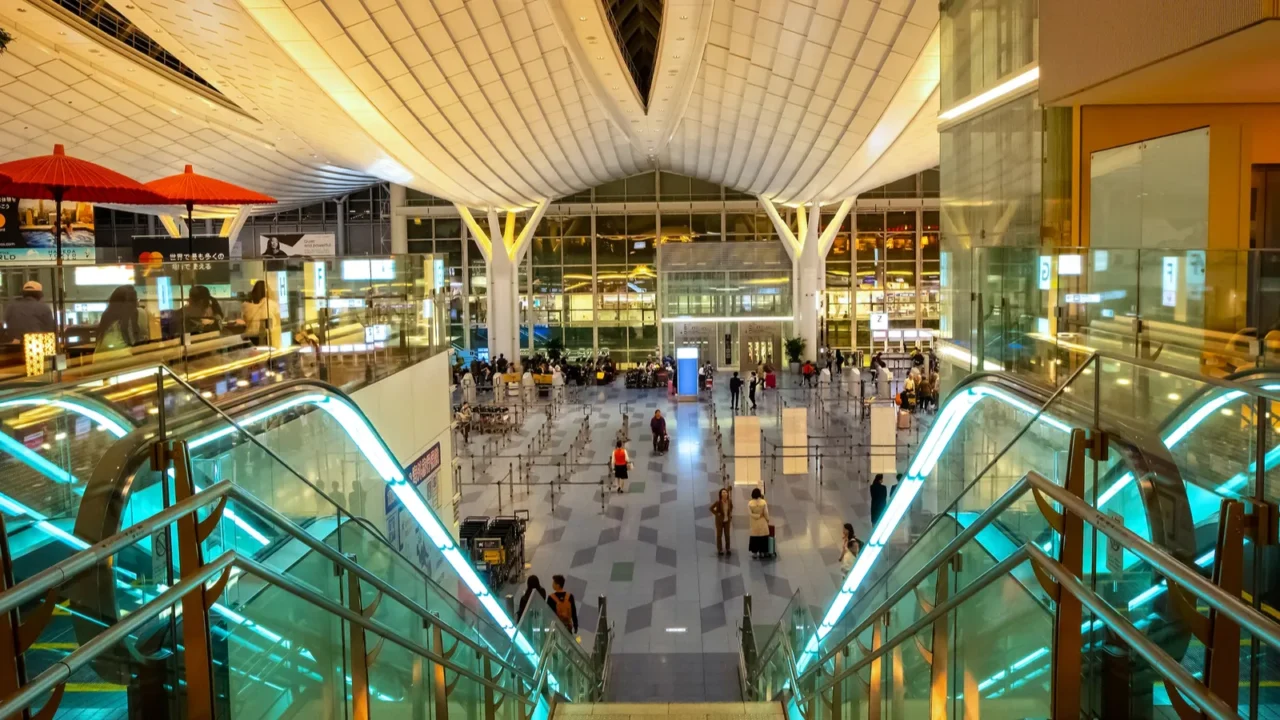
Tokyo Haneda’s precision upgrade
Tokyo’s Haneda Airport, long celebrated for its cleanliness and punctuality, invested billions in expanding international terminal capacity and introducing next-generation baggage handling systems. Upgrades include self-service bag drop stations integrated with facial recognition, removing the need for boarding passes at multiple checkpoints.
Japan’s approach reflects the national philosophy of omotenashi, anticipatory hospitality where needs are met before they are expressed. Every renovation decision at Haneda is filtered through that lens, producing an airport experience that feels less like logistics and more like genuine service.
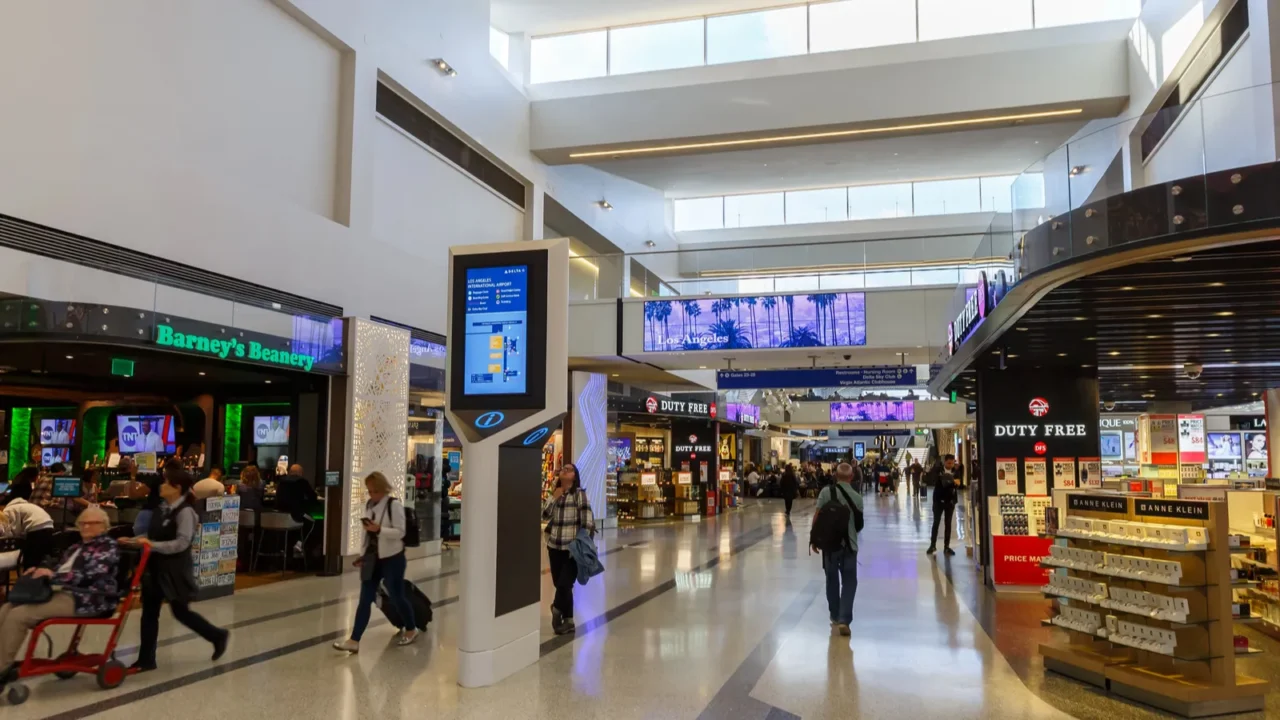
Los Angeles LAX transforms for the world
Los Angeles International Airport is investing approximately $30 billion in a comprehensive modernization effort tied to the city’s preparations for the 2028 Summer Olympics. The centerpiece is the Automated People Mover, an elevated train system connecting terminals to a new rental car facility and a transit hub linking LAX to the Los Angeles Metro Rail for the very first time.
Fun fact: LAX’s new Automated People Mover runs along a 2.25-mile elevated guideway with six stations and is projected to eliminate an estimated 117,000 vehicle miles of travel around the airport every single day.
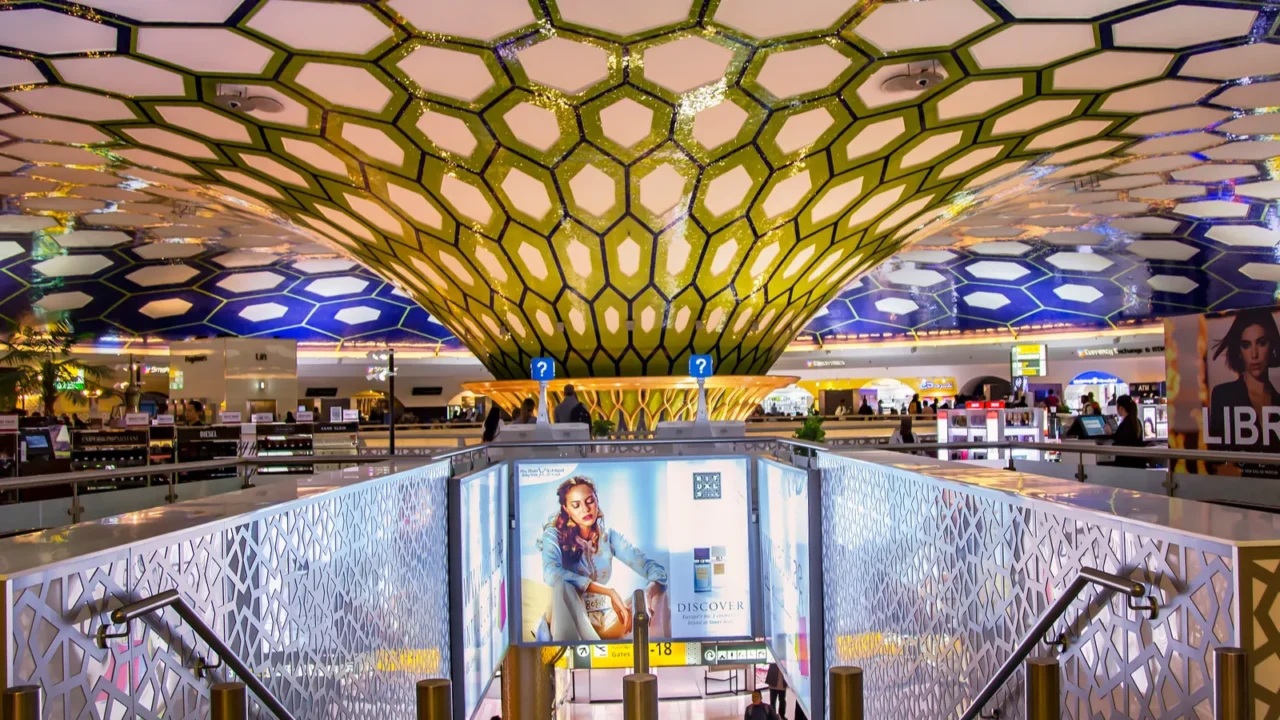
Riyadh’s King Salman airport
Saudi Arabia is constructing King Salman International Airport in Riyadh, a project valued at over $150 billion and a cornerstone of the country’s Vision 2030 economic transformation plan. When complete, the airport is projected to handle 120 million passengers annually and serve as a major aviation gateway within the Arabian Peninsula.
The design, led by global architecture firm Gensler, integrates passive cooling systems, solar energy arrays, and a biophilic interior aesthetic drawing on traditional Islamic geometric patterns reimagined through contemporary materials. This is infrastructure delivered as a national statement.
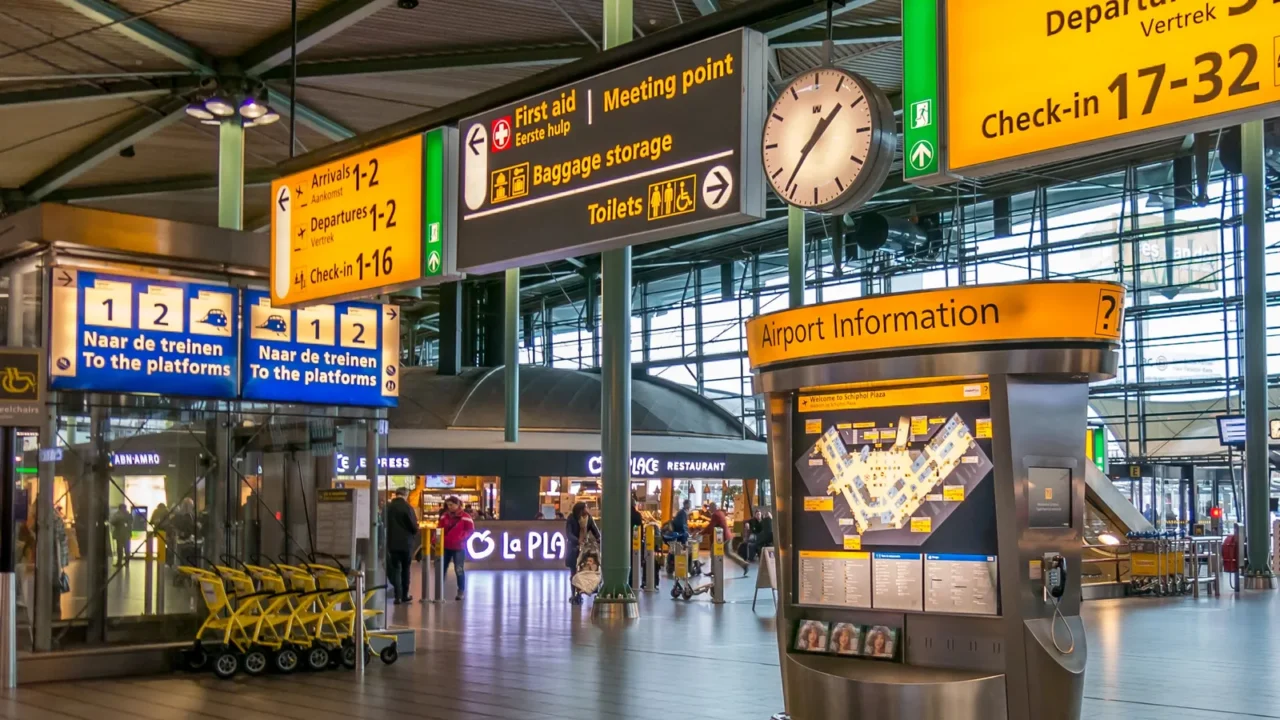
Amsterdam Schiphol rethinks everything
Amsterdam Airport Schiphol launched a long-term investment and redesign program aimed at resolving the overcrowding crisis that disrupted European travel throughout 2022 and 2023. The Dutch government and airport authority committed to restructuring passenger flow, expanding security capacity, and reducing the chaotic peak-hour bottlenecks that stranded thousands of travelers.
New investments include expanded automated border control gates, a redesigned departure lounge in Pier H, and improved baggage reclaim infrastructure. Schiphol admitted its systems had failed and committed to rebuilding them in full public view, which is rarer than it sounds.
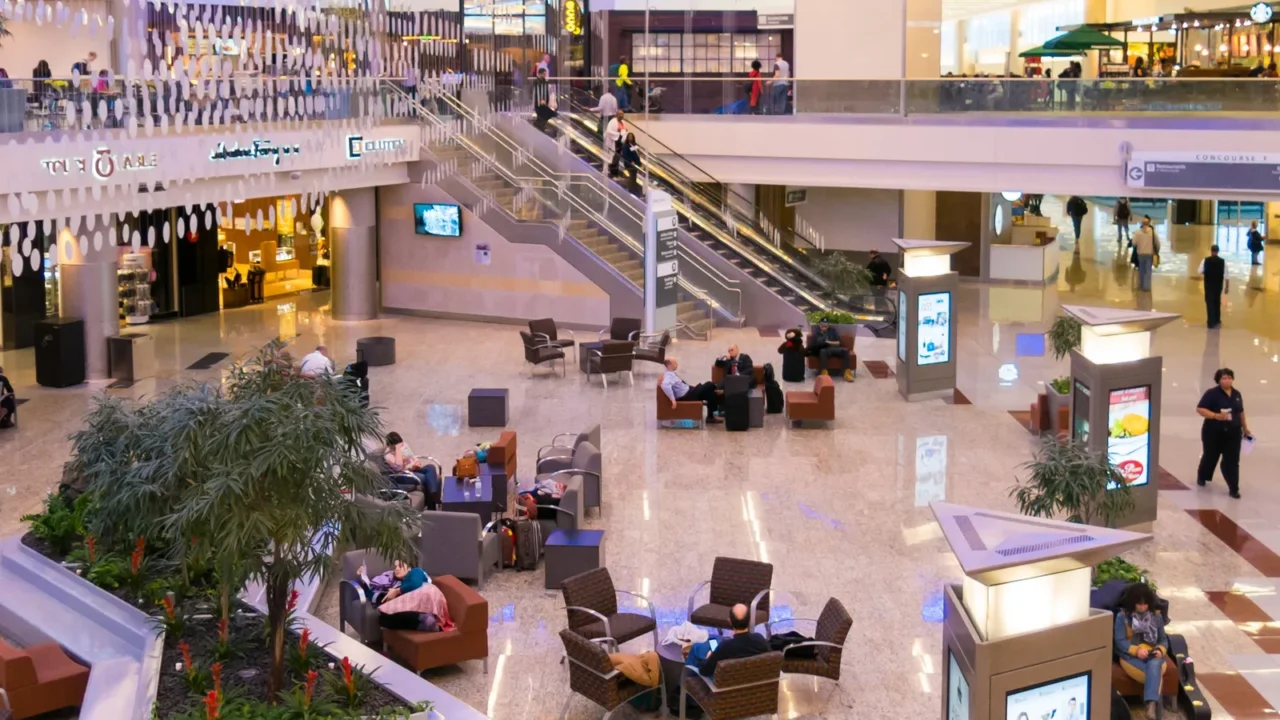
Atlanta Hartsfield-Jackson doubles down
Hartsfield-Jackson Atlanta International Airport, the world’s busiest by total passenger count for over two decades, is executing a $6 billion capital improvement program targeting the domestic terminal, international concourse, and ground transportation infrastructure. New digital wayfinding systems and updated gate lounges are transforming a functionally efficient but experientially dated facility.
The airport’s partnership with Georgia Power is also accelerating a transition to renewable energy across the entire campus. Atlanta proves that even the most traveled airport in the world still has meaningful room to grow and is not leaving that room empty.
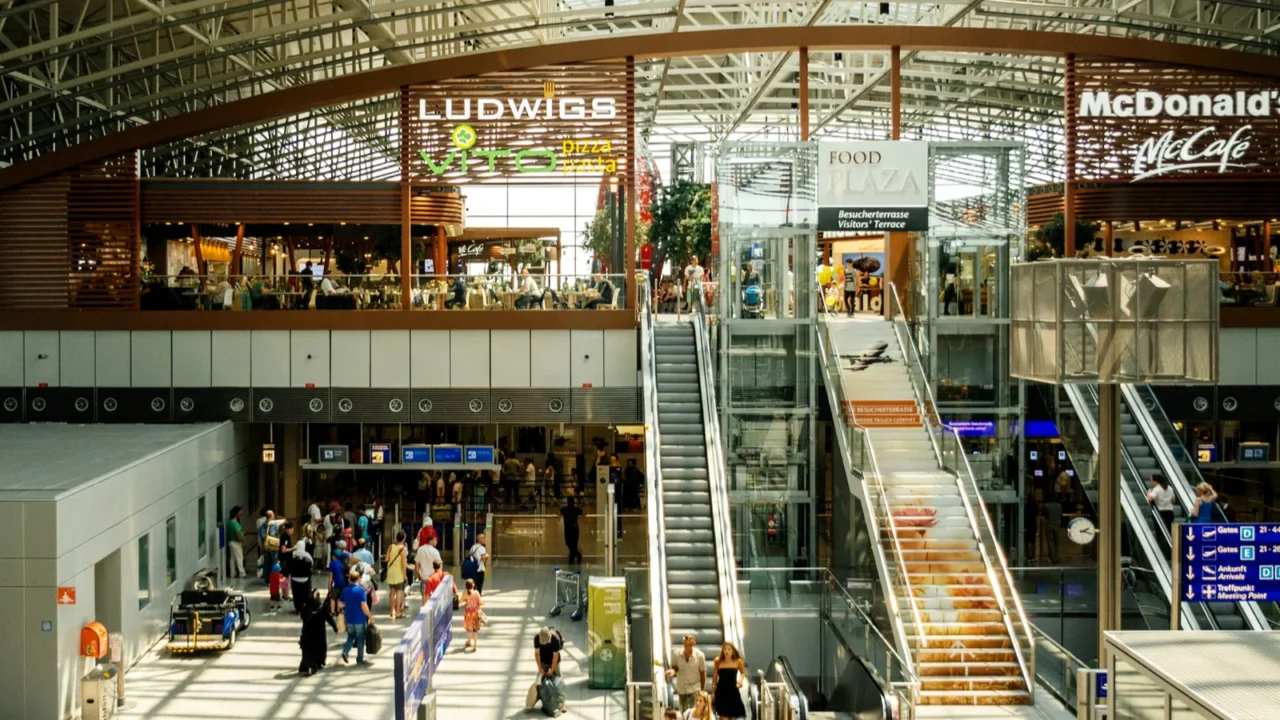
What every passenger deserves now
The global wave of airport investment is not simply about handling more people; it is about treating every person who passes through as someone whose time and comfort actually matter. From facial recognition boarding in Tokyo to biophilic lounges in Riyadh, the standard being set by leading airports is raising expectations across all of commercial aviation.
Travelers who have experienced the new Changi, the revamped Heathrow, or the emerging LAX will bring those expectations everywhere they fly. The industry is discovering, somewhat late, that the journey itself is the product. Passengers noticed long before the airports did. See the airports that consistently rank near the bottom.
The destination starts here
The billions being spent on airports around the world share a single underlying truth: travel is one of the most human things people do, and every friction point in that experience represents a failure of imagination. The airports leading this transformation are not just solving logistical problems; they are redesigning what it feels like to move through the world.
Singapore, Dubai, Tokyo, Los Angeles, and Riyadh are proof that infrastructure and inspiration are not opposites. For every traveler who has ever arrived exhausted, lost, or simply underwhelmed, the future being built right now is personal. And it is long overdue. Explore the major airports leading this transformation right now.
Which airport has genuinely surprised you, and which one still has a long way to go? Let us know in the comments.
This slideshow was made with AI assistance and human editing.
Don’t forget to follow us for more exclusive content right here on MSN.
Read More From This Brand:
