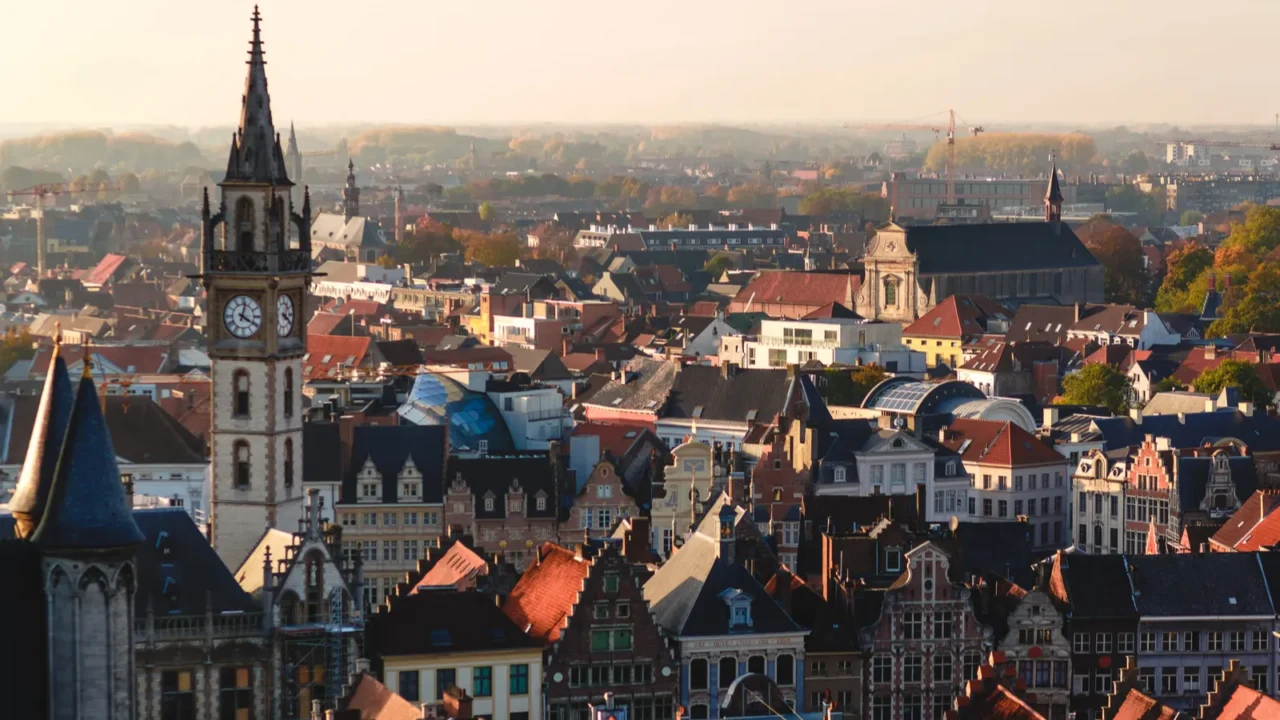
The price of preservation
Historic towns worldwide are charging visitors entry fees to protect heritage sites that local budgets can no longer sustain alone. Cities like Venice, Dubrovnik, and Kyoto have led this shift as mass tourism quietly erodes ancient foundations.
These fees are the honest cost of keeping irreplaceable places intact. The world’s most treasured cities are asking travelers to become brief partners in their survival rather than passive witnesses to their slow decline.
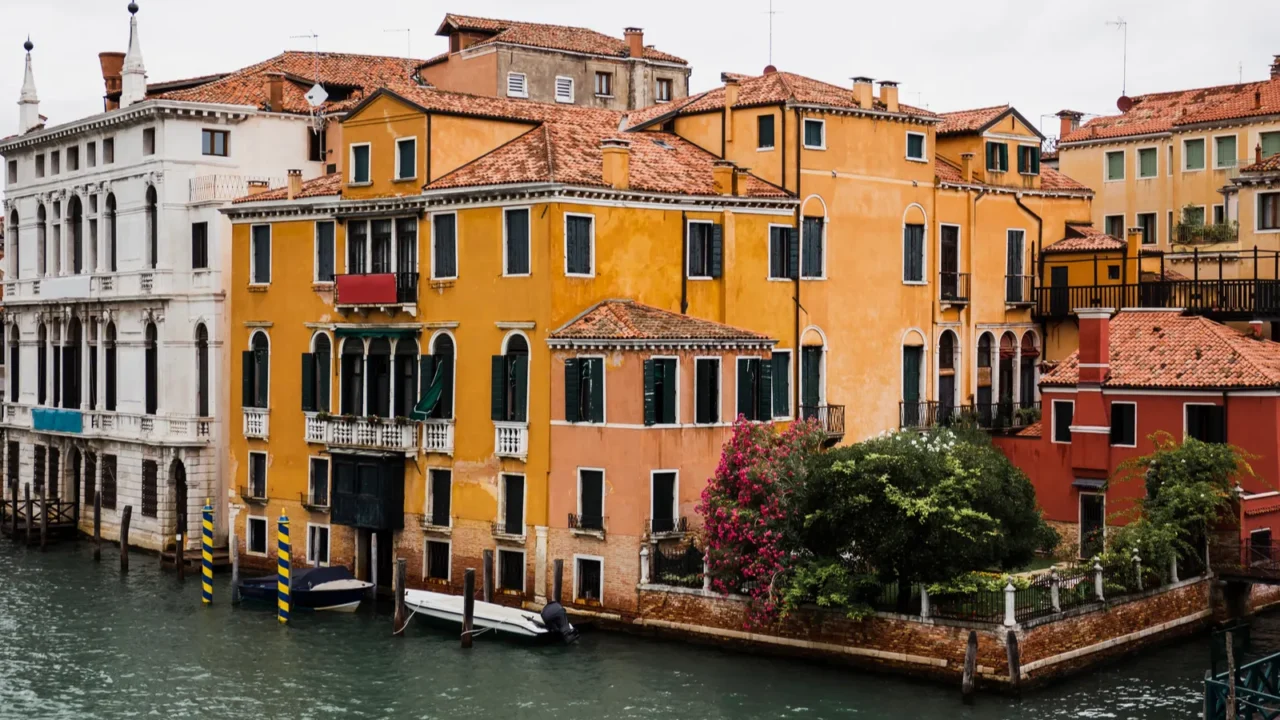
Venice is done being free
Venice, Italy, launched its day-tripper entry fee in April 2024, becoming one of the first cities to charge tourists simply for entering its historic center. The five-euro fee targets short-stay visitors who contribute little to conservation.
Venice has held UNESCO World Heritage status since 1987. Fee revenue maintains the bridges, canals, and public squares that define the city while saltwater erosion and rising sea levels continue threatening its centuries-old foundation daily.
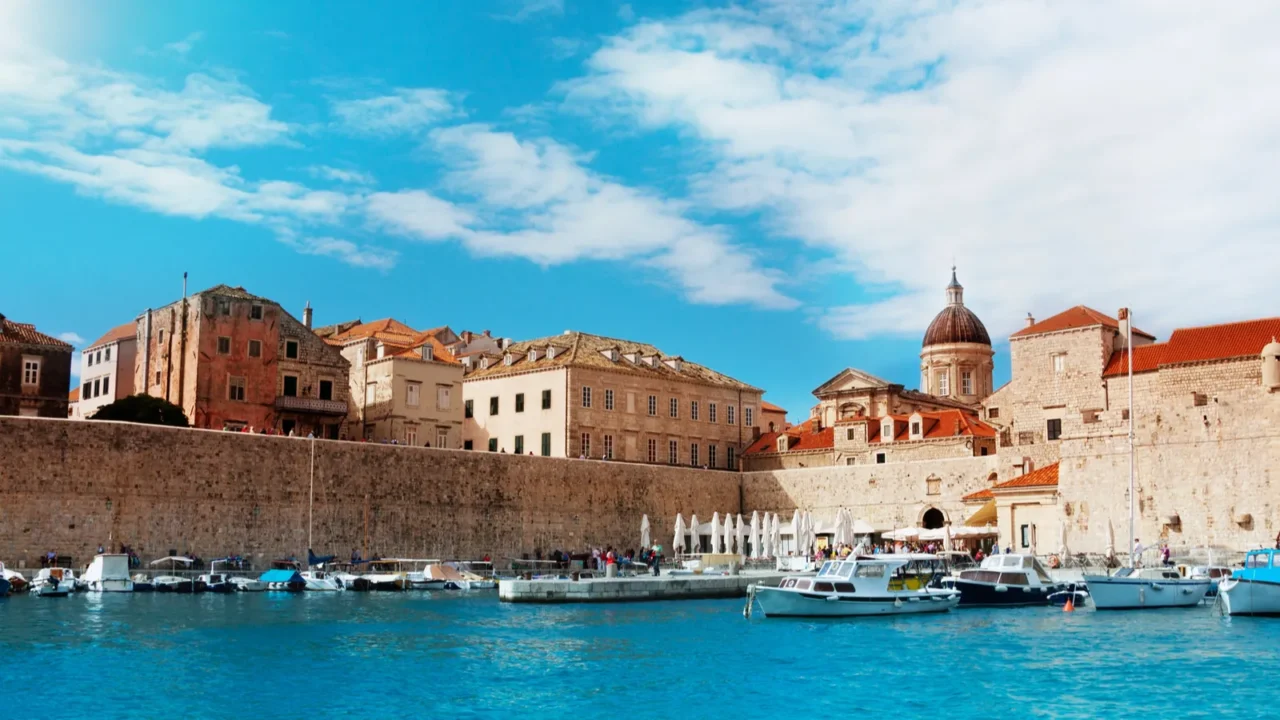
Dubrovnik’s walls have a price
Dubrovnik, Croatia, imposed strict visitor caps and raised access fees for its medieval walls after cruise ship arrivals pushed daily counts to unsustainable levels. The Old Town has been a UNESCO World Heritage Site since 1979.
Croatian authorities cut peak-day visitor numbers by nearly 25 percent between 2019 and 2023. Fee revenue funded restoration of the Pile Gate and sea-facing wall sections where stone erosion had become a genuine structural concern.

Machu Picchu sets hard limits
Machu Picchu, Peru’s 15th-century Inca citadel, introduced timed ticketing and tiered pricing after unrestricted access caused measurable damage to its terraces. Peru’s Ministry of Culture capped daily entries at 4,500 visitors based on carrying capacity research.
EStandard entrance fees typically range between approximately 45 and 70 US dollars, depending on visitor category and selected circuit. Revenue funds archaeological stewardship and rail access maintenance, treating this mountain citadel as a finite resource rather than an open attraction.

Angkor Wat guards its gates
Angkor Wat, Cambodia’s 12th-century temple complex in Siem Reap, operates one of the world’s most structured heritage fee systems. One, three, and seven-day passes are priced at 37, 62, and 72 US dollars, respectively. The park spans over 400 square kilometers of temples and ancient urban remains.
Fun fact: Angkor Wat is the largest religious monument on Earth at 162.6 hectares. UNESCO’s official profile details this extraordinary record and its ongoing conservation needs.

Kyoto quietly raises the bar
Kyoto, Japan, raised entry fees across individual temples and shrines rather than imposing a single city-wide tourist tax, a deliberate approach that let each site manage its own visitor flow independently and effectively.
Sites, including Kinkaku-ji and Ryoan-ji, adjusted admissions between 2022 and 2024. Kyoto’s 17 UNESCO-listed properties have redirected fee income toward tatami restoration, garden upkeep, and structural reinforcement of timber architecture vulnerable to humidity and decades of accumulated foot traffic.

Santorini charges for the view
Santorini, Greece, received approximately 3.4 million tourists in 2023 against a permanent population of just 15,500 residents. Greek authorities have focused on cruise passenger caps and port management measures to address infrastructure strain in congested cliffside villages like Oia and Fira.
Fun fact: Santorini’s iconic white buildings were originally lime-washed to disinfect surfaces after a 19th-century cholera outbreak, not purely for aesthetics. Local officials now use fee revenue to repair water and sewage systems pushed beyond capacity.
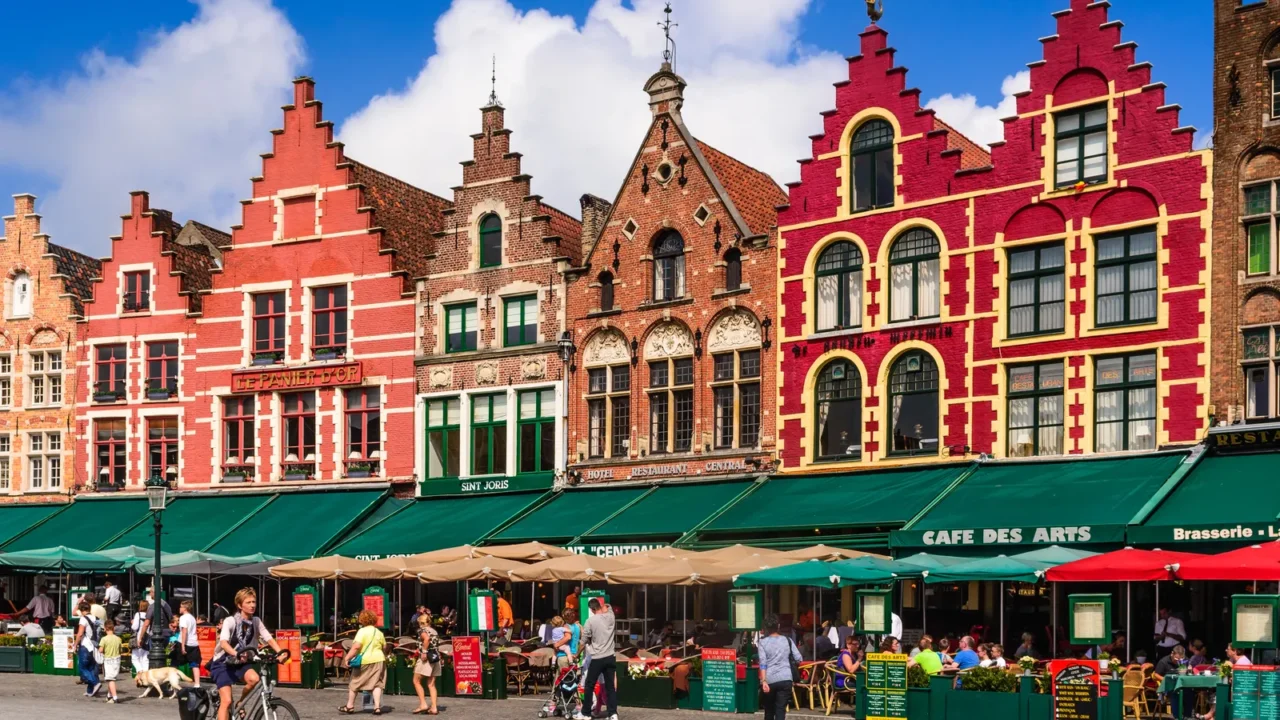
Bruges does not come cheap
Bruges, Belgium, one of Northern Europe’s best-preserved medieval cities, receives over eight million visitors annually despite a permanent population of roughly 120,000. Its UNESCO-listed historic core has introduced surcharges on short-stay accommodations to manage this pressure.
Revenue channels directly toward restoring the Belfry of Bruges, repointing canal-facing guild house facades, and upgrading drainage beneath cobblestone streets dating to the 15th century. Bruges increasingly looks to Amsterdam’s crowd management model as a practical conservation reference.
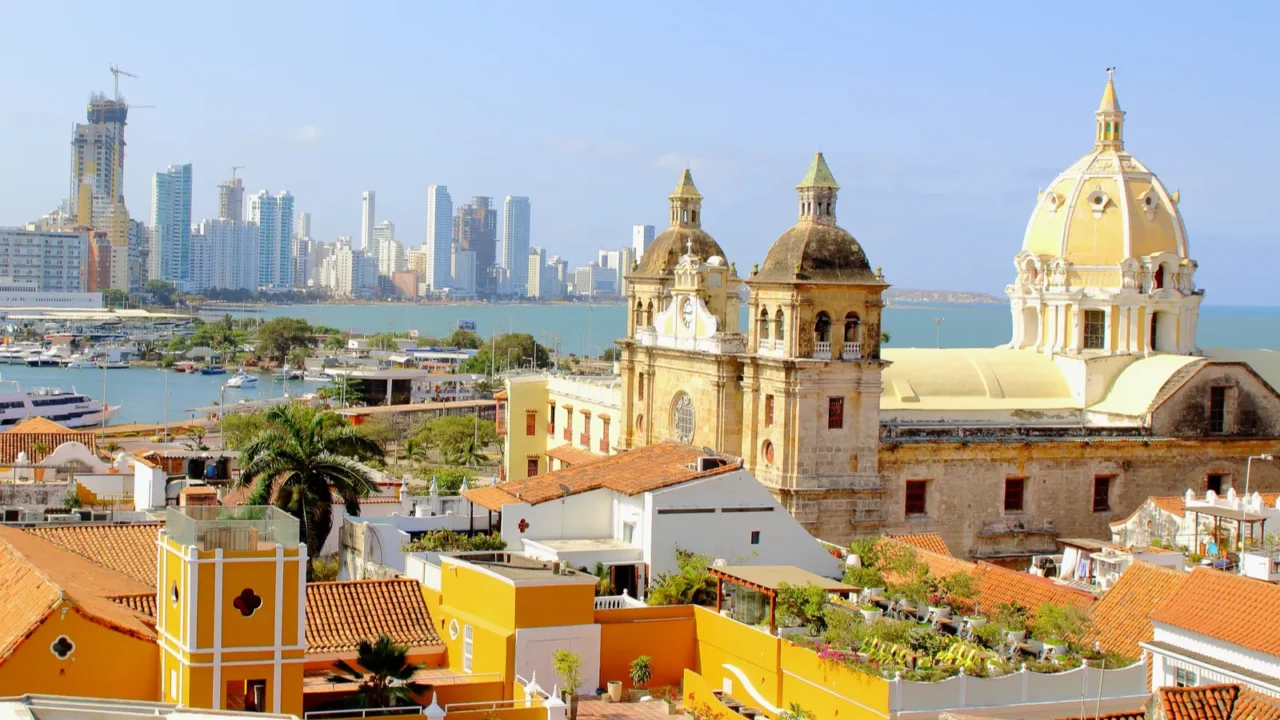
Cartagena protects its color
Cartagena, Colombia, a UNESCO World Heritage Site since 1984, has taken measured steps toward preservation fees in its walled historic center. Coastal humidity, sea salt, and heavy foot traffic are accelerating the deterioration of its colonial-era fortifications.
Colombia’s Ministry of Culture piloted fee structures at Castillo San Felipe de Barajas while employing local artisans trained in traditional masonry. Residents of the adjacent Getsemani neighborhood have been central to deciding how tourism revenue gets distributed and spent.

Edinburgh’s old town has a bill
Edinburgh, Scotland, approved the UK’s first local tourist levy in 2024, with collection scheduled to begin in 2026 at a rate of five percent per overnight stay. The fee partly funds conservation of its UNESCO-listed Old and New Towns, recognized since 1995.
Roughly 13 million tourists visit annually, straining the Royal Mile corridor and the historic fabric surrounding Edinburgh Castle. Revenue supports structural surveys of the city’s historic closes and wynds, narrow medieval alleyways that have gone decades without a formal conservation assessment.
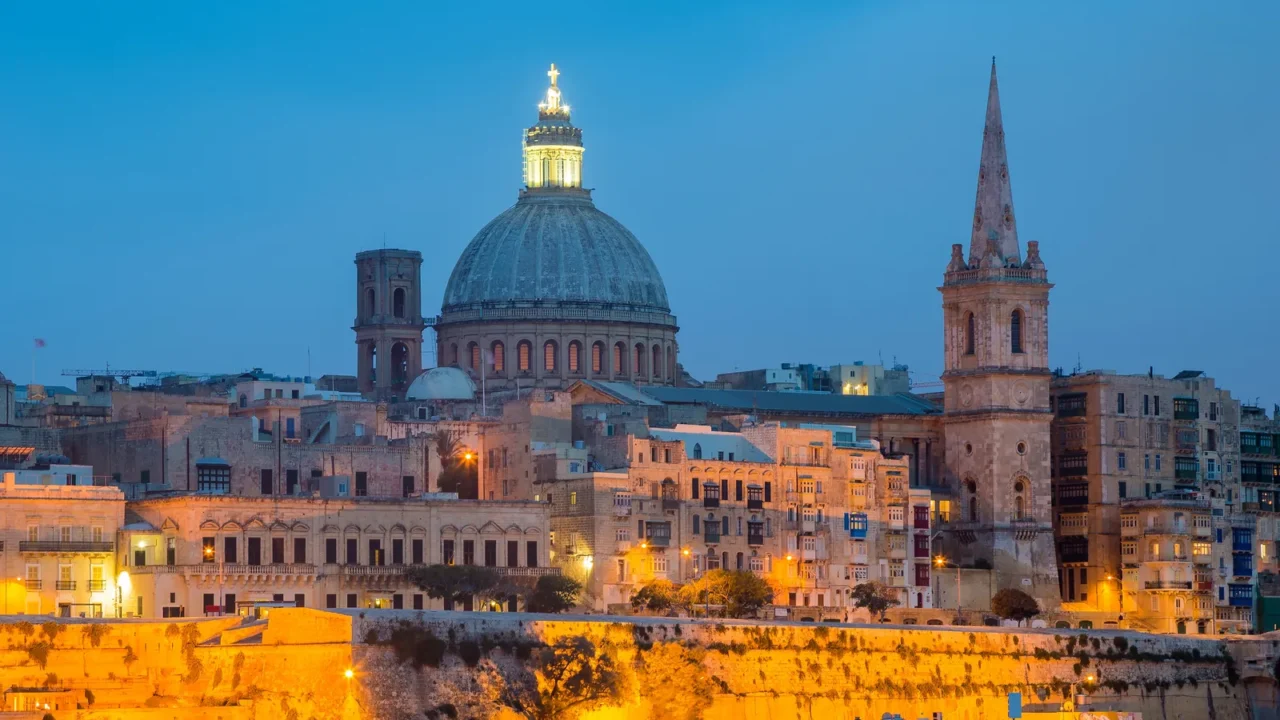
Valletta asks you to invest
Valletta, Malta, is among Europe’s smallest capitals and one of its most densely heritage-listed cities. The entire city has held UNESCO World Heritage status since 1980, covering Baroque architecture and Knights of St. John fortifications across an area of under one square kilometer.
Entry fees at St. John’s Co-Cathedral and Upper Barrakka Gardens fund lime plaster restoration and Baroque painting conservation. Heritage Malta publishes annual reports detailing exactly how every euro of visitor fee revenue gets allocated, a transparency standard rare among heritage institutions.
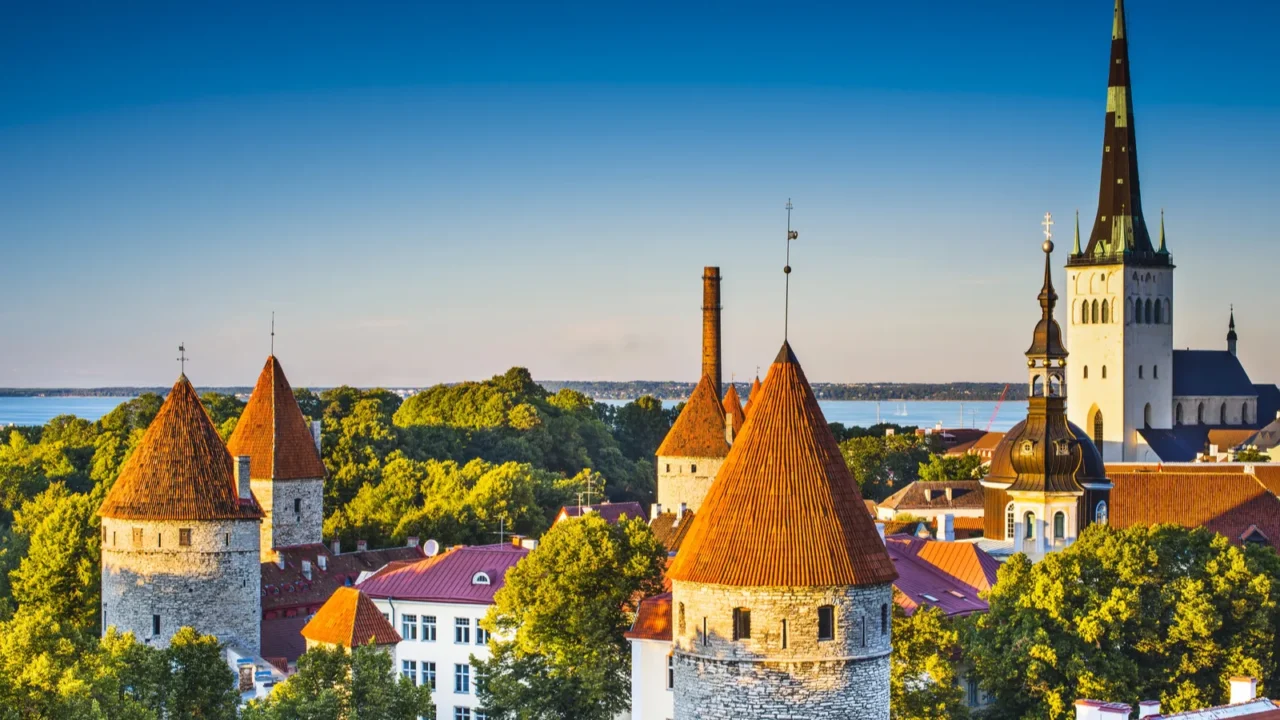
Tallinn’s medieval bill is real
Tallinn, Estonia, holds one of Northern Europe’s most intact medieval old towns, with UNESCO recognition granted in 1997 for its remarkably preserved 13th and 14th-century street layout, towers, and merchant guild houses still standing in daily use.
The city introduced an overnight visitor tax and is developing conservation levies for Toompea Castle and the Church of St. Olaf. Estonian heritage authorities have been openly candid about the gap between state conservation budgets and what these old towns actually cost to maintain.
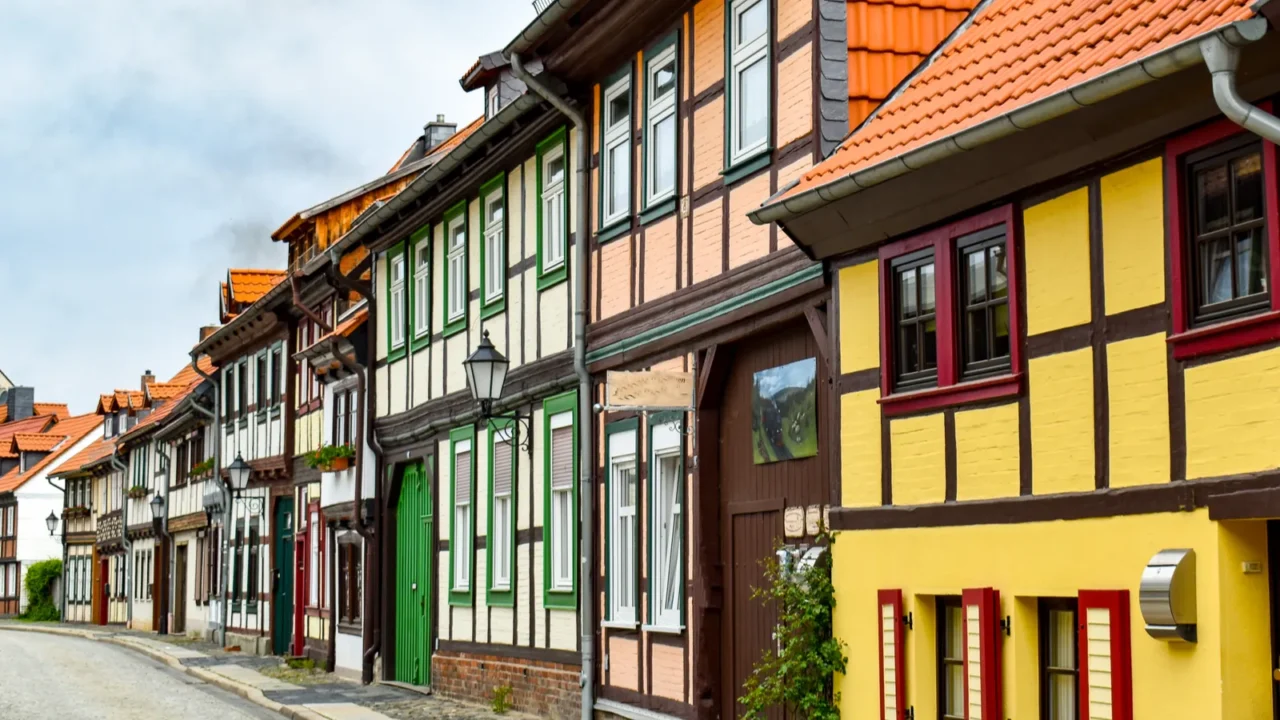
Some places are worth paying for
The global shift toward heritage entry fees is not a rejection of tourism. It is a renegotiation of terms. Cities that have absorbed millions of footsteps for centuries are finally asking visitors to share the cost of survival.
From Venice’s canals to Tallinn’s medieval towers, the question has moved from whether to charge to how to do it fairly. Paying these fees is one of the most straightforward acts of cultural stewardship any traveler can offer in even the most glamorous mountain town.
Would you pay a little more to walk streets that have outlasted empires? Let us know in the comments.
This slideshow was made with AI assistance and human editing.
Don’t forget to follow us for more exclusive content right here on MSN.
Read More From This Brand:
