
U.S. rent and affordability overview
The U.S. housing market continues to put pressure on household budgets as rents and home prices evolve in 2026. National rent growth remains modest but persistent in many cities, even as overall growth slows. Housing affordability remains a key issue for millions of Americans balancing housing costs with other essential expenses.
The national housing supply gap widened to an estimated 4.03 million homes in 2025, constraining supply and keeping upward pressure on rents and prices. Rising household formation paired with fewer new units makes it harder for renters and buyers to find affordable housing.
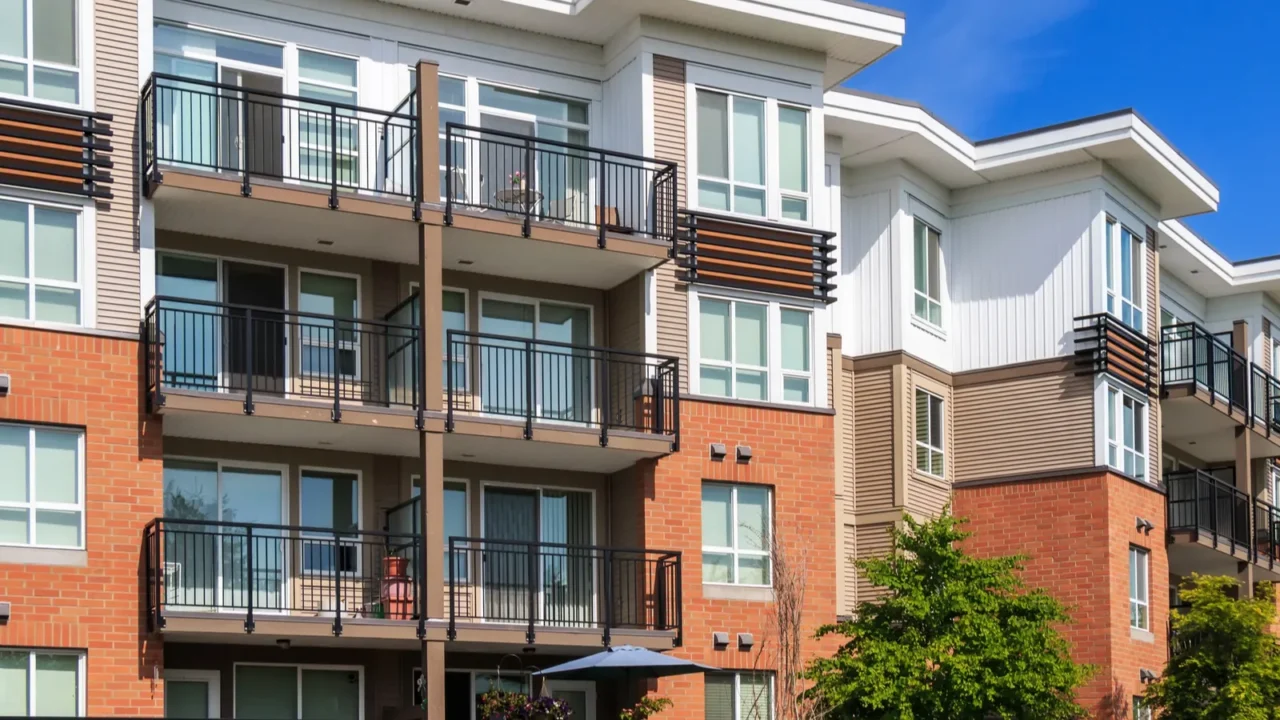
Rental market national snapshot
National rent growth in early 2026 has moderated compared with recent years, showing smaller annual increases. Apartment rents increased slightly, with a national average of around $1,716 in February. Many U.S. metros are still seeing rents rise year over year, though growth is far slower than post-pandemic peaks.
Even modest rent growth adds pressure on affordability when wages lag behind housing costs. In many parts of the country, rent now takes up a larger share of household income than it did a decade ago. This trend is fueling broader concerns about affordability and the cost of living.

Rent growth varies widely
Rent increases are not uniform across cities and regions in 2026. Atlanta, Minneapolis, and Chicago all posted notable rent growth among major U.S. metros. In contrast, some parts of Florida and Texas experienced slower or even negative rent gains due to varying supply and demand conditions.
This uneven performance highlights the patchwork nature of the rental market. Local economic conditions and housing stock levels play a large role in rent trends. Differences in job markets and migration patterns also influence rent pressure.
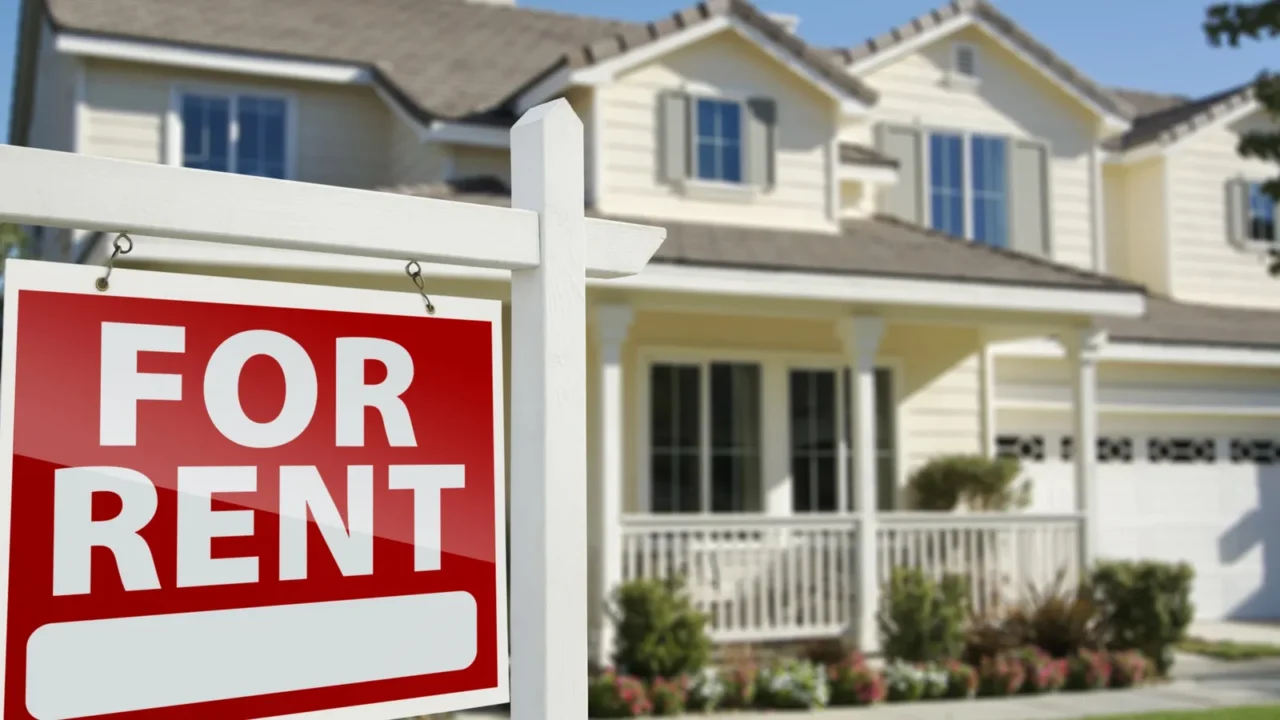
Rent vs incomes pressure point
Housing affordability is driven by the relationship between rent levels and household incomes. When rents grow faster than wages, affordability diminishes. A Cleveland Federal Reserve report finds that lower-income tenants lost about 25% of their post-rent purchasing power from 2019 through 2023, driven by sharp rent inflation in the post-pandemic period.
Median renters have seen little growth in post-rent purchasing power because rent pressures outpaced wage gains over multiple years. As a result, many households are devoting a larger share of income to rent than in the recent past. This trend adds financial stress to everyday budgets.

Affordability burdens spike nationwide
Data tracking rental cost burdens shows that millions of U.S. households are spending a high percentage of their income on rent. About 22.7 million renter households (≈49% of renters) were cost-burdened—spending more than 30% of income on housing—in 2024, per the Harvard Joint Center for Housing Studies. Florida metros such as Miami, Orlando, and Tampa show some of the highest cost-burden rates.
Affordability challenges persist across both high-cost coastal markets and inland cities. Household budgets are stretched by rent obligations alongside rising costs for food, healthcare, and utilities. These pressures are shaping where and how Americans choose to live.
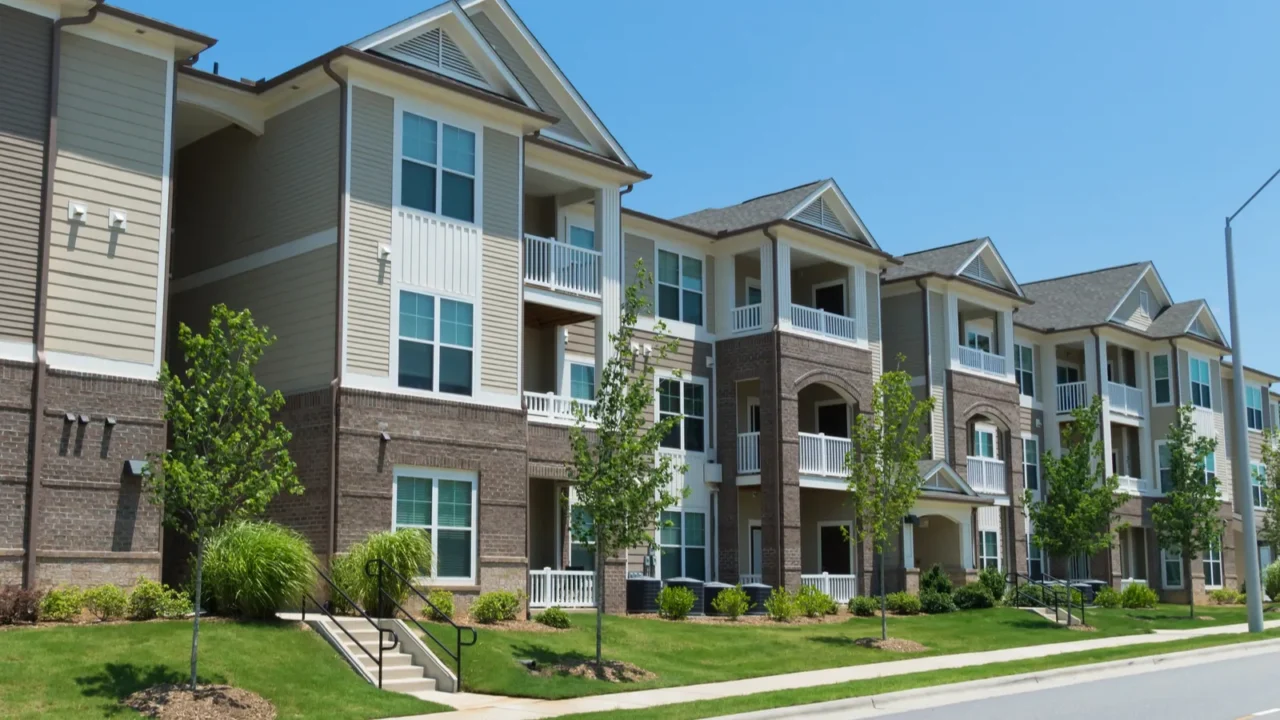
Housing supply gap worsens affordability
The U.S. housing supply gap widened significantly in 2025, adding to long-term affordability challenges. According to Reuters, the shortfall reached over 4 million homes. This persistent gap limits options for both renters and buyers and keeps pressure on housing costs upward.
Reuters notes that the supply shortfall stems from underbuilding over more than a decade, slowing first-time homebuying for younger Americans. Many newly formed households have to rent longer because affordable homes are scarce. These supply constraints remain a key factor driving rent pressure.

Mixed rent growth trends
While national rent growth has slowed, local dynamics still show rent increases in many metro areas. Fact: Data from Dwellsy IQ’s 2026 Rental Housing Index shows Atlanta apartment rents rose about 5.8% year-over-year, with other metros such as Minneapolis and Chicago also reporting above-average growth. In some markets, rents are rising faster than local incomes.
Other regions have seen rents decelerate or even decline. This mixed picture suggests rent trends remain influenced by local employment, supply, and migration patterns. The overall market remains tough for many renters.
Vacancies and competition trends
Renters are facing competitive housing markets in 2026, with more applicants vying for each available unit. In some areas, record competition is emerging with high occupancy and low vacancy rates. As demand remains strong, landlords have more leverage to maintain or increase rents even as growth slows.
Strong competition for rentals makes affordability tougher, especially in hot markets. Renters often need higher incomes to secure units in competitive areas. This influences relocation decisions and long-term housing plans.
Homebuying still out of reach
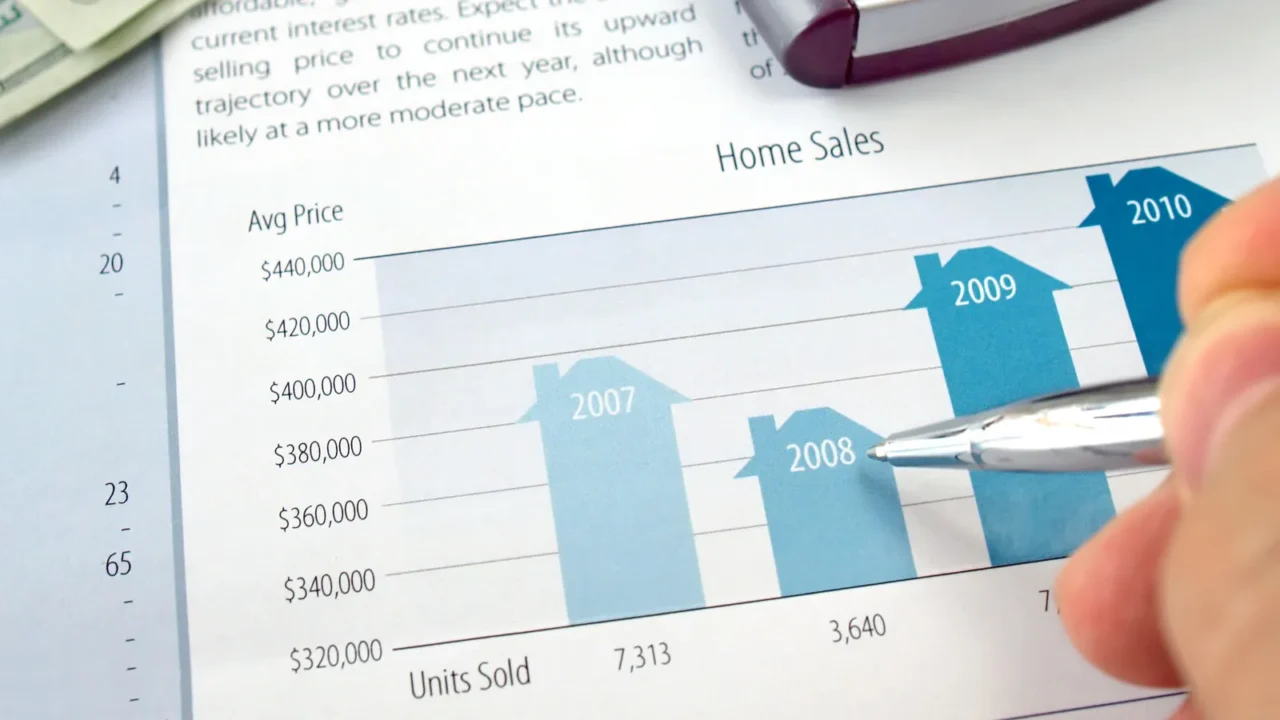
While rent growth has moderated in some areas, homeownership remains largely unaffordable for many. The housing supply shortfall and persistent price pressures make buying difficult. Realtor.com noted modest growth in home sales, but shortages continue to limit entry into the market.
Young buyers especially feel the squeeze as rising rents make saving for down payments harder. Mortgage rates are expected to remain elevated near 6.3 percent in 2026, adding to monthly costs. These combined forces keep homeownership aspirational for many households.
Regional rent hotspots
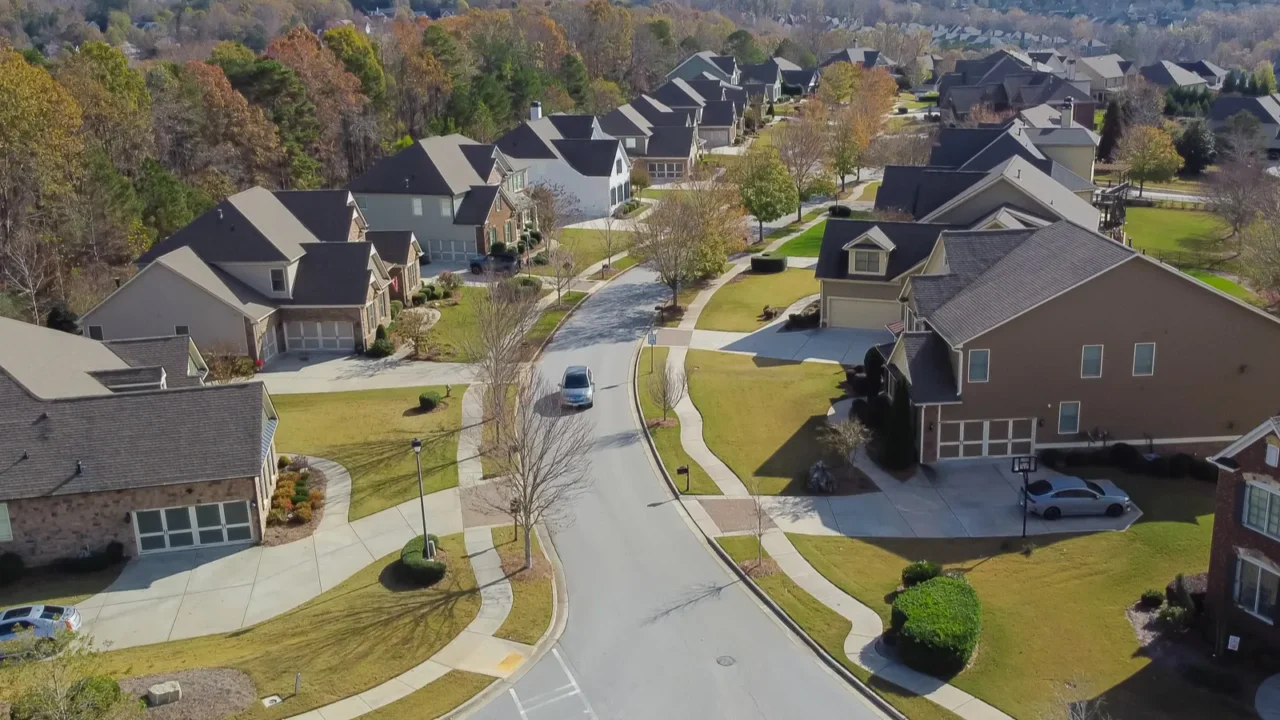
Some large U.S. cities still see notable rent increases despite national moderation. Atlanta and Minneapolis are examples where rent growth outpaced many other metros. High demand and constrained housing stock contribute to persistent upward pressure in these markets.
New York City also experienced moderate rent growth. These strong markets contrast with subdued rent gains in some southern and Texas metros. This divergence highlights how cost pressures remain regionally specific.
Rent freezes and policy debates
Local policymakers are increasingly debating how to address affordability directly. In New York City, officials hosted hearings on rent pressures and potential policy tools. Rent control and rent freeze proposals have drawn strong opinions from tenants and landlords alike.
These conversations reflect wide dissatisfaction among renters with current costs and living conditions. Many communities are exploring new approaches to housing affordability. Policy solutions remain a key part of broader housing debates.

Broader economic affordability context
Rent pressures are part of a larger housing affordability challenge facing the United States. Costs for both renters and buyers have risen faster than many household incomes in recent years. Even with slowing rent growth, many households still struggle to keep housing costs below recommended affordability thresholds.
This issue has become a central topic in economic reporting and policy discussions across the country. Affordability remains a leading concern for younger households and first‑time buyers. In New York City, Mayor Zohran Mamdani has taken steps this year to advance his rent freeze agenda and overhaul the Rent Guidelines Board to push long‑promised tenant protections and housing cost relief as part of broader affordability efforts.

What housing costs mean ahead
Rising rents and constrained housing supply are likely to remain core affordability issues in 2026. Both renters and prospective buyers continue to feel pressure in budget planning. Even modest rent growth shapes larger household decisions about where to live and how to spend.
As market conditions evolve, affordability discussions will stay central in housing policy circles. Destinations from Atlanta to San Francisco show how localized dynamics differ widely.
What housing affordability trends are most influential in your region right now? Share thoughts below.
This slideshow was made with AI assistance and human editing.
Don’t forget to follow us for more exclusive content right here on MSN.
Read More From This Brand:
