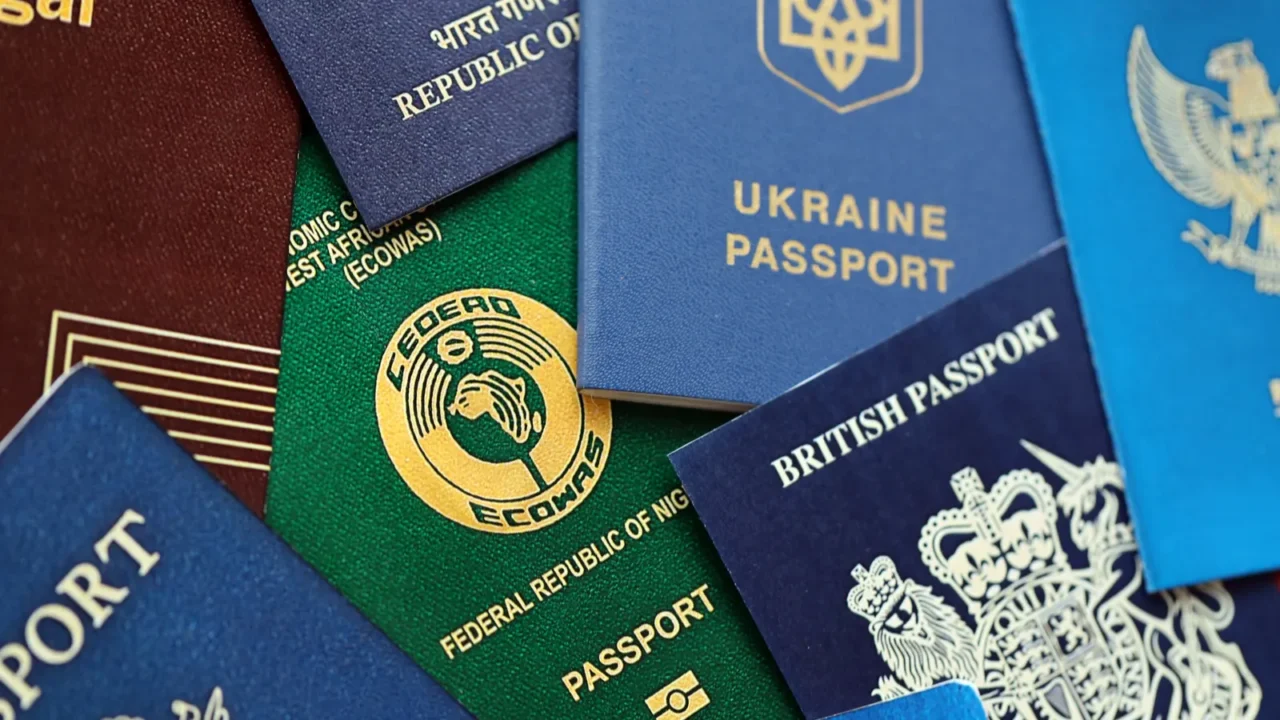
Passport power 2026
The Henley Passport Index, created by Dr. Christian H. Kaelin, is the original global ranking of 199 passports and measures how many destinations their holders can reach without a prior visa; the index uses exclusive Timatic data from the International Air Transport Association (IATA).
In 2026, the index marks its 20th year. Singapore’s passport leads with access to 195 destinations, while Afghanistan trails with 26, creating a gap of 168 destinations, near the largest disparity ever recorded.
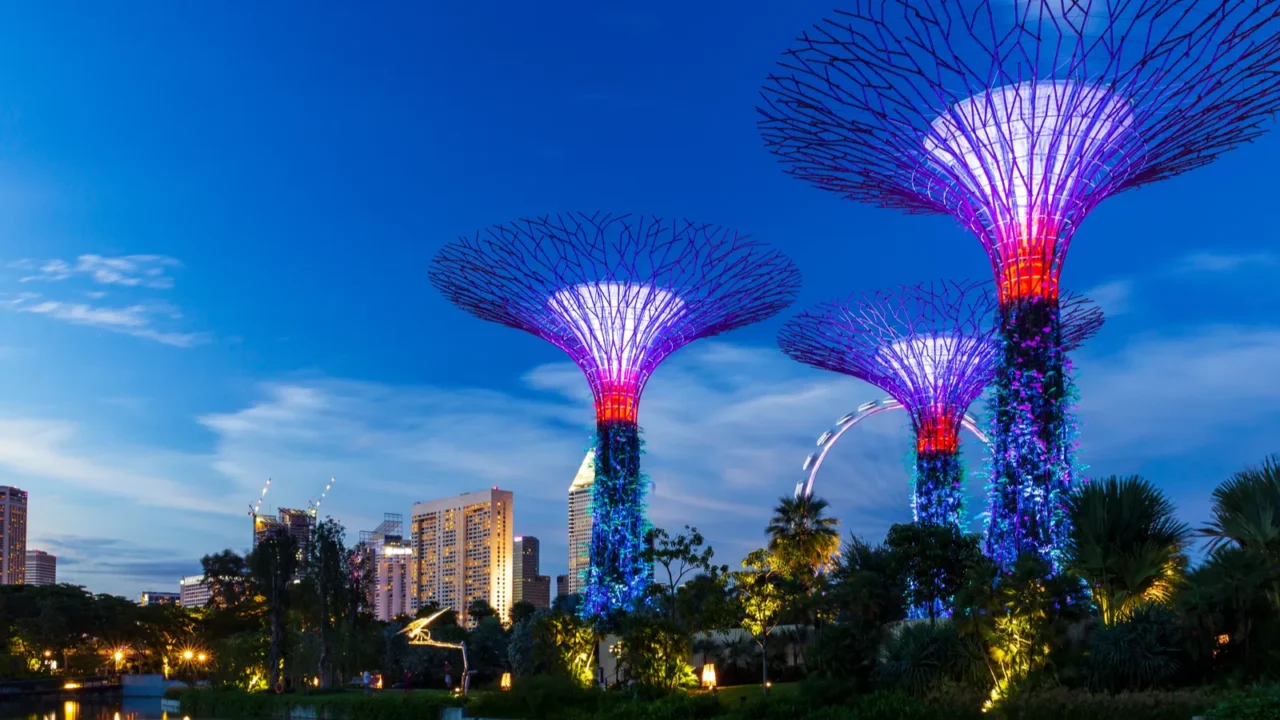
Singapore remains unbeatable
Singapore, a city-state of 6 million on the southern tip of the Malay Peninsula, holds first place on the 2026 Henley Passport Index. Its passport grants visa-free or visa-on-arrival access to 195 destinations out of 227 tracked worldwide.
The country has held the top position for multiple years, including 2026. Its standing reflects decades of careful diplomacy and bilateral agreements spanning every continent on the planet.
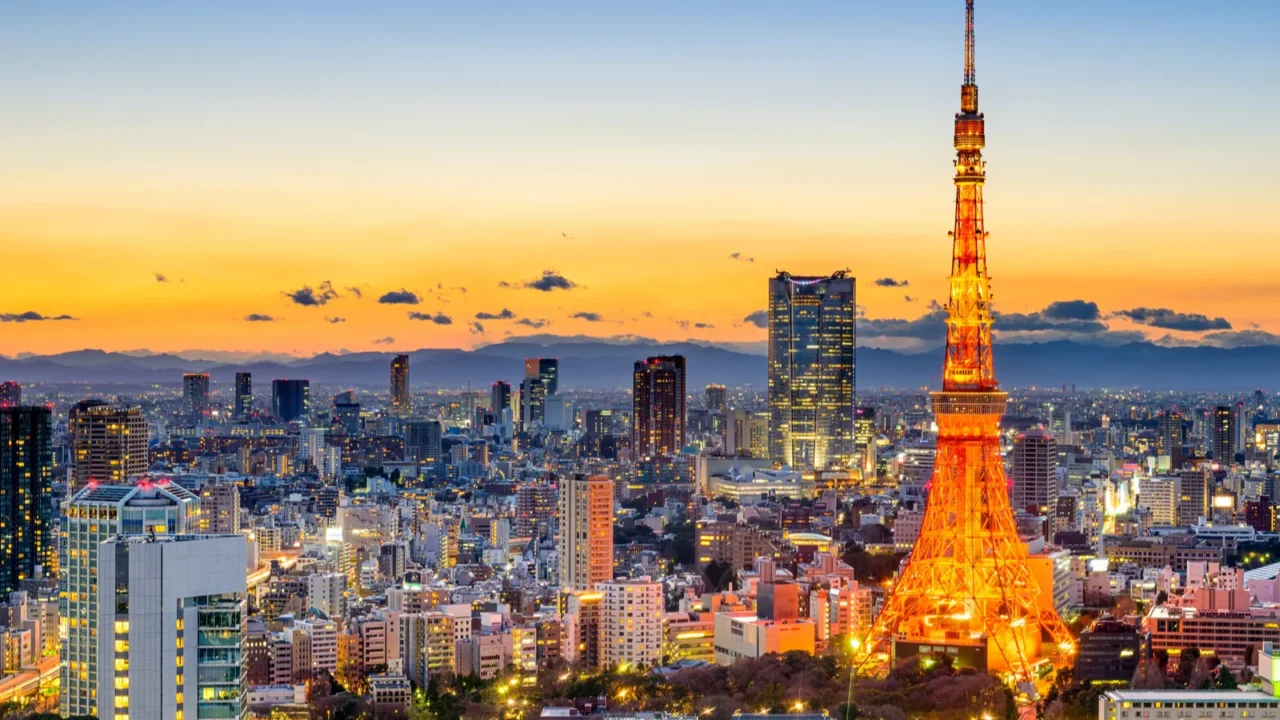
Asia’s two giants
Japan and South Korea share second place on the 2026 Henley Passport Index, each offering their citizens visa-free or visa-on-arrival access to 188 destinations worldwide. Both nations have ranked in the top three for several consecutive years.
Asia now firmly dominates the upper tier of global passport power. Singapore, Japan, and South Korea occupy the top three spots, a shift that has become prominent only in recent years.

Europe’s third place tie
Third place in 2026 is shared by Denmark, Luxembourg, Spain, Sweden and Switzerland, each with visa-free access to 186 destinations. All are small or mid-sized nations punching well above their geographic weight on the global mobility scale.
Spain’s inclusion reflects centuries of diaspora diplomacy that built lasting ties across Latin America and Africa. Luxembourg, a nation of fewer than 700,000 people, accesses more destinations visa-free than the United States’ 179.
Europe’s powerful fourth tier
An unprecedented cluster of ten European countries, such as Austria, Belgium, Finland, France, Germany, Greece, Ireland, Italy, the Netherlands, and Norway, share fourth place, each with access to 185 destinations, one of the largest rank ties in index history.
This historic cluster spans over 250 million citizens who move through most of the world with extraordinary freedom. Their collective placement reflects how tightly grouped the top tier of global passport power has become.

UAE’s historic rise
Fifth place includes Hungary, Slovakia, Slovenia, and the UAE, each holding access to approximately 184 destinations. Of this group, the UAE’s placement is by far the most striking story in the index’s two-decade history.
Fun fact: The UAE ranks among the greatest long-term rises ever recorded on the Henley Passport Index, climbing significantly over 20 years through strategic diplomacy rather than wealth alone.

Southern Hemisphere’s strong showing
Sixth place includes Hungary, Malaysia, New Zealand, Poland, Slovakia, and Slovenia at 183 destinations. Australia ranks seventh alongside Croatia, the Czech Republic, Estonia, Latvia, and the United Kingdom, sharing access to 182 to 183 destinations.
Fun fact: The United Kingdom held a top spot around 2014 and 2015. By 2026, it ranks seventh, a notable decline that reflects how geopolitical shifts quietly erode even the most historically powerful travel documents.
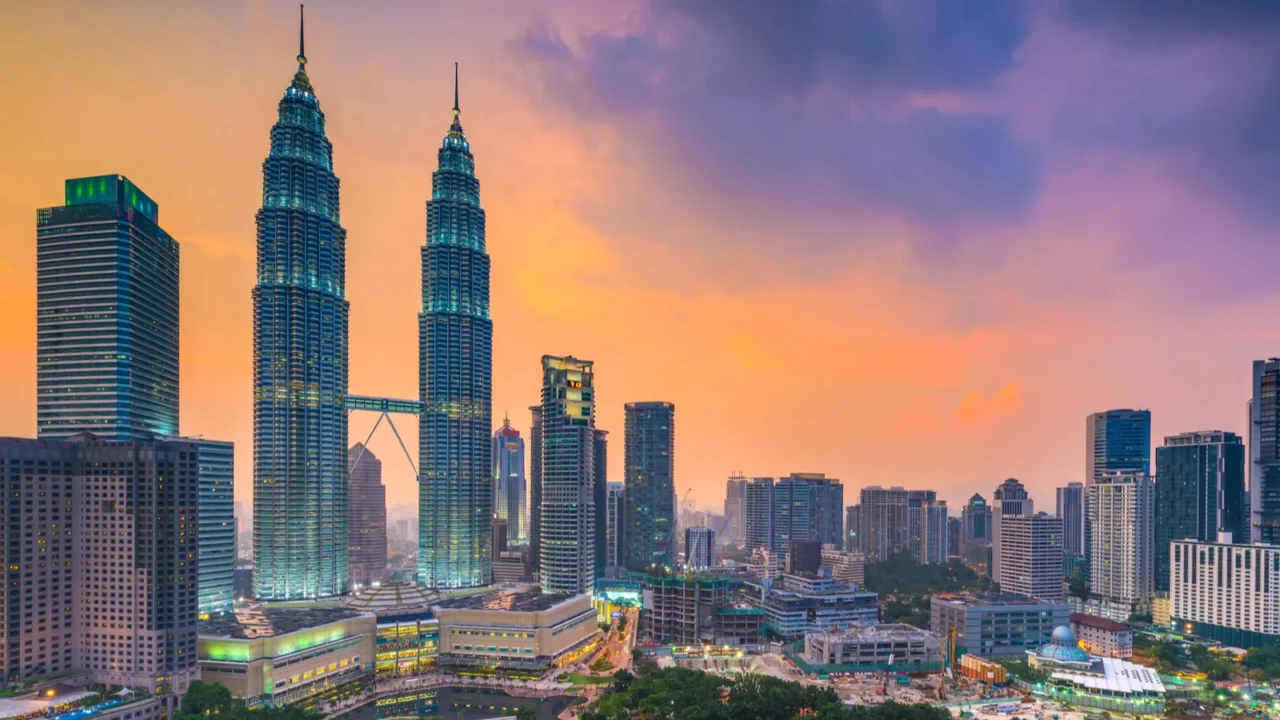
Canada meets Malaysia
Canada ranks eighth with 182 destinations alongside Liechtenstein and Lithuania. Malaysia sits in the sixth tier with 183 destinations. Their proximity surprises most people who assume wealthy Western nations always outrank developing ones on every global index.
Malaysia’s strong passport reflects active participation in ASEAN travel agreements and steady bilateral negotiations across Africa, the Middle East, and Asia over two decades of consistent and deliberate foreign policy investment.
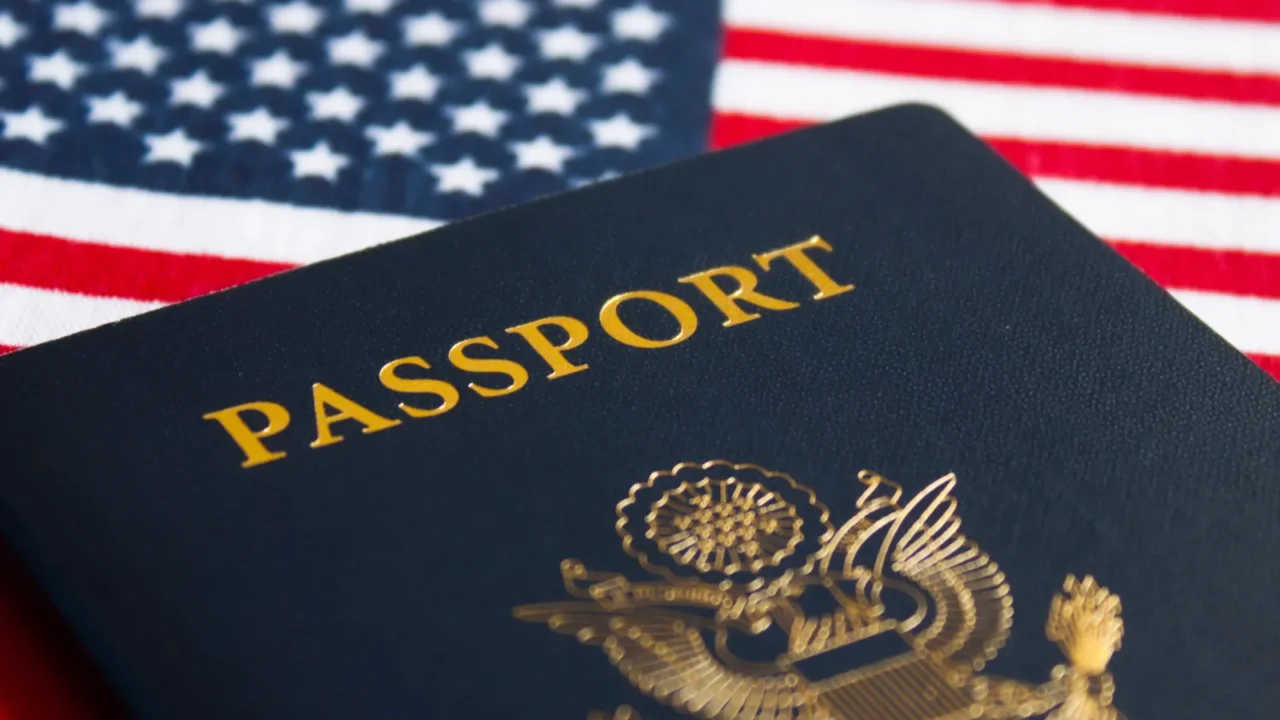
The U.S slips to 10th
The United States ranks 10th in 2026 with visa-free access to 179 destinations, recovering slightly after briefly falling to 12th in late 2025. The UK has similarly declined, showing that long-term drops are not unique to America alone.
Several nations expanded visa-free privileges to new partners in 2025, while the United States was not included in those agreements, quietly shrinking American passport power without any single dramatic policy announcement drawing public attention.

The biggest climbers
Kosovo has recorded one of the most notable rises over the past decade. China also climbed significantly, with Ukraine reaching around 30th, Albania climbing to approximately 42nd with 120 destinations, and Serbia rising to around 34th place.
All five represent nations that invested heavily in diplomatic outreach rather than waiting for access to improve passively. Their climbs prove that passport power is built deliberately through policy, not inherited through geography or historical prestige.
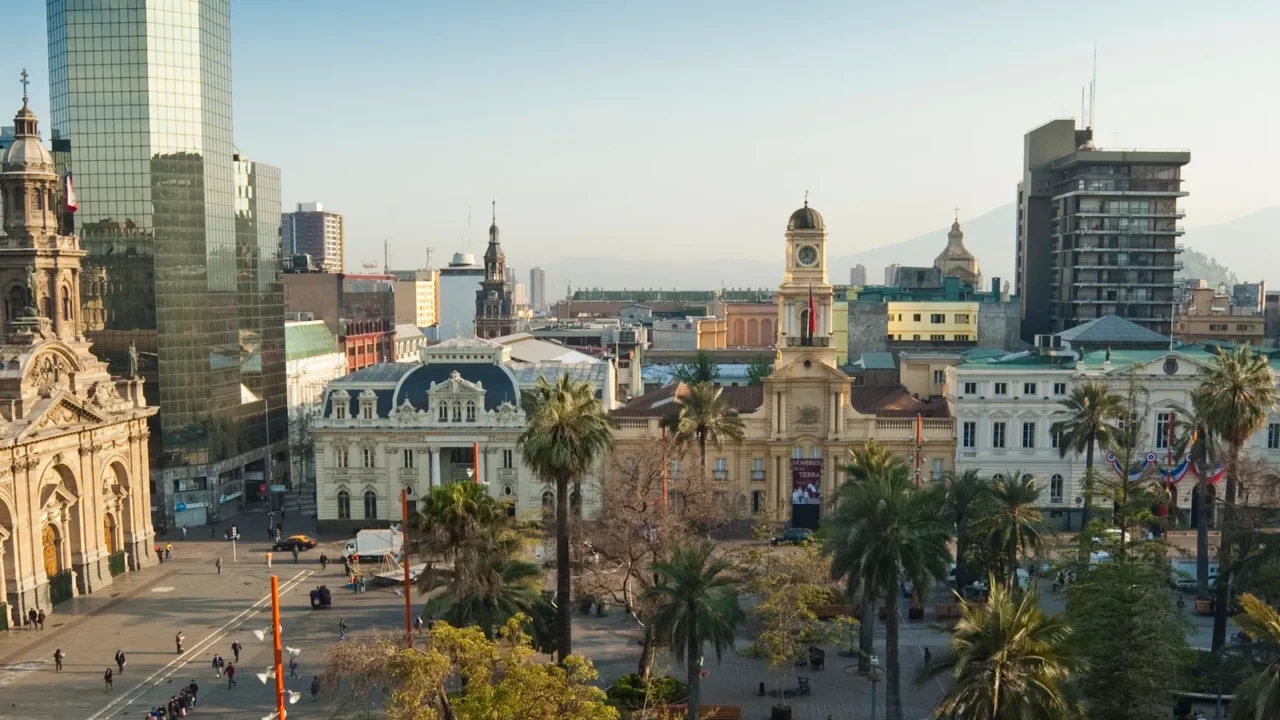
The biggest drops
Bolivia shed approximately five destinations and fell around 32 places to roughly 61st. Venezuela dropped notably over the past decade. The United States fell six places since 2006, moving from 4th to 10th, while the UK dropped from 3rd to 7th.
Geopolitical insularity, not economic power, now determines passport strength. Each of these declines happened gradually, through diplomatic friction and policy choices that compounded quietly over years without a single defining moment of collapse.
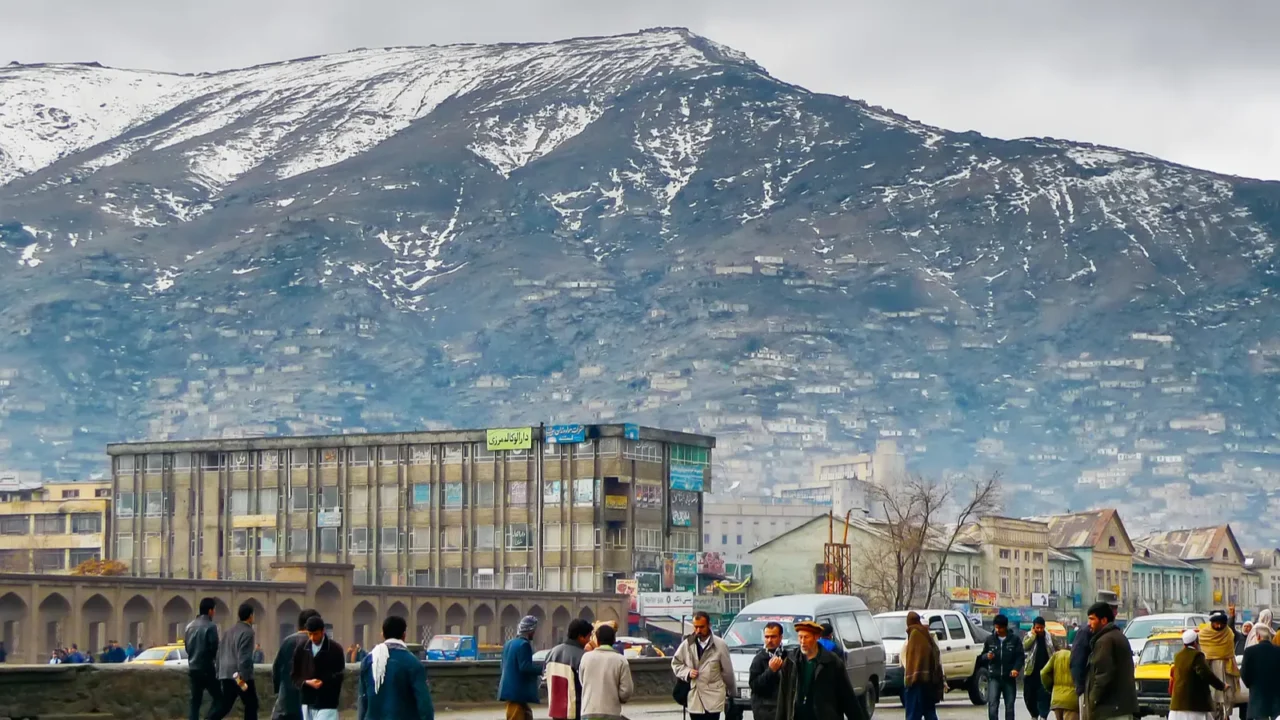
The World’s weakest passport
Afghanistan holds last place on the 2026 Henley Passport Index. Its holders can enter only 24 destinations visa-free. Syria ranks 100th with access to 26 destinations, and Iraq sits at 99th with 29 destinations. All three have remained at the bottom for several consecutive years.
The average global visa-free score in 2026 stands at 109 destinations. An Afghan passport holder accesses fewer than a quarter of what the average global citizen can reach freely. Renew yours before the passport rush beats you to it.
What your passport means
Passport power in 2026 is no longer determined by history or tradition alone. Singapore, South Korea, and the UAE have each proven that consistent diplomacy and strategic openness build mobility that money alone cannot buy for any nation.
The index’s 20-year arc shows a world becoming more connected on average, while the gap between the most and least mobile citizens grows wider. Where you are born still shapes your freedom to move more than nearly anything else. Check your expiration date before passport delays change your plans.
Your passport number is just nine digits, but the world it unlocks, or locks you out of, says everything about the country printed on its cover. Which rank surprised you the most?
This slideshow was made with AI assistance and human editing.
Don’t forget to follow us for more exclusive content right here on MSN.
Read More From This Brand:
