
California gas fears are back
If you drive in California, this story probably feels personal already. The state’s average gas price was about $5.29 a gallon on March 10, 2026, far above the U.S. average, which was sitting in the mid-$3 range around that time.
That gap is why refinery news gets so much attention here. When supply tightens in California, drivers often feel it faster than much of the rest of the country. That also makes every shutdown headline feel like a warning about what could come next.
Two refinery closures changed the mood
California is set to lose a meaningful chunk of refining muscle. The U.S. Energy Information Administration said in July 2025 that two planned refinery closures could cut the state’s refining capacity by 17% over the following 12 months.
Phillips 66 said it would shut its Los Angeles-area refinery by the end of 2025. Valero said it plans to close its Benicia refinery by April 2026, raising fresh worries about supply pressure inside a market that already runs tighter than most states.
Phillips 66 is already winding down
The Phillips 66 closure is not just a rumor or a political talking point. Reuters reported in August 2025 that the company would begin shutting down the 139,000-barrel-per-day Los Angeles-area refinery in September, with units idled in phases through the rest of the year.
That matters because the plant served a state with a tightly balanced fuel system. Reports have said the facility accounts for roughly 8% of California’s refining capacity, which is a noticeable share to lose in a state where price spikes already hit harder and faster.
Valero is another major blow
Valero’s Benicia refinery adds another layer of concern. Reuters reported in April 2025 that Valero planned to shut the 170,000-barrel-per-day facility by April 2026, citing California’s regulatory environment and high costs.
Reuters later reported the California Energy Commission was exploring ways to keep refinery operations going in-state or find a buyer. That shows how seriously state officials took the possible supply hit.

Why closures hit California harder
California’s fuel market is more isolated than many people realize. The state uses its own gasoline blend and has limited pipeline connections to other major refining centers, which makes quick replacement supply harder.
So when a big refinery closes, California cannot always lean on other states the same way others can. That is one reason the EIA warned these closures could increase fuel-price volatility on the West Coast.
Oil production has been sliding for years
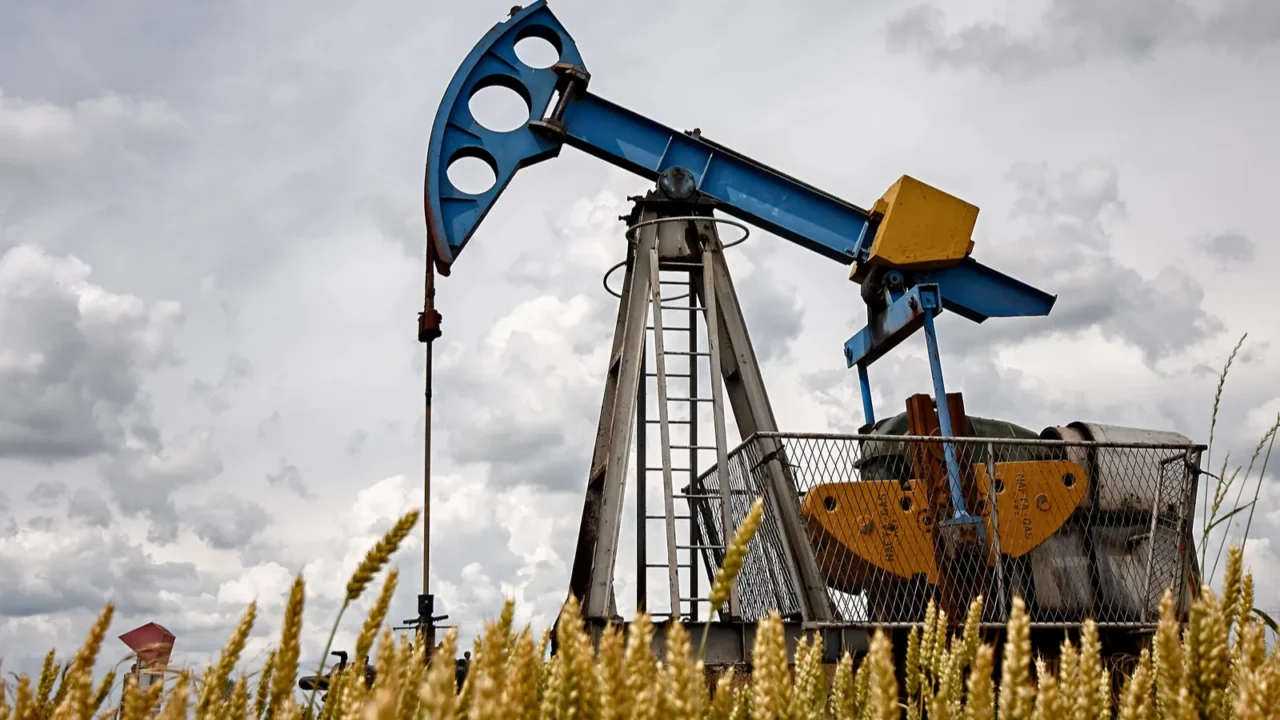
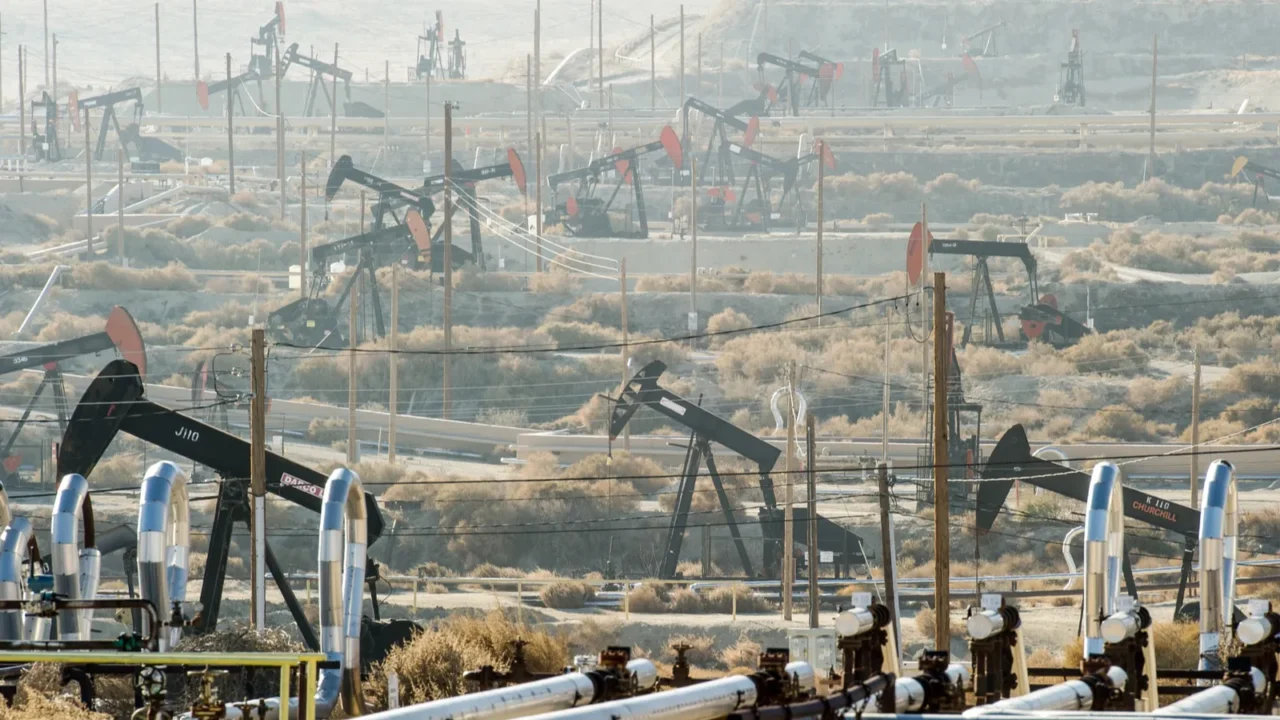
This debate is not only about refineries. California’s crude oil production has been falling for decades, which means the state now produces much less of its own oil than it once did.
EIA data show California produced 283 million barrels in 2001. By 2024, that had fallen to 104 million barrels, a drop of roughly 63%, and 2025 monthly data show production stayed weak.
Imports now matter much more
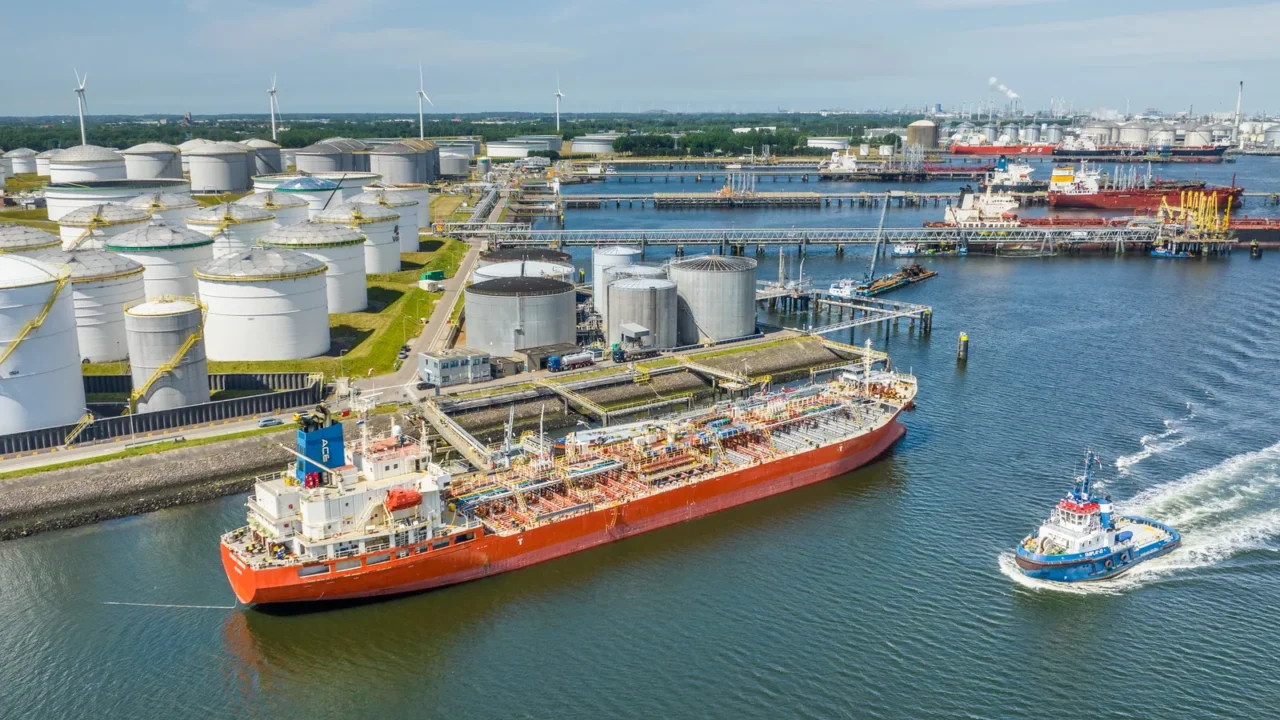
As in-state production declined, imported crude became more important. California Energy Commission data show the state imported foreign crude from countries including Iraq, Ecuador, Saudi Arabia, Brazil, and Colombia.
That means California’s fuel system is more exposed to global market swings than before. When oil prices jump or overseas shipping gets shaky, Californians can feel the ripple quickly.

The politics got messier fast
Governor Gavin Newsom built a reputation as a sharp critic of oil companies. But as refinery closures mounted, Reuters reported the state took the rare step of trying to help find a buyer for Valero’s Benicia plant.
That shift stood out because it suggested the state was trying to prevent a deeper supply crunch. In other words, the politics stayed heated, but the market reality got harder to ignore.
Drilling policy also shifted
The state has also moved on to drilling in Kern County. LSB 237 (enacted in late 2025) included a provision allowing Kern County to approve up to 2,000 new oil-well permits a year, a change covered in state reporting and law-firm summaries after the bill was signed by Gov. Gavin Newsom.
That does not mean California is reversing its clean-energy goals. It does show the state is trying to manage short-term supply worries while still pushing its longer-term energy transition.
Little-known fact: Phillips 66 also operates a San Francisco-area refinery that AP said accounts for about 5% of California’s refining output.

Critics blame policy choices
Critics argue California helped create its own squeeze. They point to strict regulations, higher operating costs, and an uncertain long-term business climate for refiners as reasons companies are pulling back.
Some reporting supports at least part of that picture. Reuters said Valero specifically cited California’s tough regulatory environment and high costs in its closure decision.
Little-known fact: EIA says California’s crude output once peaked at 394 million barrels in 1985, far above recent levels.
Others say the picture is bigger
Still, the full story is not one-note. Phillips 66 said its Los Angeles refinery closure was tied to broader market dynamics, and Reuters noted the site was built to process in-state crude that has been dwindling for years.
That means geology and demand trends matter too, not just politics. California is trying to cut fossil-fuel use over time, and that makes long-term refinery investment a harder sell.
Drivers are watching the pump
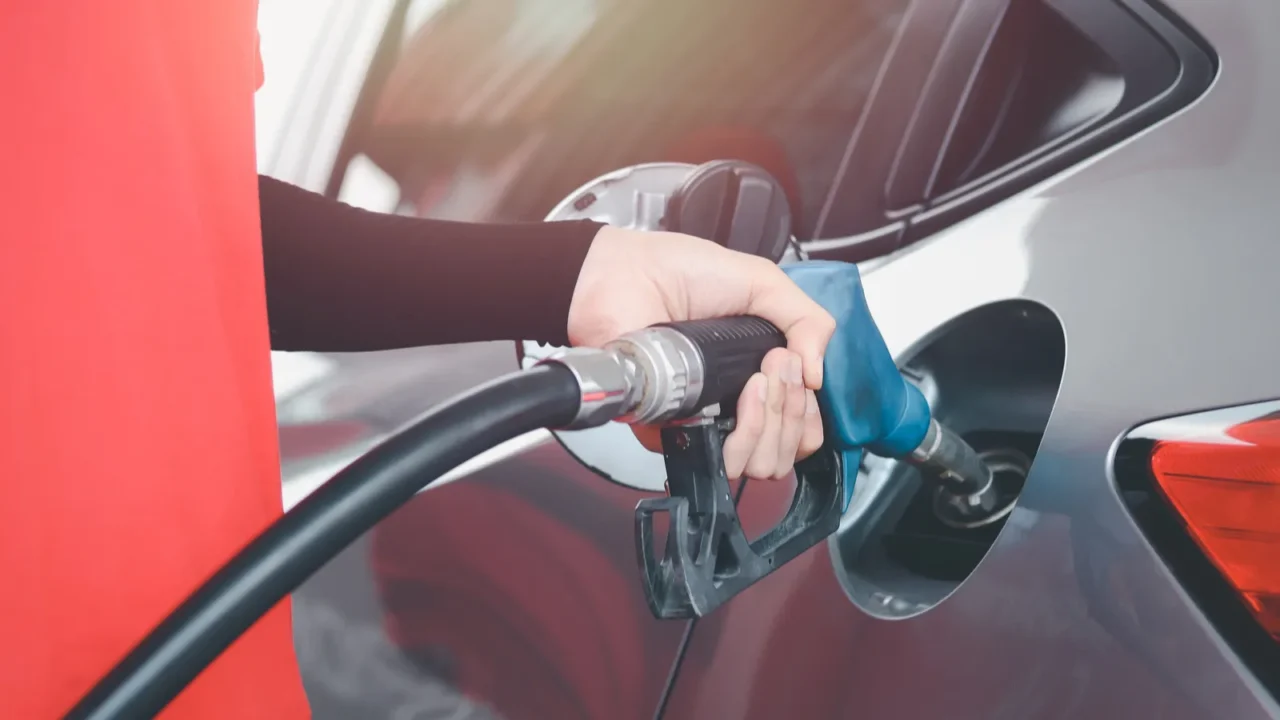
For most people, this issue comes down to what they pay each week. California’s statewide average crossed $5.29 on March 10, and recent reporting showed prices had been climbing sharply within days.
That keeps pressure on Newsom and other state leaders. Voters may not follow refinery capacity charts, but they absolutely notice when filling the tank gets painfully expensive.
Oil markets are entering a more uncertain phase as new pressure builds around global supply routes. Check out why global oil security could shift after Iran’s setback.
What happens next matters a lot
California is not out of options yet. The state still has operating refineries, and officials have been looking at ways to reduce disruption from the coming closures.
But the margin for error looks thinner than before. If supply gets tighter while oil markets stay jumpy, California drivers could stay stuck with some of the nation’s highest prices.
Rising gas prices are adding to the list of reasons some residents are reconsidering California. Check out why more people are leaving California for Florida.
Do you think California can lower emissions without making gas prices even worse? Share your thoughts in the comments.
This slideshow was made with AI assistance and human editing.
Don’t forget to follow us for more exclusive content right here on MSN.
Read More From This Brand:
