A $3,000 idea just landed
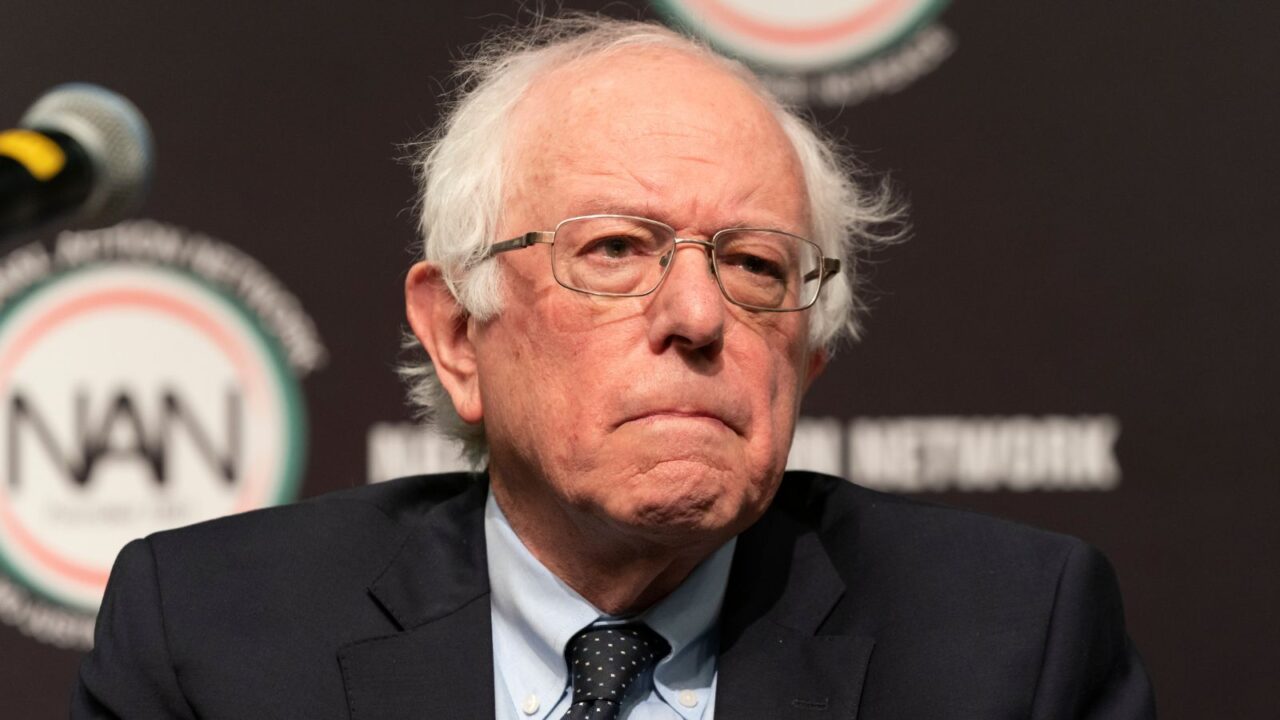
A lot of Americans hear “new payment plan” and immediately wonder if it is real. This one is real as a bill, but it is still only a proposal in Congress right now. Senator Bernie Sanders and Representative Ro Khanna introduced the Make Billionaires Pay Their Fair Share Act on March 2, 2026.
What grabbed attention fast was the headline number. The plan would send $3,000 to each eligible person in qualifying households, which means a family of four could receive $12,000. That is why the bill quickly became bigger than a normal tax-policy story.
Who would qualify for the money
The proposal does not promise checks to everyone in America. It targets households earning $150,000 or less per year, according to Sanders’ office and multiple news reports. That income cap is one of the bill’s biggest details because it shapes how many families could benefit.
The payment is also described as a direct payment per person, not just per household. So a married couple with two children could be looking at $12,000 if the bill ever became law. That family-size angle is one reason the proposal is getting so much attention online.
Where the money would come from
This plan is built around a new tax on extreme wealth. The bill proposes a 5% annual wealth tax on U.S. billionaires, not a broad new tax on middle-class households. Sanders and Khanna say that approach would make the richest Americans fund the package.
That tax is aimed at people with at least $1 billion in wealth. According to the bill’s summary (which draws on Forbes-based counts), the proposal targets roughly 938 U.S. billionaires, whose combined wealth the sponsors put at about $8.2 trillion (a figure that can vary as billionaire lists are updated). The whole pitch is that a small group at the very top would finance benefits for millions of working families.

The eye-popping revenue estimate
The bill’s backers say the numbers are large enough to fund much more than one-time checks. An analysis from UC Berkeley economists Emmanuel Saez and Gabriel Zucman estimated the tax could raise about $4.4 trillion over 10 years. That estimate is central to the bill’s argument.
That figure helps explain why the proposal reaches into so many issues at once. The direct payments are only one part of a much wider spending plan. Without that multitrillion-dollar estimate, the rest of the bill would be much harder to sell.

The checks are only one piece
The proposal is bigger than a one-time payout. Sanders’ office says the revenue would also go toward expanding Medicare to include dental, vision, and hearing benefits. That makes the bill part cash proposal and part social-policy package.
That broader structure matters because it changes the politics of the bill. Some lawmakers may support direct payments but push back on the larger spending agenda. Others may see the bigger package as the whole point.

Health care is a big focus too
The bill also aims to reverse $1.1 trillion in cuts to Medicaid and the Affordable Care Act, according to Sanders’ announcement and media coverage. Supporters say that money would help shore up coverage and reduce harm from health-care cutbacks. Health care is one of the plan’s biggest selling points.
That means this is not being sold as a simple stimulus. It is being framed as a way to support working families, seniors, and vulnerable people all at once. The checks may grab the headlines, but health care is one of the bill’s core pillars.

Child care and schools are included
Another part of the proposal focuses on everyday family costs. Sanders’ office says the plan would cap child care expenses at 7% of household income and set a $60,000 minimum salary for public school teachers nationwide. That gives the bill a strong kitchen-table angle.
Those details help explain why the legislation is being pitched far beyond tax policy circles. Families worried about day care bills or teacher shortages can see something concrete in it. The bill is trying to connect billionaire taxation to problems people feel every month.
Little-known fact: Senator Bernie Sanders has served as an independent senator from Vermont since 2007, while caucusing with Democrats.

Housing is part of the pitch
Housing also shows up in the proposal. Backers say billionaire-tax revenue would help build and repair affordable housing across the country. That widens the bill’s appeal at a time when rent and home costs remain major concerns in many states.
This matters because affordability debates are not just about groceries anymore. In places from California to Vermont, housing costs can shape whether families feel stable at all. The bill tries to answer that pressure with long-term investment, not just one-time cash.
Little-known fact: During 2020–21 the IRS issued three rounds of Economic Impact Payments (stimulus checks), which helps explain why cash-payment proposals draw strong public interest.

Why supporters say now is the time
Supporters are pitching the plan as a response to extreme inequality. Sanders said the country cannot keep a tax code that lets billionaires pay lower effective tax rates than many workers. Khanna said places generating huge wealth exist alongside families struggling to cover health care, housing, and basics.
That message is meant to tap into a bigger frustration many voters already feel. The proposal is not just about one check. It is about the idea that a booming top tier of the economy should help fund relief for everyone else.
Little-known fact: The U.S. Treasury says the American Rescue Plan provided $1,400 payments for all qualifying dependents of a family, rather than just qualifying children under age 17.
Critics already see problems
The idea may sound simple in a headline, but wealth taxes are usually hard to implement. Critics have warned they can face legal fights, valuation disputes, and resistance from people who say they would discourage investment or push wealthy residents to move. That debate is already part of the bill’s story.
Even some economists who favor taxing wealth disagree on how easy it would be to collect the full amount projected. That does not mean the bill is meaningless. It does mean the path from a bold proposal to actual cash payments is far from simple.

Congress is the biggest hurdle
The bill has one huge obstacle before any family can see money. It has to pass Congress, and current coverage says it faces very long odds in a GOP-controlled Congress. That political reality is a major reason no one should treat this like an approved payment yet.
That is the part readers need to keep straight. “Introduced” does not mean “passed,” and “proposed” does not mean “scheduled.” Right now, the checks are an idea tied to legislation, not a confirmed federal payment.

Why the bill still matters
Even if it stalls, the proposal can still shape the national conversation. Coverage from major outlets says it could become a benchmark issue in Democratic politics ahead of the 2028 presidential race. That gives the bill influence beyond its immediate chances of becoming law.
It also shows how tax policy can become campaign messaging. A proposal like this can test which economic ideas excite voters and which ones scare off moderates. Sometimes that matters almost as much as the vote count itself.
In other news, see how Mamdani’s rent freeze pledge puts property owners under new tax pressure.
What Americans should watch next
The biggest thing to watch now is whether the bill gains co-sponsors and any serious committee traction. Another signal is whether support grows beyond progressive lawmakers, because broader backing would make the plan harder to dismiss. Right now, that momentum is still uncertain.
It is also worth watching whether the $3,000 payment stays the headline or becomes one part of a bigger inequality debate. Bills like this often evolve as they move through Congress, if they move at all. So the next chapter may be about politics more than payouts.
Want to know what else going on in the New York City? Check out the recent budget gamble that could push more companies out of New York and who’s behind it.
Do you think a billionaire tax should help fund $3,000 payments to Americans? Share your thoughts in the comments.
This slideshow was made with AI assistance and human editing.
Don’t forget to follow us for more exclusive content right here on MSN.
Read More From This Brand:
