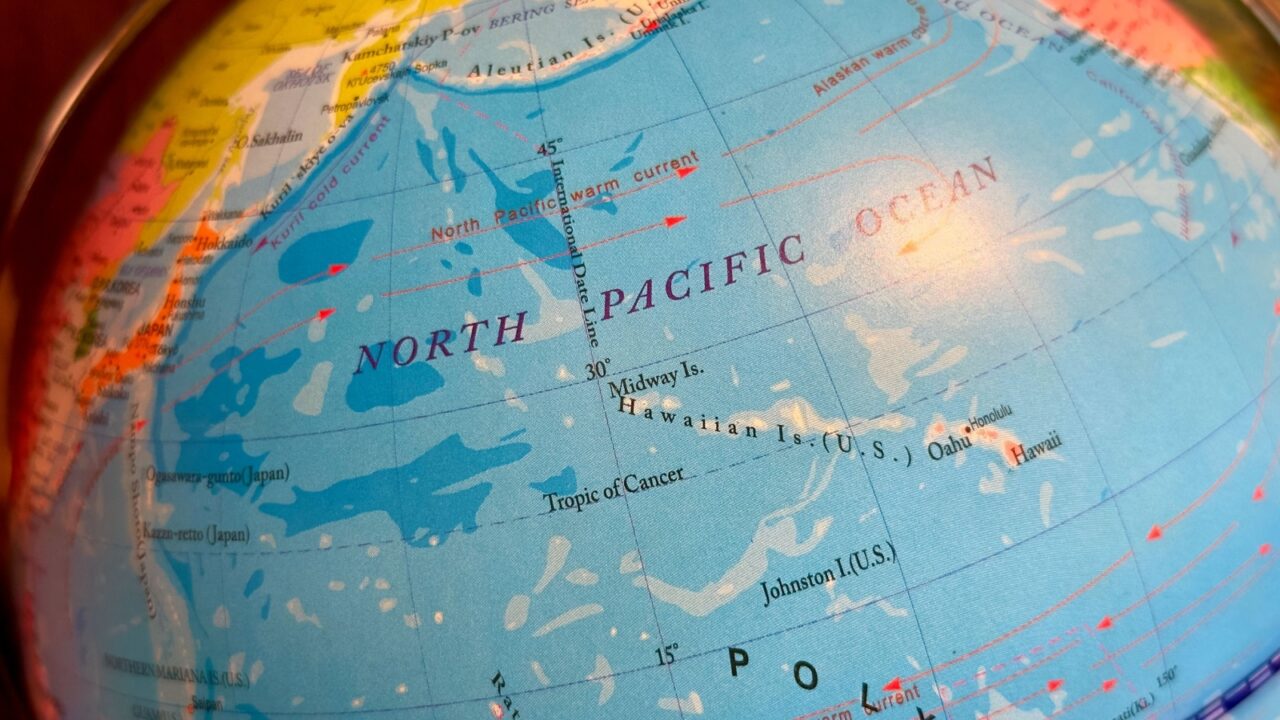
NOAA issues El Niño outlook
The National Oceanic and Atmospheric Administration warned that evolving Pacific Ocean conditions could influence seasonal weather patterns across the United States. Climate scientists track ocean temperature changes in the tropical Pacific that signal shifts in the El Niño Southern Oscillation cycle. These shifts often influence rainfall, storm tracks, and temperature patterns across North America.
Travelers planning summer trips across Florida, California, and the Gulf Coast often watch these forecasts closely. Seasonal climate signals can shape hurricane risks, rainfall patterns, and extreme heat across major tourist regions. NOAA’s outlook helps airlines, cruise operators, and tourism planners anticipate possible disruptions.
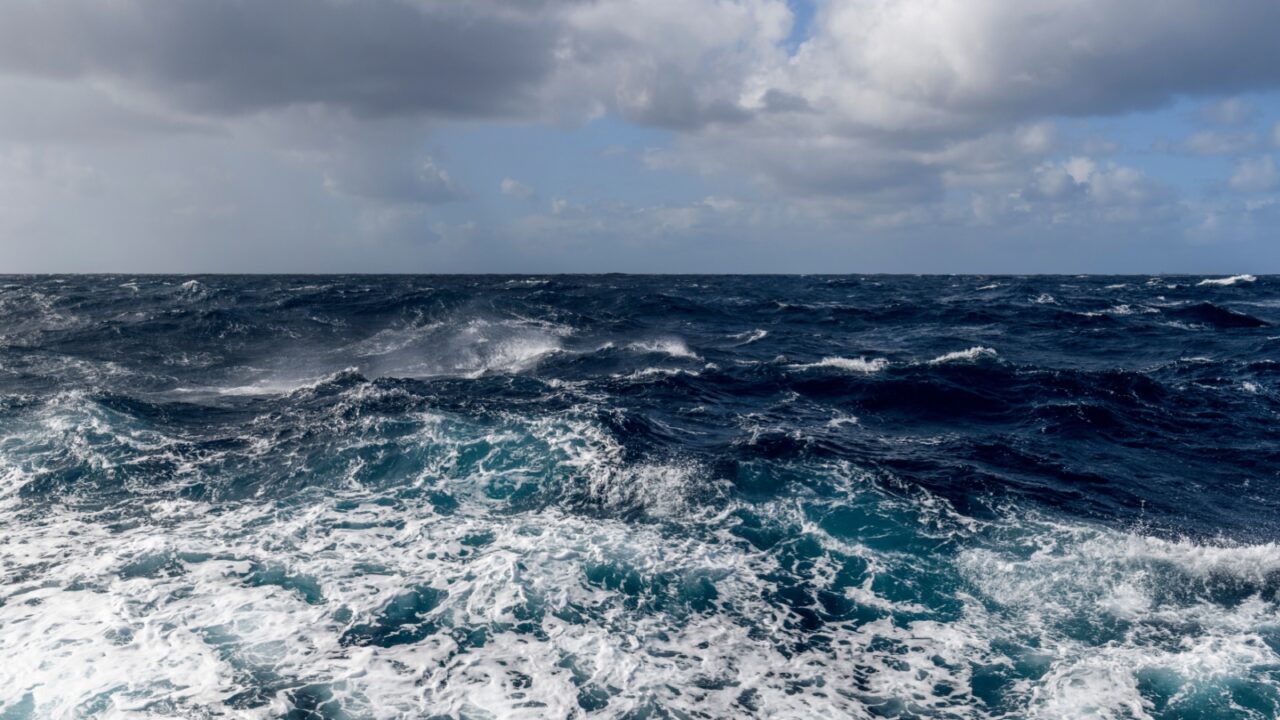
El Niño explained simply
NOAA describes El Niño as the warm phase of the El Niño Southern Oscillation climate cycle. During this phase, unusually warm water spreads across the central and eastern Pacific Ocean near the equator. These shifts in ocean temperature influence atmospheric circulation and rainfall patterns worldwide.
NOAA scientists say the cycle typically occurs every two to seven years. Weather patterns across the United States often respond to those ocean changes over several months. Summer travel seasons can therefore experience shifts in rainfall, storms, and heat depending on the ENSO phase.

NOAA monitors Pacific changes
NOAA’s Climate Prediction Center continuously monitors sea surface temperatures and trade wind patterns across the Pacific Ocean. These measurements help forecasters identify whether conditions favor El Niño, La Niña, or a neutral climate phase. Climate models then estimate how those patterns could affect global weather.
Forecasts show the Pacific climate system shifting after recent La Niña conditions weakened. Scientists say ENSO-neutral conditions are currently most likely through summer before another phase potentially develops later. These transitions can complicate long-range weather forecasting across the United States.
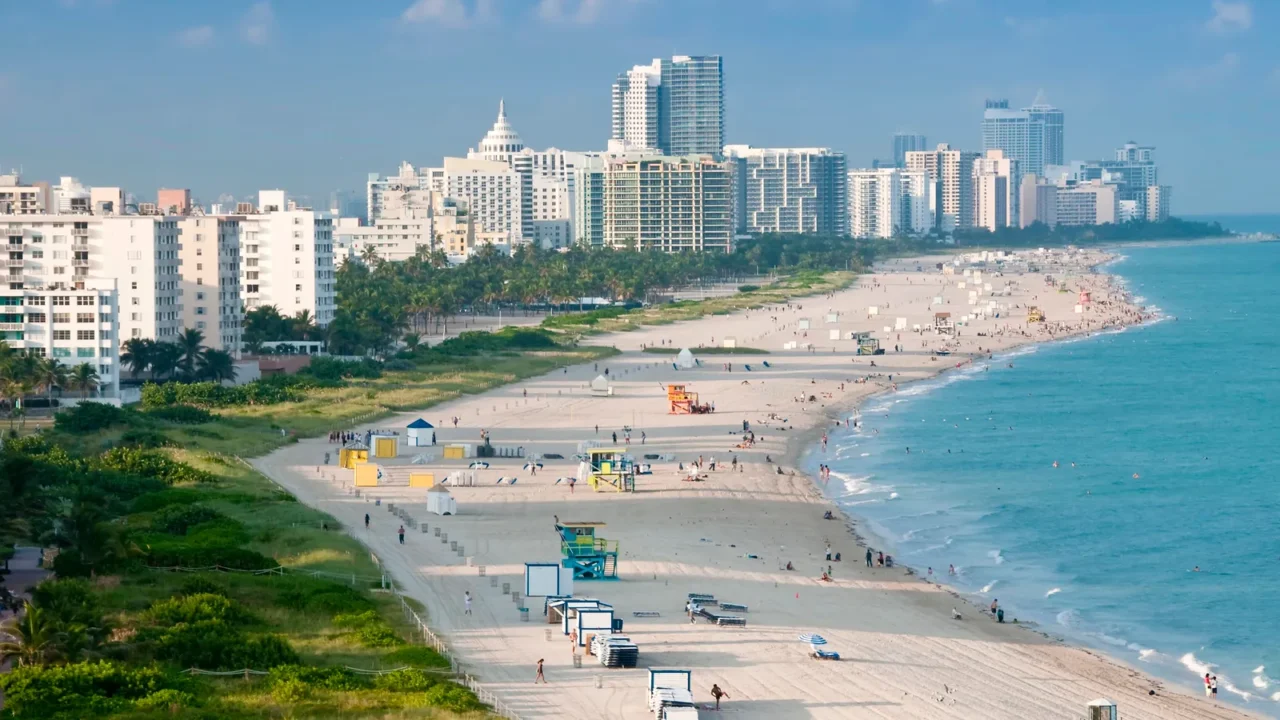
Travel weather patterns shift
Seasonal climate cycles often influence rainfall patterns across popular travel destinations. Southern states like Texas, Louisiana, and Florida sometimes experience wetter conditions during certain ENSO phases. Meanwhile, parts of the western United States may see shifts in drought or heat patterns.
Travelers visiting places like Miami Beach, New Orleans, or San Diego may notice how these climate cycles shape seasonal weather. Tourism planners and airlines often analyze NOAA seasonal outlooks before peak vacation periods. Weather risks can affect outdoor events, coastal tourism, and national park travel.
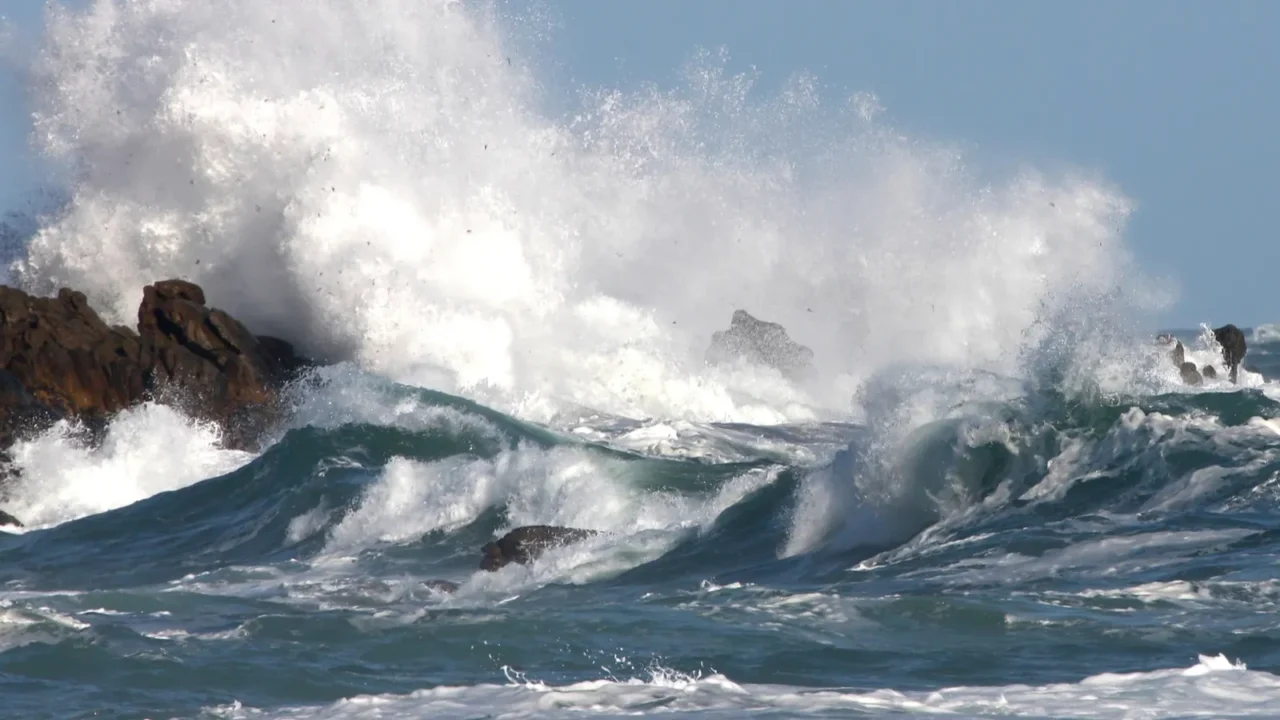
Storm season concerns grow
NOAA also evaluates how ocean temperatures may influence hurricane activity across the Atlantic basin. The Atlantic hurricane season officially runs from June through November each year. Coastal destinations from Florida to the Caribbean closely monitor seasonal storm forecasts.
NOAA will issue its official 2026 Atlantic hurricane season outlook in May; early 2026 guidance notes that a developing El Niño tends to suppress Atlantic hurricane activity, but the final seasonal outlook will depend on how ocean and atmospheric conditions evolve through spring and early summer. Those forecasts matter for cruise travel, beach vacations, and airline scheduling.
Ocean temperatures drive weather
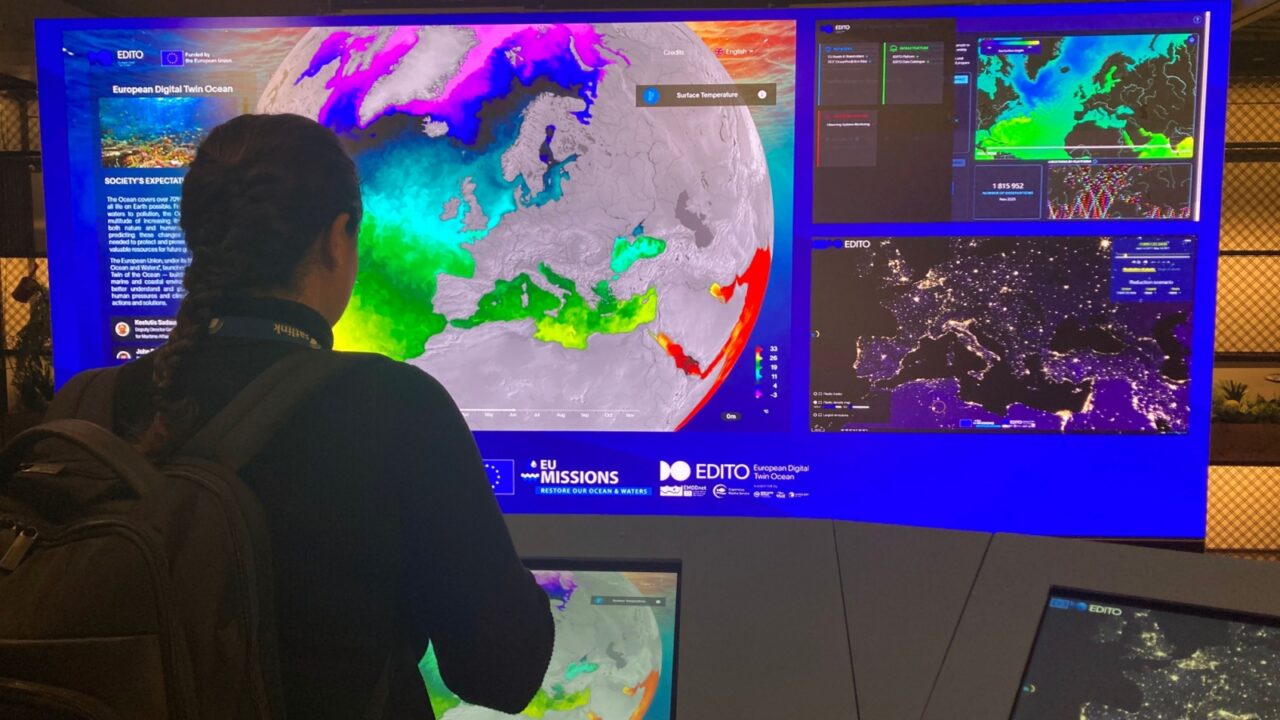
Ocean temperatures across the tropical Pacific act like a massive thermostat for global weather patterns. When waters warm during El Niño, rising air and rainfall patterns shift across the Pacific basin. That change can influence jet stream patterns over North America.
Fact: NOAA scientists track a region called Niño 3.4 in the equatorial Pacific to measure ENSO changes. If ocean temperatures in that zone rise or fall significantly from average levels, forecasters can detect the beginning of El Niño or La Niña cycles.
ENSO cycles repeat regularly
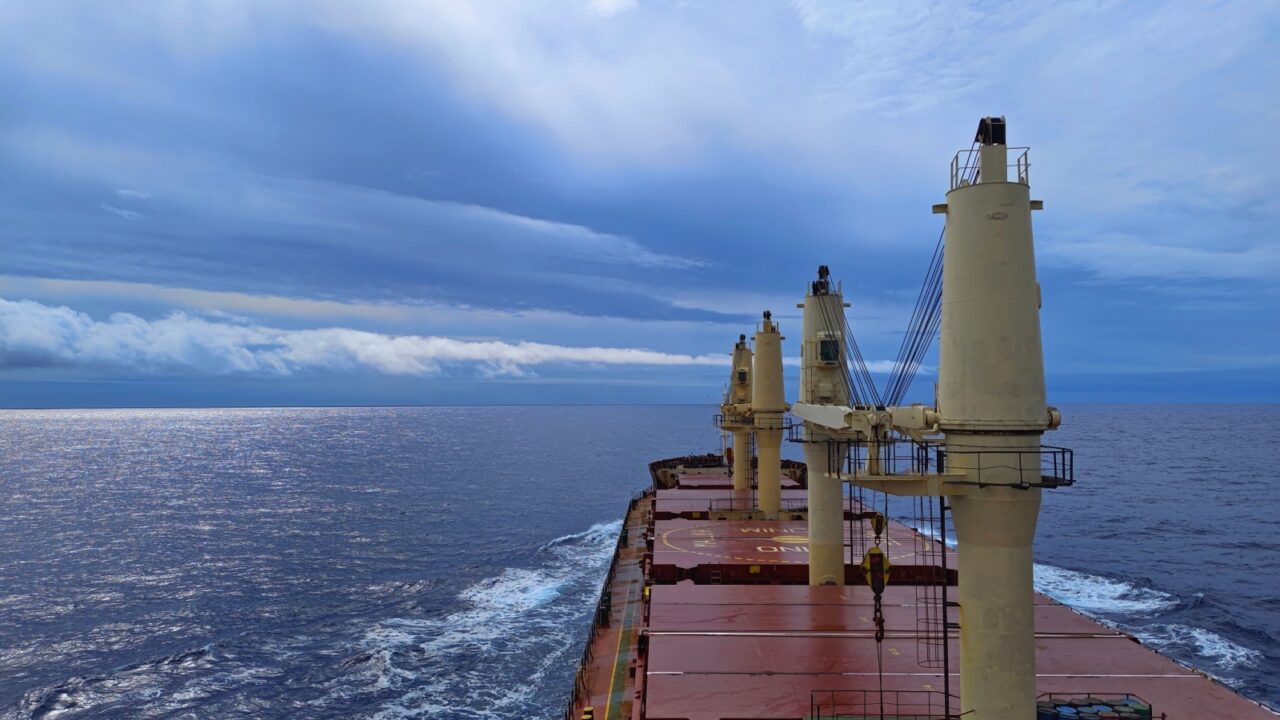
El Niño and La Niña are part of a repeating climate cycle known as ENSO. Scientists say the pattern has influenced global climate variability for centuries. Each phase produces distinct shifts in rainfall, storms, and seasonal temperature patterns.
Fact: NOAA notes that ENSO events usually occur every two to seven years, making them one of the most predictable large-scale climate signals on Earth. That predictability enables tourism industries and weather agencies to anticipate seasonal trends months in advance.
National parks monitor weather
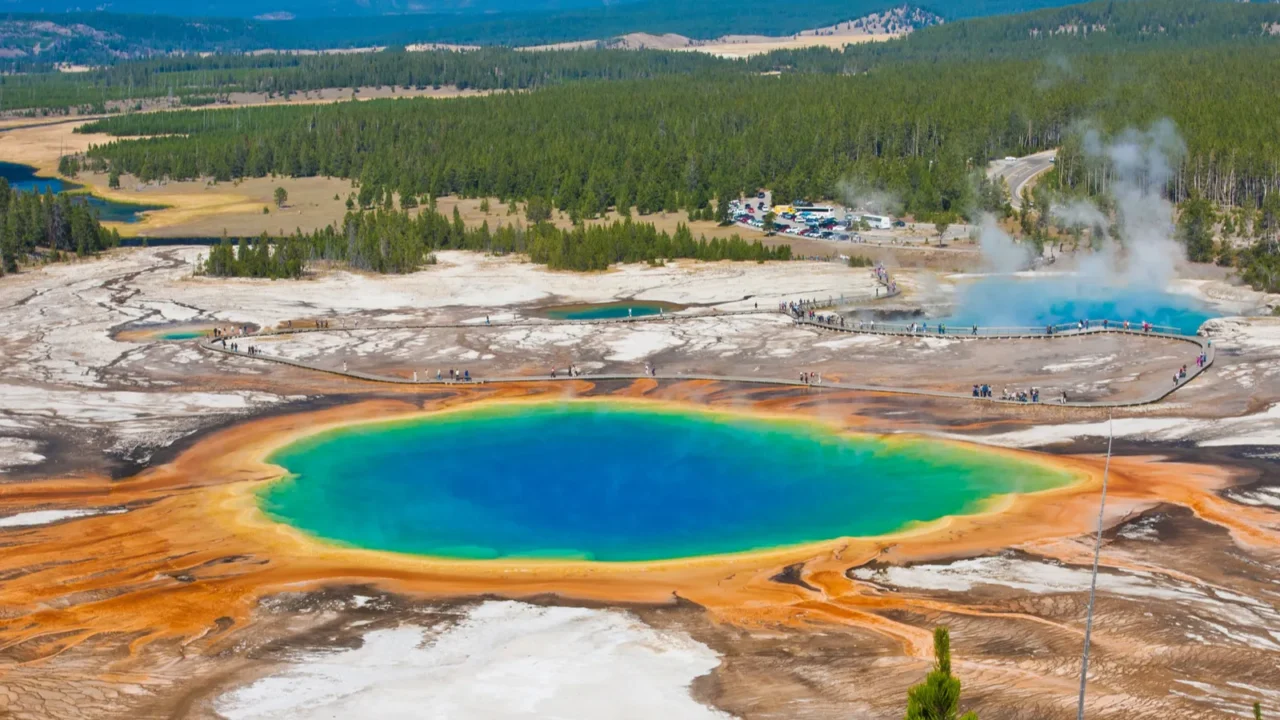
National parks across the United States often track climate forecasts during busy summer travel months. Destinations like Yellowstone National Park and Grand Canyon National Park rely on seasonal outlooks to prepare visitors. Weather shifts can influence wildfire risks, rainfall, and visitor safety.
Park officials sometimes adjust staffing and safety messaging based on seasonal climate expectations. Outdoor recreation companies and tour operators also watch NOAA forecasts closely. These preparations help protect millions of visitors during peak tourism periods.
Coastal tourism watches storms
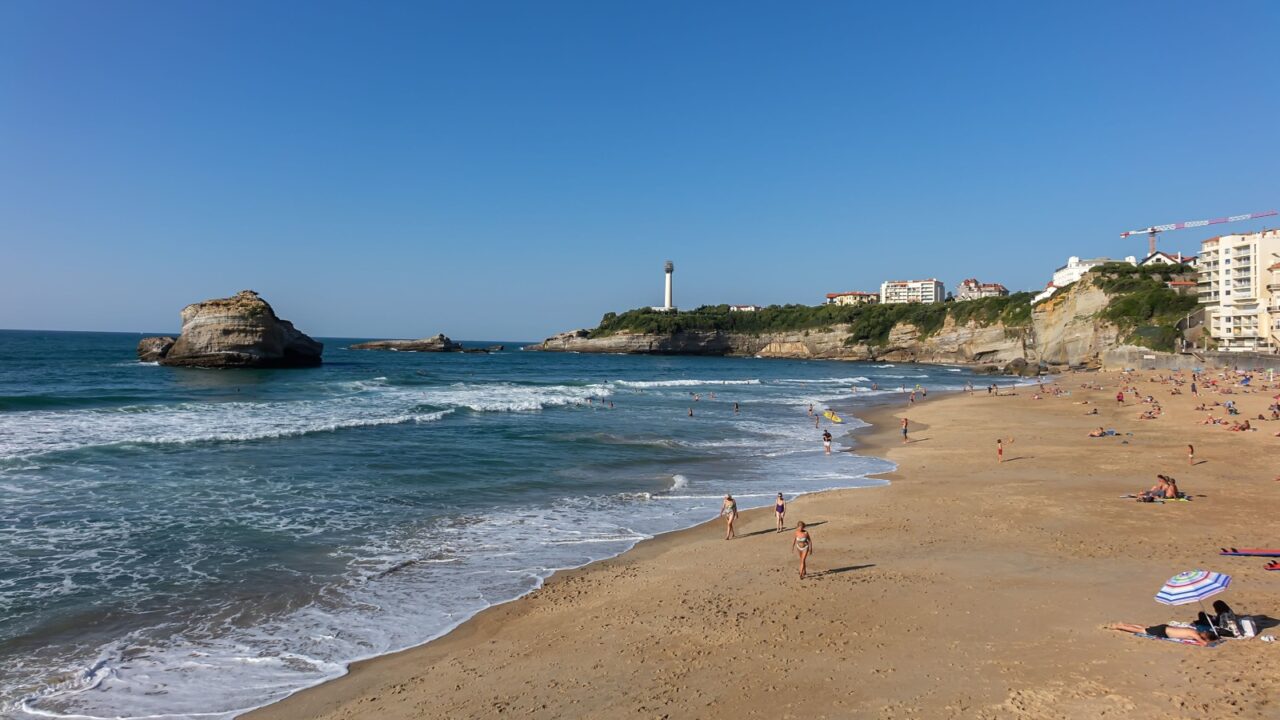
Beach destinations along the Gulf Coast and Atlantic Coast carefully follow seasonal storm forecasts. Cities like Miami, Tampa, and Charleston depend heavily on summer tourism revenue. Weather disruptions can influence hotel bookings, cruises, and major festivals.
NOAA forecasts help tourism agencies plan emergency preparedness strategies during hurricane season. Airlines and cruise companies also monitor storm outlooks months in advance. These forecasts help the travel industry manage risks during busy vacation months.
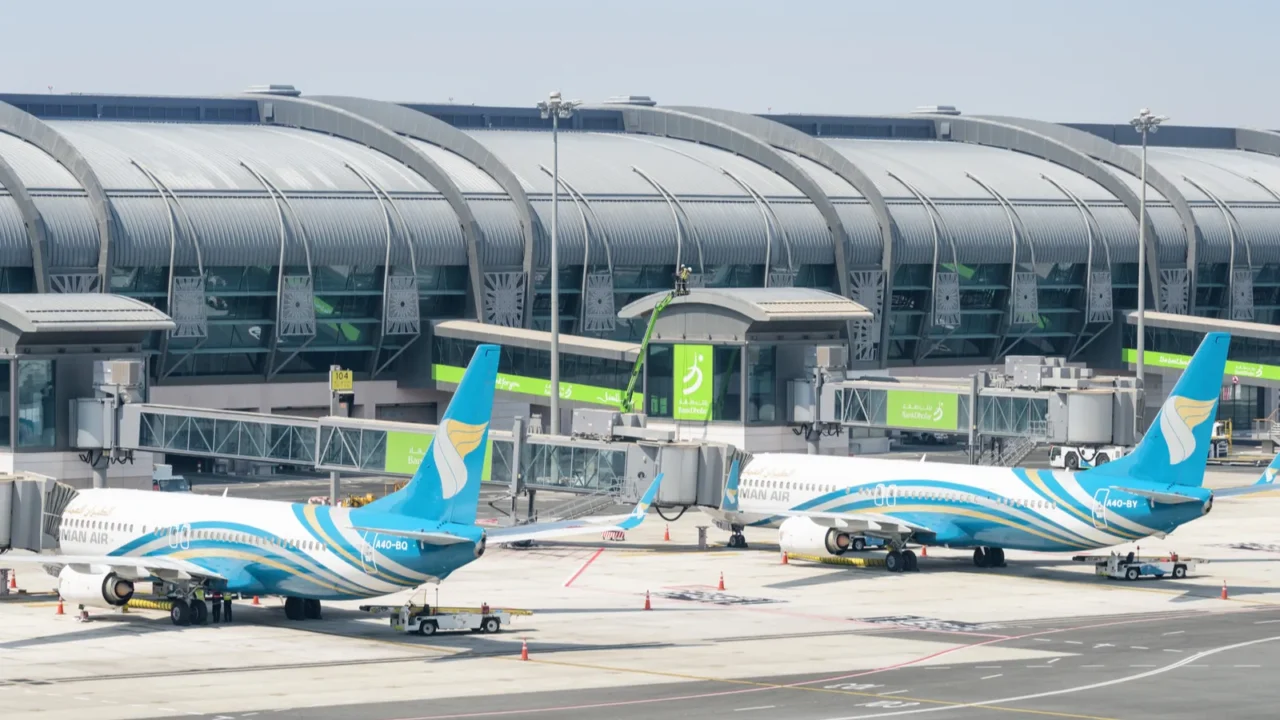
Airlines track weather risks
Airlines and airports routinely analyze climate forecasts during peak travel seasons. Major hubs like Atlanta, Dallas, and Orlando handle millions of summer passengers. Severe weather disruptions can quickly affect flight schedules and passenger traffic.
Long-range outlooks help aviation planners anticipate possible turbulence or storm disruptions. Seasonal climate signals also help airlines adjust schedules for busy travel periods. Reliable forecasting reduces delays during large holiday travel surges.
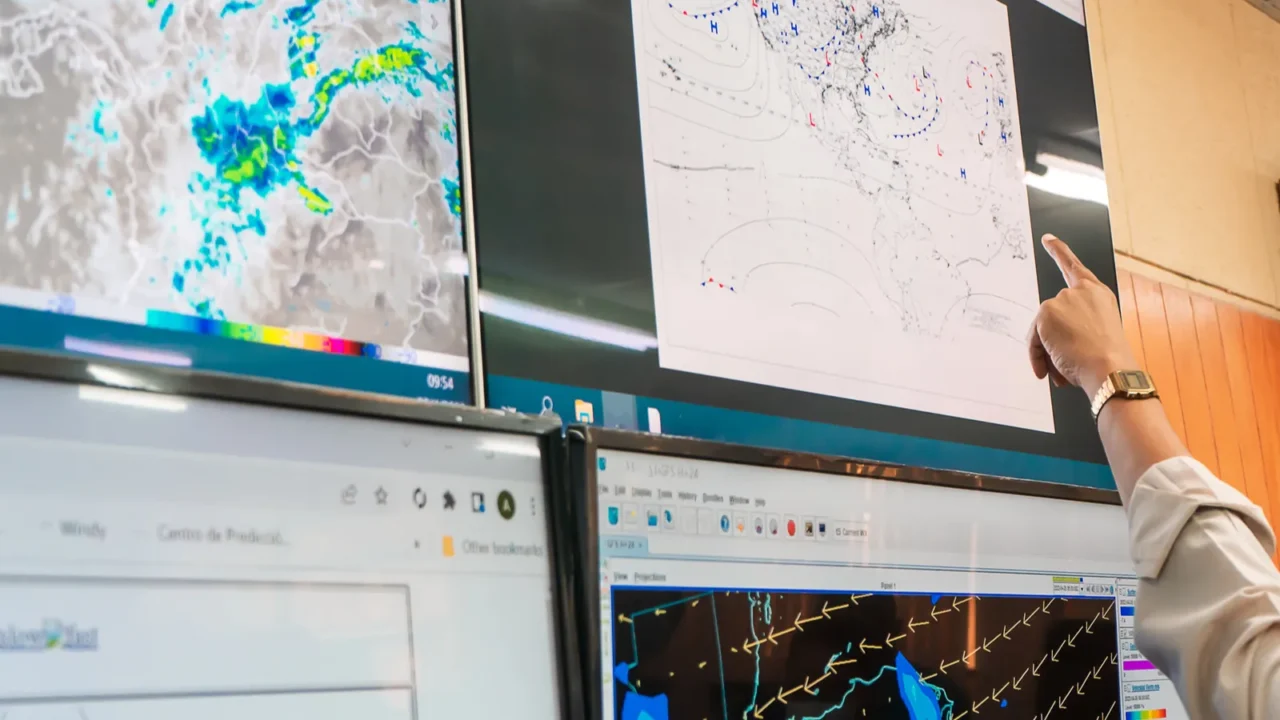
Forecast uncertainty remains
Even with modern climate models, seasonal weather forecasting still carries uncertainty. ENSO-neutral conditions often reduce the strength of predictable climate signals. That means local weather systems can dominate daily conditions.
NOAA scientists say that climate cycles influence trends rather than exact storms or rainfall events. Travelers may still experience typical summer weather regardless of the broader climate phase. Forecast updates often evolve as ocean conditions change.

Summer travel planning tips
Travel agencies often recommend flexibility during hurricane season and peak summer travel months. Booking changeable airline tickets and refundable hotels can help reduce weather-related stress. Travel insurance policies sometimes cover cancellations caused by named storms.
Tourism experts also suggest monitoring weather updates during the week before departure. Airlines and cruise lines often issue travel advisories when major storms develop. These precautions help travelers manage changing weather conditions during busy vacation seasons, including situations such as what travelers need to know about California flood and storm recovery zones before 2026 trips.
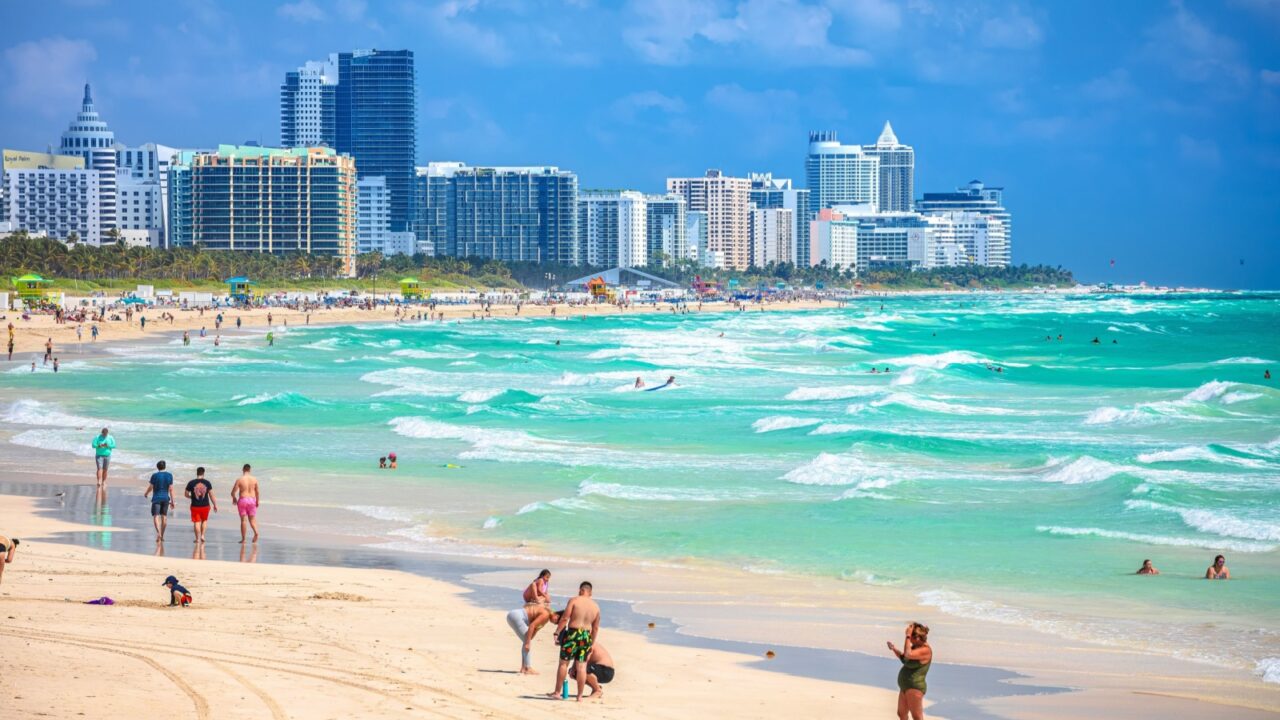
Weather shapes travel choices
Seasonal climate patterns often shape travel decisions across the United States. From hurricane season along the Gulf Coast to heat waves in the Southwest, weather influences many vacation plans. NOAA outlooks help travelers and tourism industries prepare for changing conditions.
Destinations from Florida beaches to California national parks continue welcoming millions of summer visitors each year. Climate signals like El Niño provide early clues about possible weather risks.
Which destination feels like the most reliable summer escape for travelers this year? Share thoughts below.
This slideshow was made with AI assistance and human editing.
Don’t forget to follow us for more exclusive content right here on MSN.
Read More From This Brand:
