One wrong step can be fatal
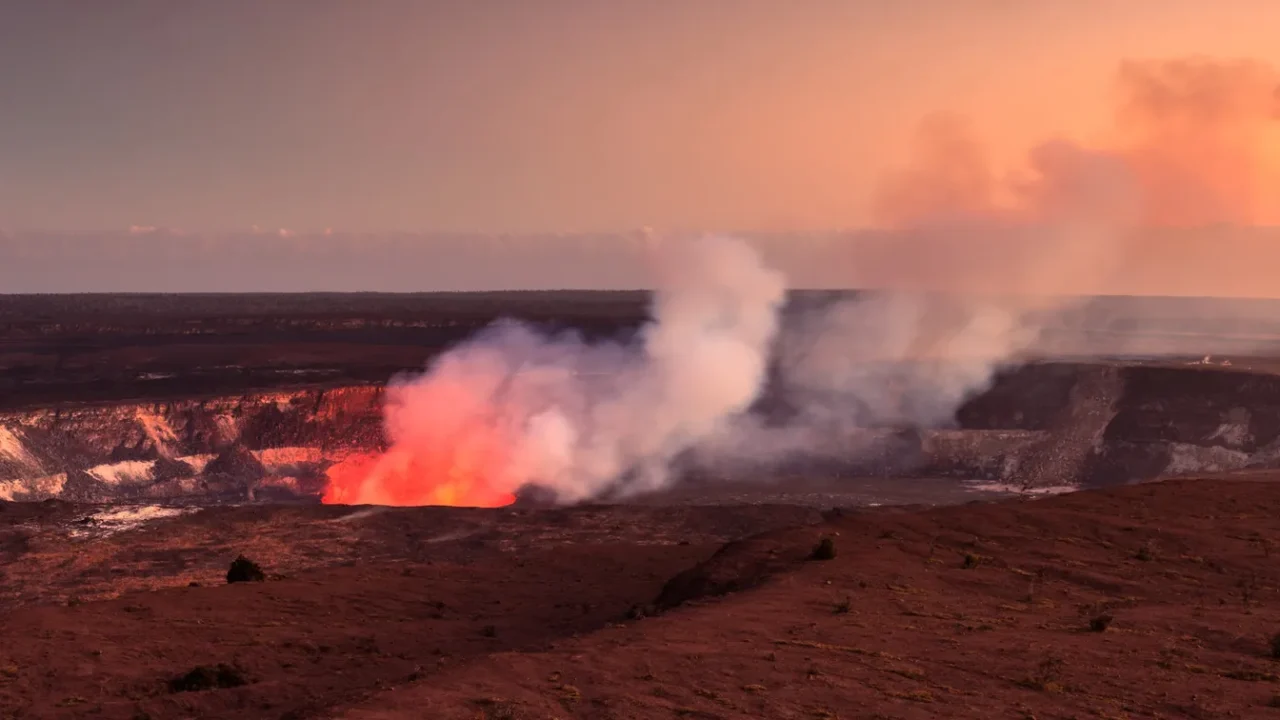
A recent death at Hawaiʻi Volcanoes National Park is a hard reminder that some of America’s most famous landscapes are also active hazard zones. A 33-year-old Hawaiʻi resident entered a closed area on the east side of Kīlauea caldera on February 26, 2026, and was found the next day after an overnight search.
That matters now because parks are still drawing huge crowds even as risks remain easy to underestimate. The National Park Service recorded more than 323 million recreation visits in 2025, showing how many travelers are making decisions in places where one mistake can have serious consequences.
The Hawaiʻi case was not random
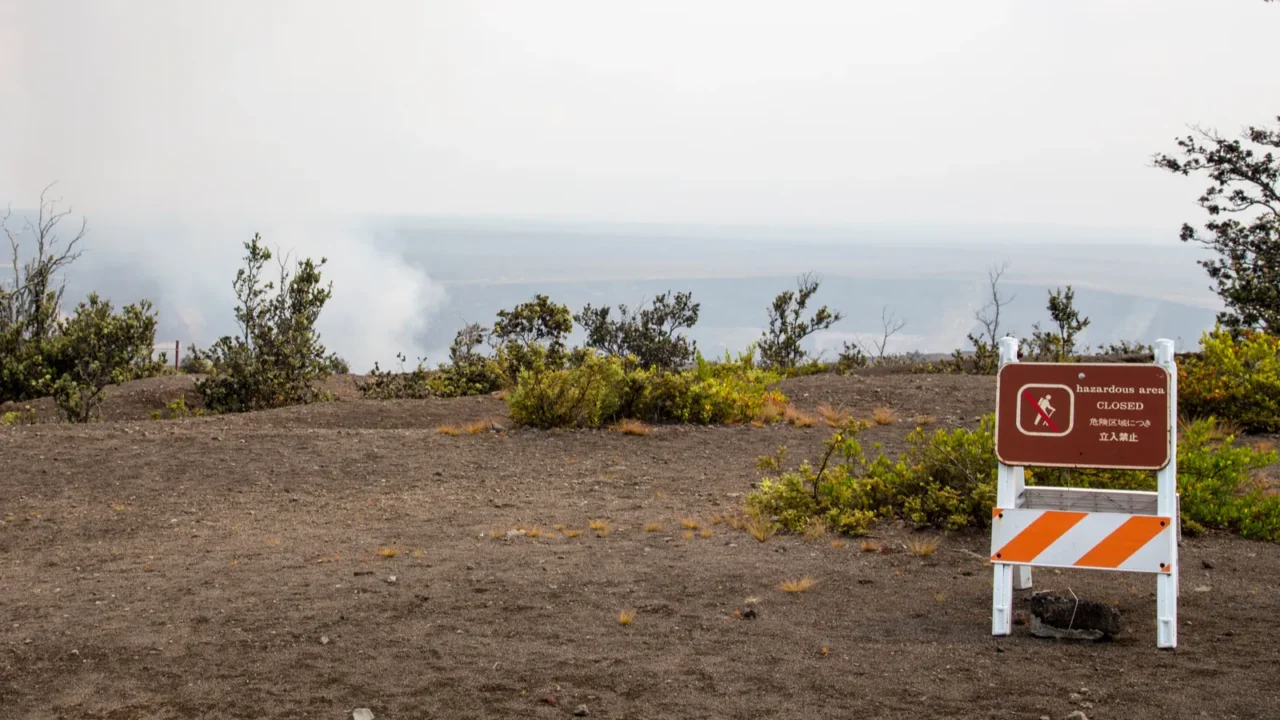
National Park Service officials said the man entered a closed, hazardous area in steep terrain near Kīlauea caldera. Responders located him on February 27 and airlifted him out, but he was later pronounced dead at Hilo Benioff Medical Center.
The park has not framed this as a freak event caused by an eruption suddenly reaching tourists. It has instead stressed that the incident happened in an area already closed because the terrain itself was dangerous.
Volcano parks are dangerous even when calm
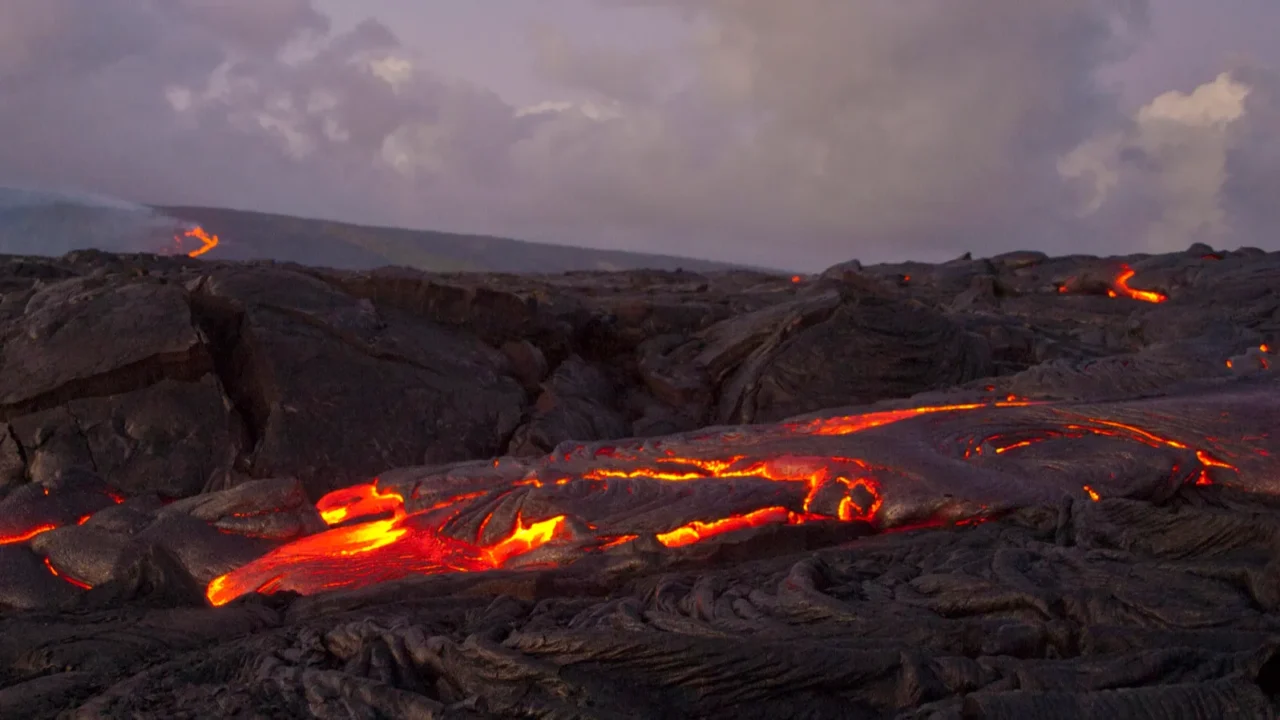
Many visitors picture danger only when lava is visibly flowing. Hawaiʻi Volcanoes National Park warns that people can still face unstable ground, sharp volcanic rock, hidden lava tubes, and hazardous gases even during normal visits.
That is what makes this park different from a typical scenic stop. A place can look quiet and photo-ready while still carrying ground-collapse risks, breathing hazards, and sudden weather exposure.
The air can be part of the threat
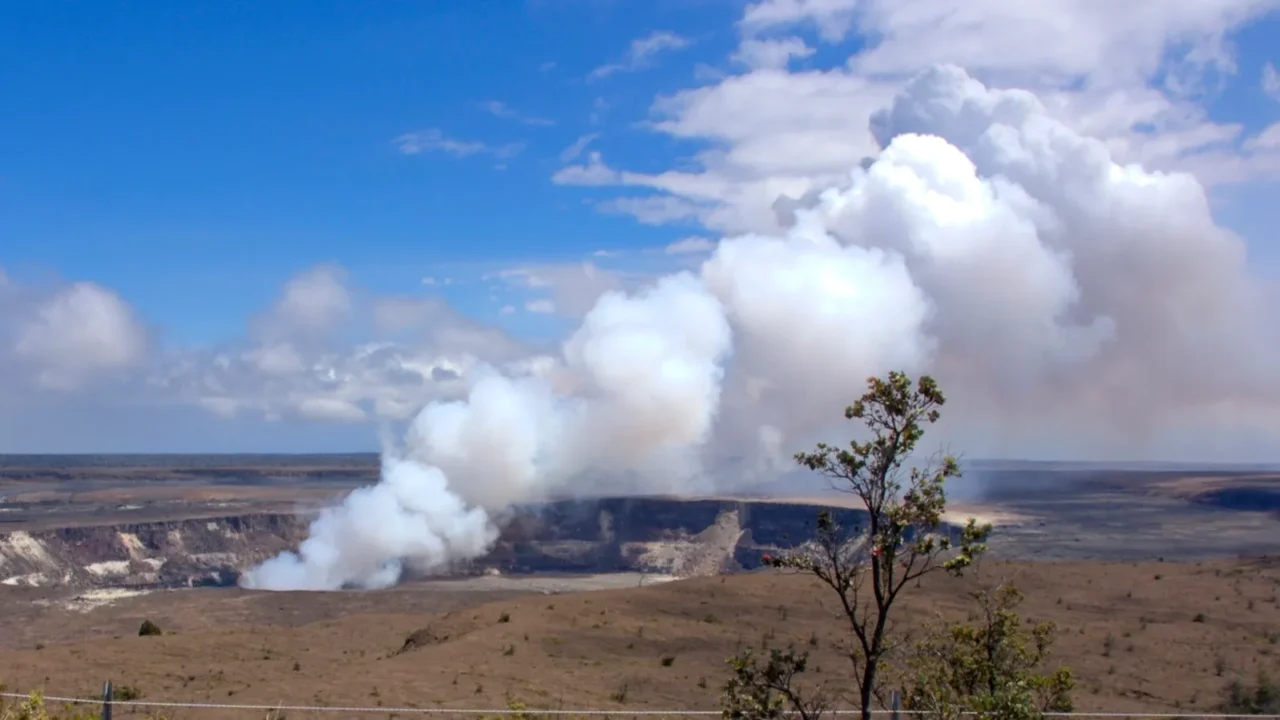
The park’s air-quality warnings focus heavily on sulfur dioxide and PM2.5, both of which can reach unhealthy levels around Kīlauea. The National Park Service says these conditions can become especially serious for people with asthma, heart disease, or other respiratory issues.
USGS adds that sulfur dioxide can irritate the eyes, nose, throat, and skin. In Hawaiʻi, volcanic smog, or vog, has long been tied to breathing problems and reduced visibility.
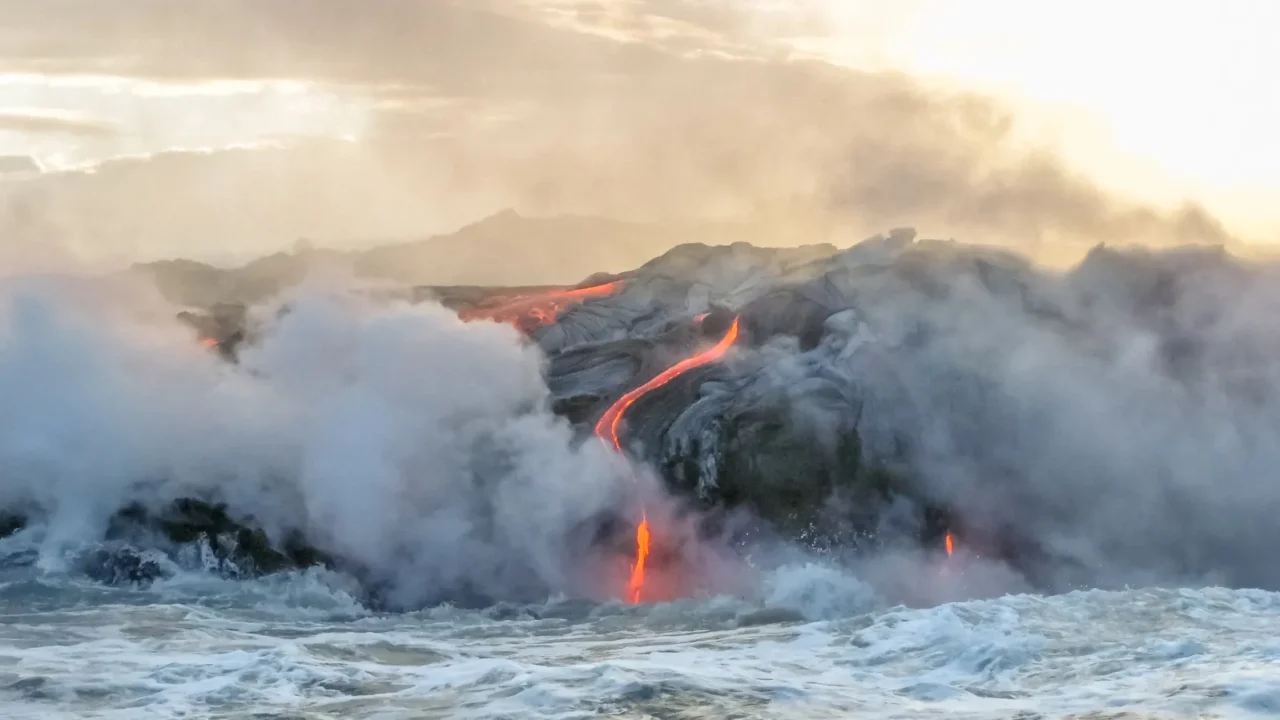
Kīlauea is active right now
This story lands while Kīlauea remains in an active eruptive phase. USGS says the current episodic summit eruption began on December 23, 2024, and by March 10, 2026, it had already produced 43 eruptive episodes.
That does not mean every visitor is in direct lava danger. It does mean conditions can change fast, closures can expand quickly, and tourists need to treat alerts and restricted zones as part of the trip, not as optional advice.
Little-known fact: Hawaiʻi Volcanoes National Park says its nearby Kahuku Unit is open Thursday through Sunday, 8 a.m. to 4 p.m., and is typically far less crowded than the main park area.
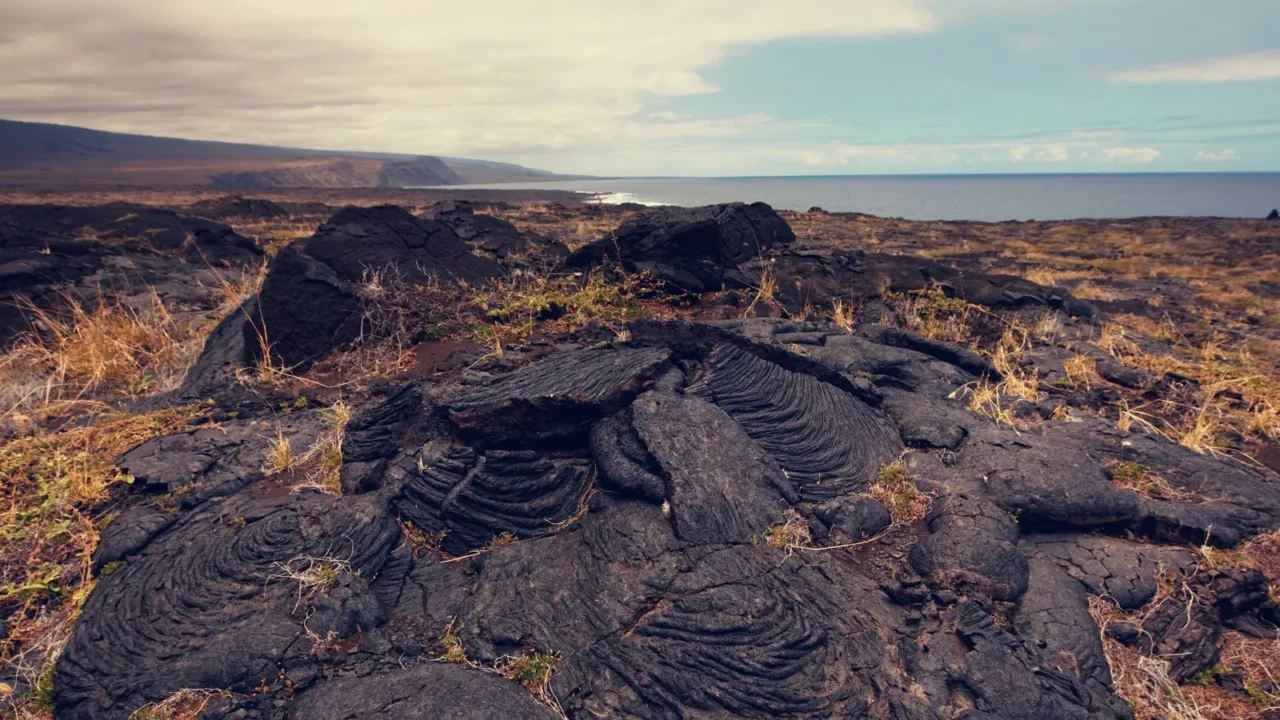
Crowds can make risk harder to judge
Hawaiʻi Volcanoes is not a remote niche destination anymore. The park said 1.4 million visitors came in 2024 and spent $445 million in the local area, supporting thousands of jobs on the Big Island.
Big attendance can create a false sense of safety. When lots of people are walking, filming, and stopping near dramatic views, it becomes easier for newcomers to assume the environment is controlled when it is actually still volatile.
Little-known fact: USGS says Kīlauea is one of the world’s most active volcanoes, and its current summit eruption has stayed mainly within Halemaʻumaʻu crater.
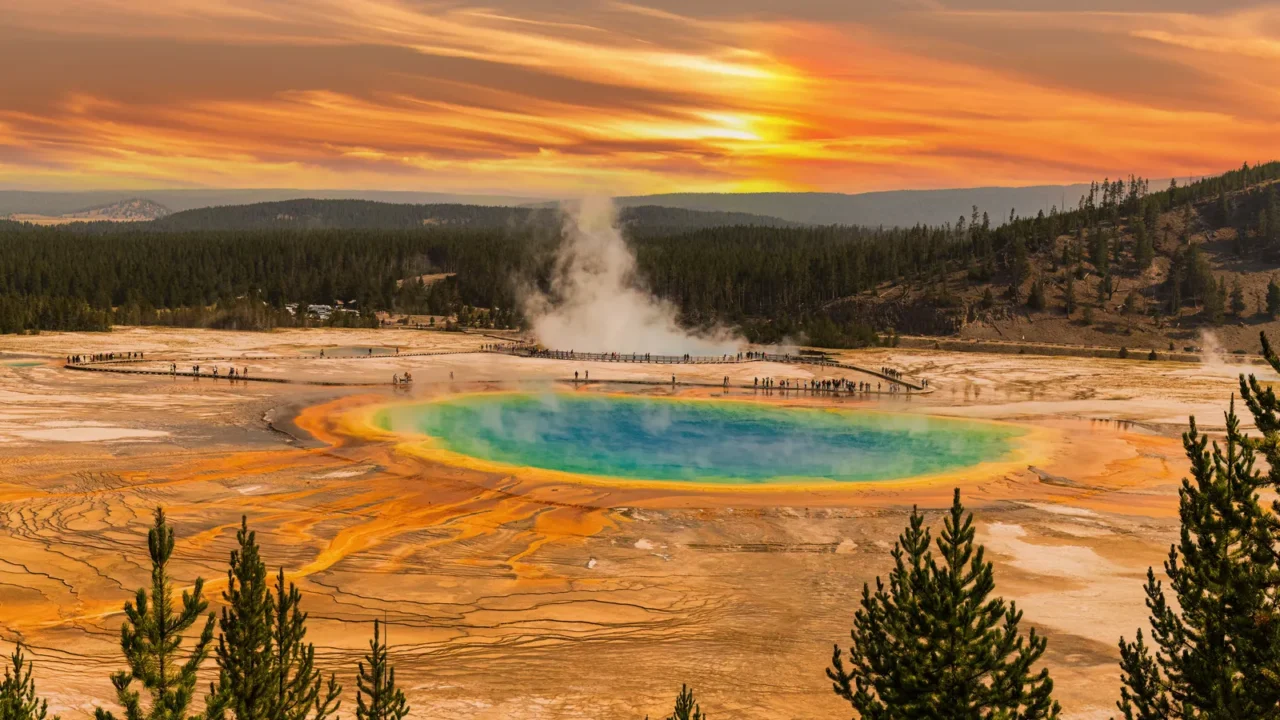
Yellowstone shows the same pattern
This is not only a Hawaiʻi problem. USGS says thermal features in Yellowstone have caused hundreds of injuries and more than 20 deaths, making them a deadlier visitor hazard than many people realize.
Yellowstone’s danger also often starts with simple rule-breaking or misjudgment. In 2024, an 83-year-old woman suffered serious injuries after a bison came within a few feet of her near Yellowstone Lake.
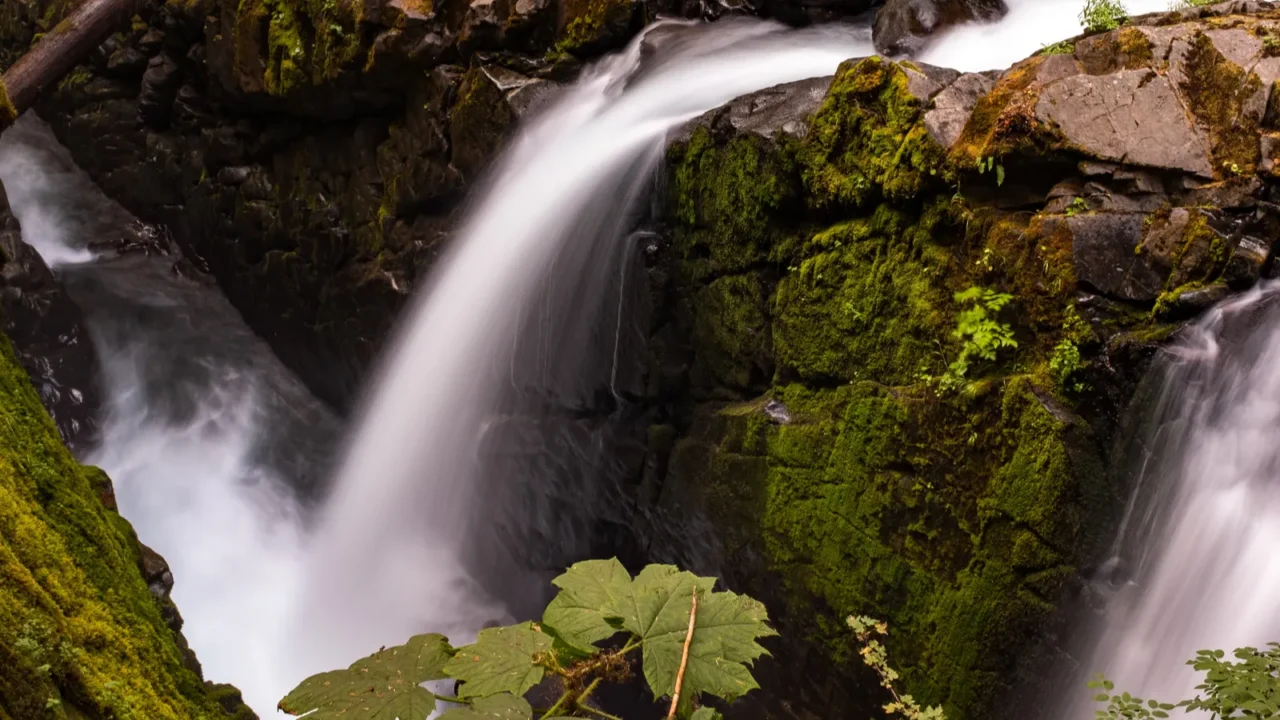
Waterfalls and cliffs carry the same lesson
The wider park system keeps producing similar warnings in very different landscapes. At Olympic National Park in Washington, an 18-year-old man fell over the 50-foot Sol Duc Falls in June 2025, prompting a closure during recovery efforts.
At Bryce Canyon in Utah, two tourists died after falling from Inspiration Point in April 2025. Different park, different terrain, same basic problem: scenic places can turn deadly fast when people move beyond safe routes or barriers.
Why tourists keep taking these chances
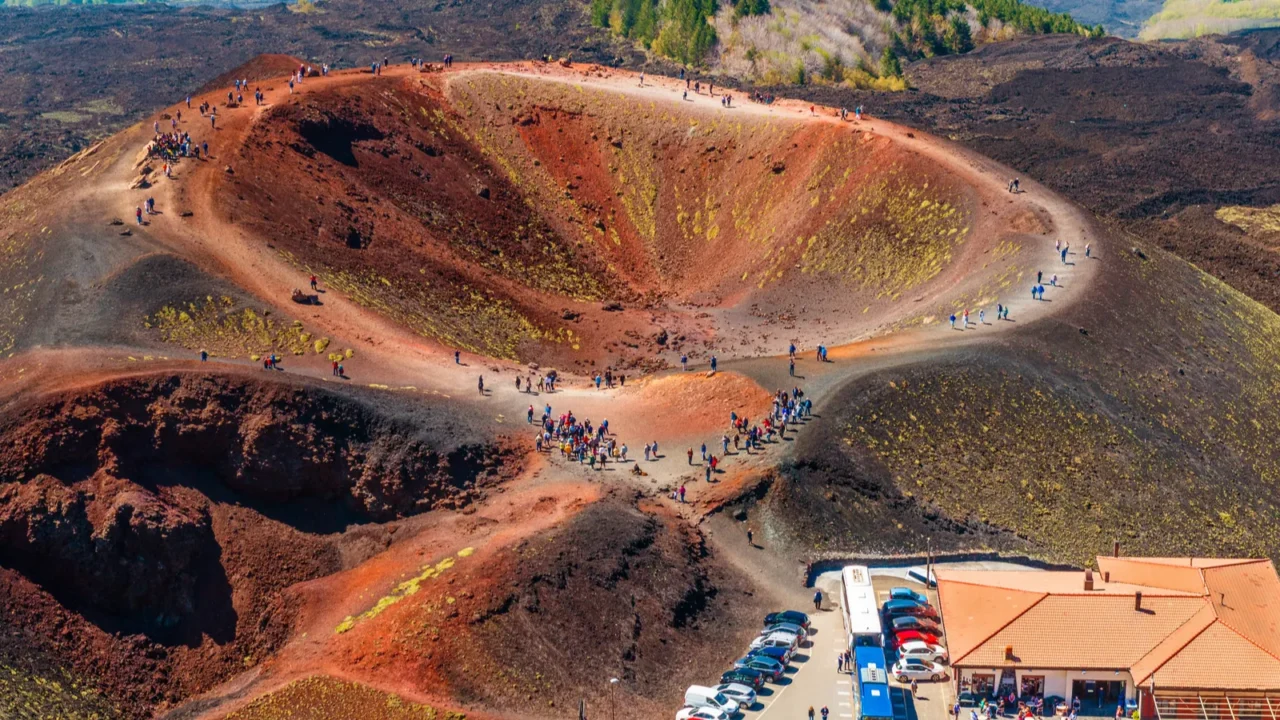
Researchers and park experts increasingly point to a risk-perception gap. Georgia Southern University professor Dylan Spencer said some visitors treat national parks like city parks or zoos, even though they are dynamic environments with real natural hazards.
That helps explain why warnings get ignored. A fence, sign, or closure line can feel overly cautious to someone chasing a better photo, a closer view, or a more dramatic social media moment.
Closures are usually there for a reason
At active volcano parks, closures often reflect geology that most people cannot read on sight. Hidden voids, brittle lava crust, unstable cliff edges, and shifting rock can make an area dangerous even when the surface looks solid.
That is why “just stepping a little farther” can be a serious mistake. The safe-looking edge of a volcanic landscape can hide cracks, collapse zones, or fumes that do not announce themselves clearly to tourists.
This is also a public-health issue
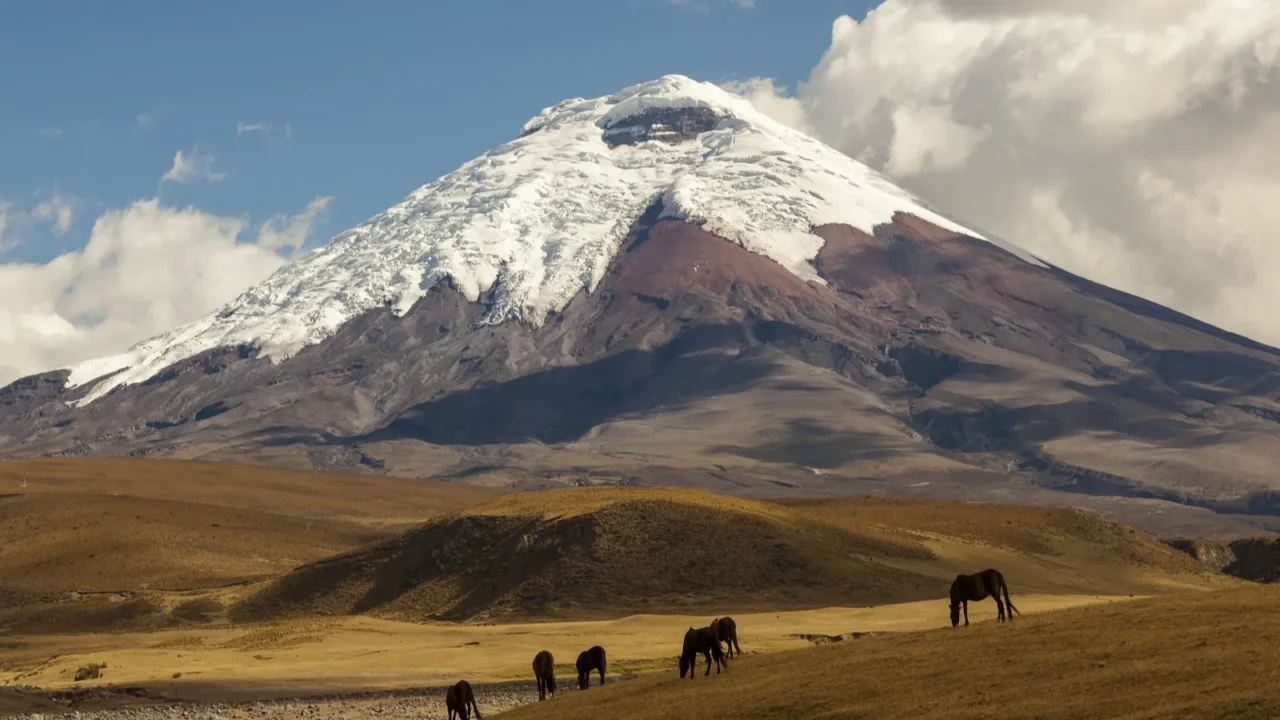
Volcanic danger is not limited to burns or falls. Medical and public-health sources have linked Hawaiʻi volcanic emissions to coughing, throat irritation, eye irritation, wheezing, and other cardiorespiratory symptoms, especially in exposed communities and sensitive groups.
That makes compliance matter even for visitors who never leave the trail. On bad air days, ignoring park alerts can create health trouble long before anyone gets near lava or a cliff edge.

The safety message is actually simple
Park agencies are not asking tourists to stop visiting these places. They are asking people to stay on marked trails, obey closure signs, watch air-quality alerts, and avoid treating hazard zones like selfie backdrops.
That advice may sound basic, but it is the line between a memorable trip and a rescue call. In parks shaped by heat, gas, cliffs, water, or wildlife, routine rules are often the main survival tool visitors have.
Hawaii’s new climate tourism fee is drawing backlash as officials push visitors to help cover rising environmental costs. Check out why it is stirring debate and what it could mean for future travel to the islands.
What this means for travelers in 2026
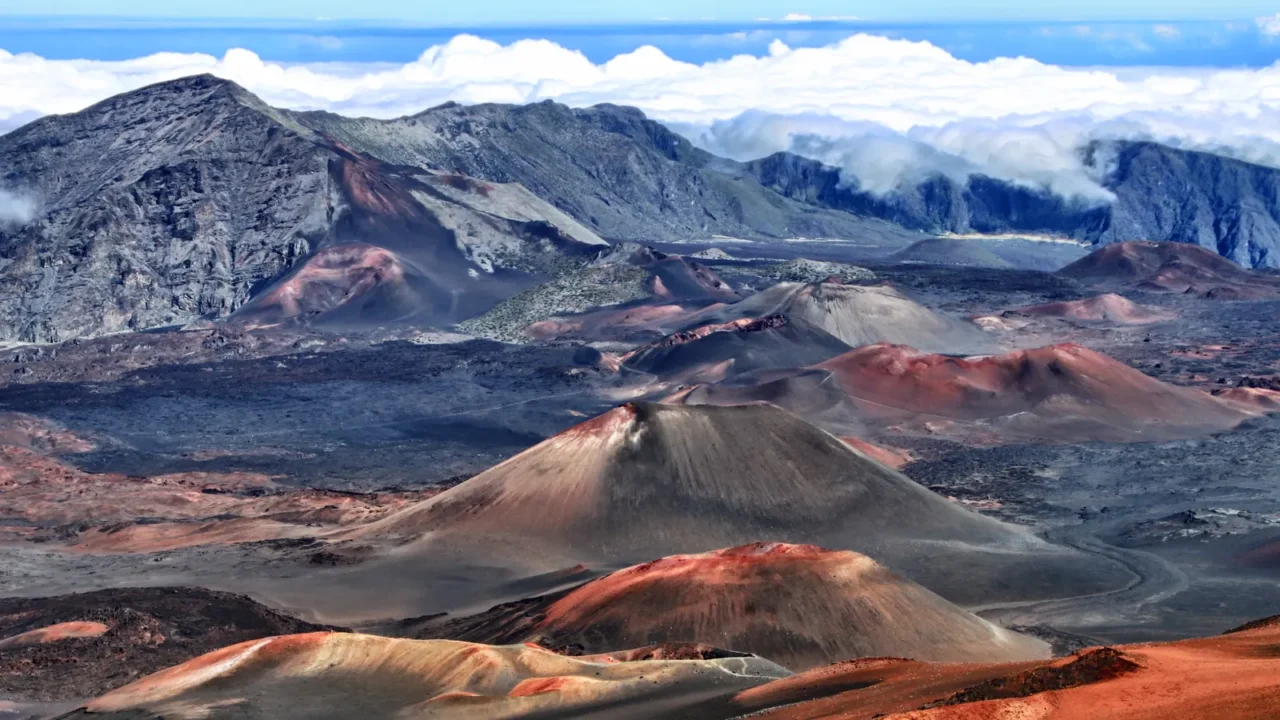
For travelers, the bigger takeaway is that America’s most iconic parks increasingly require the mindset of active-risk travel. A dramatic natural setting may also mean live alerts, fast-changing access, and serious consequences for small decisions.
That is especially true in Hawaiʻi, where volcanic activity can boost tourist interest while also raising exposure. The draw is obvious, but so is the need to plan around official warnings rather than the perfect photo.
Check out next why volcano-alert regions are still drawing curious tourists despite the risks.
Do parks need tougher enforcement, bigger warnings, or better visitor education in the most dangerous areas? Share your thoughts and your view in the comments.
This slideshow was made with AI assistance and human editing.
Don’t forget to follow us for more exclusive content right here on MSN.
Read More From This Brand:
