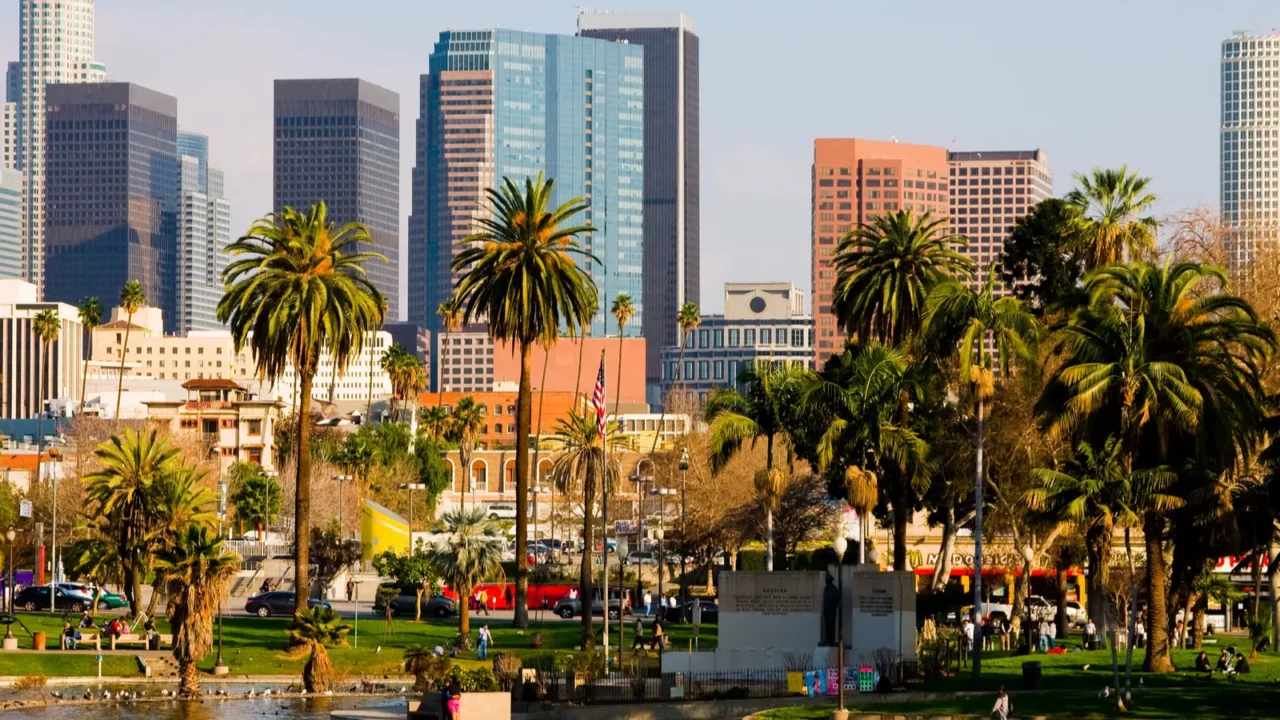
Summer heat arrives way too early
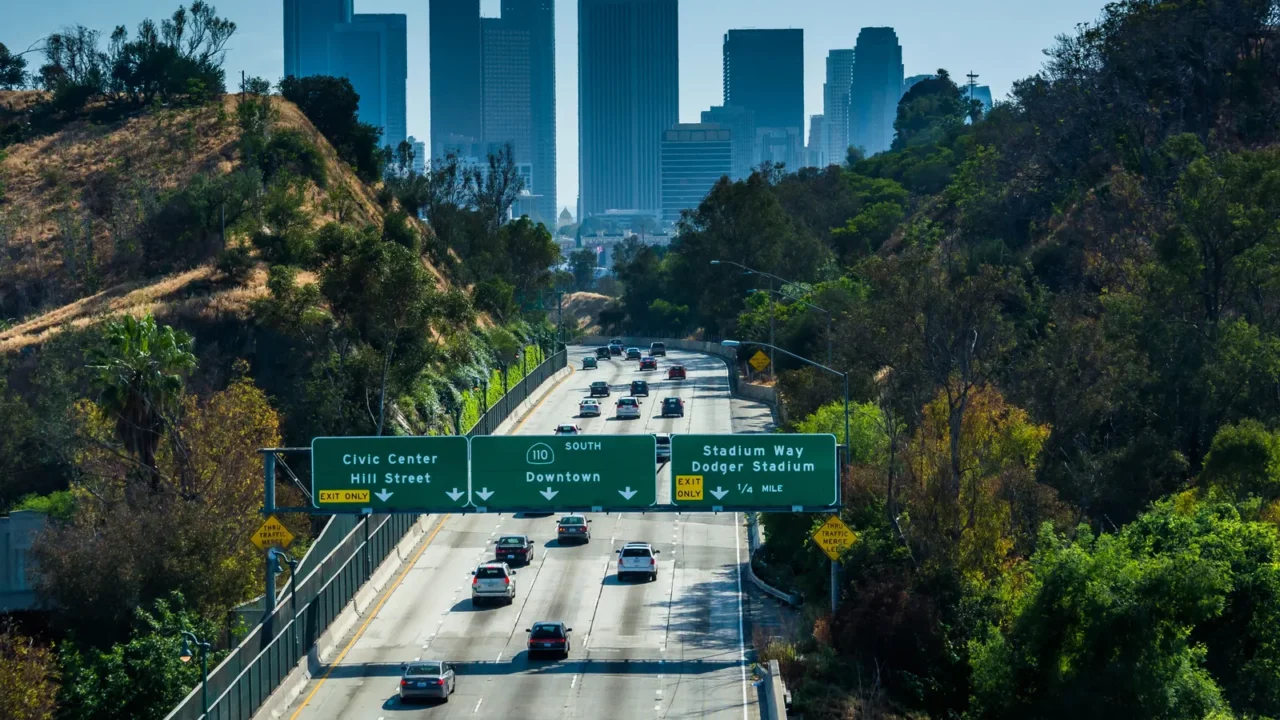
It’s only March, but Los Angeles is already feeling like the middle of summer. Temperatures are pushing into the 90s and even flirting with triple digits across parts of Southern California, something that usually doesn’t happen until much later in the year.
This sudden shift is catching people off guard. What should feel like a mild spring week is turning into a full-blown heatwave, with sidewalks heating up and homes warming faster than expected.
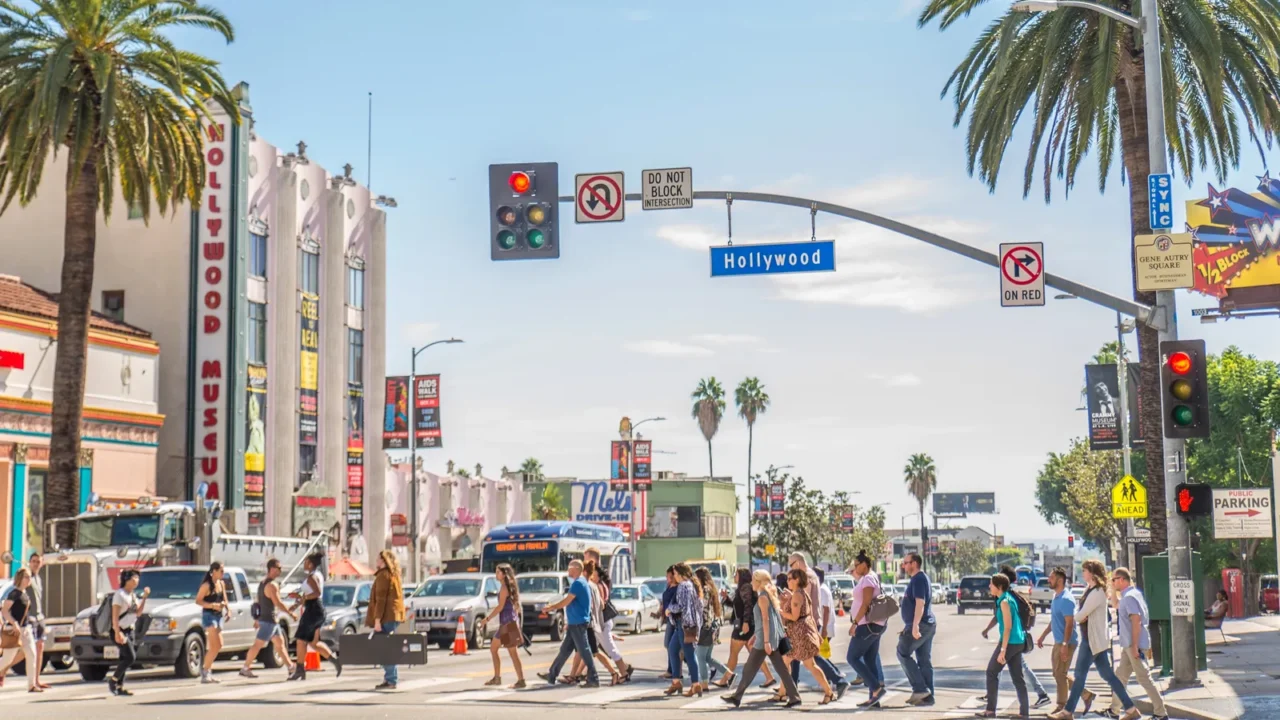
Why this heat feels so unusual
March in Los Angeles is usually mild, with highs in the upper 60s to mid-70s. This year, temperatures are running about 20 to 30 degrees above normal, which is a massive jump for this time of year.
That kind of change doesn’t just feel uncomfortable. It puts extra stress on your body because it hasn’t had time to adjust to extreme heat yet.
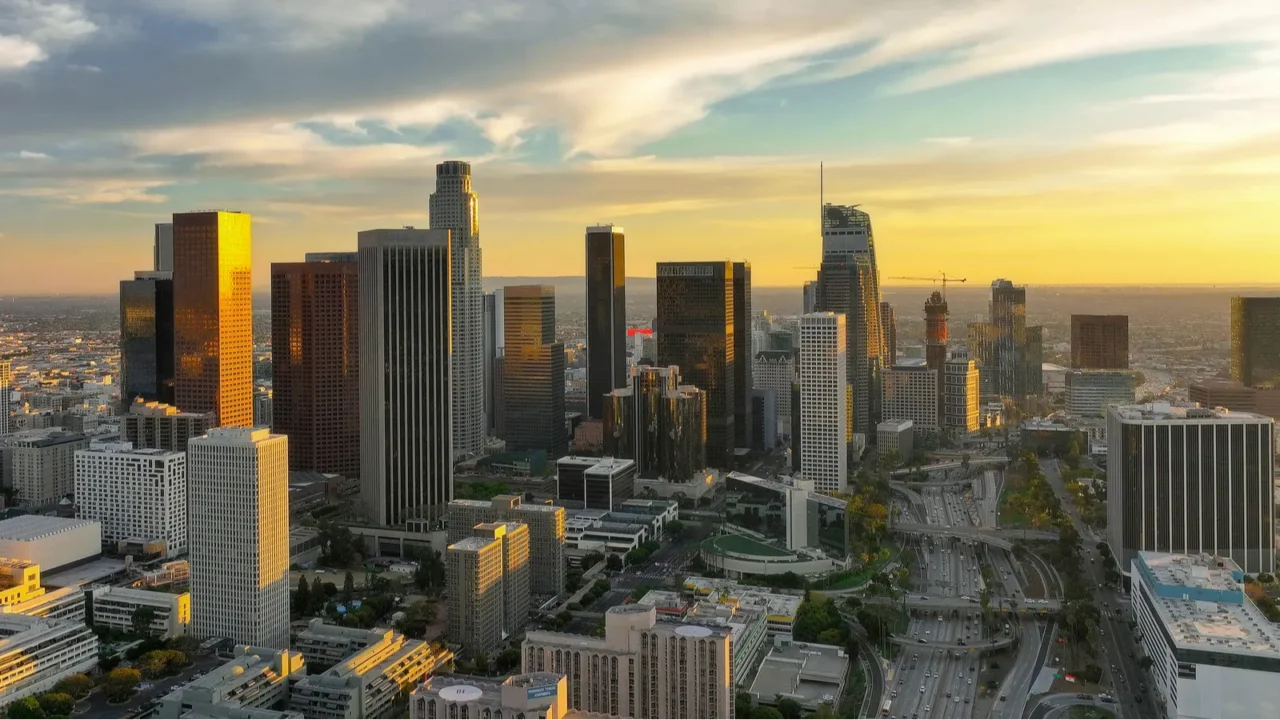
Records are falling across the region
California is not dealing with an ordinary warm spell. It is facing a March heat event that is already breaking records in multiple cities across the state.
In downtown Los Angeles alone, temperatures have climbed into the 90s, showing just how unusual this early-season heat really is. Several places have already tied or broken daily and monthly March records.
This kind of extreme heat usually shows up much later in the year. Seeing it arrive so early is what makes this stretch stand out.
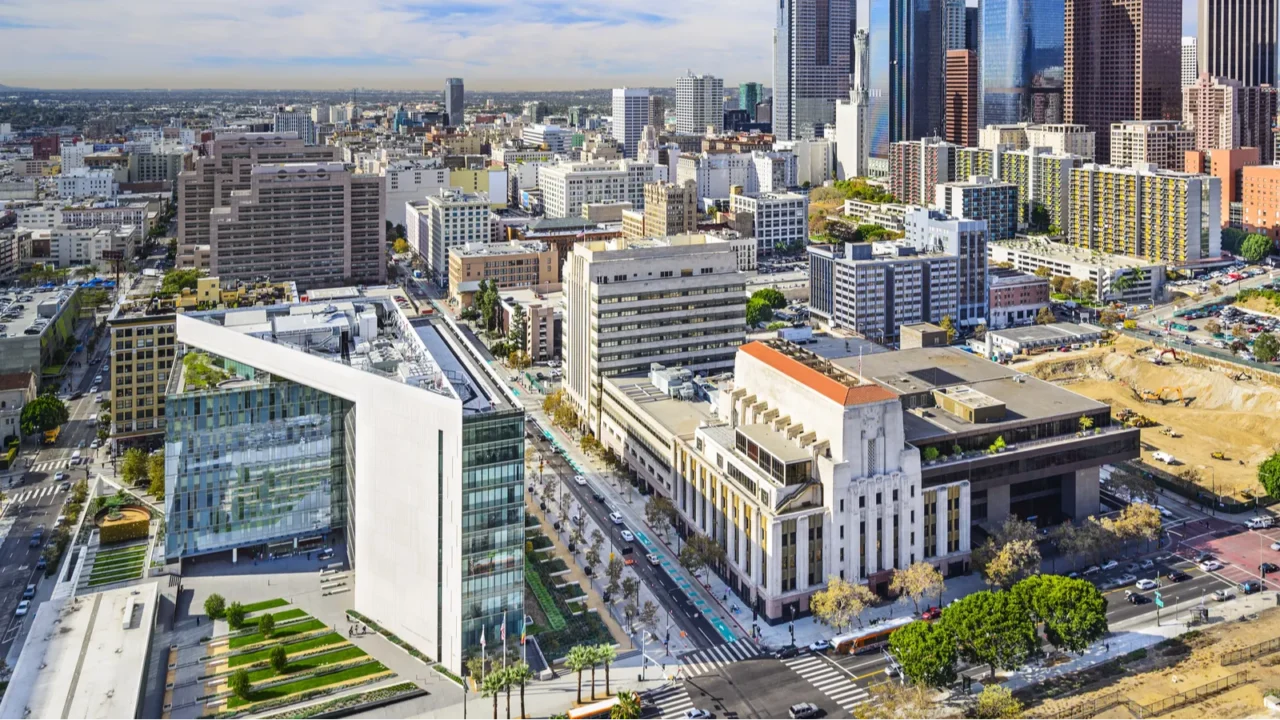
Some areas near 110 degrees
While coastal areas are extremely warm, inland regions are seeing even more intense heat. Some desert communities are pushing past 100°F, with forecasts suggesting temperatures could reach around 110°F.
That kind of heat in March is extremely rare. It’s far more typical of peak summer than the final weeks of winter. In places like Palm Springs and Indio, the heat is running far above what people would normally expect this time of year. It is turning an early spring warm-up into a dangerous and record-threatening weather event.
The heat dome behind it all
A strong high-pressure system is sitting over the western United States, acting like a lid that traps heat close to the ground. This setup blocks cooler ocean air from moving inland.
Without that cooling effect, temperatures build quickly during the day. The result is a heat dome that keeps conditions hot and stagnant across the region.
Little-known fact: A California desert community hit 108°F, tying the all-time U.S. March heat record in 2026.
Nights are not bringing relief
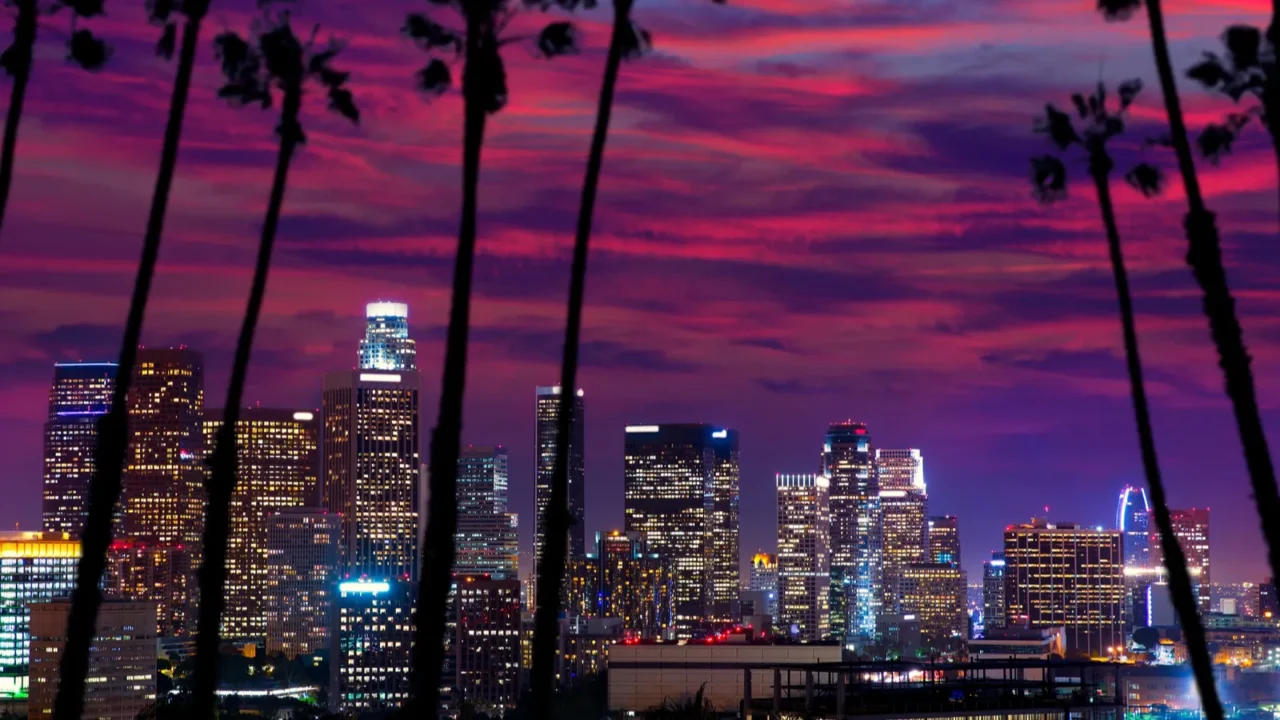
Usually, Los Angeles cools down at night, giving people a break from daytime heat. This time, overnight temperatures are staying unusually warm, making it harder for homes to cool naturally.
That lack of nighttime relief increases health risks. Your body needs cooler temperatures to recover, and without that, stress builds over several days.
Little-known fact: Phoenix recorded its earliest-ever 100°F day on March 17, 2026, hitting around 101°F and breaking the previous record set on March 26, 1988.
Why early heat is more dangerous
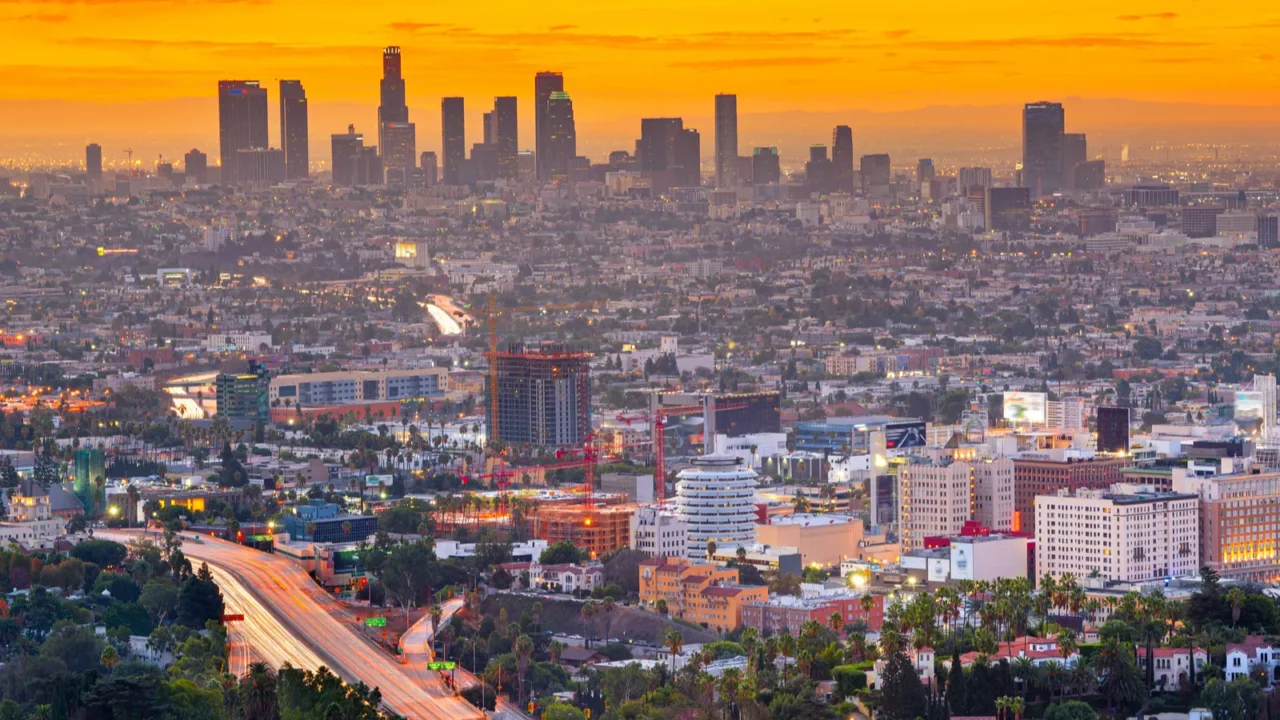
Heatwaves are always risky, but early-season ones are often more dangerous. People haven’t adjusted their routines yet, and many homes aren’t prepared for extreme temperatures this soon.
That means higher chances of dehydration, heat exhaustion, and other serious conditions. What feels like “just a hot day” can quickly become a health emergency.
Who is most at risk right now
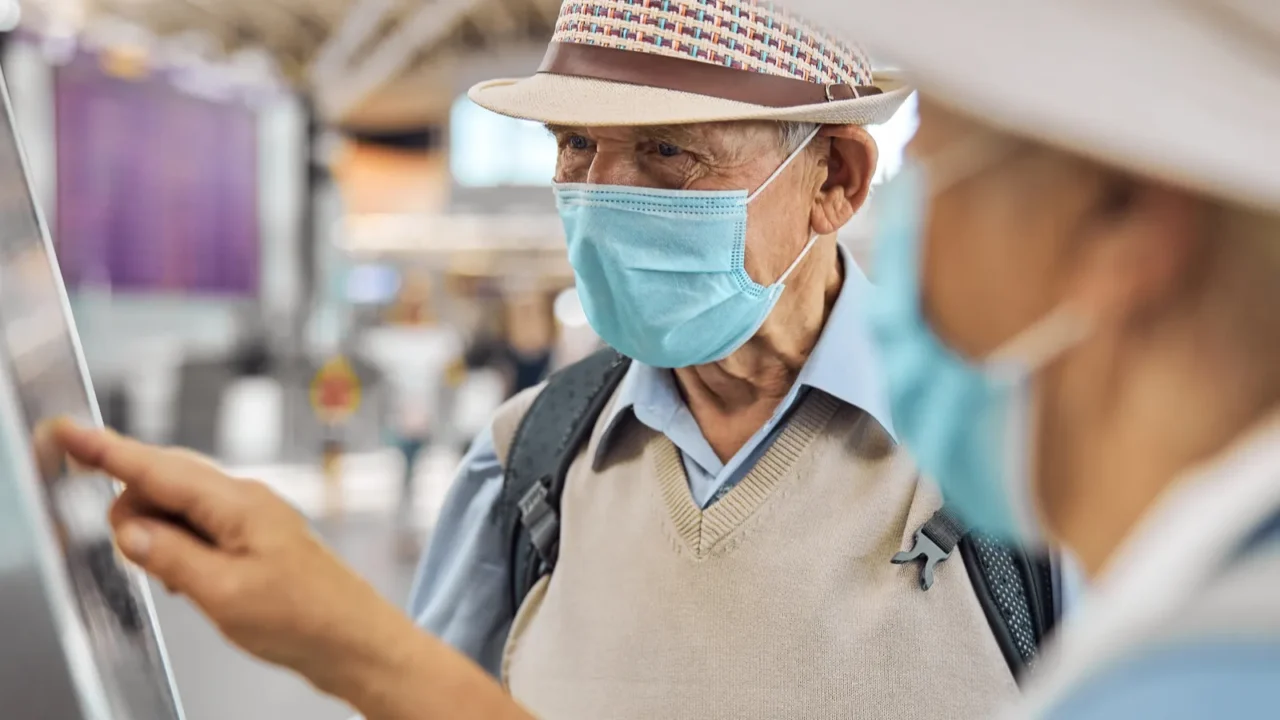
Certain groups face higher risks during extreme heat. Older adults, young children, and people with existing health conditions are especially vulnerable.
Outdoor workers are also exposed for long periods, increasing their risk of heat-related illness. People without air conditioning face some of the toughest indoor conditions.
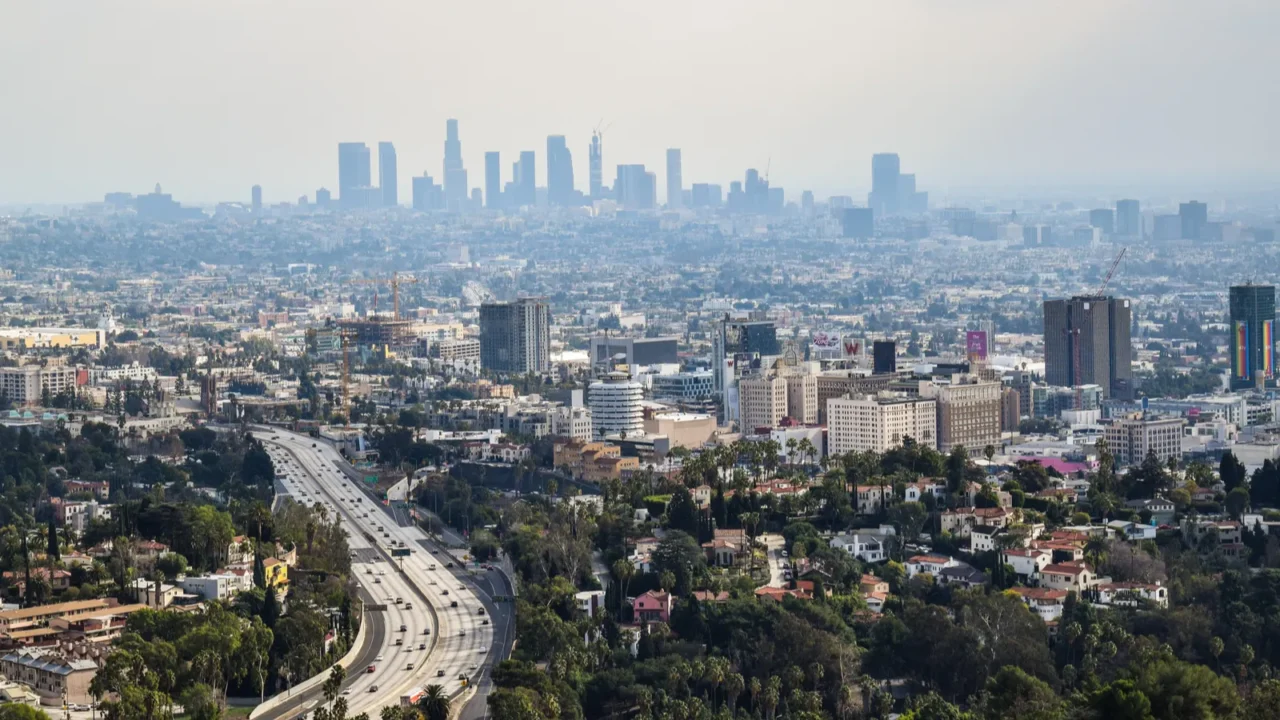
Cooling centers are opening up
As the heat intensifies, local officials are expanding access to cooling centers across Los Angeles. These locations offer air-conditioned spaces where residents can escape dangerous indoor temperatures.
They are especially important during early-season heatwaves, when many homes are not yet prepared for extreme heat. A few hours in a cool environment can help lower body temperature and reduce health risks.
Officials are also urging residents to check on neighbors, especially older adults living alone.
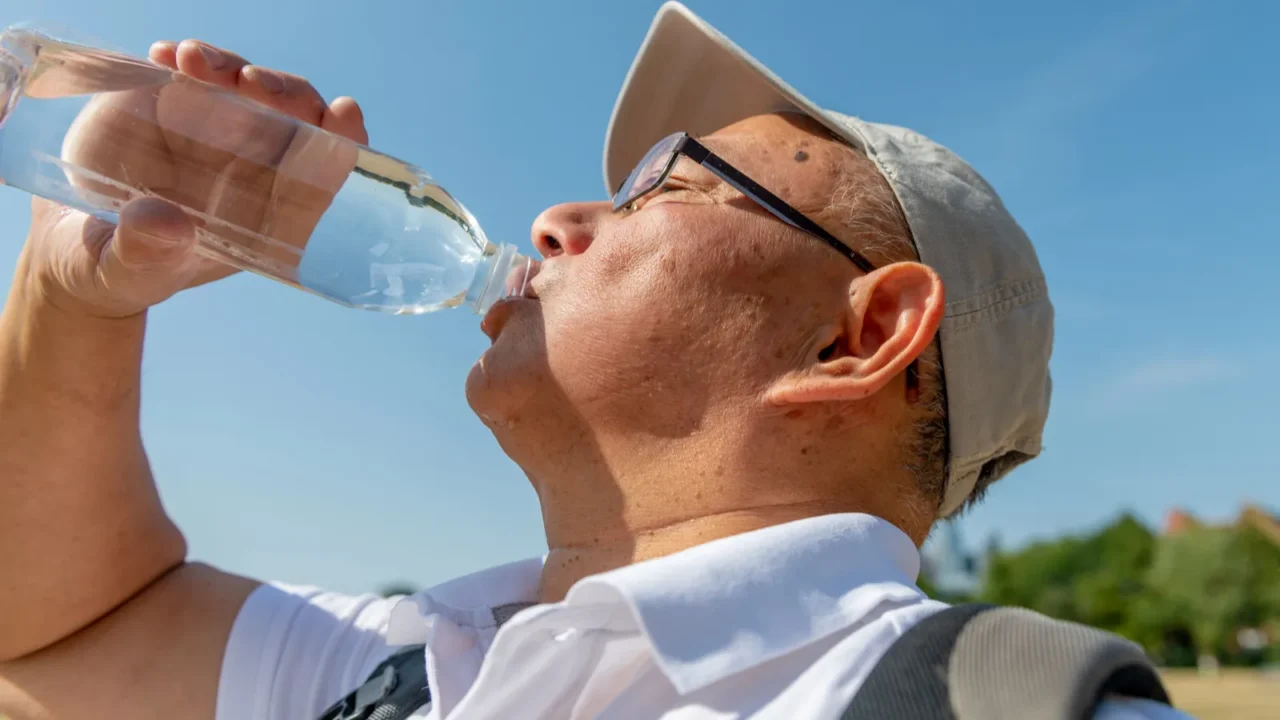
Simple ways to stay safe
The basics matter more than ever during extreme heat. Drinking water regularly, even before you feel thirsty, helps your body stay ahead of dehydration. Avoiding outdoor activity between late morning and early evening can reduce exposure to peak temperatures.
Small adjustments also help indoors. Keeping blinds closed, using fans properly, and limiting heat-producing appliances can make your space noticeably cooler during the hottest parts of the day.
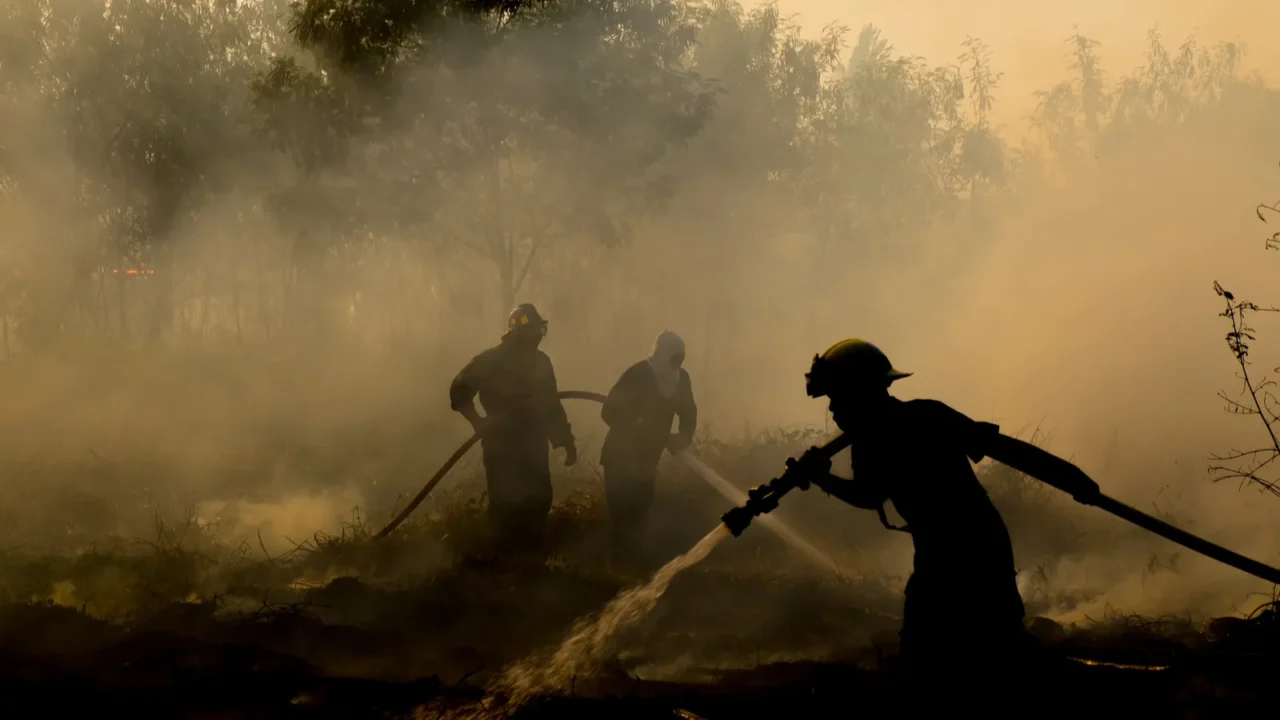
Fire risk is quietly rising
While the heat grabs attention, the dry conditions behind it are just as concerning. Low humidity combined with high temperatures creates ideal conditions for wildfires to start and spread quickly.
Vegetation is drying out earlier than usual, especially in foothill and mountain areas. This early drying extends the fire season, raising concerns weeks before peak wildfire months typically begin.
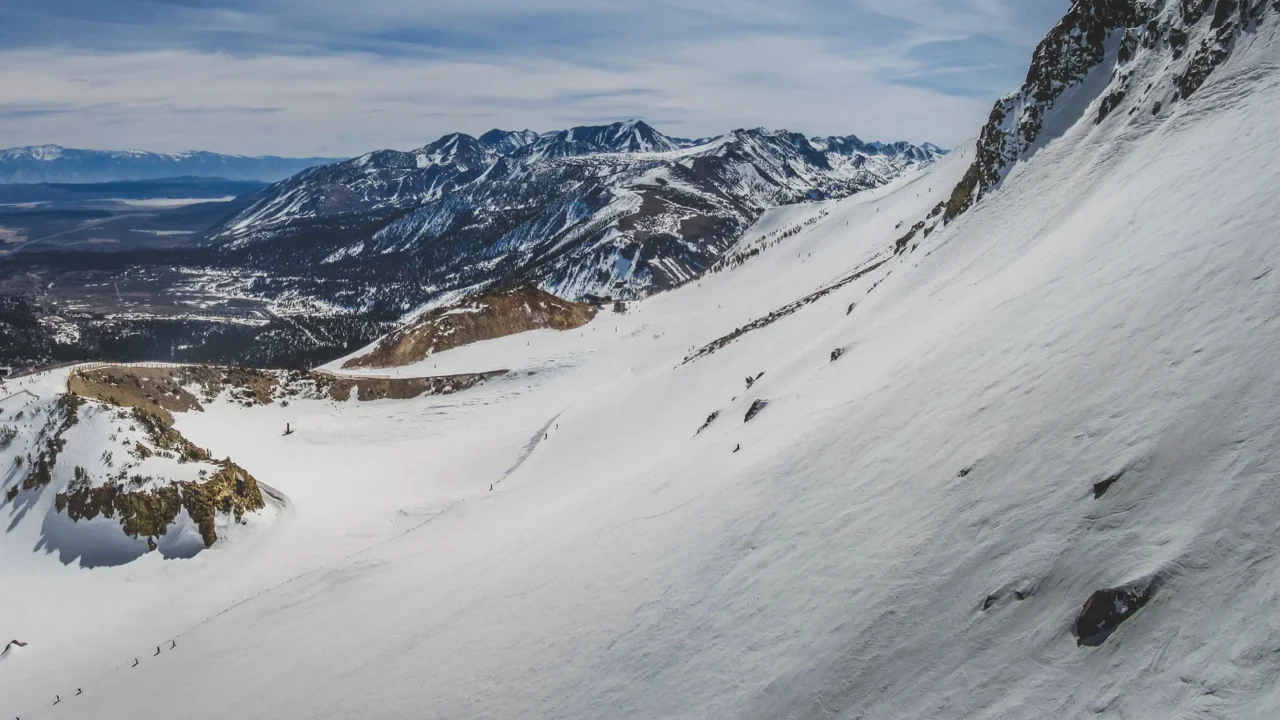
Extreme heat is rapidly melting California’s snowpack
One of the less visible impacts of this heatwave is happening in the mountains. Snowpack, which acts as a natural water storage system, is melting much earlier and faster than expected.
That snow normally melts gradually through spring and summer, feeding rivers and reservoirs. When it melts too early, much of that water is lost before it can be fully used.
This shift could lead to water shortages later in the year. It also increases the risk of drought conditions and puts more pressure on already strained water systems.
Extreme weather is already changing travel plans in some of the season’s most popular spots. Check out the destinations now facing fresh travel warnings.
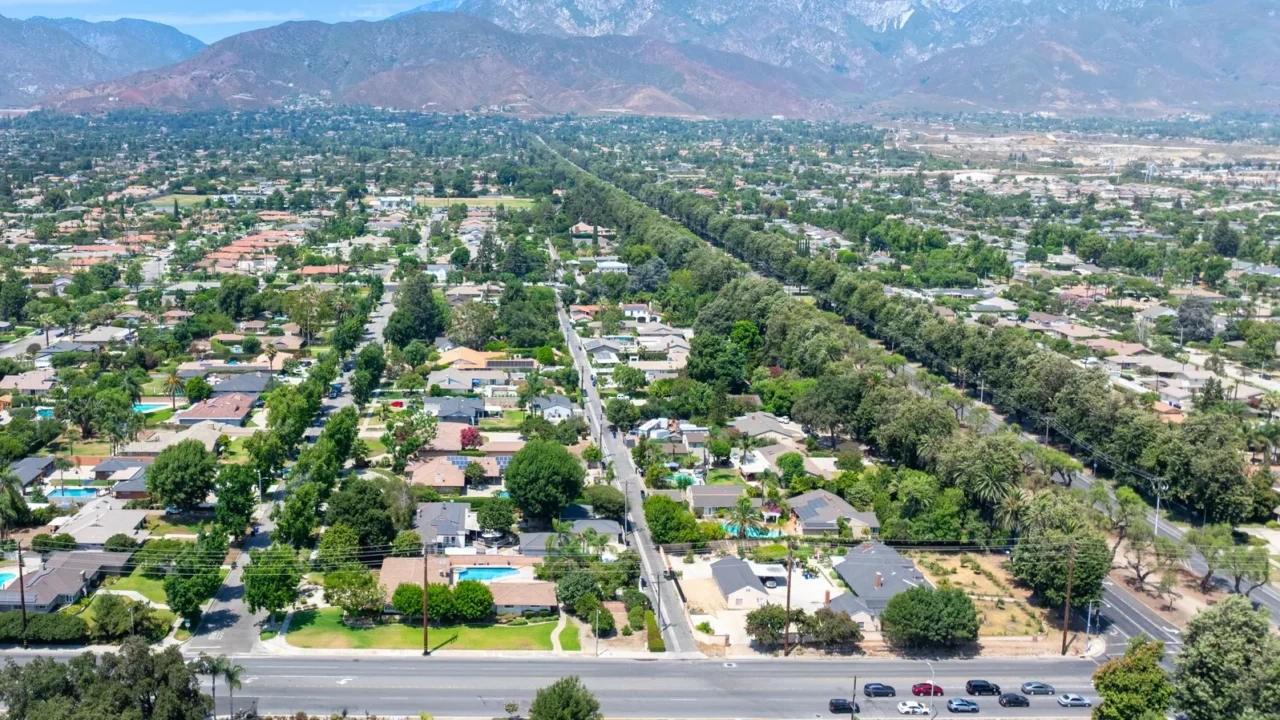
Other cities facing extreme heat risk
Los Angeles is not alone in this heatwave. Cities across California, Arizona, and Nevada are seeing temperatures 25 to 35 degrees above normal, placing millions of people under heat advisories and warnings.
In Southern California, inland areas like Riverside and San Bernardino are pushing past 100°F, while Palm Springs has already crossed 105°F. Even coastal cities like Ventura and Santa Barbara are seeing unusual March highs in the 90s, something rarely experienced this early in the year.
The impact stretches far beyond California. Phoenix has already crossed 100°F earlier than ever before, while Las Vegas and Tucson are nearing or breaking records with extreme desert heat.
These quiet California towns offer the kind of calm many travelers say is getting harder to find. Check out five peaceful escapes that feel worlds away from the usual tourist crowds.
So, what do you think cities are ready for this kind of early extreme weather shift? Share your thoughts in the comments.
This slideshow was made with AI assistance and human editing.
Don’t forget to follow us for more exclusive content right here on MSN.
Read More From This Brand:
