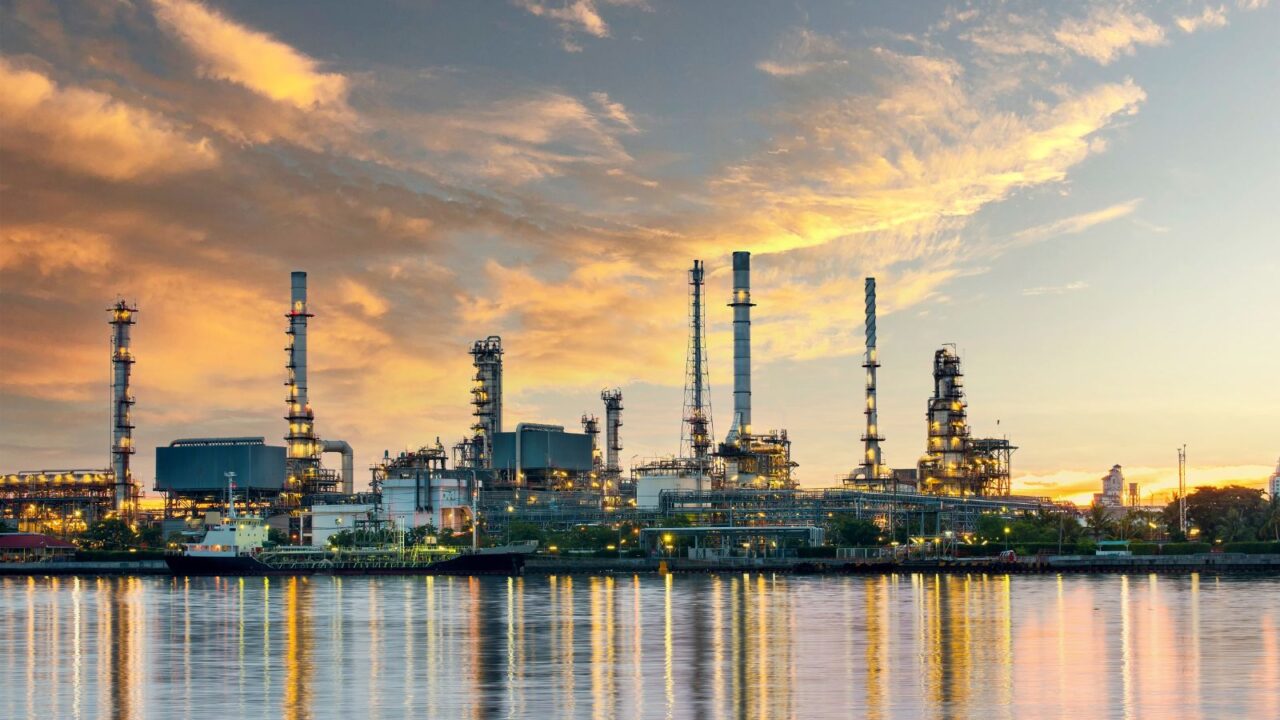
A refinery plan is suddenly a national story
A new oil refinery in Texas would be big news in any year. In March 2026, it became a political and economic flashpoint because President Donald Trump called it the first new U.S. refinery in 50 years and tied it to his energy agenda.
That matters because the U.S. still produces huge amounts of crude oil, yet most refinery growth has come from expansions, not brand-new large plants. If this project moves forward, Brownsville could become one of the biggest new pieces of U.S. energy infrastructure in decades.

Brownsville is the chosen site
The planned facility would be built at the Port of Brownsville in South Texas. That location gives the project deep-water access, rail links, and foreign-trade-zone advantages for moving fuel to U.S. and export markets.
Port officials said the refinery would sit on more than 240 acres inside the port complex. That makes Brownsville more than a backdrop here. It is part of the pitch because the port already markets itself as a growing industrial and energy hub.
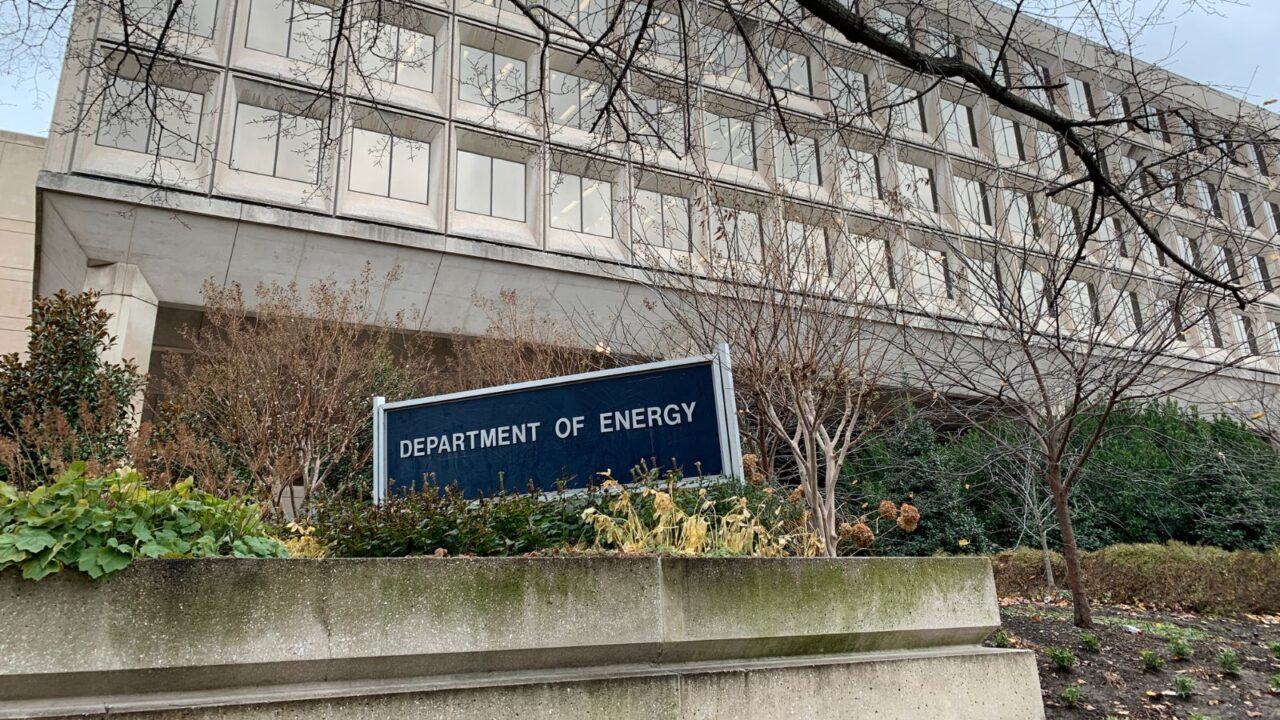
The “50 years” claim needs context
The headline claim is partly true, but it needs a careful footnote. The U.S. has not opened a new major refinery with significant downstream capacity since Marathon’s Garyville, Louisiana, refinery came online in 1977.
Still, the U.S. did add a smaller refinery more recently. The Energy Information Administration says the newest refinery overall is Texas International Terminals’ 45,000-barrel-per-calendar-day Galveston refinery, which started operating in February 2022.
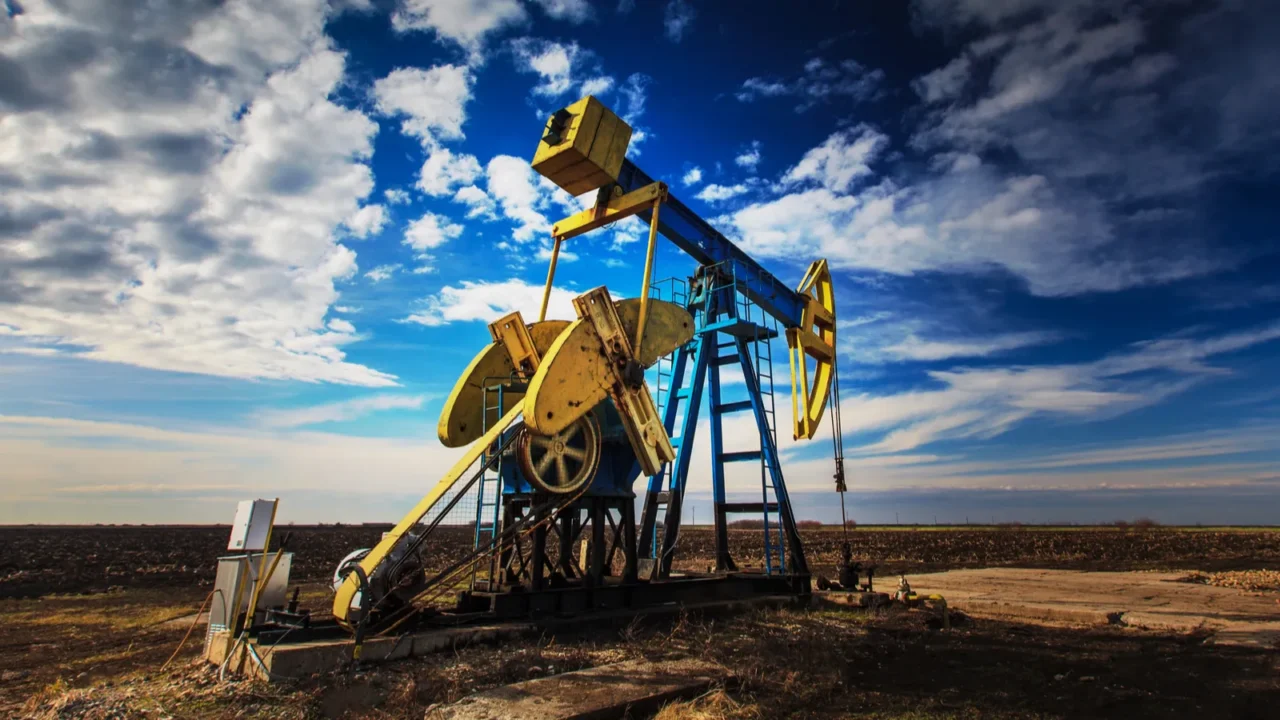
This is built around shale oil
America First Refining says the new plant is designed to process American light shale oil, especially crude from fields like the Permian Basin. Reuters reported planned capacity at about 168,000 barrels per day, aimed at handling the lighter crude that many older Gulf Coast plants were not built around.
That design choice is central to the project’s sales pitch. The company says many existing U.S. refineries were configured decades ago for heavier imported crude, while this one would be tailored to domestic shale output.

The money story is more complicated
Trump described the Brownsville project as part of a $300 billion trade story tied to the project’s long-term supply and product commitments. America First Refining said that figure reflects projected trade impact over time, including 1.2 billion barrels of U.S. shale oil to be processed and 50 billion gallons of refined products to be produced under the deal structure.
Local reporting points to a much smaller construction price tag. Brownsville-area coverage has cited development costs closer to $3 billion to $3.5 billion, which is a very different number from the total long-run deal value promoted publicly.

Reliance is the name getting attention
Trump identified India’s Reliance Industries as the investor tied to the project, and America First Refining said Reliance signed a binding 20-year offtake term sheet for the refinery’s output. Reuters reported that Reliance did not respond to its request for comment, so some of the project’s public claims still rest primarily on company and Trump statements.
America First Refining has also said a global supermajor made a nine-figure investment at a ten-figure valuation. That kind of backing suggests the project is trying to present itself as more than a political announcement.

The jobs pitch is a major selling point
Supporters are framing the refinery as a jobs engine for South Texas. Port materials say it could create about 500 direct full-time jobs, with salaries projected at around $80,000 to $100,000, plus thousands of indirect jobs tied to construction, logistics, and operations.
Some local reports have used lower permanent job estimates, including roughly 300 full-time positions once production begins. Even with that gap, the labor message is clear: supporters want Brownsville voters and workers to see this as a long-term regional employer.
Little-known fact: The newest refinery in the United States is not the Brownsville project but Texas International Terminals’ Galveston refinery, which began operating in February 2022 at 45,000 barrels per calendar day.
Groundbreaking is supposed to start soon
The announced timeline is aggressive. Reuters and company statements say groundbreaking is expected in the second quarter of 2026, which means the project is being presented as moving quickly from announcement to visible activity.
That timeline is one reason the project drew so much attention right away. New U.S. refinery proposals often get stalled by financing, permitting, environmental reviews, or market shifts before construction truly begins.
Little-known fact: America First Refining says the Brownsville facility would be built on more than 240 acres inside the port.

Some experts are already skeptical
Not everyone in the energy world is celebrating the announcement. Reuters reported that analysts questioned why the Gulf Coast needs another refinery when the region already hosts eight of the country’s 10 largest refineries.
That skepticism is practical, not just political. Analysts suggested Brownsville may work best as an export-focused site, because nearby domestic demand and existing infrastructure do not automatically justify a big new Gulf Coast refining plant on their own.

Why this is happening now
Timing matters here. Trump announced the refinery while fuel prices were climbing during the U.S.-Israeli conflict with Iran, giving the White House a strong reason to spotlight domestic energy production and refining capacity.
The project also lands during a period when U.S. refining capacity has been mostly flat. EIA data show 132 operable refineries as of January 1, 2025, with overall capacity largely unchanged from the year before.
California gives this story extra weight
The Brownsville plan is getting extra attention because parts of the refining map are shrinking elsewhere. Reuters reported that Phillips 66 has been winding down its Los Angeles-area refinery, while Valero planned to close its Benicia refinery in April 2026.
That does not mean Texas is replacing California barrel for barrel. It does mean this Texas project is arriving at a moment when refinery closures on the West Coast are making U.S. fuel supply debates feel more urgent and more regional.
Brownsville would boost export power
The Port of Brownsville gives the project an export story, not just a domestic one. Company and port materials say the refinery would use dock, rail, and logistics connections to move gasoline, diesel, jet fuel, and other products to U.S. buyers and overseas customers.
That export angle helps explain the India connection as well. The offtake structure is part energy project and part trade story, which is why Trump and the company keep linking it to the U.S.-India trade balance.
In other news, Iran’s oil flows to China are keeping one of the world’s most important shipping routes in focus during the war. Check out how Iran keeps sending oil to China through the Strait of Hormuz despite the war.
The biggest test is still ahead
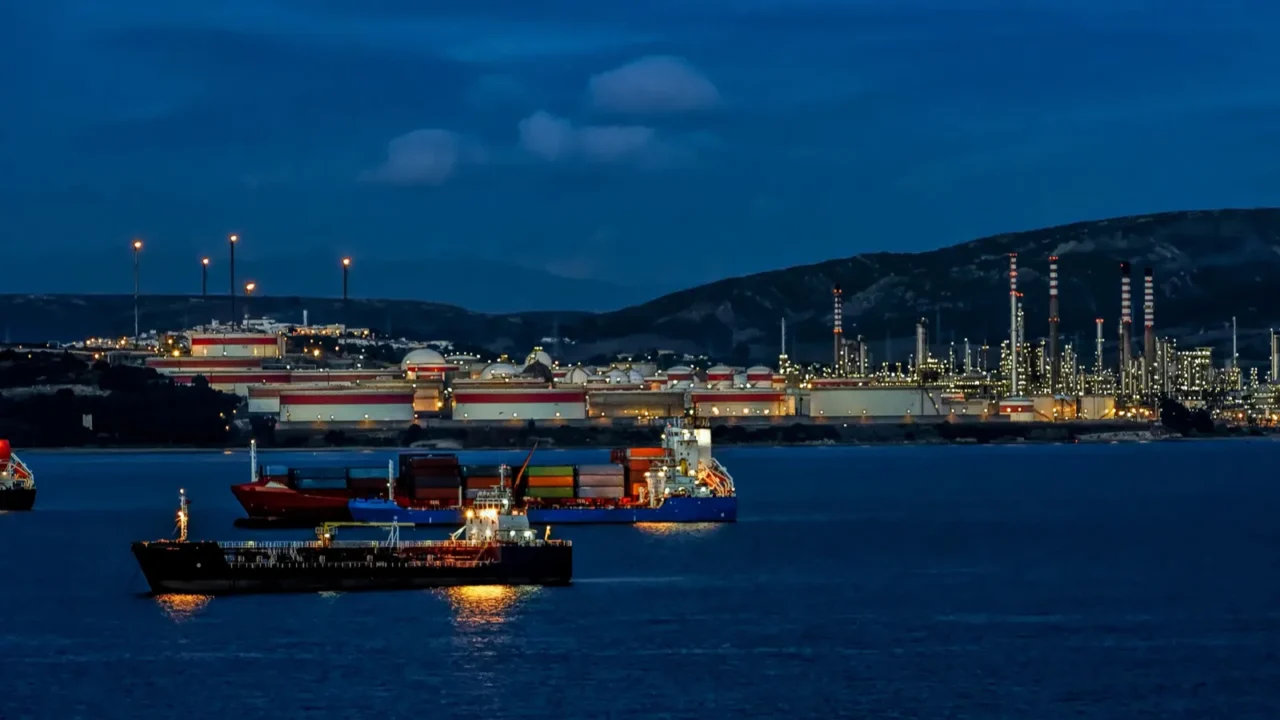
Right now, the refinery is still a plan with political backing, a named site, and a proposed start date. The real test will be whether financing, permitting, engineering, and construction all stay on track in a sector where giant projects can stumble long before opening day.
That is why the strongest wording is also the safest wording. Brownsville is set up to host the first new major U.S. refinery in decades if the project is completed as announced, but the industry has not yet reached the point where this is a finished, operating plant.
Could higher oil prices soon hit everything from gas bills to airfare? Check out the full story on how U.S.-Iran tensions are fueling supply fears.
Do you think this Texas refinery would strengthen U.S. energy security or create more questions than answers? Share your thoughts and your view in the comments.
This slideshow was made with AI assistance and human editing.
Don’t forget to follow us for more exclusive content right here on MSN.
Read More From This Brand:
