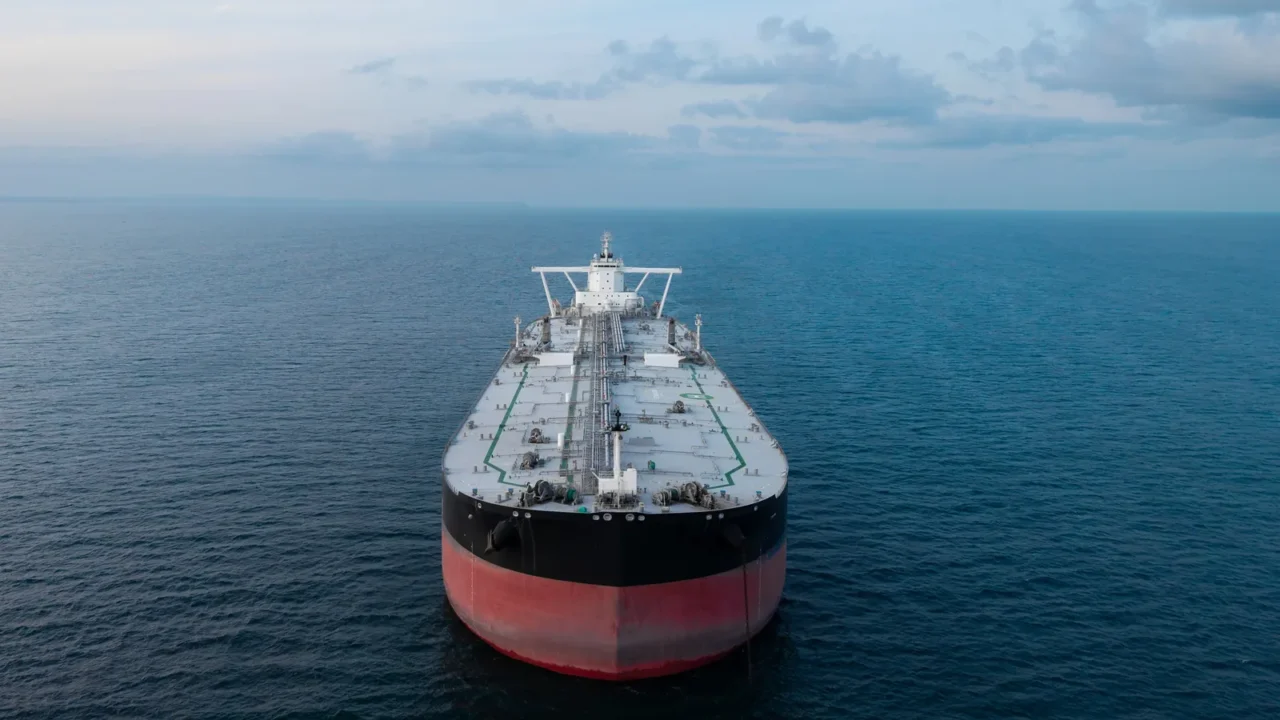
China is keeping the Strait in focus
The war has turned the Strait of Hormuz into one of the world’s most important economic choke points again. About one-fifth of global oil and gas normally moves through that narrow route, and China’s continued imports from Iran are keeping fresh attention on every ship that still gets through.
What makes this moment different is that the waterway is not closed in a simple all-or-nothing way. Shipping has slowed sharply, but Iranian crude is still moving toward China, creating a strange market where some barrels are flowing even as much of global traffic remains under pressure.
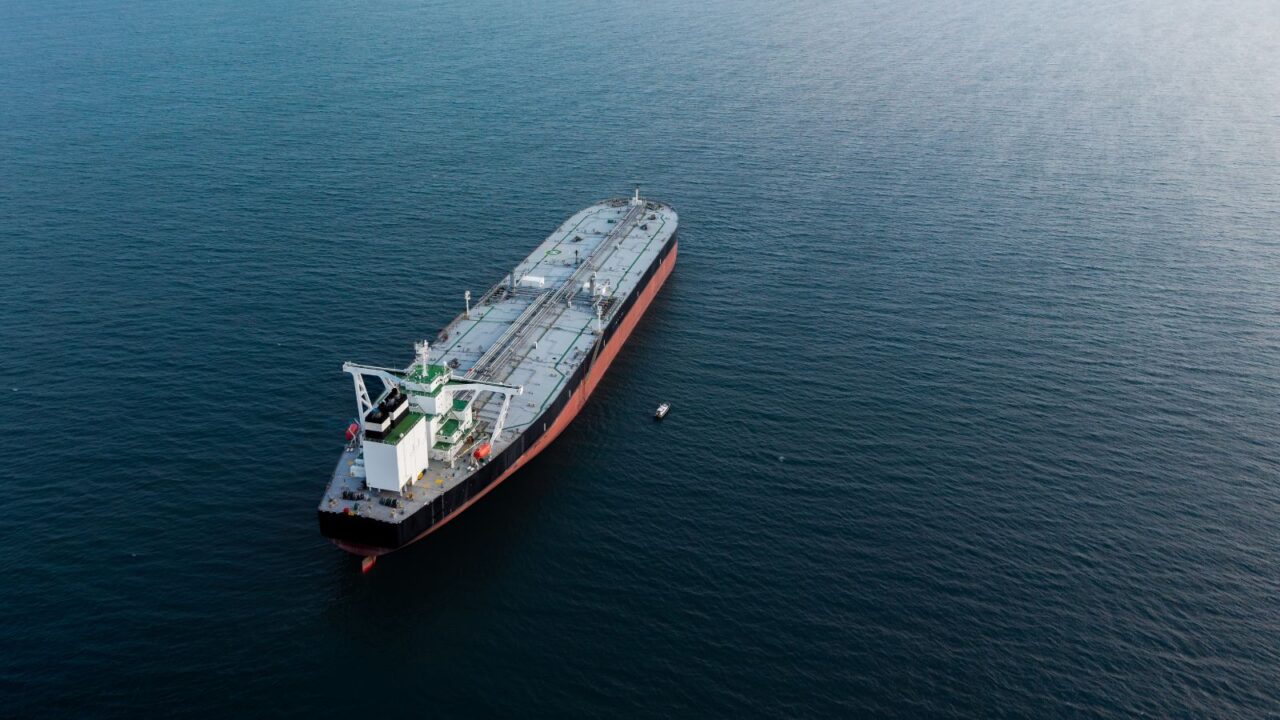
Iran’s own oil is still getting through
Iran has continued exporting crude since the conflict began on February 28. Reuters reported that TankerTrackers estimated about 13.7 million barrels had been exported by March 11, while Kpler put the first 11 days of March even higher at roughly 16.5 million barrels.
CNBC reported a slightly lower range, saying at least 11.7 million barrels had passed through the strait since the war began, with Kpler estimating around 12 million. The safest conclusion is that millions of barrels are still leaving Iran even during the disruption.
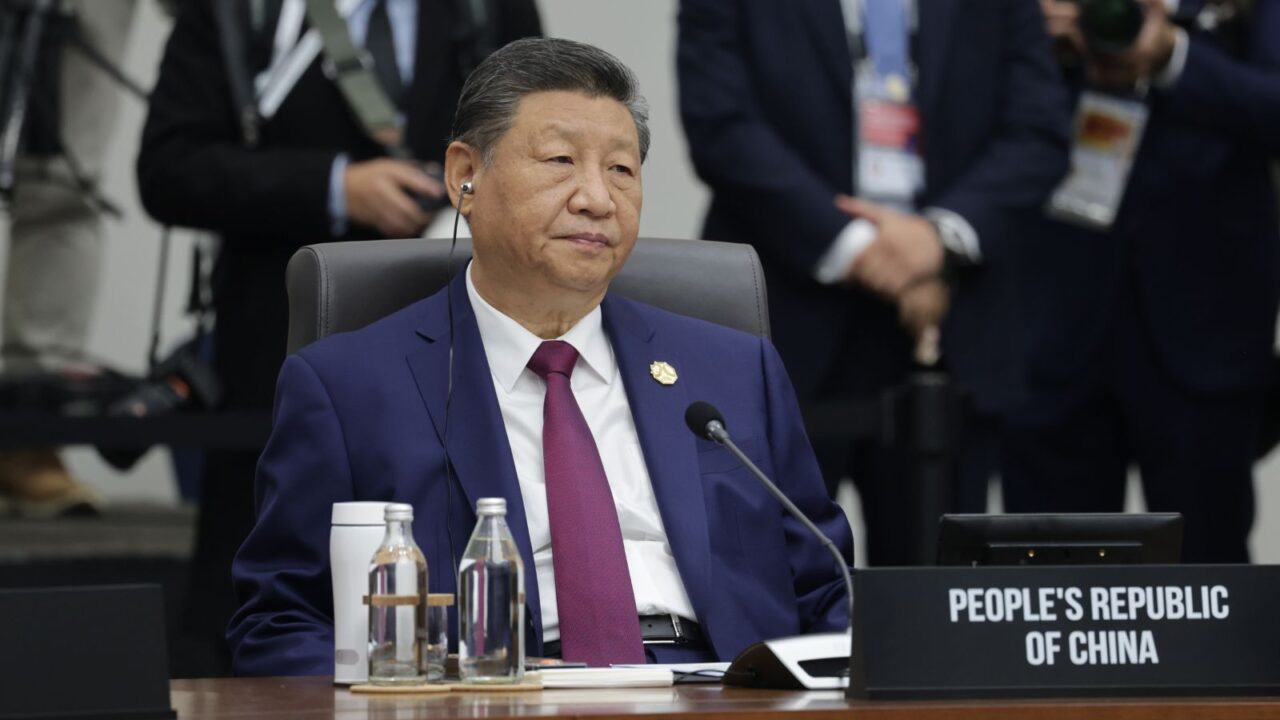
China is still the main buyer
China remains the key destination in this story. CNBC reported that all 11.7 million barrels identified by TankerTrackers were headed to China, while Kpler said a significant share of the roughly 12 million barrels it tracked was also likely bound there.
Reuters gave an even broader picture, saying Iran’s February exports hit 2.16 million barrels per day and all of them went to China. That makes Beijing the central customer keeping Iran’s crude revenue alive during the war.
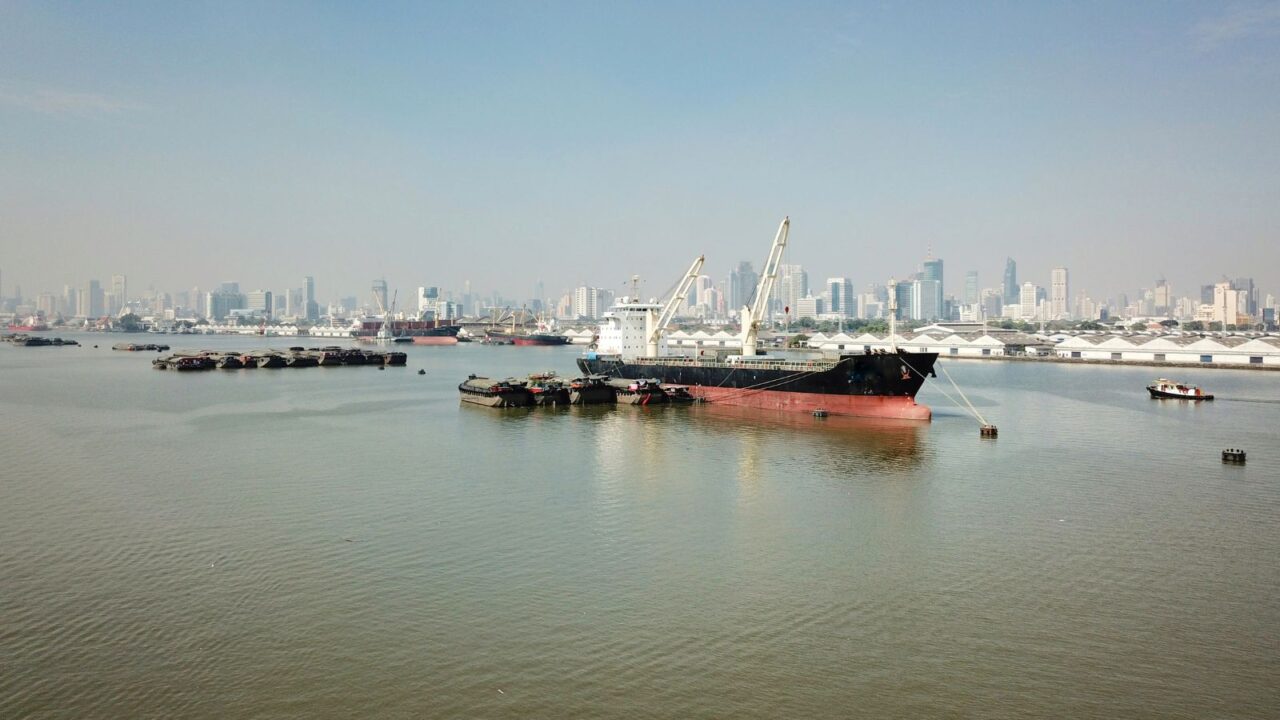
Traffic is moving, but only in a trickle
This is not normal tanker traffic. Reuters said on March 17 that tankers were beginning to “dribble through” the strait, while other reporting showed that many commercial operators still see the passage as too dangerous for routine trade.
AP reported that about 90 ships, including 16 oil tankers, crossed the strait between March 1 and 15. That is far below normal movement and helps explain why oil traders still see Hormuz as a live global risk.
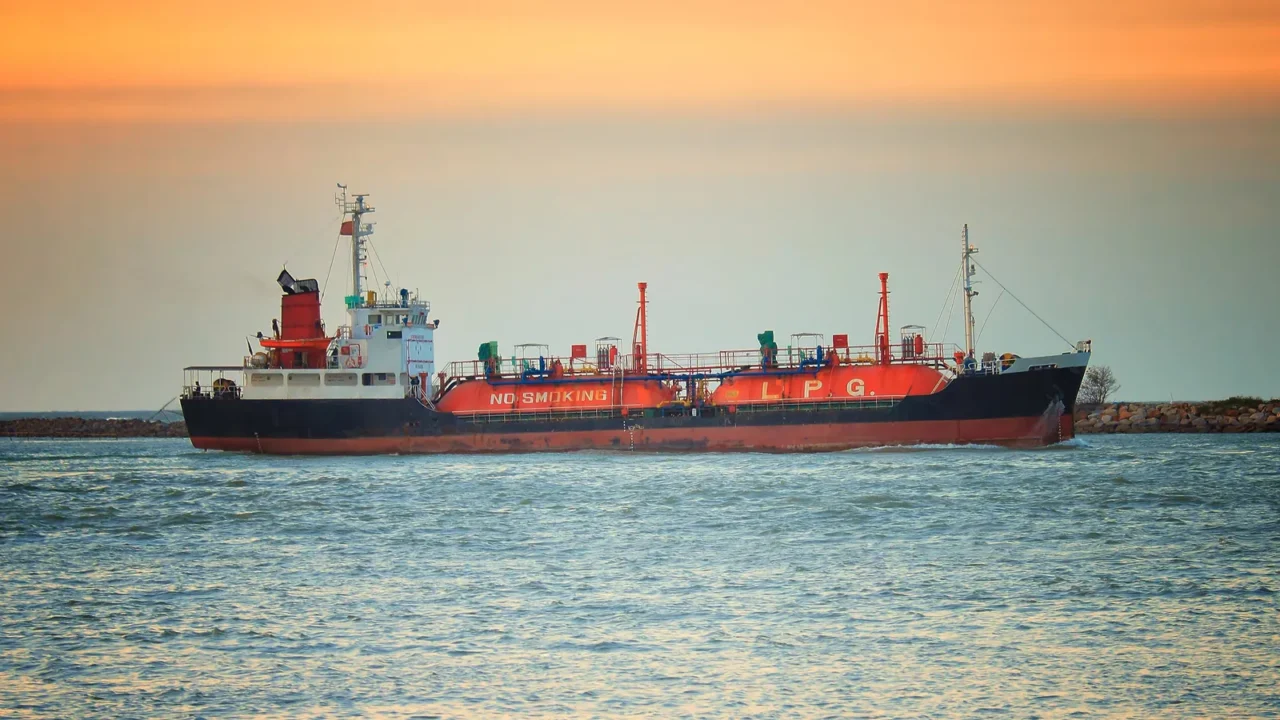
“Dark” tankers are a big part of the picture
A lot of this oil is moving through the shadow fleet. CNBC said many vessels have “gone dark” by switching off tracking systems, and Reuters tied the continuing exports to maritime intelligence efforts focused on sanction-evading fleets.
That matters because it makes final destinations harder to confirm in real time. Kpler’s analyst told CNBC that China is still the most likely end buyer, but verifying every shipment has become more difficult as ships disappear from normal tracking.
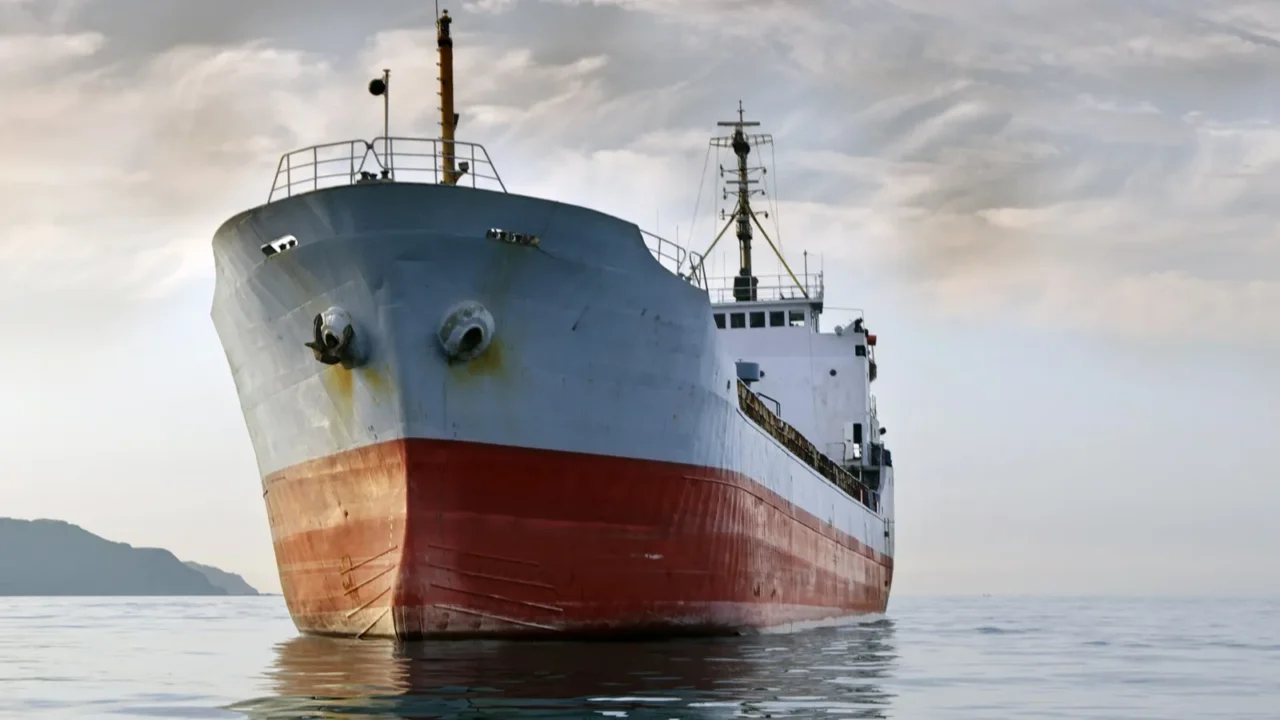
Iran is using Jask as a backup outlet
Iran is also trying to reduce its dependence on the strait itself. CNBC reported that Tehran has resumed loading tankers at Jask on the Gulf of Oman, which is outside the Strait of Hormuz and gives Iran an alternative export route.
But Jask is not a perfect substitute for Kharg Island. TankerTrackers told CNBC that loading a very large crude carrier at Jask can take up to 10 days, compared with about one or two days at Kharg, making the site useful but far less efficient.
Little-known fact: The newest pressure point outside the strait is Jask, Iran’s only crude export outlet on the Sea of Oman that bypasses Hormuz entirely.
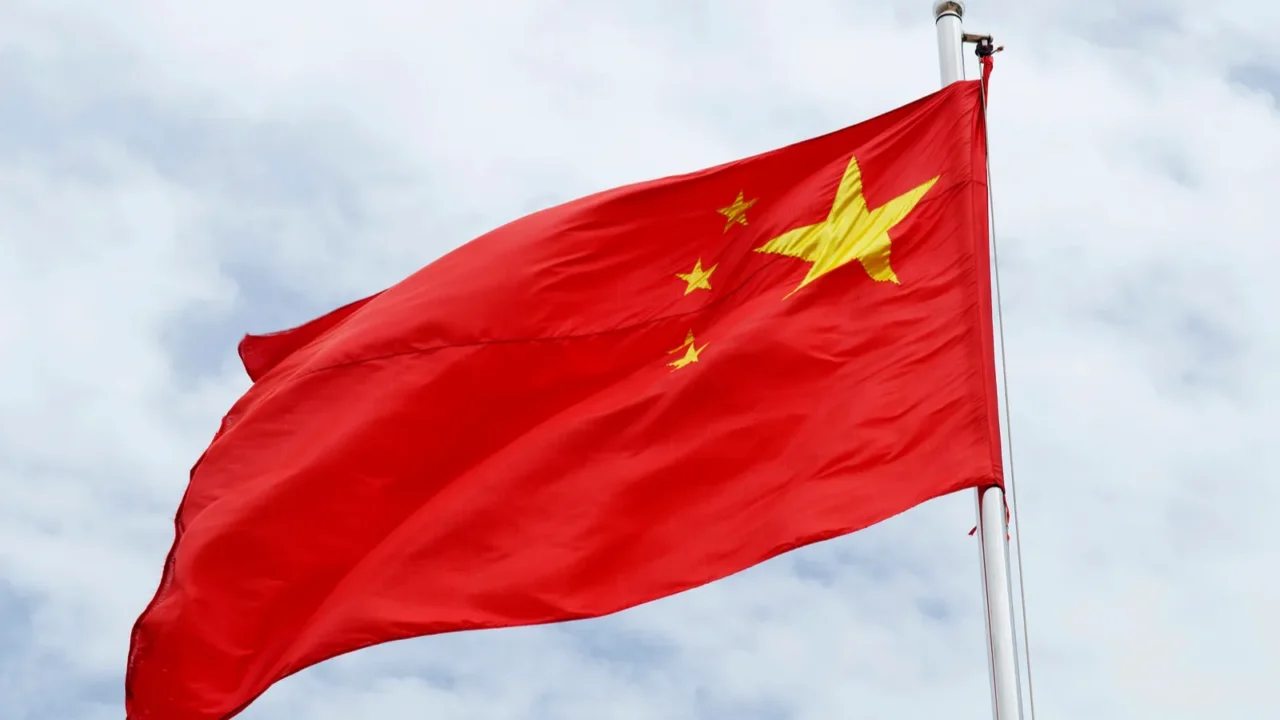
China prepared for a shock like this
China is better positioned than many countries to absorb a Gulf disruption. The Atlantic Council, using Kpler data, estimated that China held about 1.2 billion barrels of crude inventory as of January 2026, equal to roughly 108 days of import cover.
Reuters also found that China kept building stockpiles at the start of 2026. Based on official data, it calculated a crude surplus of 1.24 million barrels per day in January and February, showing Beijing entered this crisis with a buffer.
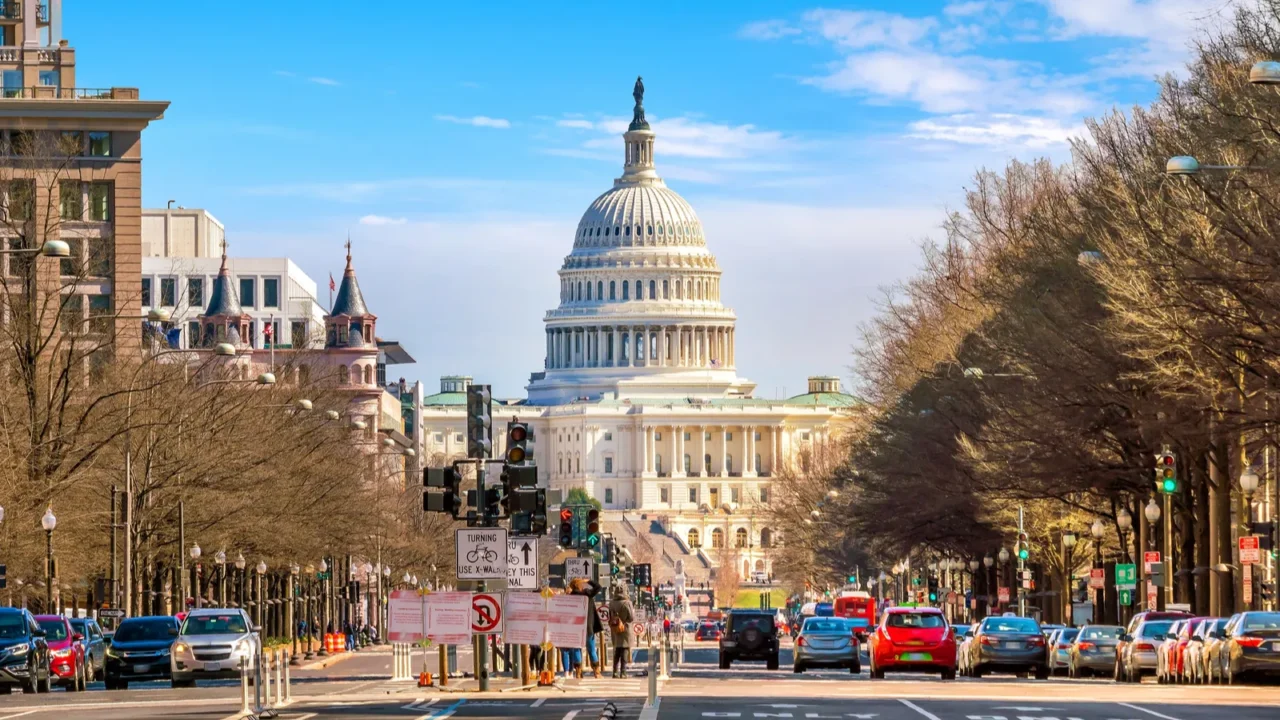
The U.S. sees an economic paradox
Washington’s position is more complicated than a simple sanctions crackdown. Reuters reported on March 19 that Treasury Secretary Scott Bessent said the U.S. is considering lifting sanctions on about 140 million barrels of Iranian oil stranded on tankers to add supply and cool prices.
That means the U.S. is fighting Iran militarily while also weighing steps that would let more Iranian oil reach the market. Bessent said the goal is physical supply, not paper-market messaging, because prices above $100 a barrel create political and economic pain at home.
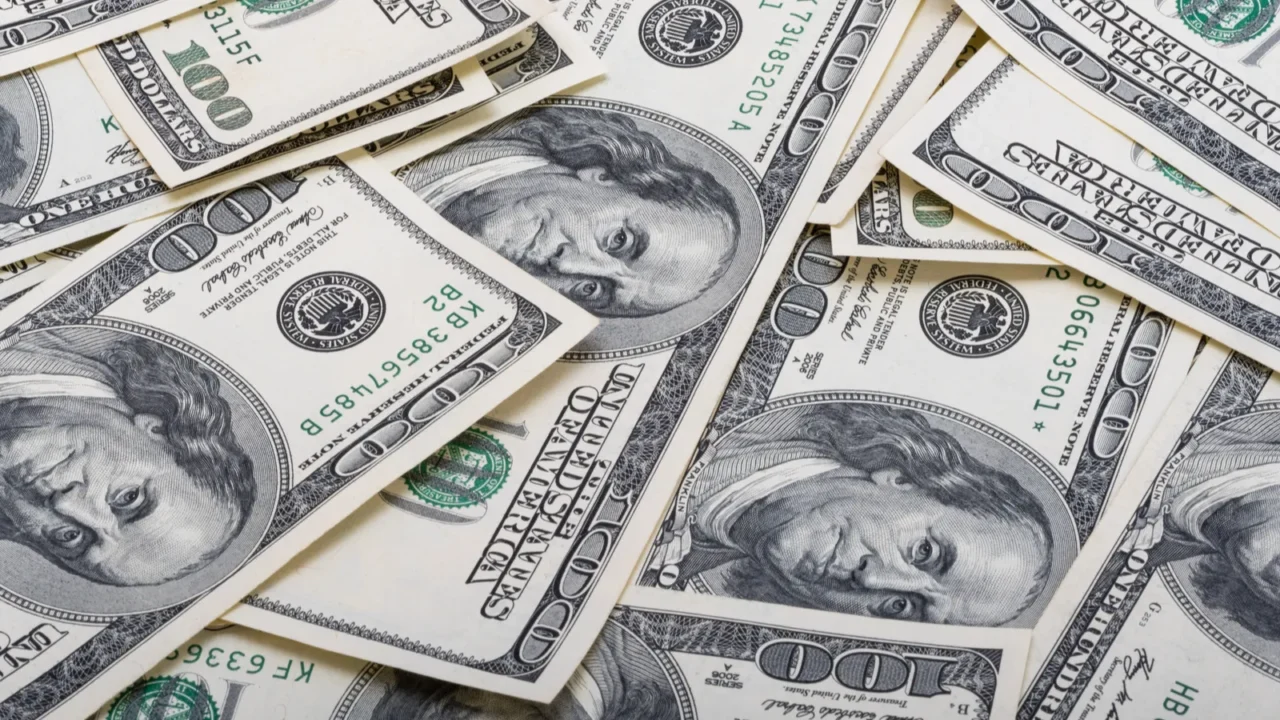
This is about American wallets too
For U.S. consumers, the issue is not just geopolitics. Reuters reported that Brent rose above $100 and hit as high as $119.13 on March 19, while U.S. crude briefly moved above $100 before settling lower in volatile trading.
That kind of move matters fast in the United States because oil feeds into gasoline, diesel, airline costs, and freight expenses. The administration’s supply-first thinking reflects a simple fear: a prolonged Hormuz crunch could become a voter-facing price shock.
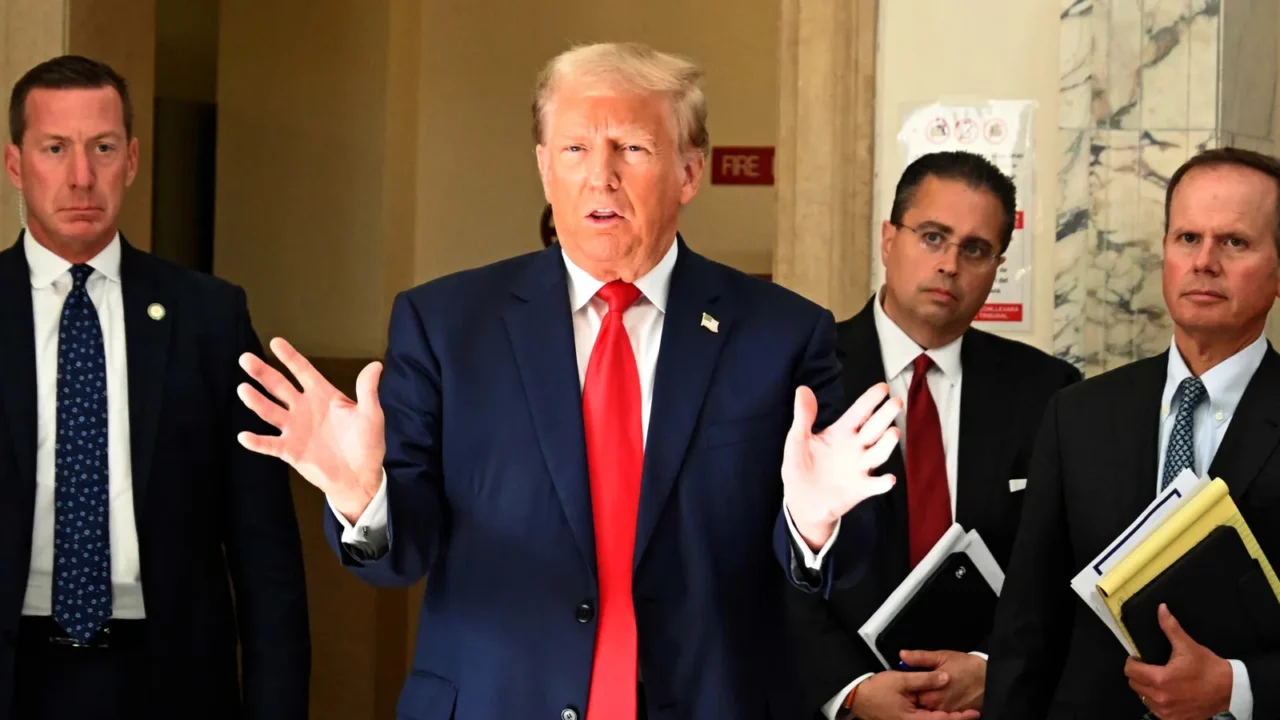
The U.S. is also pushing allies and China
The White House is not treating this as only an American naval problem. Reuters reported that Trump was expected to discuss safer Hormuz passage with Japan, while the administration has also pressed allies to help stabilize the route and energy markets.
China is part of that pressure campaign, too. Because Beijing remains the main buyer of Iranian crude and holds large reserves, U.S. officials see China as one of the few powers with real leverage over whether the current selective flow continues or broadens.
Little-known fact: China’s estimated 1.2 billion barrels of crude inventory was equal to about 108 days of import cover as of January 2026.
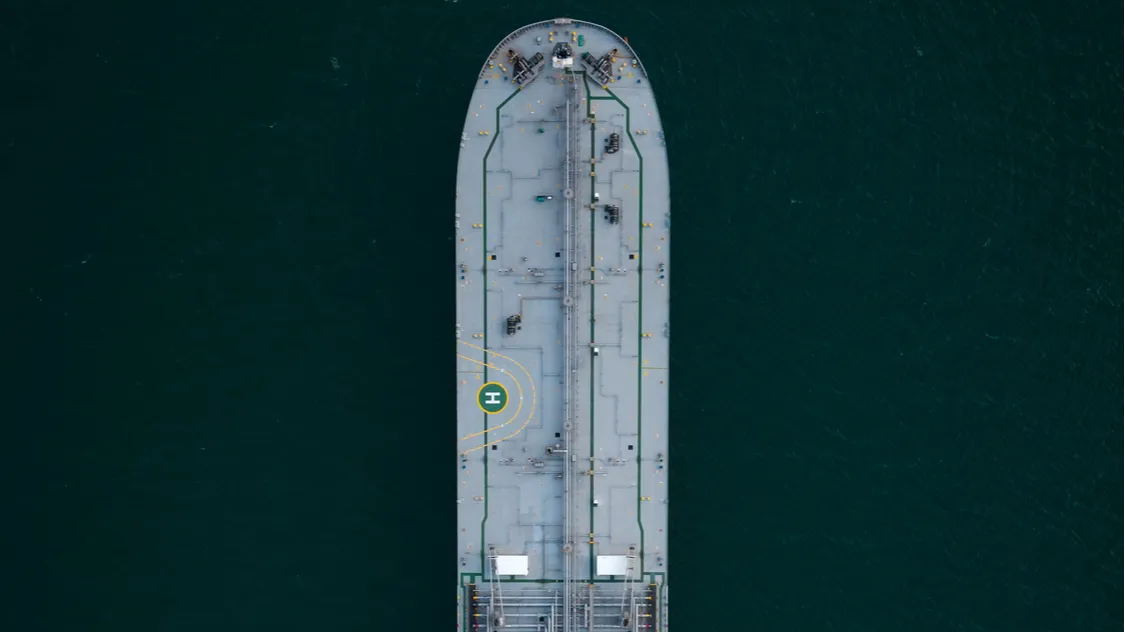
Shipping is now a human safety story
This crisis is not only about oil charts. Reuters reported that the International Maritime Organization called for a safe corridor to evacuate roughly 20,000 seafarers on nearly 2,000 commercial ships stranded west of the strait.
The danger is already deadly. Reuters said the IMO counted 17 vessel incidents and at least seven confirmed seafarer deaths, showing why many operators still refuse to treat the passage as business as usual.
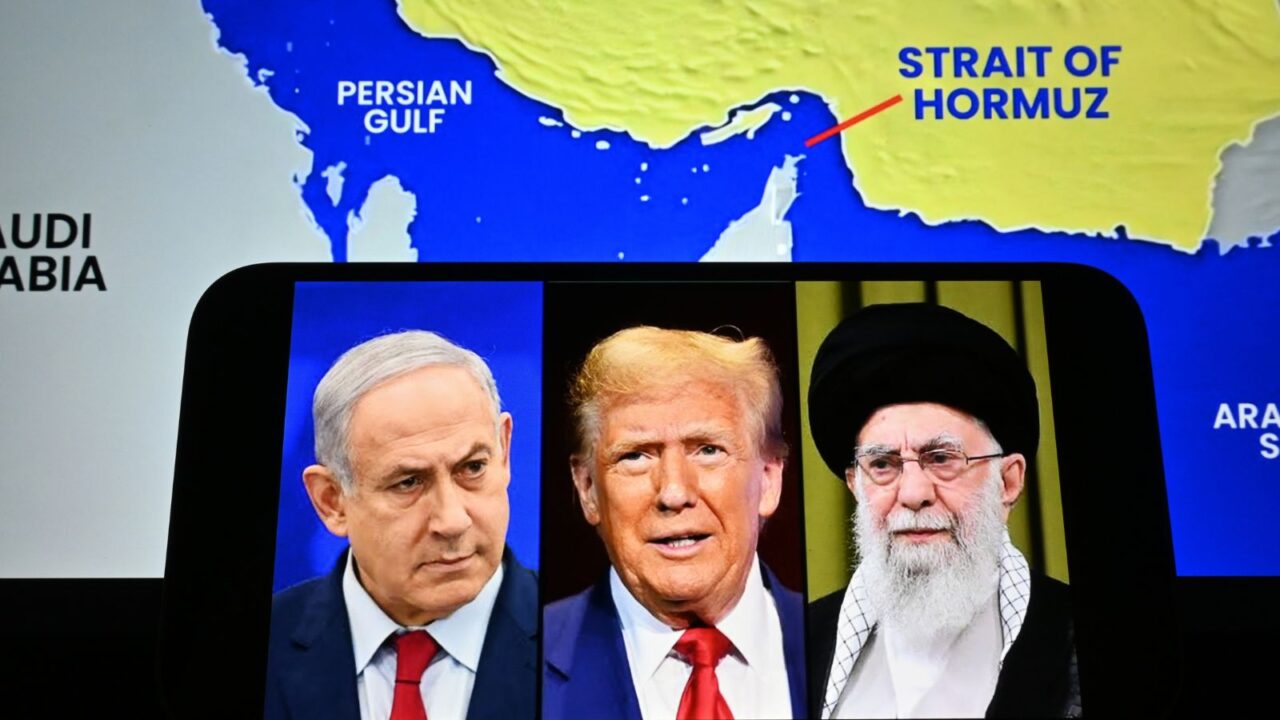
Iran is turning geography into leverage
Iran’s biggest short-term advantage is geography against the US and Israel. AP reported that the strait is effectively closed for much normal traffic, while Reuters said Tehran is even considering future transit fees as part of a broader plan to use its location against sanctions pressure.
That turns every surviving oil shipment into a form of leverage. Iran is not simply blocking trade or allowing it freely; it is shaping which movements still happen and forcing the rest of the world to react around that reality.
Global oil security may not look the same after Iran’s setback. Check out what could change next for supply routes and prices.
The market still has not found a stable answer
Even with some barrels moving, markets remain nervous because the system is fragile. Reuters said the possible unsanctioning of 140 million Iranian barrels could offer only 10 to 14 days of extra supply, which shows how temporary current emergency fixes may be.
That is why this matters beyond March headlines. As long as Hormuz stays partly choked, buyers, shipowners, and governments are all making decisions inside a market that is still operating, but no longer operating normally.
Could higher oil prices soon hit everything from gas bills to airfare? Check out the full story on how U.S.-Iran tensions are fueling supply fears.
Do you think the U.S. should keep prioritizing oil-market stability even if it means tolerating more Iranian barrels for now? Share your thoughts and your view in the comments.
This slideshow was made with AI assistance and human editing.
Don’t forget to follow us for more exclusive content right here on MSN.
Read More From This Brand:
