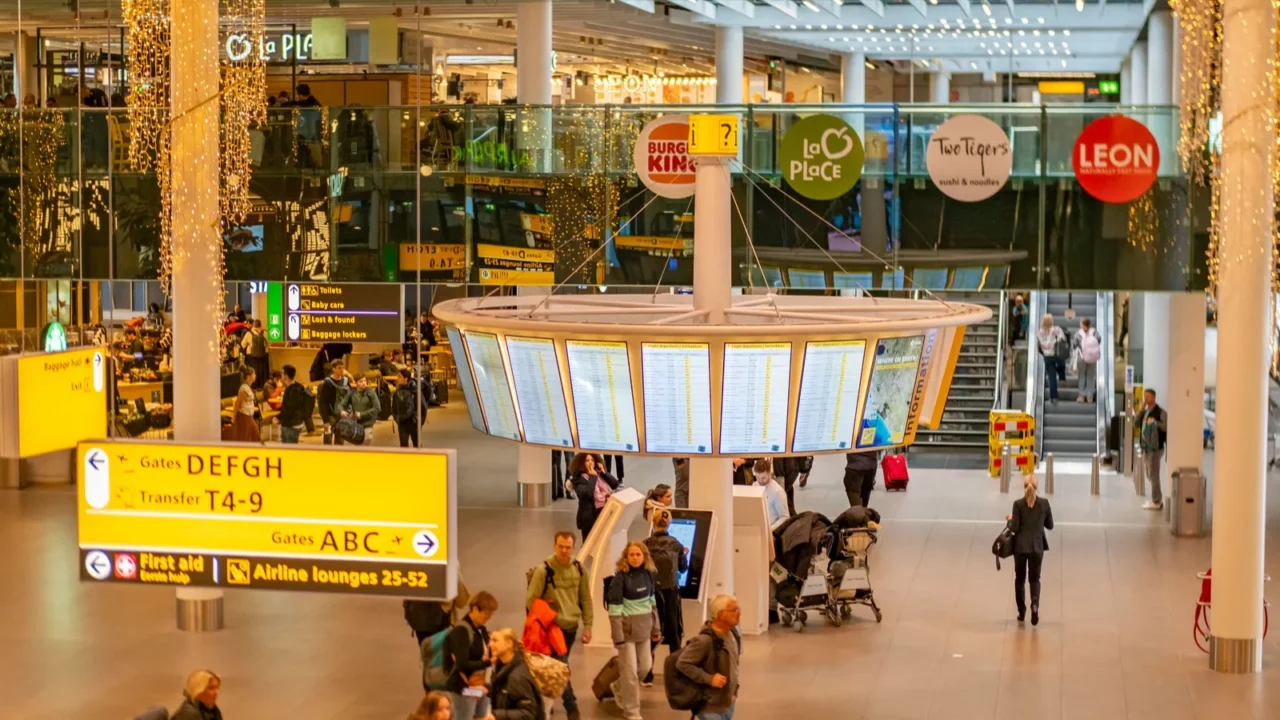
Americans are going abroad
Americans are traveling internationally in record numbers, spending more money overseas than foreign tourists bring into the United States. This growing gap reflects a significant shift in global travel behavior, driven by the allure of distant cultures, favorable exchange rates, and a collective hunger for experiences beyond domestic borders.
The trend signals something deeper than economics. It speaks to a generation redefining what spending means, choosing wanderlust over materialism, and investing in journeys that transform perspective, challenge comfort zones, and create memories no shopping cart can hold.
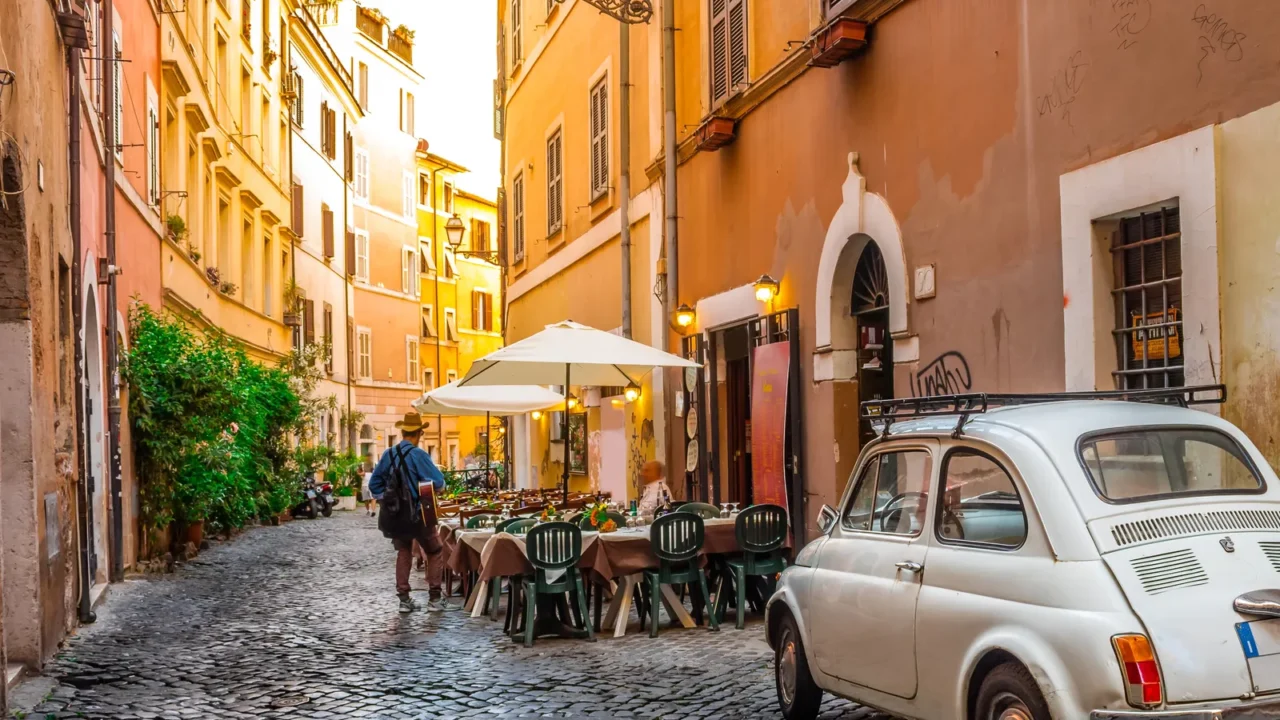
Rome calls Americans home
Rome consistently ranks among the top destinations where Americans spend the most freely. From hand-stitched leather goods in Trastevere to multi-course dinners along the Tiber, visitors arrive with open wallets and leave with full hearts. Italy’s capital offers a sensory experience that justifies every euro spent without a moment of buyer’s remorse.
Beyond the Colosseum and Vatican crowds, Americans are discovering neighborhood trattorias, wine bars tucked inside ancient cellars, and artisan markets where the real Rome breathes. Spending here feels less like consumption and more like participation in something ancient and beautifully alive.

Tokyo’s quiet wealth drain
Japan has become one of the most financially immersive destinations for American travelers. The yen’s weakened position has made Tokyo extraordinarily accessible, yet visitors spend more than expected because the city earns every cent. From custom ceramics in Yanaka to omakase dinners that feel like spiritual events, money flows naturally in the best possible direction.
Americans who arrive expecting restraint leave having filled entire extra suitcases. Tokyo rewards curiosity with quality at every price point, and travelers find themselves spending not from impulse but from genuine appreciation for craftsmanship, flavor, and a culture that treats commerce as a form of respect.
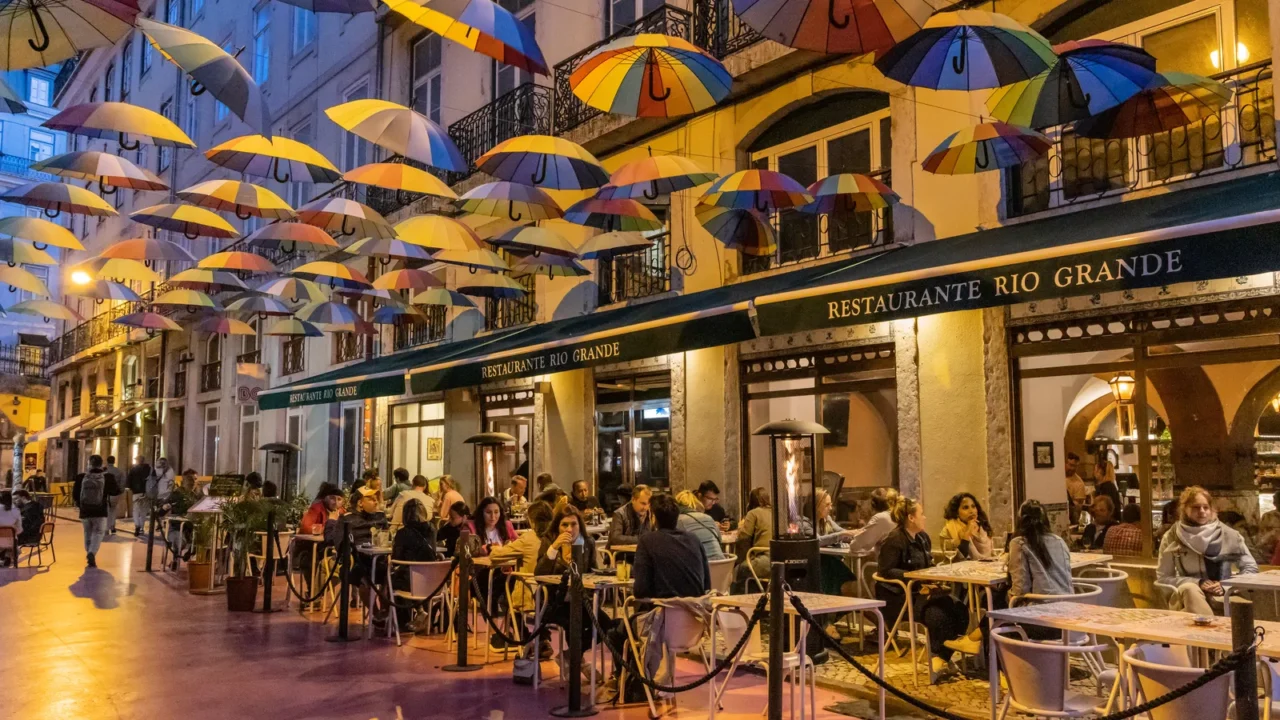
Portugal’s irresistible budget pull
Lisbon has quietly become the darling of American travelers seeking European depth without the price shock of Paris or London. Spending here stretches far, yet the quality of food, wine, architecture, and human warmth remains extraordinary. Pastéis de nata cost almost nothing but deliver the kind of satisfaction that anchors an entire trip in golden memory.
Americans are increasingly choosing Portugal not as a compromise but as a destination in its own right. The Alentejo wine country, the Algarve coastline, and Porto’s riverside glow all demand time, exploration, and the willingness to spend slowly, savoring rather than rushing through a checklist of famous sights.
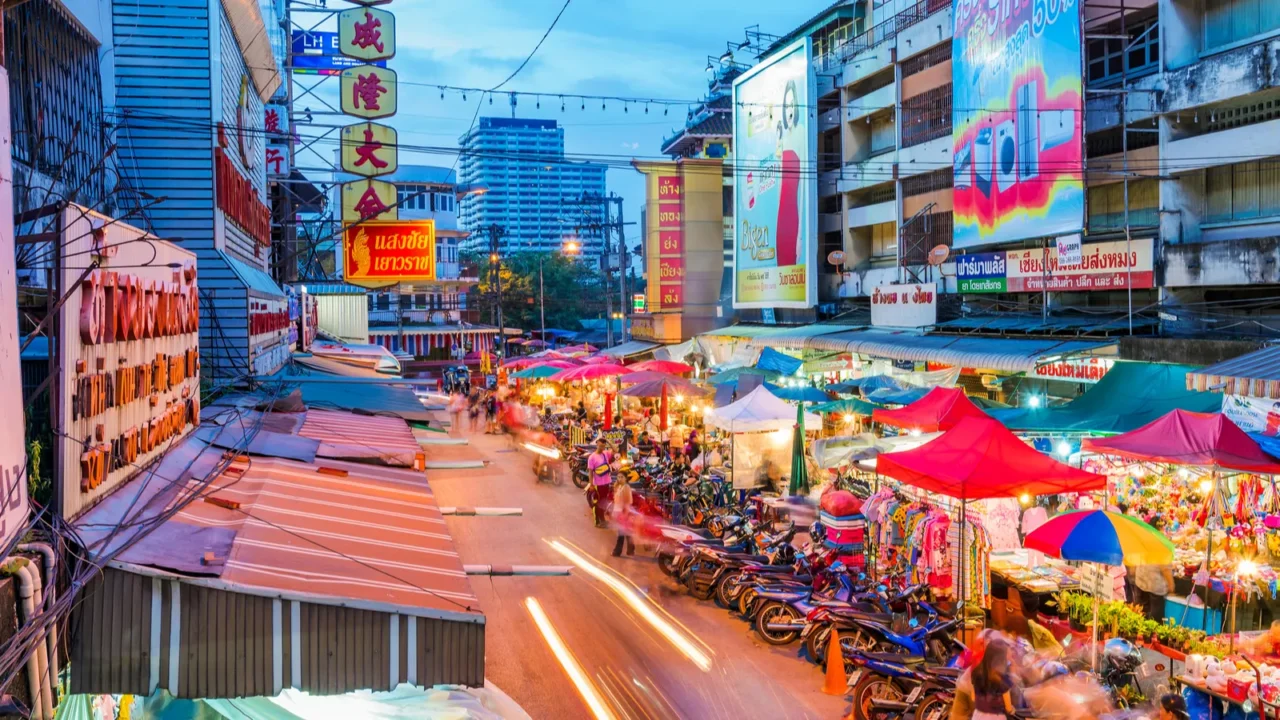
Thailand transforms every traveler
Thailand represents one of the most compelling cases for why Americans spend more abroad than foreign visitors spend in the United States. For every dollar stretched across Chiang Mai’s night bazaars, northern cooking schools, and island longtail boat rides, travelers receive something that cannot be assigned a fair market value: genuine transformation.
The country rewards those who linger. Spending three weeks in Thailand costs far less than a long weekend in New York City, yet delivers experiences that restructure how people understand beauty, generosity, food, and faith. The gap between cost and value here is not a bargain. It is a revelation.
Colombia’s rise is real
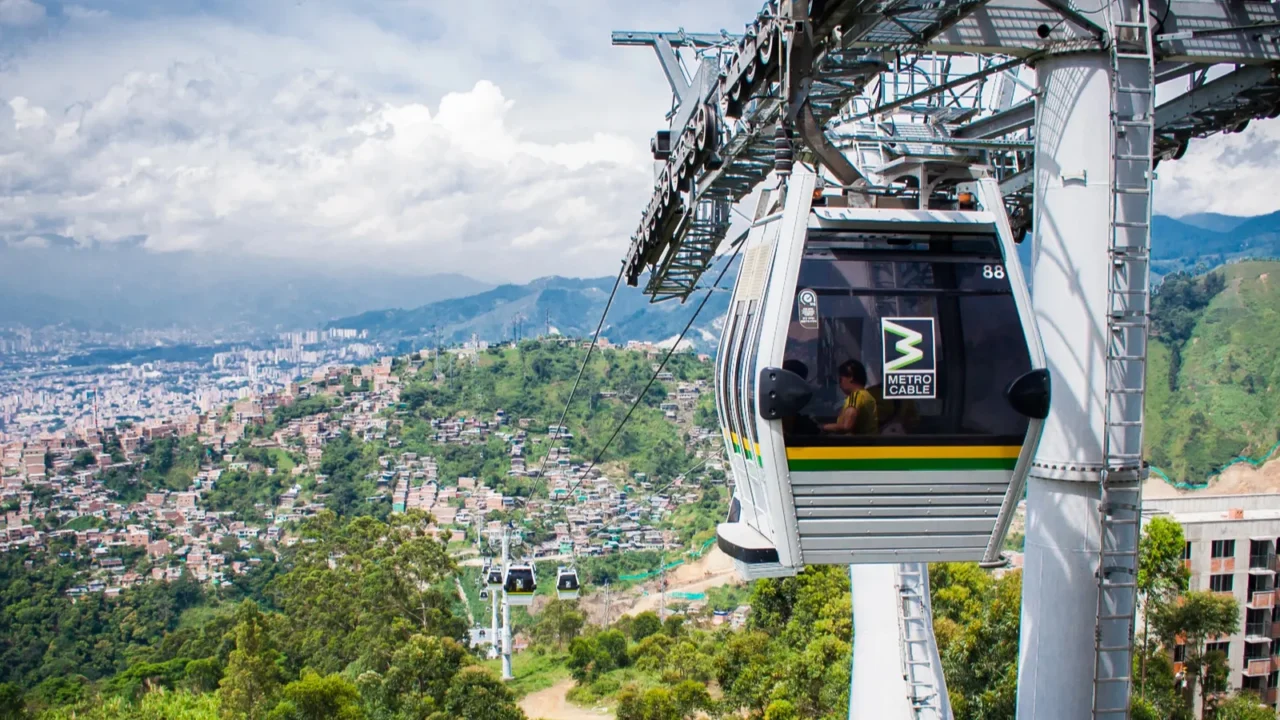
Medellín was once a city that the world warned travelers to avoid. Today, it stands as one of South America’s most visited and celebrated urban destinations, drawing Americans who arrive expecting little and leave stunned by its transformation. The city’s cable cars connect hillside neighborhoods that pulse with art, innovation, and a pride born from extraordinary collective resilience.
Fact: Medellín won the 2013 “City of the Year” competition organized by The Wall Street Journal and Citi in partnership with the Urban Land Institute, finishing ahead of fellow finalists New York and Tel Aviv.
Morocco rewards the curious
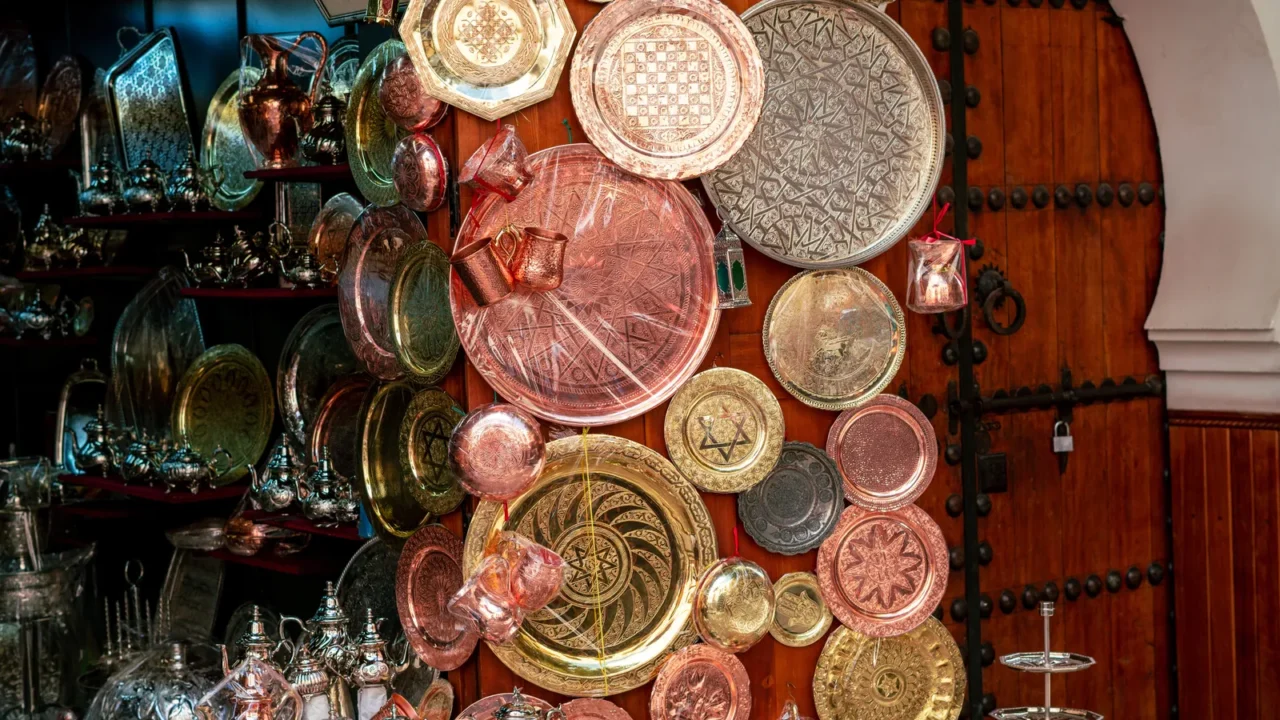
Marrakech operates on a different frequency than anywhere Americans typically encounter. The medina’s labyrinthine alleys, the call to prayer threading through copper workshop clatter, and the overwhelming generosity of a people who treat hospitality as sacred all conspire to make spending here feel like an exchange rather than a transaction.
Americans traveling through Morocco spend on hammam rituals, hand-knotted rugs negotiated over mint tea, and riad stays that blur the line between hotel and living artwork. Beyond Marrakech, the Saharan dunes near Merzouga and the blue streets of Chefchaouen reward those willing to push further into the country’s quietly staggering beauty.

Iceland justifies every dollar
Iceland is expensive. There are no disclaimers that soften that reality. Yet Americans continue choosing it because the country delivers an incomparable return on investment measured not in exchange rates but in raw, unfiltered planetary wonder. Standing beneath the Northern Lights in Þórsmörk while wolves of wind reshape the snow around you is not a travel experience. It is a reckoning.
Fact: About 85 percent of homes in Iceland are heated with geothermal energy, according to the Icelandic government, a figure that helps explain the country’s reputation for clean energy leadership.

Vietnam stretches every dollar
Vietnam offers Americans one of travel’s most generous equations: extraordinary depth at remarkably low cost. From Hanoi’s ancient quarter to Hội An’s lantern-lit evenings and the dramatic karst formations rising from Hạ Long Bay’s jade water, every region delivers a distinct visual and cultural language worth the airfare alone.
The spending gap between Americans abroad and foreign visitors to the United States sharpens in destinations like Vietnam, where travelers discover their dollars fund local families, independent guesthouses, and night market vendors rather than corporate chains. Spending here carries an ethical weight that makes the experience feel participatory and quietly meaningful.
Greece keeps pulling wallets
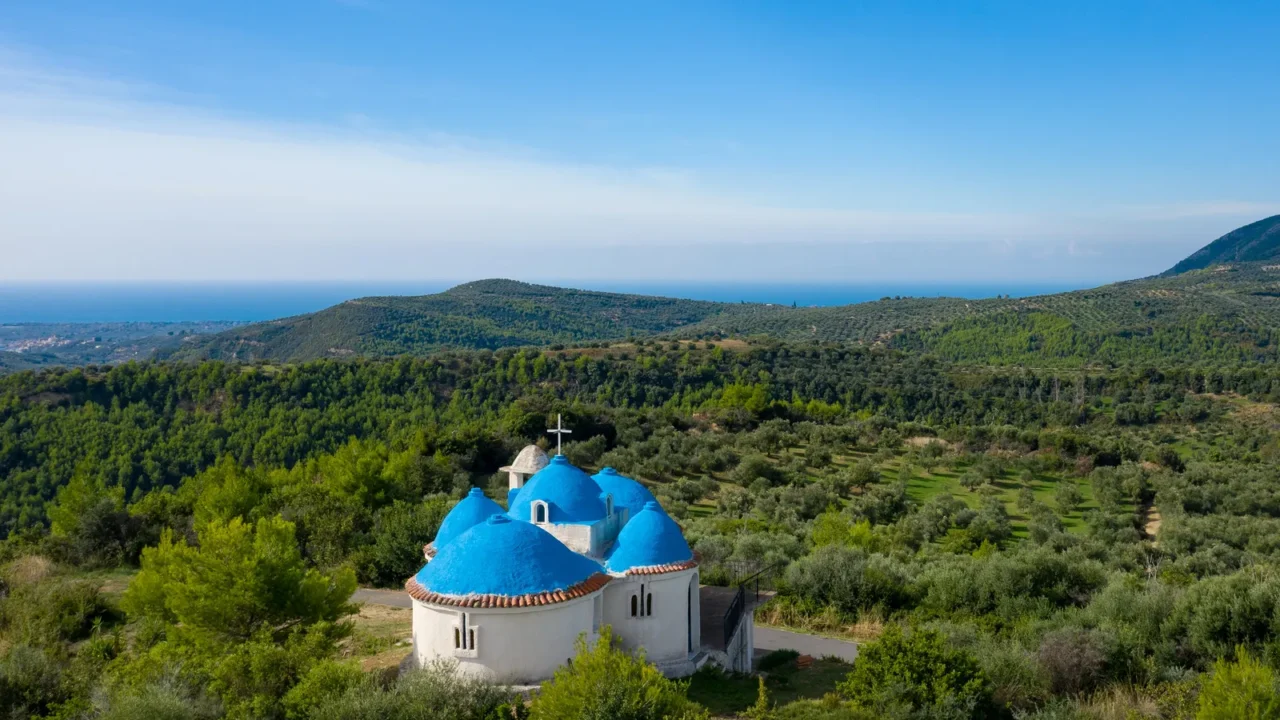
Santorini photographs itself into travel dreams, but Greece earns its spending reputation across far less photographed terrain. The Peloponnese region, with its Byzantine fortresses, olive groves, and nearly empty beaches, draws Americans seeking depth over aesthetics. Spending slows here because the pace itself changes, and the food, wine, and conversation demand full presence.
Athens has emerged as a serious culinary and cultural destination beyond its ancient monuments. Americans arriving to see the Acropolis leave having discovered neighborhoods like Exarcheia and Monastiraki that operate on an entirely different creative frequency. Greece rewards those who resist the postcard and instead ask what lies just beyond its famous edge.
New Zealand’s worth the splurge
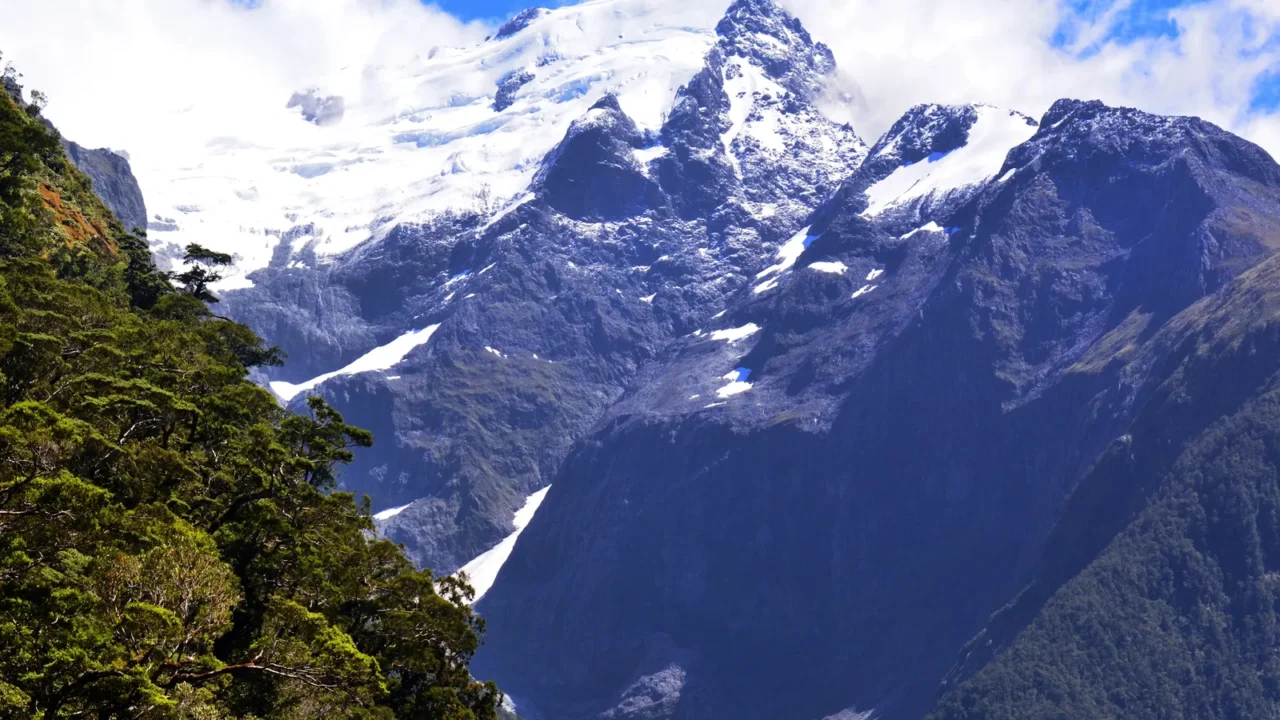
New Zealand sits at the far end of the earth and charges accordingly, yet Americans continue choosing it because the distance is precisely the point. Arriving requires commitment, and that commitment self-selects travelers who are ready to be fully present in a country that offers landscapes so dramatic they register as almost fictional.
The South Island’s Fiordland National Park, Milford Sound’s sheer cliffs dropping into black water, and the Otago Peninsula’s wildlife encounters deliver experiences that no domestic destination fully replicates. Americans spending generously in New Zealand are not being reckless. They are correctly valuing what the world’s most remote beauty actually costs to access and preserve.
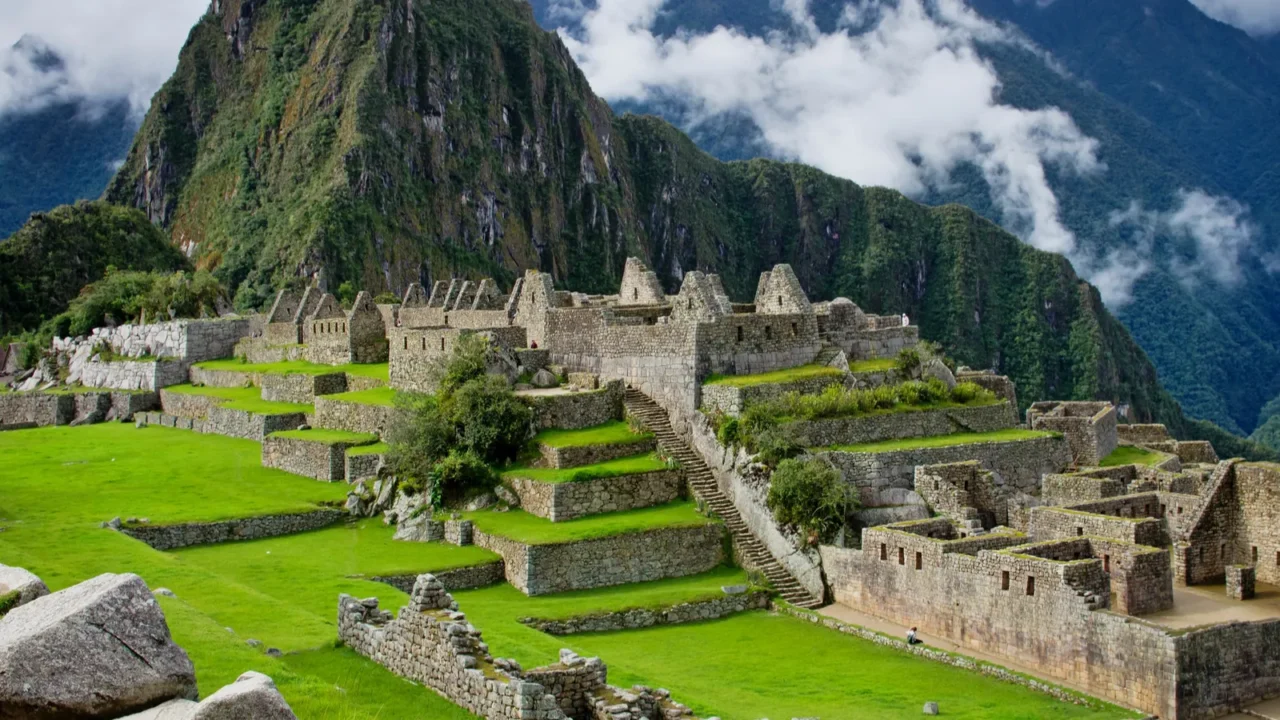
Peru changes your baseline
Peru does not simply offer a vacation. It recalibrates what travelers believe they are capable of experiencing. Machu Picchu operates at a frequency that photographs cannot transmit. Standing at the Sun Gate as morning cloud dissolves to reveal the Lost City below, Americans consistently describe something that bypasses language and lands somewhere quieter, somewhere cellular.
Beyond the Inca citadel, the Sacred Valley, Lake Titicaca’s floating Uros islands, and Lima’s world-class culinary scene all reward generous investment of time and money. Americans who spend deeply in Peru tend not to return the same, and with tourism momentum only accelerating, the window to experience it before the crowds arrive is narrowing fast.
The gap keeps growing
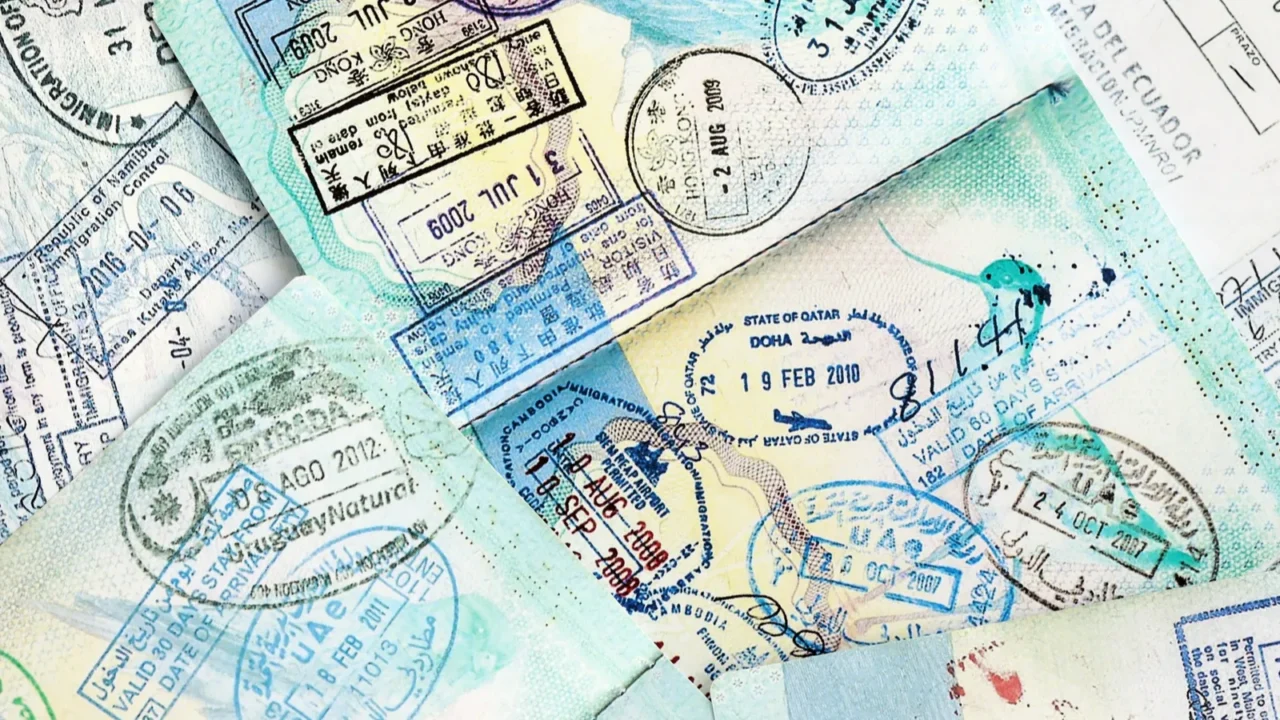
The widening gap between what Americans spend abroad and what foreign visitors spend in the United States is not a warning sign. It is a portrait of a culture actively choosing experience over proximity, meaning over convenience, and transformation over comfort. Every dollar spent in Tokyo, Lisbon, or a Colombian hillside neighborhood returns home invisibly changed.
This is the new American travel story: not the tourist arriving with a camera and leaving with photos, but the traveler who arrives with assumptions and leaves with something harder to name. Step beyond the familiar tourist zones and discover what real travel actually costs to feel.
Is the world finally winning over American wallets? Which destination on this list is calling your name? Let us know in the comments.
This slideshow was made with AI assistance and human editing.
Don’t forget to follow us for more exclusive content right here on MSN.
Disclaimer: The images used are for illustrative purposes only and do not depict the actual locations mentioned.
Read More From This Brand:
