
Los Angeles 2028 games overview
The 2028 Summer Olympics, officially designated the Games of the XXXIV Olympiad and commonly referred to as LA28, are an upcoming international multi-sport event scheduled for July 14 through July 30, 2028, in Los Angeles, California. It will mark the third time Los Angeles has hosted the Summer Games, following the 1932 and 1984 editions, making it a historic occasion for the city and the United States.
Despite widespread excitement, a growing number of analysts, housing advocates, urban planners, and civic leaders have begun raising pointed questions about whether Los Angeles is truly prepared to host the world’s largest sporting event under its current social, financial, and political circumstances.
A city under financial pressure
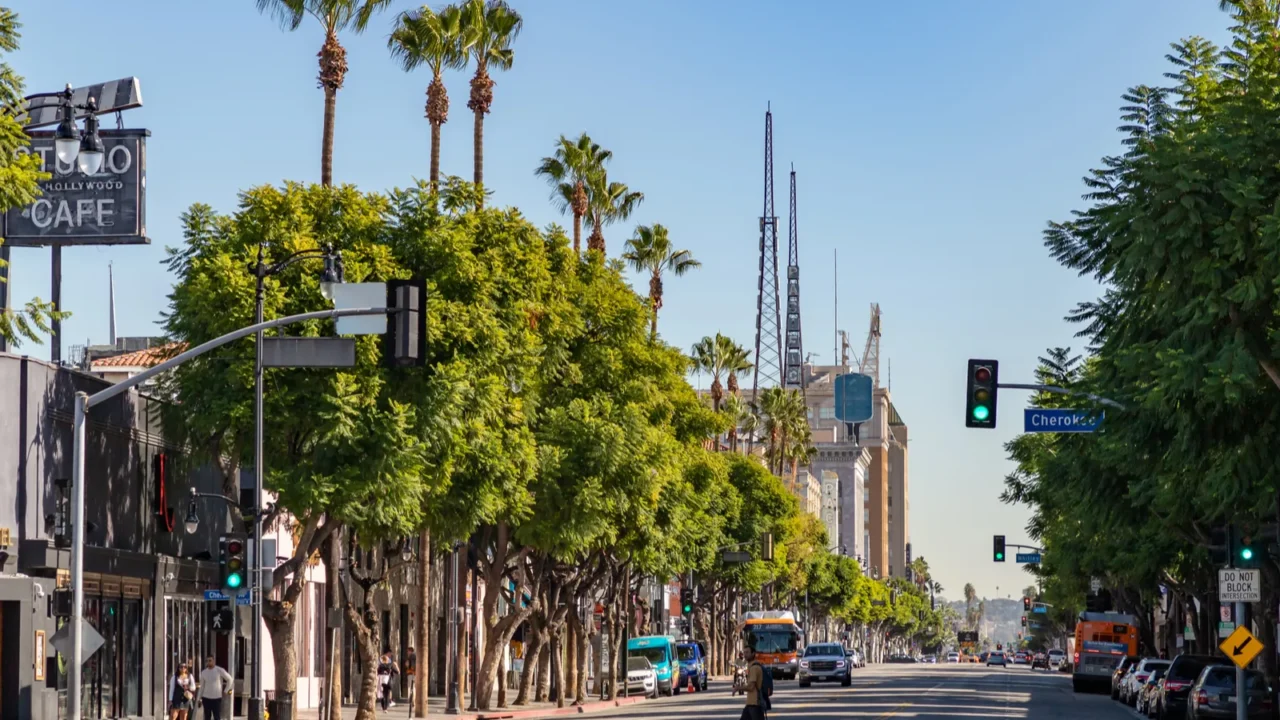
Los Angeles entered its Olympic preparation period already carrying serious fiscal wounds. By early 2025, the city was facing a nearly one billion dollar budget deficit, and the city controller estimated that Los Angeles was spending approximately 300 million dollars more annually than it collected in revenue. These numbers alarmed budget analysts who closely track how host cities manage the financial demands of large-scale global events.
What makes this situation especially delicate is that LA28 operates as a private organizing entity with an operating budget that was originally set at $6.9 billion and was later reported to the IOC at $7.2 billion in 2026. That private model reduces some public exposure, but it does not eliminate the costs city and county agencies may still face outside the organizing committee’s budget.
The wildfire shadow over LA
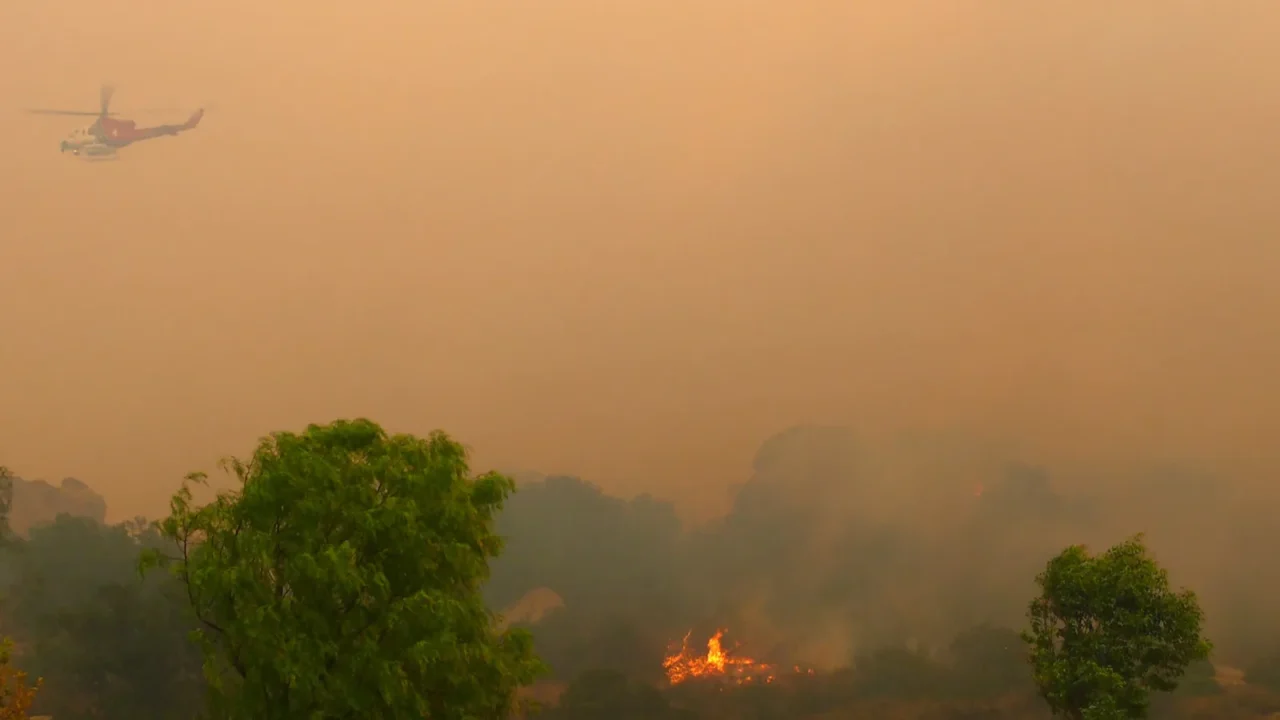
The devastating Palisades and Eaton fires erupted in January 2025, not December 2024, and they destroyed more than 16,000 structures across Southern California while forcing evacuation orders for more than 100,000 residents at various points in the crisis. The scale of the disaster added fresh pressure to a city already managing budget strain and raised new questions about how wildfire recovery could compete with long-term Olympic preparation for labor, funding, and public attention.
Olympic venues, including UCLA and the Riviera Country Club, were not directly damaged. However, their proximity to fire zones has drawn attention from risk analysts and insurance experts who warn that broader recovery efforts will compete with Olympic preparation for limited public resources and institutional attention over the next two years.

Who pays when LA28 falls short?
The financial exposure Los Angeles faces in connection with LA28 is not fully understood by the general public. Unlike the arrangement for the 1984 Games, city officials did not secure a formal guarantee protecting Los Angeles from covering losses if the organizing committee fell short on revenue. Former Mayor Eric Garcetti acknowledged this openly, suggesting that demanding such a guarantee could have cost the city its bid entirely.
Cost overruns are not rare in Olympic history. Research consistently shows that nearly every modern Summer Games has exceeded its original budget, sometimes by dramatic margins. Cities from Athens to Rio discovered far too late that projected revenues rarely match the actual costs of delivering the Games on time and on budget.
Transit gaps near Los Angeles
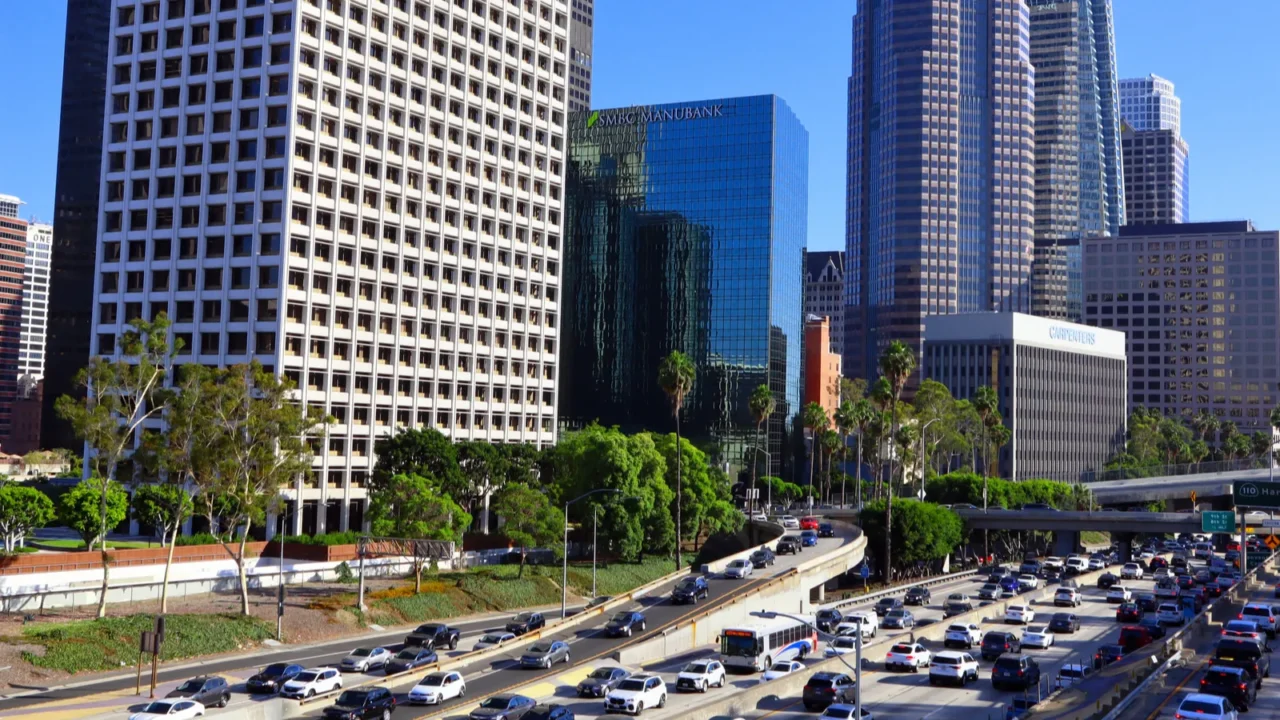
Los Angeles has long been defined by car culture, and building a credible transit infrastructure for an event expected to draw 15 million visitors remains one of the most urgent logistical challenges facing Olympic organizers. The city’s ambitious Metro 28 by 2028 initiative, which aimed to complete 28 transportation projects before the Games, has fallen behind schedule, with several key projects pushed past the 2028 deadline due to funding shortfalls and delays.
Metro officials have estimated that roughly 2,700 additional buses, effectively doubling the current fleet, will be needed to move spectators during the Games.
Homelessness and the Olympic lens
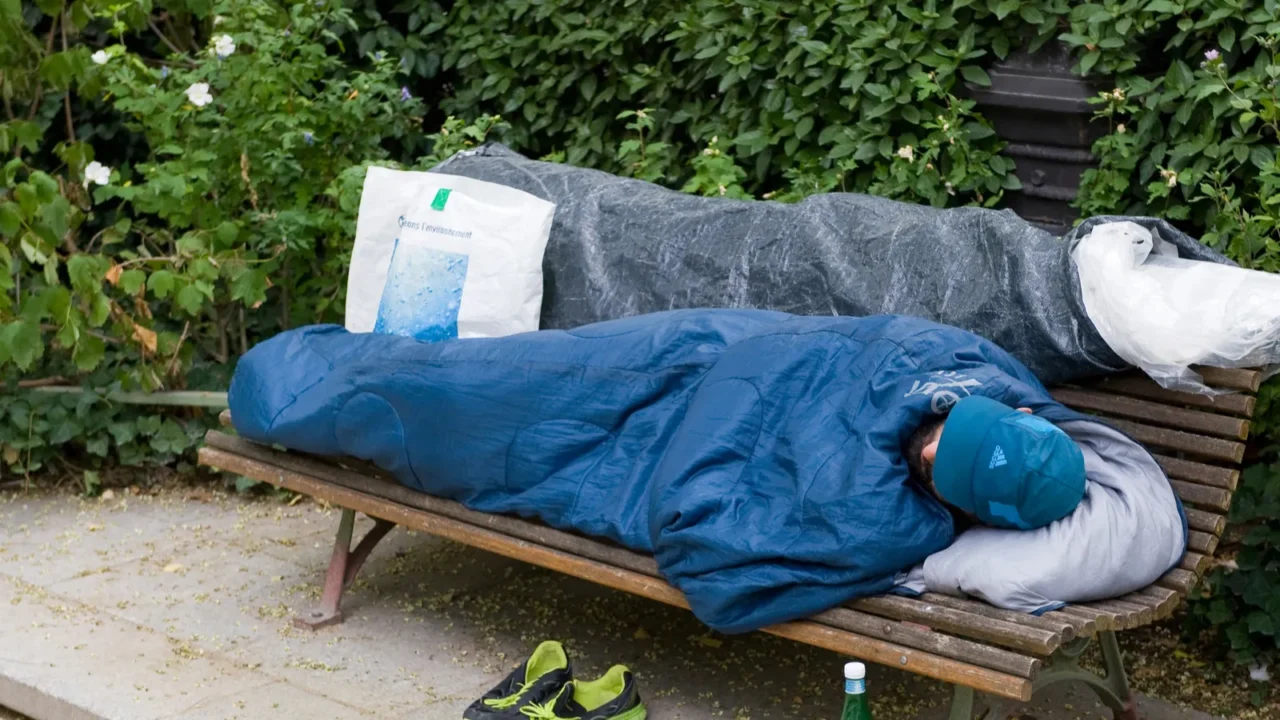
Los Angeles carries the largest population of unsheltered individuals of any American city, and the approach of the 2028 Games has intensified debates about how that reality will be managed. Advocacy organizations have documented a pattern in which homeless encampments near major venues and transit corridors have been cleared ahead of large sporting events, with residents displaced rather than permanently housed by the city.
The University of Southern California’s Homeless Policy Research Institute has published detailed findings showing that homelessness in Los Angeles increased by an average of four percent annually between 2009 and 2024. Researchers argue that cosmetic displacement for Olympic purposes without addressing underlying causes will damage both the city’s reputation and the lives of its most vulnerable residents.
Sweeping camps near SoFi
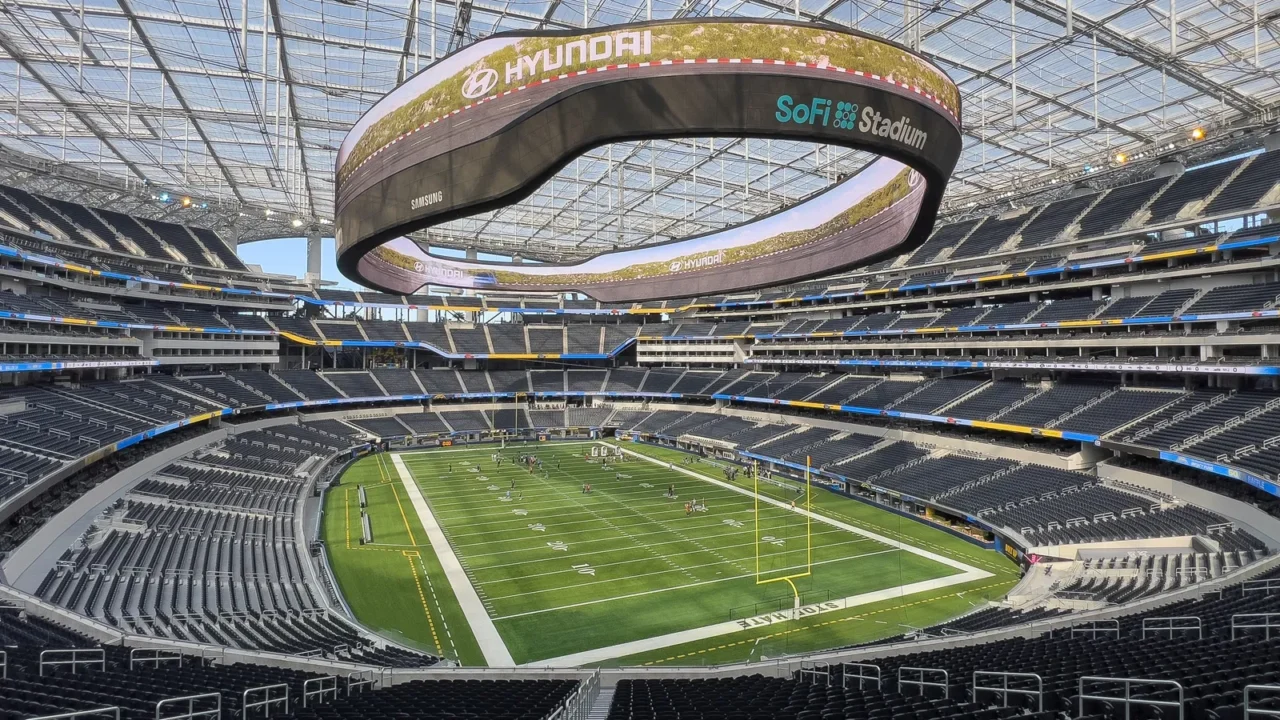
Housing activists point to a troubling pattern beginning with the 2022 Super Bowl at SoFi Stadium, where encampments along major routes were cleared before the event. Critics warn similar sweeps are planned ahead of the 2026 FIFA World Cup and expect the same cycle for 2028. The no-build pledge has done little to reassure community advocates and legal aid attorneys monitoring displacement patterns closely.
Residents near Olympic corridors are already being priced out as landlords convert long-term units into short-term rentals ahead of the anticipated surge of global arrivals, driving up housing demand across the city.
Wildfire costs strain Olympic budget
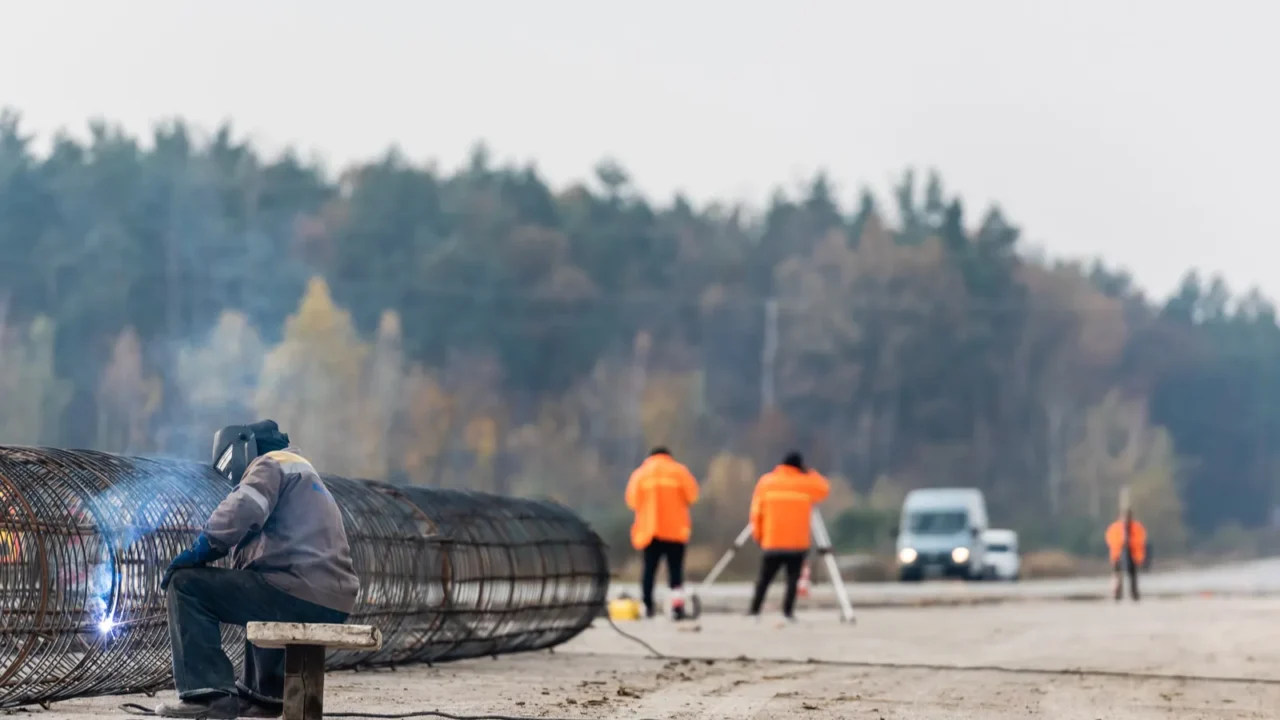
The December 2024 wildfires continue complicating Los Angeles’s Olympic preparation timeline. Construction workers needed for transit upgrades and venue preparation face competition from ongoing fire recovery and residential rebuilding, creating direct competition for the same labor pool. City officials who were already racing against the clock to meet 2028 infrastructure deadlines are now managing two enormous undertakings simultaneously, with no additional federal funding committed. Experts warn the city is on the hook for the first 270 million dollars in Olympic cost overruns, and wildfire recovery expenses could easily consume the financial flexibility Los Angeles needs to absorb any shortfall.
Fact: An Oxford University study confirmed that every single modern Olympics has underestimated its final costs, and Los Angeles is already absorbing wildfire recovery expenses on top of its existing budget deficit, as reported by Fast Company.

Immigration policy and the athletes
The United States government’s immigration policies under the current administration have introduced a fresh layer of complexity for international athletes, coaches, and visitors hoping to attend or compete in the 2028 Games. Visa restrictions, heightened screening procedures, and the broader climate of immigration enforcement have led officials at multiple international sports bodies to quietly raise concerns about accessibility for athletes and fans from certain countries.
The 2028 Games are expected to draw competitors and spectators from nearly every nation on earth. Any perception that Los Angeles is unwelcoming due to federal immigration enforcement could affect ticket sales, broadcast viewership, and the city’s standing in the global community. LA28 has not issued any formal statement addressing visa or immigration enforcement policy directly.
Hotel costs threaten visitor plans
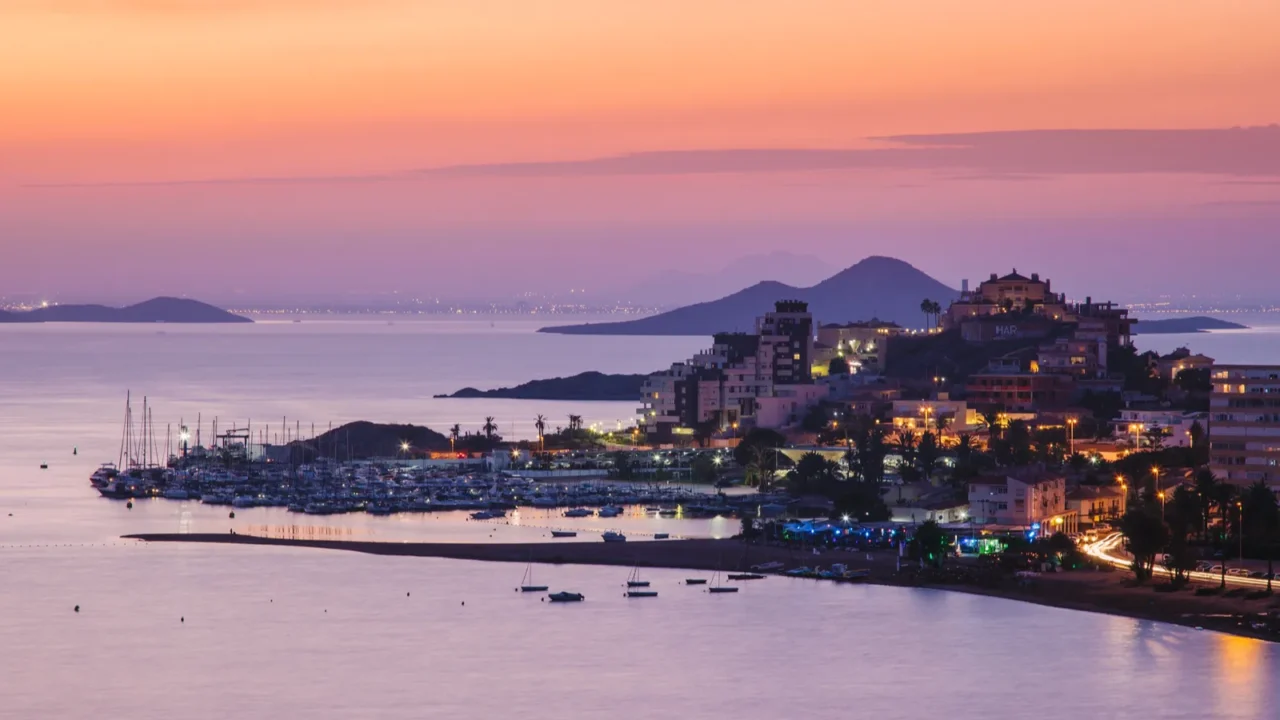
A recently enacted Los Angeles ordinance requires covered hotel workers to receive minimum wages rising to thirty dollars per hour by July 2028. The Hotel Association warned LA28 that some operators may be unable to honor discounted room contracts negotiated before this ordinance existed, creating serious financial risk for hospitality operators across the city and potentially disrupting accommodations for athletes and officials. Legal analysts note total labor costs could nearly double, pushing room prices beyond the reach of middle-income visitors arriving from around the world.
Fact: Legal analysts warn the Olympic wage ordinance could cause total hotel labor costs to nearly double by 2028, creating serious risks for Games hospitality planning, as detailed by Corporate Compliance Insights.

Air quality over Los Angeles
Los Angeles has made meaningful progress on air quality over recent decades, but persistent challenges tied to geography, automobile dependence, and industrial activity continue to define the region’s environmental profile. The anticipated arrival of millions of Olympic visitors, combined with intensified logistics and ground transportation activity, has raised concerns among public health researchers about whether the city’s air could meet safe thresholds for outdoor athletic competition during the summer months.
The city’s topography, essentially a basin surrounded by mountains, traps pollutants in ways that other host cities have not experienced. Athletes competing in endurance sports are particularly sensitive to air quality conditions. While LA28 has committed to sustainability goals, health experts caution that execution gaps in transit and ground transportation could create real risks for competitors and spectators alike.
Political tension around LA28
Few observers expected that the 2028 Los Angeles Olympics would become a flashpoint in national politics, yet that is precisely where things stand today. The relationship between California’s Democratic leadership and the Trump administration has been openly adversarial on issues ranging from immigration to wildfire recovery funding. Meanwhile, wealthy Americans are quietly choosing cities built around stability and low taxes over the political chaos.
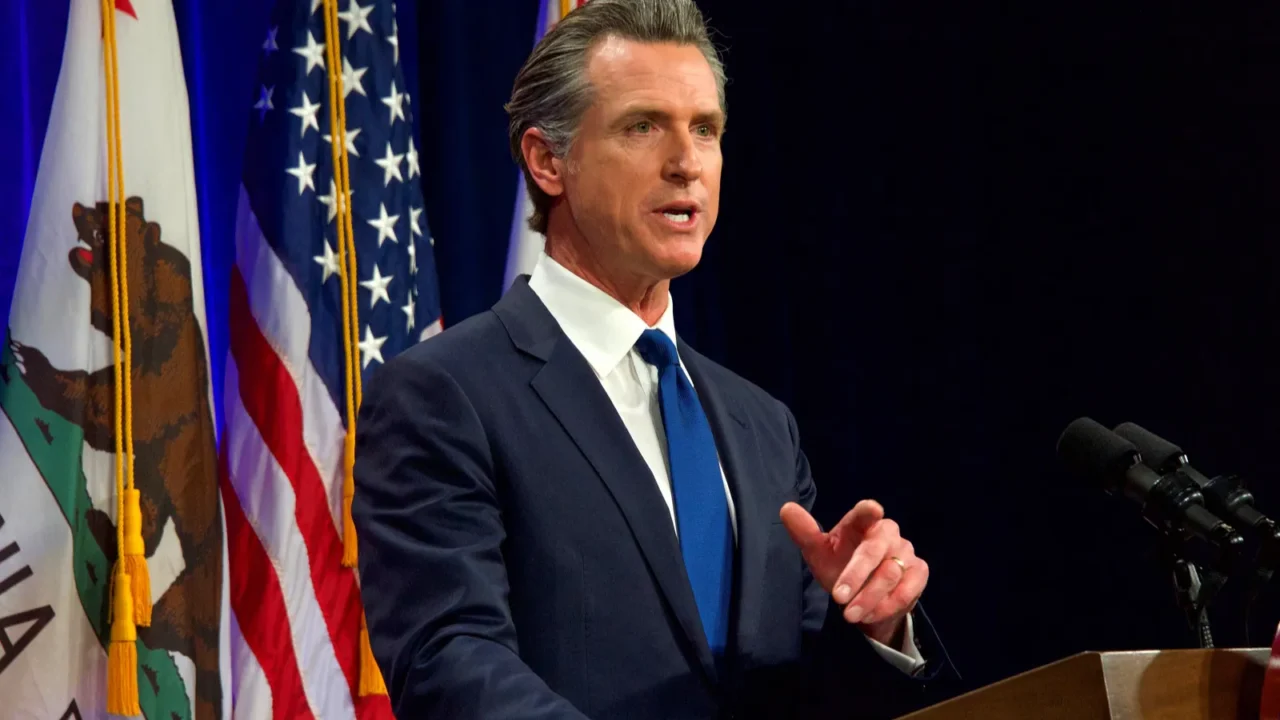
California Governor Gavin Newsom has championed LA28 as an opportunity to showcase California’s values on a global stage. However, critics from across the political spectrum have questioned whether the city’s preparation is proceeding with sufficient urgency given the scale of simultaneous challenges it faces, from wildfire recovery to budget constraints to unresolved transit funding gaps.
Can Los Angeles rise to this?
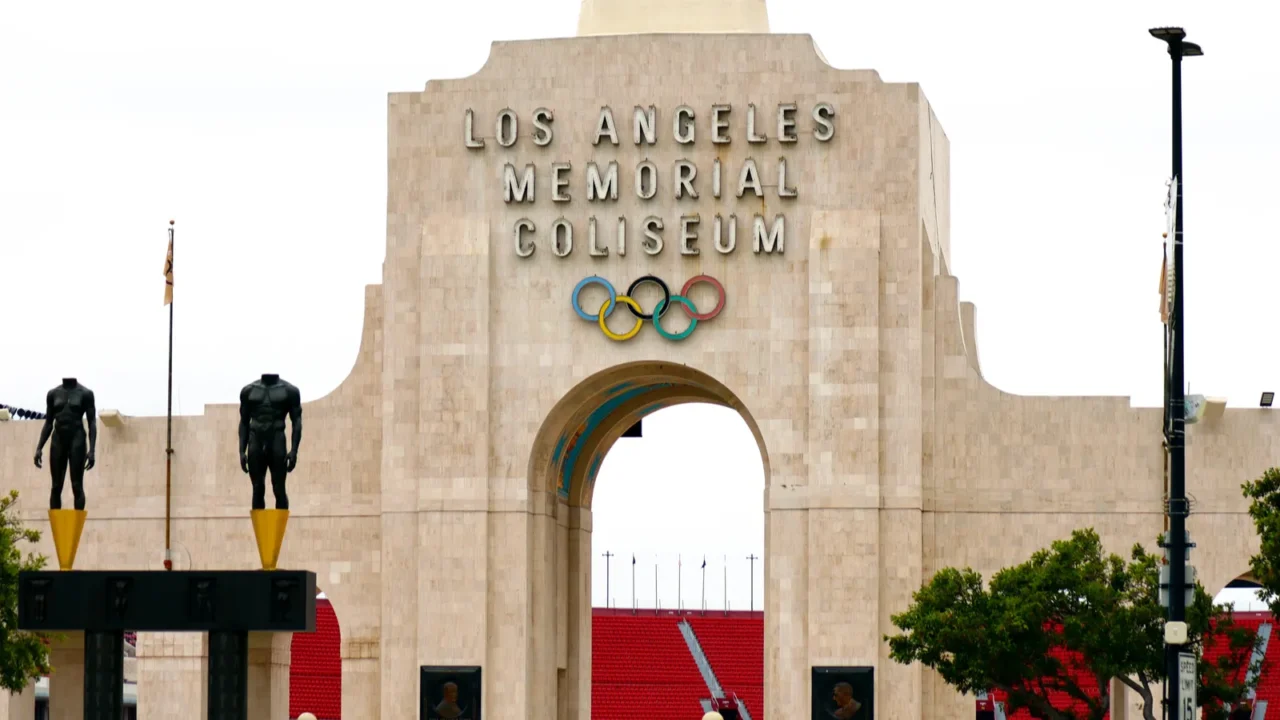
Despite the volume of concerns being raised, many analysts still believe Los Angeles has structural advantages that other Olympic host cities lack. Unlike cities that built costly new stadiums and infrastructure from scratch, LA28 relies almost entirely on existing venues, including SoFi Stadium, UCLA, the Rose Bowl, and the Los Angeles Memorial Coliseum. This no-build approach reduces the financial and logistical risks that turned Olympic preparation into a civic catastrophe in cities like Athens and Rio.
The question is not whether Los Angeles can technically host the Games. The deeper question is whether it will address its underlying challenges or simply stage a spectacle, especially when the world’s luxurious cities have already proven that great events and great governance can coexist.
Los Angeles is about to host the world, but can a city battling wildfires, budget deficits, a homelessness crisis, and a political firestorm actually pull off the Olympics? What do you think will give first?
This slideshow was made with AI assistance and human editing.
Don’t forget to follow us for more exclusive content right here on MSN.
Disclaimer: The images used are for illustrative purposes only and do not depict the actual locations mentioned.
Read More From This Brand:
