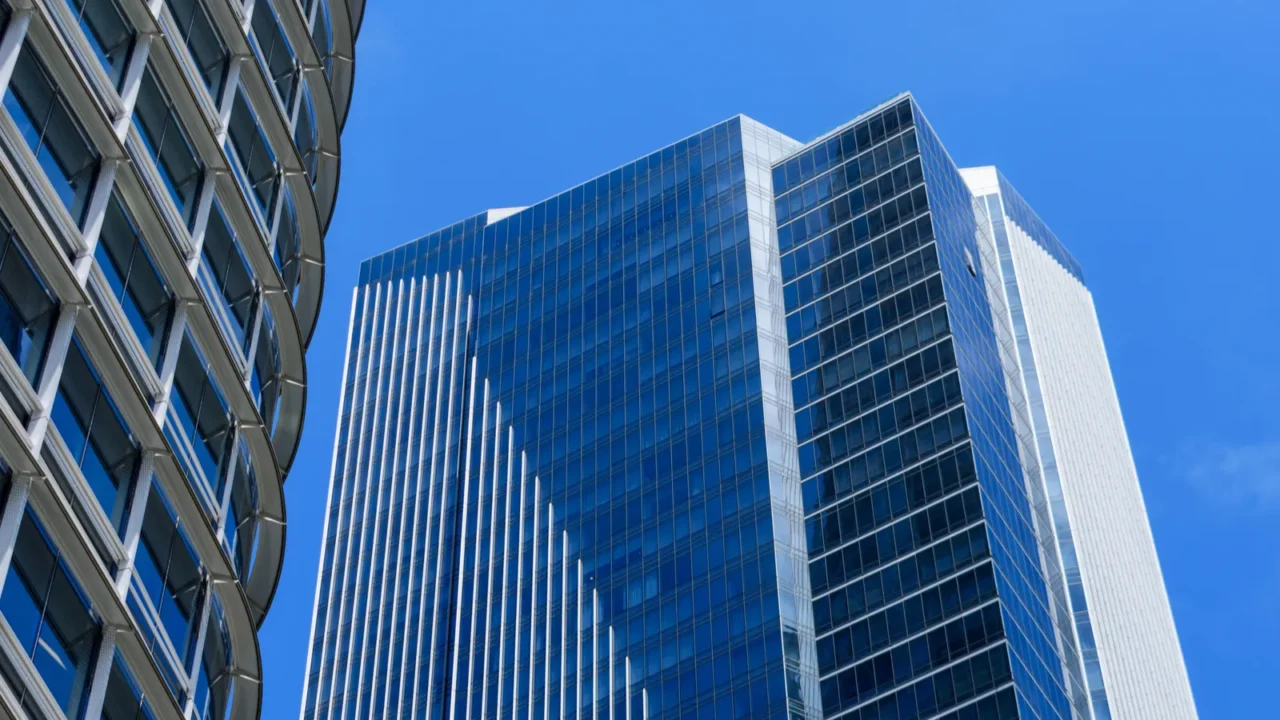
San Francisco’s grand transit gamble
The Salesforce Transit Center, located in downtown San Francisco, California, is a $2.2 billion multimodal transportation hub that opened in August 2018. Designed to serve as the “Grand Central of the West,” it connects regional bus lines, future rail service, and a rooftop public park spanning 5.4 acres above one of America’s most congested and expensive urban cores.
Despite its architectural ambition and civic vision, the center has faced relentless scrutiny over cost overruns, structural setbacks, and underutilization. San Francisco taxpayers and transit advocates continue to debate whether this gleaming structure represents bold urban investment or a cautionary tale of infrastructure spending gone far beyond what practical transit needs actually require from the project.
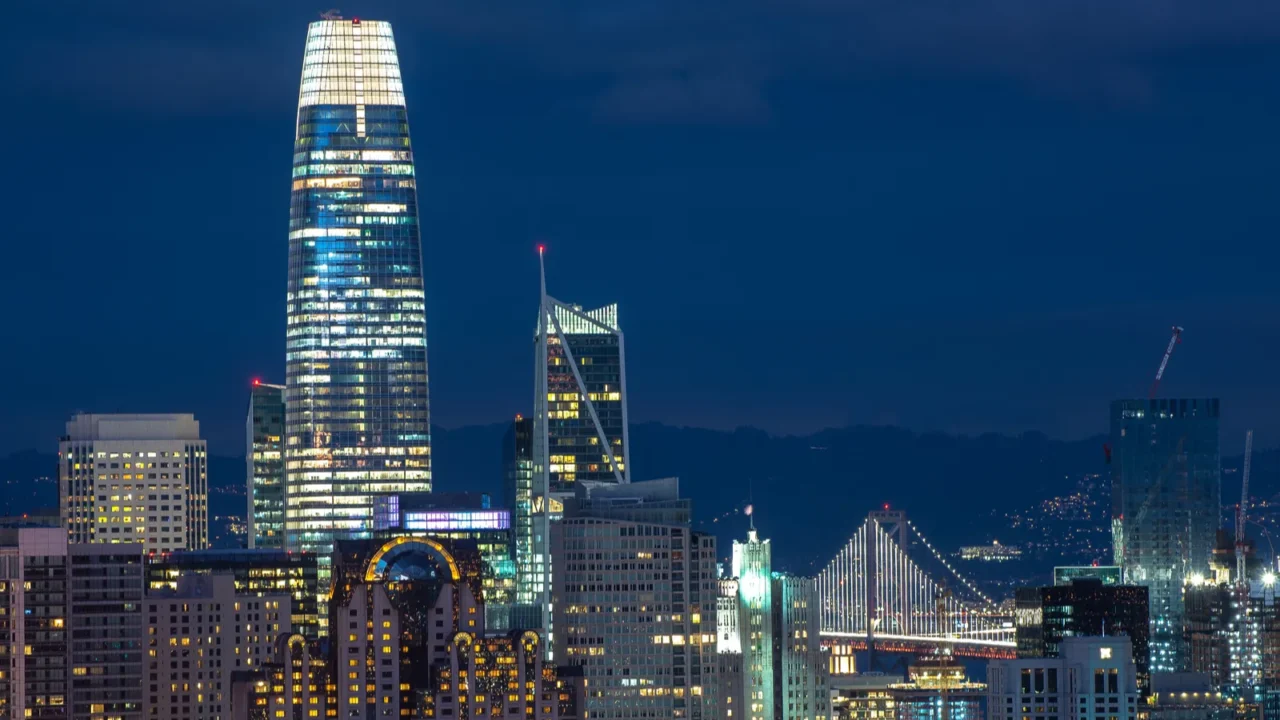
A vision decades in the making
Long before the first steel beam rose above Fremont Street, San Francisco planners dreamed of a unified transit gateway for Northern California. The concept dates back to the 1990s, when regional leaders recognized that the aging Transbay Terminal, built in 1939, could no longer handle the growing demands of a booming Bay Area metropolitan population hungry for reliable, connected, and modern regional transportation infrastructure.
The replacement project gained formal momentum in the late 2000s, when the Transbay Joint Powers Authority broke ground in 2010 on what would become one of the most expensive transit stations ever built in United States history. The plan promised not just a bus terminal but a living civic landmark that would anchor a transformed neighborhood rising around it with new residential towers and retail life.
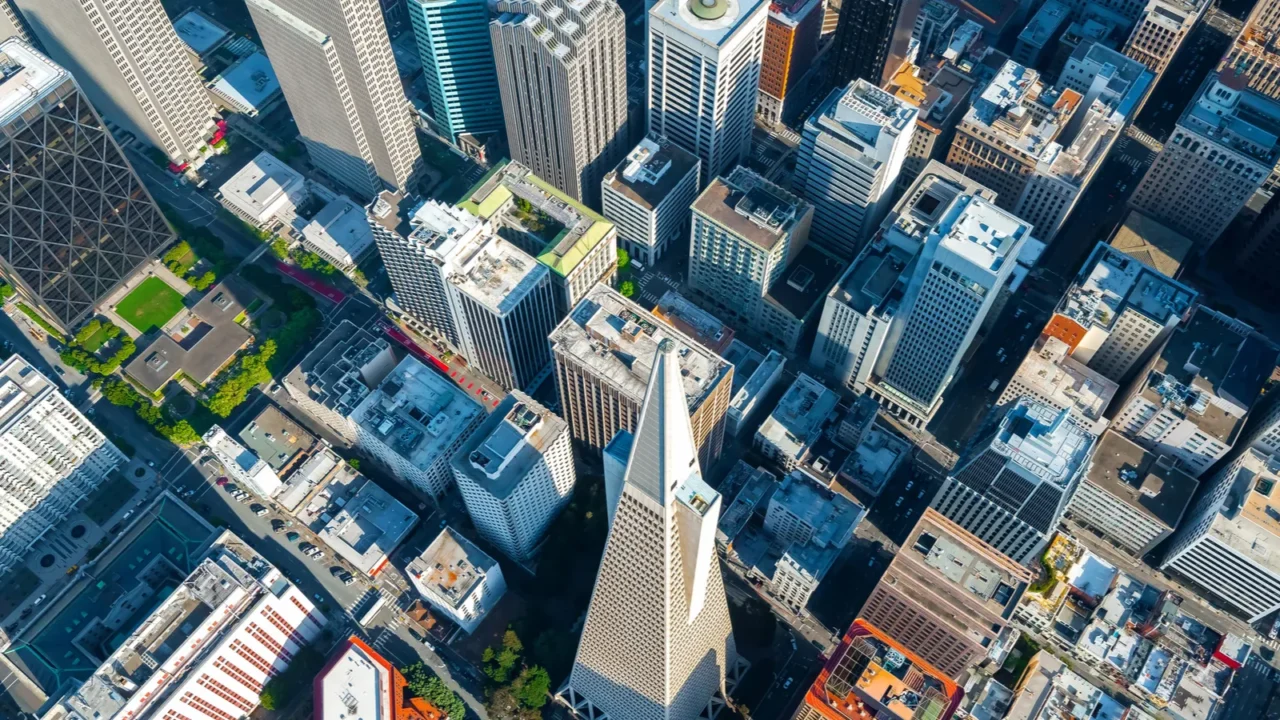
Architecture that stuns visitors
Designed by the acclaimed firm Pelli Clarke Pelli Architects, the Salesforce Transit Center is genuinely striking. Its exterior features a perforated aluminum skin that filters natural light into interior spaces, creating an atmosphere more reminiscent of an art museum than a transit facility. The building stretches nearly a quarter mile along Mission Street, asserting itself boldly against the San Francisco skyline with deliberate architectural confidence.
Inside, soaring ceilings, natural wood paneling, and flowing organic forms greet travelers with warmth unusual for transit infrastructure. The rooftop park, accessible by free glass elevators, offers panoramic views of the Bay Area alongside gardens, an amphitheater, a children’s playground, and food vendors. Architecture critics have widely praised the design as genuinely world-class in both ambition and execution.
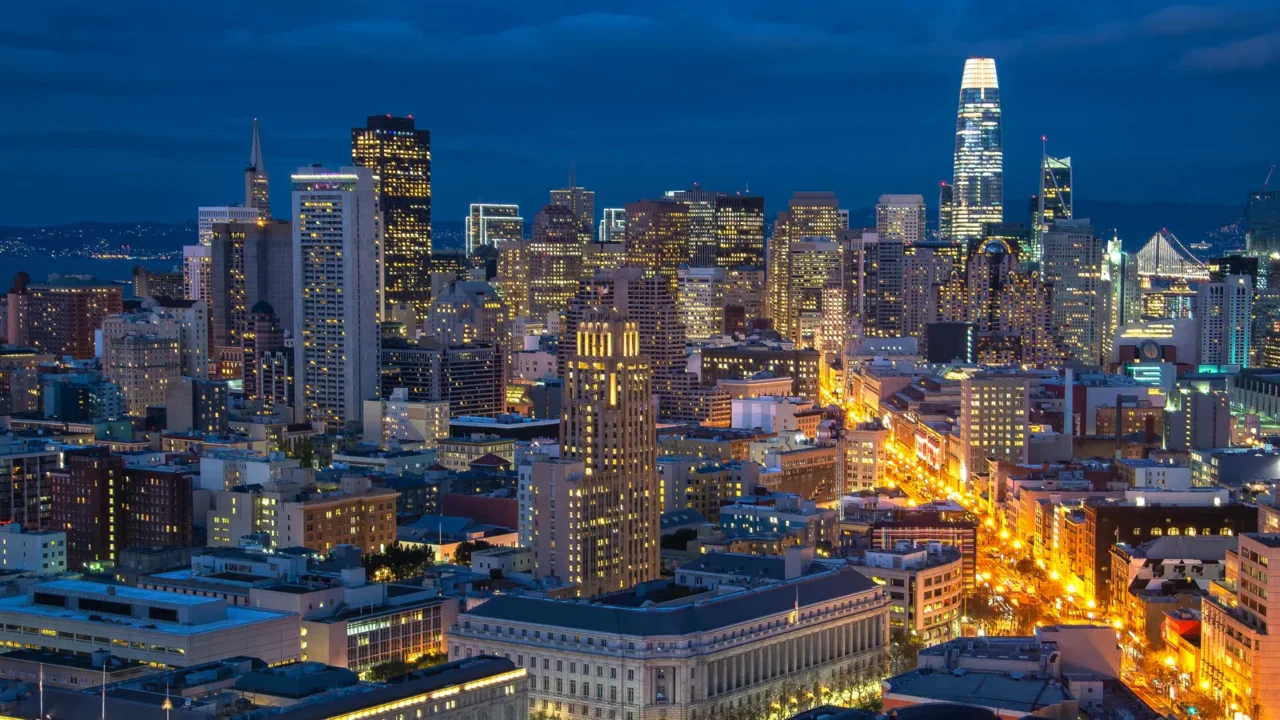
The cracked beam crisis
Just six weeks after the Salesforce Transit Center opened its doors in August 2018, the entire facility was forced to shut down indefinitely. Engineers discovered a significant crack running through a major steel support beam directly beneath the bus deck, raising immediate and alarming safety concerns. A nearly identical crack was found in a second beam shortly after, deepening public alarm and political outrage across the Bay Area almost instantly.
The closure stretched from September 2018 into mid-2019 while investigators determined the root cause. Ultimately, experts traced the failure to a faulty fabrication process at the steel mill responsible for producing the beams, clearing the transit authority of direct design negligence. However, the reputational damage was severe, and the incident permanently colored public perception of the project’s management, oversight, and overall structural reliability moving forward.
The Caltrain connection still missing
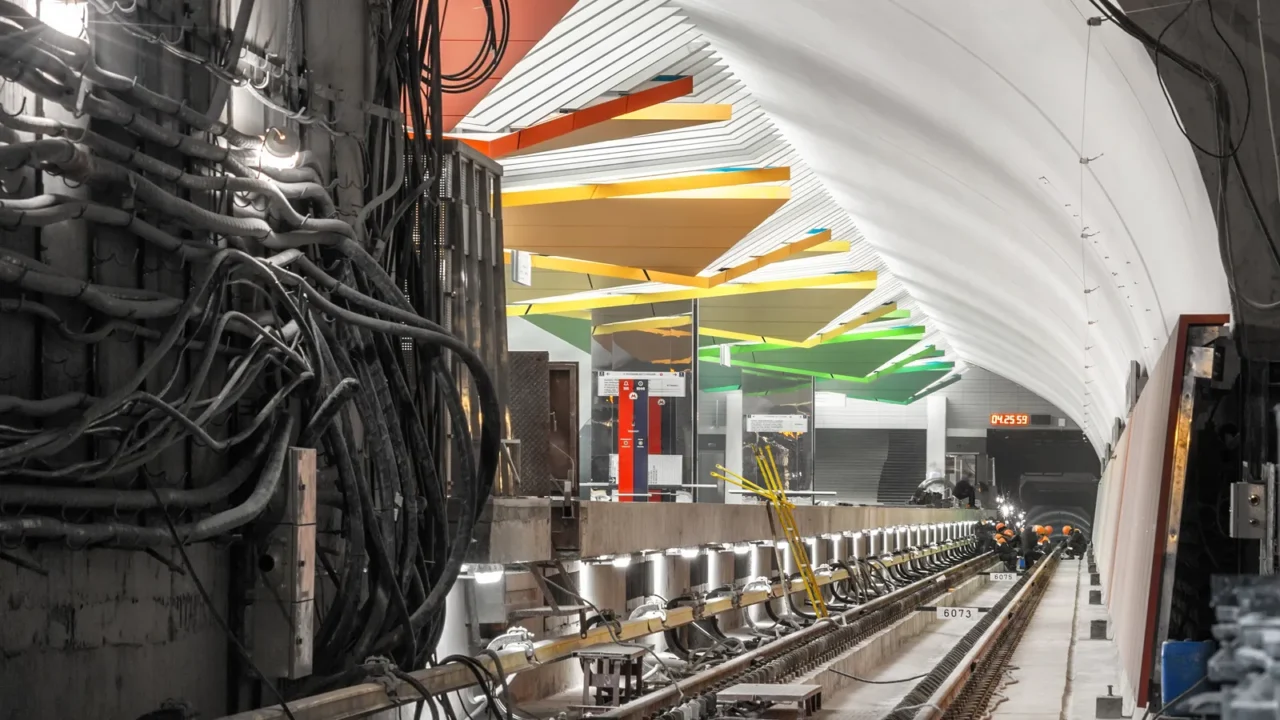
Perhaps the most glaring criticism of the Salesforce Transit Center is that it currently functions as little more than an extremely expensive bus station. The original project vision centered on extending Caltrain rail service and eventually California High Speed Rail directly into the building’s lower rail level, which was built and sits ready, waiting underground in a cavernous completed concourse beneath the busy street-level bus deck.
That rail connection remains years away from reality. Funding challenges, political delays, and the complexity of building the downtown extension have pushed the current official target for passenger service to 2035, according to the Transbay Joint Powers Authority, with that date still dependent on funding. This means the center’s rail component remains a long-term project rather than an imminent upgrade.
Ridership numbers tell the story
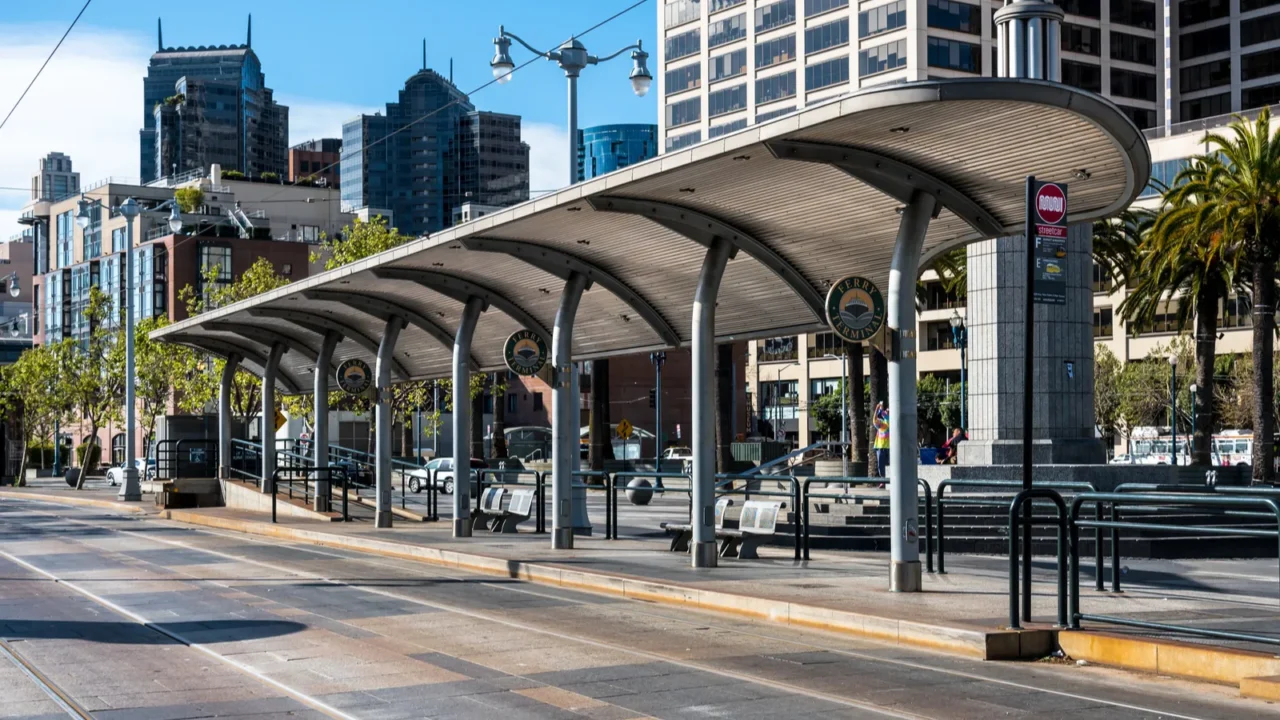
Before the COVID-19 pandemic permanently reshaped commuting patterns across the United States, the Salesforce Transit Center was already struggling to attract ridership volumes its planners had projected. At opening, project materials described a facility expected to handle large weekday bus volumes and eventually far higher passenger totals once rail service arrived. In practice, judging the center’s long-term performance has remained difficult because the project opened without its planned rail connection and entered a dramatically altered commute environment soon afterward.
Post-pandemic ridership recovery has been slow and uneven across all Bay Area transit systems, making it even harder to assess the terminal’s true potential. Remote work has fundamentally reduced the peak commute demand that the station was designed around. Transit analysts note that any honest evaluation of the terminal’s performance must now account for a dramatically different urban commuting landscape than existed when original ridership forecasts were calculated and published.
Rooftop park wins hearts
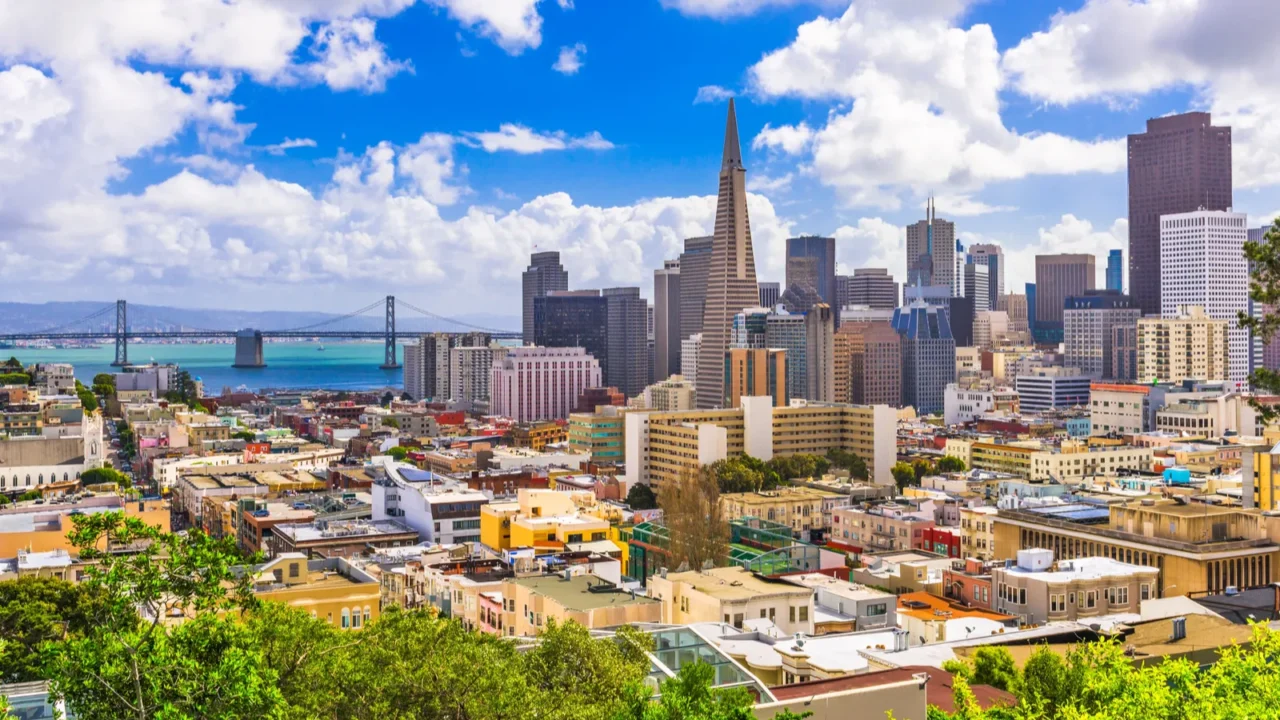
If any single element of the Salesforce Transit Center has emerged as an unambiguous public success, it is the 5.4-acre rooftop park perched atop the structure above bustling downtown San Francisco. Open to the public at no charge, the park draws city residents, office workers, tourists, and families who come not to catch a bus but simply to enjoy green space in one of America’s densest and most park-starved urban neighborhoods.
The park features a meandering trail, native California plantings, a shallow water feature for children, regular live music events, and food trucks that rotate seasonally. Landscape architects at PWP Landscape Architecture conceived a space that genuinely feels detached from the concrete grid far below. For many San Franciscans, the rooftop park alone justifies a portion of the project’s staggering price, even when the transit operations underneath disappoint expectations.
Salesforce naming rights cash
To offset some of the terminal’s operating costs, the Transbay Joint Powers Authority secured a naming rights deal with Salesforce, the San Francisco-based cloud software giant, in 2018. The agreement brought in $110 million over 25 years, attaching one of Silicon Valley’s most recognizable corporate names to civic infrastructure in the heart of a city where Salesforce maintains its global headquarters just blocks away.
Fact: The transit center connects 11 transportation systems under one roof, as detailed on the Transbay program page, making it one of the most ambitious multimodal hubs ever attempted in the United States.
Comparing global transit investments
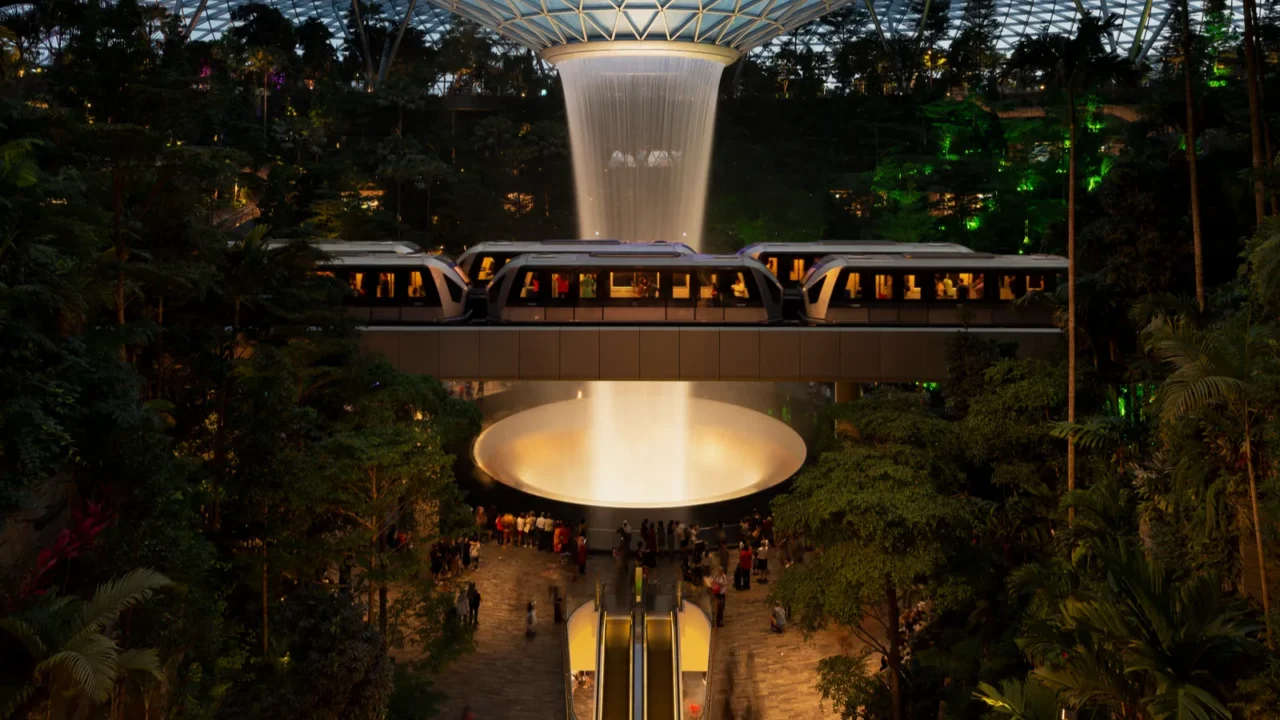
Skeptics of the Salesforce Transit Center’s $2.2 billion price tag frequently draw comparisons to major transit investments abroad to sharpen their critique. For context, Madrid’s Barajas Airport Terminal 4, which handles tens of millions of passengers annually, costs approximately $1.4 billion. Singapore’s Jewel Changi Airport, a breathtaking multimodal retail and transit complex, was completed for roughly $1.7 billion, serving dramatically higher passenger volumes than San Francisco’s center currently achieves.
These comparisons are imperfect given differences in labor costs, land prices, and project scope across different national contexts. However, they illustrate why many urban policy researchers and transit advocates question whether American infrastructure projects consistently deliver proportional public value relative to their final price tags. San Francisco’s terminal has become a recurring reference point in that broader national conversation about construction costs and public accountability in major civic building projects.
The high speed rail promise
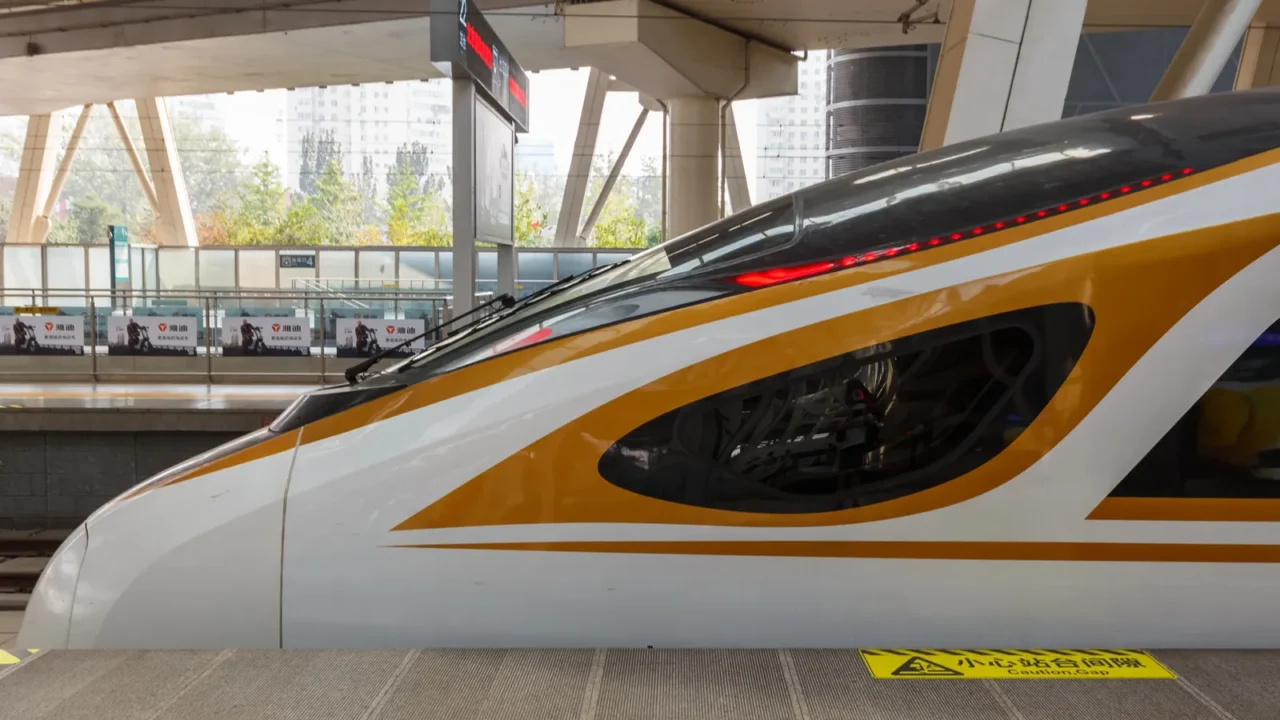
California’s High Speed Rail project has long been cited as the ultimate justification for the transit center’s underground rail hall. When fully realized, bullet trains would connect Los Angeles and San Francisco in under three hours, with the terminal serving as the northern terminus of what would be the first true high-speed rail system in the continental United States, transforming intercity travel across one of the world’s largest regional economies entirely.
Fact: According to the 2024 Business Plan, the completed California High Speed Rail system is projected to carry 31 million passengers annually, powered entirely by renewable energy.
Equity questions in San Francisco
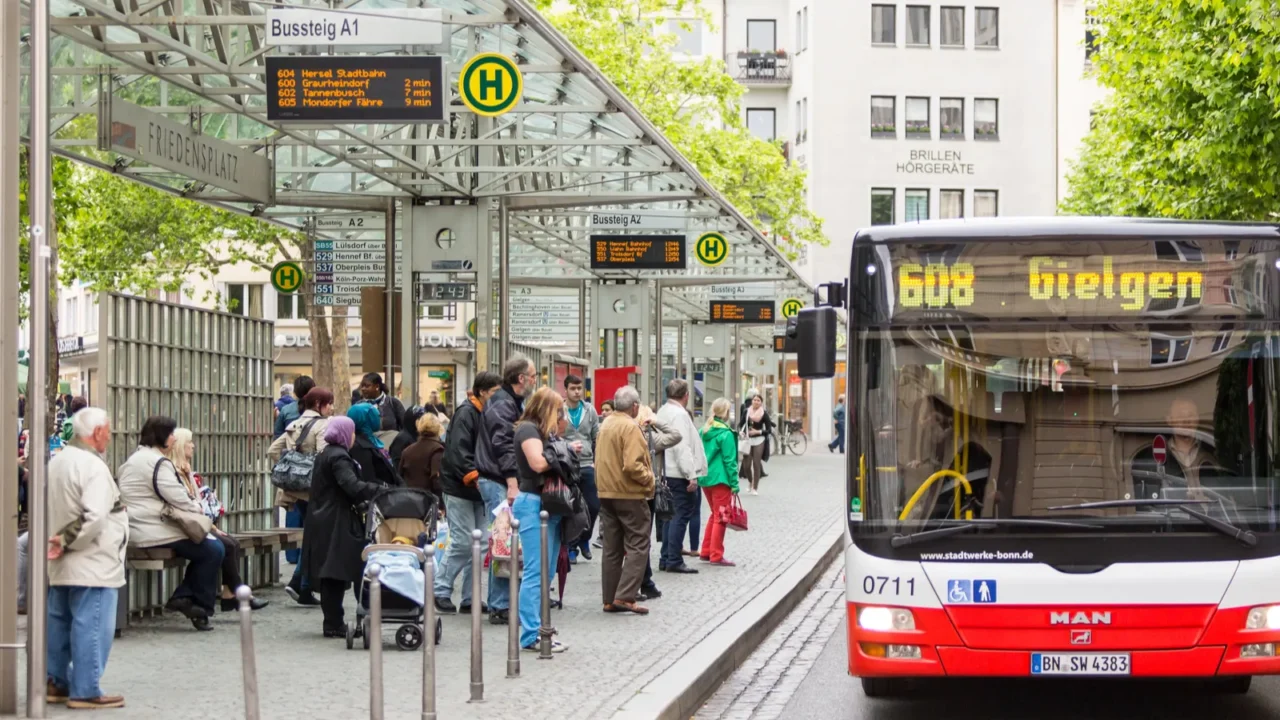
As the Salesforce Transit Center consumed billions in public and developer funding, critics raised pointed questions about transit equity across San Francisco and the broader Bay Area. The gleaming terminal primarily serves commuters traveling into the city’s financial district, a demographic that skews wealthier and more advantaged than riders on Muni bus lines, BART rail stations, and ferry terminals serving lower-income neighborhoods in Oakland, Richmond, and East San Jose.
Transit justice advocates argue that the same funding redirected toward frequency improvements, fare reductions, and infrastructure repairs across existing systems would have delivered measurably greater benefits to a far larger and more economically vulnerable ridership base. These critiques reflect a deeper national debate about whether signature transit architecture projects primarily serve urban branding goals rather than the practical daily mobility needs of working people who depend most heavily on public transportation systems.
What comes next for Caltrain
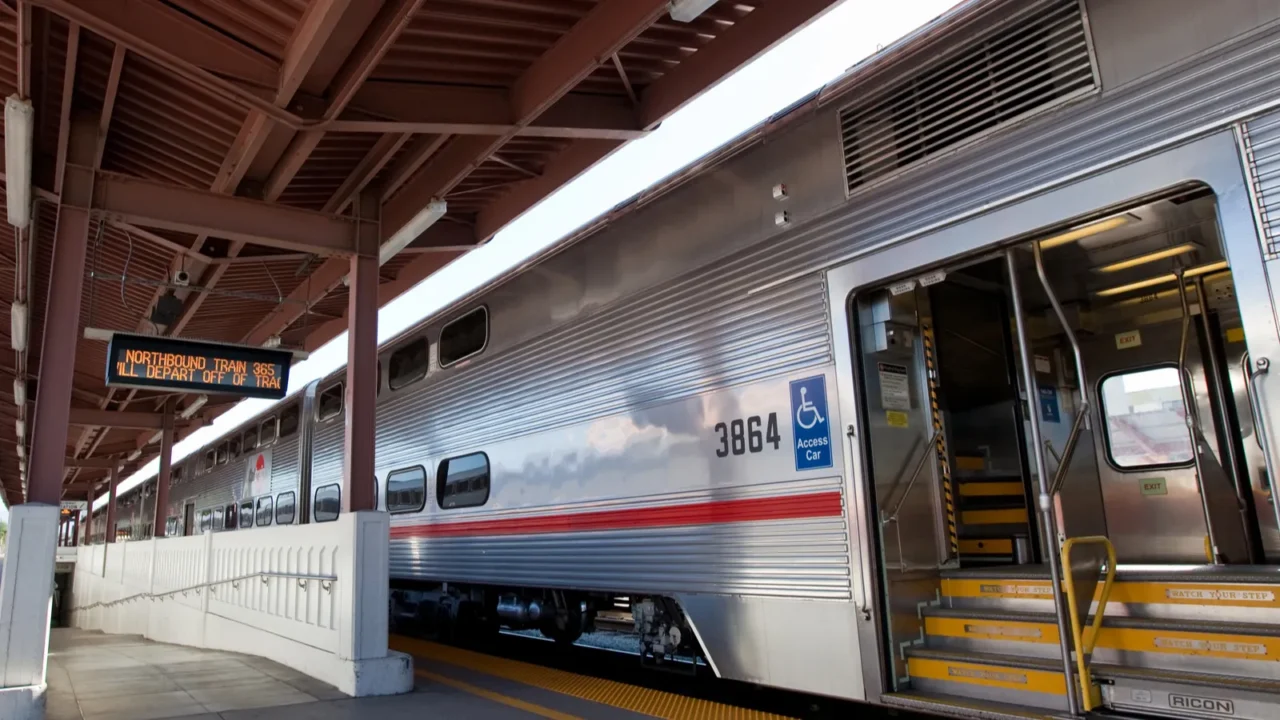
The clearest path toward validating the Salesforce Transit Center’s investment lies in the Caltrain Downtown Extension project, a proposed 1.3-mile tunnel that would bring electric Caltrain rail service from its current 4th and King Street terminus directly into the transit center’s underground rail hall. If completed, this extension would immediately activate the dormant lower level and connect towns near San Francisco more directly to downtown without requiring transfers.
The Downtown Extension is currently in active planning and environmental review phases, with construction hoped to begin before the end of the decade. Federal funding support, local political will, and regional coordination between multiple agencies all remain critical variables. Transit observers note that the extension’s completion would fundamentally reframe the terminal’s legacy from a costly white elephant into a genuine cornerstone of regional mobility.
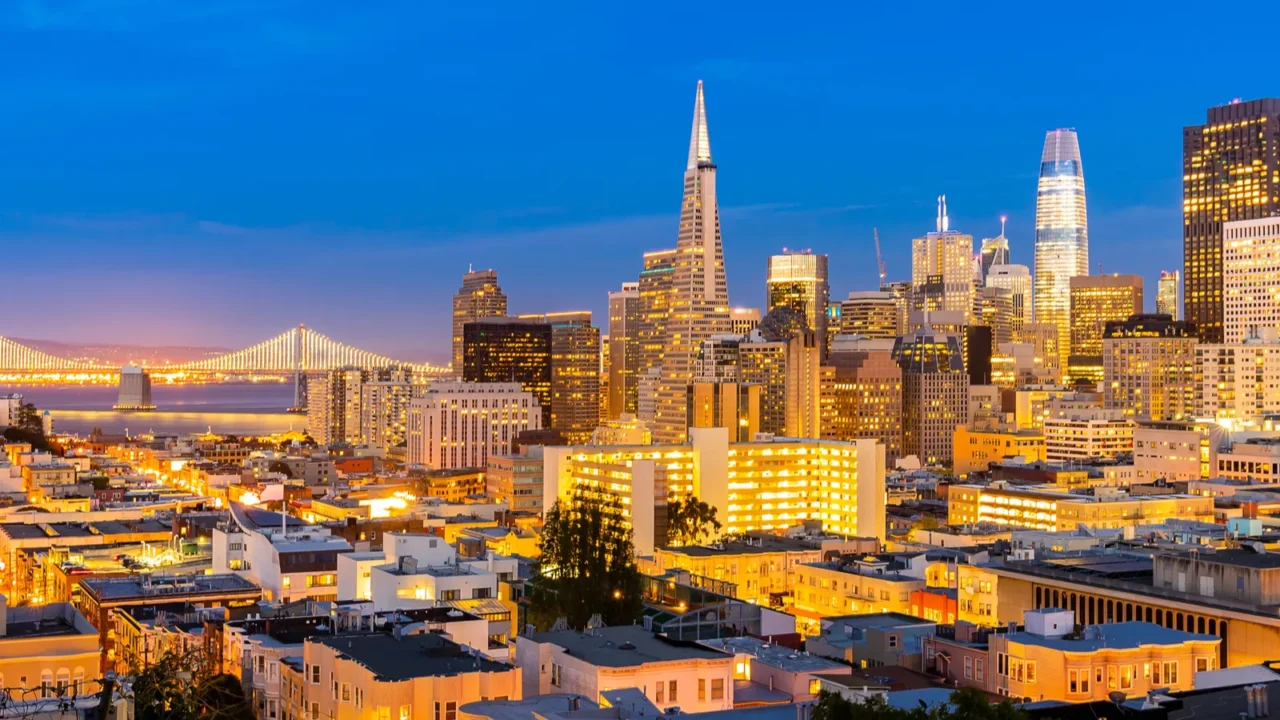
Worth it? San Francisco decides
The Salesforce Transit Center stands as a mirror reflecting the best and most frustrating tendencies of American urban ambition. It is genuinely beautiful, thoughtfully designed, and built with a civic generosity of vision that few cities attempt at this scale. Its rooftop park is beloved, its architecture admired, and its underground rail hall represents genuine infrastructure foresight even if trains remain absent today and years away from arrival beneath its floors, much like broader train routes in the United States are still evolving.
Yet the cracked beams, the missing rail connection, the pandemic-altered ridership reality, and the staggering final cost demand honest reckoning. San Francisco has built a monument to what regional transit could become rather than what it presently is. Whether future generations board high-speed trains beneath Mission Street and call this investment visionary or continue waiting indefinitely and call it a cautionary tale remains entirely, and consequently, unresolved as of today.
What if the real issue is not the cost, but whether cities are building infrastructure people will actually use?
This slideshow was made with AI assistance and human editing.
Don’t forget to follow us for more exclusive content right here on MSN.
Disclaimer: The images used are for illustrative purposes only and do not depict the actual locations mentioned.
Read More From This Brand:
