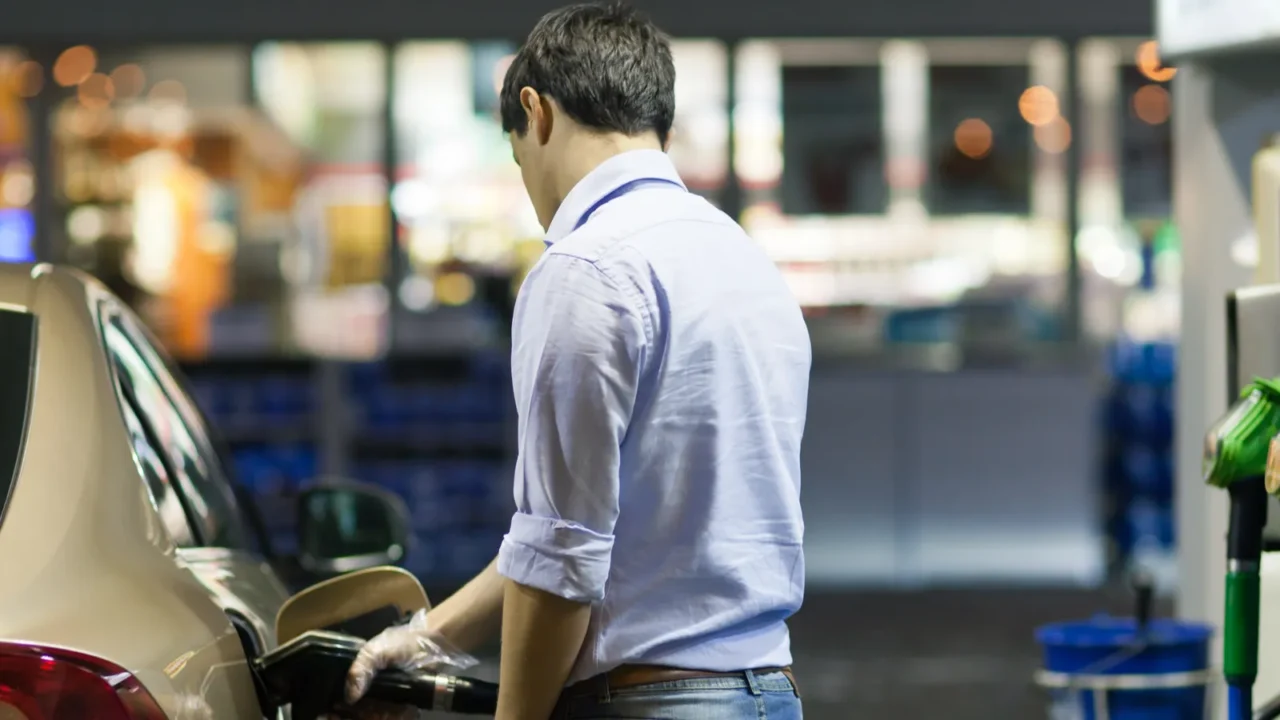
Fuel theft hits as prices spike
Florida’s diesel theft case is landing at the worst possible time for drivers and truckers. U.S. pump prices have surged this month, and AAA’s national average for regular gas reached $3.978 on March 27, putting prices essentially at the $4-a-gallon mark. Reuters had reported the average at $3.88 on March 19, with analysts warning that further gains were likely as oil-market disruptions intensified.
That gives this story a wider meaning than a single police case. When fuel gets expensive fast, even a local theft ring can raise bigger questions about supply pressure, fraud, and how higher energy costs ripple through daily life.

What police say happened
Investigators in Northwest Florida say several arrests were made in an organized diesel theft scheme spanning multiple counties. Local reporting says the suspects allegedly used strong magnets to tamper with diesel pumps and make fuel flow without proper payment.
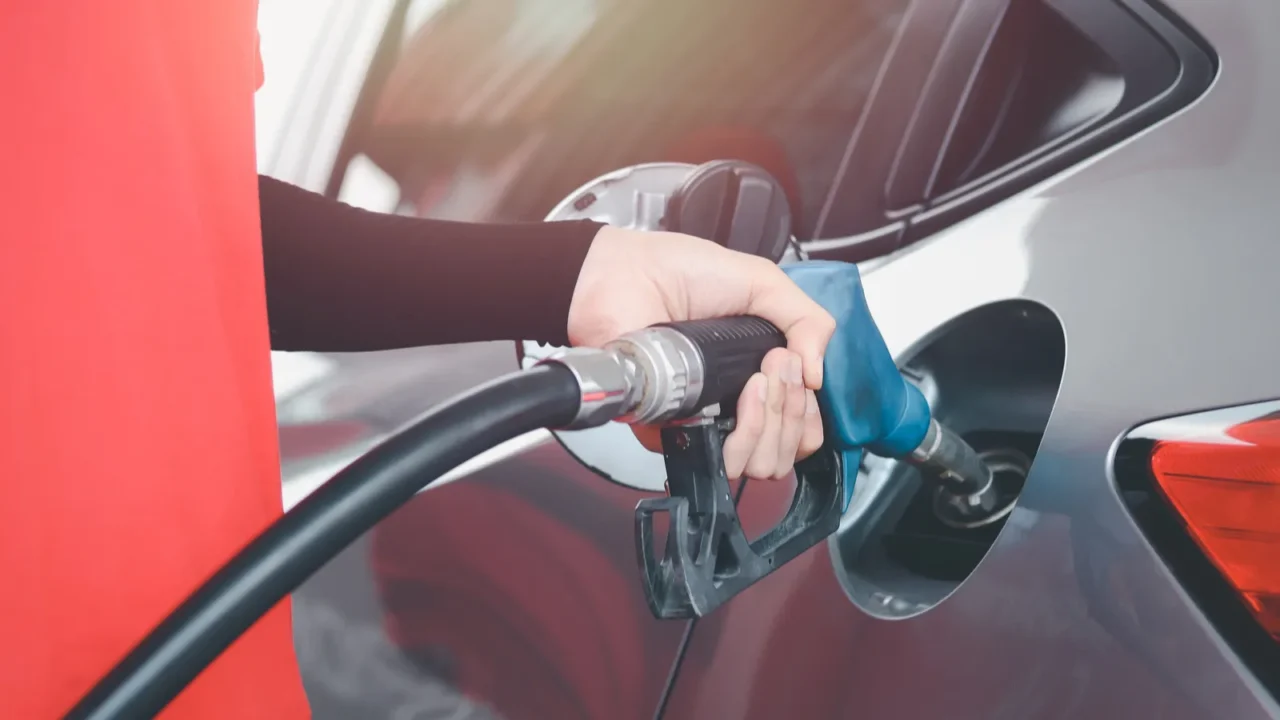
According to Captain Brad Brady of the Office of Agricultural Law Enforcement, the magnets were used to override a pump component and bypass the point-of-sale system. That let fuel flow freely while the transaction was not properly recorded.
Why magnets mattered
This was not a basic drive-off or someone speeding away after filling up. Investigators say the alleged method targeted the pump’s internal workings, making it a more deliberate form of tampering than ordinary retail theft.
That detail matters because Florida law now treats this kind of conduct more seriously. The state created a specific retail fuel theft statute in 2023, including penalties for accessing or manipulating fuel dispenser components and for possessing devices meant to alter how a pump works.

The arrests so far
Newsweek and WEAR both reported that five individuals had been arrested in connection with the case. The names listed were Sergio Machin, Elieser Perez, Sofiel Ferino, Alain De Jesus Aguila-Martinez, and Sediel Carrazana.
The reported arrests took place in Escambia, Santa Rosa, and Walton counties during February. Several of the defendants were later released on bond, and reporting said information on one suspect’s custody status was still unavailable.
Why diesel was the target
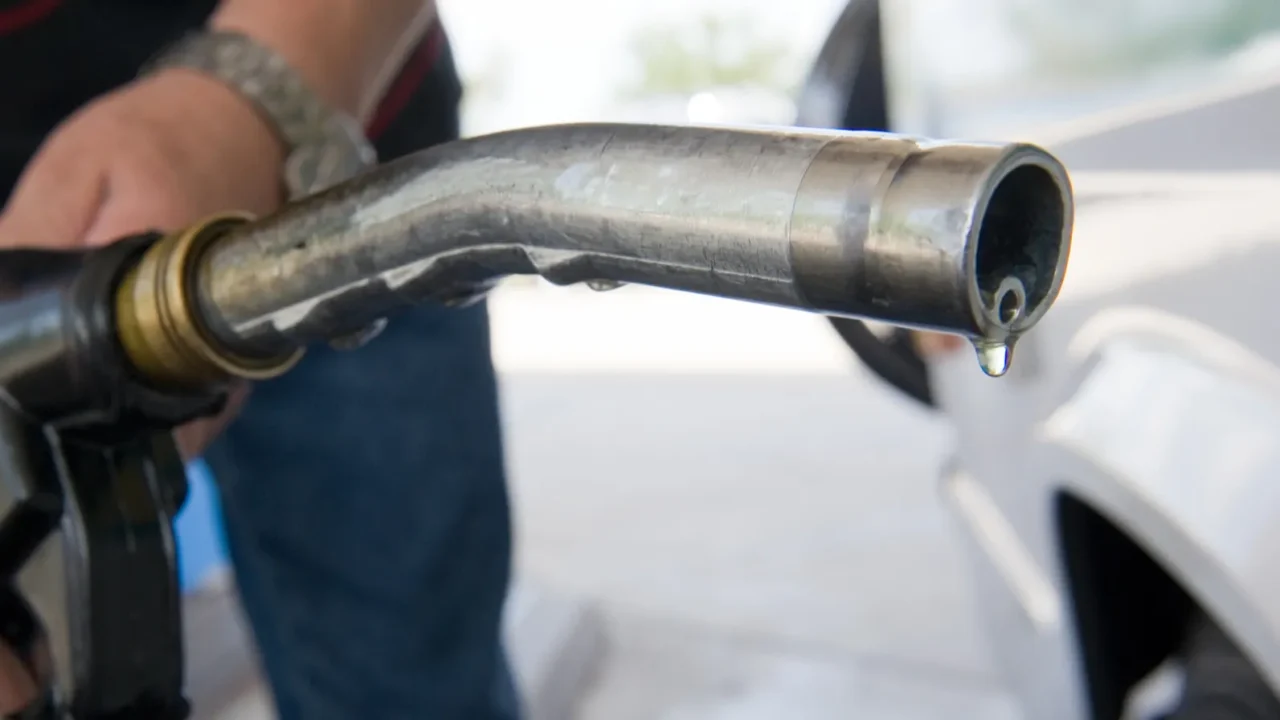
The alleged theft ring was tied to diesel, not just regular gas for everyday cars. Surveillance footage reportedly showed semi-trucks being filled, which points to larger volumes and potentially larger losses than a typical gas station theft case.
Diesel matters because it powers trucking, delivery fleets, construction equipment, and much of the machinery that keeps goods moving. When diesel gets expensive or stolen, the impact can spread beyond a single station and into shipping costs and local business expenses.

Florida’s prices are already high
AAA’s Florida page shows the state average at $3.927 for regular gas and $5.514 for diesel as of March 27. One month earlier, those averages were $2.914 for regular and $3.707 for diesel, showing how sharply prices have climbed in a short period.
That jump helps explain why fuel crime gets more attention during price shocks. Higher prices increase the value of every stolen gallon, especially when the target is diesel used by larger commercial vehicles.
This is bigger than one station
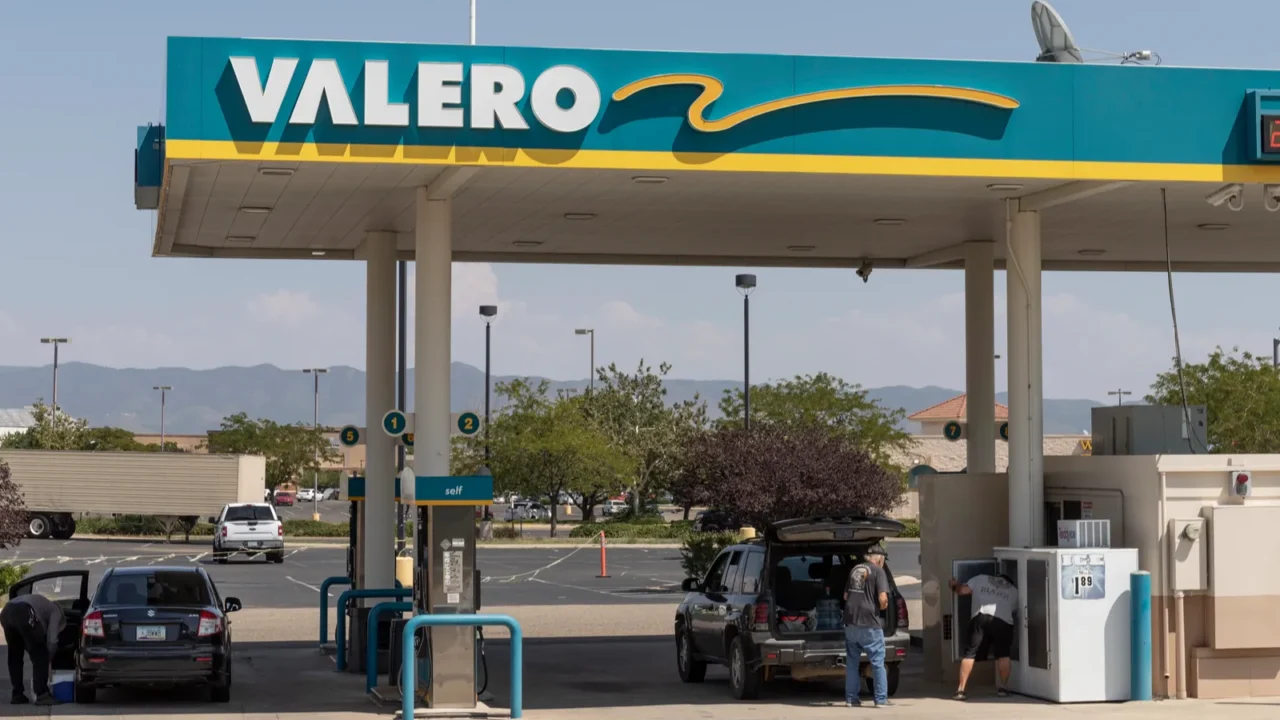
Captain Brady said he would not be surprised if the scheme crossed state lines. That comment matters because organized fuel theft tends to work best when crews move quickly across different counties or regions before stations and investigators connect the pattern.
Police also said the alleged thefts caused significant financial losses for fuel stations. In a market where operators are already dealing with volatile wholesale costs, even a few large diesel thefts can become a serious hit.
Little-known fact: Reuters noted that the last time U.S. gasoline was at $4 a gallon was August 2022, which gives this month’s surge a useful point of comparison

The law changed in 2023
Florida lawmakers toughened the state’s response to pump tampering with HB 1307, which took effect on July 1, 2023. The law created section 812.0151, focused specifically on retail fuel theft and dispenser manipulation.
The staff analysis says a person commits a third-degree felony for accessing an internal portion of a retail fuel dispenser without authorization or for possessing a device built to fraudulently alter or interrupt the dispenser’s normal function.

Why prices are central to the story
The Reuters reporting shows why this crime story has a national consumer angle. On March 19, the U.S. average was $3.88 a gallon, up about 90 cents since the end of February, while U.S. crude had jumped sharply as supply disruptions hit the market.
Analysts cited by Reuters said gas was likely to reach $4 a gallon and possibly climb higher. When prices jump that fast, the pressure hits commuters, delivery companies, and independent truck drivers almost at once.
Why diesel pain spreads fast
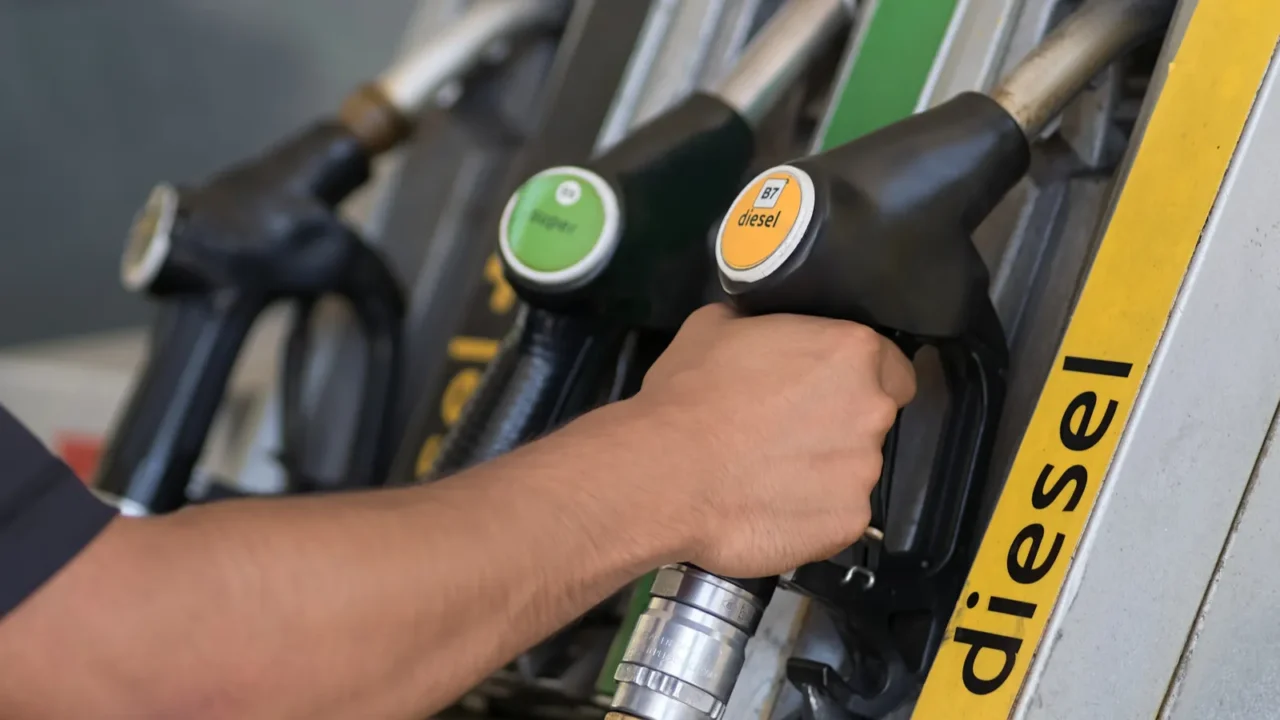
Regular drivers feel gasoline first, but diesel often carries a wider economic punch. When trucking fuel gets expensive, shipping and delivery costs can rise too, putting pressure on store prices and small business budgets.
That is one reason this Florida case stands out. Police are not just talking about a few stolen gallons from a family sedan. They are talking about an alleged scheme built around commercial-scale diesel theft during a period of fast-rising fuel costs.
What stations are up against
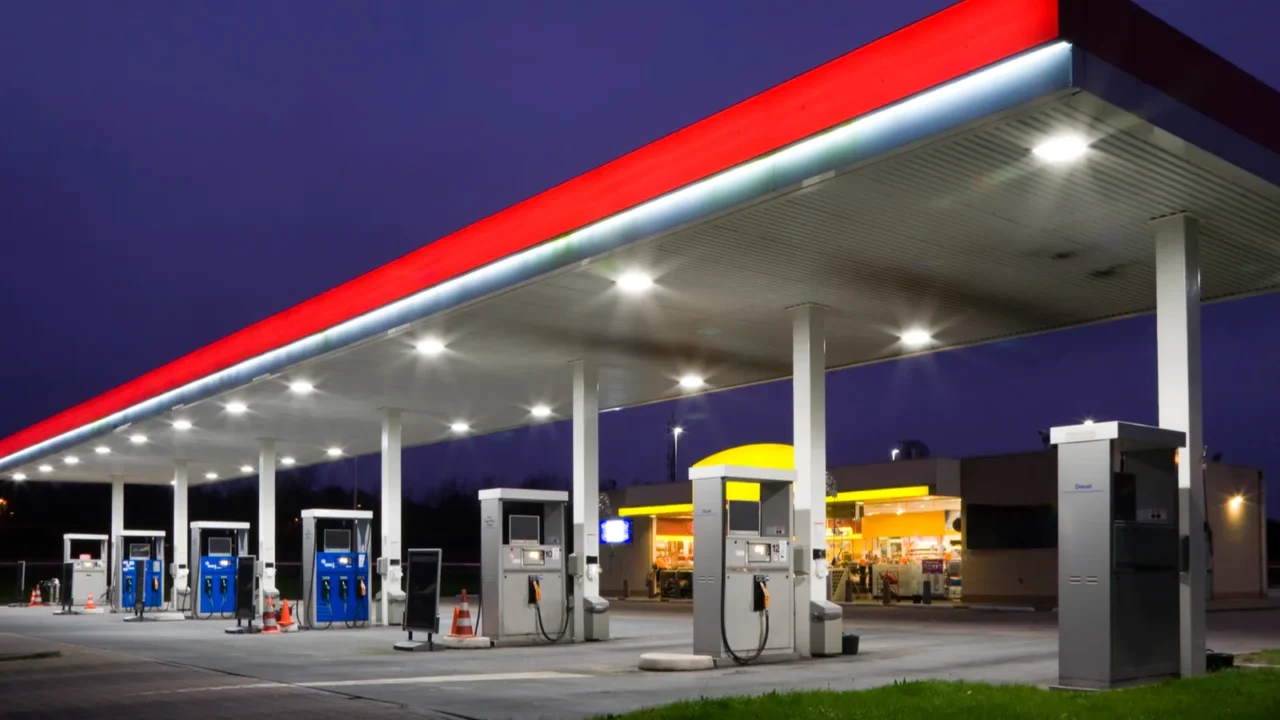
Modern pumps are designed with payment controls and safety systems, but criminals keep looking for weak points. Florida’s law now covers both physical tampering and devices used to alter a pump’s normal function, showing how officials view this as a technical crime, not just petty theft.
For station owners, the problem is not only the missing fuel. It can also mean damaged equipment, interrupted service, investigation costs, and lost customer trust if a station becomes known as a repeat target.

What drivers should watch for
Most drivers will never run into this kind of pump tampering directly, but they should still pay attention to unusual station activity. Large trucks lingering at pumps, odd equipment around the dispenser, or pumps behaving strangely are the kind of red flags that matter more when fraud investigators are active.
The bigger takeaway is that pump fraud is evolving. While card skimming often gets more headlines, this case shows that physical manipulation of fuel dispensers is still a real law-enforcement concern.
Oil markets are entering a more uncertain phase as new pressure builds around global supply routes. Check out why global oil security could shift after Iran’s setback.
What happens next
The investigations are still ongoing, and the suspects remain innocent unless proven guilty. That means the legal picture could still change as prosecutors review evidence, including surveillance footage and any devices recovered during arrests.
At the same time, the fuel market remains unstable. Reuters reported that U.S. prices had already surged sharply this month, and any prolonged supply disruption could keep pressure on both station operators and consumers.
As California’s gas output declines, what does that mean for prices, supply, and the state’s energy future? Check out why Newsom is facing new heat over the shift.
Do tougher pump-tampering laws and rising fuel prices make cases like this more urgent to crack down on? Share your thoughts in the comments.
This slideshow was made with AI assistance and human editing.
Don’t forget to follow us for more exclusive content right here on MSN.
Read More From This Brand:
