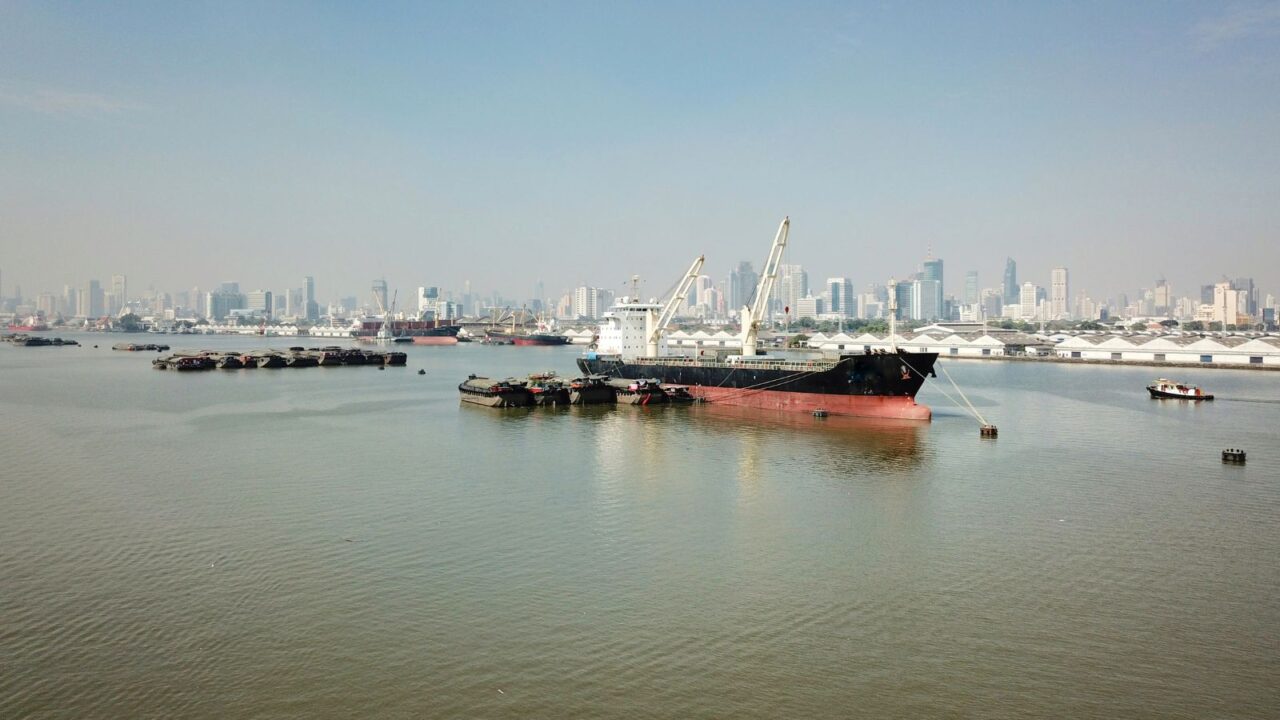
Why Strait of Hormuz tensions matter for global travel and energy
The Strait of Hormuz is a critical maritime passage linking the Persian Gulf with the Gulf of Oman and the Arabian Sea, and it remains one of the most strategically important energy routes in the world. The Strait of Hormuz has seen renewed global attention as regional tensions influence shipping confidence and fuel transport stability. Analysts continue to monitor security conditions closely.
The Strait of Hormuz plays a major role in global energy movement, especially for crude oil and liquefied natural gas shipments. Disruptions in this corridor can affect airline fuel pricing and long-distance travel costs. Shipping companies and governments track developments to reduce operational risks.
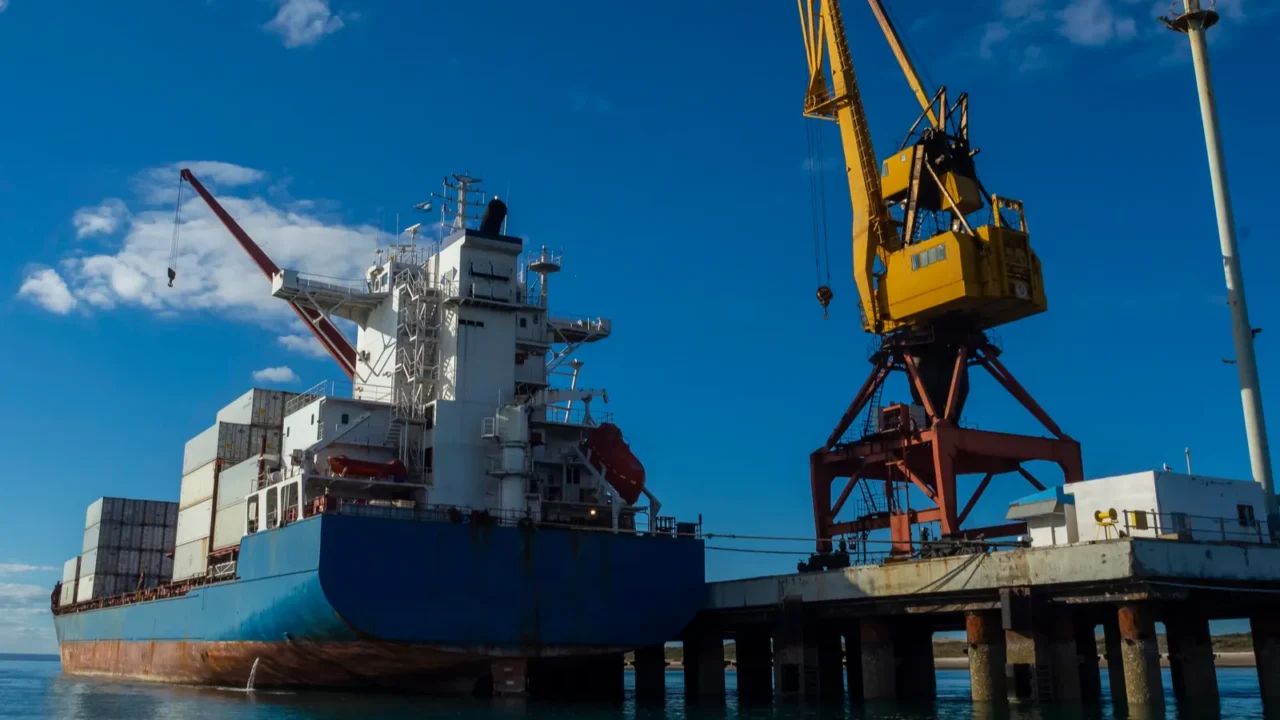
Energy flows under pressure
The Strait of Hormuz remains a vital artery for global energy trade, with large volumes of oil passing through it daily from producers such as Saudi Arabia and the United Arab Emirates. Energy traders and maritime operators closely watch the Strait of Hormuz due to its narrow geography. Any disruption can quickly influence global fuel markets.
Shipping routes through this region connect directly to major refineries and export hubs serving Europe, Asia, and North America. Airlines and cruise operators also monitor fuel supply changes tied to this corridor. Stability in the passage is essential for predictable global transport costs.
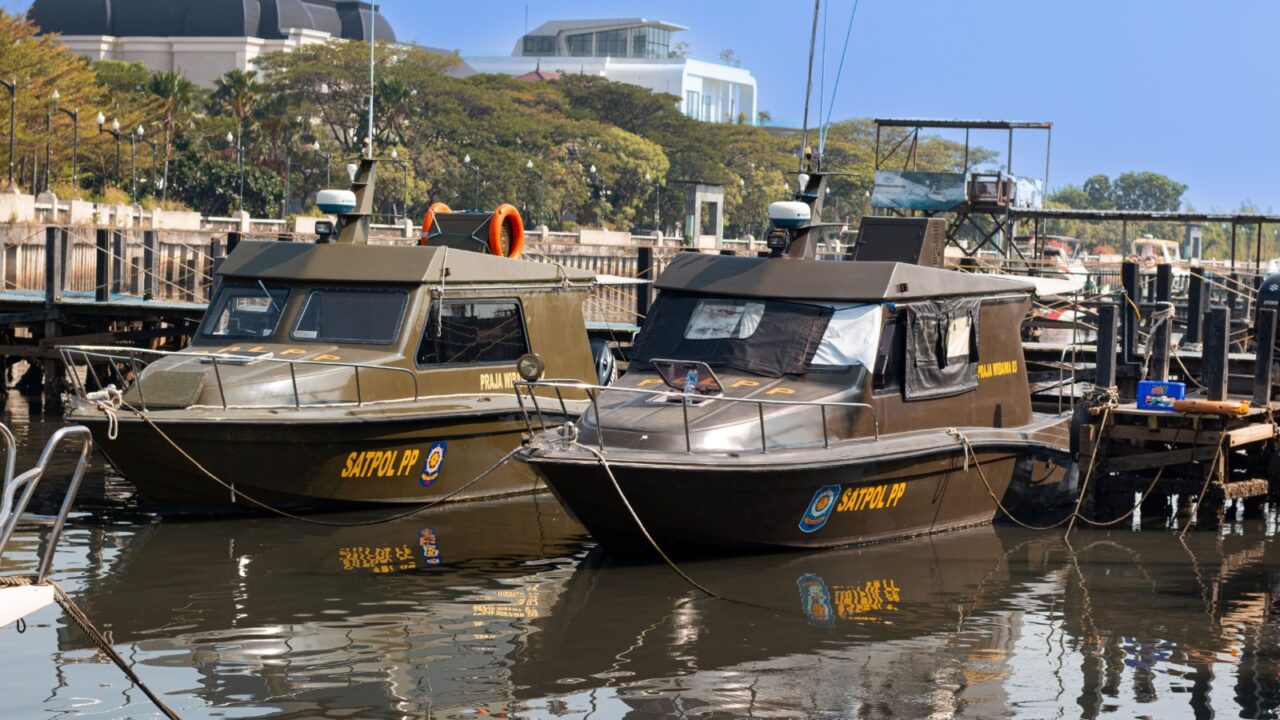
Maritime security concerns
The Strait of Hormuz has long been a focus of international maritime security discussions involving regional and global stakeholders. The Strait of Hormuz is patrolled and monitored to reduce risks to commercial shipping vessels passing through. Coordination between naval forces and shipping operators remains an ongoing priority.
Security concerns can influence insurance premiums for cargo ships traveling between the Gulf region and global ports like Singapore and Rotterdam. These costs can indirectly affect travel pricing for airlines and cruise lines. Maritime stability remains a key factor in global logistics planning.
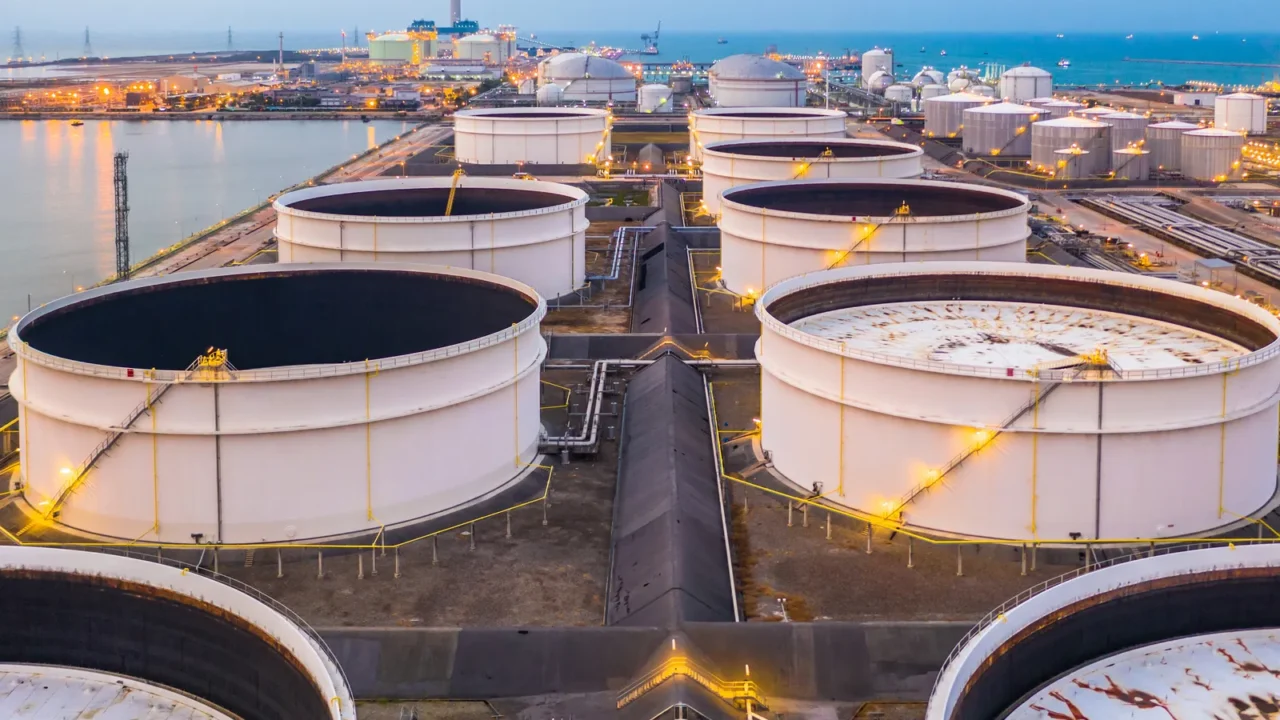
Global oil dependency impact
The Strait of Hormuz is central to global oil distribution, with energy markets relying on its uninterrupted flow. The Strait of Hormuz connects key exporters with high-demand regions across Asia and Europe. Even small disruptions can trigger price fluctuations in global fuel markets.
Air travel and tourism industries are sensitive to fuel price shifts linked to this corridor. Airlines operating out of hubs like Dubai International Airport and London Heathrow monitor these changes closely. Stable energy flow supports predictable travel costs worldwide.
Airlines monitor risks
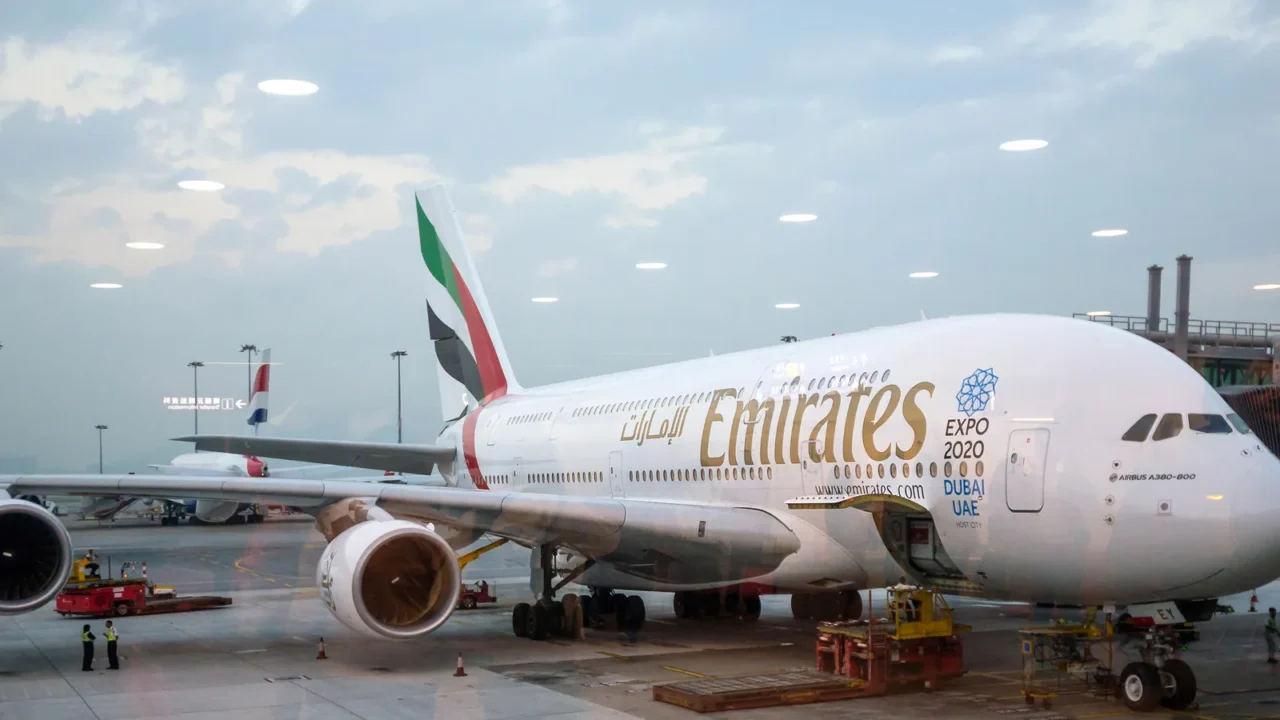
The Strait of Hormuz influences operational planning for airlines that depend heavily on stable jet fuel prices. The Strait of Hormuz indirectly affects long-haul routes connecting destinations such as New York, Singapore, and Frankfurt. Airlines adjust fuel hedging strategies based on global supply conditions.
Travel demand between Europe and Asia remains strong, making fuel stability essential for fare consistency. Carriers like Emirates and Qatar Airways track regional developments closely. Any volatility in energy markets can influence ticket pricing strategies.
Shipping volume insights
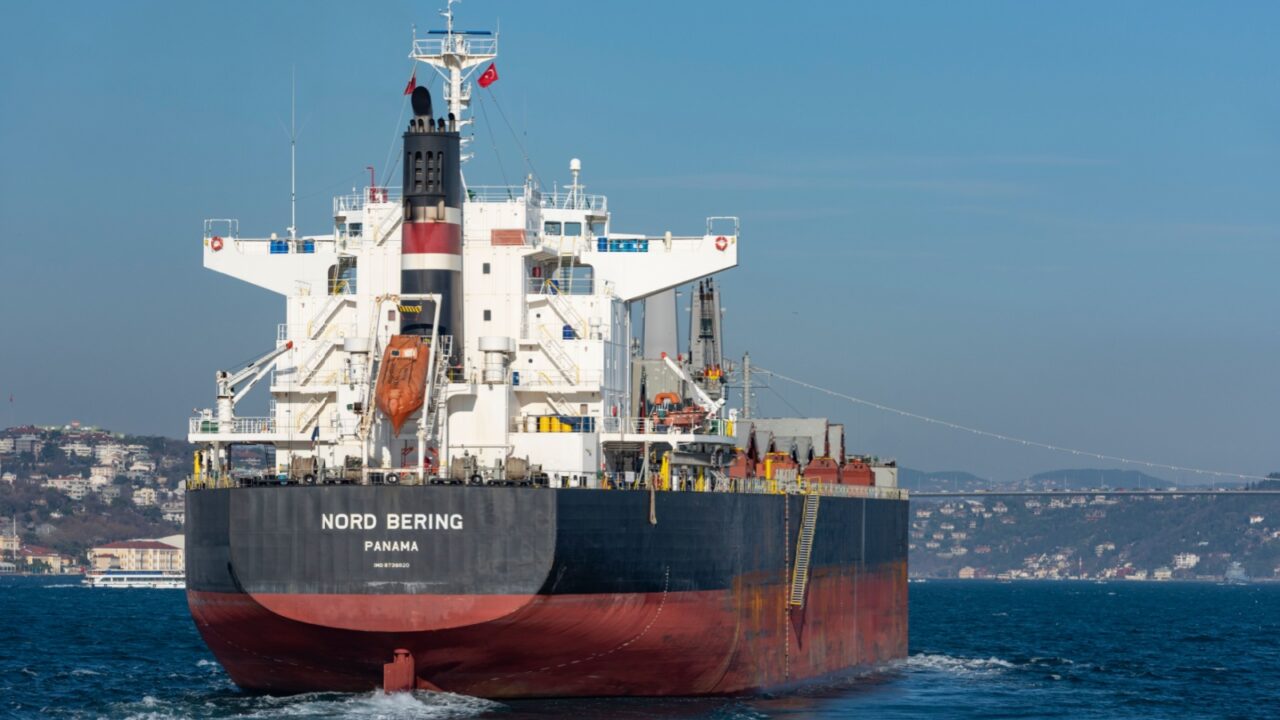
The Strait of Hormuz is one of the most heavily used energy corridors in the world, supporting a significant share of global petroleum movement. The Strait of Hormuz is essential for transporting crude oil from Gulf producers to international markets. Its narrow passage makes it a critical point of global supply sensitivity.
Fact: The U.S. Energy Information Administration says oil flow through the Strait of Hormuz averaged about 20 million barrels per day in 2024, equal to roughly 20% of global petroleum liquids consumption.
Tourism routes affected
The Strait of Hormuz influences not only energy trade but also broader travel corridors connecting the Middle East with Europe and Asia. The Strait of Hormuz region supports major transit hubs like Dubai and Muscat that serve millions of international travelers. Any instability can indirectly affect flight routing and scheduling.
Fact: Disruption in the Strait of Hormuz can ripple beyond energy markets by raising shipping and fuel costs, which can in turn affect airlines, logistics companies, and travel-related pricing.
Gulf hubs stay alert
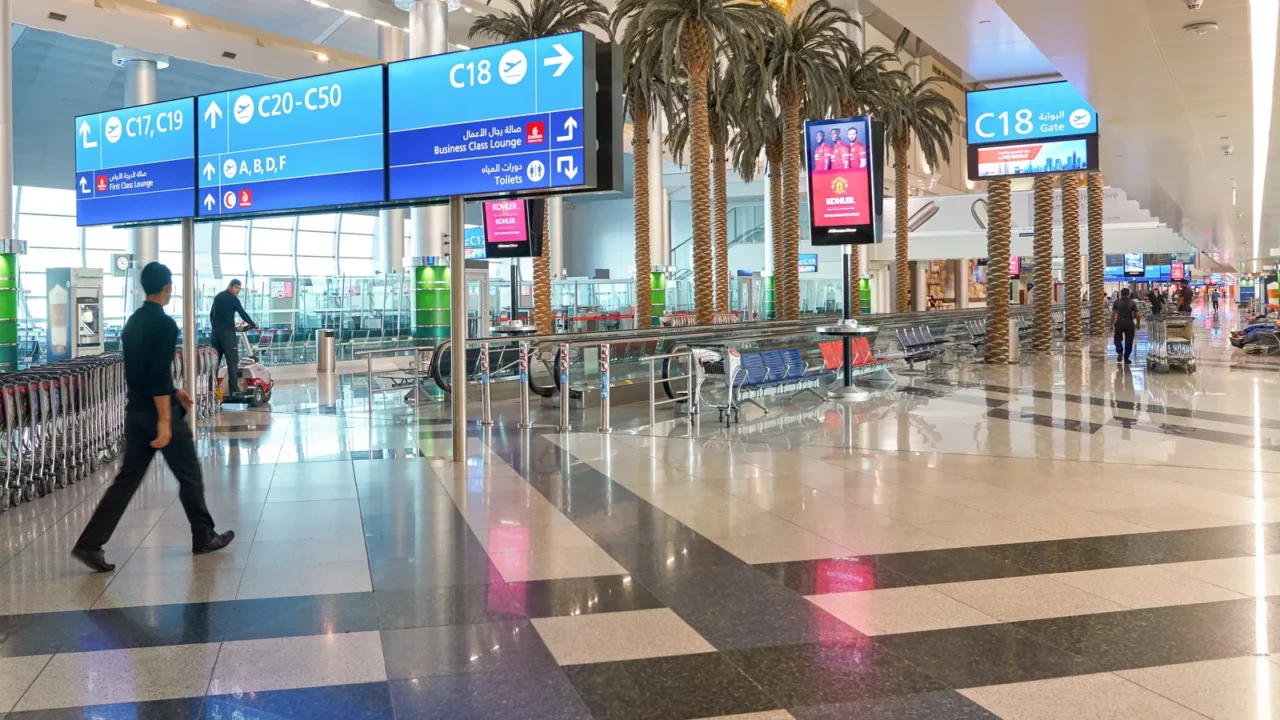
Airports in Dubai, Abu Dhabi, and Doha closely monitor developments around the Strait of Hormuz due to their reliance on stable regional connectivity. The Strait of Hormuz is more directly tied to cargo and energy flows, but disruption there can still affect major air hubs indirectly through fuel markets, regional uncertainty, and operational planning.
Travelers connecting through Gulf hubs often rely on consistent refueling and routing operations. Airlines adjust contingency plans to maintain reliability during regional uncertainty. These airports remain critical global transfer points for long-haul journeys.
Insurance and freight costs
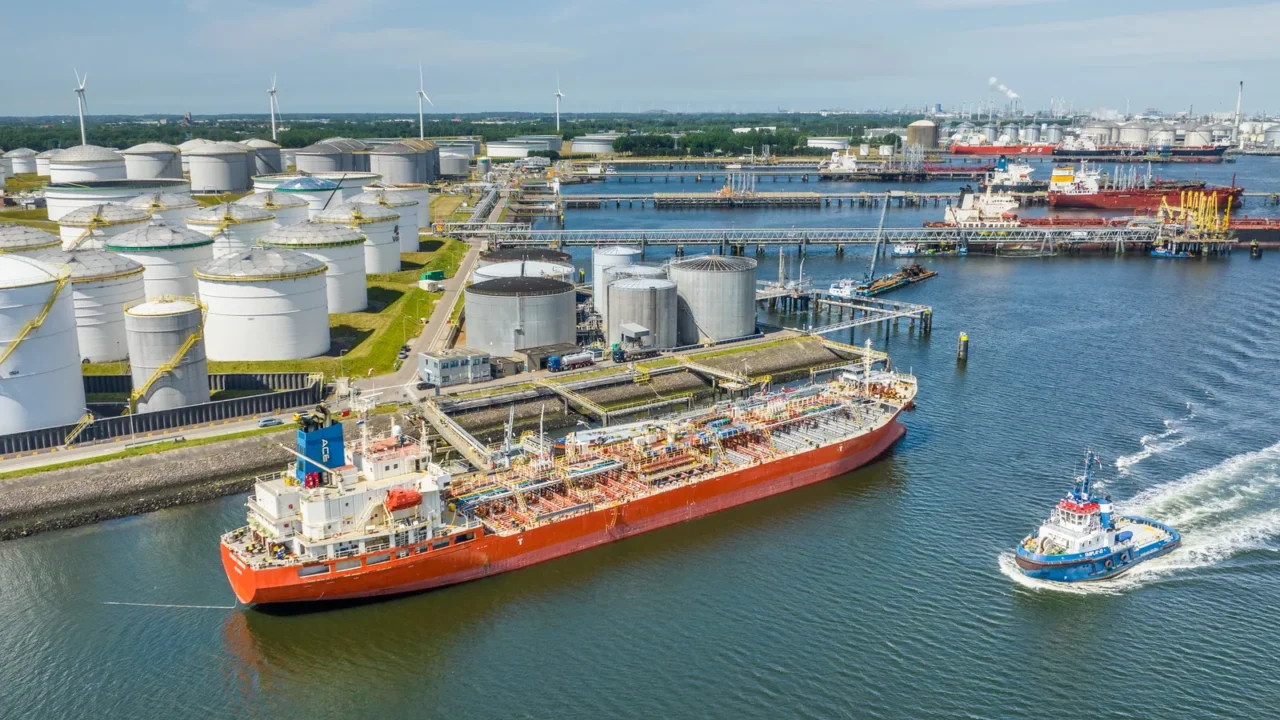
The Strait of Hormuz plays a major role in determining maritime insurance premiums for vessels passing through high-risk zones. The Strait of Hormuz influences freight pricing structures for global shipping companies. Increased risk perception can raise operational costs significantly.
Higher shipping insurance costs can indirectly affect travel-related goods such as luggage shipments and cruise supplies. Logistics firms often adjust pricing during periods of heightened tension. These costs ripple across global travel supply chains.
Cruise industry monitoring
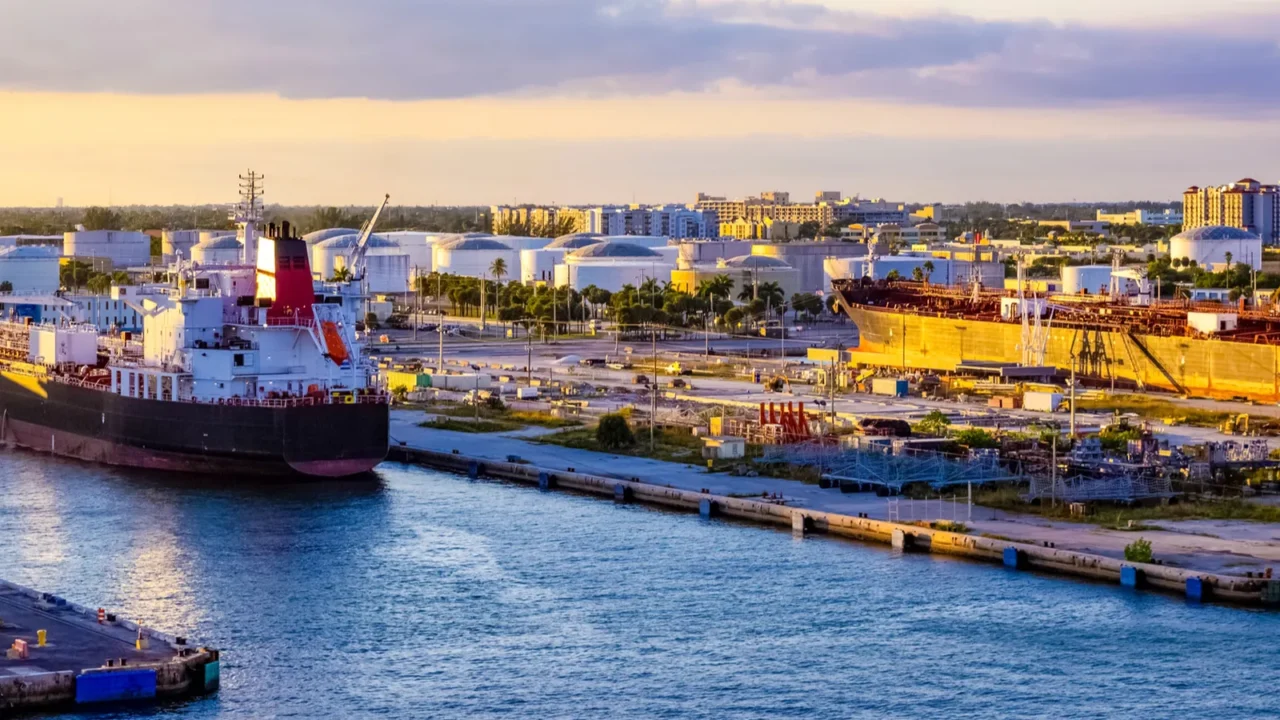
The Strait of Hormuz is part of broader Middle East cruise navigation routes connecting ports in the UAE and Oman. The Strait of Hormuz region is monitored by cruise operators planning itineraries across the Arabian Gulf. Safety and routing decisions remain central to operations.
Cruise lines adjust schedules when regional advisories shift or maritime conditions change. Destinations like Dubai and Doha remain popular despite geopolitical sensitivity. Passenger safety remains the top operational priority for cruise companies.
Strategic global planning
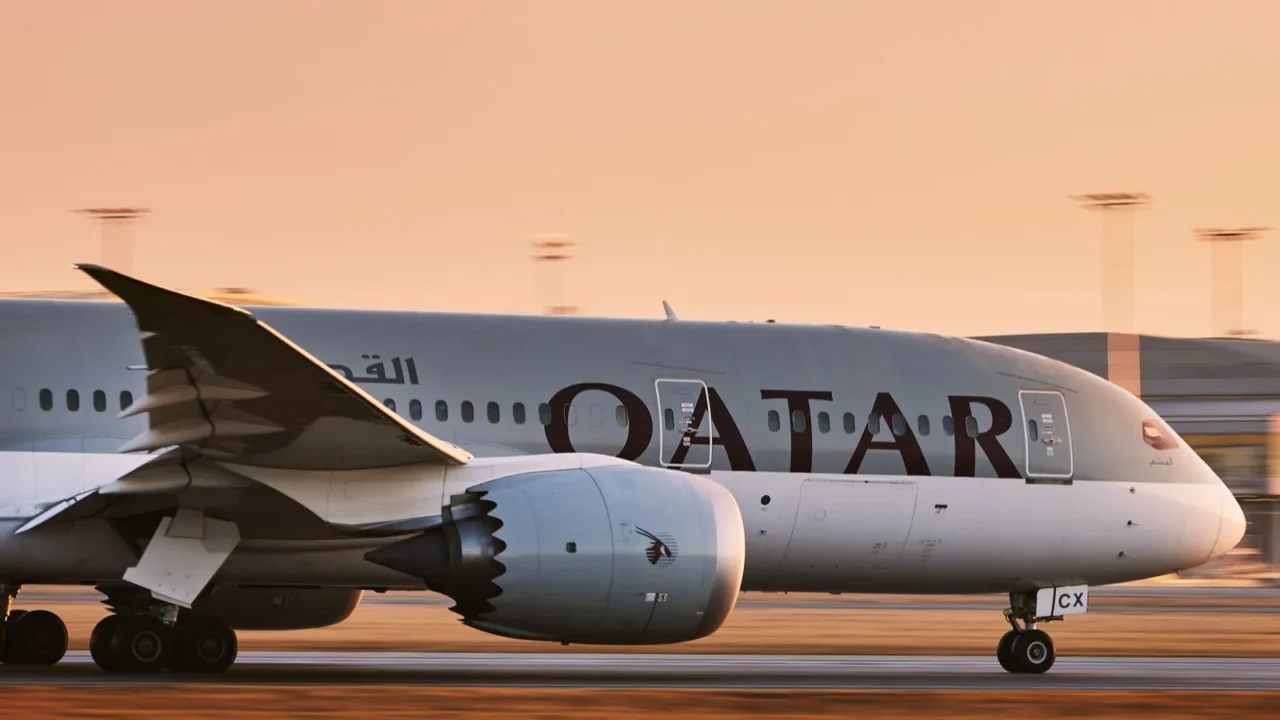
The Strait of Hormuz remains central to international energy and transport planning frameworks. The Strait of Hormuz is included in global risk assessments by energy agencies and maritime organizations. Governments and companies collaborate to ensure route stability, even as Iran continues sending oil to China through the Strait of Hormuz despite ongoing regional tensions.
Travel industries integrate fuel risk forecasts into long-term planning models. Airlines, cruise operators, and logistics firms adjust strategies based on energy outlooks. This coordination helps maintain global mobility efficiency.
Outlook for stability
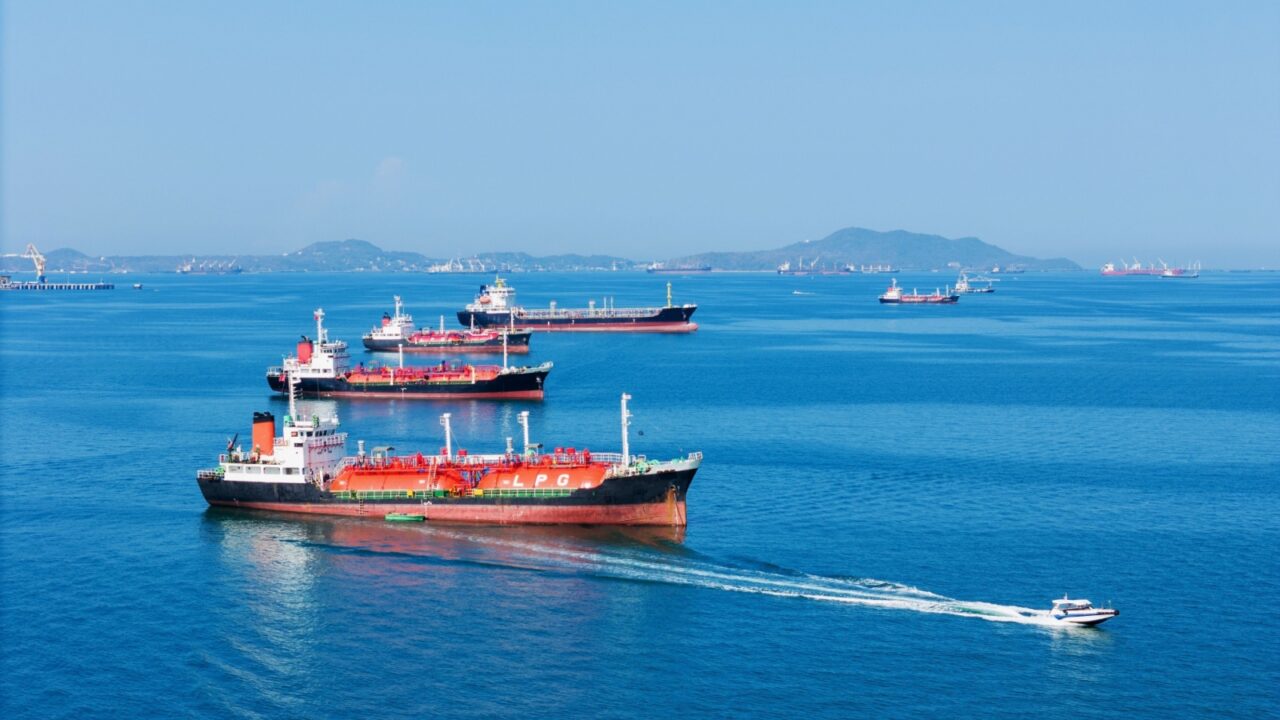
The Strait of Hormuz continues to be one of the most closely monitored maritime corridors in the world. The Strait of Hormuz will remain essential for global energy and travel infrastructure in the coming years. Stability in the region supports the predictable movement of goods and passengers.
Ongoing diplomatic and security efforts aim to reduce disruptions and maintain safe passage for global trade. Travelers and industries alike depend on consistent fuel and shipping flows.
Which destinations feel like the most stable and appealing routes for travelers right now? Share thoughts below.
This slideshow was made with AI assistance and human editing.
Don’t forget to follow us for more exclusive content right here on MSN.
Disclaimer: The images used are for illustrative purposes only and do not depict the actual locations mentioned.
Read More From This Brand:
