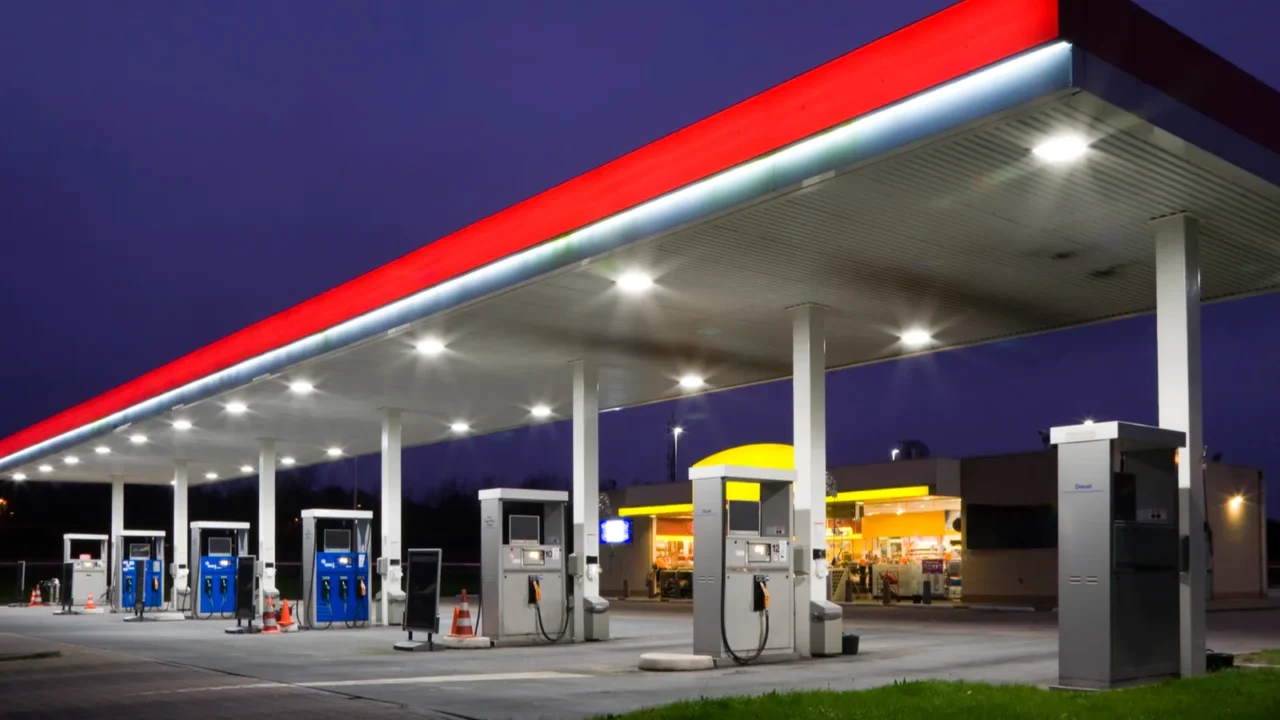
Why this hurts more right now
Gas prices are rising fast again, and taxes are making the hit even worse in some states. AAA said the national average for regular gas jumped from $2.98 on February 26 to $3.98 on March 26, 2026, a full $1 increase in one month.
That means where you live matters a lot more than usual. In high-tax states, drivers are paying a much higher built-in cost on every gallon before local fees or station markups even enter the picture.

California is still the most taxed
California remains the highest-tax gas state in the country. Drivers there pay about 70.9 cents per gallon in state taxes and fees, or roughly 89.3 cents total once the federal gas tax is included.
That does not mean California always has the sharpest recent price spike, but it does mean every refill starts from a higher baseline. When prices surge globally, California drivers often feel the pain faster because the tax layer is already so heavy.
Illinois is close behind
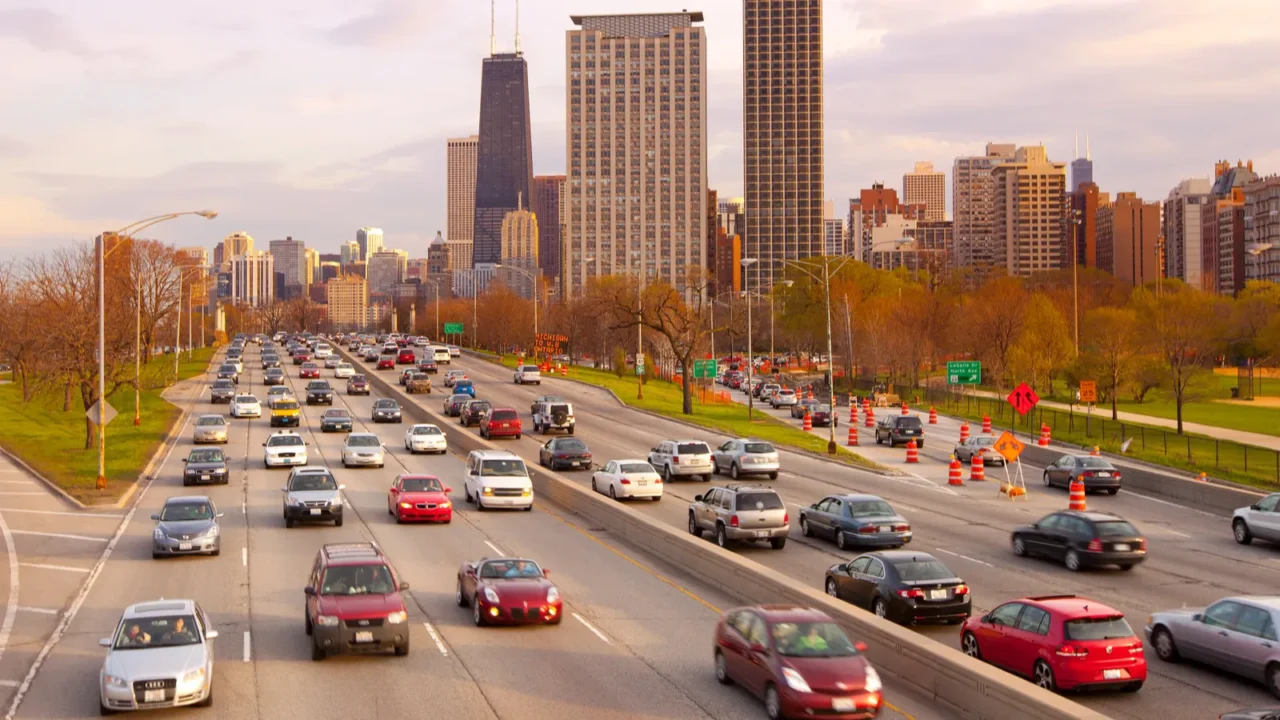
Illinois ranks second, with about 66.4 cents per gallon in state taxes and roughly 84.8 cents total with federal taxes included. In and around Chicago, some drivers can pay even more once local fuel taxes are added on top.
That local angle matters because official state tax tables do not fully capture what some city drivers face. The U.S. Energy Information Administration notes that state tax figures generally exclude county and local taxes, which can widen the real-world gap.
Washington and Pennsylvania stay high
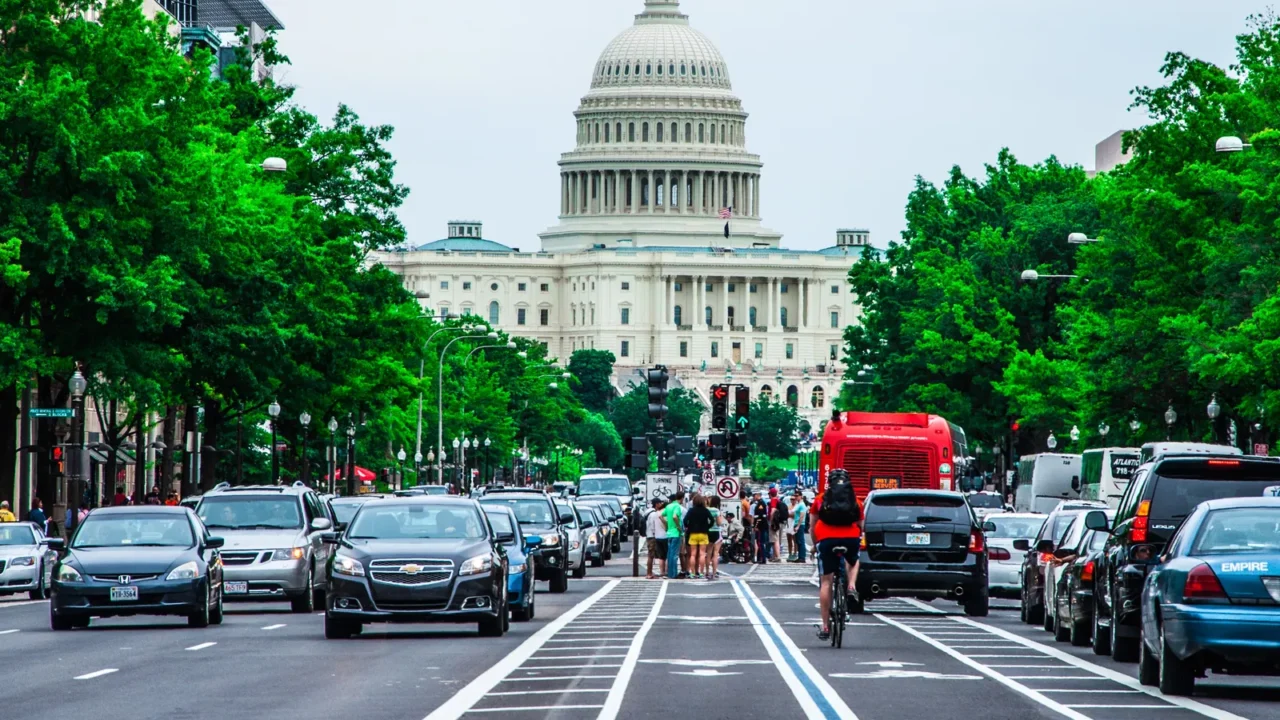
Washington and Pennsylvania remain near the top of the list. Washington drivers pay about 77.4 cents total per gallon, while Pennsylvania drivers pay about 77.1 cents total, putting both states well above much of the country.
Indiana rounds out the top five at roughly 72.9 cents total per gallon. These states show that high fuel-tax burdens are not just a West Coast story, even if California gets most of the headlines.
The federal piece never goes away
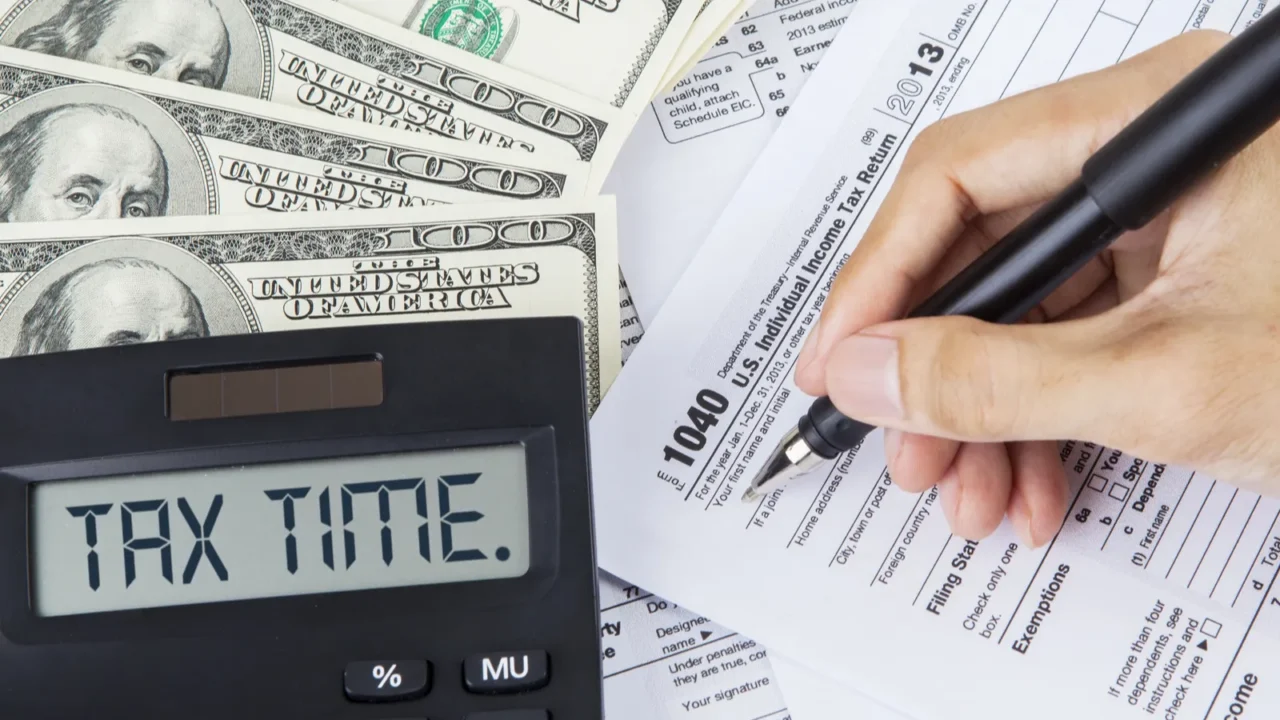
Every driver in America also pays the federal gas tax, which remains 18.4 cents per gallon on gasoline. That rate has stayed unchanged for decades, even as road costs, inflation, and vehicle efficiency have changed the math for transportation funding.
So when state taxes are added on top, the total burden can rise quickly. That is why the difference between a low-tax and high-tax state can add up over weeks of commuting and errands.
High tax is not the same as worst pain
The biggest gas-tax states are not always the states suffering most from the latest spike. A new ITEP analysis found the recent run-up in gas prices is on pace to cost American drivers $9.4 billion more per month nationwide.
That means the story is really about two pressures at once. Some states start with higher taxes, while others are getting hit harder because drivers there burn more gas and depend more on cars.
Little-known fact: California’s current average regular gas price is about $5.869 per gallon, while Hawaii is also above $5.40, showing that high pump prices are not limited to the continental West Coast.
The South is taking the biggest hit
ITEP found the South is absorbing the largest share of the new pain. Residents there are on pace to pay about $4.2 billion more per month, and the average driving-age person in the region faces about $39 extra per month, versus $34 nationally and $24 in the Northeast.
That gap says a lot about American driving habits. In many Southern states, longer drives, weaker transit options, and more car dependence can outweigh even the tax advantage of living outside the most heavily taxed states.

Alabama is the most exposed
Alabama is the most affected state in the country in this latest spike analysis. ITEP estimates residents there are paying about $52 more per driving-age person each month, with Mississippi close behind at $51.
Wyoming, Kentucky, and New Mexico also rank among the hardest hit. That is a reminder that the biggest burden is often tied to how much people must drive, not just how much tax is built into each gallon.

Arizona saw one of the sharpest jumps
ITEP’s state-by-state method found gas prices rose everywhere over the prior month, but the increases were uneven. The jump ranged from about 75 cents per gallon in Minnesota to as high as $1.31 per gallon in Arizona.
That helps explain why some drivers feel blindsided, even in states that are not known for extreme gas taxes. A sudden price jump can overwhelm the savings from living in a lower-tax state.

Why gas tax holidays sound better than they are
Gas tax holidays usually poll well because they sound like instant relief. But ITEP argues they are often a weak fix, especially when oil markets are tight, and retailers do not pass the full savings through to drivers.
The group estimates a federal gas tax holiday would cost about $2.4 billion per month in lost revenue. Yet families making under $53,000 would save only about $5 per month on average.
Little-known fact: Alaska still has one of the lightest state gas-tax burdens in the country at 8.95 cents per gallon, far below California’s state-level charge.
Georgia shows the tradeoff clearly
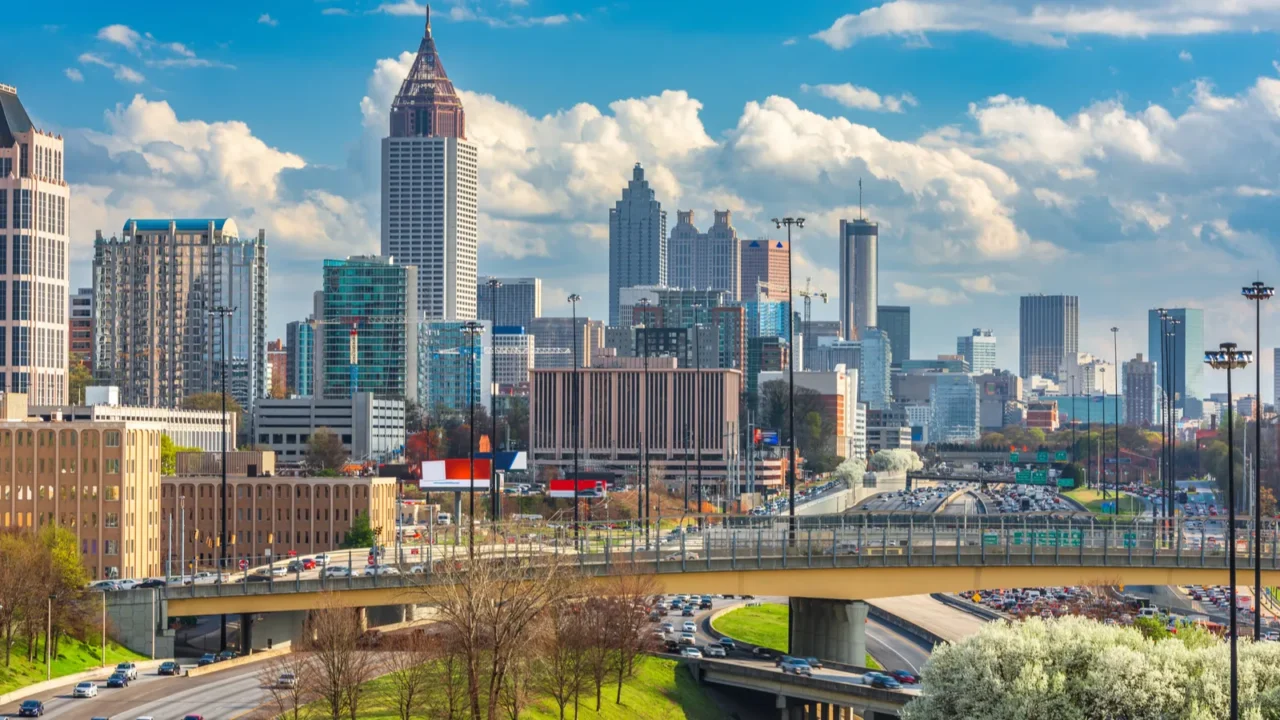
Georgia’s recent gas tax holiday offers a good example of the limits. ITEP estimates it will cost about $196 million per month, while the bottom 60 percent of families would receive only 22 percent of the tax cut, or about $13 per family.
A large share of the benefit does not even stay with struggling residents. ITEP says about 40 percent of that tax cut flows to nonresidents through travel and business channels, or is captured elsewhere in the fuel chain.

Connecticut tells a similar story
Connecticut offered a similar example before the proposal was dropped. Reporting on Gov. Ned Lamont’s plan said suspending the gas and diesel taxes would have cost about $40 million per month, while ITEP argued the direct benefit to lower income families would still have been modest.
That is why many tax analysts stay skeptical of these policies. Drivers may notice a headline, but the direct savings can be modest while road funding takes the hit.
Global oil security may not look the same after Iran’s setback. Check out what could change next for supply routes and prices.

What drivers should really watch
The states with the highest gas taxes are still important, especially California, Illinois, Washington, Pennsylvania, and Indiana. But in this moment, the bigger warning sign may be where households are most exposed to driving costs, especially across the South and in long-commute states.
In other words, the real risk is not just a high tax map. It is the combination of taxes, fast-rising prices, car dependence, and limited alternatives when fuel costs suddenly surge.
Could higher oil prices soon hit everything from gas bills to airfare? Check out the full story on how U.S.-Iran tensions are fueling supply fears.
Which matters more where you live right now: your state’s gas taxes or the sudden jump in prices? Share your thoughts and your view in the comments.
This slideshow was made with AI assistance and human editing.
Don’t forget to follow us for more exclusive content right here on MSN.
Read More From This Brand:
