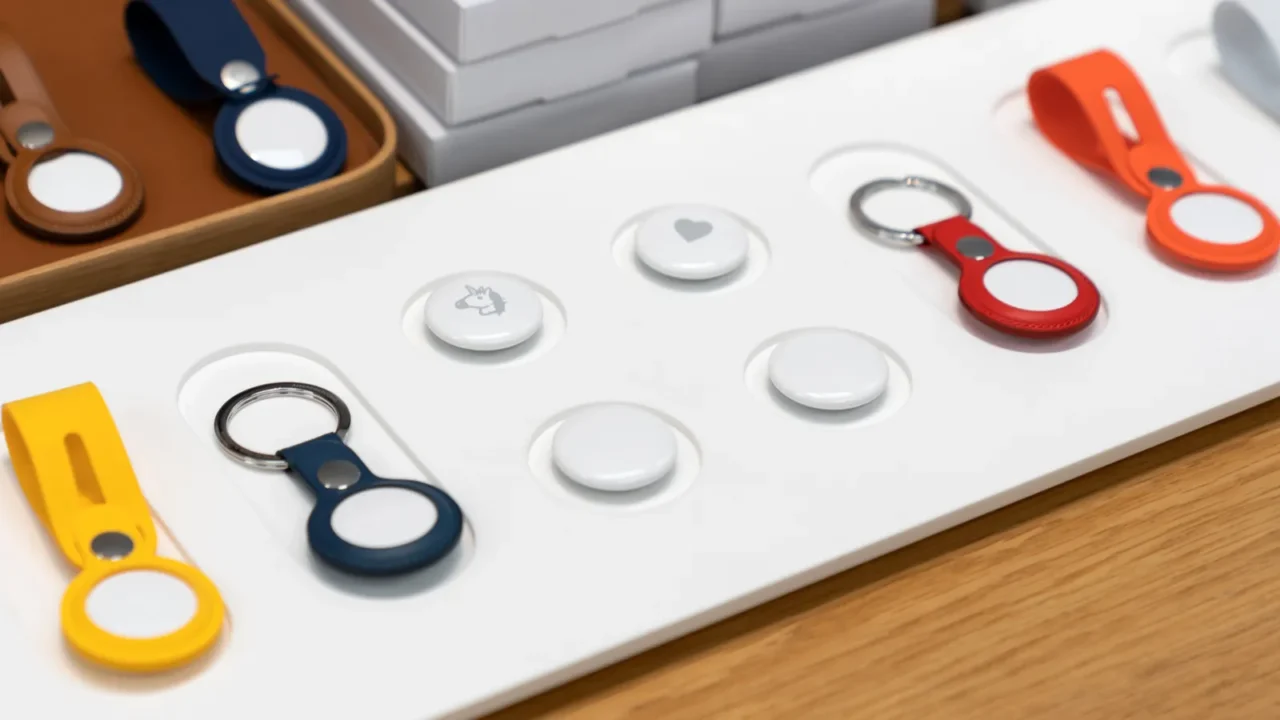
Apple leads travel tech shift
Apple Inc. has expanded its ecosystem of travel-friendly devices, with tools like AirTag improving the convenience of global tracking for luggage and personal items. The company continues to shape consumer technology trends through integrated hardware and software experiences. Recent updates emphasize connectivity, mobility, and real-time device synchronization across regions. Travelers increasingly rely on Apple devices during international and domestic trips for seamless digital support.
Apple Inc. devices are widely used in airports, hotels, and transit systems across major travel hubs like New York and London. AirTag technology can help travelers locate misplaced bags and share item locations with participating airlines through Apple’s Find My features. The growing ecosystem strengthens Apple’s role in modern travel convenience. These tools continue to redefine how digital infrastructure supports mobility.
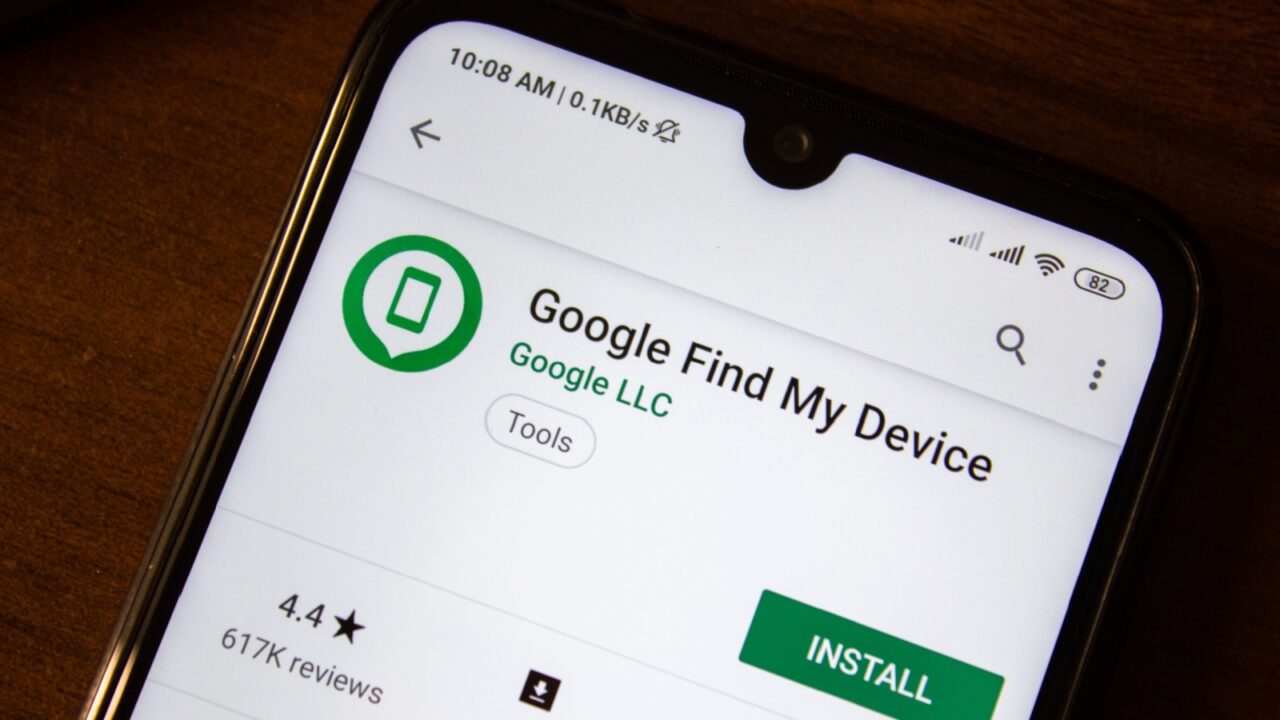
Chipolo tracker supports Android
Chipolo One Point launched with support for Google’s Find My Device network, offering Android users a reliable tracking option. Chipolo expands access to luggage tracking beyond Apple’s ecosystem. The device includes loud alerts and global connectivity.
Travelers navigating airports like Dubai International Airport benefit from cross-platform tracking solutions. These trackers help locate bags quickly during transfers. The expansion reflects growing demand for universal tracking tools.
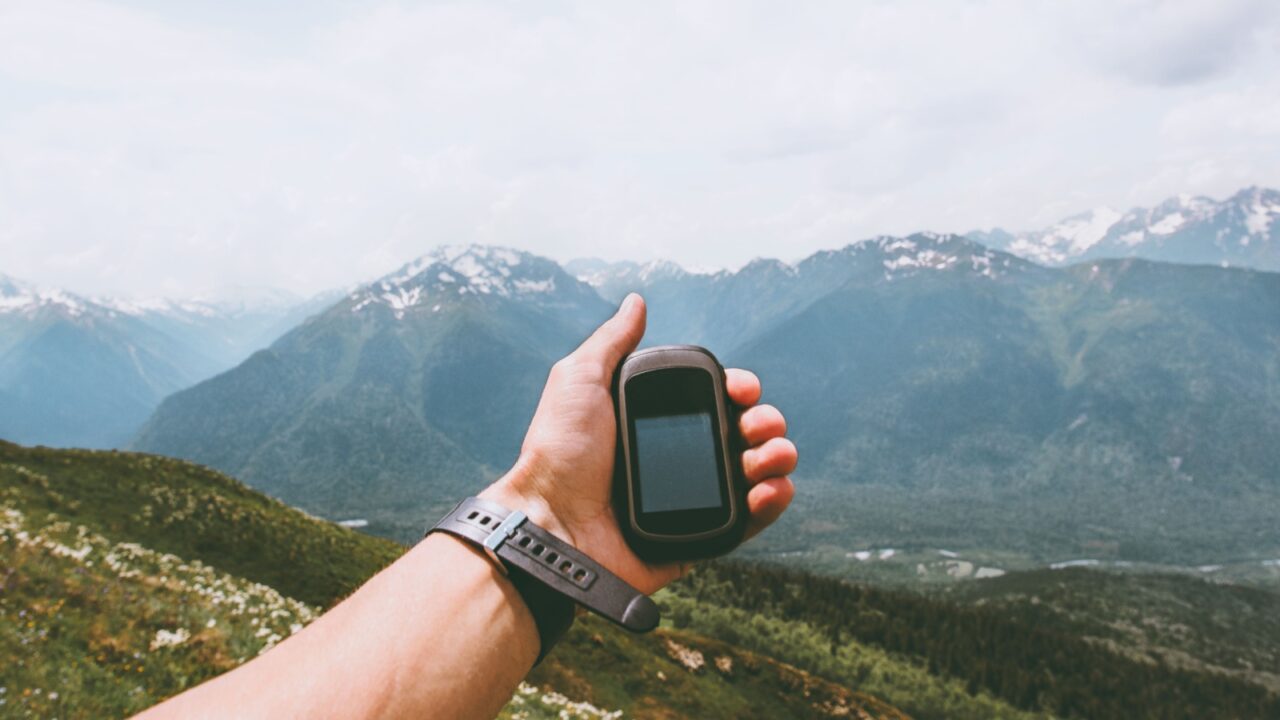
Garmin wearables support travel navigation
Garmin has introduced advanced wearable devices designed for navigation, fitness, and travel monitoring. These smartwatches offer GPS tracking, altitude data, and health metrics for active travelers. The devices support long battery life for extended travel use. They also integrate mapping features for outdoor exploration.
Garmin wearables are well suited to hiking, trail navigation, and outdoor travel where GPS guidance and durability matter. Travelers rely on them for navigation in remote environments. The brand continues to expand its travel-focused product lineup. These devices support both leisure and adventure tourism.

Ray-Ban Meta glasses evolve
Ray-Ban Meta Smart Glasses continue rolling out updates with improved camera and AI features in 2026. These glasses support hands-free photos, video capture, and live streaming. Integration with Meta AI enhances functionality.
Visitors exploring places like Paris can capture travel moments without using handheld devices. The glasses provide a more immersive way to document experiences. Wearable tech is becoming part of everyday travel gear.

Timekettle translation devices improve
Timekettle X1 AI Interpreter Hub introduces real-time translation for group conversations. The device supports multiple languages simultaneously. It is designed for business and leisure travel.
Travelers visiting destinations like Tokyo benefit from easier communication across language barriers. Real-time translation improves cultural experiences and navigation. These tools are reshaping international travel interactions.
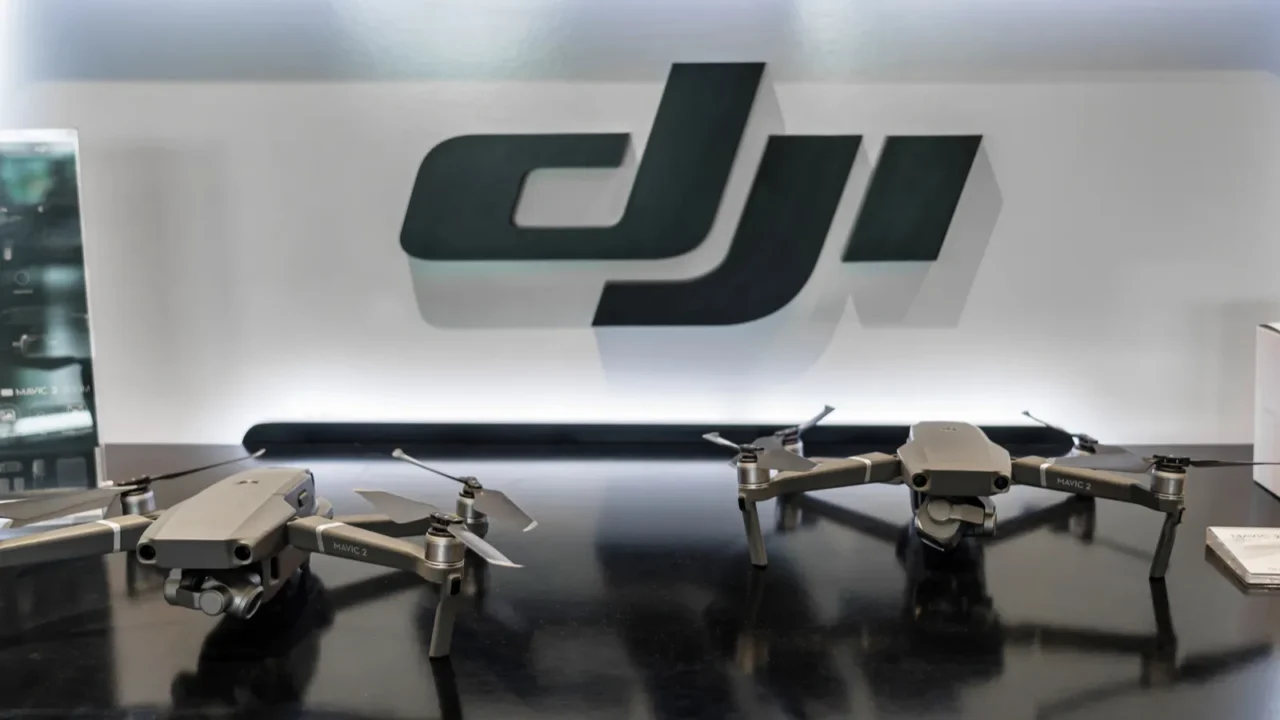
DJI Mini 4 Pro upgrades
DJI Mini 4 Pro offers enhanced obstacle avoidance and improved camera performance for travel creators. The drone remains lightweight, making it easier to carry during trips. It is designed for high-quality aerial photography.
Fact: Drones, also known as unmanned aerial vehicles, are widely used around the world for photography, recreation, and commercial purposes, making them a popular tool for capturing travel experiences across scenic destinations. Travel creators often use compact drones to capture aerial landscapes where local rules and park regulations allow flight.
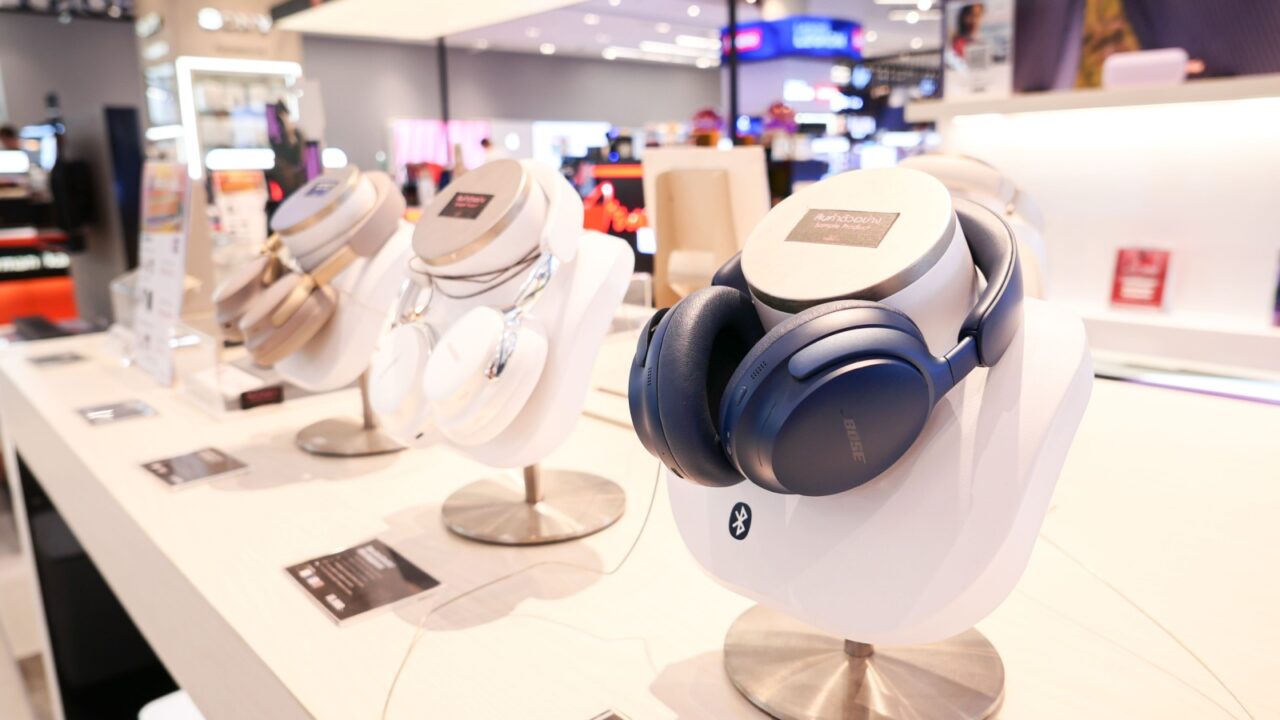
Bose audio travel comfort
Bose noise-cancelling headphones remain a top choice for travel comfort. The technology reduces ambient noise in airports and airplanes. These headphones provide long battery life and immersive sound quality. They are designed for extended wear during travel.
Bose products are widely used on long-haul flights across routes like Los Angeles to Tokyo. Travelers rely on them to reduce fatigue during transit.
Fun fact: Bose traces its active noise-cancelling concept to Dr. Amar Bose’s experience on a noisy flight, and the technology later expanded into both aviation and consumer headphones.
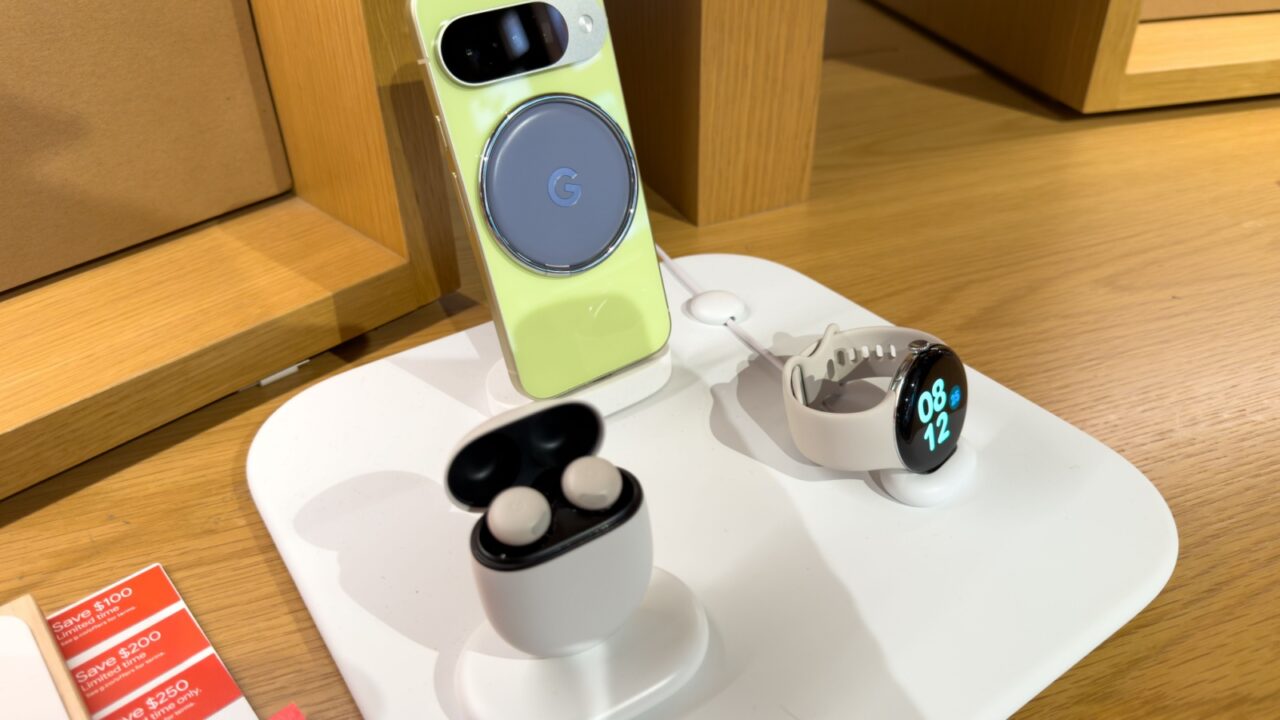
Google travel ecosystem tools
Google Pixel Watch integrates fitness tracking, navigation, and communication features for travelers. It connects seamlessly with Android devices for real-time updates. The watch includes map support and health monitoring tools. It is designed for everyday and travel use.
Google devices are widely used across tech-heavy travel hubs like San Francisco and Seoul. Travelers benefit from integrated navigation during city exploration. The ecosystem supports cross-device synchronization. These tools enhance digital mobility during travel.
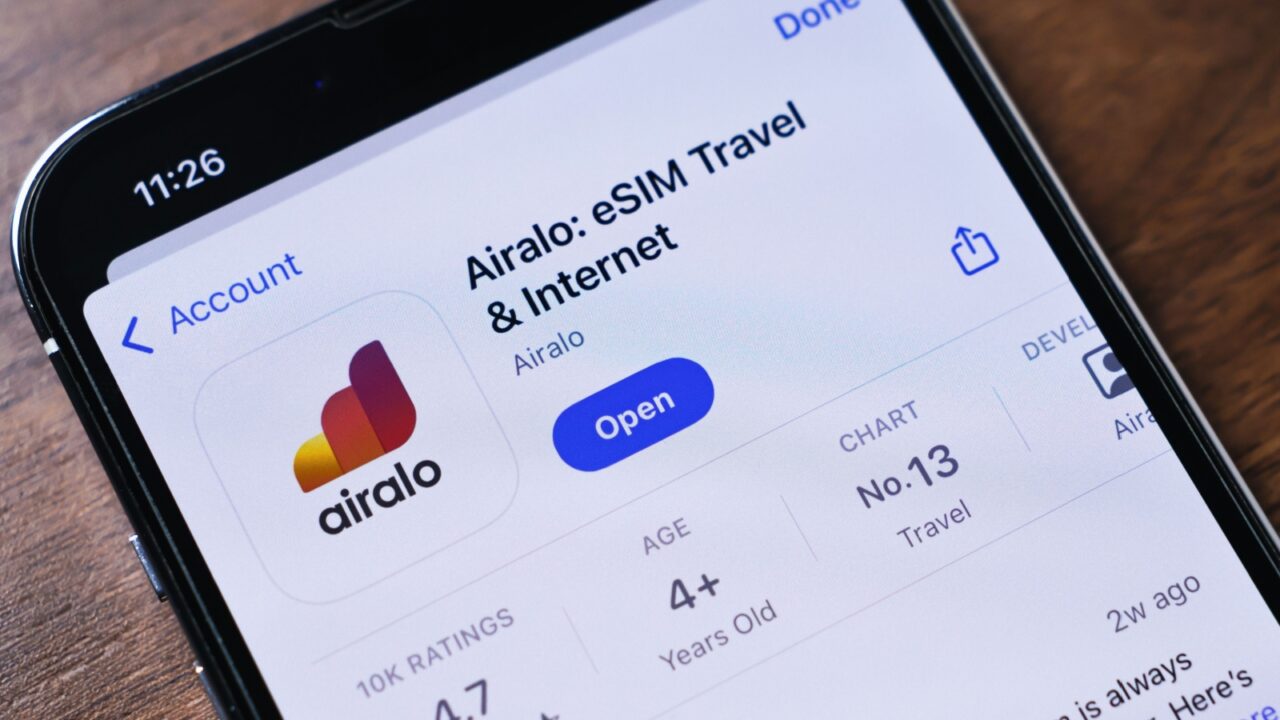
Airalo eSIM connectivity rises
Airalo eSIM technology allows travelers to access mobile data without physical SIM cards. It provides instant connectivity across multiple countries. Users can switch networks digitally during travel. The service supports flexible international communication.
Airalo is widely used in regions like Europe and Southeast Asia. Travelers benefit from reduced roaming charges during international trips. The platform simplifies mobile connectivity for frequent flyers. It continues to grow in global adoption.
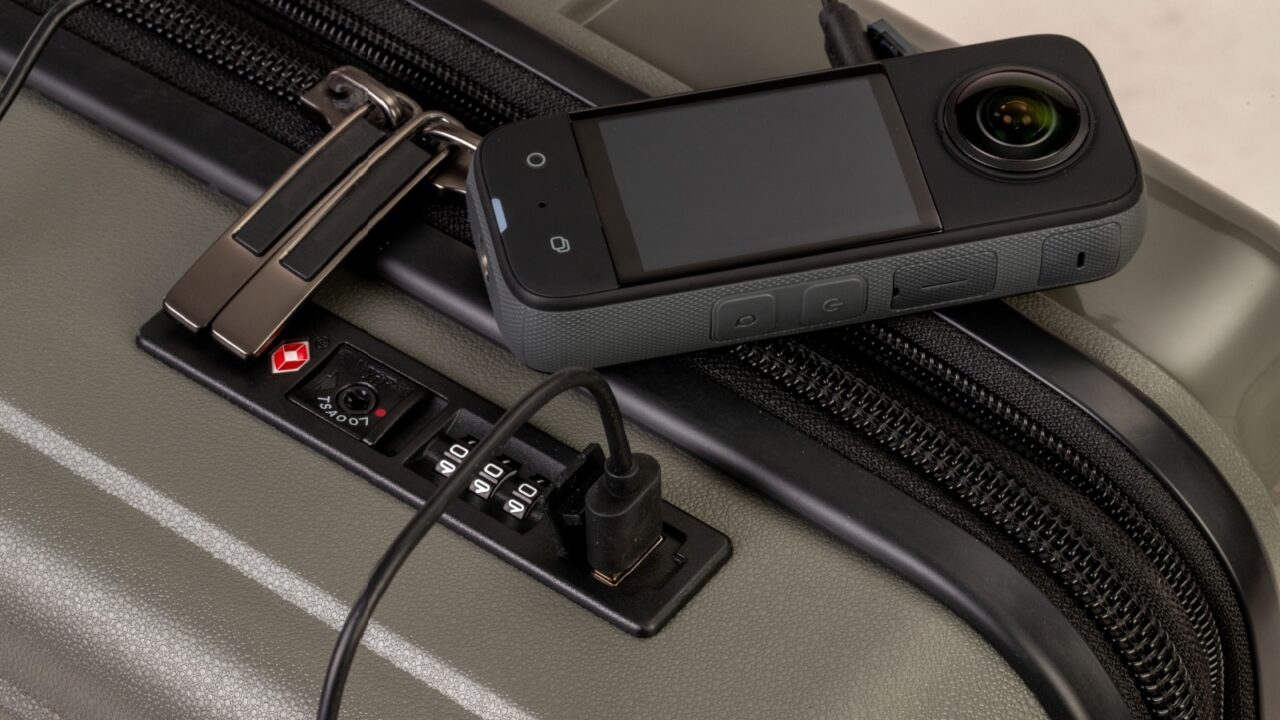
Smart luggage innovation grows
Smart luggage systems now include GPS tracking and built-in charging ports. These features improve convenience for frequent travelers. Some models offer remote locking and weight sensors. They are designed to reduce travel stress.
Smart luggage is increasingly used in airports like Heathrow and Dubai International. Travelers prefer these systems for added security and control. The technology continues to evolve rapidly. It supports modern mobility needs.

Anker Prime charging expands
Anker Prime Power Bank delivers high-capacity charging for multiple devices, including laptops and smartphones. The device includes smart display features for power management.
Travelers moving through airports like Singapore Changi Airport rely on portable charging solutions during layovers. It is designed for long-haul travel.
Travel tech integration grows
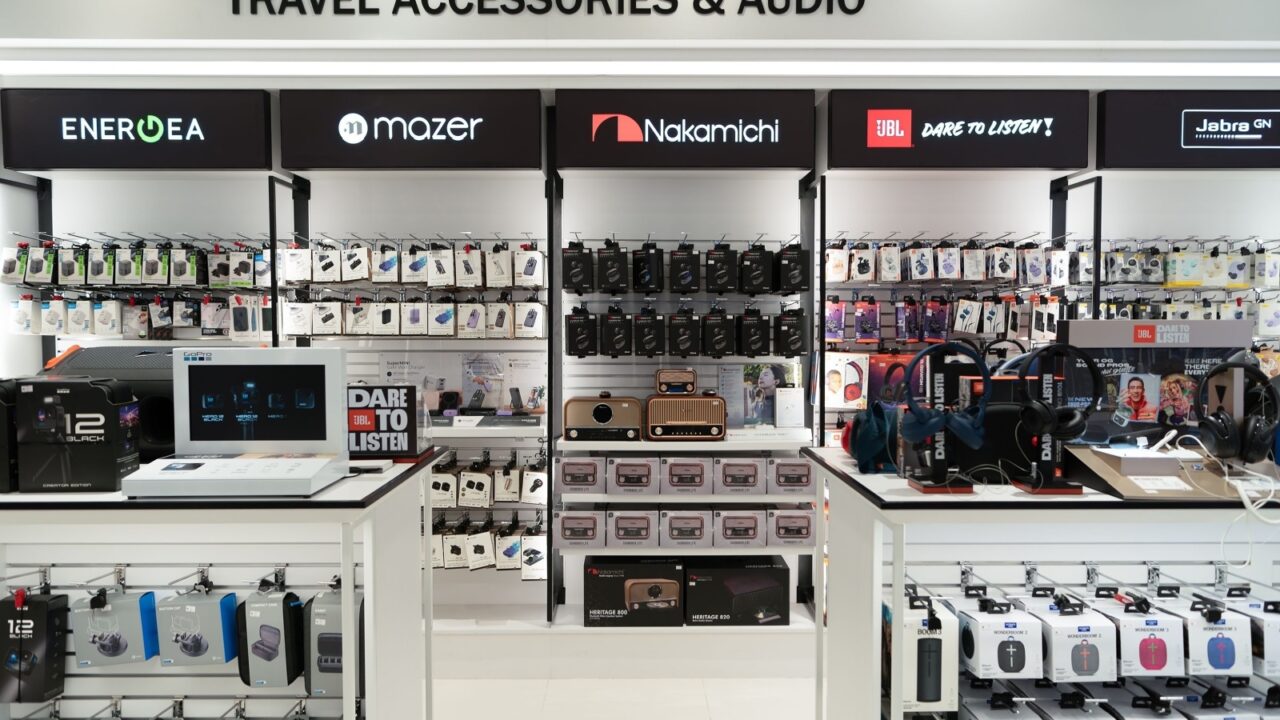
Modern travel gadgets are increasingly integrated into unified ecosystems. Devices now sync across phones, watches, and luggage systems. This improves coordination during trips. It also enhances safety and efficiency, especially as new social media laws could change how Americans plan and share travel experiences.
Cities like Singapore and Amsterdam lead in adopting smart travel infrastructure. Travelers experience smoother transit systems through digital tools. Technology continues to reshape global mobility patterns. These innovations support seamless journeys.
Future travel tech outlook
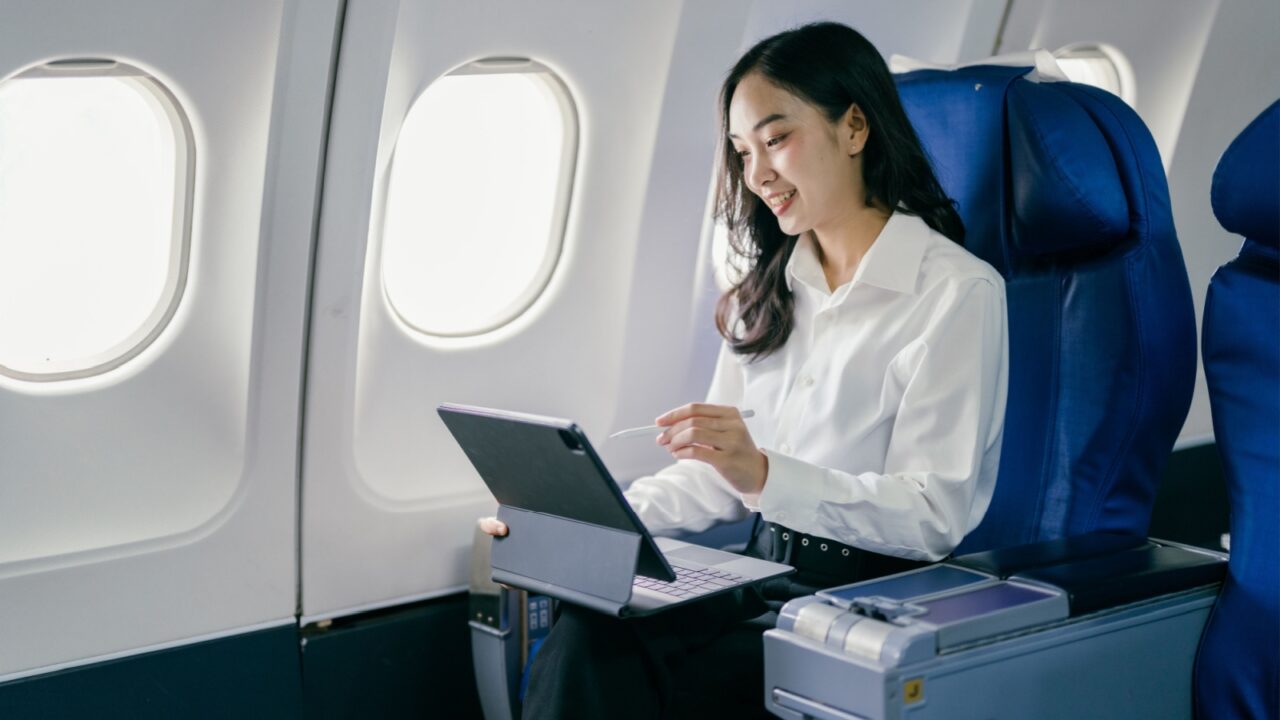
Travel technology continues to evolve with a focus on convenience, safety, and connectivity. New gadgets are designed to reduce friction in global mobility. The industry is shifting toward fully integrated smart travel ecosystems. Innovation remains central to consumer demand.
The best trips are the ones that balance comfort and discovery. Which destination feels like the perfect escape for travelers right now? Share thoughts below.
This slideshow was made with AI assistance and human editing.
Don’t forget to follow us for more exclusive content right here on MSN.
Read More From This Brand:
