
Safety is reshaping U.S. travel
Vacation planning in 2026 is no longer just about price and weather. Travelers are also weighing crime maps, heat risk, car break-ins, and how quickly help can reach them if something goes wrong.
That is why certain U.S. destinations keep showing up in safety conversations, even when they remain popular and culturally important. The key point is not to avoid America’s best-known places entirely, but to understand where extra caution matters most.

This list is about risk, not fear
There is no single official federal ranking of the “most dangerous” vacation spots. A smarter way to judge risk is to look at a mix of recent crime data, local safety alerts, and natural hazards that can threaten visitors just as much as street crime can.
That approach helps explain why this list includes both major cities and a national park. In one case, the danger is concentrated urban crime or theft. In another, it is extreme heat that can become deadly within hours.

Detroit still demands street awareness
Detroit made major public-safety progress in 2024, with the city reporting about 203 homicides, its fewest in nearly 60 years, and violent crime falling again in 2025. That is real improvement, and it matters when people rely on old stereotypes about the city.
Still, visitors are urged to stay alert outside core tourist zones. Visit Detroit says popular areas like the Riverwalk and Campus Martius have added patrols and hotel safety programs, which also shows why travelers should stick to well-trafficked districts, especially after dark.
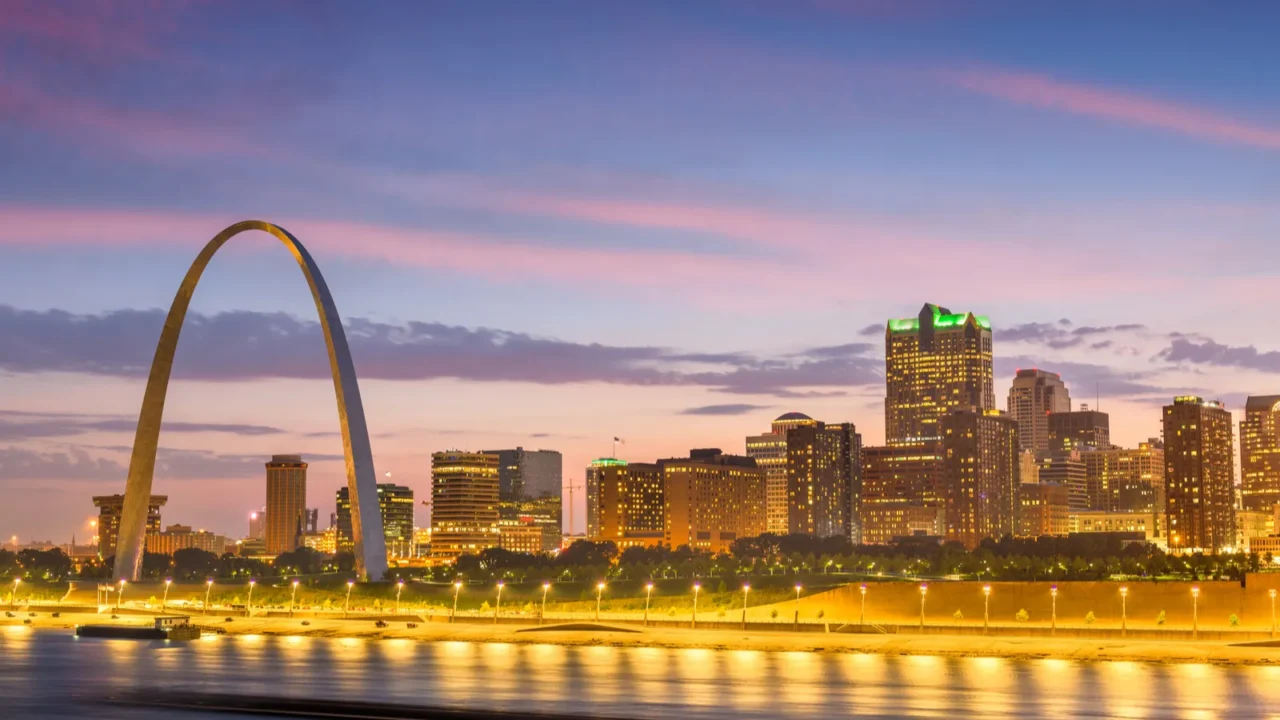
St. Louis is improving, but caution stays
St. Louis posted one of its best recent years on paper. The city said overall crime fell 15 percent in 2024, and 150 homicides marked the lowest total in 11 years.
That does not mean every part of the city feels the same to a first-time visitor. Explore St. Louis says most violent crime is concentrated in a limited number of blocks, and downtown leaders added a Public Safety Ambassador program in 2024 to provide more visible support for visitors.

Oakland’s break-in risk changed the story
Oakland’s biggest traveler risk is often less about sightseeing and more about what happens to your car. Visit Oakland tells visitors to use secure garages, avoid lingering in parked vehicles, and remove luggage immediately, a sign of how serious break-ins have become in trip planning there.
State officials said crime in Oakland was down in mid-2024, and later reports showed vehicle burglaries falling sharply in 2025. Even so, the area around the airport has remained closely associated with smash-and-grab thefts targeting visitors and rental cars.

Death Valley is dangerous for a different reason
Death Valley belongs on any serious U.S. danger list because the threat is the physical environment, not urban crime. The National Park Service says summer temperatures can reach 130°F, and even nighttime temperatures can stay dangerously hot.
The park recorded multiple severe heat emergencies in summer 2024, including two deaths where heat was a contributing factor. In one July incident, helicopters could not respond normally because temperatures were too high for safe flight operations.
Little-known fact: Death Valley is home to Badwater Basin, the lowest point in North America at 282 feet below sea level.

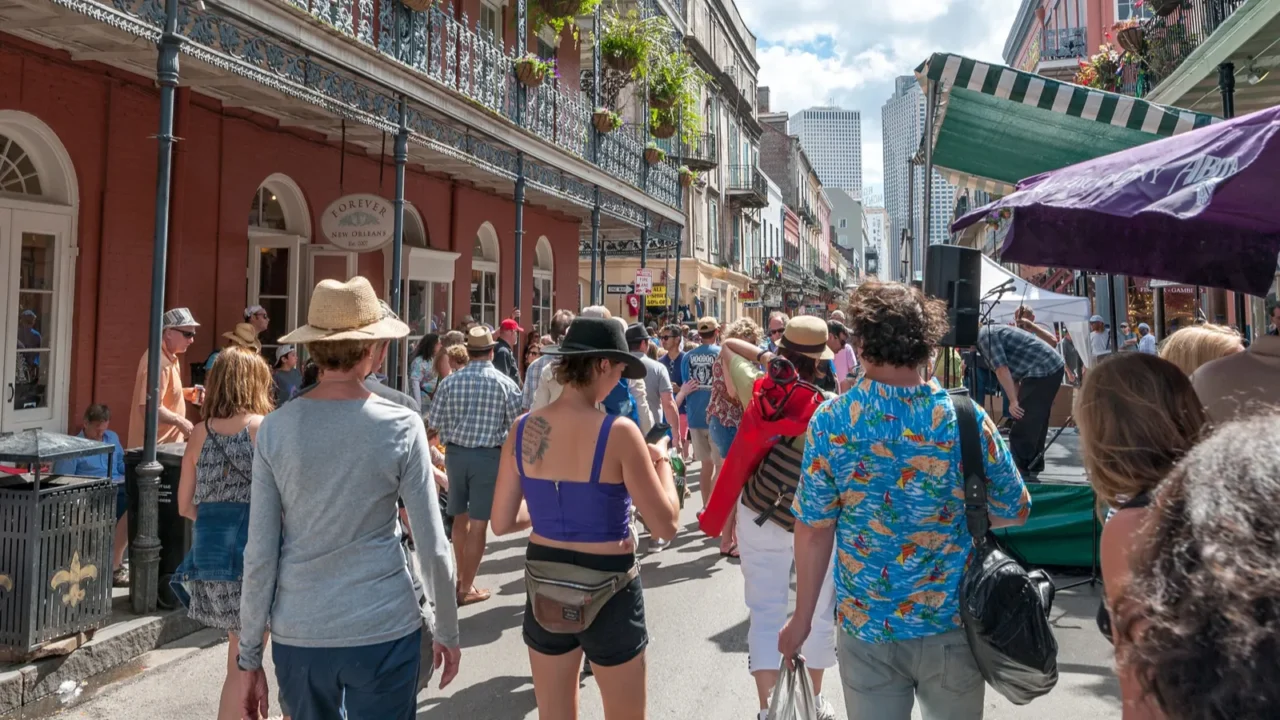
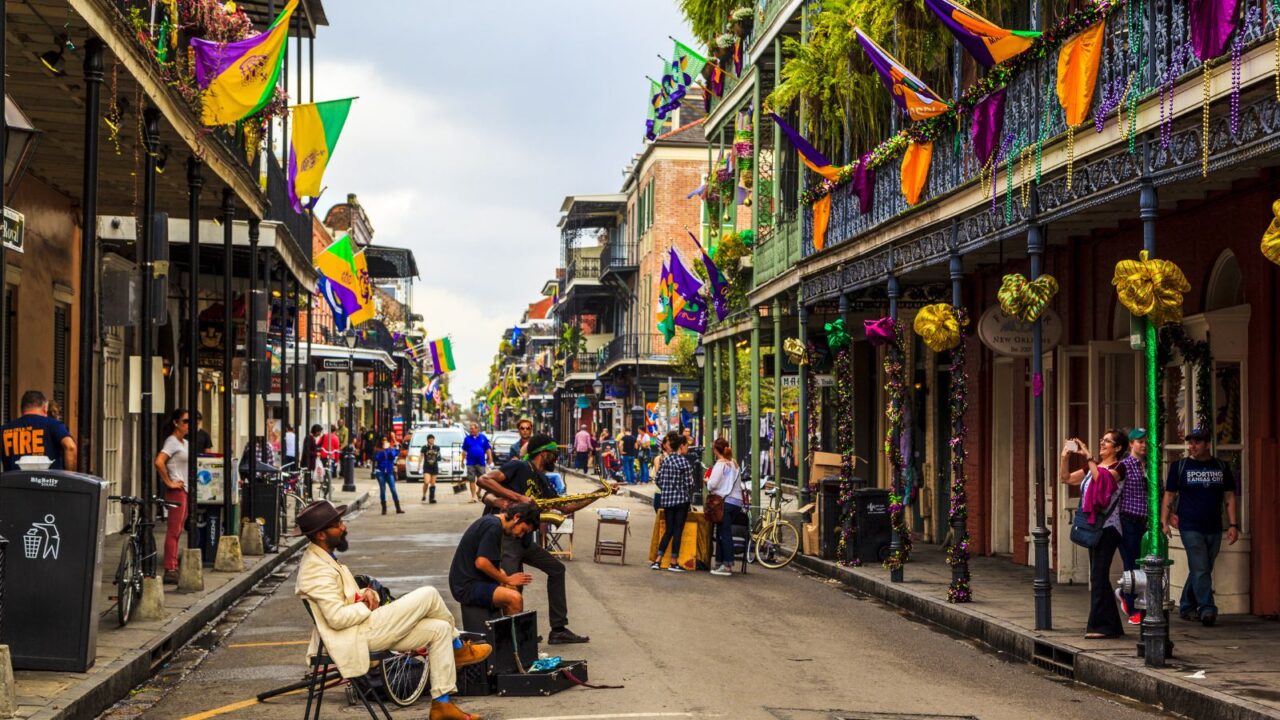
New Orleans still needs smart planning
New Orleans has seen real crime improvement. Its official visitor safety page says homicides fell to the city’s lowest rate since the 1970s, while armed robberies and carjackings have dropped sharply over the past few years.
But the city still urges travelers to stay informed through its crime-mapping tools and local updates. That is especially important in a place where nightlife, crowds, alcohol, and unfamiliar blocks can quickly change how safe an area feels from one street to the next.
Little-known fact: St. Louis launched a downtown Public Safety Ambassador program with unarmed personnel available from 6 a.m. to 11 p.m. to help residents and visitors.

Memphis still carries a tough safety image
Memphis reported encouraging 2024 numbers, with the city saying total crime fell more than 13 percent, homicides dropped 30 percent, and motor vehicle theft fell 39 percent. That is meaningful movement in a city long associated with high crime rates.
Even with that progress, downtown safety remains a visible concern. Local reporting showed Memphis officials adding heavier police presence and extra security in entertainment areas during busy weekends, which tells visitors that planning where they stay and how they move around still matters.

Baltimore is better, not risk-free
Baltimore’s 2024 crime report showed major improvement, with homicides down 23 percent to 201 and non-fatal shootings down 34 percent. That continued one of the city’s clearest recent public-safety gains.
Yet 201 homicides is still a high number for any city trying to reassure travelers. New security steps in areas like Little Italy underline the same reality seen in other destinations: popular visitor districts can be safer than the citywide picture, but they still require active policing and visible deterrence.
The biggest pattern is uneven risk
One of the clearest lessons from recent city data is that danger is rarely spread evenly. Tourism districts, sports areas, and major downtown corridors may be much safer than surrounding blocks, which is why broad city rankings can mislead travelers who do not know the local layout.
That uneven map is also why local advice matters more than national headlines. Crime can be falling overall, while break-ins, robberies, or late-night risks remain stubborn in the exact places visitors use most.

Natural danger can beat crime
Death Valley is a reminder that the deadliest travel mistake is not always walking down the wrong block. Sometimes it is underestimating heat, hiking without enough water, or assuming rescue will work the same way it does in a city.
That broader view matters because American travel risk now includes weather and climate stress more often than it used to. Extreme heat, wildfire conditions, and emergency-response limits are becoming part of the safety conversation right alongside crime data.
Crime is down, but perception lags
A surprising theme in this story is that several cities on the list are improving faster than their reputations. Detroit, St. Louis, Baltimore, Memphis, New Orleans, and Oakland have all reported notable drops in key crime categories over the last one to two years.
That does not make safety concerns fake. It means travelers should update their assumptions and focus on current conditions, neighborhood choice, parking habits, and timing rather than relying on an old citywide label alone.
Some California towns are posting crime numbers that stand out for all the wrong reasons. Check out which five places made the list and what the latest reports show.
What smart travelers do differently
The best safety moves are often simple. Book hotels in known tourist districts, avoid flashing bags or electronics, check local crime maps, do not leave anything in a parked car, and use rideshare or hotel-recommended transport at night when needed.
For outdoor destinations, the rules are even less negotiable. In places like Death Valley, travelers should avoid peak heat, carry extra water, protect their feet, and never assume a short stop or short trail is harmless in extreme conditions.
Drivers use this route every day, but its danger record is raising fresh questions. Check out why this Northern California highway ranks among the nation’s most hazardous.
Which destination would you still visit with the right precautions in place? Share your thoughts and in the comments.
This slideshow was made with AI assistance and human editing.
Don’t forget to follow us for more exclusive content right here on MSN.
Read More From This Brand:
