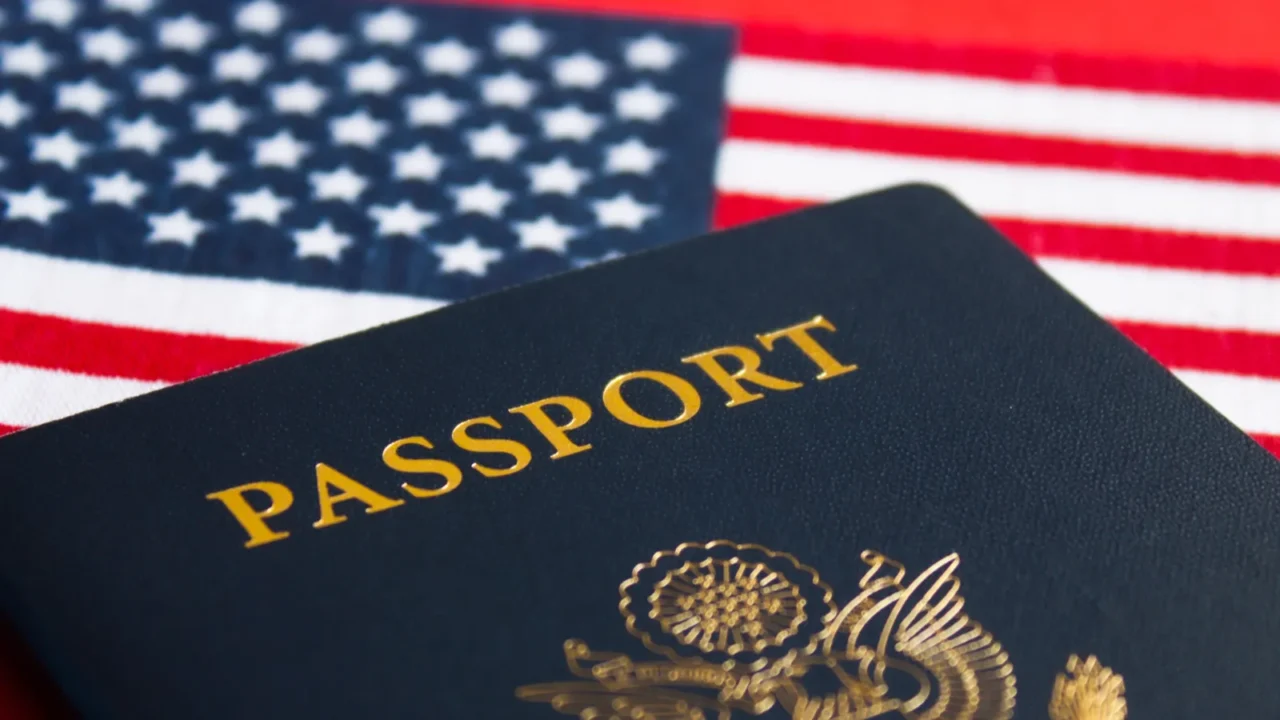
Passport validity rules explained
The U.S. Department of State advises travelers to review passport validity requirements before international travel, as many countries enforce strict entry rules. Several destinations require passports to remain valid for months beyond the return date. These policies are widely applied across Europe, Asia, and the Middle East.
Failure to meet validity requirements can result in denied boarding or entry at immigration checkpoints. Airlines often enforce these rules before departure to avoid penalties. This makes passport checks a critical part of travel planning.

Six month validity rule
The six-month validity rule is one of the most common international travel requirements. Passport validity rules vary by destination, and requirements can differ significantly across Europe, Asia, and the Middle East. Travelers should always check the official entry guidance for their specific destination before departure.
Many destinations require six months of passport validity, but the exact rule depends on the country. For example, the United Arab Emirates requires a passport valid for at least six months beyond the date of entry. Airlines may deny boarding if the passport does not meet the rule. This makes early verification essential for international travel.

Three month rule regions
Some regions enforce a shorter passport validity requirement of three months beyond departure. The Schengen Area in Europe follows this rule for most travelers. Schengen destinations such as France, Germany, and Italy generally follow this shared rule for short stays. Travelers should still review the latest destination specific guidance before travel.
Travelers must also ensure that passports were issued within the last ten years when visiting Schengen countries. These combined requirements are strictly checked at border control. Understanding regional differences helps avoid travel disruptions.

Airlines enforce passport rules
Airlines play a major role in enforcing passport validity requirements before departure. Carriers are responsible for ensuring passengers meet entry conditions for their destination. Failure to comply can result in fines for airlines.
Airports like John F. Kennedy International Airport and Heathrow follow strict document verification procedures. Travelers without proper validity may be denied boarding at check-in counters. This enforcement prevents issues at immigration checkpoints.

Common travel disruptions occur
Passport validity issues are a frequent cause of travel disruptions worldwide. Travelers may face denied boarding or entry due to overlooked expiration rules. These situations often lead to unexpected expenses and delays.
International travel hubs like Dubai International Airport and Singapore Changi Airport regularly handle such cases. Authorities enforce regulations consistently to maintain border control standards. Awareness reduces the risk of last-minute complications.

Global rules differ widely
Passport validity requirements vary significantly across international destinations, and they are not standardized globally. Many countries enforce a six-month validity rule, while others apply three-month requirements or only require validity for the duration of stay. These differences make pre-travel verification essential for international journeys.
The U.S. Department of State advises travelers to review destination-specific passport requirements before international travel. This rule is enforced through airline screening systems to prevent denied entry at destination borders. Travelers are often unaware that enforcement begins before departure at the airport.
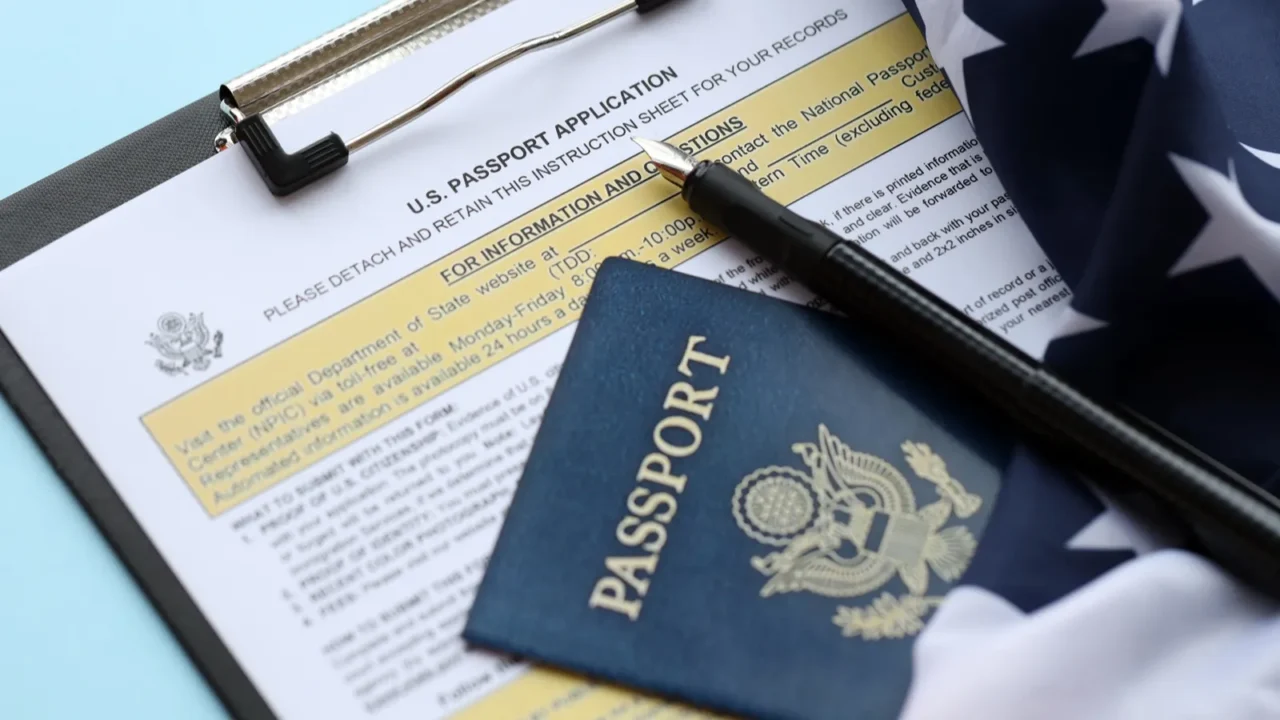
Passport renewal timelines matter
Passport renewal timelines can significantly impact travel planning. Processing times may vary depending on demand and location. Delays are common during peak travel seasons.
Little-known fact: Passport processing in the United States can take six to eight weeks, according to the U.S. Department of State. Expedited services are available but cost additional fees and still require processing time. Early renewal helps avoid last-minute travel disruptions.

Digital tools support verification
Digital tools now help travelers verify passport requirements quickly. Airlines and travel platforms provide real time document checks. These systems reduce errors during travel planning.
Platforms integrated with global databases allow accurate entry requirement verification. This improves efficiency at airports and reduces boarding issues. Technology is making compliance easier for travelers.

Popular destinations enforce rules
Popular destinations like the United Kingdom, Japan, and Australia enforce strict passport validity requirements. These countries maintain clear entry policies for international visitors. Compliance is essential for smooth entry.
Travelers visiting major cities such as London, Tokyo, and Sydney must meet all documentation standards. Border authorities verify passport details carefully. These checks ensure compliance with national regulations.

Travel planning becomes essential
Travel planning now includes verifying passport validity alongside booking flights and hotels. This step has become a standard part of international travel preparation. Ignoring it can lead to significant disruptions.
Travel agencies emphasize document checks during itinerary planning. This helps ensure all requirements are met before departure. Proper preparation improves the overall travel experience.

Global travel continues growing
International travel demand continues to grow despite documentation challenges. More travelers are exploring destinations across continents. This increases the importance of understanding travel requirements. Passport processing delays in the United States are also affecting summer travel plans, as backlogs can extend standard application timelines.
Countries are maintaining strict entry rules to manage border security. Travelers must adapt to evolving regulations. Awareness remains key to successful international trips.
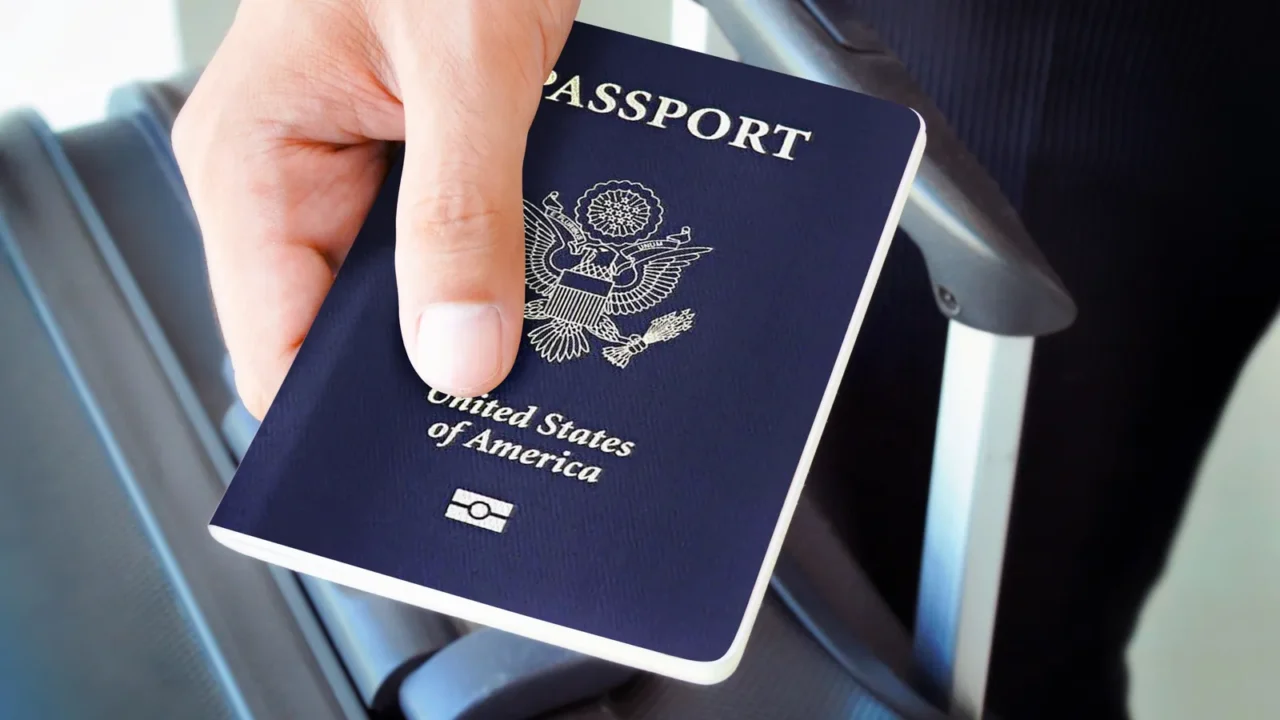
Smart travel starts early
Passport validity checks are now a critical step in modern travel planning. Early preparation helps travelers avoid disruptions and unexpected costs. This ensures smoother journeys across international borders.
The best trips are the ones that balance preparation and experience. Passport awareness plays a major role in successful travel planning.
What steps matter most when preparing for international trips today? Share thoughts below.
This slideshow was made with AI assistance and human editing.
Don’t forget to follow us for more exclusive content right here on MSN.
Read More From This Brand:
